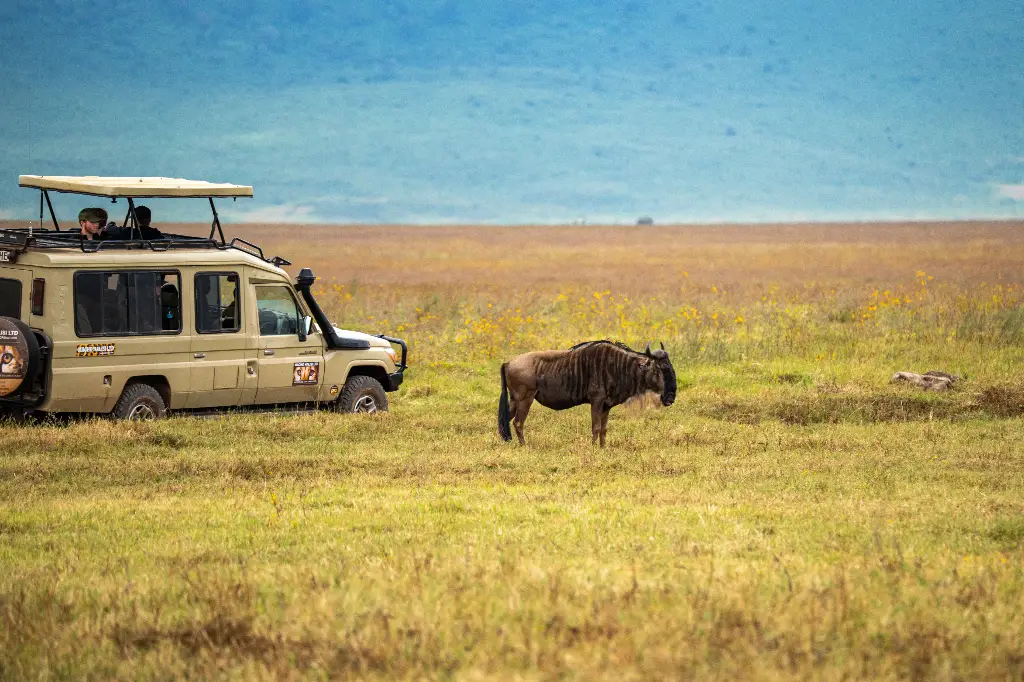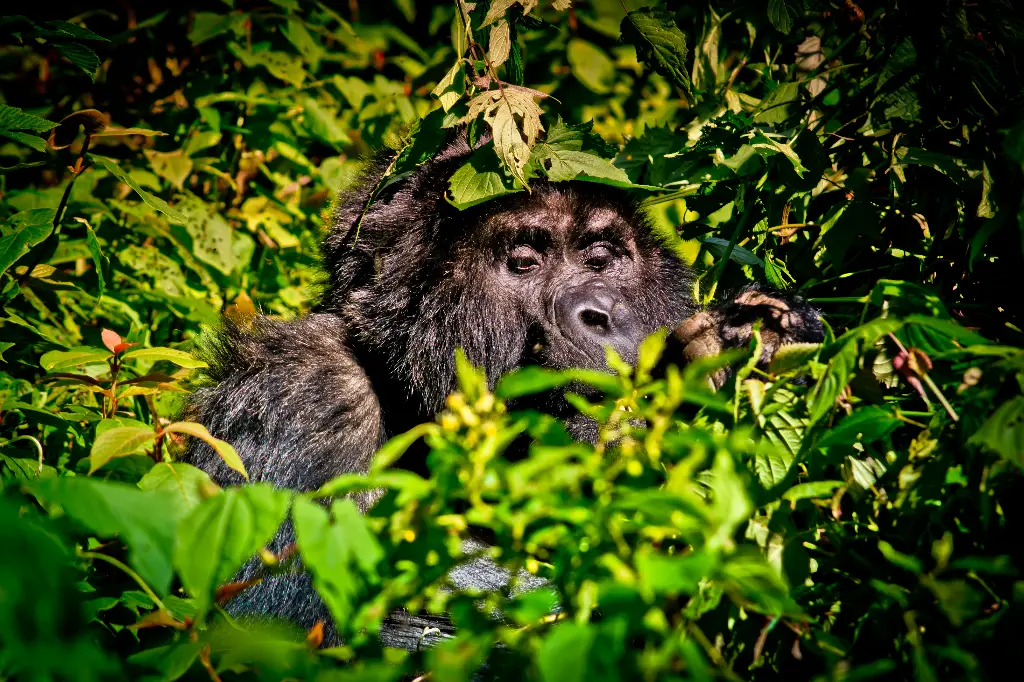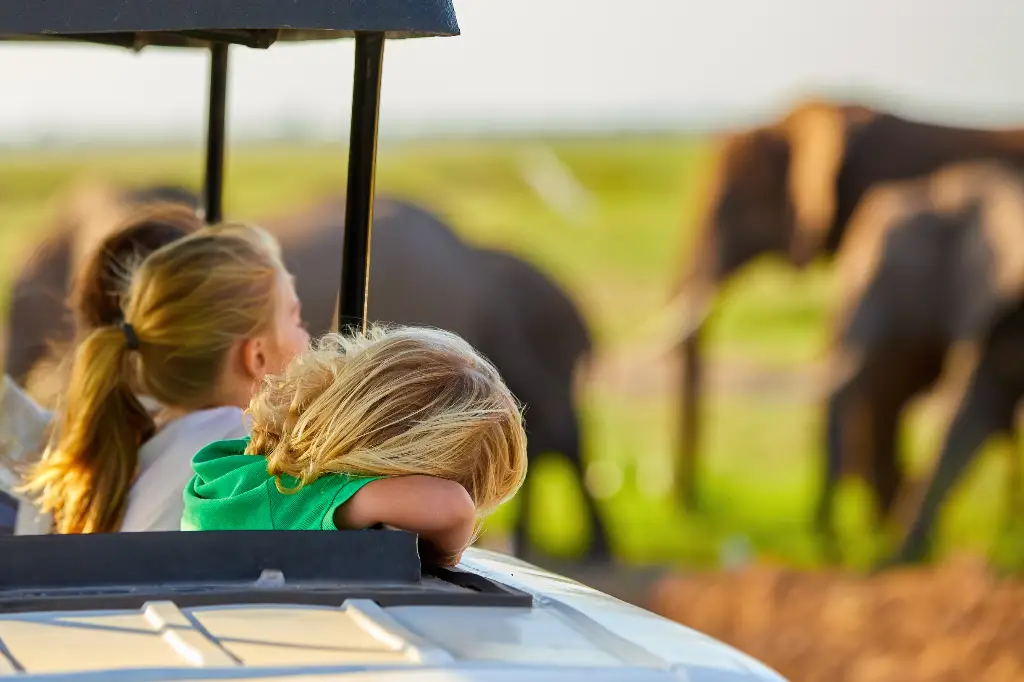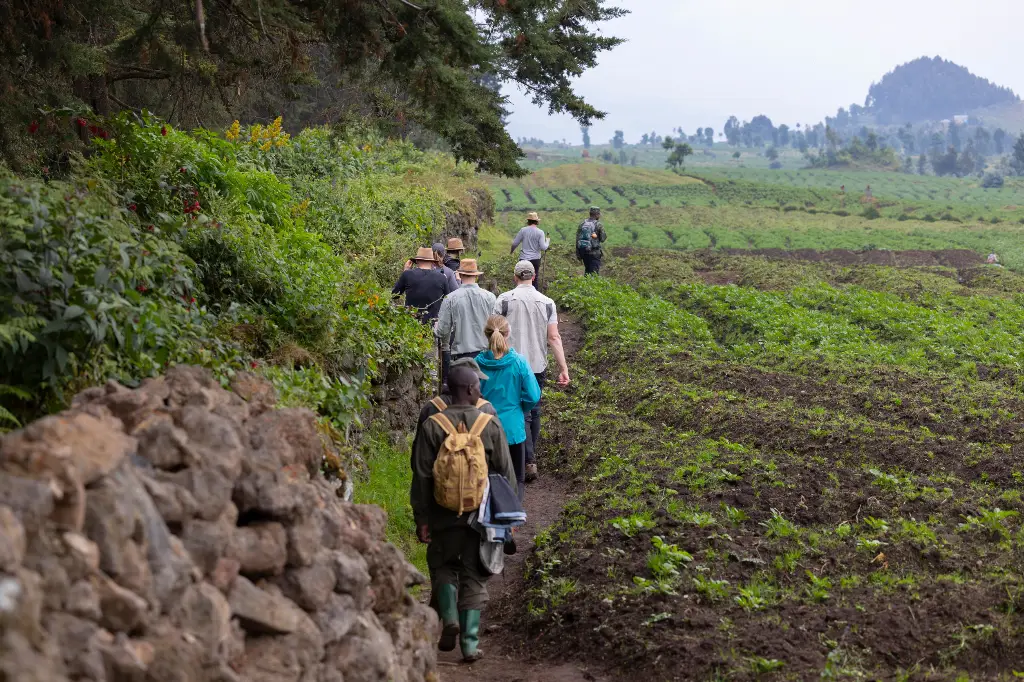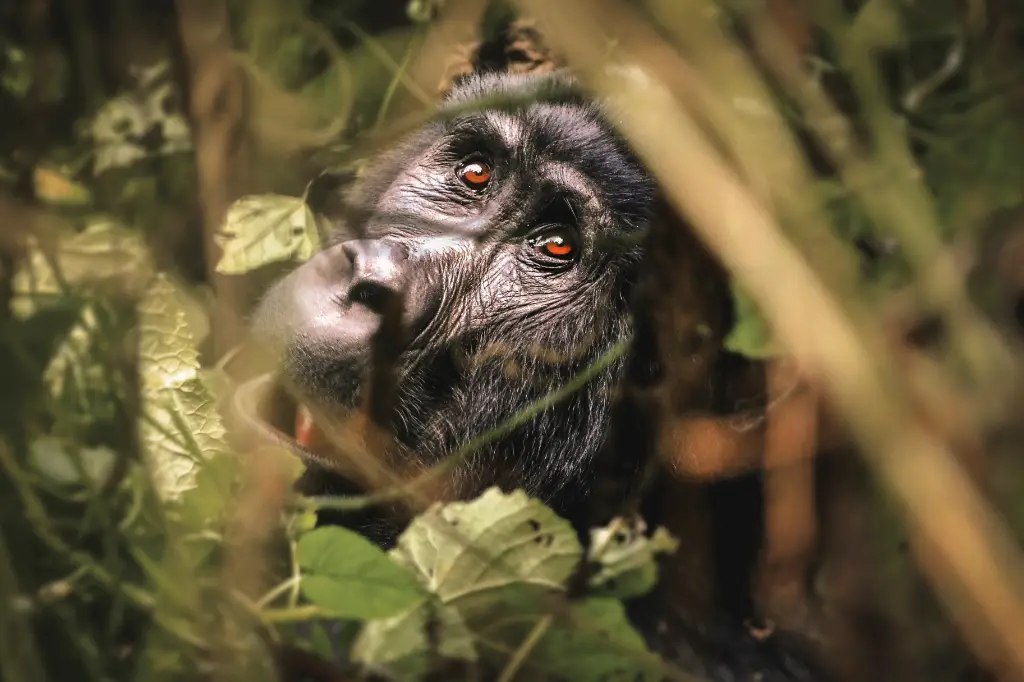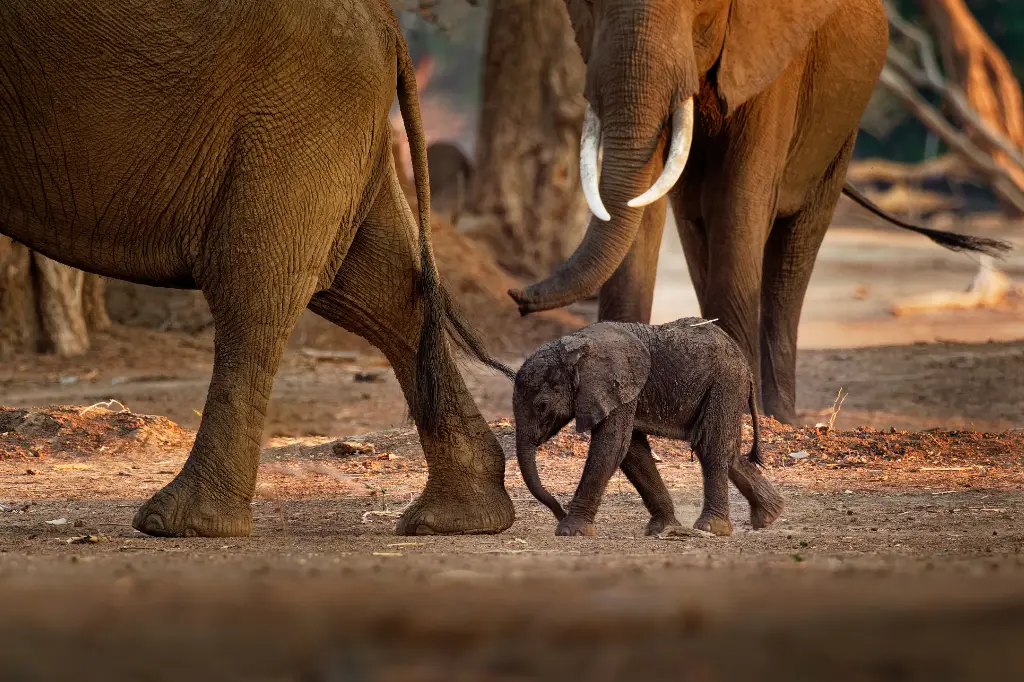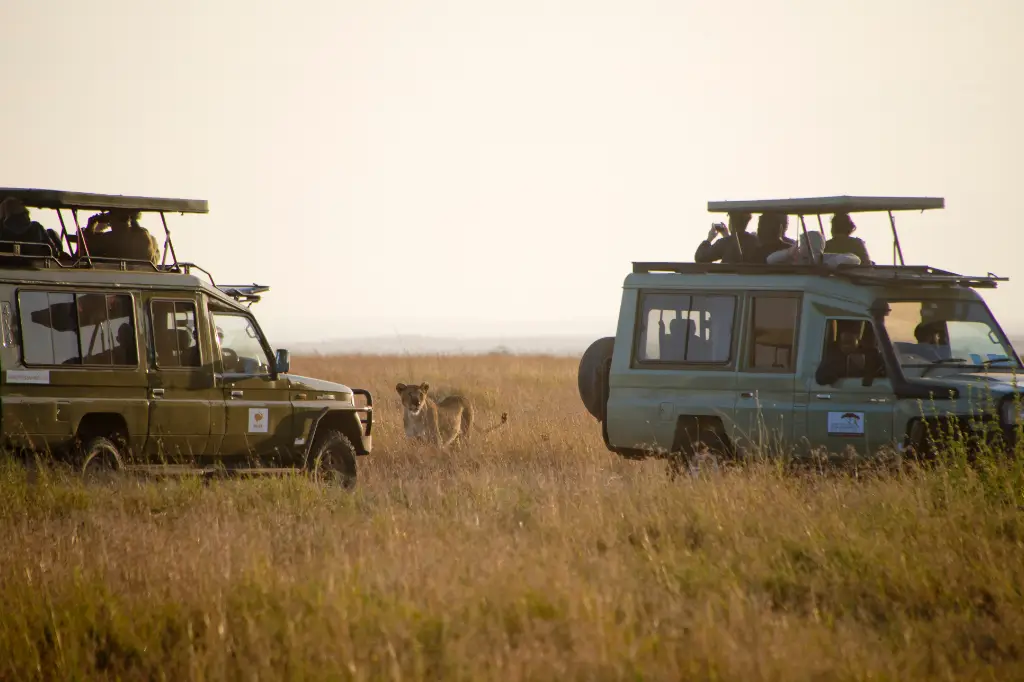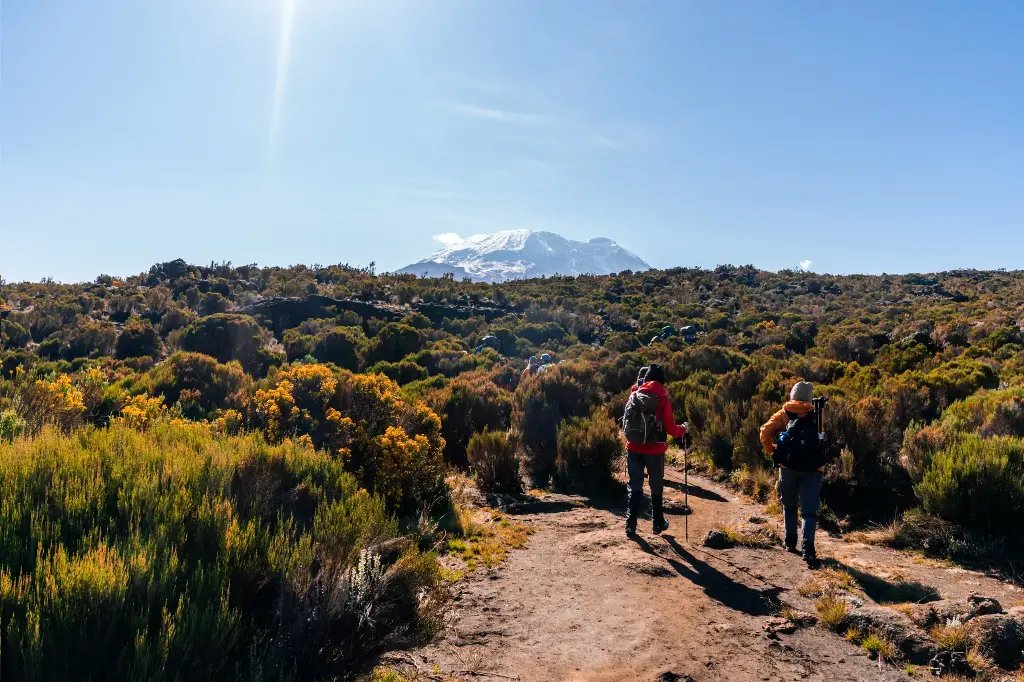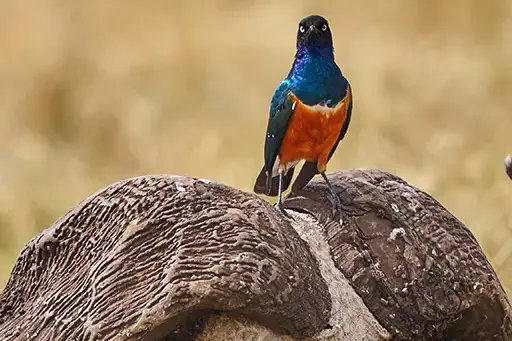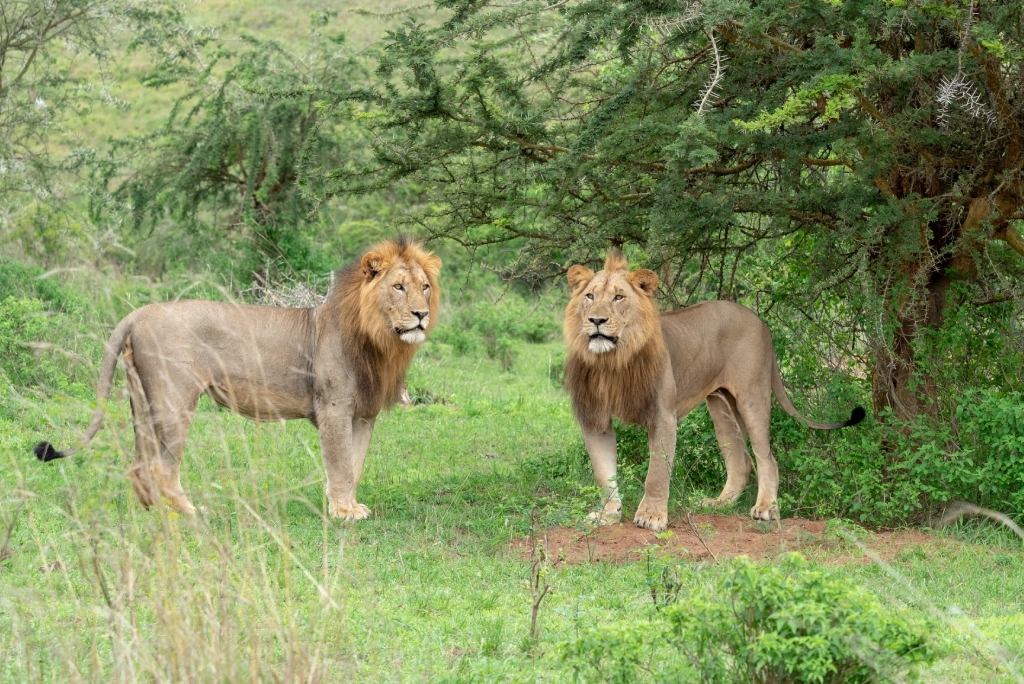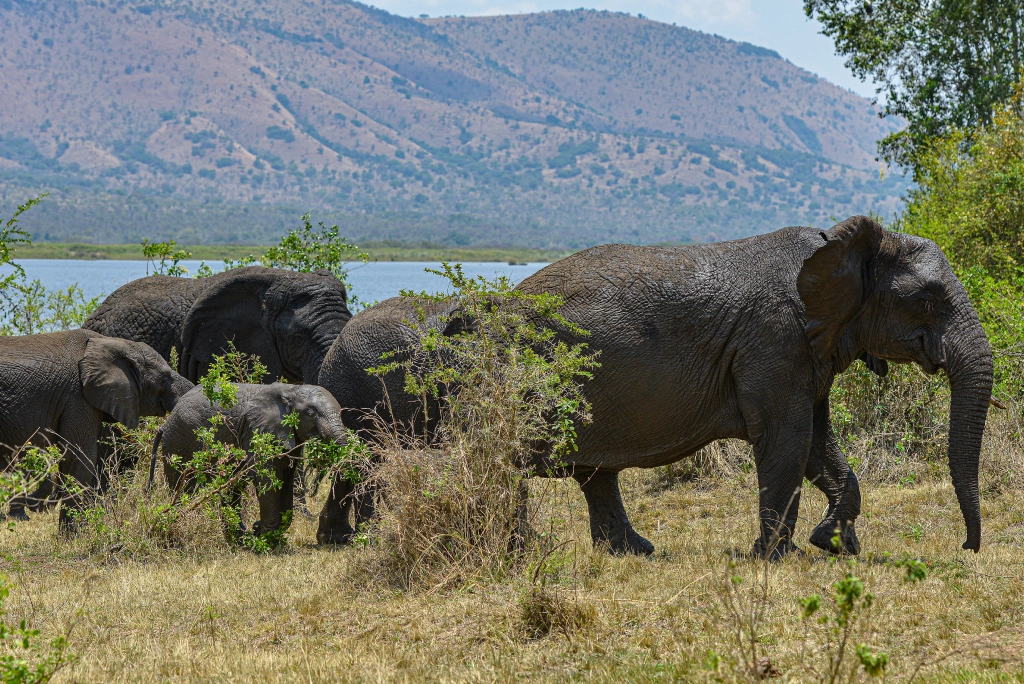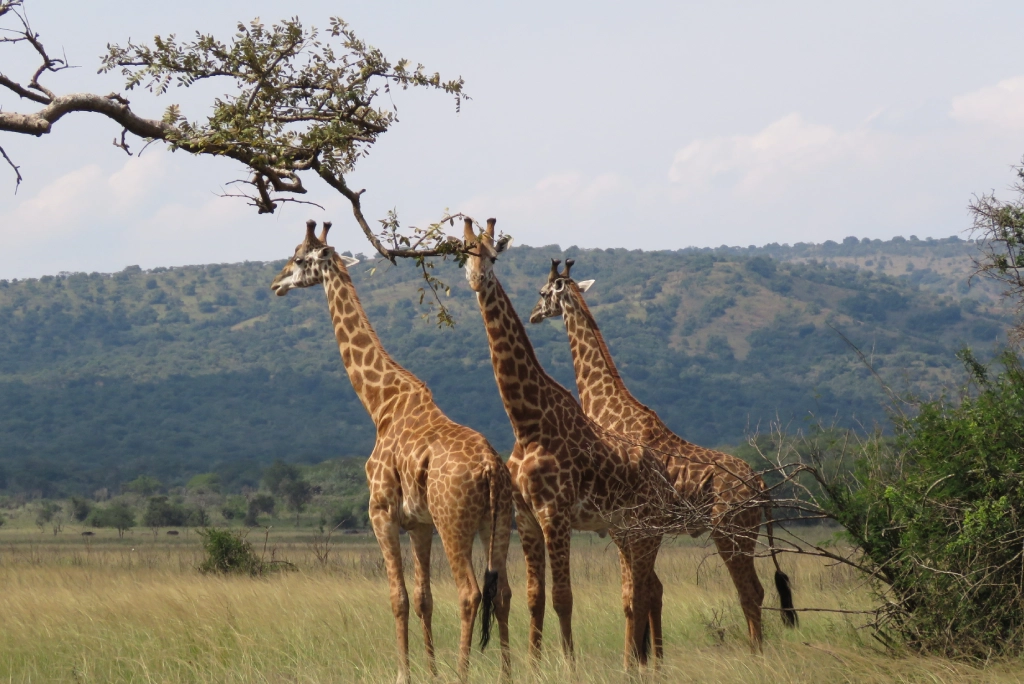
The beautiful lakes and wetlands in Akagera National Park make it a safe place for Rwanda’s Big Five animals. Here, you can go on game drives, boat safaris, and see a lot of birds. This is a genuinely varied and enjoyable place to go on a Rwanda Safari.

Area

1,122 sq km

Established

1934

Location

Eastern

Altitude

1,250 – 1,825 m

Climate

Warm Tropical

Terrain

Savannah Plains

Fauna

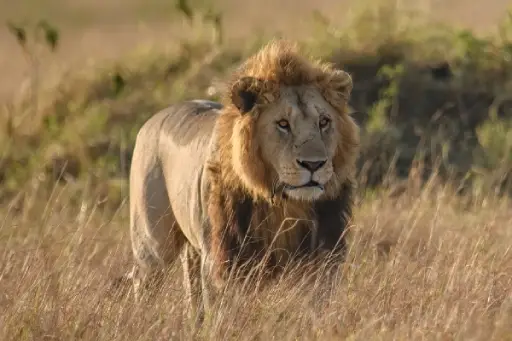
Lions

Flora

Acacia Woodland

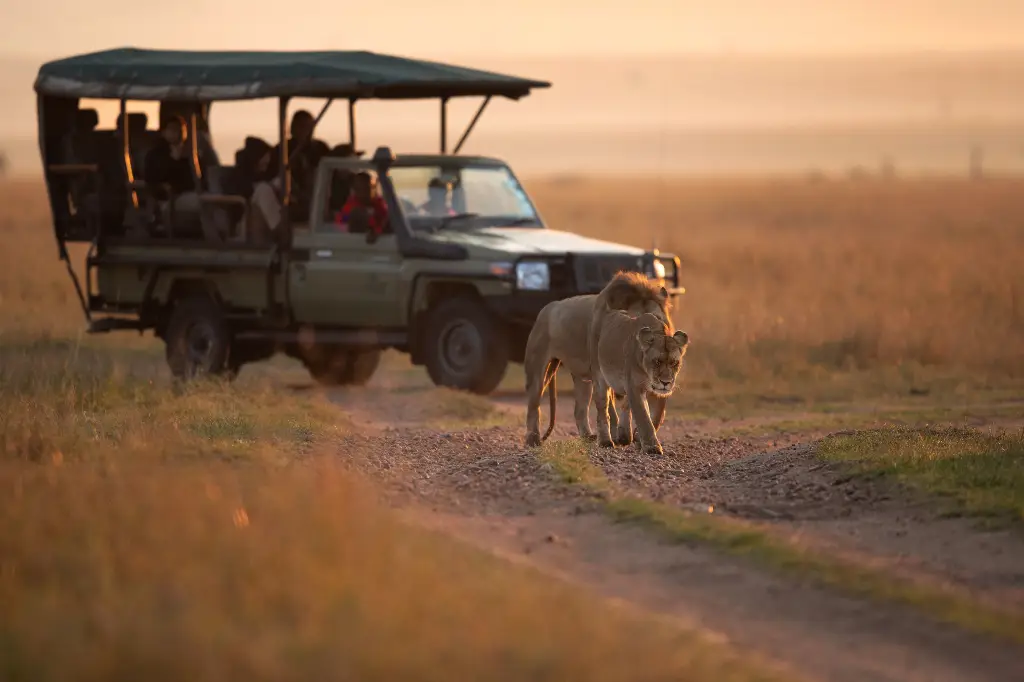
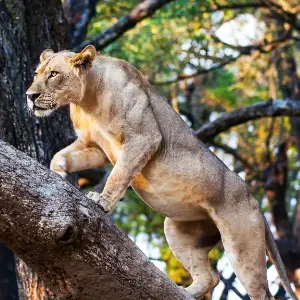
In recent decades, dedicated conservation efforts have transformed Akagera into a model of restoration. The reintroduction of lions in 2015 and black rhinos in 2017 marked a turning point for the park’s ecosystem.

Today, Akagera thrives with Big Five sightings, flourishing birdlife, and improved security measures. Visitors can enjoy scenic game drives, boat cruises on Lake Ihema, and guided nature walks, all while supporting one of Africa’s most inspiring conservation success stories.

Akagera National Park is Rwanda’s largest protected savannah, offering a remarkable blend of open plains, wetlands, and wooded hills. Its diverse habitats create a sanctuary for iconic African wildlife.

The park’s history tells a story of recovery. Once heavily impacted by human settlement and poaching after the 1994 genocide, vast portions of its wildlife and habitat were lost. Lions and rhinos disappeared for years.

Best Time to Visit Akagera

Akagera is open year-round, but wildlife viewing is best in the dry months from June to September and mid-December to mid-February, when animals gather near lakes and vegetation is thinner.

Best Time

Jun to Sep & Mid-Dec to Mid-Feb

High Season

June to September

Best Weather

Jun to Aug

Low Season

Mar to Apr & Oct to Nov

Best Time

June to Sep & Mid-Dec to Mid-Feb

High Season

June to September

Best Weather

June to Aug

Low Season

Mar to Apr & Oct to Nov

[hfe_template id='2029']

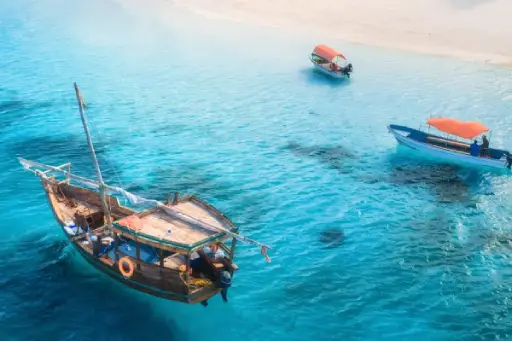
The lakes inside the park create quiet spaces for relaxation. You can take a boat ride, enjoy birdwatching, or try fishing on the gentle waters. Each activity brings a closer look at Akagera’s natural beauty.

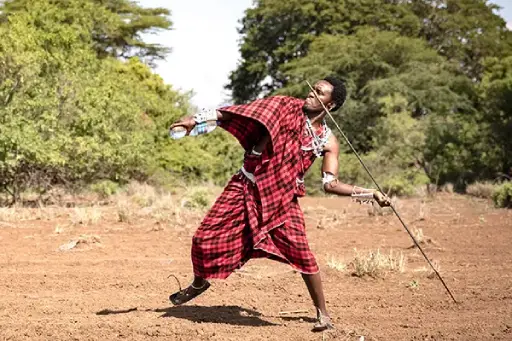
Cultural visits nearby give insight into traditional Rwandan life. Guests can watch or take part in daily activities like tending cattle, preparing food, or making yogurt and ghee. These moments connect travelers with communities while adding to the park’s charm.

Akagera National Park is full of life and peaceful landscapes. It offers visitors many different experiences in nature.

Walking trails allow you to explore slowly and see details that are often missed on drives. You may notice colorful butterflies, unique plants, and small forest animals along the paths. These guided walks are calm and rewarding.

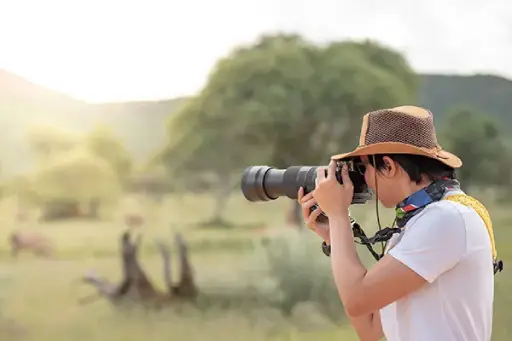
The scenery is equally captivating, with rolling hills, woodlands, and shimmering lakes that change color with the light. It’s a landscape that feels alive, peaceful, and endlessly photogenic.

Every day in Akagera offers something new: an early morning drive through golden grasslands, a sunset over Lake Ihema, or quiet moments listening to nature’s soft evening chorus.

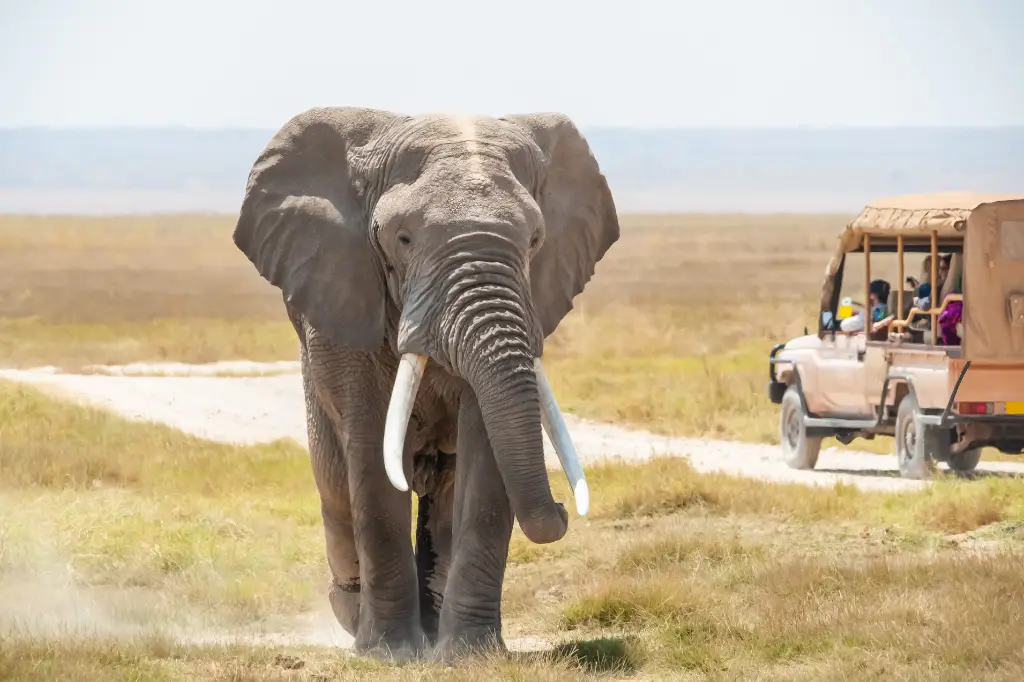
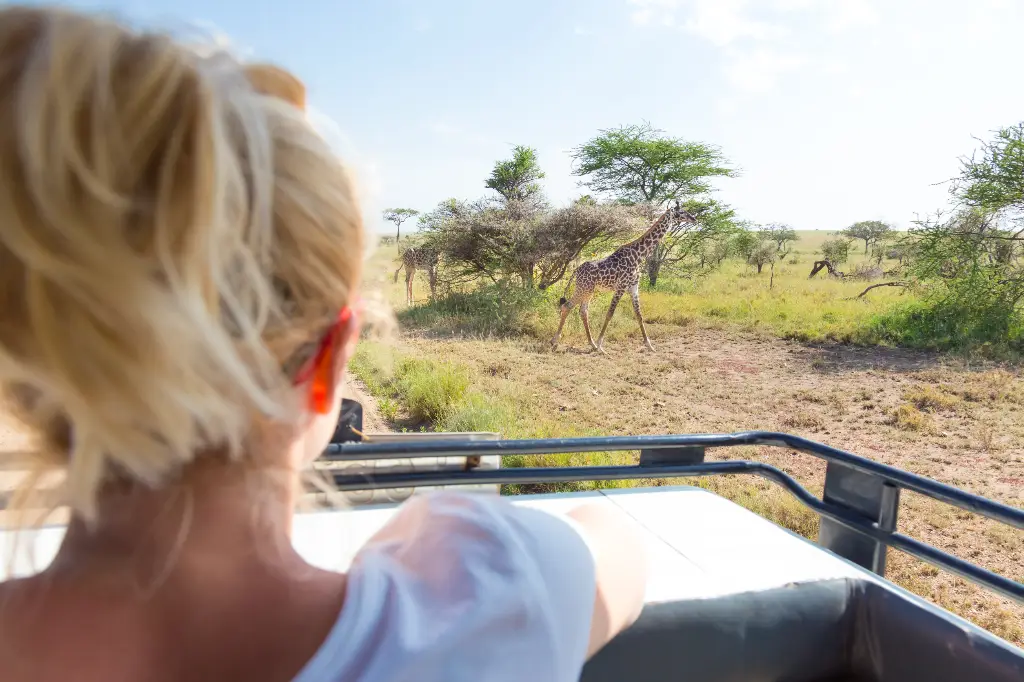
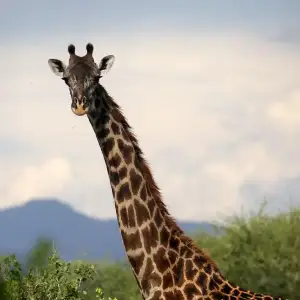
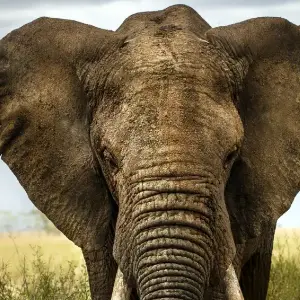
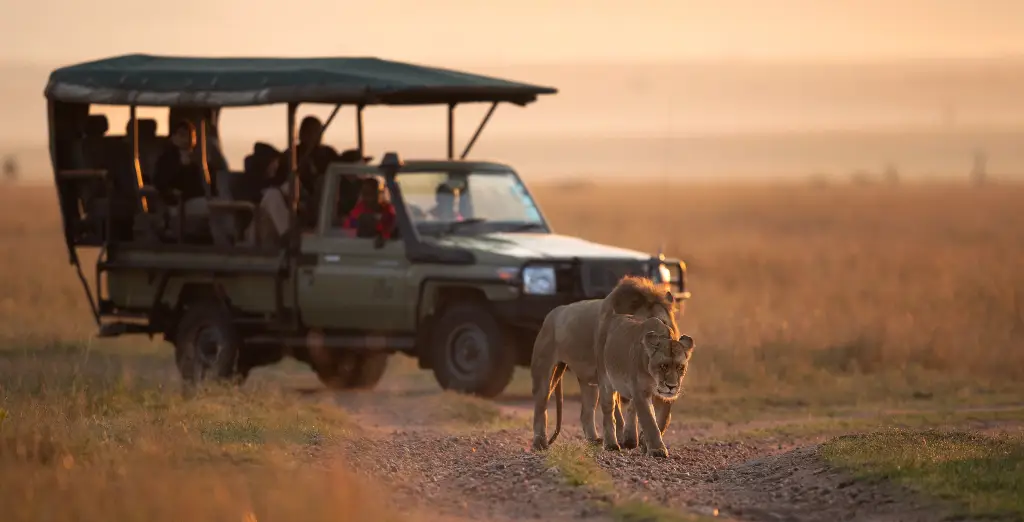
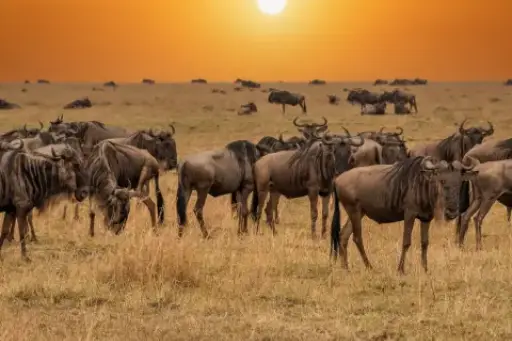
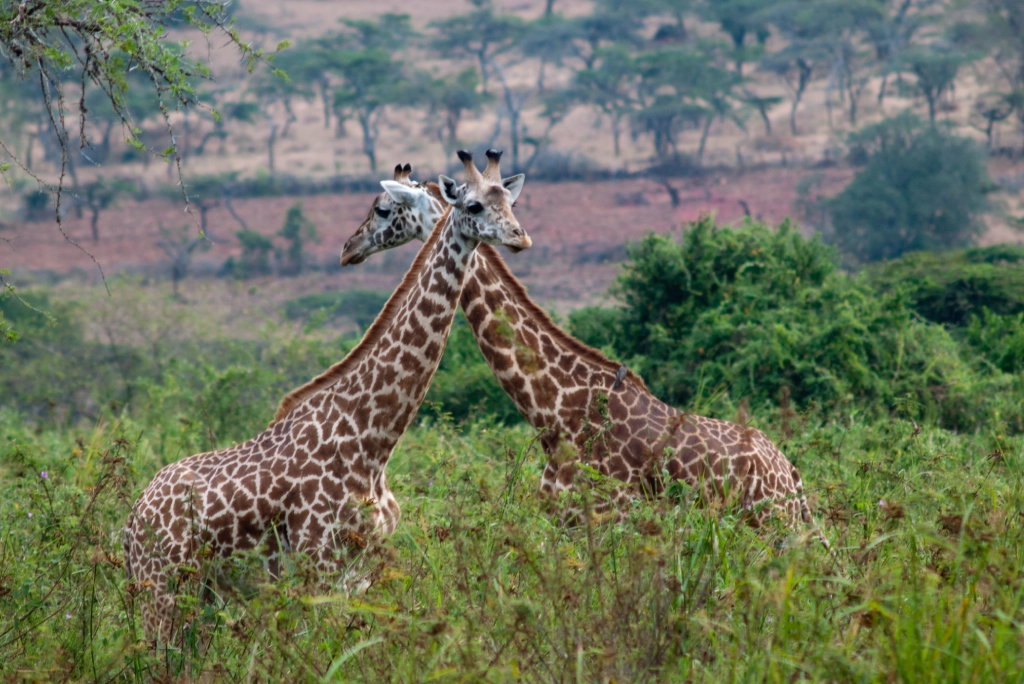
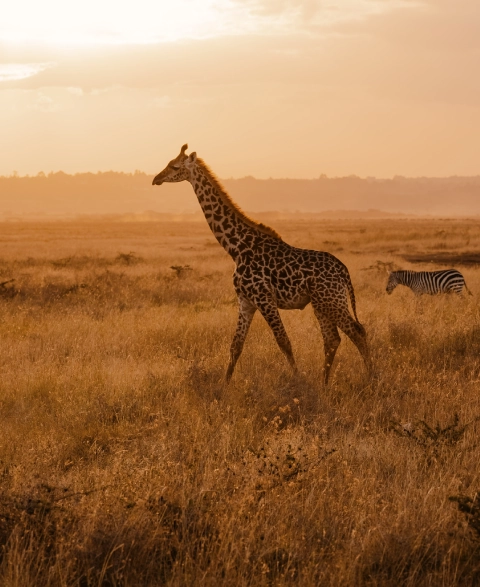
Akagera is one of the best places in Rwanda to see large mammals in their natural environment. Lions, elephants, giraffes, and buffalo roam freely across the open plains, creating classic African safari scenes.

The park’s recent conservation success has brought back key species, including rhinos, restoring balance to its ecosystem. Every sighting here feels meaningful, a sign of Rwanda’s commitment to protecting its wildlife heritage.

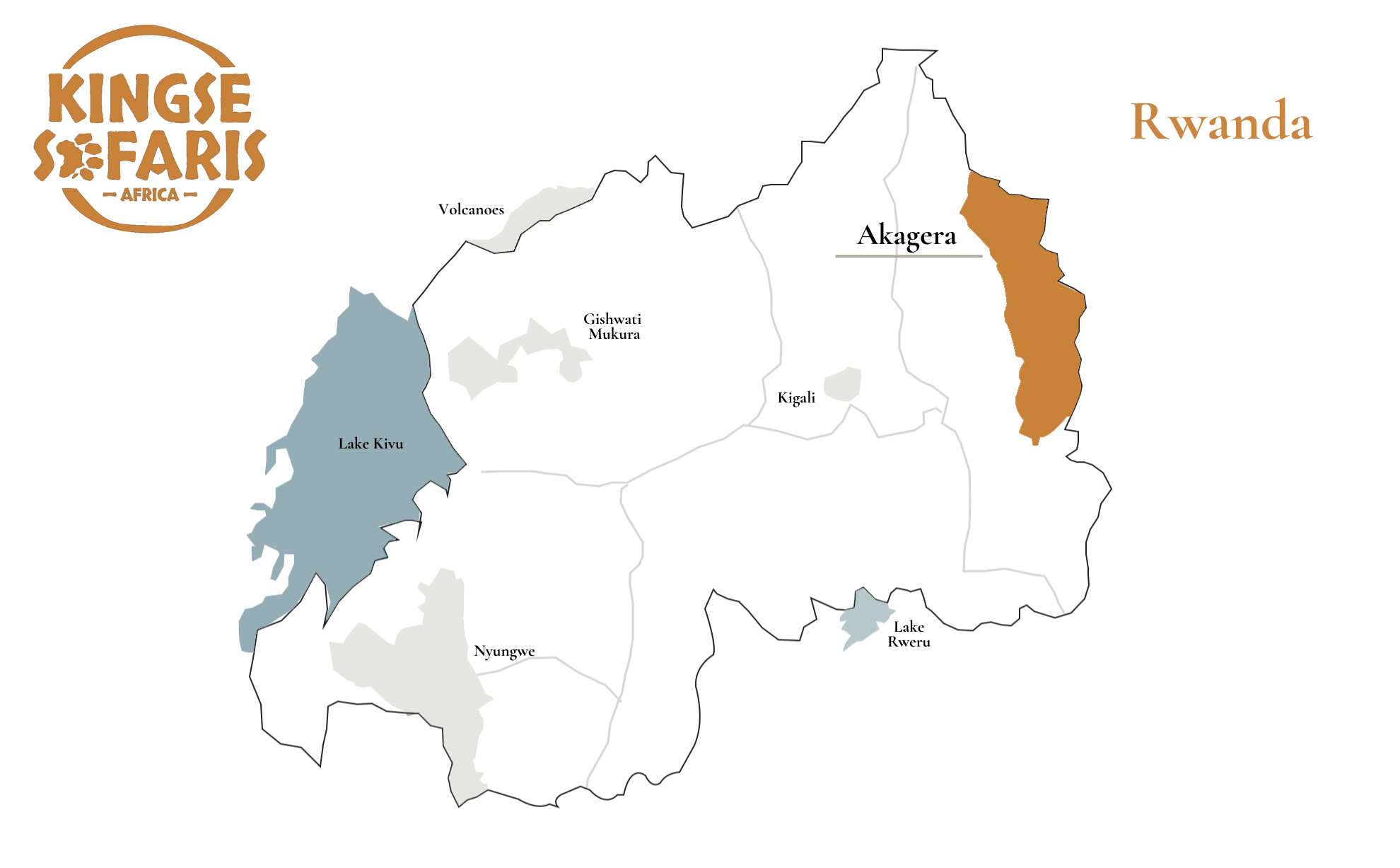
Where is Akagera National Park located?

In eastern Rwanda, near the border with Tanzania, is Akagera National Park. It covers roughly 1,122 square kilometers and has a combination of savannah, marshes, and lakes, making it a great place to see a wide range of animals.

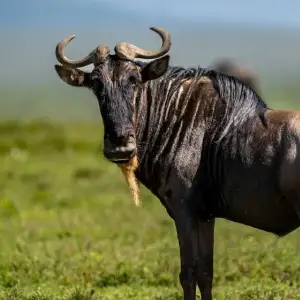
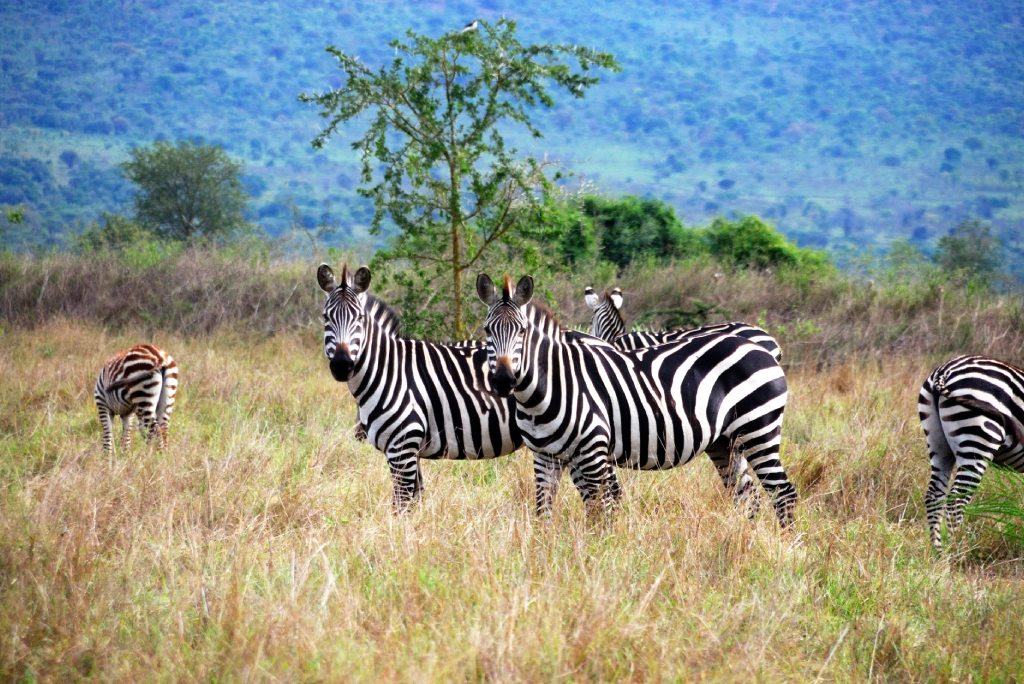
Yes, the park has lions, leopards, elephants, buffalo, and rhinos, as well as giraffes, zebras, hippos, crocodiles, and several primate species. It’s the ideal area in Rwanda to go on a conventional East African safari.

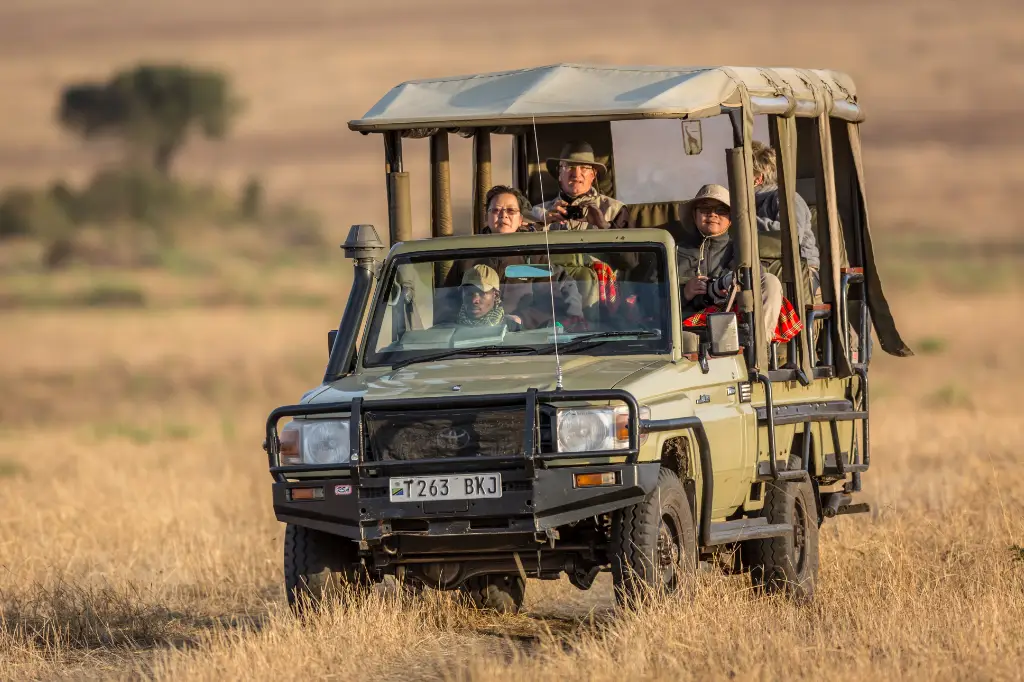
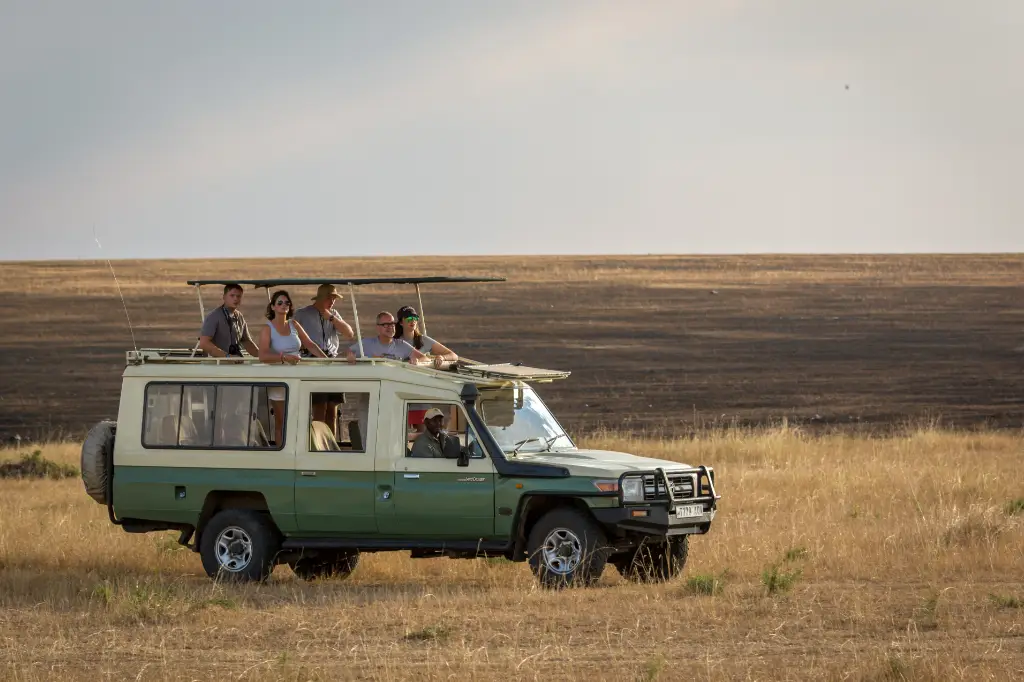
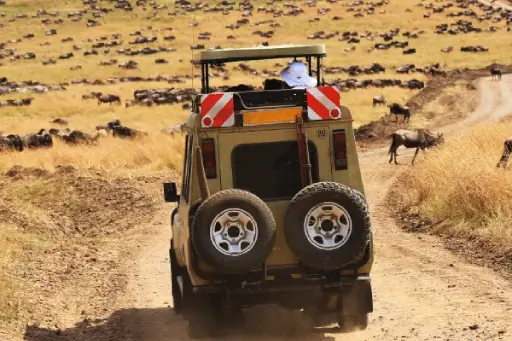
Visitors on Rwanda Safaris can enjoy a range of activities, including wildlife drives, boat safaris on Lake Ihema, birding, guided nature walks, sport fishing, hiking, and camping. Evening campfires and photography excursions are popular activities in the park.

It takes roughly two to three hours to drive from Kigali to the park. Most people arrive by car, but domestic flights can also be booked in advance for a faster and easier Rwanda Safari Trip.

The best time to visit Rwanda to see wildlife is during the dry season, which runs from June to September and December to February. Animals tend to congregate near water sources, making them easier to spot and creating more pleasant safari conditions.

Yes, it is quite safe. Rwanda is one of the safest nations in Africa, and the park is well-run with rangers and clear rules for visitors to follow to make sure everyone has a safe and fun East Africa Safari.

[hfe_template id='6609']

"We had a fantastic time with Kingse Safari’s. We went from Arusha, to Ngorongoro and Serengeti. Peter was an awesome guide. Very knowledgeable and a skilled driver."

Jon H

JON H

Incredible Trip

"Amazing experience from start to finish! The guides were knowledgeable and friendly."

Anna L

ANNA L

Safari Adventure

"We had a fantastic time with Kingse Safari’s. We went from Arusha, to Ngorongoro and Serengeti. Peter was an awesome guide. Very knowledgeable and a skilled driver."

Jon H

JON H

Incredible Trip

"Amazing experience from start to finish! The guides were knowledgeable and friendly."

Anna L

ANNA L

Safari Adventure
[hfe_template id='6908']
[hfe_template id='80']