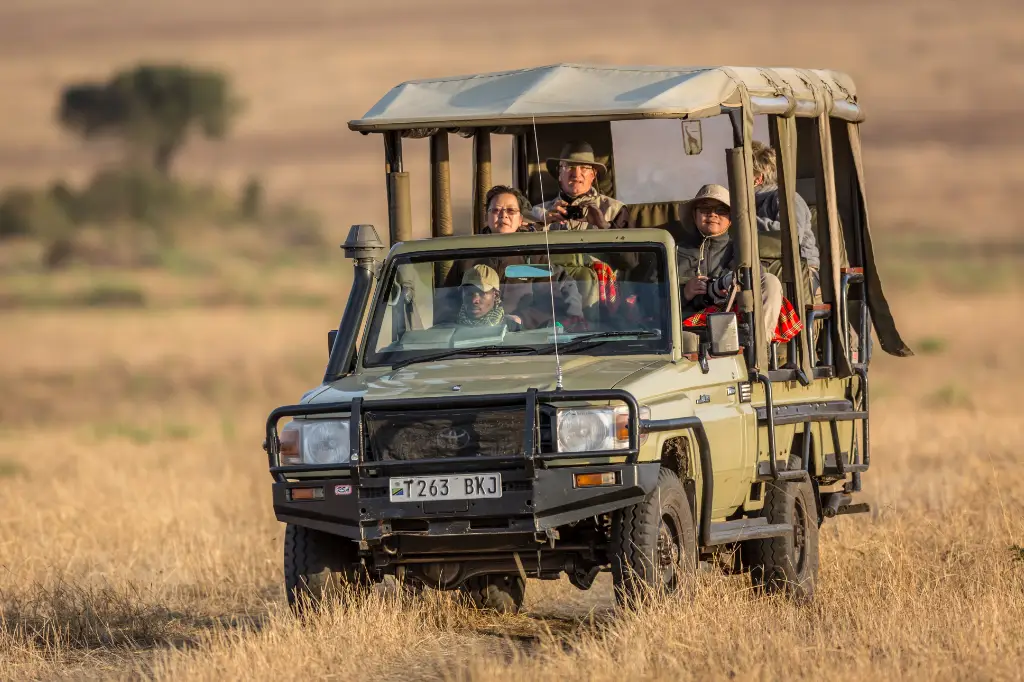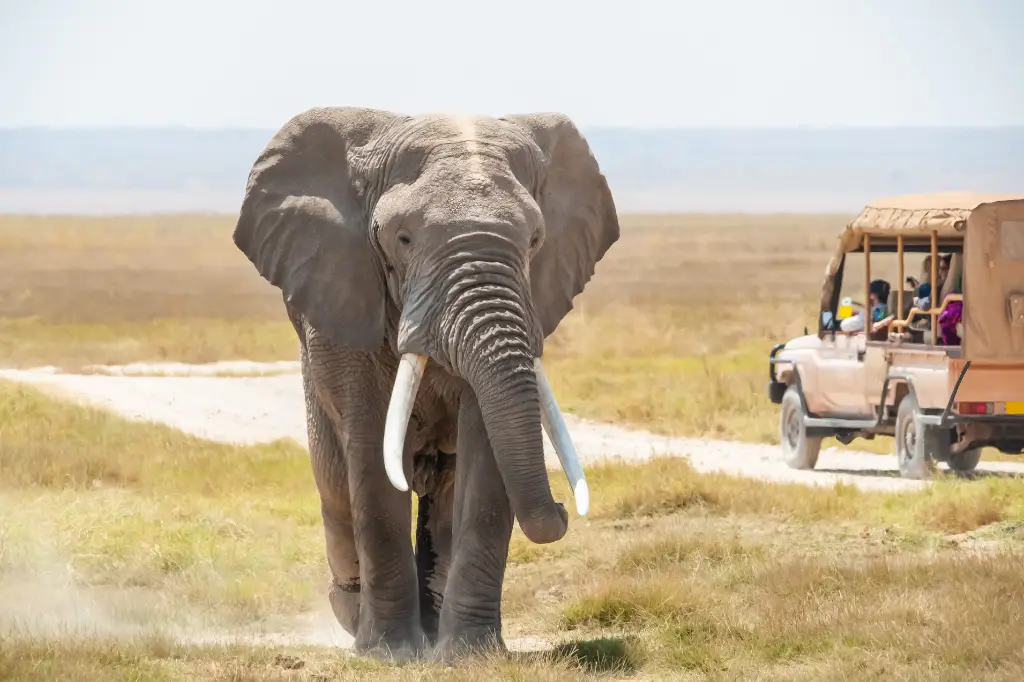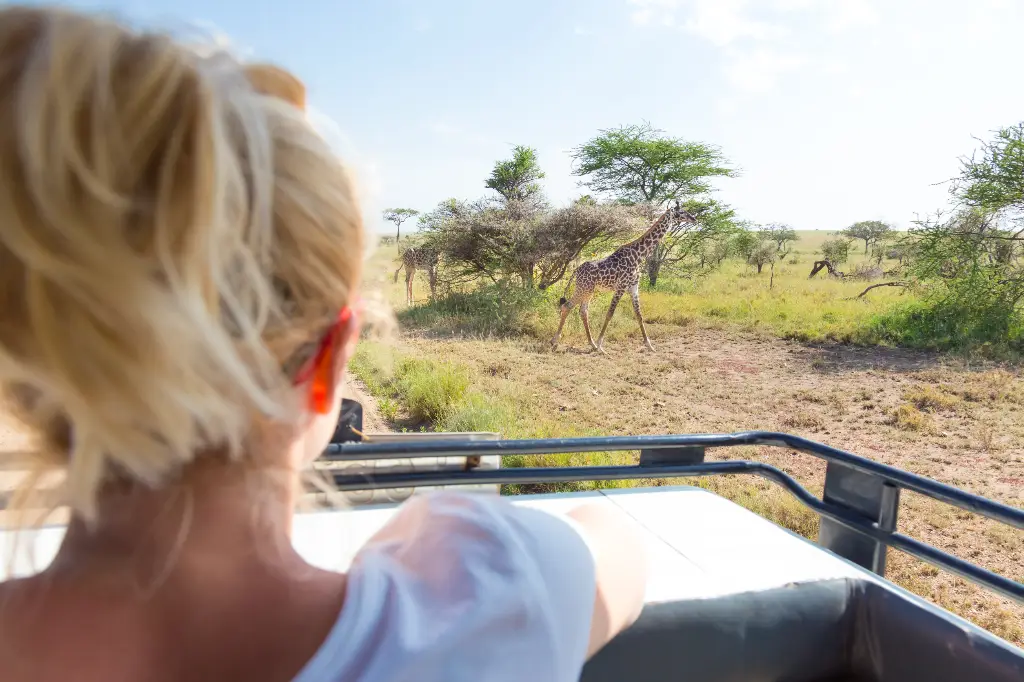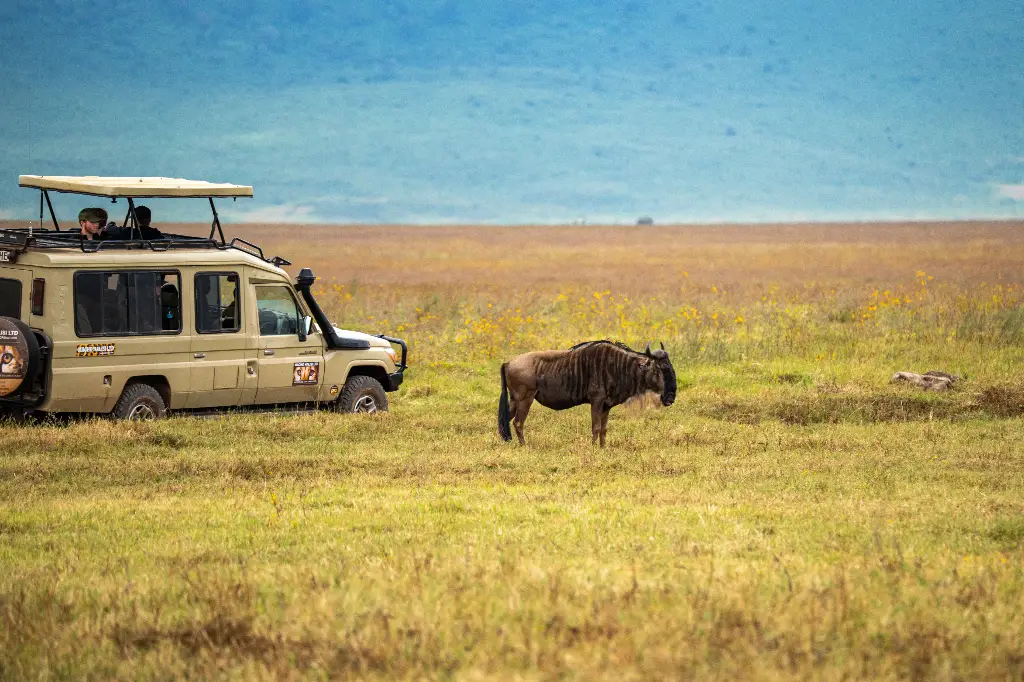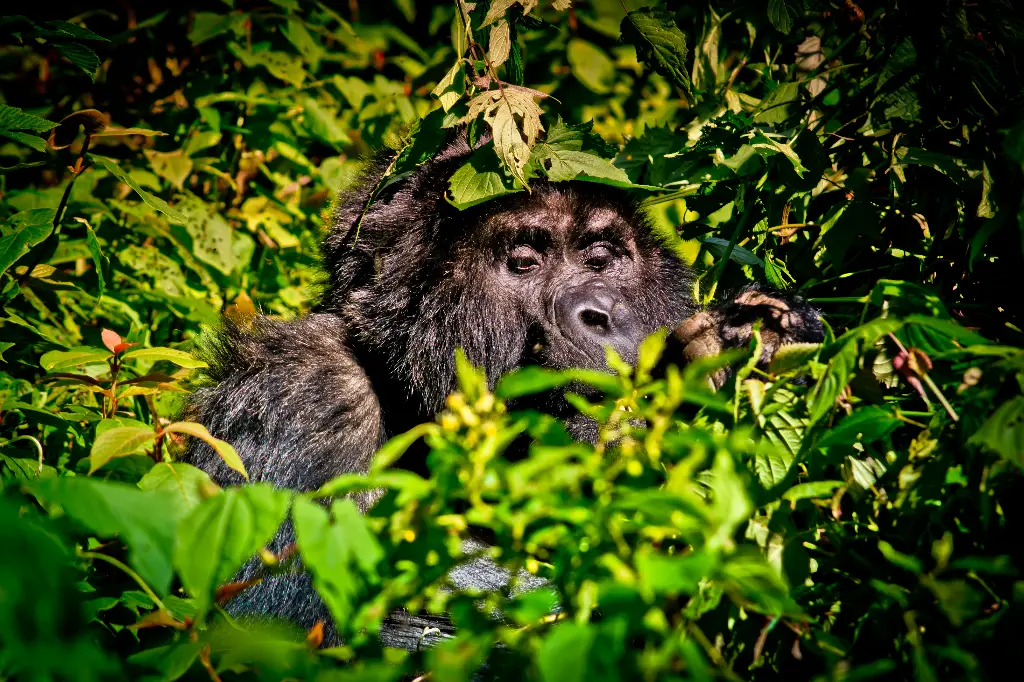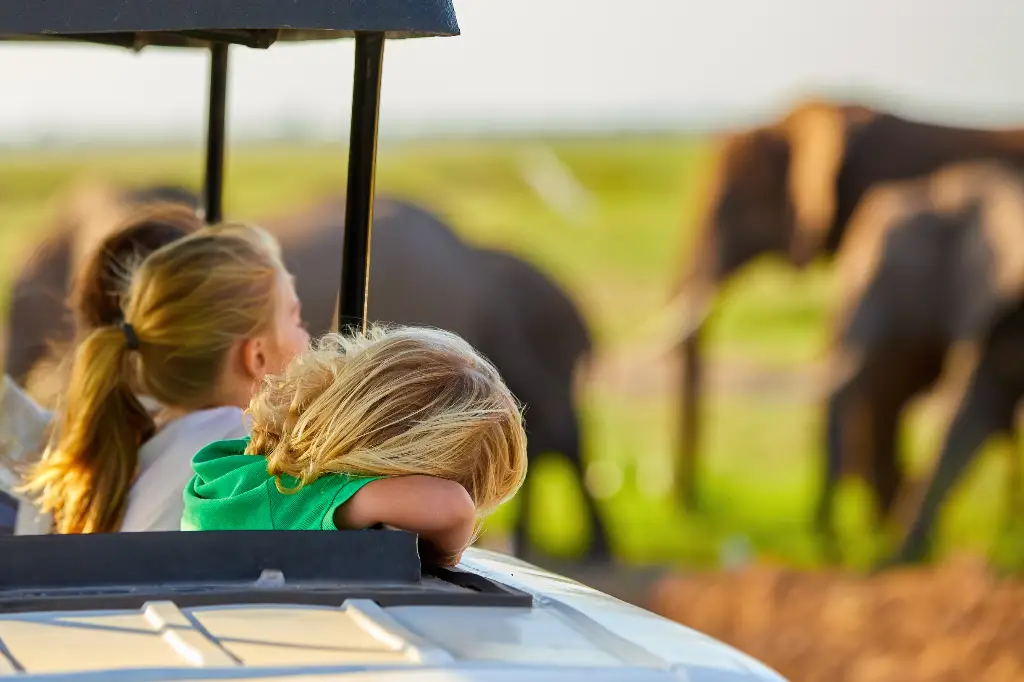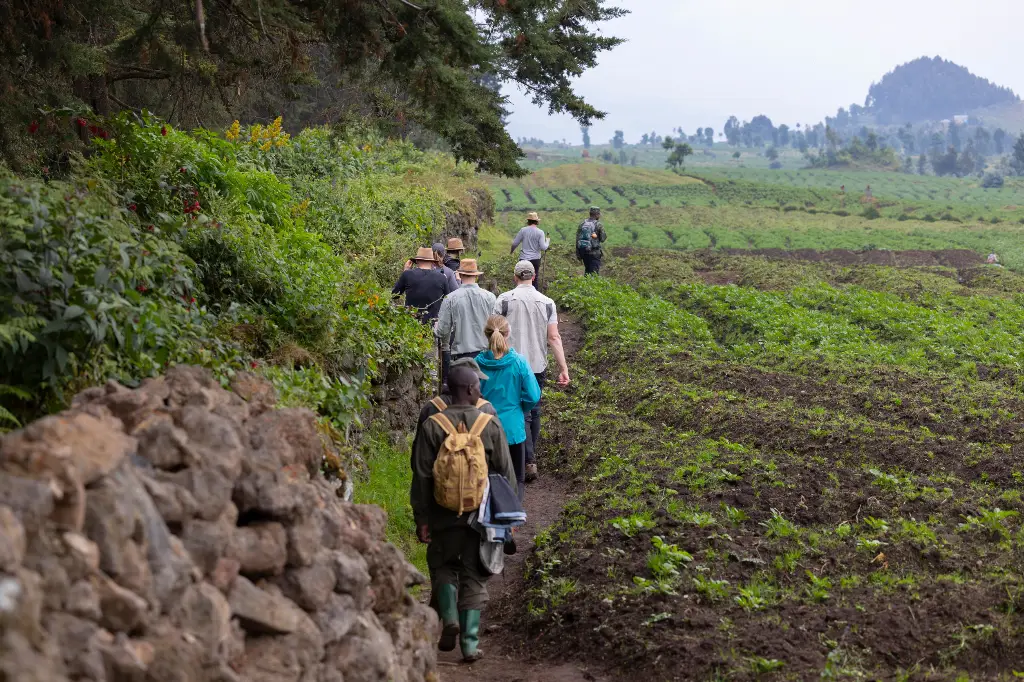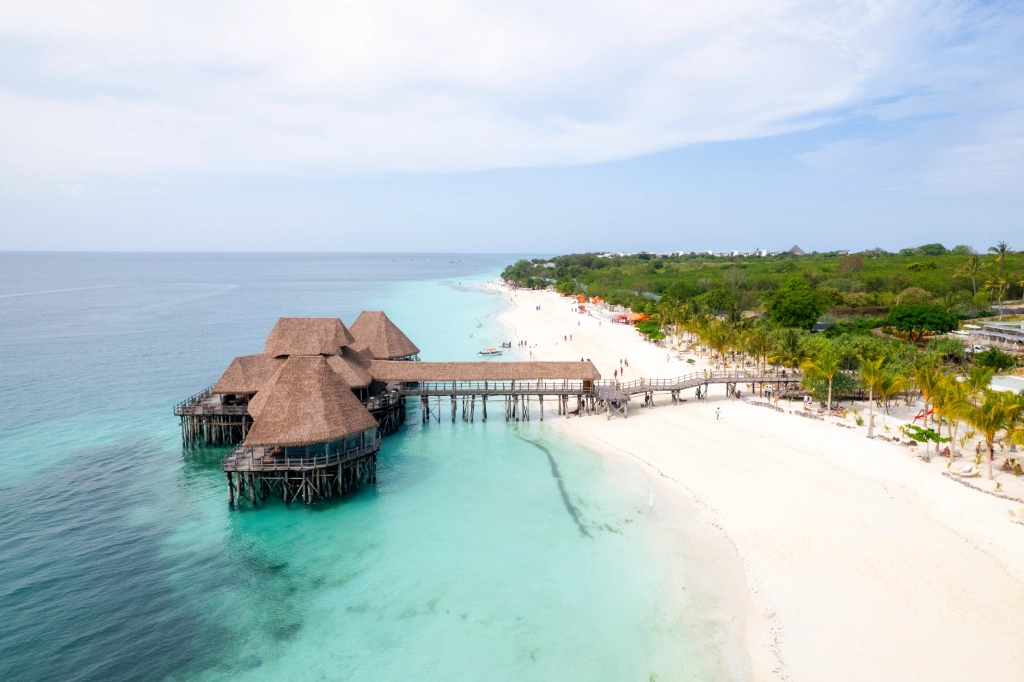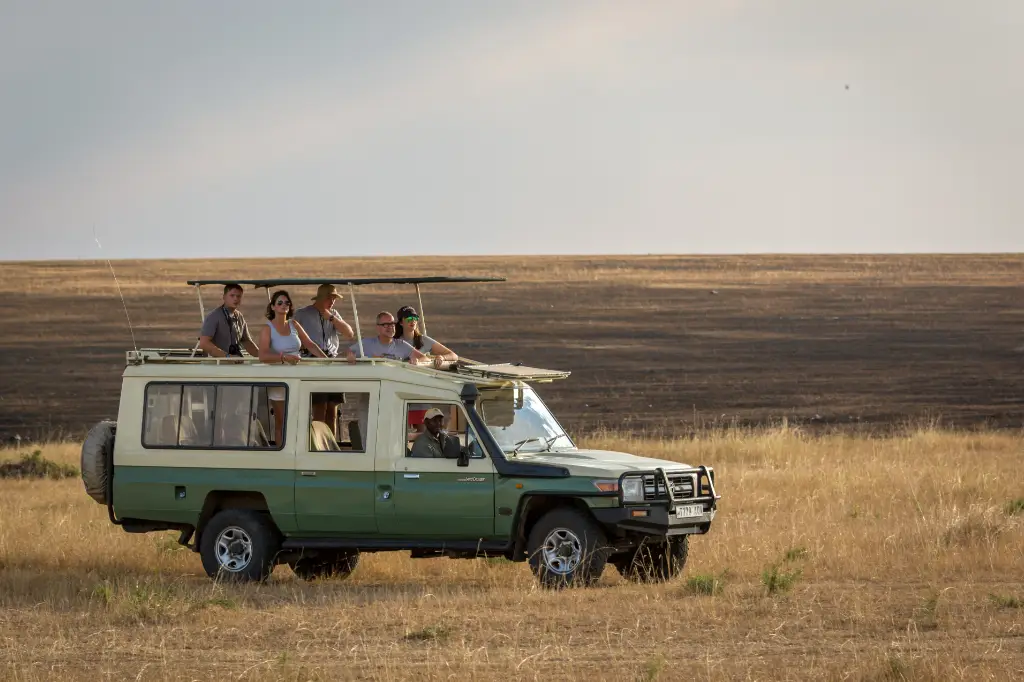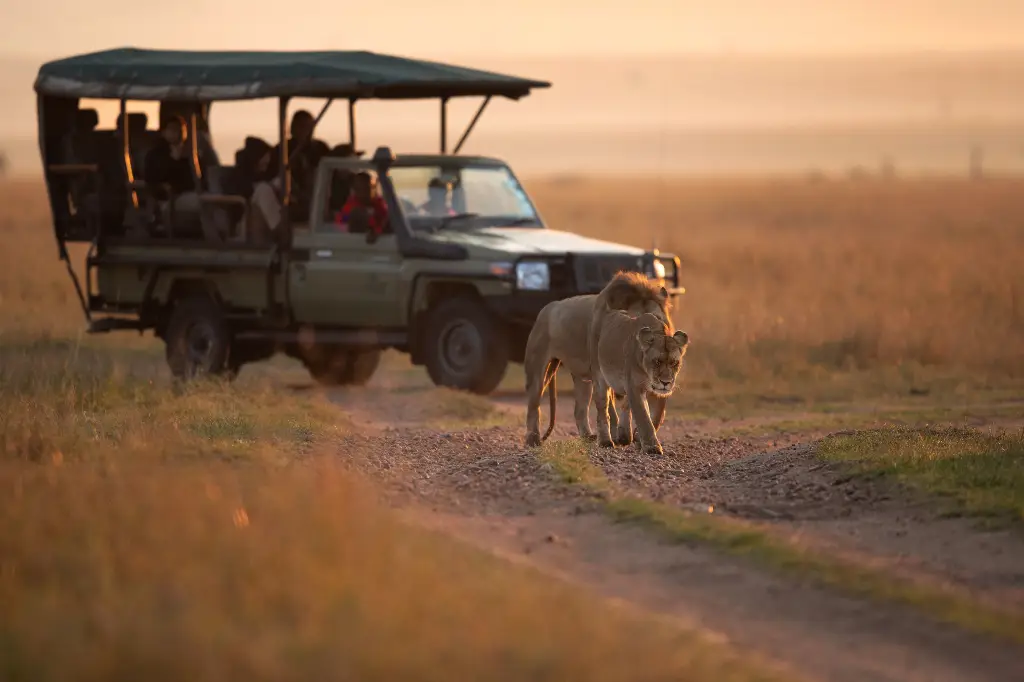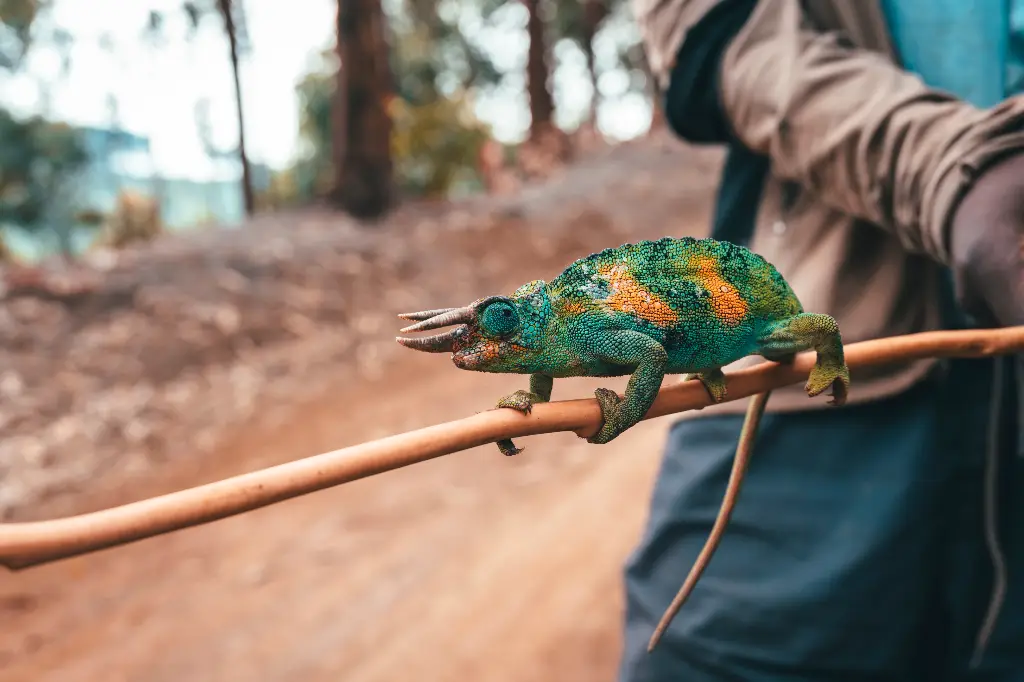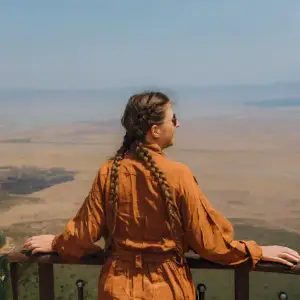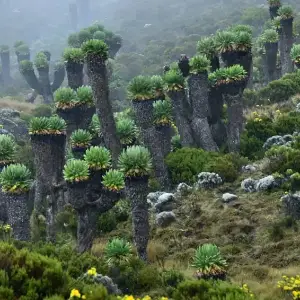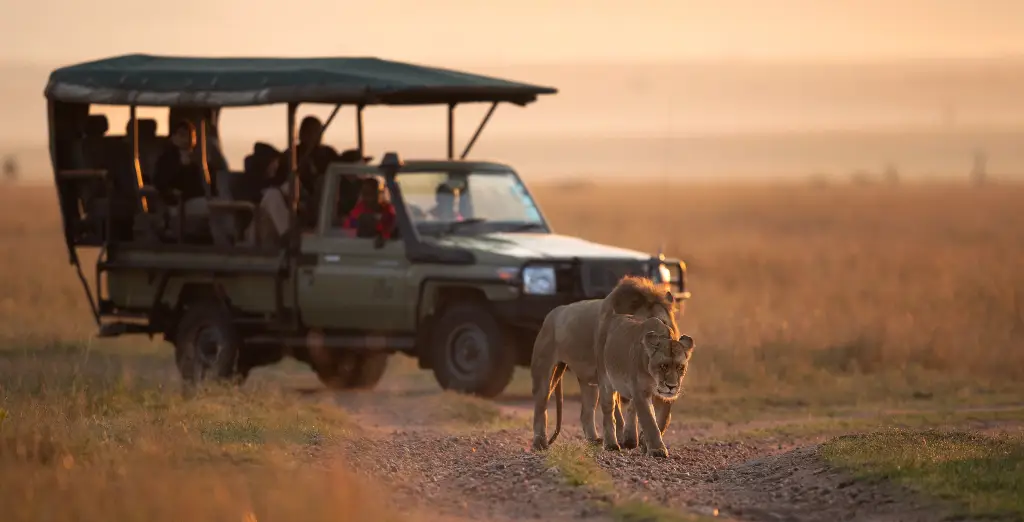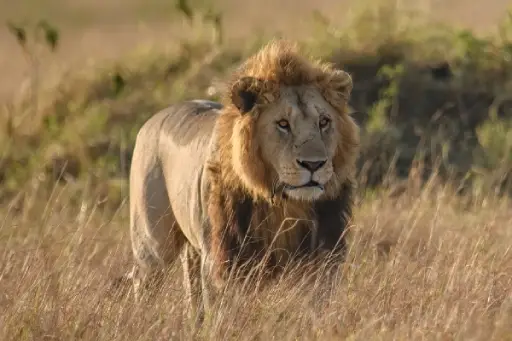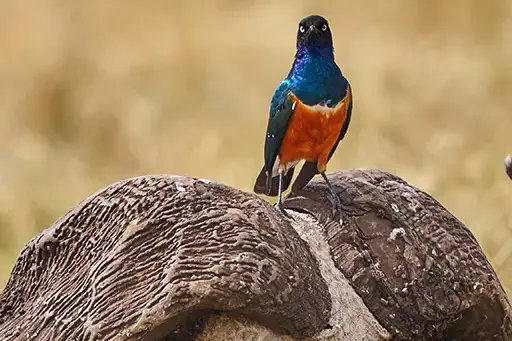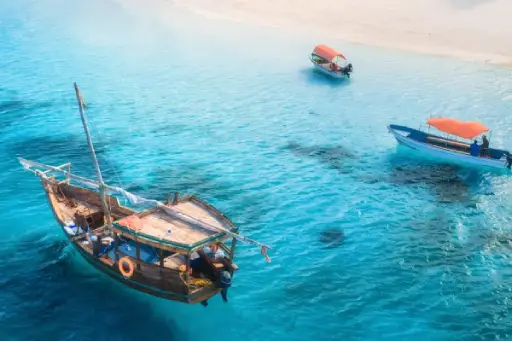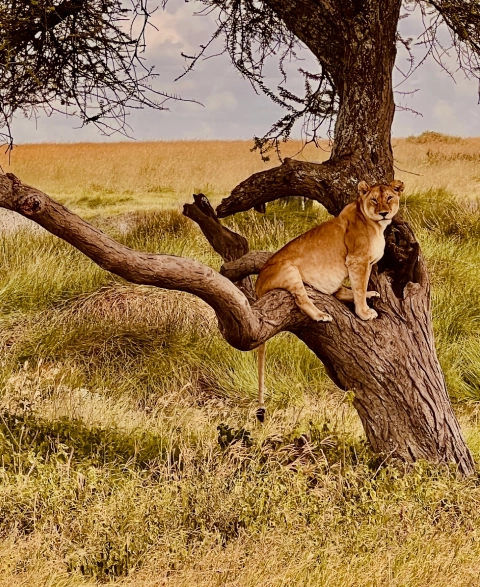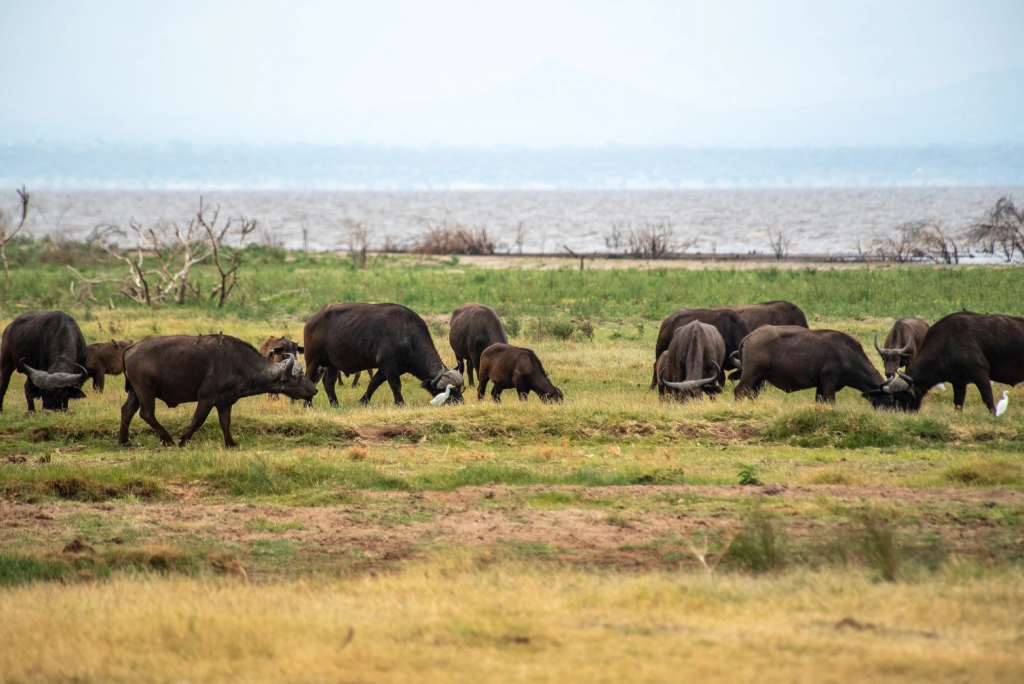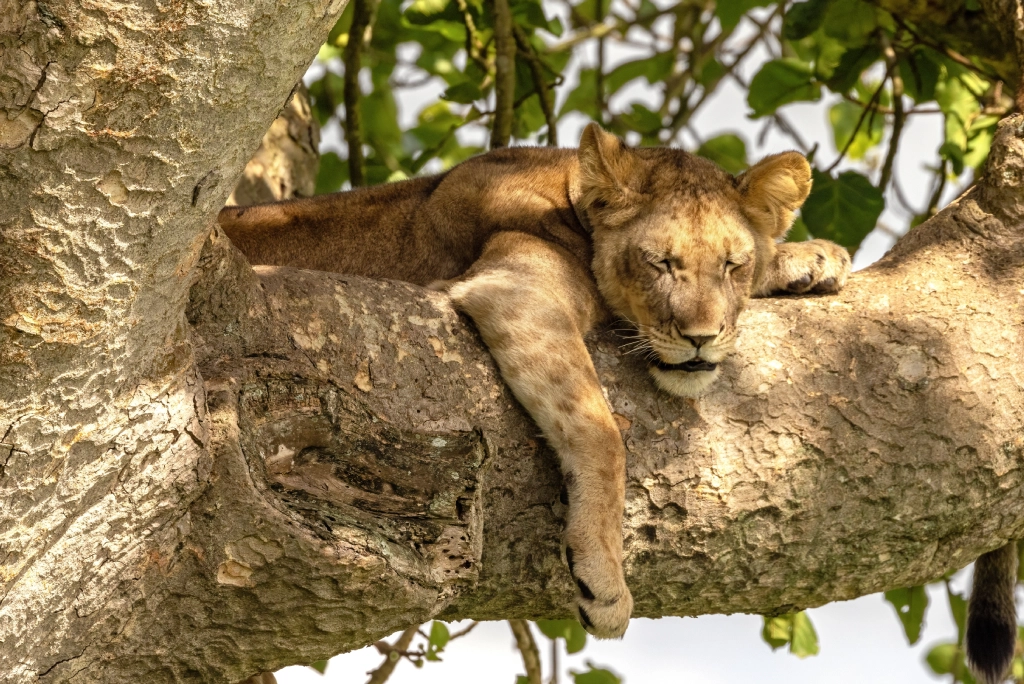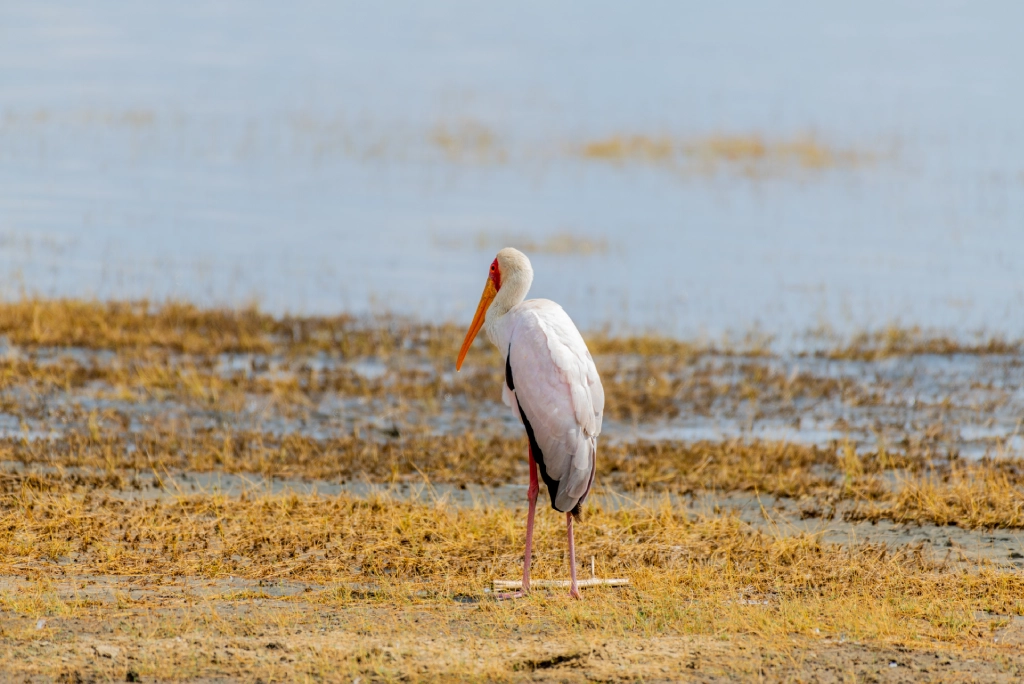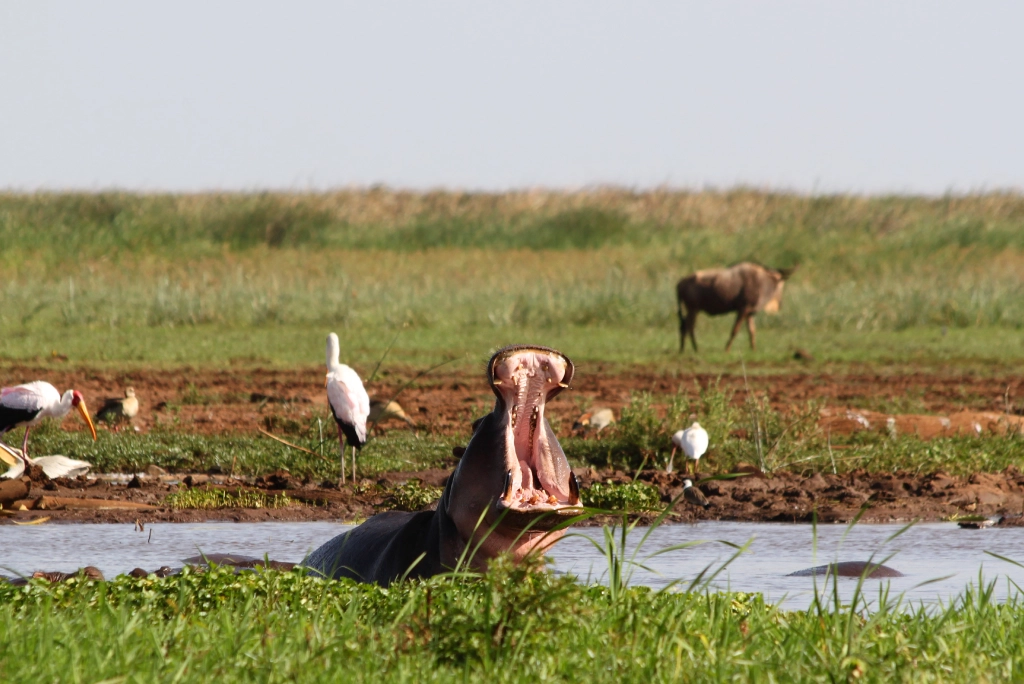
Lake Manyara National Park offers breathtaking views and a diverse array of animals, including lions that climb trees and massive herds of elephants. The lake is a great place to go on a Tanzania Safari since it has a lot of different habitats, including forests, open plains, and hundreds of bird species along the shimmering Rift Valley Lake.

Area

325 sq km

Established

1960

Location

Northern Tanzania

Altitude

960 - 1,450 m

Climate

Tropical Warm

Terrain

Rift Valley

Fauna

Lions

Flora

Acacia Woodland

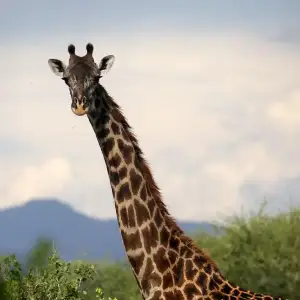
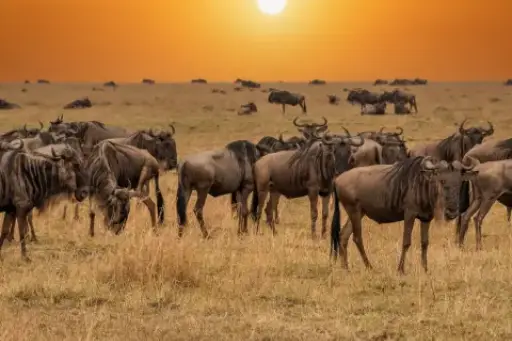
The park is small, but it has a wide variety of animals. In only one day of exploring, visitors can see giraffes, buffalo, zebras, and a wide range of bird species.

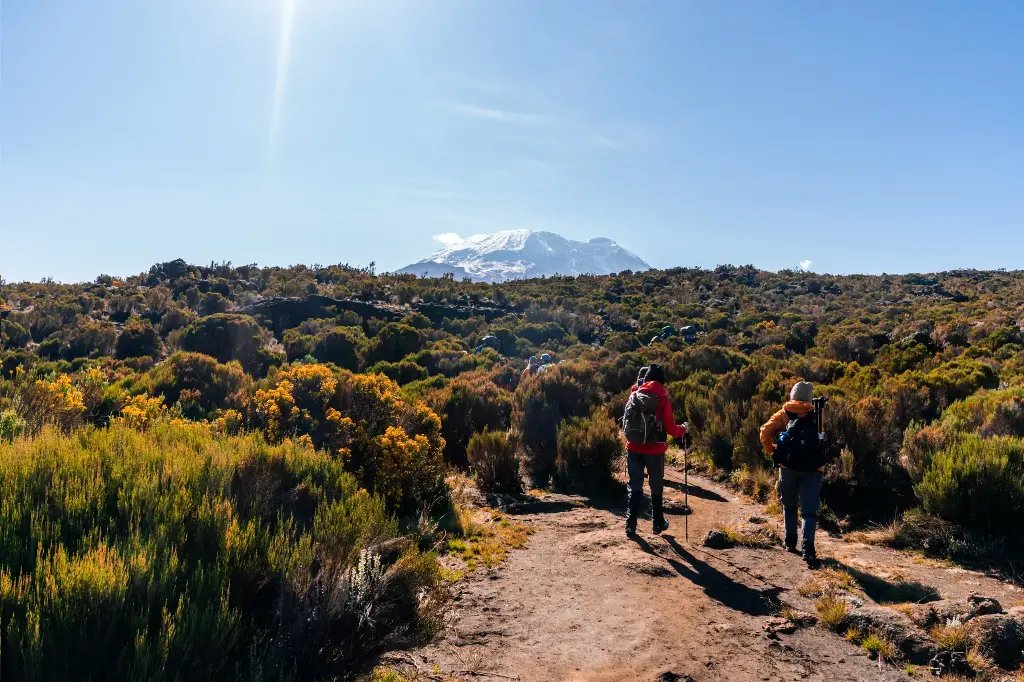
The park is a small area that showcases Tanzania’s beauty through trekking, canoeing, or simply taking in the sights. It works just as well for a quiet day excursion as it does for a memorable start or end to an extended safari.

Lake Manyara National Park is a great place to go on a safari because it has amazing animals and beautiful scenery. Even though it’s small, it has a lot of different habitats and stunning views in every direction.

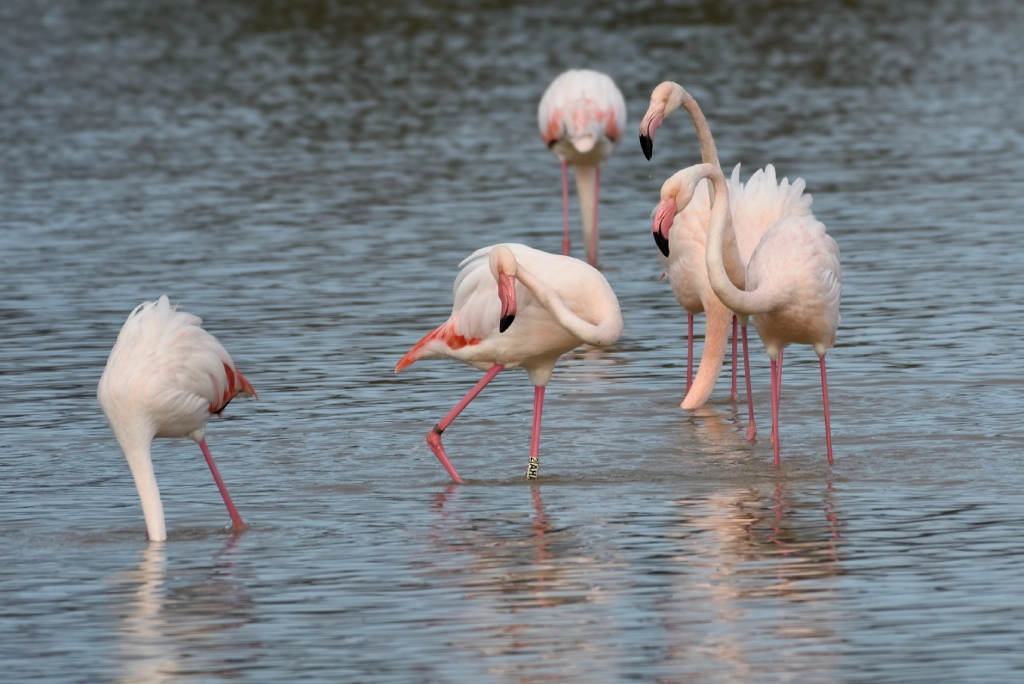
The park’s diverse ecosystems, ranging from expansive grasslands to dense groundwater forests and crystal-clear alkaline waterways, provide a safe haven for a wide variety of animals. The lake itself draws large swarms of pink flamingos, pelicans, and other waterbirds, making it a birdwatcher’s dream come true.

Best Time To Visit Lake Manyara

Wildlife viewing is excellent year-round, but June to October offers prime sightings in drier conditions. Wet months from November to May bring lush scenery, though March and April can be very moist.

Best Time

January to October

High Season

July to March

Low Season

April and May

Best Weather

June to October

Best Time

June to October

High Season

July to March

Low Season

April and May

Best Weather

June to October

[hfe_template id='13299']

For those who enjoy quieter safaris, Manyara is a welcome retreat from the busier Serengeti and Ngorongoro, offering peaceful drives where sightings feel personal and uninterrupted. It’s a chance to soak in nature without the crowds.

Cultural experiences also enrich a visit here. Nearby villages, bustling with crafts and traditions, allow travellers to connect with local life, adding depth to the wildlife encounters. Few parks combine such variety in one memorable stop.

Lake Manyara National Park may be smaller than Tanzania’s iconic reserves, but it holds a rare charm that makes it a must-see Tanzania Destination. Its compact size ensures more intimate encounters without feeling rushed.

Beyond its shimmering lake, the park surprises visitors with geothermal hot springs bubbling in secluded corners and the dramatic Rift Valley escarpment rising steeply above the plains—scenery that feels cinematic at every turn.

Birdlife is another reason Lake Manyara stands out. Thousands of flamingos gather along the shoreline, turning the lake into a sea of pink that shifts and shimmers with the wind.

Every season brings a new scene to Manyara. From lush green landscapes after the rains to golden plains in the dry months, the park’s charm never fades, only changes its color.

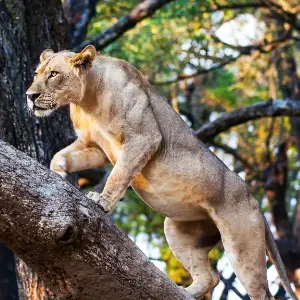
Lake Manyara is best known for its famous tree-climbing lions, a rare and fascinating sight that draws visitors from around the world. Seeing these graceful predators resting on broad branches above the grasslands feels almost unreal.

The park’s dense groundwater forest also adds to its beauty. Sunlight filters through the fig and mahogany trees, and the air is filled with birdsong, creating a calm, peaceful retreat from the open plains.

Where is Lake Manyara National Park located?

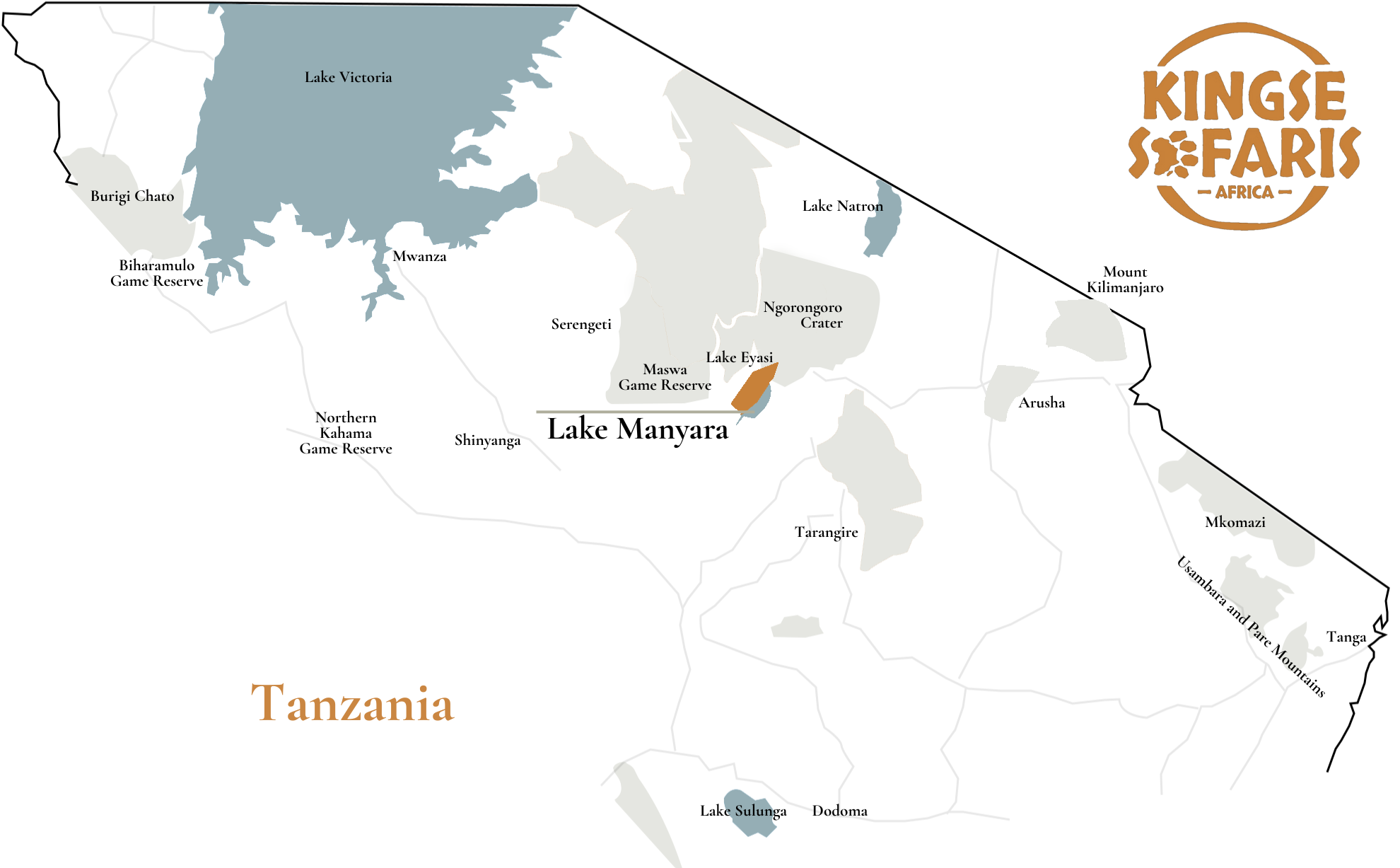
Lake Manyara National Park lies in northern Tanzania, about 126 kilometers west of Arusha. It’s part of the famed northern safari circuit, and you can get there easily by car or a short flight from Arusha or Serengeti.

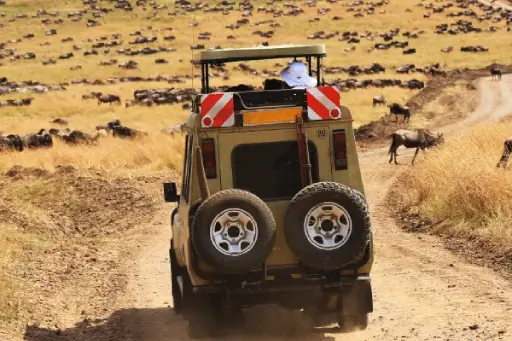
Most people get there by car, which takes around an hour and a half from Arusha in a safari vehicle. You may also fly straight to Lake Manyara Airport, which links to parks like Tarangire and Serengeti. This saves you time on your trip.

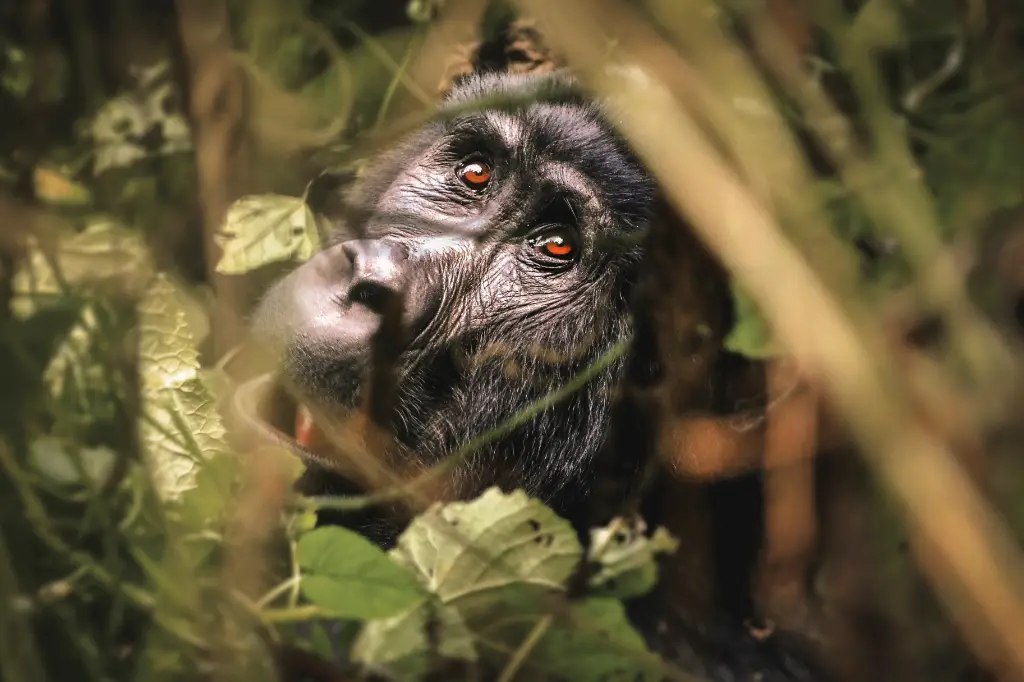
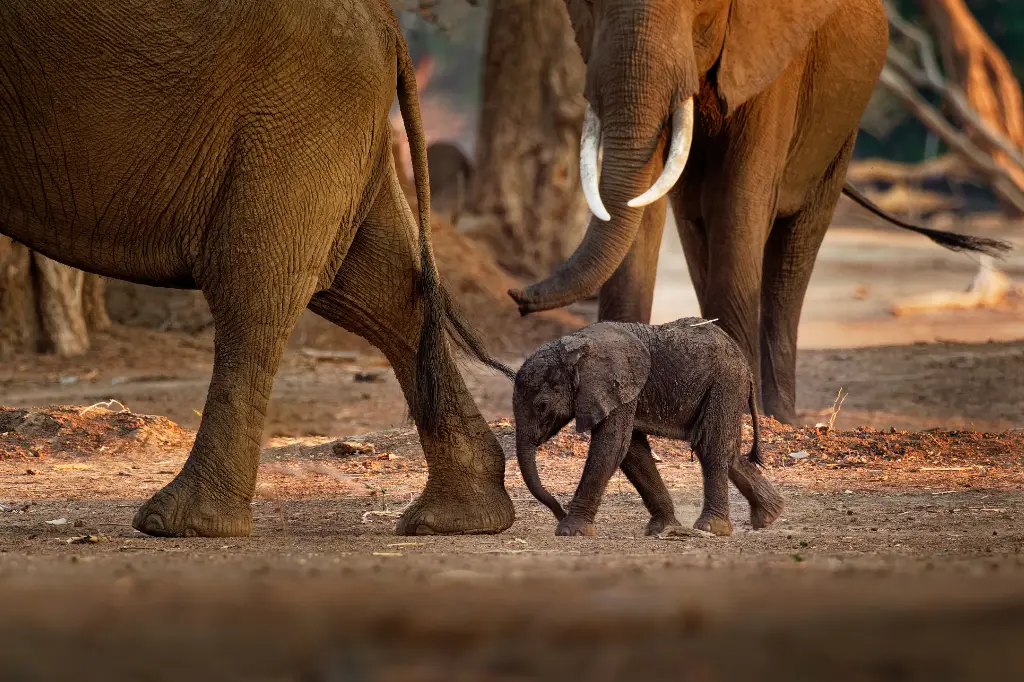
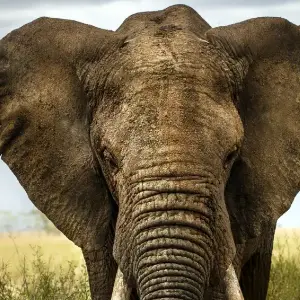
The park is most famous for its lions that climb trees, which are not common in Africa. There is also a lake full of soda, pink flamingos, and huge herds of elephants, as well as beautiful scenery that varies with the seasons.

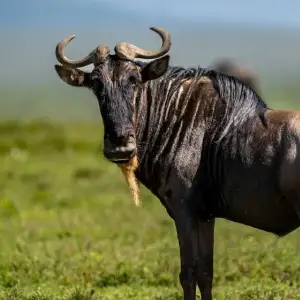
There are a lot of animals at Lake Manyara. You could encounter elephants, giraffes, buffalo, zebras, baboons, warthogs, and perhaps leopards. People who love birds may see more than 400 species all year long, including pelicans, flamingos, and migratory birds.

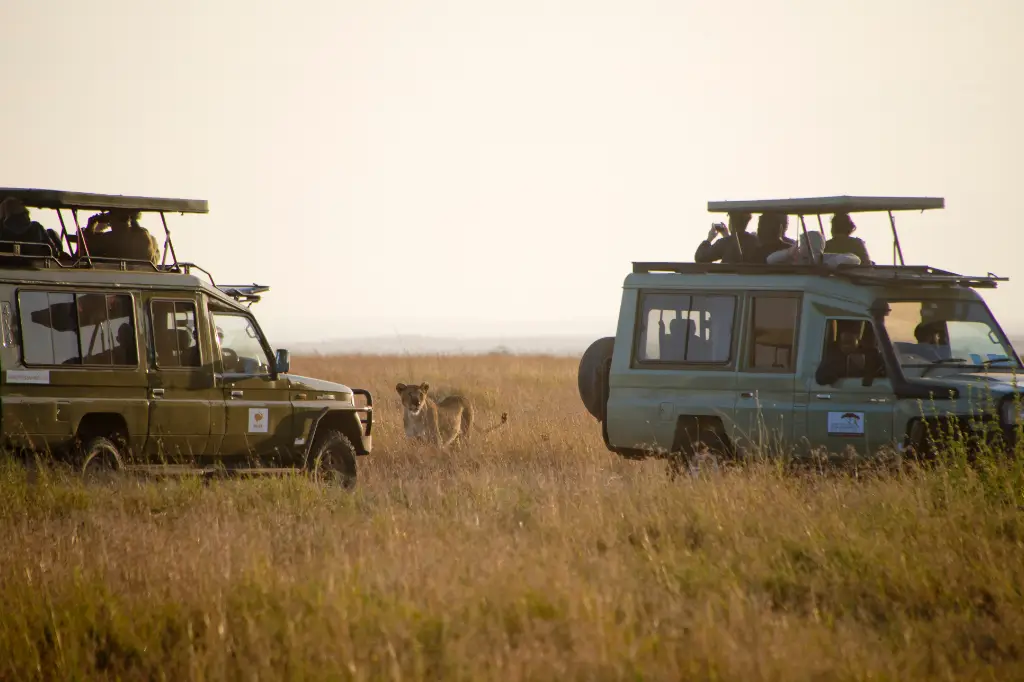
Travellers who come on Lake Manyara Safaris can go on game drives, see birds, and take guided nature hikes. The treetop path gives you a unique view of the forest canopy, and there are nice places to have a picnic that make it a perfect location to relax and take in the sights.

There are a lot of places to stay, from high-end safari lodges with views of the lake to pleasant mid-range motels and cheap campsites. A lot of them are in or near the park, which makes it simple and handy to see animals.

[hfe_template id='902']
[hfe_template id='6082']
[hfe_template id='6609']

"We had a fantastic time with Kingse Safari’s. We went from Arusha, to Ngorongoro and Serengeti. Peter was an awesome guide. Very knowledgeable and a skilled driver."

Jon H

JON H

Incredible Trip

"Amazing experience from start to finish! The guides were knowledgeable and friendly."

Anna L

ANNA L

Safari Adventure

"We had a fantastic time with Kingse Safari’s. We went from Arusha, to Ngorongoro and Serengeti. Peter was an awesome guide. Very knowledgeable and a skilled driver."

Jon H

JON H

Incredible Trip

"Amazing experience from start to finish! The guides were knowledgeable and friendly."

Anna L

ANNA L

Safari Adventure
[hfe_template id='6908']
[hfe_template id='80']