Learn How Tanzania Safari Travel in 2026 Is Changing Visitor Experiences
 Posted on December 23, 2025 by kingsesafaris
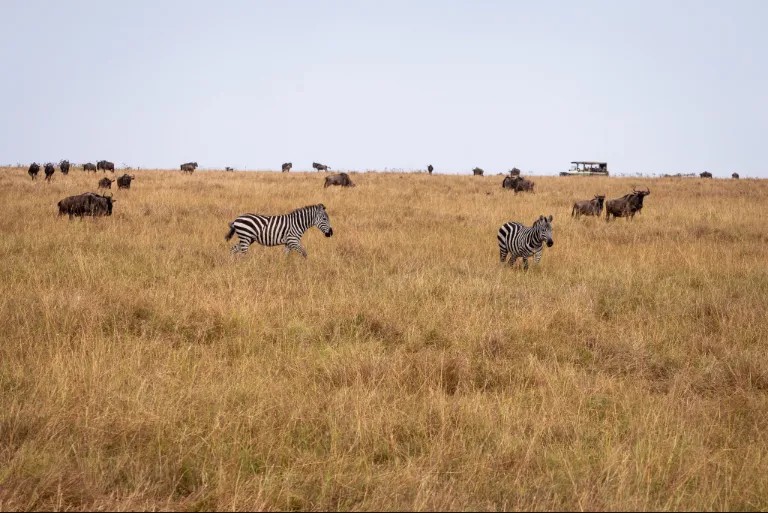
The travel industry is always moving forward, yet few places are changing as thoughtfully as East Africa. As we look ahead, Tanzania Safari Travel 2026 promises a completely different adventure compared to earlier years. The focus has moved away from simply counting animals. It now focuses on how we connect with the wilderness, help local cultures, and care for the environment.
Since 2025, Tanzania’s tourism scene has set new rules. Visitors today want more than just a quick drive through a park; they want deep meaning and connection. Because of this, Tanzania Tour Operators have changed their methods to meet these high eco-values and visitors’ hopes. This guide looks at exactly how these important changes will change and improve your future Tanzania Safari Experience.
What Is Changing in Tanzania Safari Travel?
Travelers often ask what makes the coming season so different. Travelers should know that there are several key things reshaping the industry. First, we are seeing a huge move toward tourism led by conservation. Modern Tanzania Safari Experiences now put the health of the ecosystem above all else. Most camps and lodges actively help with wildlife protection, which means your visit directly helps the land you explore.
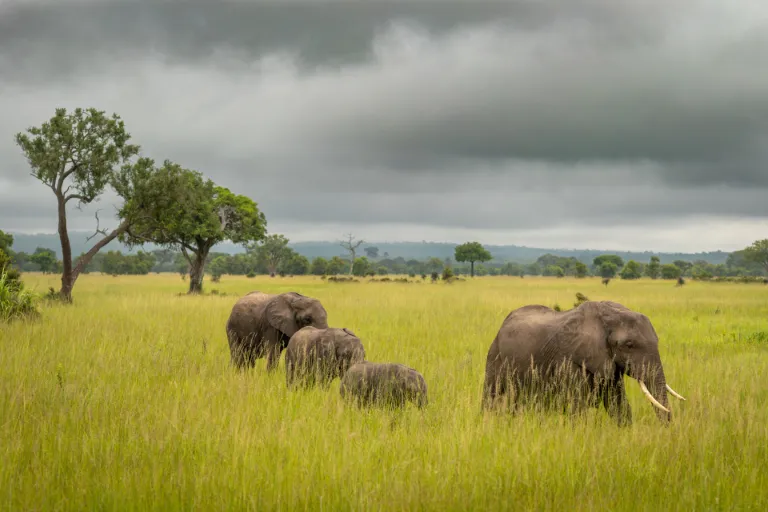
Also, the preference for private, slow-travel safaris has accelerated lately. In the past, tourists rushed from one park to another to check them off a list mostly. However, current Tanzania Safari Trends show that people like staying in one location for longer times. This method allows for a deeper connection with the wild. You see more details when you rush less.
Finally, Tanzania Safari Innovations plays a huge part in this change. From electric cars to easy booking apps, technology makes the experience easier.
The Rise of Eco-Conscious Travel in 2026
Sustainability is no longer just a marketing word; it is now an operational need. In 2026, eco-conscious travel is going to describe the whole Tanzania Safari Experience. Camps and lodges have made big physical changes to their daily work to lower their footprint.
For example, many camps are replacing loud diesel generators with modern solar power systems. This change lowers noise pollution a lot. You’ll hear the natural sounds of the bush at night rather than the constant noise of an engine.
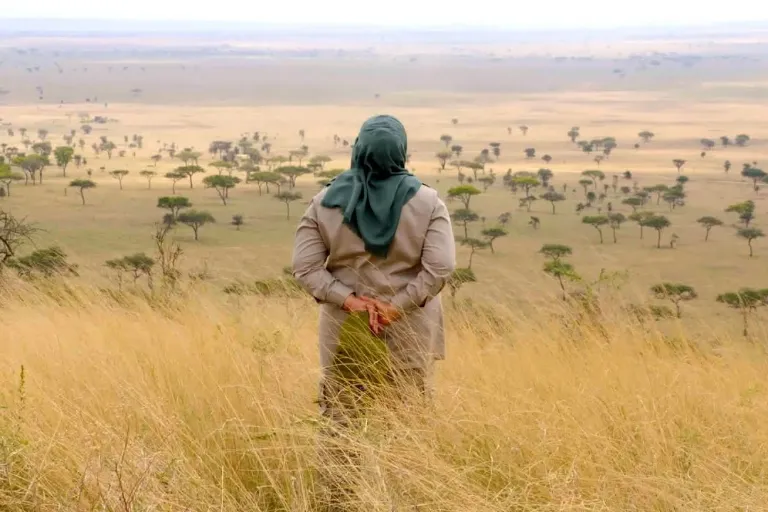
Also, there is a strict cut in plastic use across the country. You will rarely find single-use plastic bottles on a Tanzania Safari. Lodges provide refillable stations instead, and travelers use reusable metal bottles to keep the parks clean.
What’s more, meaningful community conservation projects are key to this shift. When you book Tanzania Safaris, you often help local schools, water projects, or medical clinics. This creates a real ecological benefit cycle; as a result, local communities become protectors of the wildlife. This partnership is especially important in major wildlife areas like the Serengeti National Park, Ngorongoro, and Tarangire.
Changes in the Guiding Experience
The guiding field has gone through a big update to meet modern demands.
A safari vehicle is only as good as the guide driving it; so, Tanzania Tour Operators now put a lot of effort into their staff training. They know that a well-informed guide makes or breaks the trip.
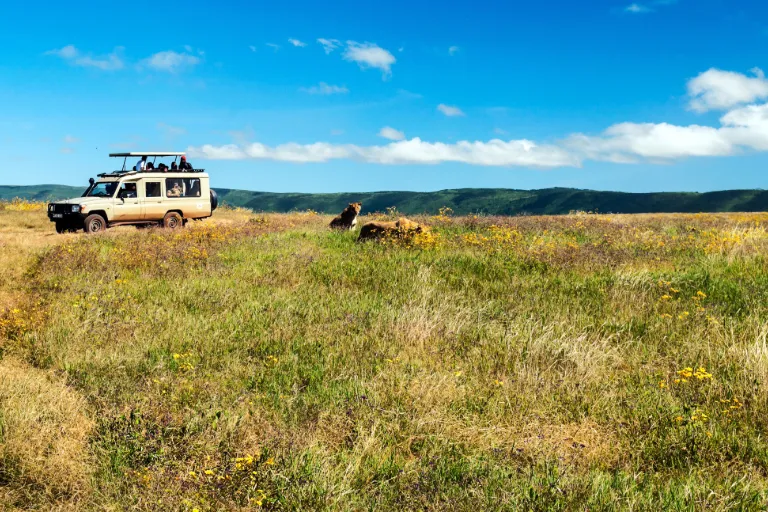
There is a new, full guiding program in place. Guides now study biology, photography skills, and conservation science in depth. But the most clear change is the storytelling method.
Tanzania Travel Guides do not just list animal names and facts. They weave these facts into interesting stories about animal families, history, and behaviors. This makes the Tanzania Big Five Safari feel like a live, interactive documentary.
Also, cultural training makes guest interactions much better. Guides learn how to bridge the gap between foreign visitors and local traditions. This makes sure that every conversation is respectful, educational, and truly warm.
2026 Safari Vehicles & Comfort Upgrades
Comfort matters a lot, especially when you spend long hours on game drives. The vehicles used for Tanzania Safari Tours in 2026 are much better than the older models of the past. Mechanics and designers have improved them to meet specific modern needs.
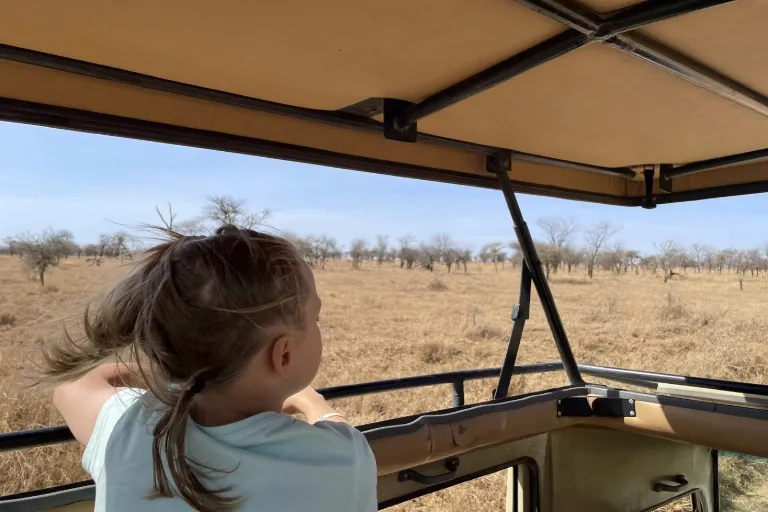
For example, most vehicles now include charging ports. You can keep your cameras, phones, and batteries charged all day without worry. Also, built-in refrigerator units are now standard. This keeps your water and drinks cool even under the hot African sun.
Photographers also gain a lot from these upgrades. Tanzania Luxury Safari vehicles often have changed windows with special supports. Some have lower sills or pop-open hatches that allow for low-angle shots. Whether you choose a standard Tanzania Tour Safari or a high-end.
New Crowd-Management Plans
Popularity often brings crowds, which can ruin the magic of the wild. However, Tanzania solves this problem with smart, new management plans. The authorities have started issuing controlled access permits for busy areas like the Ngorongoro Crater. This system makes sure that the animals do not feel stressed by too many cars at once.
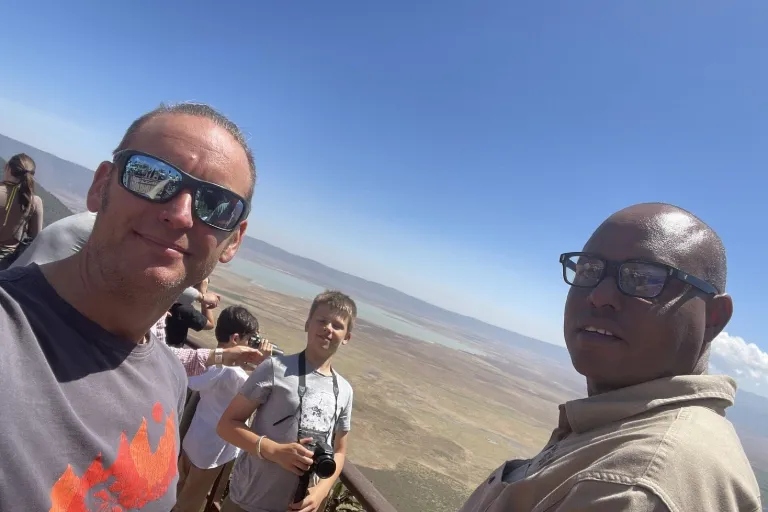
At the same time, Tanzania Safaris and Tours companies encourage travelers to visit less-seen regions. Instead of just staying on the main roads in the central parks, guides take you to faraway parts. These lesser-known Tanzania Destinations offer amazing privacy and exclusivity. This plan works especially well for a Serengeti Safari. By spreading out the vehicles across the huge plains, everyone gets a better view. You enjoy the vastness of the landscape without getting stuck in a traffic jam of jeeps.
Pricing Trends & What Travelers Should Expect
Understanding the costs helps you plan a better trip. The Tanzania Safari Cost has gone up a little over the last few years, but the value you get has also risen. It is important to know exactly why running costs rise. Fuel prices, park entry fees, and fair living wages for staff all add to the final price.
Also, the effect of conservation fees is big. These fees go straight to park rangers and antipoaching units who work day and night. When you pay for Tanzania Safari Packages, you fund the survival of the animals you came to see.
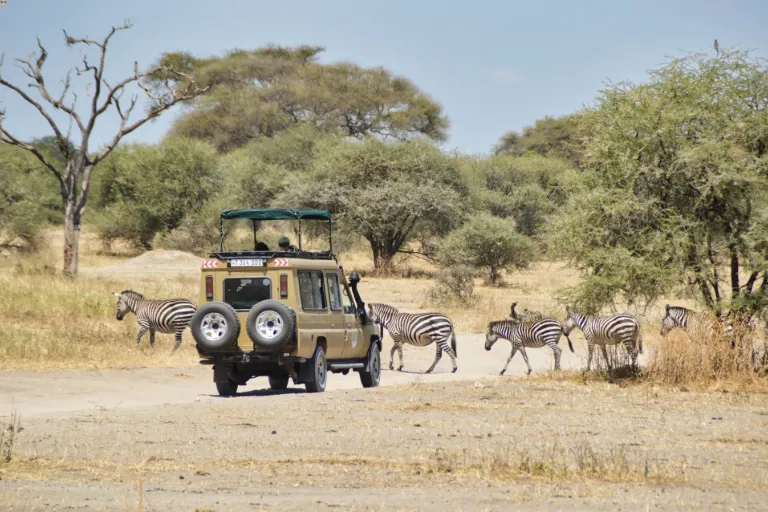
Travelers must tell the difference between true value and budget shortcuts. A very cheap Safari In Tanzania often cuts corners on vehicle safety or guide quality. In 2026, it is always better to pay for a trusted provider to ensure a safe and right experience.
Essential Planning Parts for Your 2026 Journey
To prepare fully for your trip, you need to understand the practical details. Here is a breakdown of what to expect when planning your adventure.
Navigating Local Customs
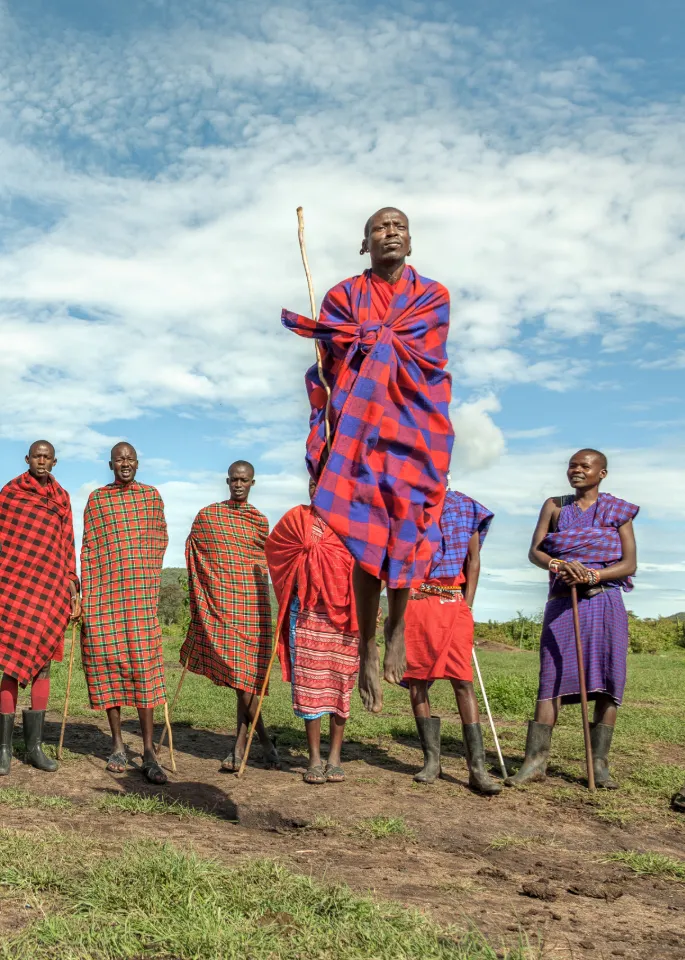
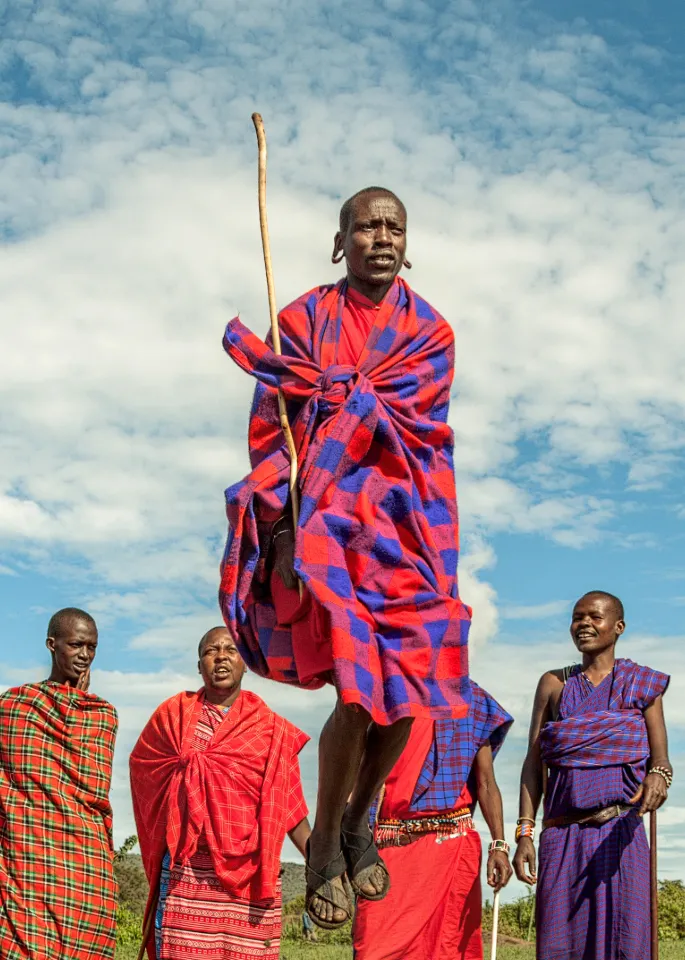
Tipping in Tanzania remains an important part of the travel culture. While it is not required, it rewards good service. It is usual to tip your guide and the camp staff at the end of your stay to show thanks for their hard work.
Climate Awareness
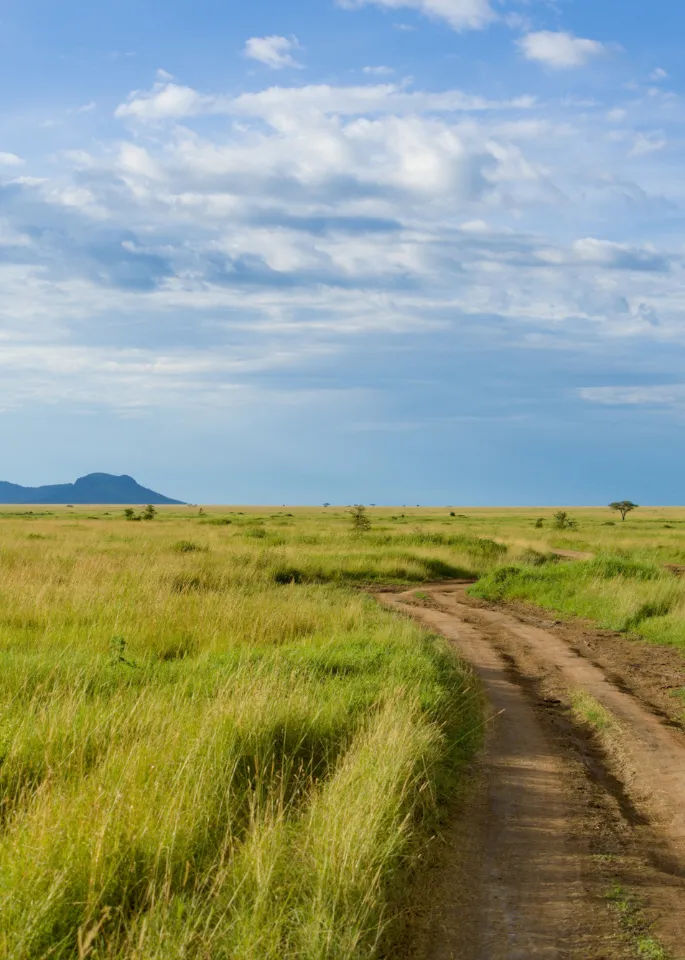
Tanzania’s Weather patterns have moved a little in recent years. While the clear wet and dry seasons exist, rain can happen unexpectedly. Always check current forecasts before you pack to make sure you are ready for any condition.
Entry Requirements
Getting into the country is easier than before. The Tanzania Visa system is mostly online now, making the process fast and efficient. We suggest that you apply well ahead of time to avoid any worry at the airport.

Health and Security
Tanzania Travel Safety stays very high for tourists. Tanzania is politically stable and welcoming. However, always follow your guide’s instructions in the bush. Also, Tanzania Travel Insurance is required for peace of mind. Make sure your policy covers medical evacuation just in case.
Food Experiences
The food scene has gotten much better. Tanzania’s Food in camps often mixes international favorites with local spices and dishes. Most lodges can meet any dietary need if you tell them ahead of time.

Preparation Basics
Your Tanzania Safari Packing List should focus on usefulness. Pack light, breathable clothes in earth colors like khaki or green. Do not forget a good pair of binoculars, as they change how you see the wildlife.
Timing Your Trip
The Best Time To Visit Tanzania depends on what you want to see. The dry season (June to October) is popular for the Great Migration. However, the green season (November to March) offers fewer crowds, baby animals, and lush, beautiful scenery.
A New Era of Safari.
As we look toward 2026, the world of safari travel looks brighter than ever. The industry has fully welcomed sustainability, comfort, and cultural respect. From the endless plains of the Serengeti National Park to the faraway southern circuits, the experience is deeper and more meaningful.
You are not just a watcher looking from a window; you are a player in conservation. The changes in Tanzania Safari Travel 2026 ensure that this beautiful land remains wild for generations to come.