Mount Kilimanjaro climb

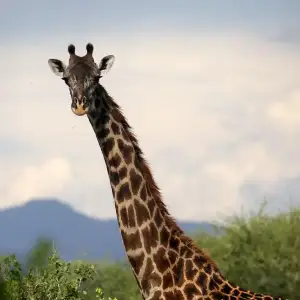
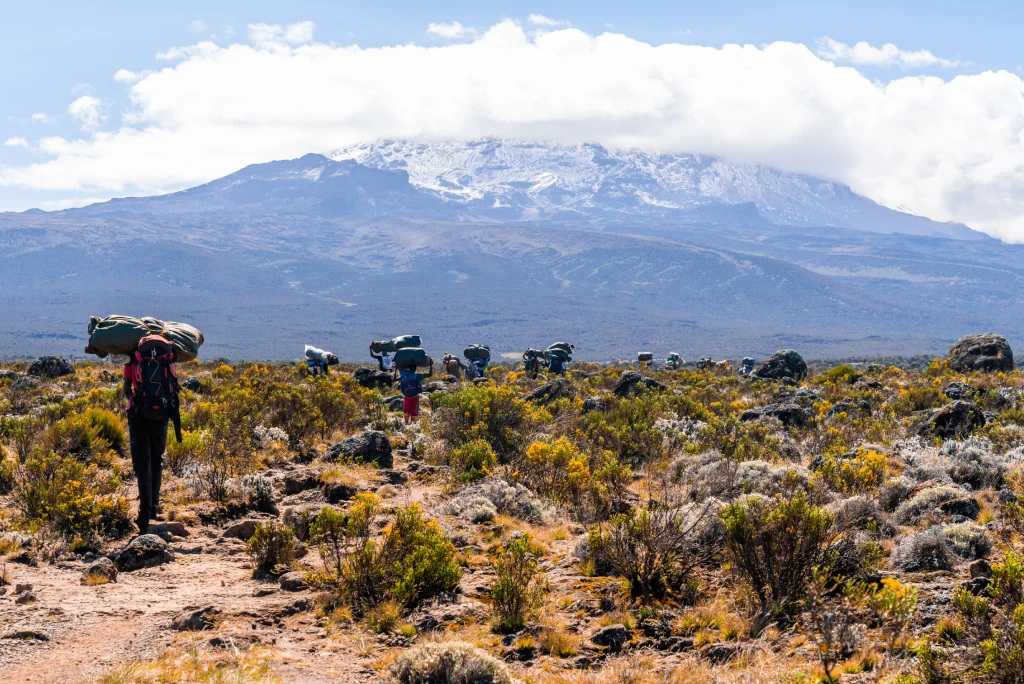
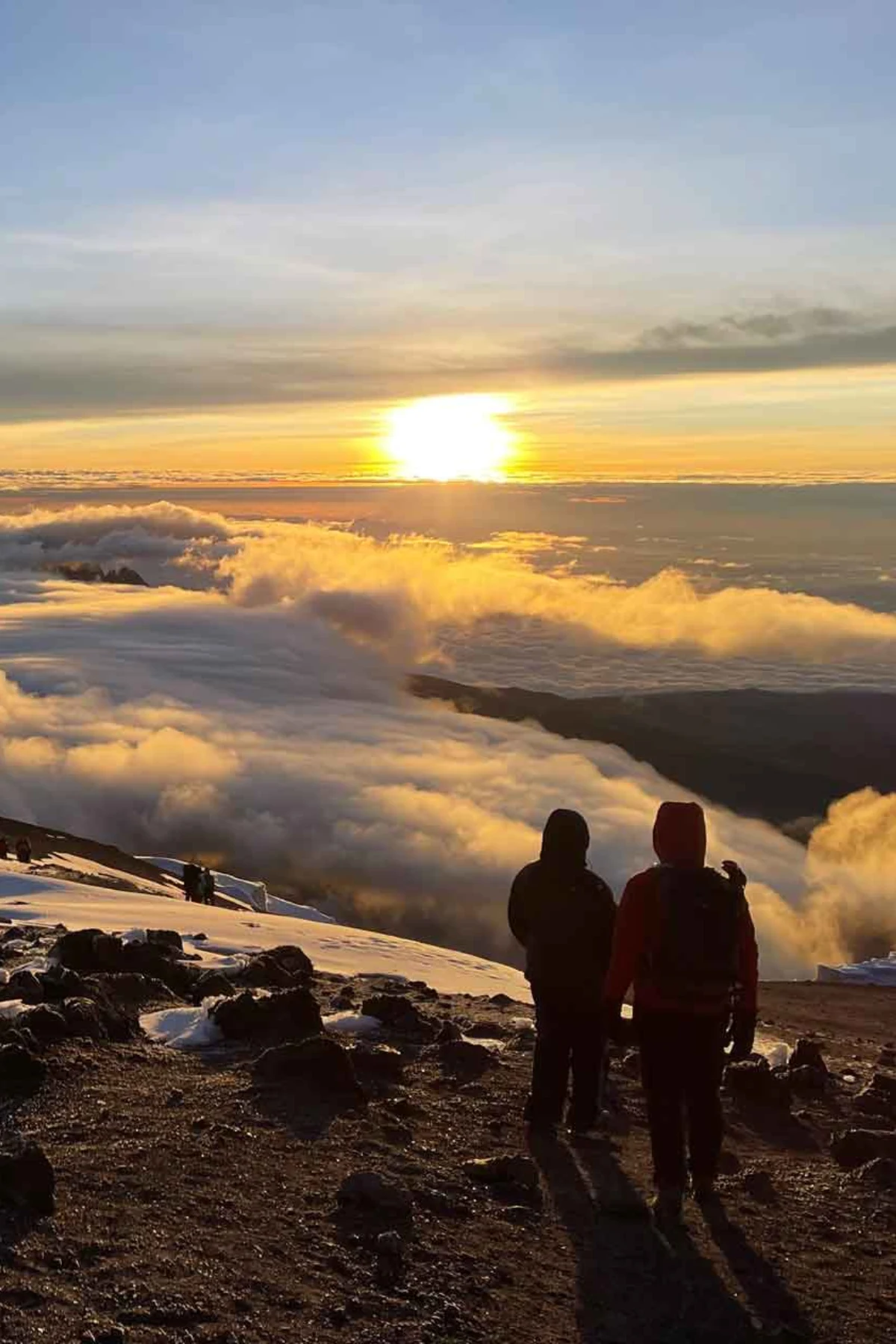
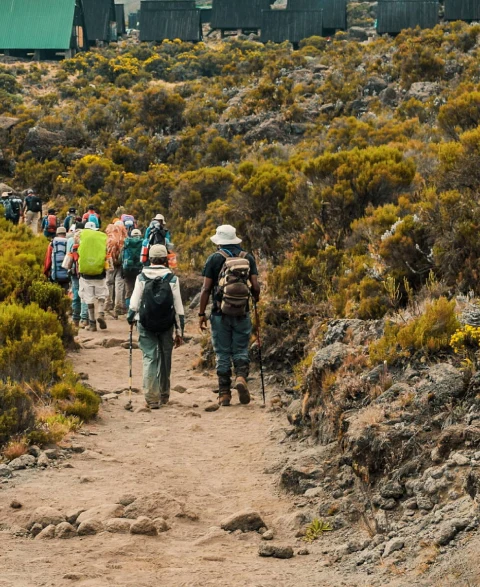
Guided by local experts, trekkers walk through misty rainforests, alpine meadows, and ancient craters. Along the way, giraffes graze, birds sing, and clouds drift below your feet. Every ascent combines wilderness beauty with human courage and unshakable determination toward the summit.

Guided by local experts, trekkers walk through misty rainforests, alpine meadows, and ancient craters. Along the way, giraffes graze, birds sing, and clouds drift below your feet. Every ascent combines wilderness beauty with human courage and unshakable determination toward the summit.

Tanzania’s mountains rise beyond the clouds, where adventure and tranquility meet. From the icy peaks of Kilimanjaro to the wild ridges of Meru and the volcanic slopes of Ngorongoro, every trail reveals nature’s untamed grandeur and timeless African spirit.

Every mountain in Tanzania has a unique story. Kilimanjaro challenges endurance and dreams, Meru whispers through lush forests, and Lengai stirs sacred energy. Trekking these paths is more than physical—it’s spiritual, cultural, and deeply connected to Tanzania’s heart and soul.

Mountain trekking Tanzania
Peaks

Kilimanjaro, Meru

Altitude

Up to 5895m

Difficulty

Medium to Hard

Duration

5–8 days

Trekking Spots in Tanzania

Tanzania’s top trekking spots include Kilimanjaro, Africa’s highest peak; Mount Meru, known for wildlife and dramatic ridges; Ngorongoro Crater, with scenic rim hikes; and Ol Doinyo Lengai, the active “Mountain of God.” Each trail offers unique rewards—from snowcapped summits to volcanic plains—combining adventure, culture, and awe-inspiring panoramas that make Tanzania a true hiker’s paradise.

Mountain Trekking Tours

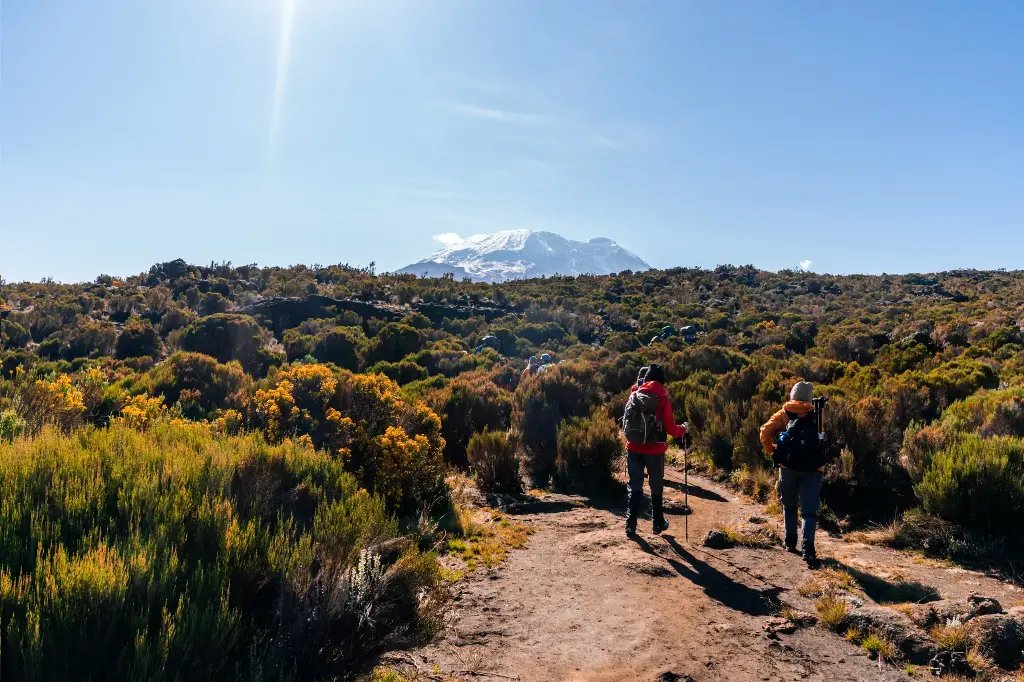
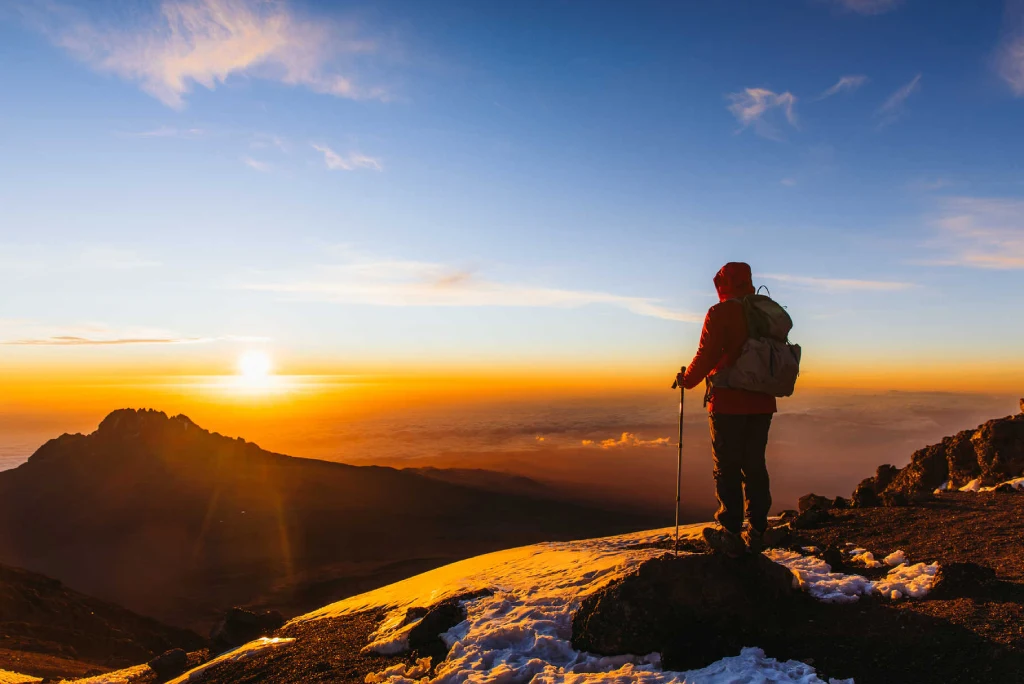
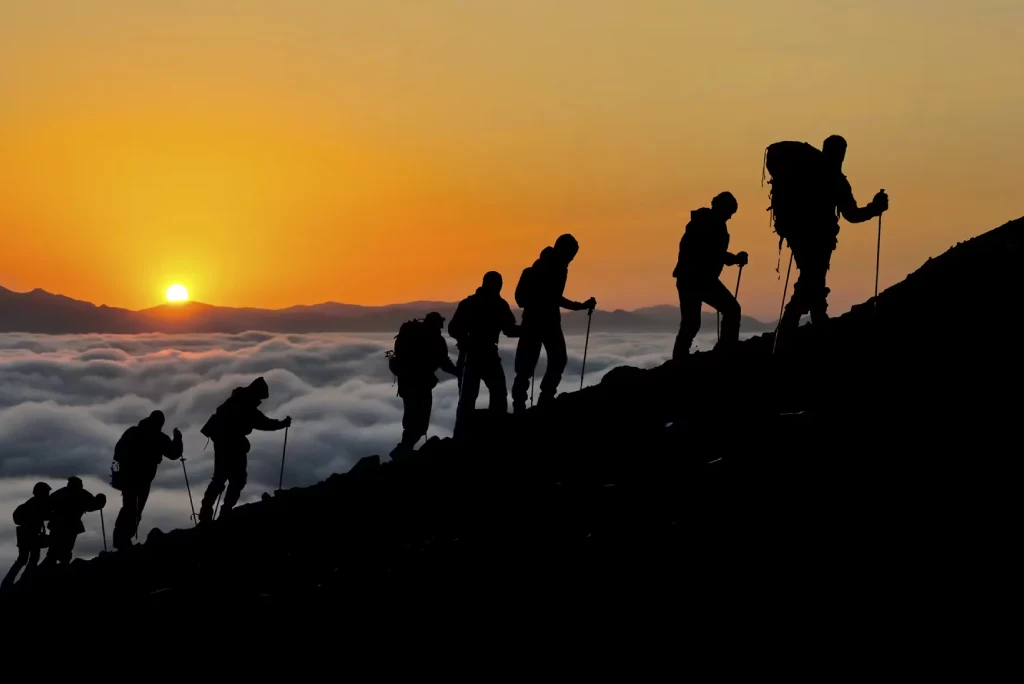
Trekkers climb toward Kilimanjaro’s glowing summit, surrounded by golden light and Tanzania’s magnificent, boundless wilderness below.

Tanzania Hiking

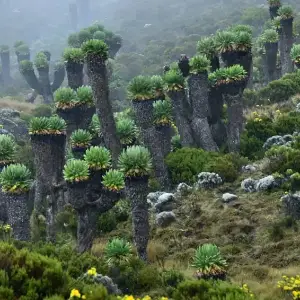
Trekking in Tanzania is a journey through nature’s purest contrasts. Kilimanjaro’s snowcapped summit glows in golden sunrise, Meru’s forested slopes echo with bird calls, and Lengai’s black volcanic ridges rise steeply above endless plains. Each mountain tells its story—ancient, untamed, and deeply spiritual beneath Africa’s boundless skies.

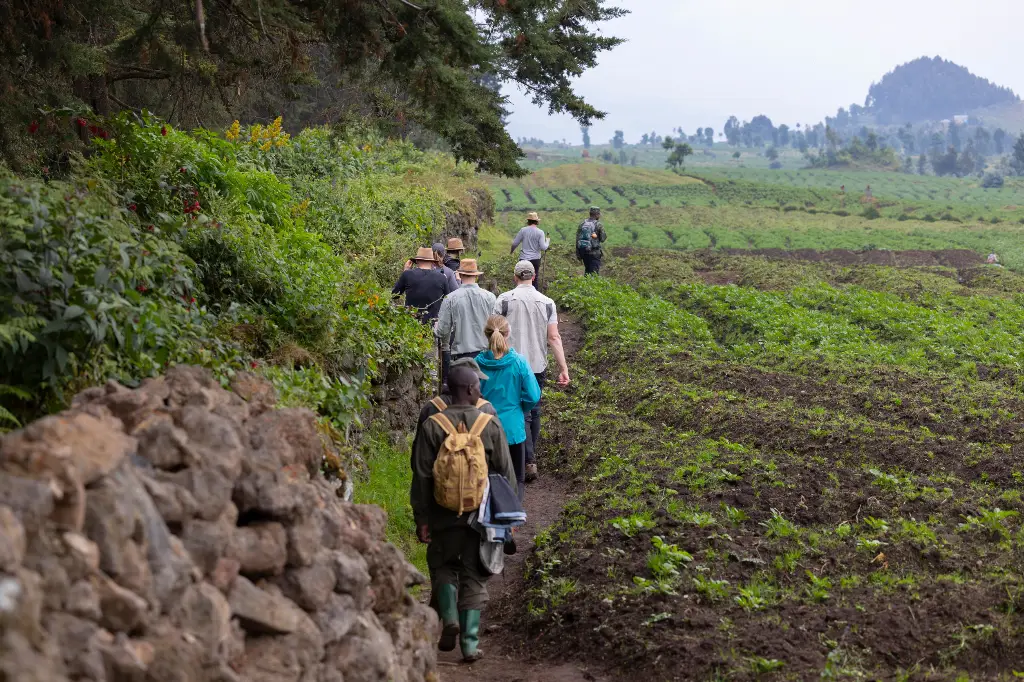
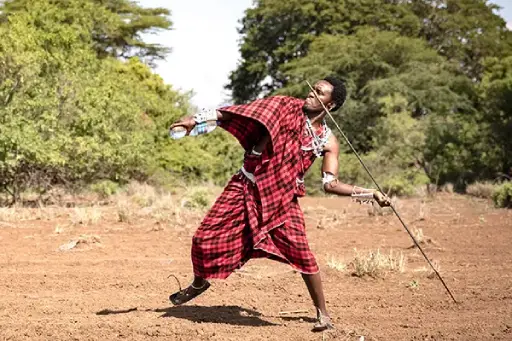
Every trail reveals a different rhythm. Kilimanjaro inspires perseverance, Meru offers solitude, and Ngorongoro’s crater paths blend culture and wildlife. Along these routes, trekkers pass grazing buffalo, misty valleys, and Maasai herders walking timeless trails. Each climb becomes a blend of challenge, reflection, and connection to Tanzania’s natural heritage.

Kingse Safaris Africa crafts guided mountain adventures that unite comfort with authenticity. Experienced local guides lead routes designed for acclimatization and discovery. From snowfields to crater rims, Tanzania’s peaks reward the determined, offering moments of silence, breathtaking beauty, and the unshakable joy of standing above the clouds.

Kilimanjaro Routes

Best Seasons For Trekking In Tanzania

Tanzania’s best trekking seasons are January–March and June–October, when trails are clear and skies are stable. April–May and November bring rain, making climbs difficult and visibility lower.

Short Dry

Jan–Mar

Long Dry

Jun–Oct

Short Rains

Nov–Dec

Long Rains

Apr–May

[hfe_template id='8844']

Climbing Kilimanjaro is a once-in-a-lifetime adventure—but it also comes with many questions. Here’s a detailed guide to the most common things travellers ask when preparing for the climb.

How do I choose a Kilimanjaro tour operator?

Choosing the right tour company is one of the most important decisions you’ll make. Look for a registered and experienced operator that has good reviews, professional mountain guides, and follows proper safety practices. A good company should also take care of its crew—fair wages, reasonable porter loads, and appropriate meals. Don’t just go with the cheapest option.A reliable operator offers better support, better equipment, and a safer experience on the mountain.

The cost of climbing Mount Kilimanjaro usually ranges between $2,000 and $5,000. This depends on the route, the number of days, group or private climbs, and the services included. Cheaper companies may cut corners on staff welfare or safety equipment. A reasonable price usually includes park fees, experienced guides, meals, tents, porters, and airport transfers. Always ask for a detailed cost breakdown before booking.

The Best Time To Climb Kilimanjaro is during the dry seasons. January to mid-March and June to October offer the most stable weather and clearer views. These months are ideal for achieving summit success and enjoying comfort. The long rains (late March to May) and short rains (November) make the trails slippery and reduce visibility. While climbing during the rainy seasons is possible, it’s not ideal unless you’re prepared for wet, muddy, and more difficult conditions.

Each route has its strengths. The Lemosho and Northern Circuit routes are known for beautiful scenery and good acclimatization. Machame is the most popular, offering a dramatic and varied landscape. Rongai is less crowded and drier, great for those seeking quiet trails. Marangu is the only route with hut accommodations, but it offers less time for acclimatization. Your choice should depend on your fitness, time, and comfort level with altitude.

Climbing Kilimanjaro should not be rushed. The longer you spend on the mountain, the better your chances of acclimatizing properly and reaching the summit safely. Most climbers choose a seven or 8-day route. These extra days allow your body to adjust gradually to the altitude and reduce the risk of altitude sickness. Routes shorter than 6 days often lead to lower summit success and more health issues.

The weather on Kilimanjaro changes dramatically with altitude. You’ll experience five different climate zones—from tropical rainforest at the base to arctic conditions at the summit. Days are warmer on the lower slopes (around 20–27°C / 68–80°F), while nights are much colder at higher altitudes. Near the summit, temperatures can drop as low as -20°C (-4°F), especially before sunrise. Be ready for sun, wind, rain, and freezing temperatures—all in one climb.

You’ll need proper gear to stay warm, dry, and comfortable. Key items include waterproof hiking boots, thermal base layers, an insulated jacket, waterproof pants and jacket, gloves, a hat, a warm sleeping bag, a headlamp, and a daypack. The support team carries your large duffel bag (up to 15 kg), while you have only a small daypack with essentials like water, snacks, and a jacket. Your operator usually provides a complete packing list.

You don’t need to be an athlete, but you must be physically prepared. The best way to train is by doing long-distance hikes with elevation gain while carrying a backpack. Build your endurance 2–3 months before the trip with regular walking, stair climbing, strength training, and cardio. Aim for 4–6-hour hikes at a steady pace. Most of all, get used to walking uphill and downhill for several days in a row.

Kilimanjaro is considered a non-technical mountain, but the high altitude can be risky. Good operators take safety seriously. Trained guides monitor your health every day using pulse oximeters and ask questions to check for signs of altitude sickness. Oxygen cylinders, first-aid kits, and emergency evacuation plans are standard. If you climb with an experienced team and follow their advice, the climb is safe and well-managed.

If the price looks too good to be true, it probably is. Budget operators often cut costs by paying porters unfair wages, overloading staff, using worn-out gear, or skipping proper meals and safety checks. These practices are not just unethical; they also affect your overall experience. Reputable companies charge more because they take care of their team, use better equipment, and focus on your safety and success.

[hfe_template id='910']
[hfe_template id='2194']
[hfe_template id='6609']

"We had a fantastic time with Kingse Safari’s. We went from Arusha, to Ngorongoro and Serengeti. Peter was an awesome guide. Very knowledgeable and a skilled driver."

Jon H

JON H

Incredible Trip

"Amazing experience from start to finish! The guides were knowledgeable and friendly."

Anna L

ANNA L

Safari Adventure

"We had a fantastic time with Kingse Safari’s. We went from Arusha, to Ngorongoro and Serengeti. Peter was an awesome guide. Very knowledgeable and a skilled driver."

Jon H

JON H

Incredible Trip

"Amazing experience from start to finish! The guides were knowledgeable and friendly."

Anna L

ANNA L

Safari Adventure
[hfe_template id='6908']
[hfe_template id='80']