The Quiet Heart of the Serengeti – How Rich Grasslands Feed Huge Herds
 Posted on January 13, 2026 by kingsesafaris
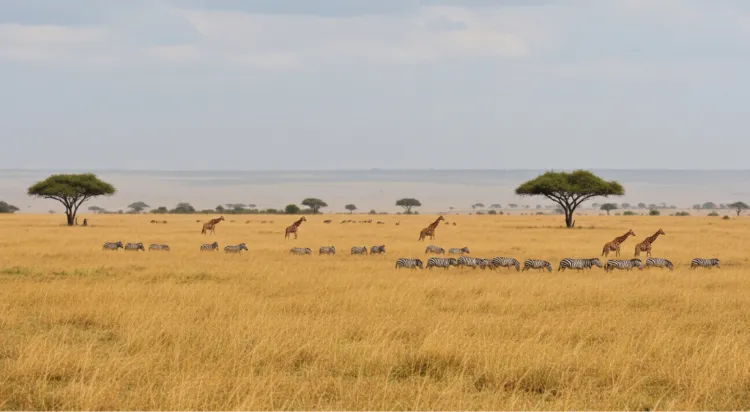
When people think about a Serengeti Safari, they often picture the wild river action or the busy central plains. Still, the true power behind the huge Serengeti Migration actually rests quietly in the south. If you choose a Southern Serengeti Safari, you stand at the very start of nature’s greatest cycle.
While the center has rocky hills and many animals stay put, the south gives us something more important: excellent, rich grass. This difference between the dry bush and the fertile south explains the magic of the Great Wildebeest Migration. Knowing this detail unlocks the whole story of the Serengeti Wildebeest Migration.
The south gives the best energy source needed for giving birth and starting the long trip. The massive number of animals seen does not happen by chance; instead, it directly follows the great food found here. This land gives us deep knowledge about Great Migration Ecology by showing how the geology itself controls animal life across Serengeti National Park.
How Volcanic Soil Feeds the Great Migration
The stunning richness of the southern plains comes from a very powerful event long ago. This story starts near the tall, sometimes smoking volcano called Ol Doinyo Lengai, which means “Mountain of God.” Now and then, this volcano sends fine dust clouds toward the north.
When this ash settles over the flat south, it puts special minerals back into the soil that grow the grass. So, when the short rains finally arrive, the grass that pops up grows fast. It is not only abundant, but it is also packed with good nutrients and minerals.
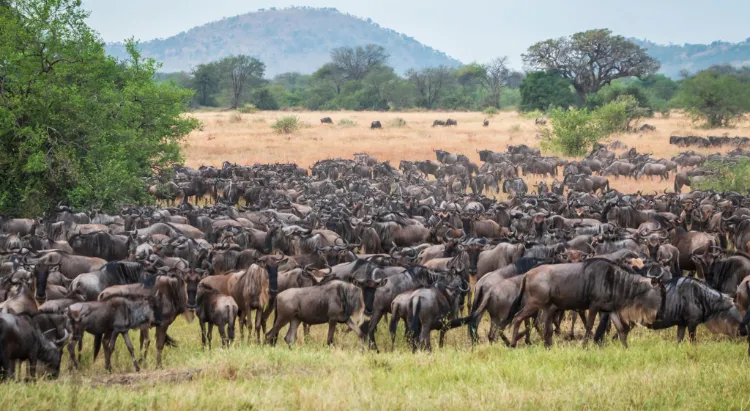
This rapid, mineral-rich growth directly fuels the massive birth period of the Serengeti Wildebeest Migration, known as the calving season. You’ll see the land changing from brown to bright green very fast. This natural factory of food explains the Great Migration Ecology, giving every single calf the best chance to live in Serengeti National Park.
How Grass Quality Changes Herd Habits
When the herds gather, usually between December and March, the animals need food the most. The grass quality in the south during the Great Wildebeest Migration must match the high needs of new mothers and babies. This is because a huge amount of energy will be needed to raise a new baby.
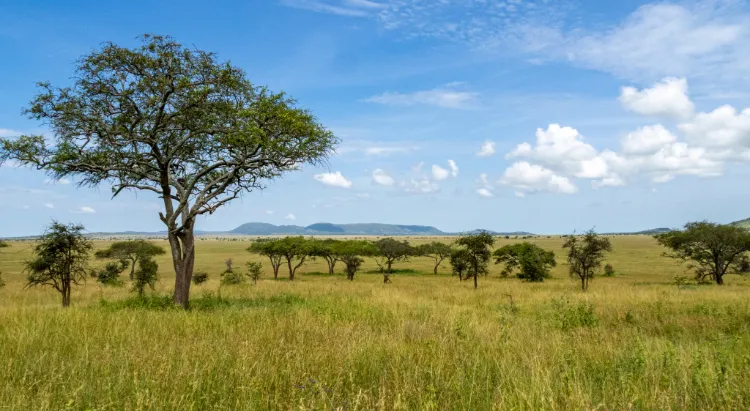
Moms who are nursing need lots of high-quality food to make milk strong enough for a newborn calf. These babies must also grow quickly so they can keep up with the adults soon after birth. The high protein in that fresh, mineral-rich southern grass directly supports this hard work of motherhood and making fast-growing babies. It can simply be put that the herds find the best nutrient source available.
This strong link between good food and animal gathering makes the Southern Serengeti Safari viewings amazing. If the grass gets weak, the herds move next door, proving that the health of the land controls the pace of the Serengeti Migration.
The Job of Predators in This Natural System
The scene in the south is not always calm; it is full of action and sometimes tough. The easy targets created by so many new mothers and young calves give hunters a great chance. This push-pull between hunter and hunted keeps the entire herd healthy.
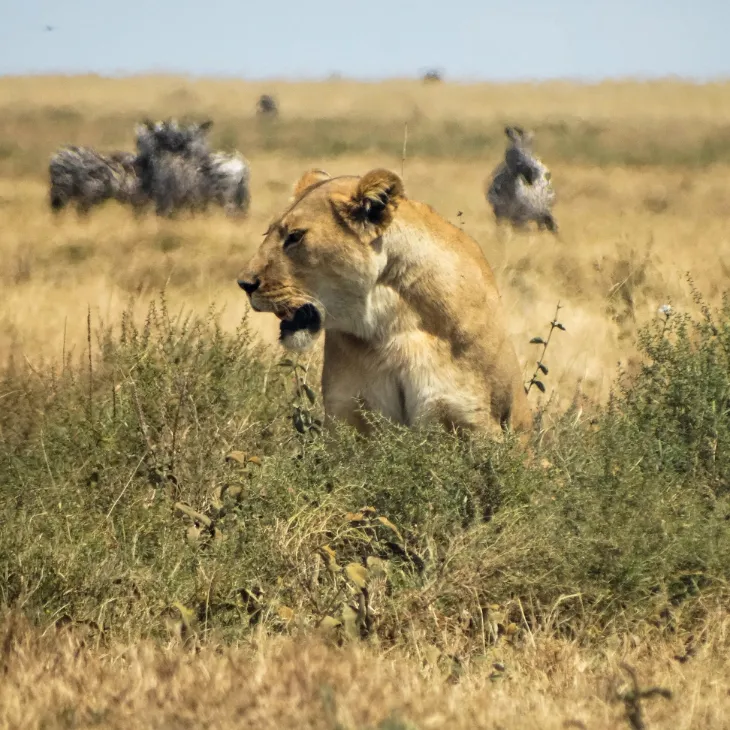
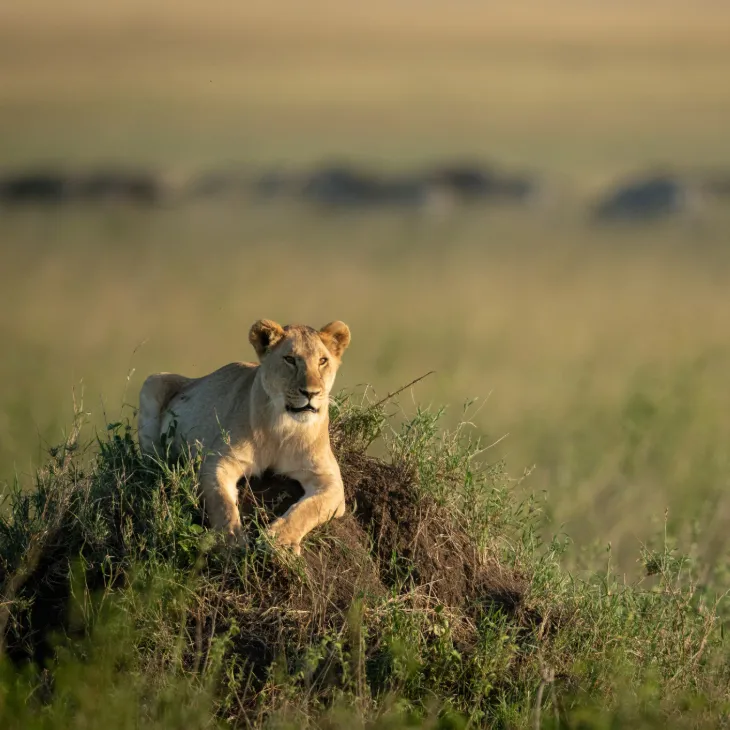
Predators act like the park’s necessary cleaners. Lions know that the easiest animals to catch are often the weakest or youngest ones, struggling to move fast. Striped hyenas and Jackals also help out, often taking newborns that do not survive the first cold days.
Though this seems rough, this hunting keeps the herd strong overall. Only the fastest and sharpest calves live to join the long trip north. Watching this natural sorting process is a deep part of any Tanzania Safari Experience.
Changes in the Grasslands During the Year
While appreciating the south, you must know that its great food does not last long. This place relies on short seasonal rains, meaning that the best growing time is packed into just a few months.
In the early months (January to March), the plains are totally green and offer the best nutrition anywhere. This serves the calving time perfectly. But as the dry time gets closer and the rain stops, the land changes fast. The good grass gets old, dries out, and loses its goodness. The herd knows this change is coming; they must leave the fading resource. They stop working at peak birth mode and shift to the slower, all-day eating needed for their long trip north.
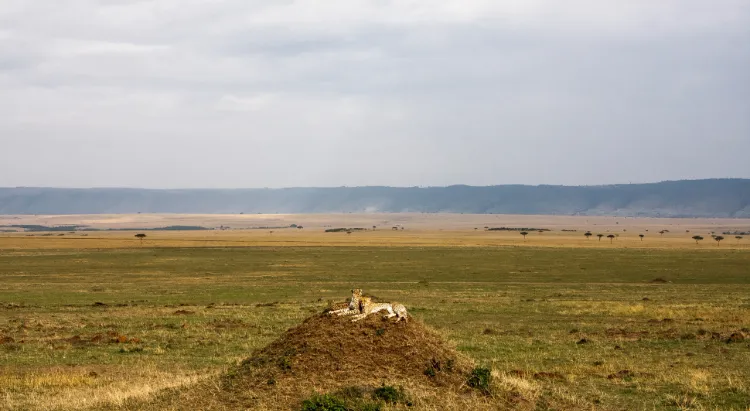
It is vital to know these seasonal changes when booking your Tanzania Safari Tours. The timing of your visit determines whether you will see the explosive start or the gradual conclusion of this phase of the cycle.
For those seeking the very beginning of the action, booking a Serengeti Safari focused on the early months is essential. We also advise checking Tanzania Weather reports before you go.
How Travelers Can See These Ecological Relationships
Planning a good Southern Serengeti Safari means understanding how much the animals need the soil. Since seeing the Great Wildebeest Migration here is time-sensitive, knowing the Best Time To Visit Tanzania for calving is essential. This is normally from late January through March. Aiming for a trip around that time will give you higher chances of experiencing the calving season.
Another thing travelers should know is that where you sleep changes your trip. You can book a Serengeti Luxury Safari or similar plans through your trusted Tanzania Tour Operators. Choosing a mobile camp or a lodge in the south puts you right where the big events happen every single day.
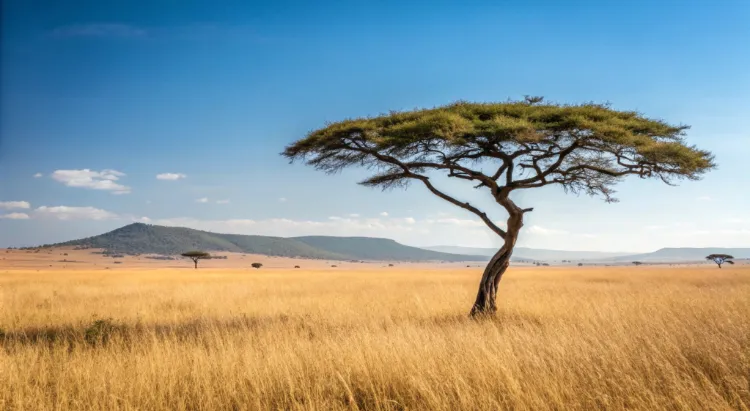
These moments show you more than just spotting the Tanzania Big Five Safari animals. You get to see the interplay of life and death driven by grass quality. Reviewing available Tanzania Safari Packages will allow you to compare specific access to these rich areas in different Tanzania Destinations. If you want the best comfort, check out Tanzania Luxury Safari options that focus only on the south during this busy time
Conclusion The Grass is the Guide
The landscape of the Southern Serengeti is a result of ancient volcanic activity. The volcanic soil provides the necessary mineral foundation for the grass that sustains the entire Serengeti Migration. This nutrient density supports the massive breeding event. It powers the growth of the calves and decides the timing for the entire journey spanning the park.
Without the rich soil of the southern plains, the large scale of the Great Wildebeest Migration simply would not be possible. The soil makes this zone the most important ecological area in the entire northern circuit. It is a reminder that in nature, the quiet elements, the soil, the rain, the grass, are often the most powerful drivers of all.
For those interested in the deeper ecological story behind the phenomenal wildlife viewing, a Tanzania Safari Tour focusing here is highly recommended. Understanding this connection transforms a simple viewing trip into a lesson.