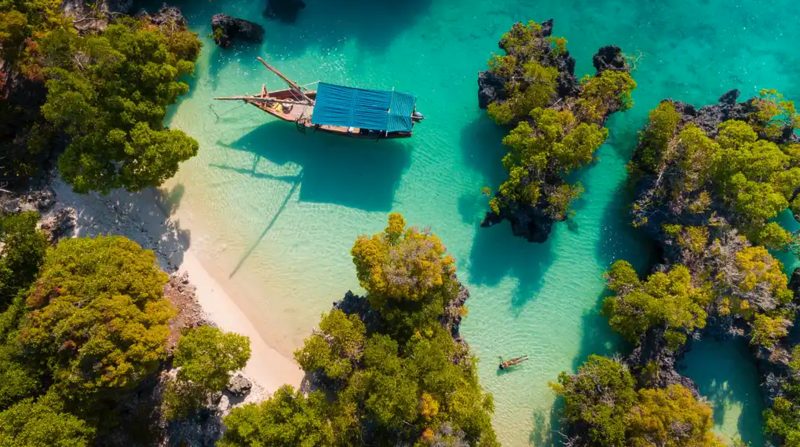
Zanzibar sits 35 kilometres off the Tanzanian coast and runs on its own clock. Two monsoon winds, two rainy seasons, a tide that empties whole beaches twice a day, and a seaweed season that nobody mentions in the brochure. Get the month and the coast right and it's one of the best beaches in the world. Get either wrong and you'll spend a week wondering what the fuss was about. This is the guide we'd give our own family.
It works best as the finish to a Tanzania safari, a few days of ocean and spice after the dust of the Serengeti. It also stands on its own. Stone Town, the reefs, the dhows, the food. Here's when to go, and where on the island to be when you do.
The Short Answer
Best overall: June to October. Dry, clear water, highs around 29 to 31C, the lowest humidity of the year and a steady south-east breeze. Hot and calm: January and February, 32 to 33C, flat seas, both coasts swimmable. Best value: November and the first half of December, after the short rains ease and before Christmas. Avoid: April and May, the long rains, when some lodges close.
If you want it by what you're after rather than by month:
- Swim any hourNorth coastAny month but Apr to MayNungwi and Kendwa sit on deep water: no tide to wait for, no seaweed.
- Snorkel and diveMnemba, PembaJune to OctoberVisibility 20 to 30 metres, turtles year round, humpbacks passing offshore.
- KitesurfPaje, JambianiJun to Oct, mid Dec to FebTwo wind seasons, the kusi and the kaskazi, on the south-east coast.
- Best valueThe quiet monthsNovember, early DecemberShort rains in brief bursts, half the people, lower rates.
- Honeymoon: June to October or January to February, north coast or a quiet south-east property with the tides explained up front.
- Whale sharks: November and December off Mafia Island.
- Families on Canadian school breaks: the summer holidays are the best fit. Christmas is good but busy and dear. March break that runs into late March lands as the long rains begin.
Zanzibar Weather Month by Month
Long-term averages for Zanzibar Town, rounded. The island is small enough that the numbers hold for every coast; what changes between coasts is wind, tide and seaweed, which come next.
- Jan
- Feb
- Mar
- Apr
- May
- Jun
- Jul
- Aug
- Sep
- Oct
- Nov
- Dec
- Cool dry season, kusi
- Hot and calm, kaskazi
- Shoulder, short rains
- Long rains
| Month | High / low | Rain | Sea | Sun | What it's like |
|---|---|---|---|---|---|
| Jan | 33 / 25C | 85mm, 10 days | 28C | 9h | Hot, still, calm seas. Kaskazi wind. Busy to mid month, then quiet. |
| Feb | 33 / 25C | 55mm, 7 days | 29C | 9h | Hottest month. Flat water, both coasts swim. Ramadan from about 8 Feb 2027. |
| Mar | 33 / 25C | 150mm, 13 days | 30C | 7.5h | Humid. Fine in the first half, long rains build from mid month. |
| Apr | 31 / 25C | 385mm, 18 days | 30C | 6h | Wettest month. Multi-day rain. Some lodges close. Avoid. |
| May | 30 / 24C | 255mm, 15 days | 28C | 6.5h | Still wet, easing late. Cheapest rates. Avoid for a beach trip. |
| Jun | 29 / 23C | 70mm, 7 days | 27C | 8h | Dries out fast. Kusi wind arrives. Lodges reopen. Excellent. |
| Jul | 29 / 22C | 50mm, 8 days | 26C | 8h | Peak season. Clear water, cool nights, humpbacks offshore. Book early. |
| Aug | 30 / 22C | 50mm, 8 days | 26C | 8h | As July. Busiest month with the migration crowd. Breezy on the east. |
| Sep | 30 / 21C | 50mm, 8 days | 26C | 8.5h | Coolest nights of the year, driest days. Our favourite. |
| Oct | 31 / 23C | 95mm, 9 days | 27C | 9h | Wind eases, water warms, crowds thin. Best all-round month. |
| Nov | 31 / 24C | 215mm, 11 days | 28C | 8.5h | Short rains: afternoon showers, sun between. Quiet, good value. Whale sharks at Mafia. |
| Dec | 32 / 24C | 185mm, 13 days | 29C | 8.5h | Showers fade by mid month. Christmas to New Year full and expensive. |
Shaded rows are the prime season. Rain is the monthly total and the number of days with rain. Sun is average hours of sunshine a day.
Two things the table can't show. First, Zanzibar rain is tropical: it comes in heavy bursts, not grey days, so even November has long sunny stretches. Second, humidity matters more than temperature here. February at 33C feels hotter than it reads; September at 30C with the kusi blowing feels like a Gold Coast spring.
The Two Winds That Run the Island
Zanzibar's year is shaped by two monsoon winds, and once you know them the rest makes sense.
- Kusi (south-east), roughly June to October. Cooler, drier air off the Indian Ocean. It's what makes the dry season so comfortable, and it's the main kitesurfing season. It blows straight onto the east and south-east coasts, so the water there is choppier in the afternoons, and it's why the north coast feels calmer in these months.
- Kaskazi (north-east), roughly mid December to February. Warmer, lighter, often dies off in the afternoon. Flat seas, hot days, the second kite window. Both coasts are good for swimming in this wind.
The gaps between the winds, March to May and late October to November, are when the rains come.
Get the month and the coast right and it's one of the best beaches in the world.Get either wrong and you'll spend a week wondering what the fuss was about
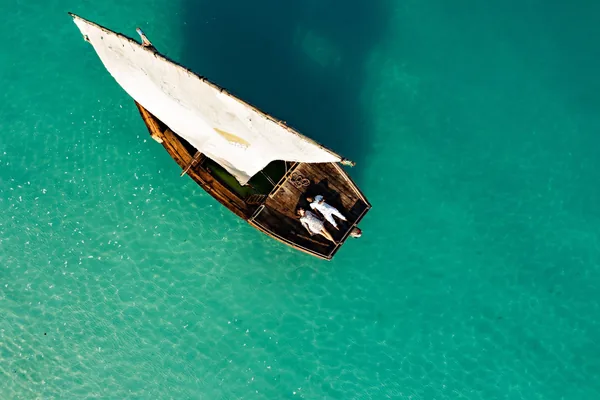
Which Coast, and When: Tides and Seaweed
This is the part most visitors learn the hard way. The island's beaches don't all behave the same, and the month you travel decides which one you should be on.
North coast: Nungwi and Kendwa
The island's northern tip sits on deep water, so the beach is swimmable at every tide, every month, with no seaweed. It's the safe choice if you want to walk out of your room and into the sea at any hour. Kendwa in particular is one of the few beaches on the island where that's always true. The trade-off is that it's the busiest corner of Zanzibar, with the biggest resorts and the full-moon party scene at Kendwa. Pick the property carefully and it's superb.
East coast: Matemwe, Kiwengwa, Pongwe
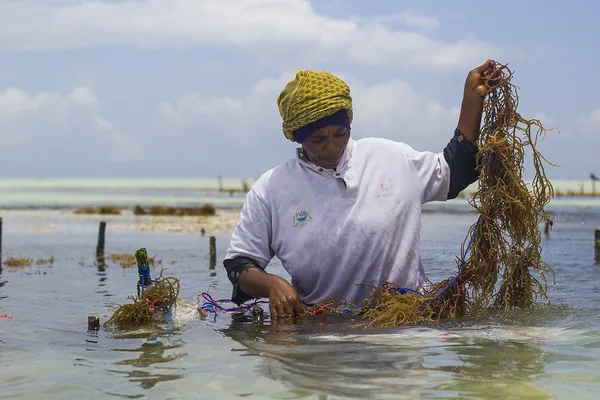
Longer, emptier, whiter beaches facing the reef, with the reef itself a kilometre or so out. At low tide the ocean retreats most of that distance and you walk across sand and seagrass to find it; at high tide it's postcard perfect. Swimming is tide-timed, which is fine if someone has told you and annoying if they haven't. Matemwe is the base for Mnemba Atoll snorkelling, the best in Zanzibar. Seaweed drifts onto these beaches between roughly November and April, worst around April, and most properties rake it each morning.
South-east coast: Paje, Jambiani, Bwejuu, Michamvi
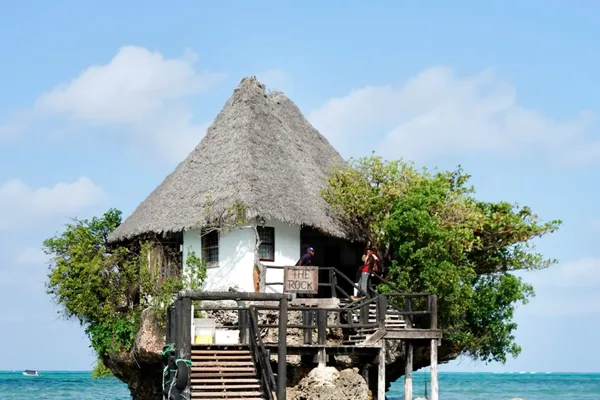
Same tidal pattern as the east, with the same seaweed months, but quieter again and better value. Paje and Jambiani are the kite beaches in both wind seasons. Michamvi and Bwejuu are more sheltered and home to a handful of the island's best small hotels. The Rock restaurant sits off Michamvi, and we book it for guests ourselves because the usual agents can't.
Stone Town, west coast
Not a beach stop. The water in front of town isn't for swimming. It's the island's history, food and markets, and it's worth two nights on arrival before you head to the coast.
Rule of thumb. Swim-whenever honeymoon: Nungwi or Kendwa. Quiet, value, kitesurf: Paje or Jambiani, with the tides explained before you book. Snorkel-led: Matemwe for Mnemba. June to October and wanting calm water: lean north. December to February: either coast.
What's in the Water, and When
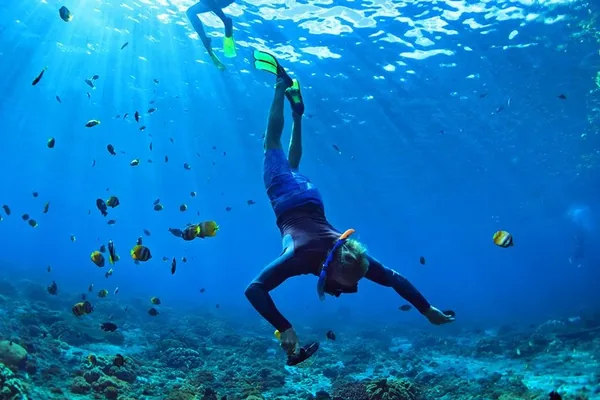
- Mnemba Atoll snorkelling and diving: clearest from June to October, with a second good window in February and March. Visibility 20 to 30 metres on a good day. Green turtles and dolphins year round.
- Humpback whales: pass through the Zanzibar Channel from July to October, often seen from the dhow on the way to Mnemba.
- Whale sharks: off Mafia Island, a short flight south, from October to February, peaking in November and December. Snorkelling only, no diving, and about as close as you'll get to the biggest fish in the sea.
- Dolphins at Kizimkazi: year round. The standard tour is a crowd of boats chasing a pod, which we won't book. A private dhow before sunrise, arriving before the others and slipping into the water quietly, is a different experience altogether.
- Pemba: the quieter island to the north, serious wall diving, best in the dry months. For divers and anyone on a second Zanzibar trip.
- Sea temperature: never below about 25C. You won't need a wetsuit to snorkel in any month.
Stone Town: Two Nights, Not One
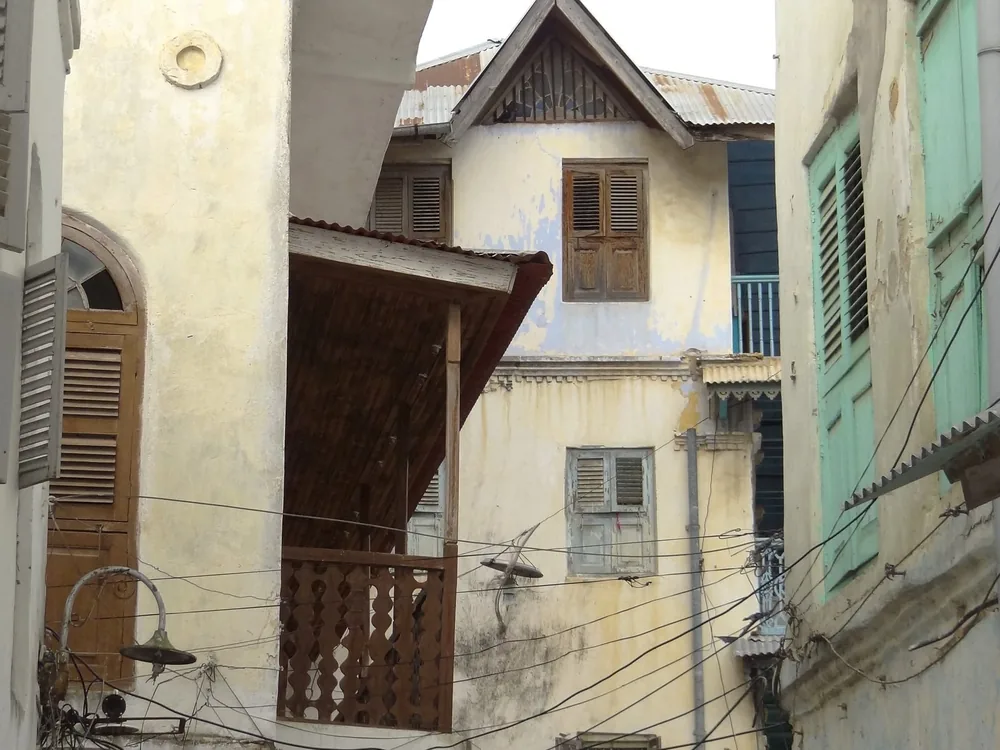
Most guests treat Stone Town as a transit stop. One night, a walk through the market, straight to the beach. That's a mistake. It's a UNESCO World Heritage city, a knot of narrow streets with carved doors, rooftop terraces and a fish market that's finished before most hotels serve breakfast. Arab, Indian, Persian and Portuguese history, all layered on top of each other.
Two nights lets you eat properly. The Forodhani seafood stalls at dusk, a rooftop dinner, Swahili cooking in coconut milk with spices from the farms twenty minutes inland. It lets you do the spice farm, the Old Fort and the Palace Museum without rushing, and still have an hour to get lost in the lanes, which is the point.

Ramadan, Festivals and Dress
Zanzibar is almost entirely Muslim. During Ramadan, which is expected to run from around 8 February to 9 March 2027 (the exact dates follow the local moon sighting), some Stone Town cafés close during daylight and the town is quieter. Beach resorts run as normal and it's a perfectly good time to visit; just eat and drink discreetly in town during the day. Dress modestly away from the beach all year, shoulders and knees covered in Stone Town and the villages.
Two festivals worth planning around: Sauti za Busara, the music festival in Stone Town in February, and the Zanzibar International Film Festival in June or early July. Both fill the town's hotels, so book ahead.
Prices, Crowds and When to Book
Rates follow the weather. Peak is July to October and the two weeks over Christmas and New Year, when the best properties sell out six to twelve months ahead, and anything on Mnemba Island earlier than that. Mid season is January to mid March and June. Low season is April and May, when rates drop by a third or more and a number of beach lodges close for maintenance. November and early December are the quiet bargain: good weather most days, half the people, lower rates.
For Canadian families, the summer holidays fall in the prime season, which is convenient. The long rains begin in late March, so a March break that runs late is the one school break we steer families away from.
Combining Zanzibar with a Safari
The classic shape is 7 to 10 days on the mainland, then 4 to 5 nights on the island. The change from dust and lions to warm sea and spice is one of the great travel contrasts anywhere, and the island is at its best in exactly the months the Serengeti is.
If your safari is July to October, for the migration, Zanzibar is in its prime when you land. A green-season safari in January to March pairs well too, with calm hot days on the island. The only mismatch to avoid is ending a safari in April or May and expecting a reliable beach.
Getting there: we fly, never ferry. Direct flights from Kilimanjaro or Arusha take about an hour and twenty minutes, and in season there are daily shuttles straight from the Serengeti's Seronera airstrip to Zanzibar, so you can be on the beach by mid afternoon from a morning game drive. Dar es Salaam to Zanzibar is a twenty-minute hop.
Paperwork. Your Tanzania visa covers Zanzibar, arranged online before you leave through the official site only, visa.immigration.go.tz. Tanzania's inbound travel insurance (about USD 44 per adult since 1 October 2026) is one policy for the mainland and the island, whichever you land on first. Hotels on Zanzibar collect an infrastructure tax of USD 5 per person per night at check-in. On a Canadian passport it's a single-entry tourist visa, US$50 and valid for 90 days, which you can also get on arrival at the main airports.
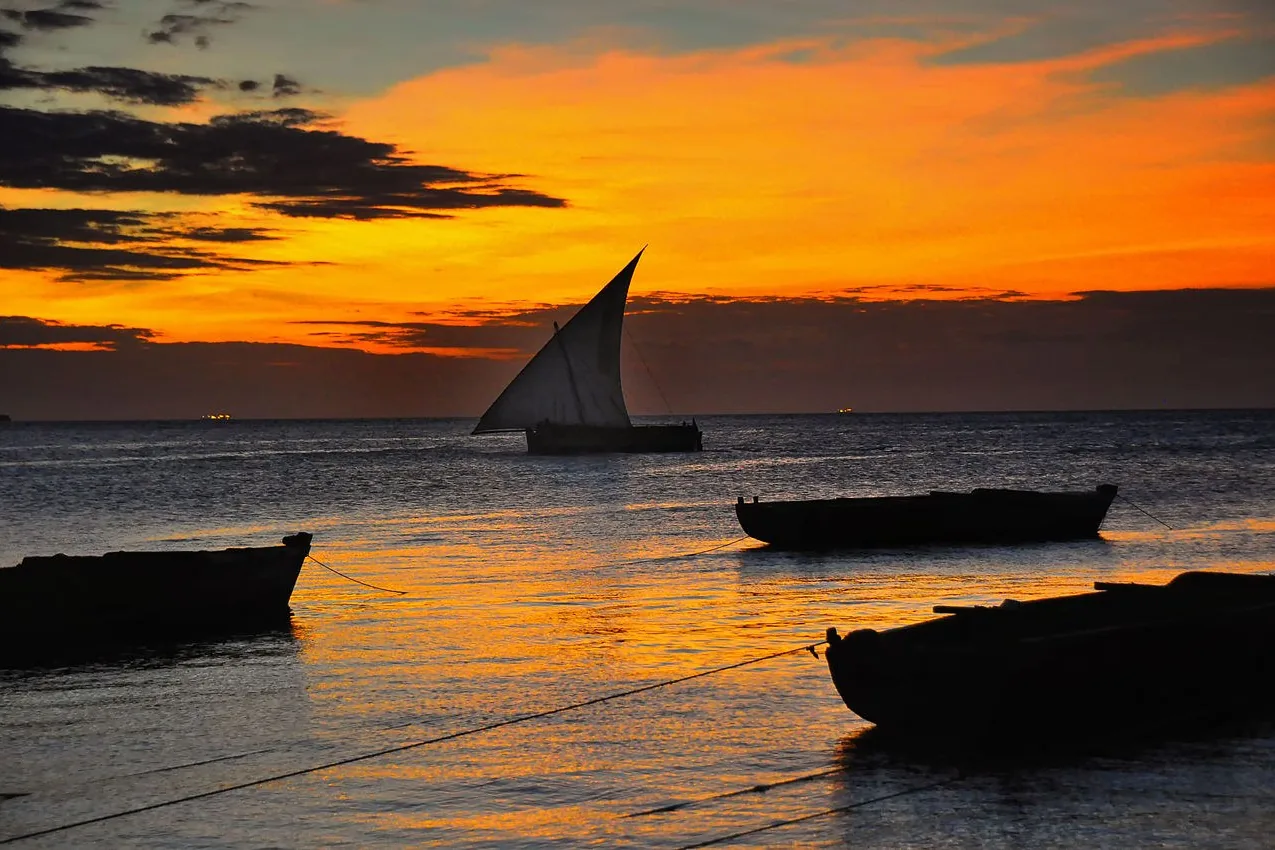
Health and What to Pack
Zanzibar carries malaria risk all year, so take your itinerary to your family doctor or a travel clinic around eight weeks out and let them decide what, if anything, you take. We don't advise on medicine. Cover up and use repellent at dusk whatever they say. Pack reef-safe sunscreen (the reef is why you're there), a hat, a light long-sleeved layer for evenings and Stone Town, reef shoes for the east-coast flats, and a light rain shell if you're travelling in November or March. Leave the wetsuit at home.
Where to Stay
Zanzibar has a lot of accommodation that photographs well and delivers poorly. The gap between a good property and an average one is wider here than almost anywhere we send people, and the island's best places are small and sell out first. The ones we book and trust, by coast:
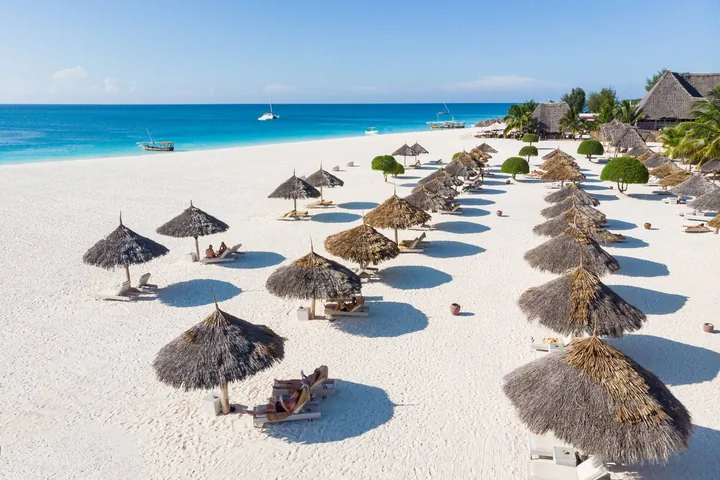 Gold ZanzibarKendwa, northSwim at any tide. A big, well-run beach house on the island's best all-tide sand.
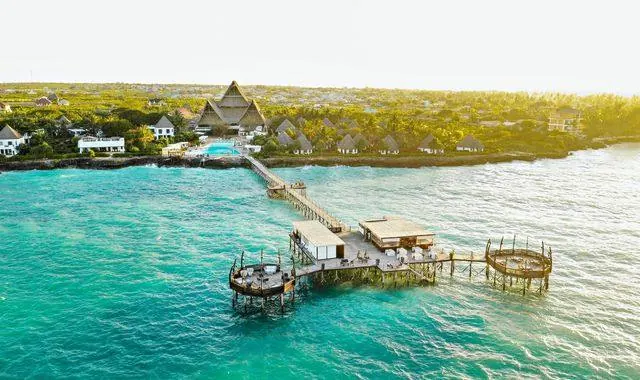 Essque ZaluNungwi, northHoneymoon pick on the north coast, with a jetty out over the deep water.
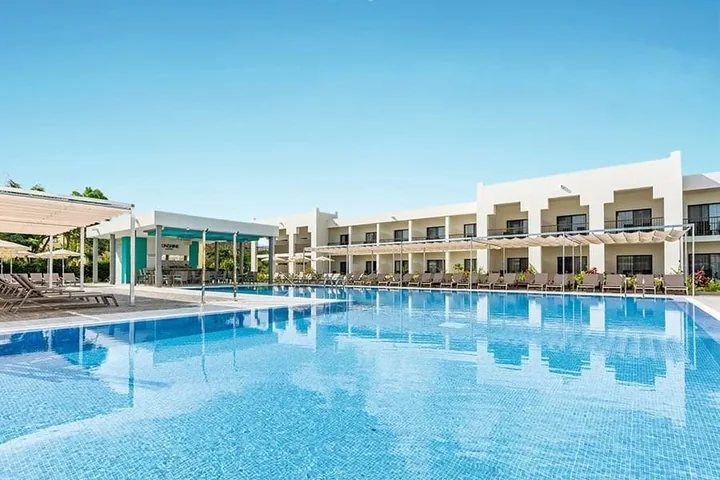 Riu Palace SwahiliNungwi, northThe all-inclusive we book when guests want everything sorted.
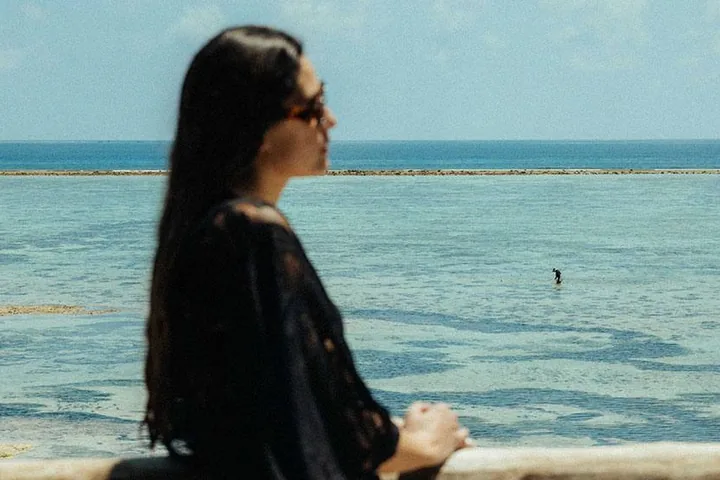 Matemwe AttitudeMatemwe, eastThe base for Mnemba snorkelling. Tide-timed swimming, quiet beach.
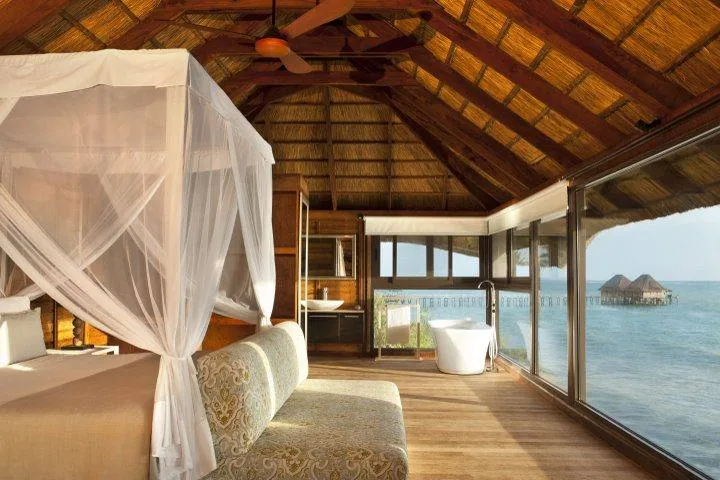 Meliá ZanzibarKiwengwa, eastBig grounds, its own stretch of beach, good for families.
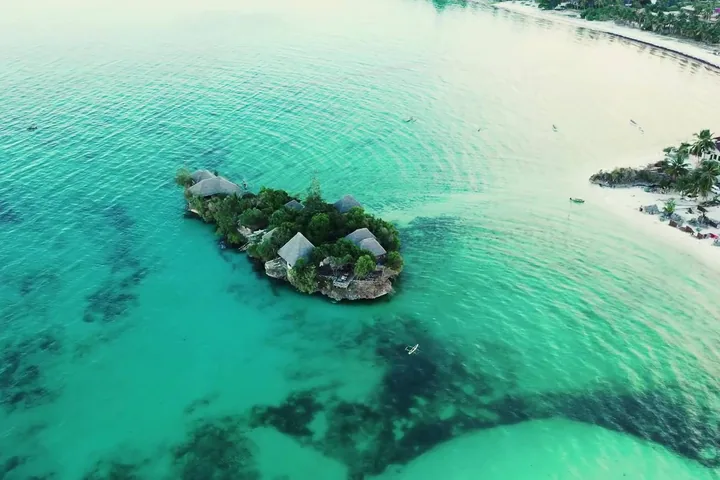 The Island PongwePongwe, eastTiny, private, on its own rock. For a couple who want nobody else around.
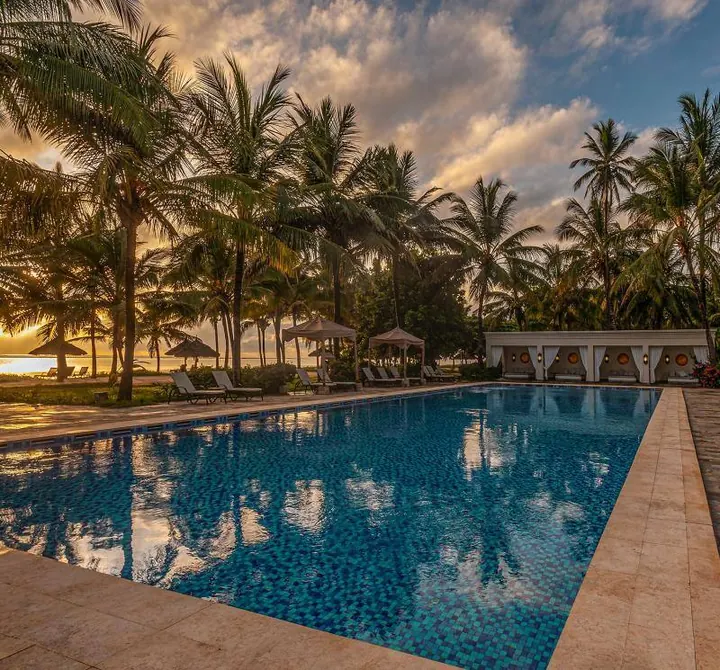 BarazaBwejuu, south-eastSwahili palace style, all-inclusive, one of the island's best kitchens.
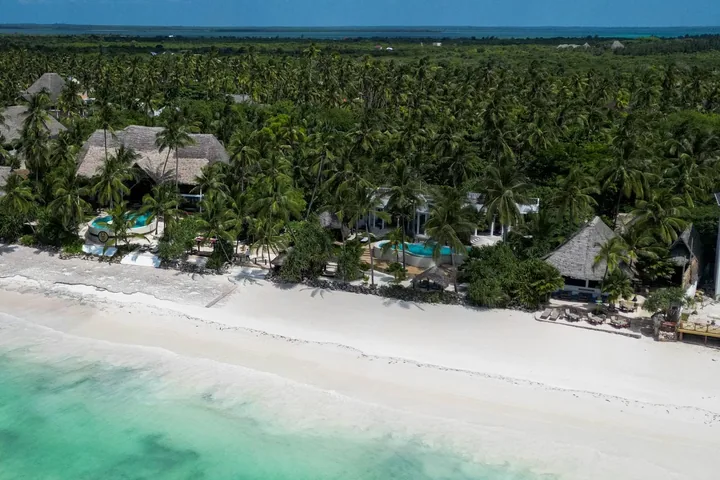 MatlaiMichamvi, south-eastSix rooms, a chef, a sheltered bay. Our quiet honeymoon favourite.
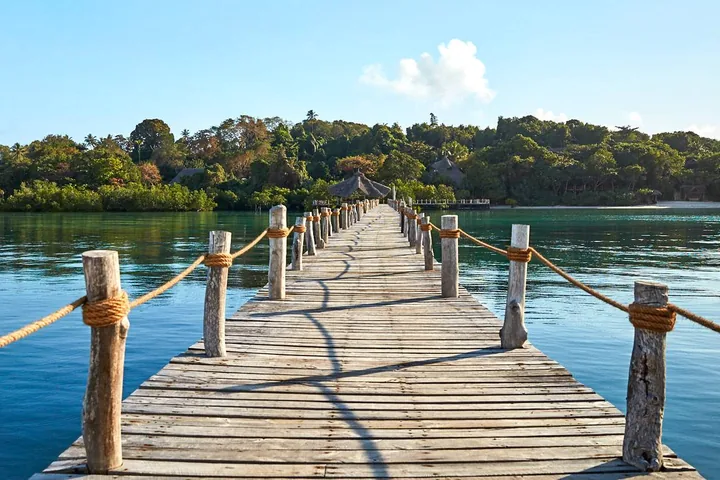 Fundu LagoonPembaBoat access only, serious diving, the island after Zanzibar.
Also on the list: Zuri Zanzibar and Kendwa Rocks in the north, Tulia and Zanzibar Pearl on the east, The Palms, Konokono, Be Zanzibar and White Sand Villas on the south-east, Zanzibar Serena, Tembo House and Emerson Spice in Stone Town, and The Manta Resort on Pemba.
Every one of them is on our where you'll stay page. For guests coming off a safari we usually suggest two nights in Stone Town, then three to five nights at one beach property. The island is small enough to day-trip anywhere from a single base, and moving every two nights just eats your vacation.
Frequently Asked Questions
When is the best time to visit Zanzibar?
June to October is the best overall window: dry, clear water, daytime highs around 29 to 31C and the lowest humidity of the year. January and February are hot, calm and swimmable on both coasts. Avoid April and May, the long rains, when some beach lodges close.
What is the rainy season in Zanzibar?
There are two. The long rains (masika) run from mid March to the end of May, with April the wettest month at around 385mm. The short rains (vuli) come in November and early December and are lighter, usually afternoon showers with sun in between.
What is the hottest month in Zanzibar?
February, with average highs around 33C and sea temperatures near 29C. The coolest months are July to September, with highs around 29C and nights down to about 21C.
Which coast of Zanzibar is best?
The north coast (Nungwi and Kendwa) is swimmable at every tide, all year, with no seaweed. The east and south-east coasts (Matemwe, Paje, Jambiani) are prettier and quieter but the tide goes out up to a kilometre twice a day, and seaweed drifts in between November and April. If swimming whenever you like matters, go north.
When is the best time for diving and snorkelling in Zanzibar?
June to October and February to March give the clearest water, with visibility of 20 to 30 metres at Mnemba Atoll. Turtles are there year round. Whale sharks gather off Mafia Island from October to February, peaking in November and December, and humpback whales pass through from July to October.
When is the best time for kitesurfing in Zanzibar?
Two wind seasons: the kusi from June to October and the kaskazi from mid December to February. Paje and Jambiani on the south-east coast are the kite beaches.
Is Zanzibar worth visiting in the rainy season?
November is, the short rains are brief and prices are lower. April and May are not, for a beach vacation: multi-day rain is normal, humidity is high and a number of lodges close. If those are your only dates, take the saving and keep expectations loose.
Does Ramadan affect a Zanzibar vacation?
A little. Zanzibar is almost entirely Muslim, and during Ramadan some Stone Town restaurants close during the day and the island is quieter. Resorts run as normal. Ramadan is expected to run from about 8 February to 9 March 2027, confirmed by the local moon sighting. Dress modestly away from the beach at any time of year.
When is the cheapest time to visit Zanzibar?
April and May, when rates drop by a third or more, but that is the long rains. For value with good weather, go in November, early December, or the second half of January once the Christmas crowd has gone home.
How far ahead should I book Zanzibar?
For July to October and Christmas to New Year, six to twelve months, especially for the small properties and anything on Mnemba. For the rest of the year, three to four months is comfortable.
How does Zanzibar fit with a Tanzania safari?
The classic shape is 7 to 10 days on the mainland and then 4 to 5 nights on the island. A July to October safari ends in Zanzibar at its best. A January to March green-season safari pairs well too. The one mismatch is ending a safari in April or May and expecting a reliable beach.
Ask Someone Who's Been This Month
We're on the island with guests most months of the year, so if you want to know what Paje looked like last week or whether the seaweed has turned up early, ask us. We'll give you the straight answer and the right coast for your dates.
Continue reading