Zanzibar sits 35 kilometres off the Tanzanian coast and operates on its own logic. The weather pattern differs from the mainland, the best beach changes depending on which month you arrive, and the island rewards guests who understand these rhythms over those who simply show up and hope for sun. This guide is for the latter group becoming the former.
Zanzibar works exceptionally well as an extension to a Tanzania safari, the contrast between the dusty Serengeti and the turquoise Indian Ocean is one of East Africa’s great travel transitions. But the island also stands alone. Stone Town, the spice farms, the reefs, the dhow culture. There is more here than a beach holiday.
The Quick Answer
Best overall: June to October, the coolest, driest months with consistent wind and clear water. Best value: November to December, after the short rains clear, the island empties, prices drop, and the weather is genuinely good. Avoid if possible: Mid-March to May, the long rains (masika) bring sustained rainfall and high humidity that affects most outdoor activities.
Understanding Zanzibar’s Two Coasts
The single most important thing to understand about Zanzibar is that the north and east coasts behave differently at different times of year. Most visitors do not know this and book the wrong coast for their dates.
The island’s beach geography divides as follows:
- North coast (Nungwi, Kendwa): Sheltered from the southeast trade winds (kusi). Good swimming year-round. Less affected by the seaweed that impacts the east coast in certain months. The most reliably swimmable coast throughout the year.
- East coast (Paje, Jambiani, Matemwe): Exposed to the kusi winds June to October, which brings excellent kitesurfing conditions but can make the water choppy for casual swimming. Seaweed accumulates at low tide in certain months. Stunning at the right time; less so at the wrong time.
- Southeast coast (Bwejuu, Michamvi): Similar to the east coast but more sheltered. Beautiful, significantly less visited.
- Stone Town (west coast): The historic quarter. Not a beach destination, the water in front of Stone Town is not for swimming, but essential for at least two nights for the food, the architecture, and the markets.
The practical implication: guests visiting June to October who want calm swimming should prioritise the north coast. Guests visiting November to February have more flexibility, both coasts are generally good and the east coast is at its most photogenic.
Month by Month: What to Expect
Stone Town: Two Nights Minimum
Most guests treat Stone Town as an arrival transit point, one night, a quick walk through the market, then straight to the beach. This is a mistake. Stone Town is one of the most distinctive urban environments in East Africa: a UNESCO World Heritage Site with a layered history of Arab, Indian, Persian, and Portuguese influence compressed into a labyrinth of narrow streets, carved wooden doors, rooftop terraces and fish markets that operate before dawn.
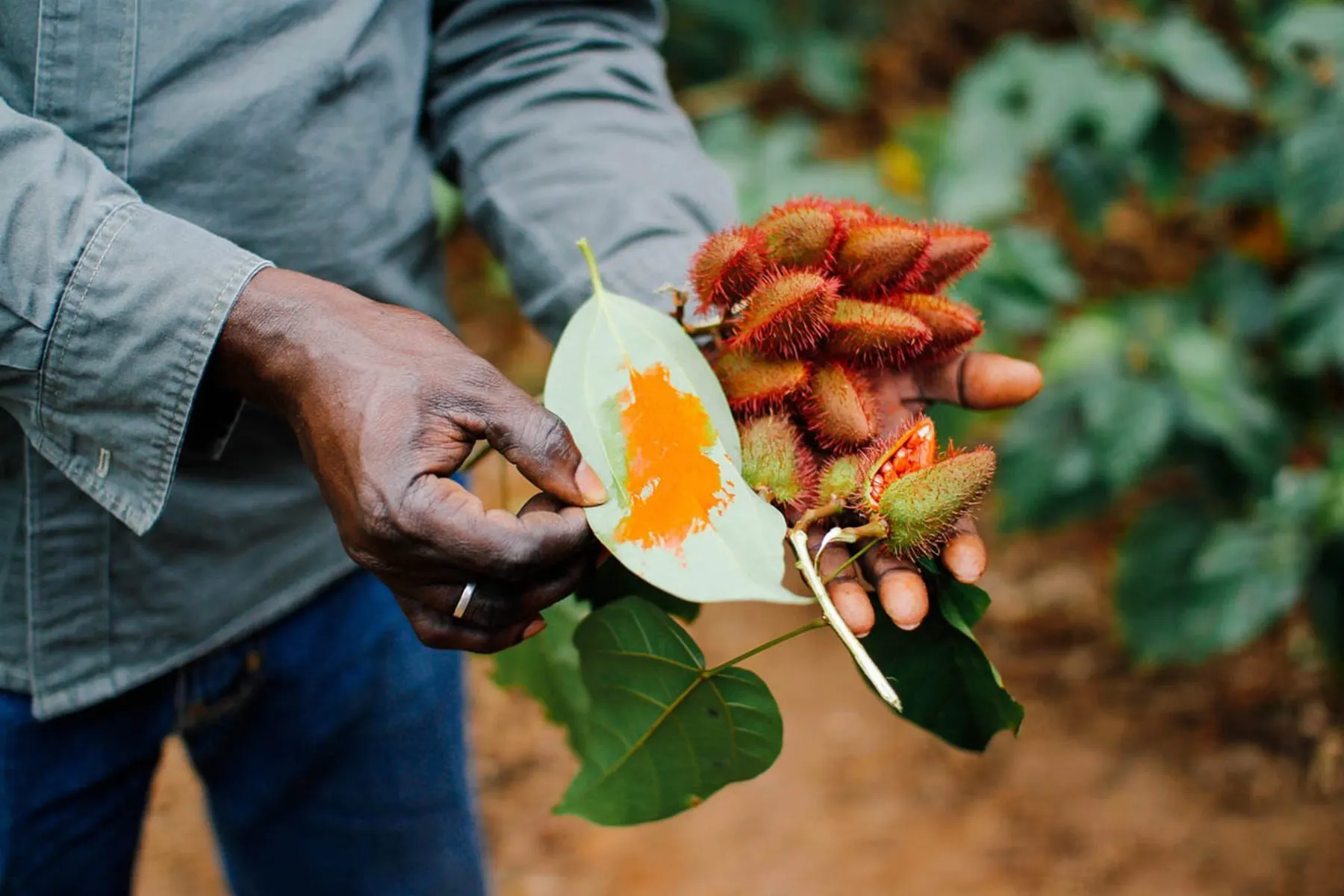
Two nights allows you to eat properly. The Old Fort food market in the evening, the Forodhani seafood stalls, the rooftop at Emerson Spice. Zanzibar’s food is one of the most underrated things about the island. The Swahili cuisine is distinct from mainland Tanzania: seafood cooked in coconut milk, pilau rice with spices from the farms just inland, fresh fruit at every turn. One night is not enough to find these places and eat at them properly.
Two nights also lets you do the Palace Museum, the Old Fort, and a proper walk through the streets without feeling rushed. Stone Town rewards slow movement. It is not a site-to-site itinerary; it is a sensory experience that accumulates gradually.
What Most Visitors Miss
Mnemba Atoll
The most exceptional snorkel site off Zanzibar’s northeast coast. Mnemba is a private island surrounded by a protected marine area. Day-trip snorkelling brings you into water with green turtles, dolphins, and reef fish in concentrations that are genuinely rare in the Indian Ocean. Many guests visit Zanzibar and never make it to Mnemba, this is the single biggest missed experience on the island. Best June through October for visibility, though the turtles are present year-round.
Dolphin tours done correctly
Kizimkazi on the south coast is famous for spinner and bottlenose dolphins. The standard dolphin tour involves crowded dhows chasing pods of dolphins with boats circling from every angle, not an experience we recommend. What does work: a private dhow departure before sunrise, arriving at known dolphin territory before the other boats, and watching from the water rather than chasing. The difference between the two versions of the same experience is significant. This is one of the areas where private guiding and a careful operator matters.
Dhow sailing at sunset
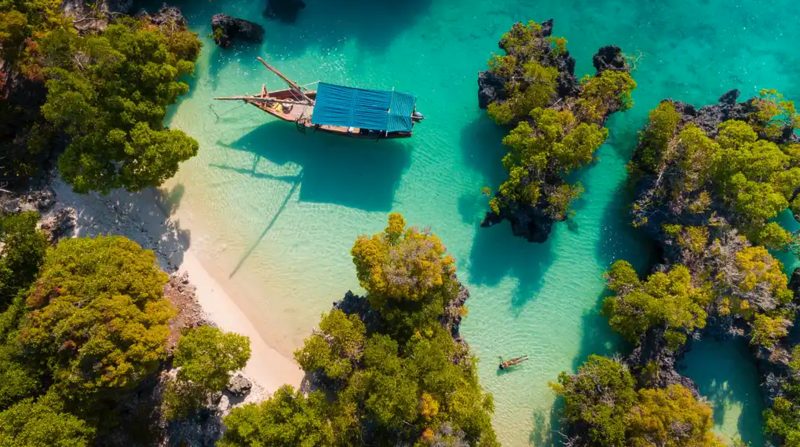
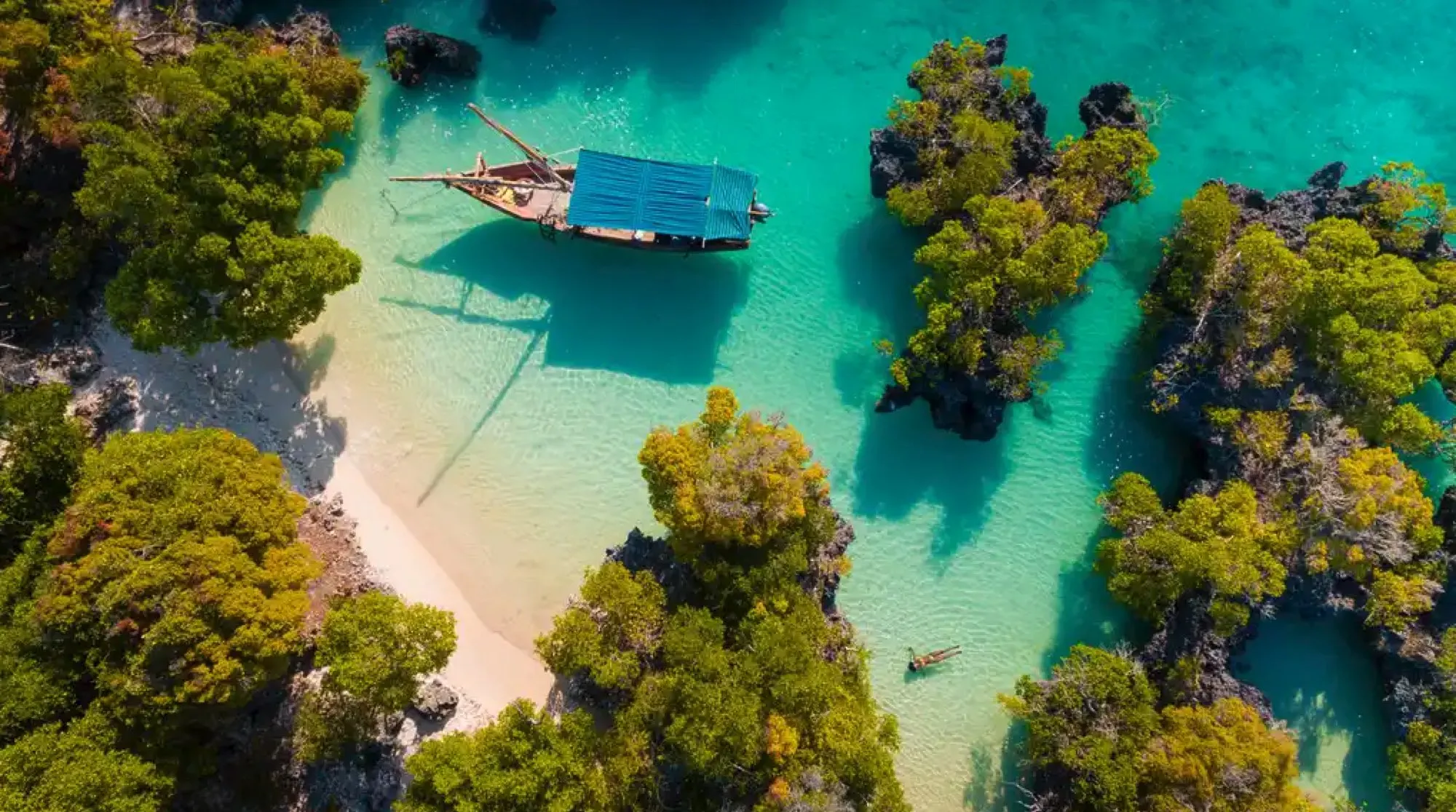
The dhow, the traditional wooden sailing vessel of the Swahili coast, has been the primary means of trade and travel in these waters for over a thousand years. A sunset dhow trip from Stone Town or from the north coast, with the sail up and the engine off, is one of the quietest and most beautiful things you can do in Zanzibar. Most guests skip it because it sounds like a tourist activity. It is, but the right version of it is genuinely special.
Combining Zanzibar with a Tanzania Safari
The classic sequence is: fly into Kilimanjaro or Dar es Salaam, spend 7 to 10 days on the mainland, then end with 4 to 5 nights in Zanzibar. The island makes an exceptional recovery after the intensity of a safari, the shift from dust and wildlife to ocean and spice is one of East Africa’s great travel contrasts.
The timing consideration for a combined trip: if your safari falls July to October (peak game viewing for the Great Migration), ending in Zanzibar is perfectly timed, the island is also at its best in this window. If your safari falls in the green season (January to March), Zanzibar in that window is also excellent. The only mismatch to avoid is ending a safari in April or May and expecting Zanzibar to provide a reliable beach component.
Flight connections from the northern safari circuit are straightforward: Arusha or Kilimanjaro to Zanzibar via Dar es Salaam takes roughly 3 hours total. From the Serengeti, private charter directly to Zanzibar is available and avoids Dar entirely. We can route this either way depending on your itinerary and budget.
Practical note: Your Tanzania visa covers Zanzibar too, and it's yours to arrange, online before you leave home and only through the official site, visa.immigration.go.tz. Entry rules change, so check that site before you travel.
Where to Stay: A Framework
Zanzibar’s accommodation market spans a very wide range. At the top end, properties like Manta Resort (Pemba), Matemwe Lodge, and &Beyond Mnemba Island offer remote, highly service-oriented experiences comparable to the best East African bush camps. In the mid-range, the north and east coast have a number of genuinely well-run boutique properties with good service and direct beach access.
The advice we give every client: do not underestimate the difference a good property makes in Zanzibar. The island has a significant volume of mediocre accommodation that photographs well but delivers poorly on service, food, and the experience of being looked after properly. A Kingse-curated Zanzibar itinerary will shortlist properties where the on-the-ground experience matches the website, which is a shorter list than most booking platforms would suggest.
For guests coming off a safari, we generally recommend: two nights Stone Town, then three to five nights at a single beach property rather than moving around the island. Zanzibar is small enough that you can day-trip to the areas you have not based yourself in. Moving every two nights on a small island creates logistical friction without meaningful gain.
Frequently Asked Questions
When is the best time to visit Zanzibar?
June to October is the best overall window: the coolest, driest months, with consistent wind and clear water. November to December is the best value, after the short rains clear the island empties, prices drop, and the weather is genuinely good. Mid-March to May, the long rains (masika), is the one stretch to avoid for a beach holiday.
Which Zanzibar coast should I stay on, and when?
The north coast (Nungwi, Kendwa) is sheltered from the southeast trade winds and swimmable year-round. The east coast (Paje, Jambiani, Matemwe) is exposed to those winds June to October, excellent for kitesurfing but choppier for casual swimming, and collects seaweed at low tide in some months. If you visit June to October and want calm swimming, prioritise the north coast; from November to February both coasts are generally good.
When is the cheapest time to visit Zanzibar?
April and May, during the masika long rains, when accommodation prices drop by 30 to 50% and some properties close entirely. It is also the highest-risk window for weather. For value without the rain, November to December, after the short rains clear, is the better bet.
How does Zanzibar fit with a Tanzania safari?
The classic sequence is 7 to 10 days on the mainland, then 4 to 5 nights in Zanzibar. If your safari falls July to October (peak Migration game viewing), ending in Zanzibar is perfectly timed, the island is also at its best then. A green-season safari (January to March) pairs well too. The only mismatch to avoid is ending a safari in April or May and expecting a reliable beach.
Continue reading