Kenya Safari Tours: Masai Mara & Amboseli | Kingse
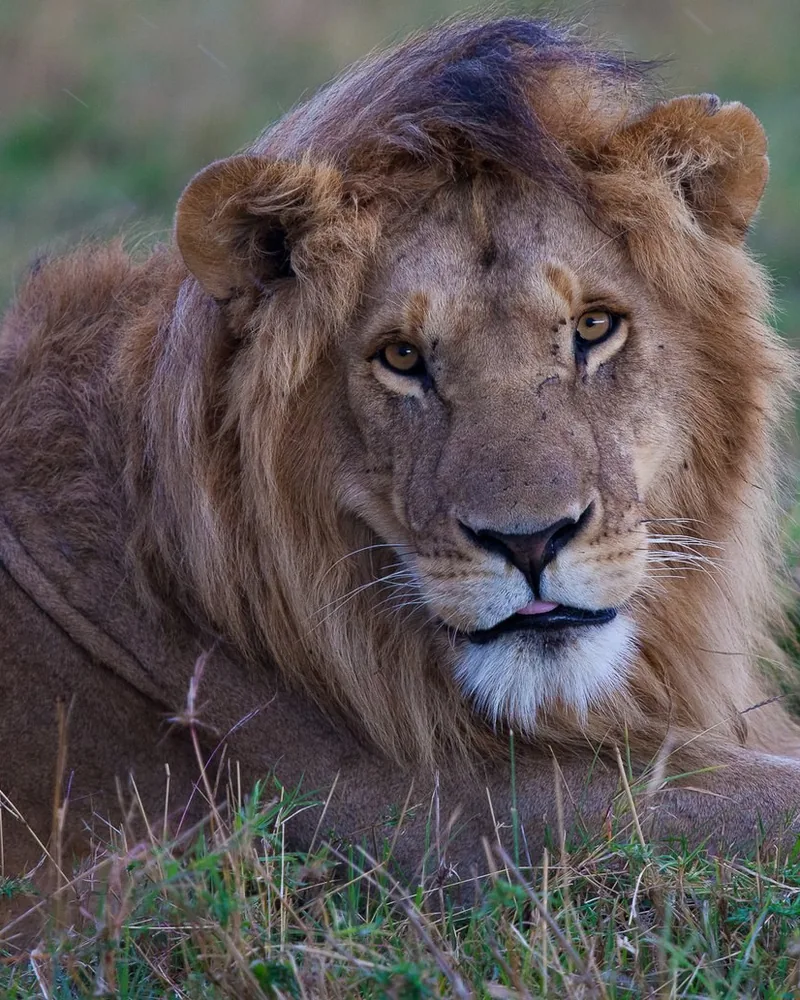
A male lion looking straight at the camera, Kenya

Masai Mara · Amboseli · Samburu · Laikipia

Kenya Safari Tours

Private safaris in the Mara, its conservancies and the wild north, planned from the Gold Coast and priced in Canadian dollars.

Five stars. 5.0 on Google and Tripadvisor37 five-star reviews, every one of them

Where the Safari Was Born

Four celebrated reserves · Two million migrating wildebeest · Private conservancies

Kenya is where the safari was born, and the country has never stopped leading. The Masai Mara sits at the northern end of the Serengeti ecosystem and receives the Great Migration from July through October. Amboseli gives you elephants framed against Kilimanjaro, Samburu reveals species found nowhere else, and the private conservancies of the Mara and Laikipia add walking safaris and night drives without the crowds. Good bush flights link it all, so a focused few days or a two-week circuit both work.

A male lion resting in the grass in the Masai Mara
A male lion at rest in the Masai Mara.

Kenya at a glance

  • Best monthsJuly to OctoberDry season and the Mara River crossings
  • Typical trip7 to 10 nightsSeven for the Mara and Amboseli, ten to add Samburu
  • Getting thereOne or two stopsNo non-stop flight from Canada
  • Time difference7 to 11 hours ahead of CanadaUTC+3 all year, no daylight saving
  • Highlights
    • Mara River crossings
    • Big cats
    • Elephants under Kilimanjaro
    • Private conservancies
    • Samburu special five

Who you're dealing with

We're an Australian company on the Gold Coast. We plan the whole trip, book it, and look after you from the first call to the flight home, on one contract and one invoice from Kingse Safaris Pty Ltd (ABN 37 698 821 886). Every Kenya trip is private and built around you, with a private vehicle and your guide on every drive.

How booking works →
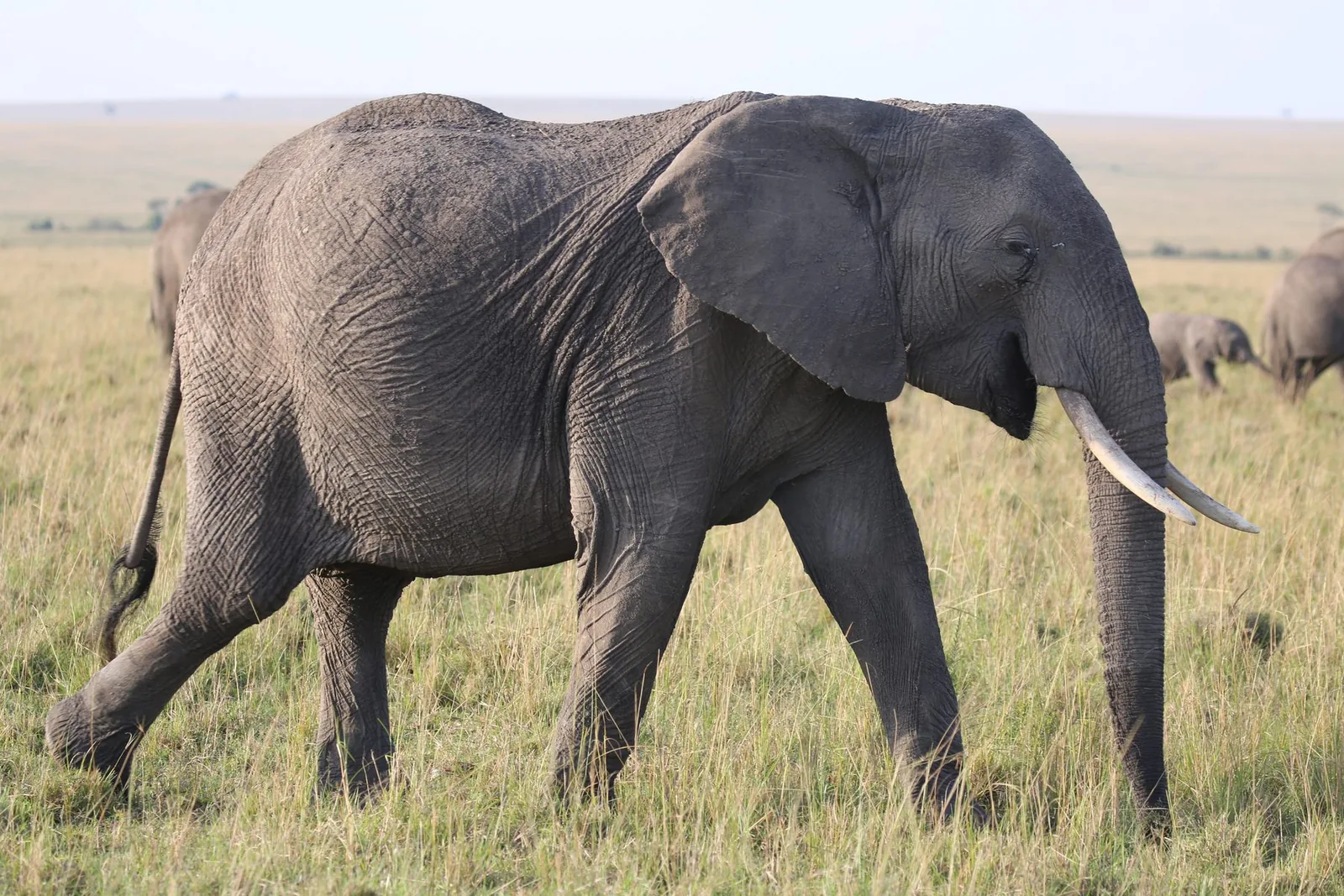
An elephant herd walking through long green grass in the Masai Mara

In a guest's words

Deciding to go to Africa at relatively short notice was a challenge for us, but no problem for Jackson.

Five stars. Mary Therese K., Kenya, Tanzania and Zanzibar, September 2026, on Tripadvisor

Kenya, Park by Park

Tour the Parks

Scroll, and the map follows you from park to park.

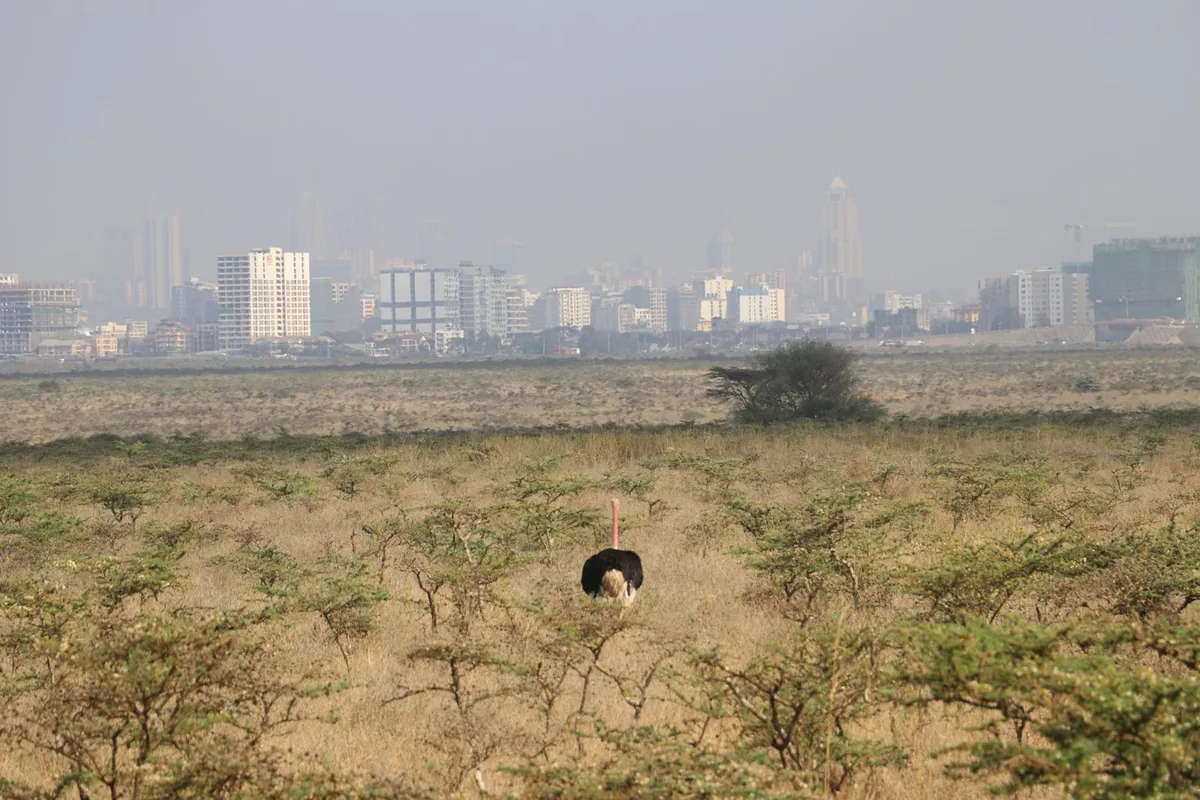
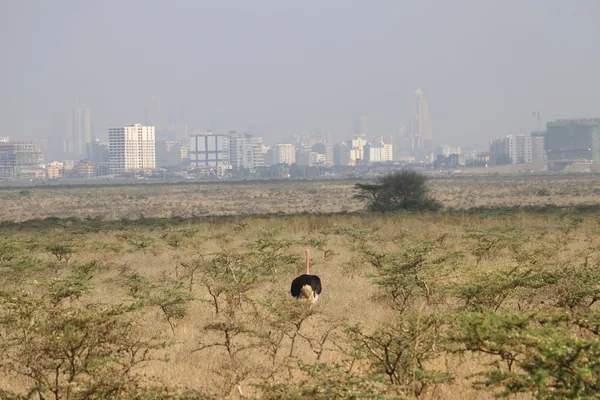
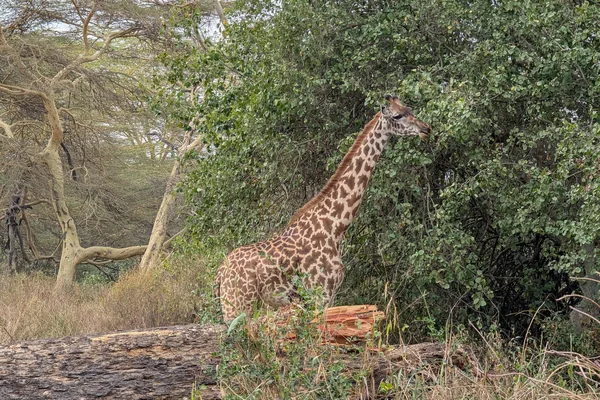
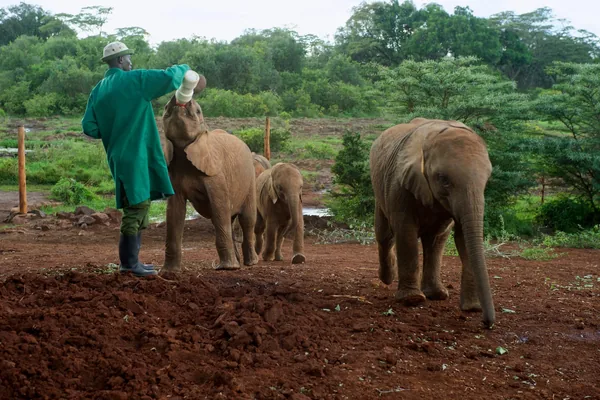
An ostrich in Nairobi National Park with the city skyline behind itA giraffe in acacia woodland near NairobiA keeper with orphaned elephant calves at the Sheldrick Wildlife Trust in Nairobi

The gateway · First night

Nairobi

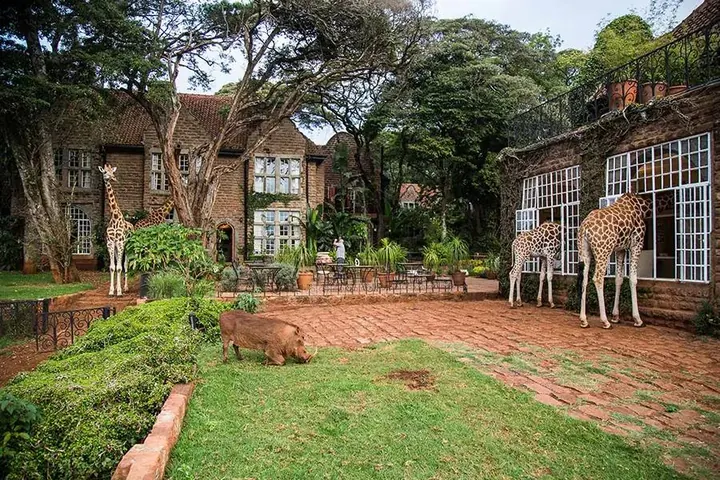
International flights land at Jomo Kenyatta and the bush flights leave from Wilson Airport across the city, so most trips open with a night here. Nairobi National Park has wildlife on the city's doorstep, and Giraffe Manor is the famous start or finish.

  • Two airports
  • Giraffe Manor
  • Nairobi National Park
  • A rest night

Best monthsAll yearFrom CanadaOne or two stops, no non-stop flight

How you get here
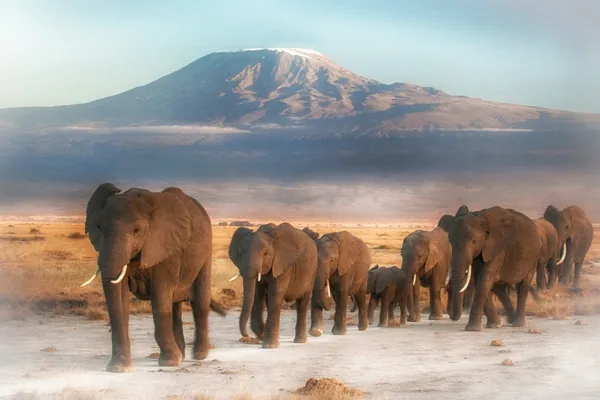
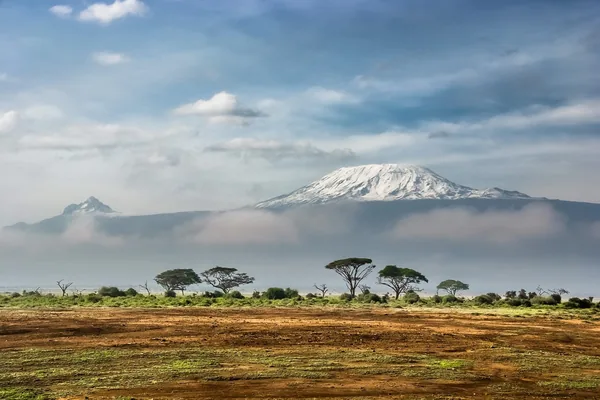
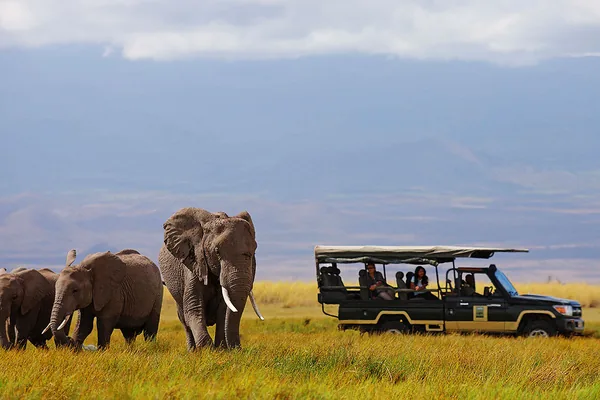
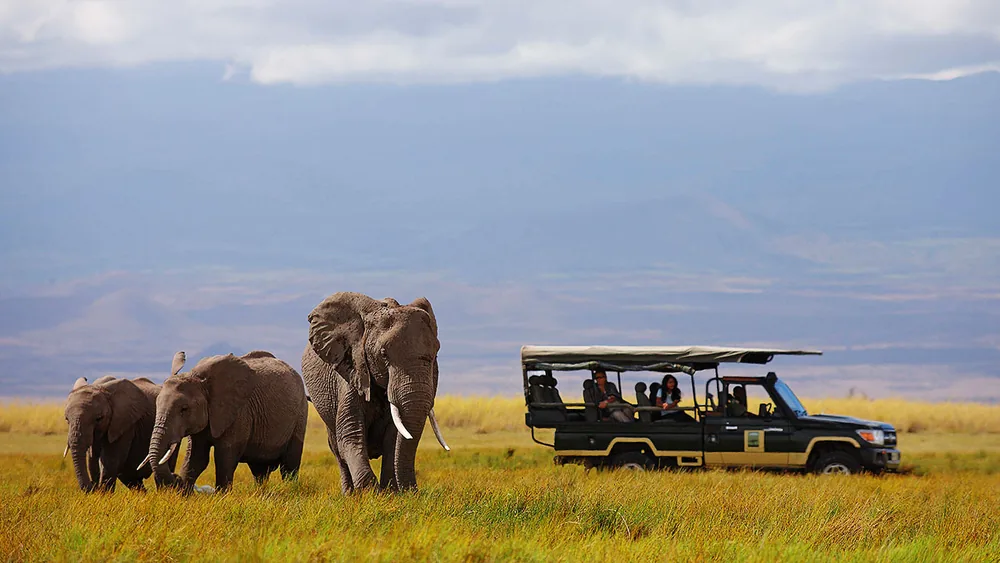
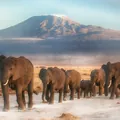
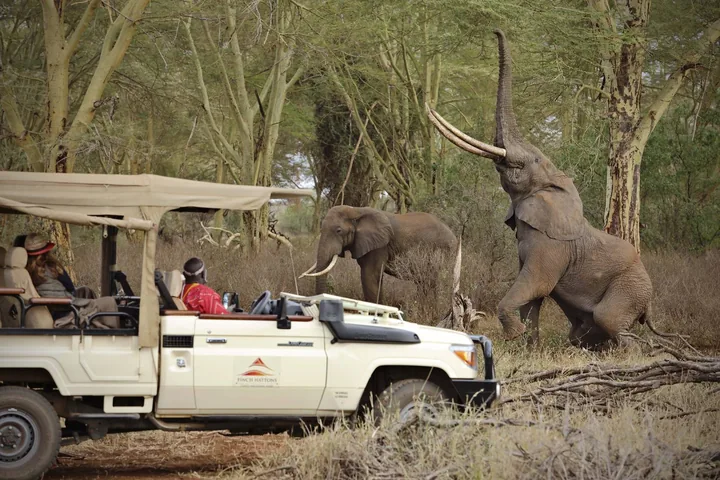
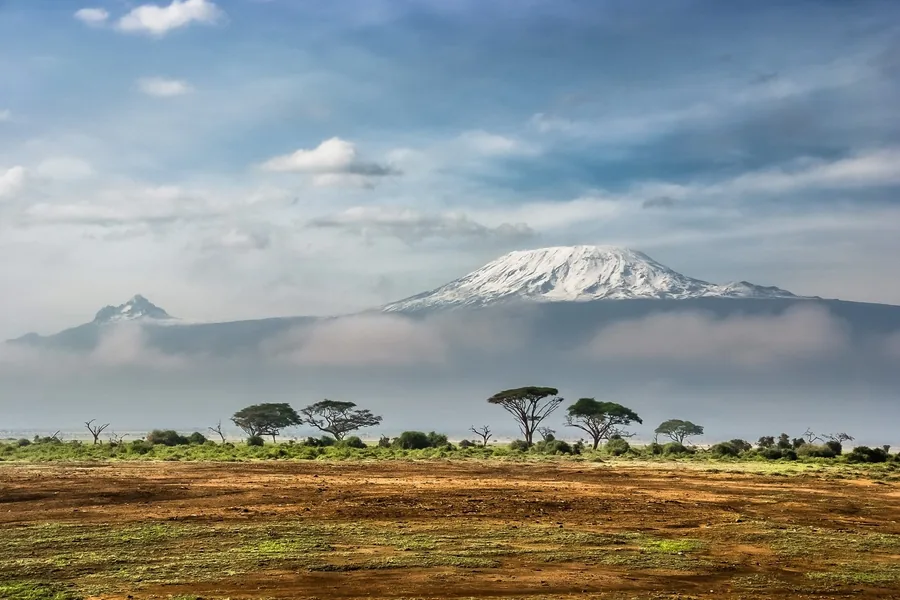
Elephants walking across the Amboseli plain below Mount KilimanjaroKilimanjaro rising above the acacias of AmboseliGuests in an open safari vehicle beside a breeding herd of elephants in Amboseli

Elephants under Kilimanjaro · Second stop

Amboseli National Park

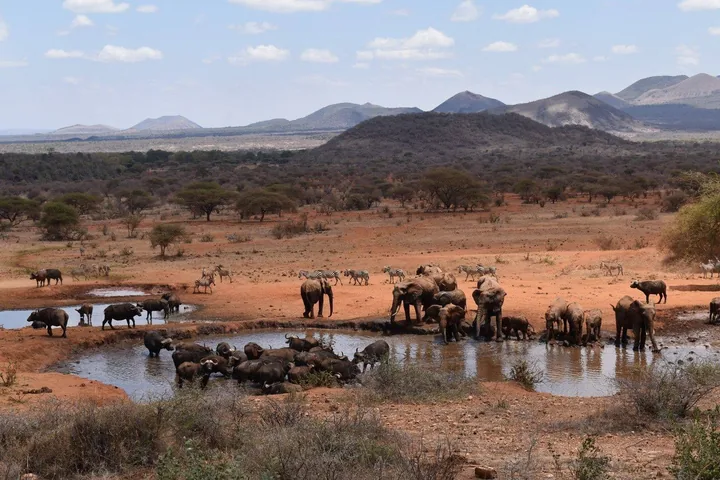
Open savannah famous for framing big-tusked elephant herds against Mount Kilimanjaro. The herds are exceptionally habituated, giving close approaches and some of the clearest sightlines in Kenya.

  • Elephant herds
  • Kilimanjaro views
  • Big tuskers
  • Photography

Best monthsJanuary to February, and June to OctoberFrom NairobiBy bush flight, or by road

More on Amboseli
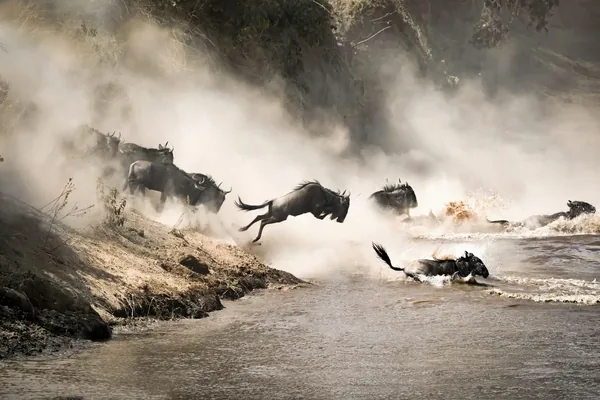
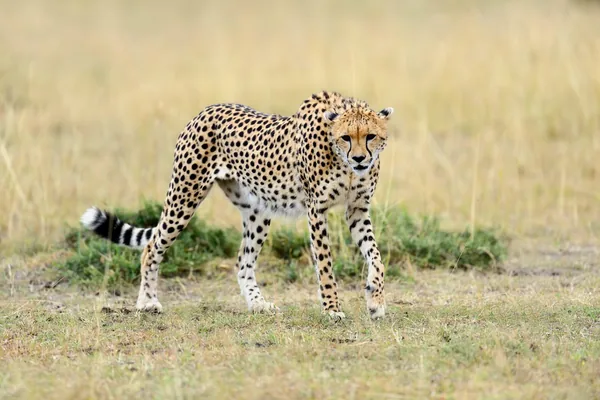
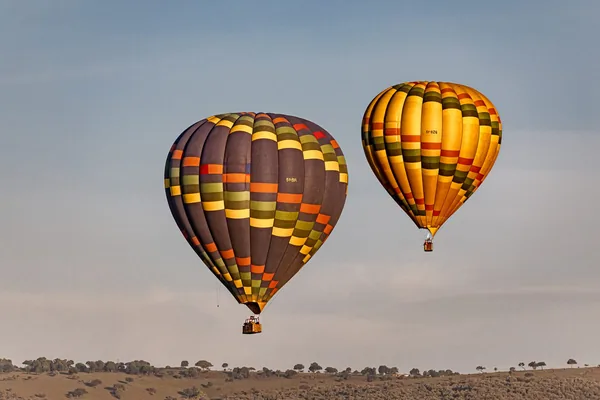
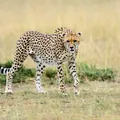
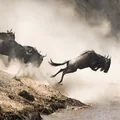
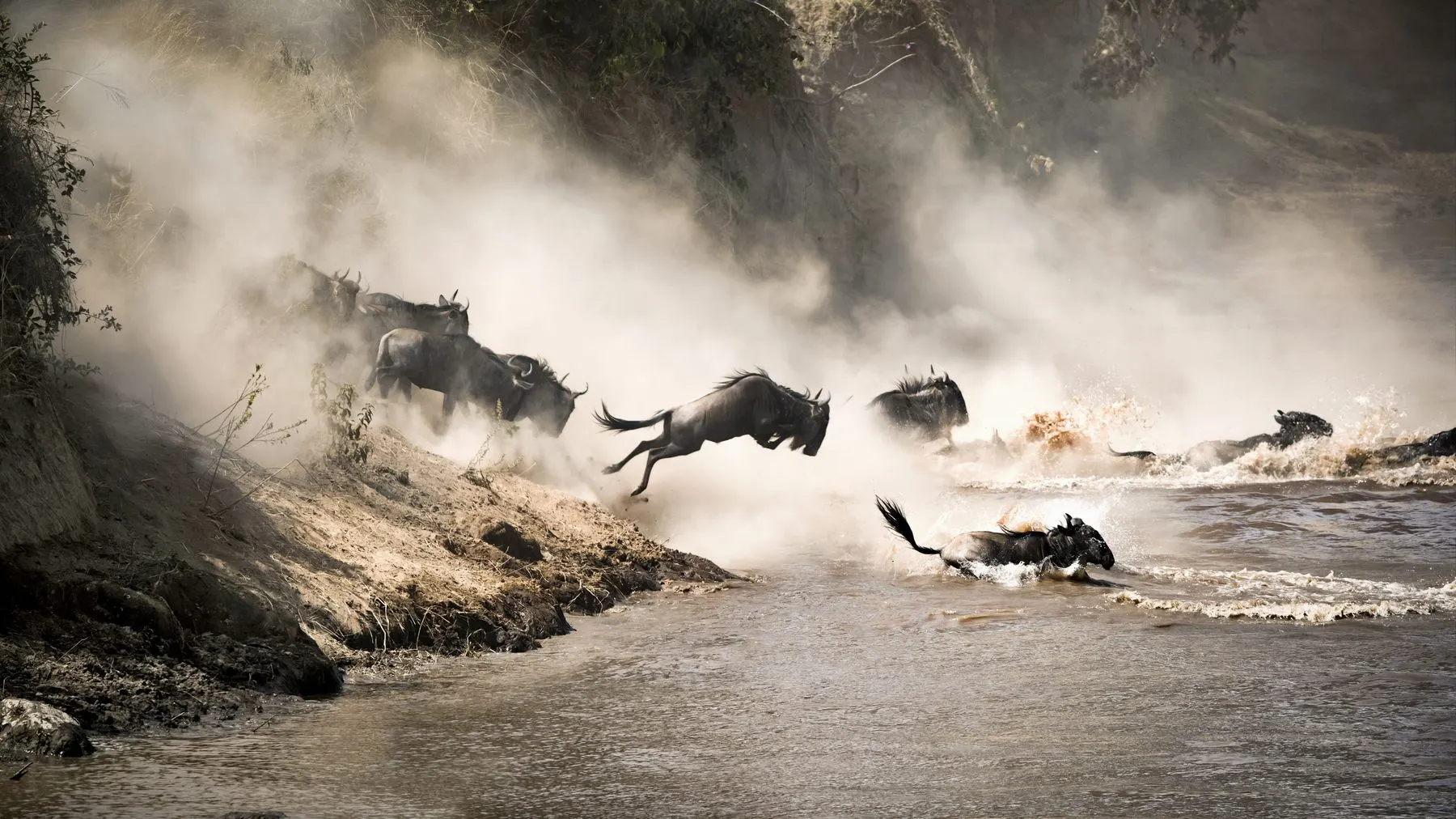
Wildebeest plunging across the Mara River during a crossingA cheetah walking through the grass of the Masai MaraTwo hot air balloons over the Mara plains at dawn

Big-cat country · Third stop

Masai Mara National Reserve

The northern anchor of the Serengeti-Mara ecosystem, with some of the most studied lion prides in Africa and the July to October river crossings. The bordering private conservancies add night drives and walking safaris without the crowds.

  • Great Migration
  • Big cats
  • River crossings
  • Private conservancies

Best monthsJuly to October for the crossingsFrom AmboseliBy bush flight

More on the Mara
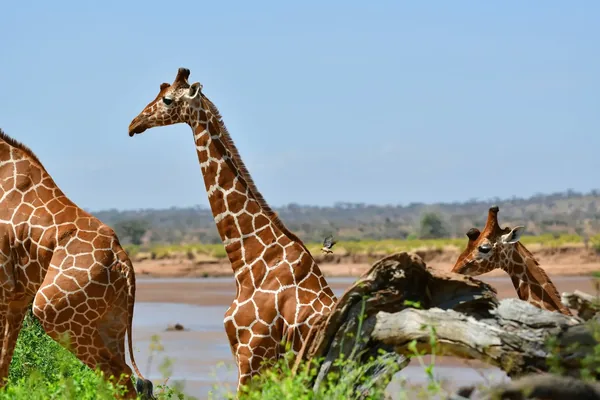
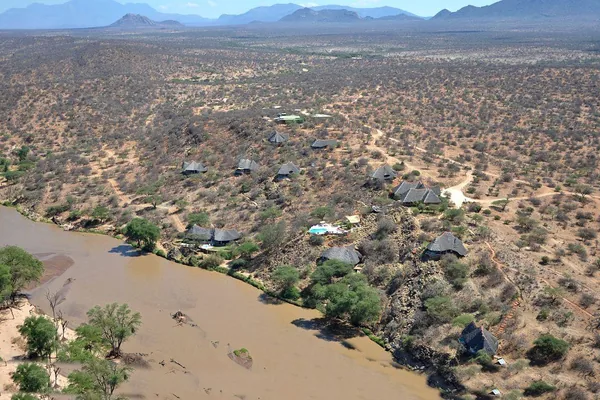
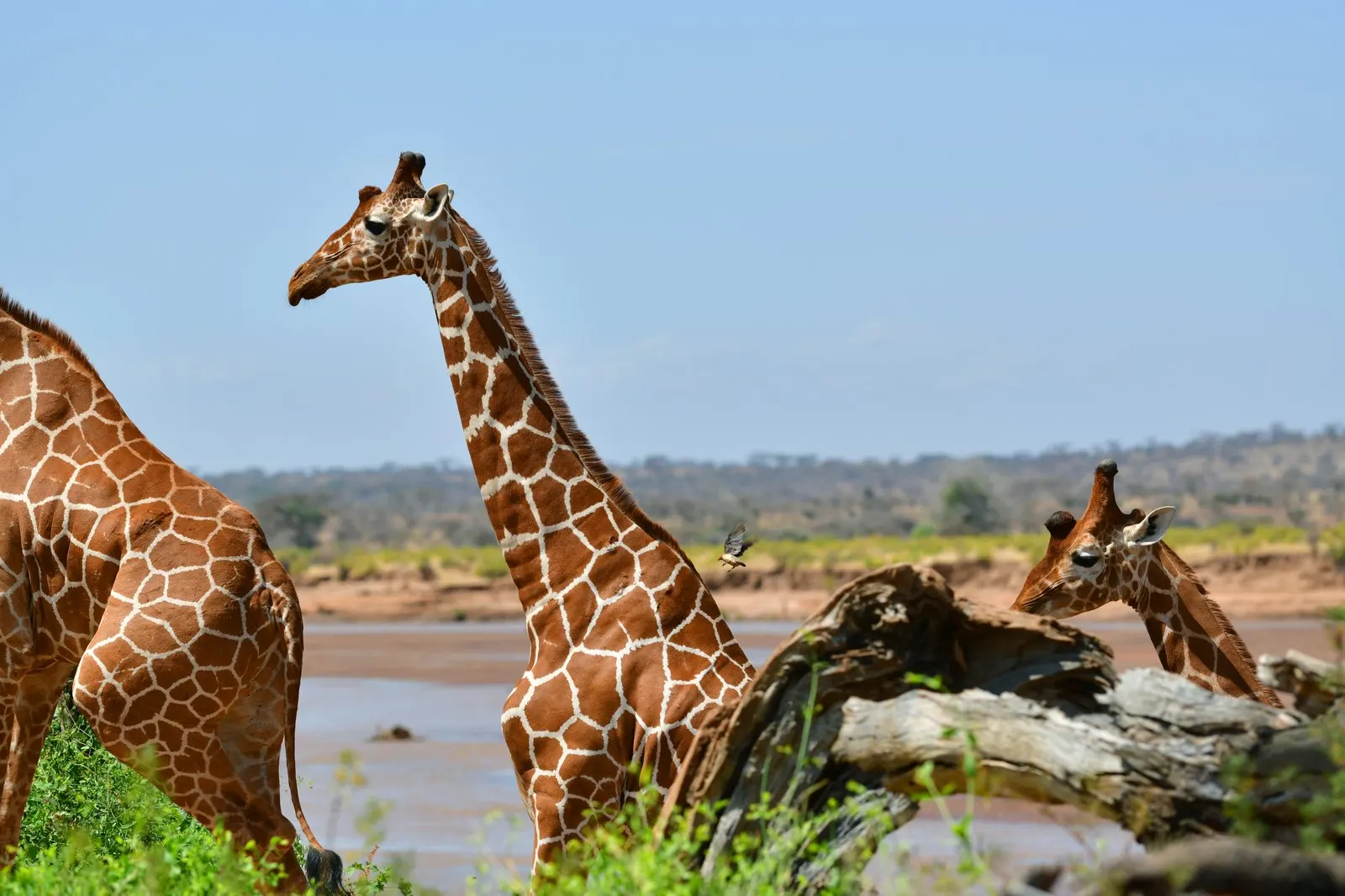
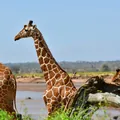
Reticulated giraffes beside the river in SamburuThe Ewaso Nyiro River winding through the dry country of Samburu, seen from above

The arid north · Fourth stop

Samburu National Reserve

A wild, remote reserve along the Ewaso Nyiro River in Kenya's far north, home to the Samburu special five found nowhere else in the famous reserves. Fewer visitors and walking safaris give it a genuinely intimate feel.

  • Samburu special five
  • Ewaso Nyiro River
  • Walking safaris
  • Fewer visitors

Best monthsAll year, with far less rain than the MaraFrom the Mara or NairobiBy bush flight from Wilson Airport

More on Samburu

Map tiles: Esri, National Geographic. Locations are indicative.

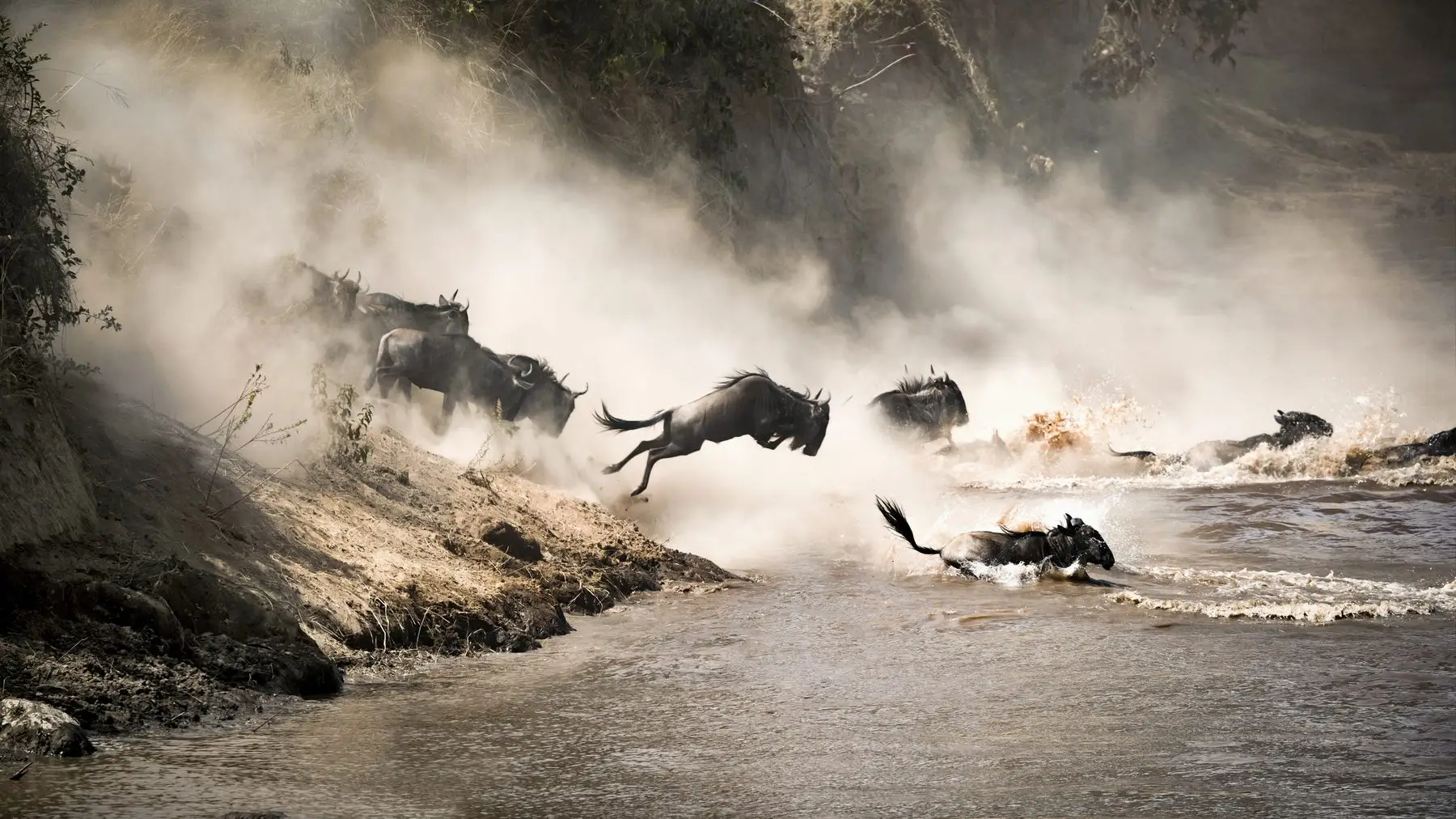
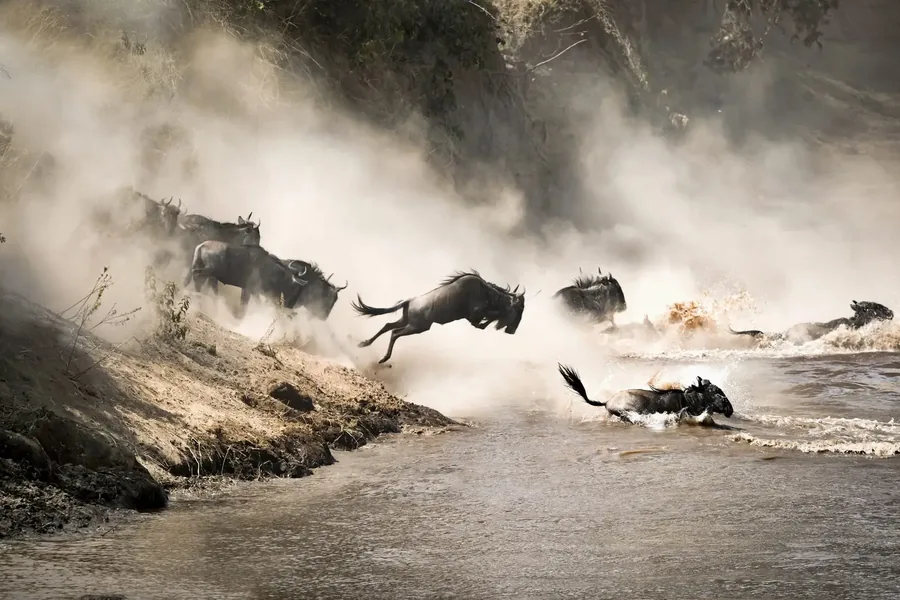
Wildebeest crossing the Mara River during the Great Migration

Featured Park

Masai Mara National Reserve

The Masai Mara is Kenya's most celebrated wildlife area and the northern anchor of the Serengeti-Mara ecosystem. The reserve covers 1,510 square kilometres of open grassland, acacia woodland and riverine forest, all of it teeming with predators. Lion prides here are among the most studied in Africa, leopards are regularly seen along the Mara and Talek rivers, and cheetah families hunt the open plains in broad daylight.

From late July to October, the Great Migration moves into the Mara. River crossings, thousands of wildebeest plunging into crocodile-patrolled waters, are the headline act, with August and September the busiest months, but the entire reserve comes alive during this period. Predator activity intensifies, vultures circle overhead, and the sheer density of animals is unmatched anywhere on earth. The adjacent private conservancies (Mara North, Olare Motorogi, Naboisho and Ol Kinyei, among others) offer exclusive access with strict vehicle limits and the ability to do night drives and walking safaris without the crowds.

Many of our preferred camps sit within these private conservancies, positioned to offer the most intimate wildlife encounters possible. The combination of prime wildlife viewing and low-impact access makes the Mara the centrepiece of most Kenya itineraries. Two to three nights is the usual stay. Our Masai Mara vs Serengeti guide compares it with the Tanzania side of the same river, and our Masai Mara safari page goes deeper on the camps, the conservancies and when to go.

  • Great Migration
  • Big Five
  • River Crossings
  • Balloon Safaris
  • Night Drives
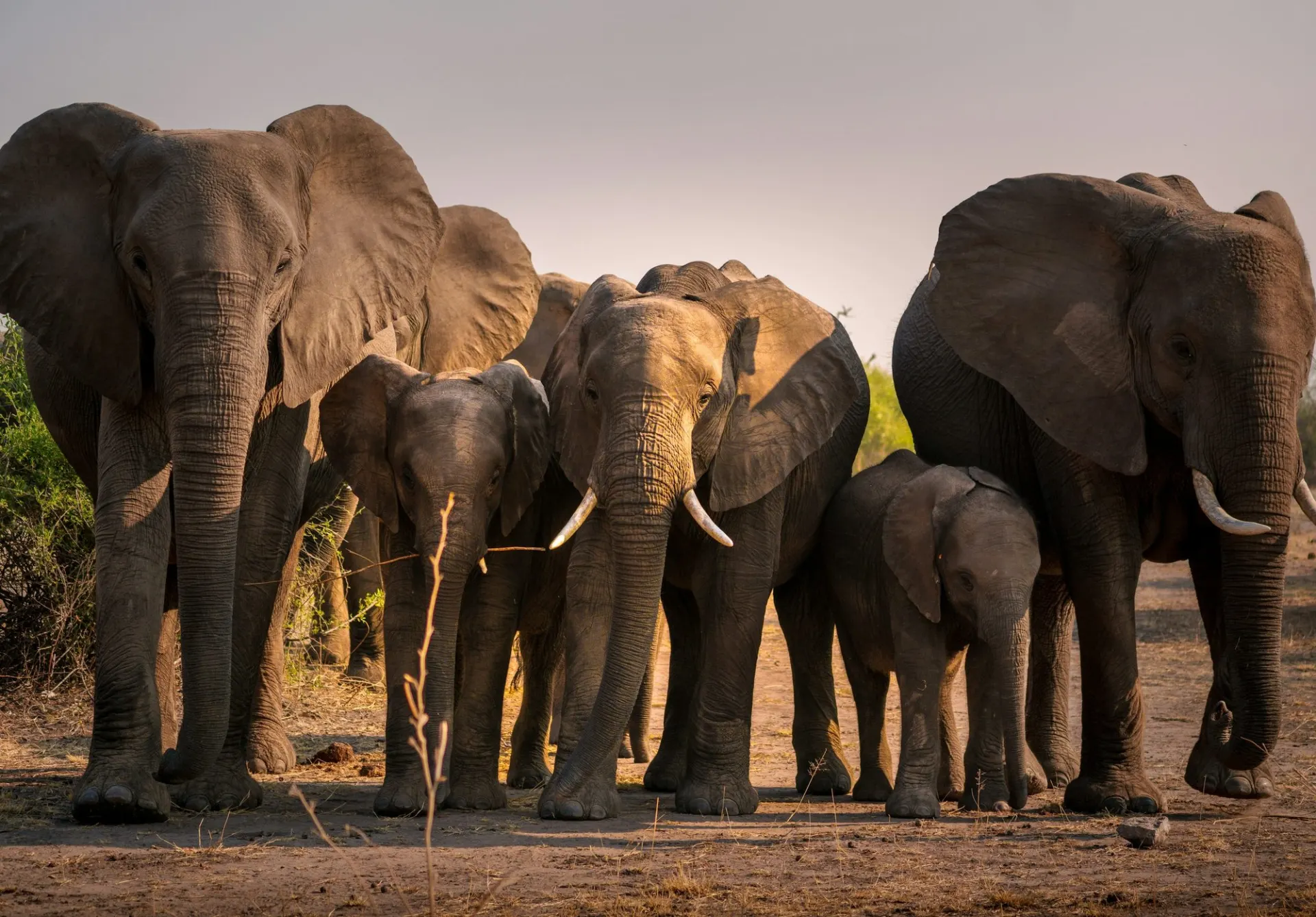
An elephant family standing together in warm evening light on the Kenyan savannah

Featured Park

Amboseli National Park

Amboseli is a photographer's paradise, best known for framing herds of elephants against the snow-capped peaks of Mount Kilimanjaro. The park covers 392 square kilometres of flat, open savannah dotted with volcanic ash, springs and seasonal swamps, a landscape that offers some of the clearest sightlines in Kenya.

The park's principal draw is its exceptionally habituated elephant population. The herds have been studied for decades and are remarkably tolerant of vehicles, allowing close approaches and excellent photography. You will see bulls with tusks, family groups, and young calves, sometimes dozens of elephants in a single morning. Predators are present too: lions, leopards, and cheetahs hunt across these open plains, and the bird watching is exceptional year-round.

Amboseli's dry, dusty landscape contrasts sharply with the lush forests of other reserves. It is best visited from January to February and from June to October, when animals congregate around the remaining water sources and visibility is at its best, and Kilimanjaro is usually clearest in the early morning, especially in January and February. The park sits just a few hours' drive from Tanzania, making it an easy addition to a Tanzanian itinerary, and two nights is the usual stay.

  • Elephant Herds
  • Kilimanjaro Views
  • Photography
  • Big Tuskers
  • Predators
Reticulated giraffes beside the river in Samburu National Reserve

Featured Park

Samburu National Reserve

Samburu is a wild, remote reserve in Kenya's far north, a place where the landscape is genuinely different from anywhere else and where wildlife encounters feel distinctly personal. The reserve is carved out along the Ewaso Nyiro River, which creates a ribbon of riverine forest cutting through red volcanic plains, acacia woodland, and rocky outcrops called tors.

What makes Samburu special are the species you find nowhere else in Kenya's more famous reserves. The Samburu special five, reticulated giraffe, Grevy's zebra, Somali ostrich, beisa oryx and gerenuk, are all here, along with lions, leopards, and elephants adapted to this arid environment. The river itself is a hotspot: crocodiles bask on sandbars, elephants wade through the shallows at dawn, and the birdlife is outstanding.

Samburu feels wilder than the Mara because of its remoteness and the lower number of visitors. Walking safaris and night drives add to the sense of adventure. For guests who have done the classic circuit and want to experience a more remote, intimate side of Kenya, Samburu is the answer.

  • Samburu Special Five
  • Remote Wilderness
  • River Safaris
  • Walking Safaris
  • Unique Species

How to Experience It

Safari Activities

Game drives at first and last light shape most days. Around them, these are the experiences we add, depending on where you stay.

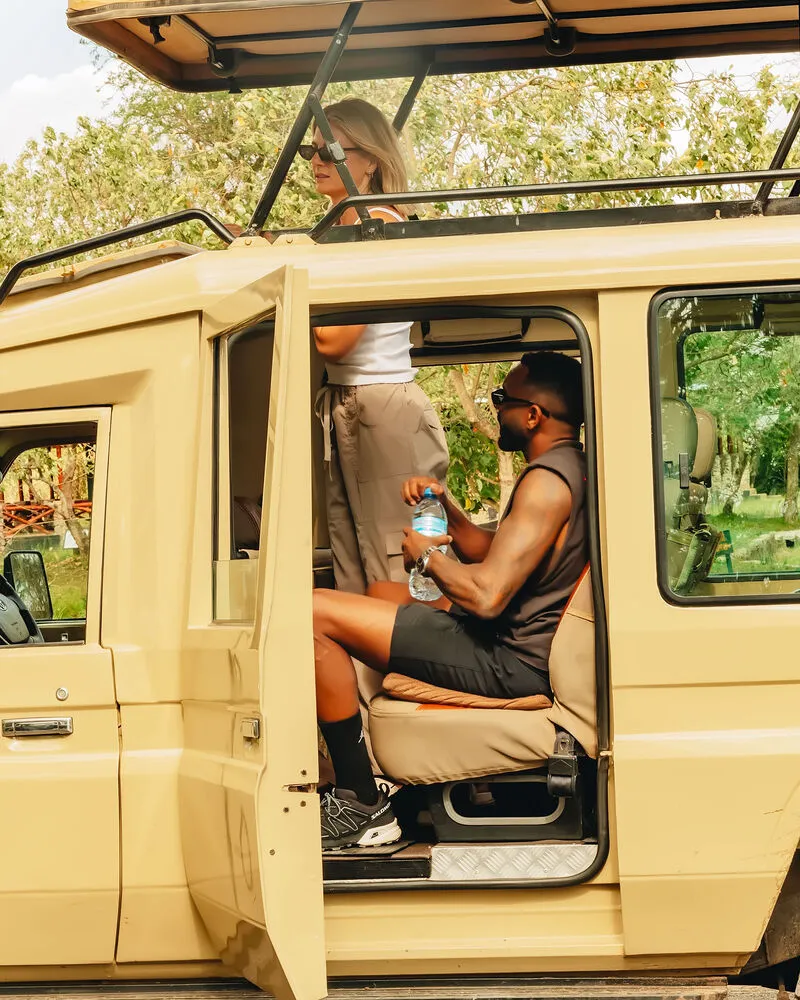
Guests in an open safari vehicle beside a breeding herd of elephants in Amboseli, with Kilimanjaro behind

Game Drives

Open-vehicle safaris led by expert guides who read the landscape and predict where wildlife will gather. Early morning and late afternoon drives offer the best light and animal activity.

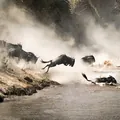
Wildebeest plunging into the Mara River during a crossing

Migration Crossings

Witness thousands of wildebeest plunging into crocodile-patrolled waters of the Mara River from July to October. The most intense wildlife spectacle on earth.

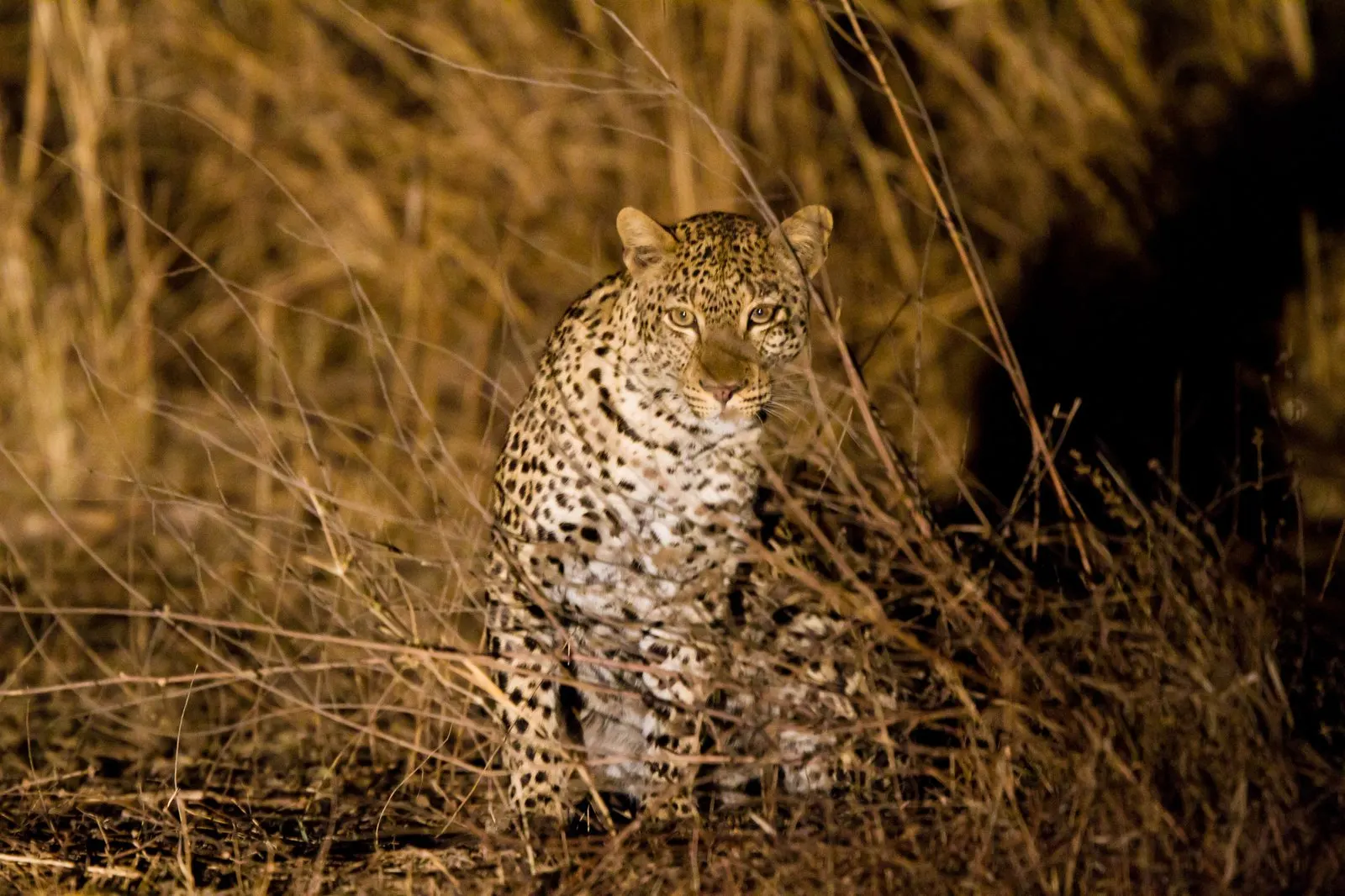
A leopard lit by the spotlight on a night drive

Night Drives

See nocturnal wildlife with spotlight technology. Encounter aardvarks, civets, servals, and other creatures that come alive after dark. Night drives are possible in the private conservancies, not in the main reserve.

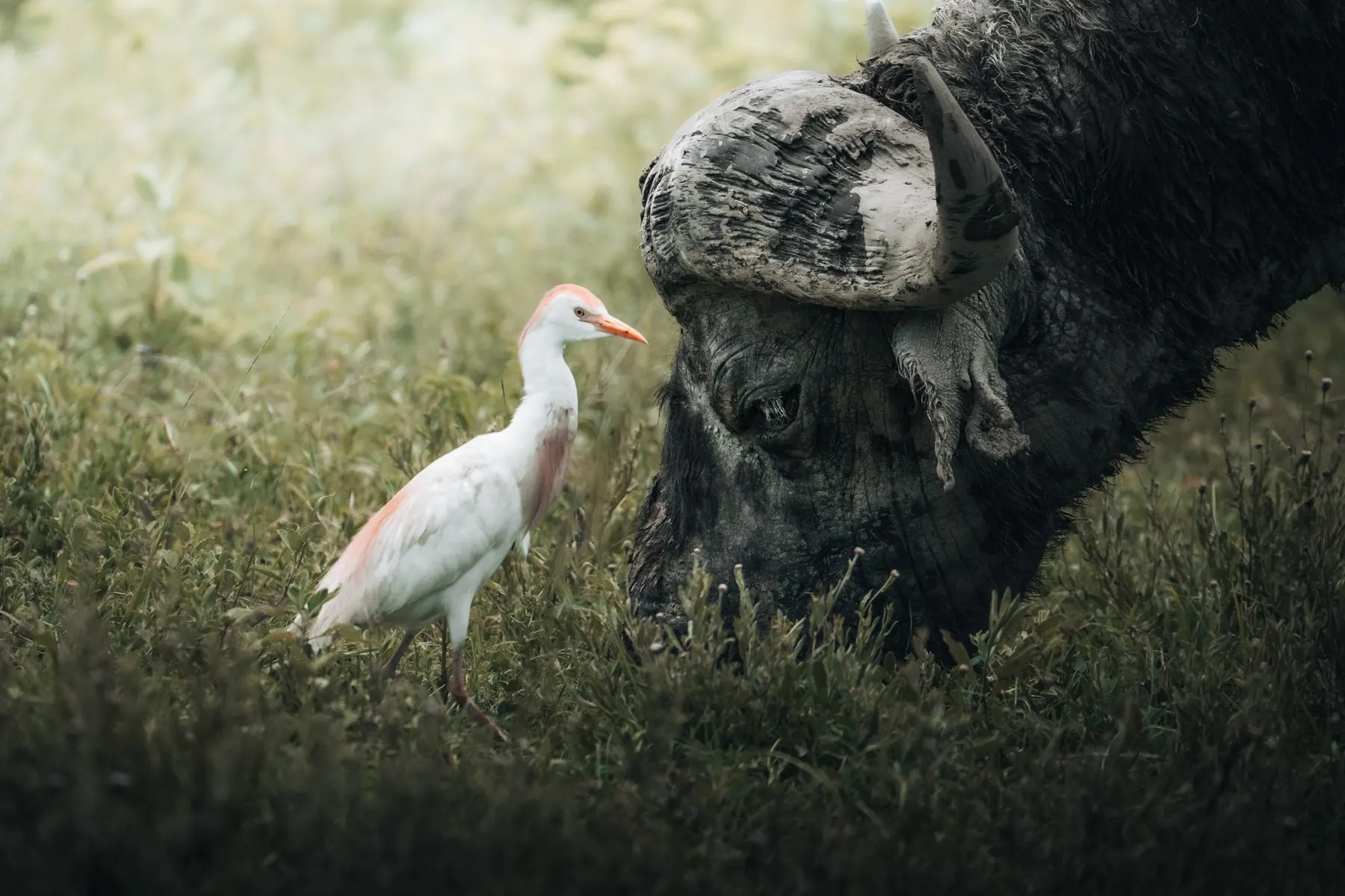
A Cape buffalo with a cattle egret in long grass

Bush Walks

Slow-paced nature walks through the savannah and conservancies with expert guides. Encounter wildlife, plants, and cultural traditions on foot from a completely different perspective.

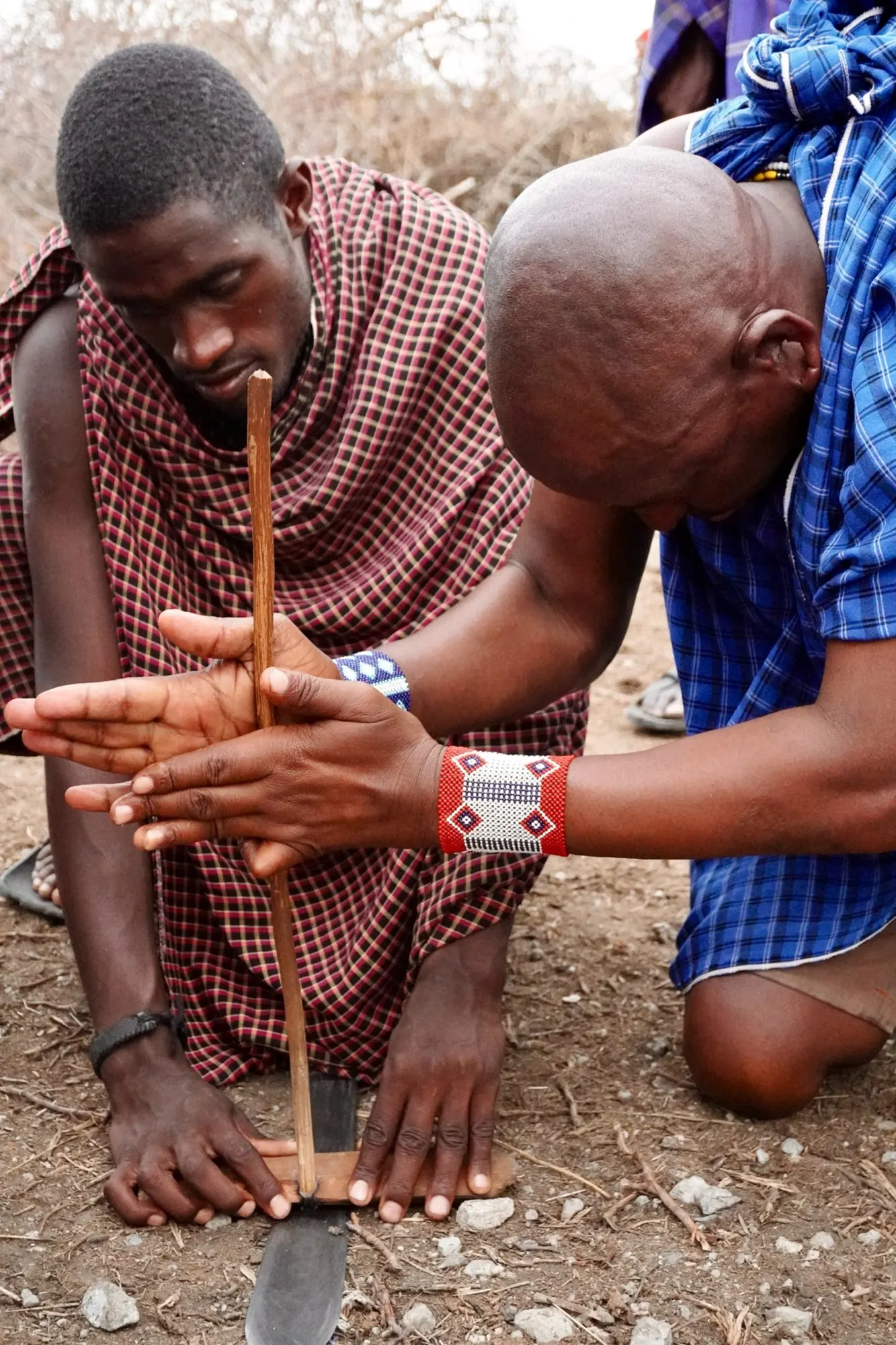
Two Maasai men making fire by hand

Cultural Visits

Meet Maasai and Samburu families in their communities, learn about their traditions, and understand the cultures that have shaped Kenya's landscape for centuries.

How a Kenya Trip Comes Together

Trip Shapes

Three shapes for Kenya. The Mara is the headline, the conservancies are the secret weapon, and plenty of our guests continue across the border to Tanzania. Every trip is private and priced to your dates, so these are starting points.

7 nights

Mara + Amboseli Classic

Migration + Kilimanjaro views

Three Mara nights for the migration and big cats, three Amboseli nights for elephant herds against Kilimanjaro, and a Nairobi arrival night. The Kenya essential, with bush flights between the parks.

From, per personAbout C$9,650Our sample trip, with bush flights between the parks

Day 1 · Land at NairobiDay 8 · Fly back to Nairobi

  1. Nairobi1 nightArrival night
  2. By light aircraft.
  3. Masai Mara3 nightsMigration and big cats
  4. By light aircraft.
  5. Amboseli3 nightsElephants under Kilimanjaro
  6. By light aircraft.
  7. NairobiFly home

10 nights · Sweet spot

Mara + Conservancies + Samburu

Plus walking + night drives

The Kingse default. Three Mara nights, three in a private Mara conservancy (walking safaris, night drives, strict vehicle limits), and three Samburu nights for the northern species (reticulated giraffe, gerenuk, Grevy's zebra).

PricingQuoted to your datesConservancy camps depend heavily on the month and the camp

Day 1 · Land at NairobiDay 11 · Fly back to Nairobi

  1. Nairobi1 nightArrival night
  2. By light aircraft.
  3. Masai Mara3 nightsThe reserve
  4. By road.
  5. Mara conservancy3 nightsWalking and night drives
  6. By light aircraft.
  7. Samburu3 nightsThe special five
  8. By light aircraft.
  9. NairobiFly home

13 nights

Kenya + Tanzania

The Mara to the Serengeti

A few nights in the Mara or Amboseli, then across the border to Tanzania's Serengeti, following the same ecosystem. Add Zanzibar and it becomes 16 to 17 nights at C$20,400 to C$23,800.

Per personC$12,000 to C$14,200About 13 nights, from seven of our 2027 quotes

Day 1 · Land at NairobiDay 14 · Fly home from Arusha

  1. Nairobi1 nightArrival night
  2. By light aircraft.
  3. Mara or Amboseli4 nightsThe Kenya side
  4. By light aircraft.
  5. Serengeti and the northern circuit8 nightsWith our own guides and vehicles
  6. By light aircraft.
  7. ArushaFly home
  • By road
  • Bush flight

Prices are per person in Canadian dollars for two adults travelling privately, taken from the quotes we've built for 2027, and they don't include international flights. Our Kenya safari cost guide puts a 7-night classic circuit at C$7,650 to C$9,650 at comfortable camps, C$9,650 to C$16,300 at established mid-range to premium camps, and C$16,300 to C$28,500 or more at the small luxury conservancy camps. See also our sample 8-day Mara and Amboseli itinerary and real trips with the real prices.

See the Mara and Amboseli Itinerary

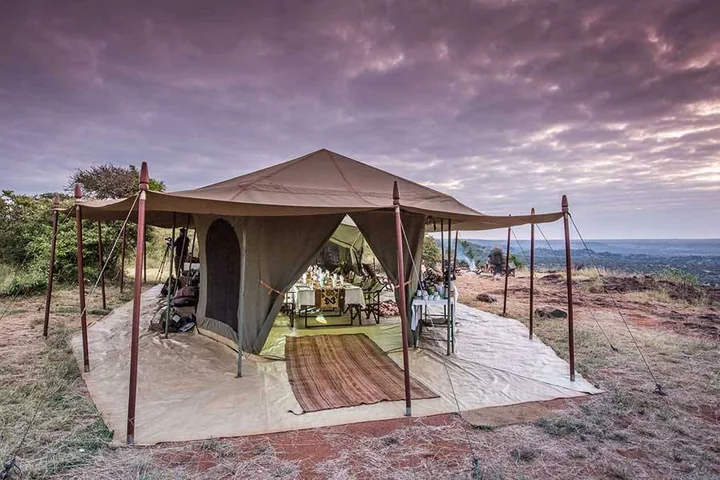
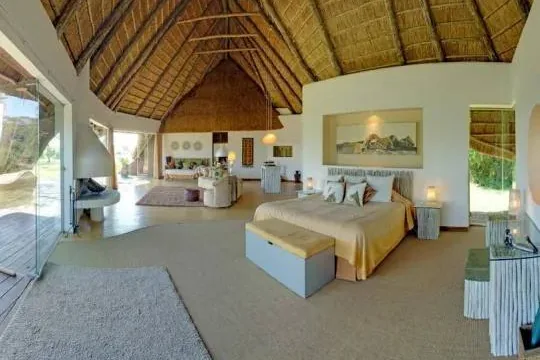
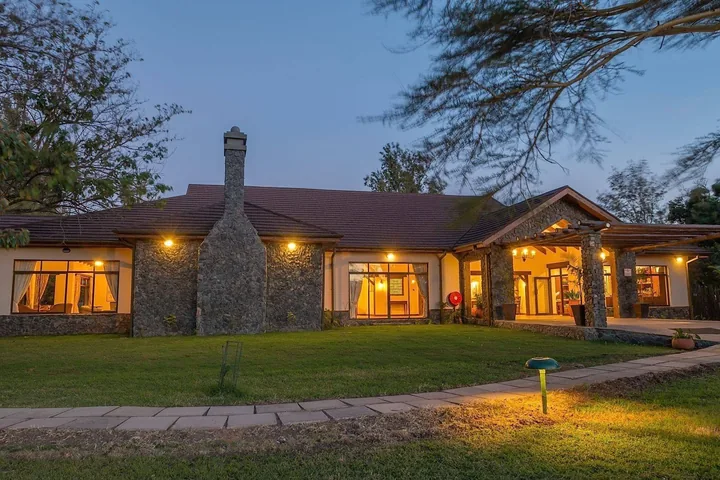
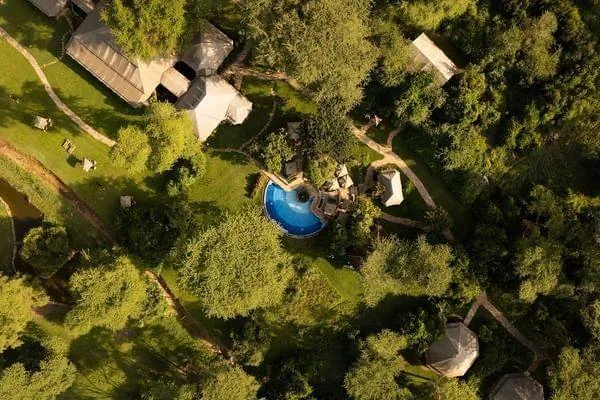
Where You Could Stay

Lodges We Work With, Region by Region

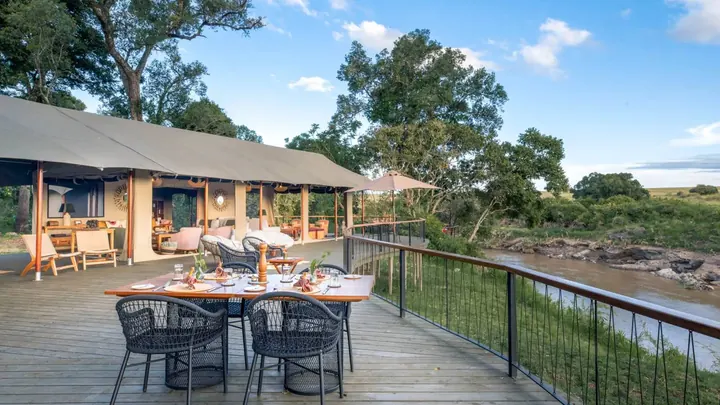
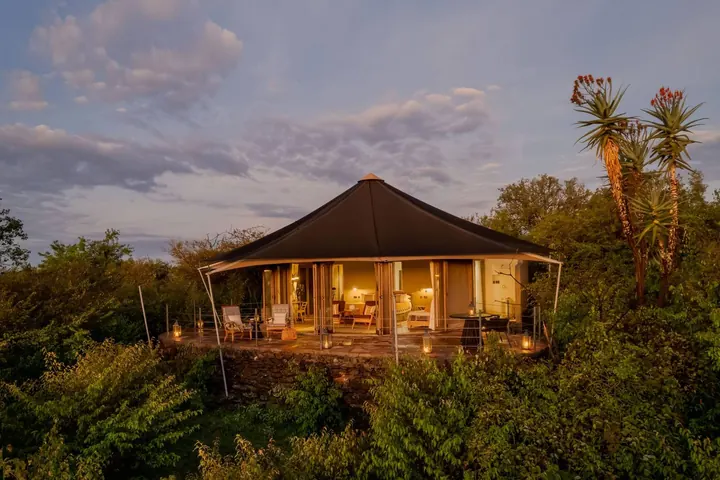
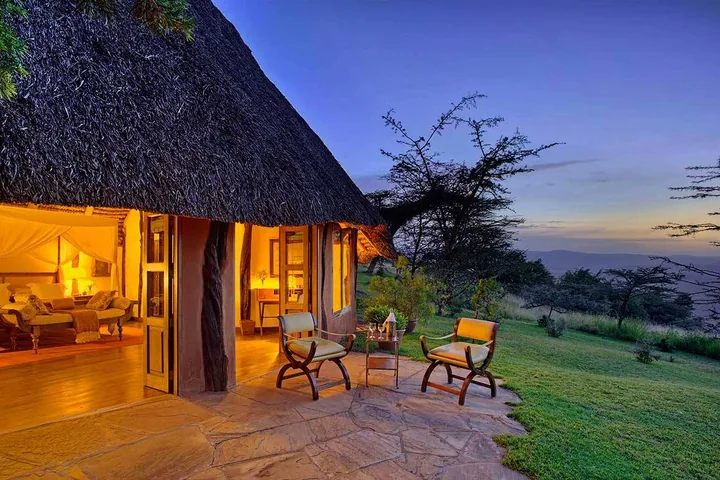
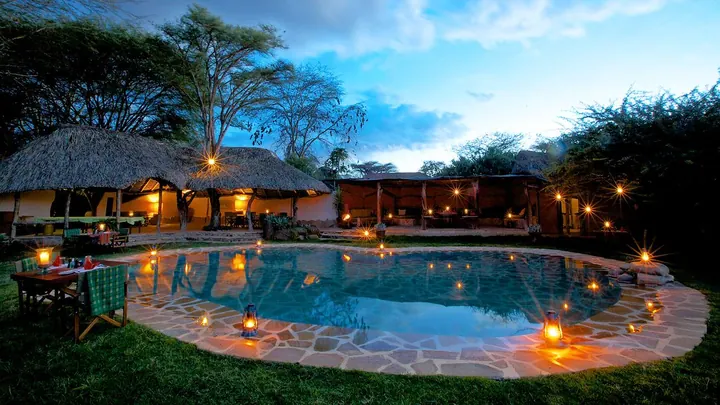
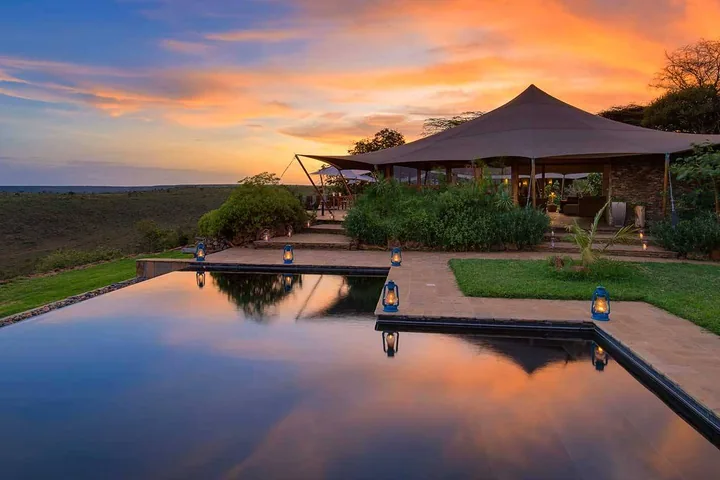
The 34 lodges and camps we recommend and use across Kenya, grouped by area in the order you'd meet them on a trip. The conservancies typically cost more than the main reserve, and deliver fewer vehicles and more activity variety. The final selection flexes around your dates and availability. More on our Stays page.

Nairobi

International flights land at Jomo Kenyatta and the bush flights leave from Wilson Airport across the city, so most trips open or close with a night here. Giraffe Manor is the famous start or finish.

5 lodges and campsYour first and last night

Amboseli

Two nights is the usual stay, for the elephant herds and the clearest Kilimanjaro mornings in January and February.

2 lodges and campsElephants under Kilimanjaro

Masai Mara and its conservancies

The centrepiece of most Kenya trips. The nine camps we use there are on our Masai Mara page, with how the reserve and the conservancies compare.

9 lodges and campsBig cats and the July to October crossings

Samburu

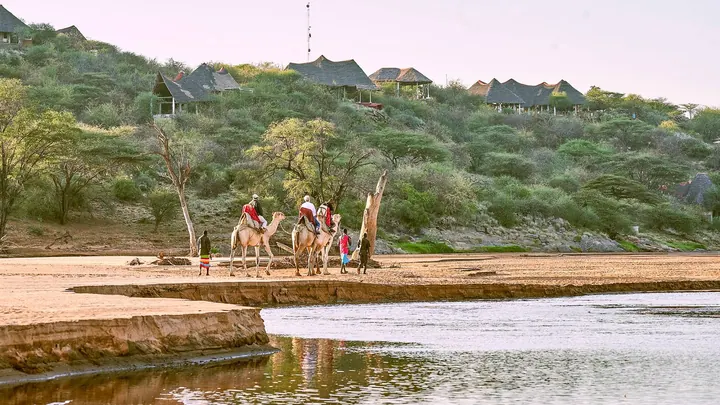
The wild north along the Ewaso Nyiro River, for the Samburu special five and fewer visitors. Three nights is the usual stay on a ten-night trip.

2 lodges and campsThe arid north

Laikipia

Private conservancies on the Laikipia plateau, with rhino, walking safaris and night drives. Far less rain than the Mara, so it stays productive when the south is at its wettest.

8 lodges and campsRhino conservancies, walking and night drives

Lake Naivasha and Lake Nakuru

The Rift Valley lakes break the drive between Nairobi and the Mara, with flamingos, rhino and a quieter night.

2 lodges and campsRift Valley lakes

Meru

A remote, uncrowded park in the north-east for travellers who have done the classic circuit.

1 lodges and campsRemote and uncrowded

Tsavo

Kenya's biggest park, between Nairobi and the coast, with red elephants, waterholes below the lodges and Kilimanjaro on the horizon from Tsavo West.

3 lodges and campsBetween Nairobi and the coast

The Kenya coast

Beach finishes after a Kenya safari. We check the Government of Canada's latest travel advice for the coast before suggesting one, and often steer beach stays to Diani or Zanzibar instead.

2 lodges and campsA beach after the bush

  • Classic
  • Premium
  • Luxury
  • Ultra Luxury

34 lodges and camps across nine areas, with the same comfort levels as our Stays page. The Masai Mara camps are on the Masai Mara page. Lodge names open each lodge's own website.

Plan Your Visit

When to Visit Kenya

Kenya works all year, but the Mara River crossings make August to October the peak, with the first herds from mid-July, and the green months are quieter and far cheaper. The map follows the herds month by month, from the Serengeti up into the Mara and back. Our best time to visit Kenya guide goes month by month.

This season, as of late October 2026. Most of the herds crossed back into the Serengeti in August. The Mara Triangle had filled to about 200,000 by mid-month, a storm on 17 August turned them back, and by the end of August very few were left (Mara Conservancy). Since then groups have moved back and forth with the rain, and in the third week of October some large herds returned to the Triangle (Angama Mara).

Map: Esri. Herd positions are typical, not exact.

Where the herds usually are

July

Reaching the Mara River in the northern Serengeti

SeasonShort dry season

The first herds reach the Mara River from the south, and the first crossings into Kenya start from about mid-month, usually small at first. The bush thins out and the dry season proper is under way.

  • Dry and cool, the Mara at 1,500 metres
  • Crossings begin from mid-July
  • Camps book out early

The herds follow the rain, so this shifts from year to year. We talk in seasons and never promise a crossing.

  • Dry season, the peak
  • Short dry season
  • The rains
Wildebeest crossing the Mara River

Peak season

July to October

Dry season · Migration crossings · Best overall game viewing

The bush thins out, animals gather around shrinking water sources, and visibility is at its best. The Great Migration herds move into the Masai Mara, and the Mara River crossings run from late July through October. Skies are clear and mornings are cool. This is high season, with the highest reserve fees and camp rates, so the best camps book out early. For August and September, six to twelve months ahead is ideal, and the top Mara camps can need more.

  • July: herds arrive and the crossings begin
  • August to September: the busiest crossing months, and the most vehicles at the popular crossing points
  • October: the herds start moving south again. Dry, warm and still excellent

Best for a first safari and the river crossings

Kilimanjaro rising above the acacias of Amboseli on a clear morning

Short dry season

December to February

Second dry window · Green and quiet · Best Kilimanjaro views

Once the short rains clear, usually by mid-December, Kenya enters a second dry window. The landscape is green, the resident wildlife is fully active, and the Mara is much quieter than in peak season. There are no migration herds, but the resident lions and cheetah are excellent. Amboseli is at its best now, with the swamps full and Kilimanjaro often cloud-free in the morning. Prices are well below peak.

  • December: good from mid-month, once the rains clear, and a lovely festive-season window
  • January to February: the clearest Kilimanjaro views of the year, and excellent all-round game viewing
  • Prices: significantly lower than July to October

Best for Amboseli, Kilimanjaro views and value

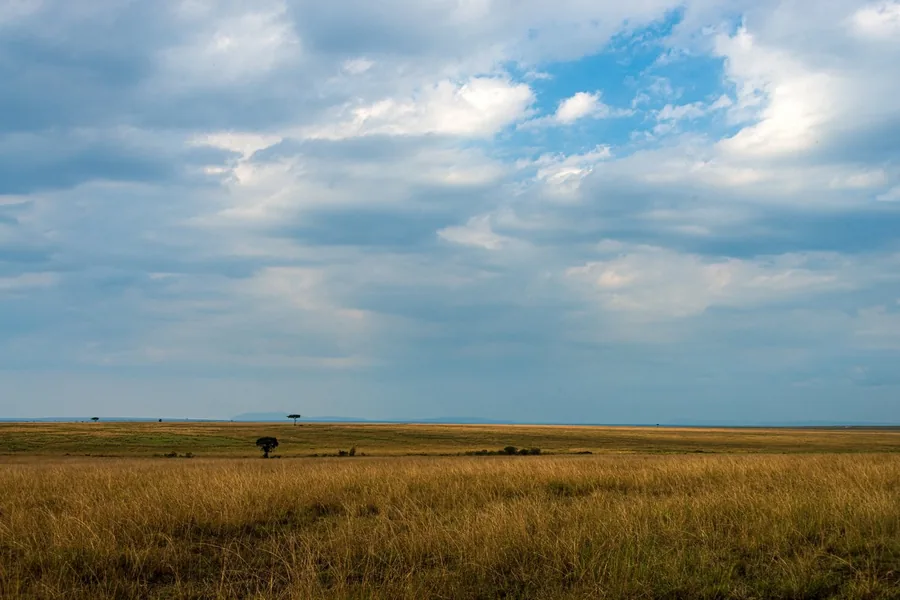
Green plains and a big sky over the Masai Mara

Green season

March to June & November

Long and short rains · Lush landscapes · Fewer visitors · Lower rates

The long rains run from about March or April to June, and are the heaviest of the year: some roads get difficult, and many camps cut rates by 40 to 50%. The wildlife doesn't disappear, the birdlife is excellent and the Mara is quiet, but the animals scatter across the green grass rather than gathering at water. The short rains arrive in November, usually as brief afternoon showers. The northern parks, Samburu and Laikipia, get less rain than the Mara and stay productive when the south is at its wettest.

  • March to June: the long rains, and the lowest rates of the year
  • November: short rains, usually brief afternoon showers
  • Samburu and Laikipia: far less rain than the Mara

Best for quiet parks, birding and value

From Canada

Getting to Kenya

Nairobi is the gateway, and the parks are a short bush flight away. Here's the shape of it. Our African safari cost guide covers what flights add to the total.
  1. Step one

    Your Canadian city

    There's no non-stop flight from Canada to Nairobi, so every route connects once or twice. You fly out of your own city, and we plan your first and last days around your flights.

    • Toronto
    • Montreal
    • Ottawa
    • Calgary
    • Vancouver
  2. Step two

    One or two stops

    Most routes connect in Europe, the Gulf or Addis Ababa, and we'll find the best route for your dates.

    • Europe
    • The Gulf
    • Addis Ababa
    Once or twice, on flights you book
  3. Step three

    Nairobi, Jomo Kenyatta (NBO)

    The international airport. The bush flights to the Mara, Amboseli and Samburu leave from Wilson Airport across the city, so we never build one tightly off an international arrival.

    Two airports, across the city from each other
  4. First night

    Nairobi

    After a long flight your first night is a rest night, with nothing planned beyond dinner. We meet you at the airport, and the bush flight to the parks leaves the next morning.

    UTC+3 all year · 7 to 11 hours ahead of Canada
Where people connect
ViaStopsNote
Addis AbabaOne or two connectionsThen on to Nairobi.
EuropeOne or two connectionsUsually a European hub, then on to Nairobi.
The GulfOne or two connectionsWorth comparing on price and schedule.
  • Masai Mara: a short bush flight from Wilson Airport
  • Amboseli: by bush flight or by road
  • Samburu and Laikipia: by bush flight from Wilson Airport
  • Tanzania: about half a day by air from the Mara
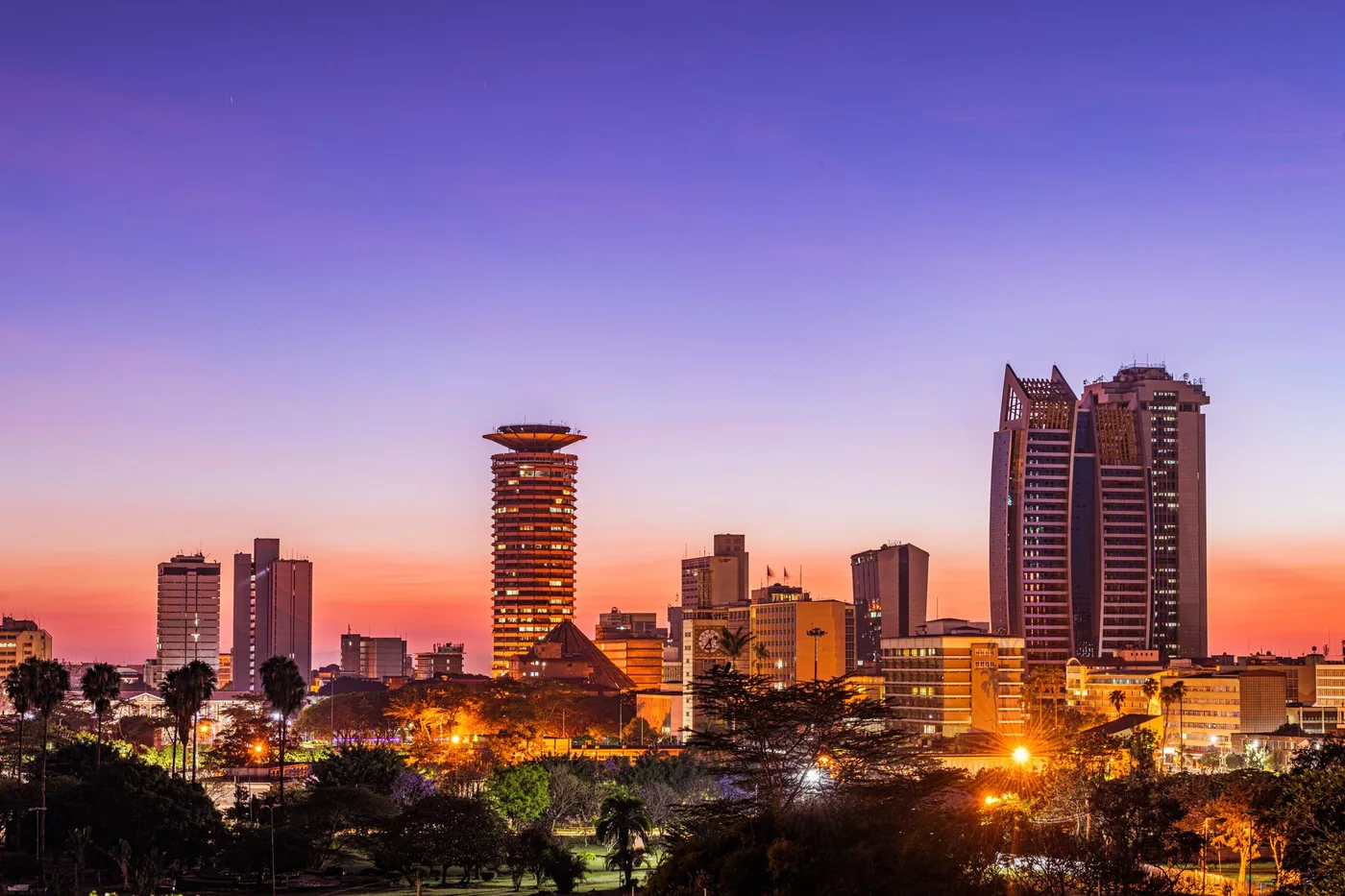
The Nairobi skyline at dusk
Nairobi at dusk, your first night.
1 or 2 stopsNo non-stop flight from Canada to Nairobi
Two airportsJomo Kenyatta for the long haul, Wilson for the bush flights
UTC+3Kenya time all year, with no daylight saving

Tell us your dates first

We lock the lodges, then you book your flights. For August and September the best Mara camps book out first, so six to twelve months ahead is ideal, and the top camps can need more. Once your deposit is in, we place your camps, bush flights and park bookings together, and that's the time to take out your travel insurance.

Flights

There's no non-stop flight from Canada to Nairobi. You connect once or twice, usually in Europe, the Gulf or Addis Ababa. We'll find the best route for your dates. You book your own international flights, and we plan your first and last days around them.

The time difference

Kenya runs on UTC+3 all year, with no daylight saving. That puts it eight hours ahead of Toronto in winter and seven in summer, and eleven hours ahead of Vancouver in winter and ten in summer. A first night's rest in Nairobi before the safari starts helps with the jet lag.

The Practical Bits

Entry, Health, Safety and Money

The short version of what to sort before you fly. For entry rules and anything medical we point you to the official sources, starting with the Government of Canada's travel advice.

Entry and the eTA

Canadians don't need a visa for Kenya, but you must apply online for an eTA (electronic travel authorisation) before you travel, and the application includes Kenya's mandatory travel health insurance. Apply at etakenya.go.ke well before you travel. Conditions can change at short notice, so check the Government of Canada's latest travel advice and the official Kenyan government site, and we'll send you the checklist, remind you and help with the application.

Health and malaria

Malaria and yellow fever are medical questions for your doctor. You don't need a yellow fever certificate flying straight from Canada. Tanzania does ask for one if you arrive from Kenya, or after a layover at an airport in a yellow fever country, so it matters on a Kenya-then-Tanzania trip and on a layover in Nairobi or Addis Ababa. Either way, we generally tell people the vaccine is worth having, as one shot lasts a lifetime, but your doctor always has the last say. Check the Government of Canada's Kenya page for any current health notices. Book a travel clinic or your family doctor early and take your full itinerary. You will also need travel insurance that covers medical evacuation.

Travel advice

Check the Government of Canada's latest travel advice for Kenya before you book and again before you fly. It changes often and covers health as well as security. Terrorism and violent crime are a risk in parts of the country, the border regions with Somalia and parts of the coast most of all, and protests can disrupt roads and airports. Our safaris are in the Mara, Amboseli, Samburu and Laikipia, with arranged transfers and no road travel after dark.

Park fees and tipping

Park and conservancy fees are in your quote. The Mara's reserve fee is close to US$200 per person per day in peak season, one of the steepest in Africa. Tipping for guides and camp staff is standard, and our Kenya cost guide covers what is and isn't included.

What to pack

Layers, because the Mara sits at 1,500 metres and mornings are cold even in the dry season. Neutral clothes, a hat, sunscreen and binoculars. Bush planes work to a baggage allowance and prefer soft bags. Our safari packing list has the rest.

What it costs

It depends mostly on the camp and whether you choose the reserve or a conservancy. Our sample 7-night Mara and Amboseli trip starts from about C$9,650 per person with bush flights. See the Kenya cost guide and African safari costs.

Go Further

Pair Kenya With

Kenya sits beside Tanzania, shares an ecosystem with the Serengeti and has plenty of guests asking what to combine it with.

Wildebeest crossing the Mara River during the Great Migration

Across the border

Tanzania

The Mara is the northern end of the Serengeti, so the natural next stop is Tanzania, about half a day away by air. About 13 nights comes to C$12,000 to C$14,200 per person, and each country has its own entry requirements, so check the official sites for both. Arriving in Tanzania from Kenya also means a yellow fever certificate.

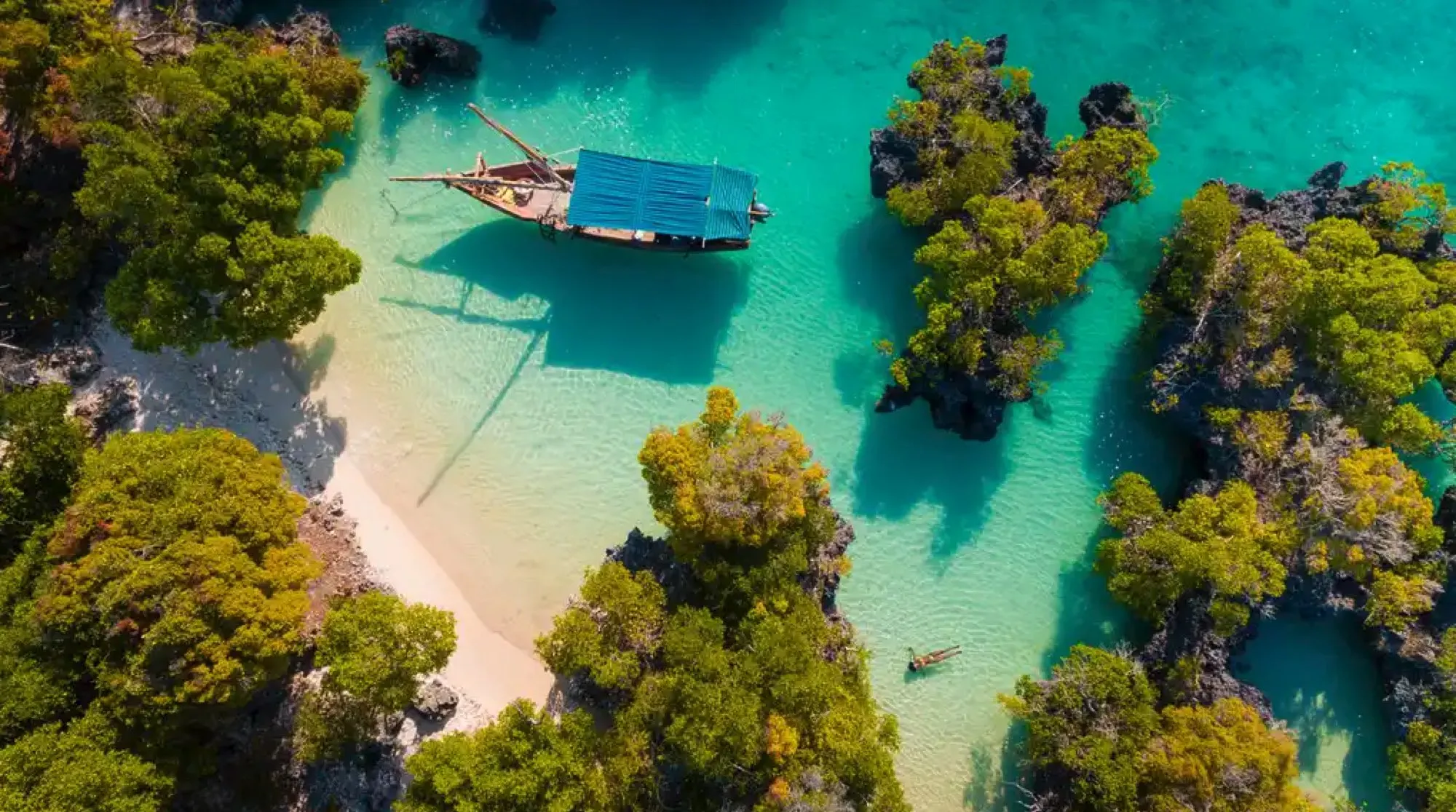
Aerial view of a dhow in a turquoise lagoon among small green islands, Zanzibar

Beach finish

Zanzibar

Safari first, beach second. Kenya, Tanzania and Zanzibar together run 16 to 17 nights at C$20,400 to C$23,800 per person across six of our 2027 quotes. For a beach after Kenya on its own, we also look at Diani.

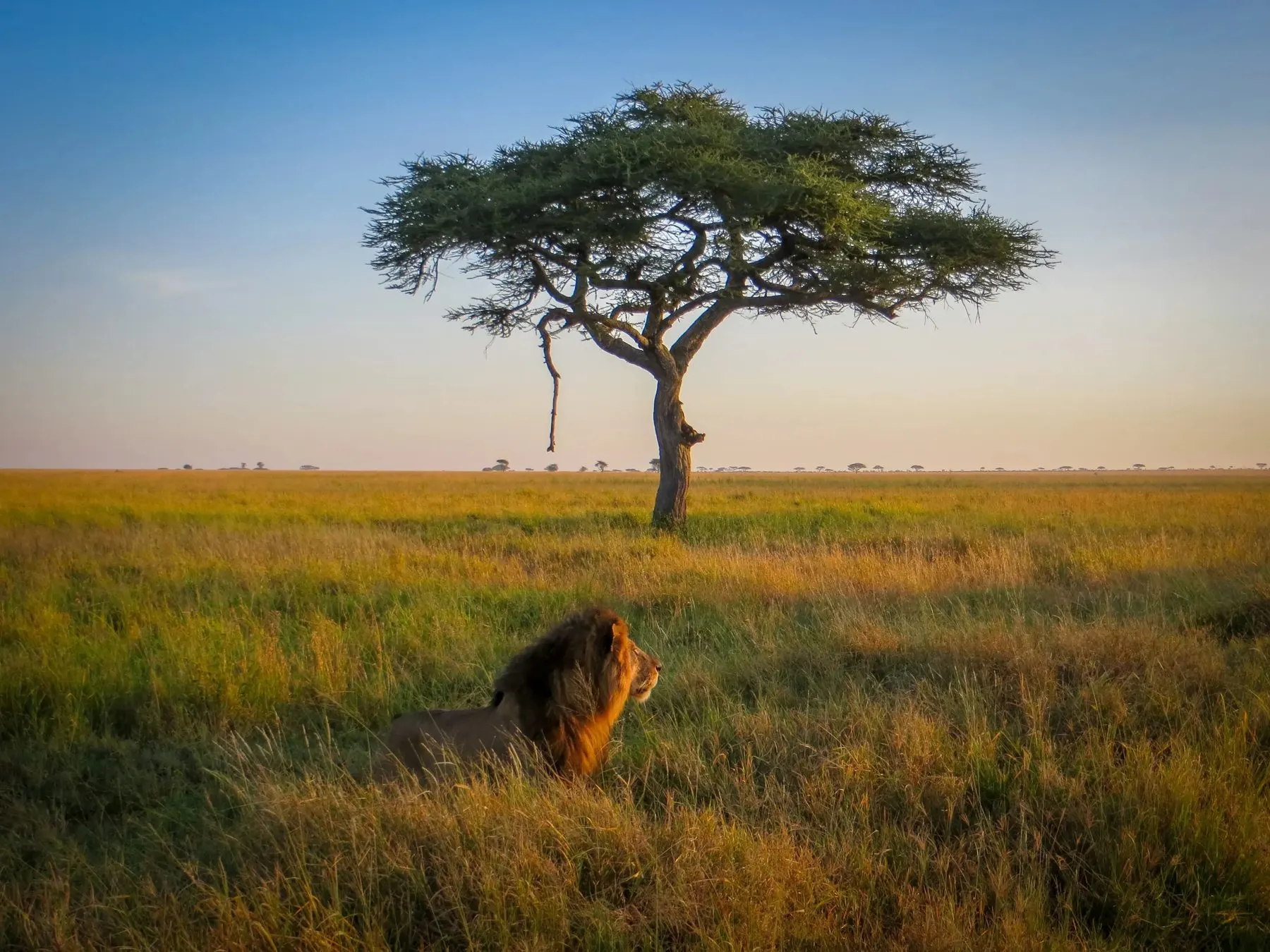
A lion resting under a lone acacia on the savannah at sunset

Same river, two banks

Mara or Serengeti?

The Mara River runs along the border, and crossings can be seen from either bank. The Mara is smaller and denser, with conservancies that allow night drives and walking. The Serengeti is vast and adds the calving and Ngorongoro Crater.

The Practical Questions

FAQ

The questions travellers ask us most about a Kenya safari, grouped by topic.

Can't see your question? Ask us directly and a real person will answer.

Planning and cost

Should we choose Kenya or Tanzania for a first safari?
Neither is objectively better. Kenya suits you if you want private conservancies with night drives, off-road tracking and walking safaris, elephants under Kilimanjaro, or a shorter trip. Tanzania suits you if you want the Serengeti's scale, Ngorongoro Crater, the calving season and a deeper range of lodges. Many of our guests do both. Read Kenya vs Tanzania and see our Tanzania page.
Masai Mara or Serengeti?
They're the same ecosystem on either side of a border. The Mara is much smaller (about 1,510 square kilometres against the Serengeti's 14,763), with dense big cats and conservancies that allow night drives and walking. The Serengeti is vast, quieter, and adds the January to March calving and Ngorongoro Crater, though the Serengeti doesn't allow off-road driving or night drives. Our Masai Mara vs Serengeti guide compares them side by side.
Can we combine Kenya and Tanzania in one trip?
Yes, and it's one of our most requested combinations: a few nights in the Mara or Amboseli, then across the border, often by air to the northern Serengeti, which takes about half a day. About 13 nights comes to C$12,000 to C$14,200 per person across seven of our 2027 quotes, and adding Zanzibar makes it 16 to 17 nights at C$20,400 to C$23,800. Each country has its own entry requirements, so check the official sites for both. Arriving in Tanzania from Kenya also means a yellow fever certificate. See Kenya vs Tanzania.
Conservancies or the main reserve?
Conservancies are private, community-owned land bordering the Mara, leased to a small number of camps with strict vehicle limits. You're typically one of one or two vehicles at any sighting, off-road driving, night drives and walking safaris are allowed, and the fees support the communities that lease the land. The main reserve has the highest game density, but more vehicles at each sighting and no walking or night drives. A common answer is both: a couple of nights in the reserve and a couple in a conservancy.
How much does a Kenya safari cost from Canada?
Our sample 7-night Mara and Amboseli trip, with bush flights between the parks, starts from about C$9,650 per person. Our Kenya cost guide puts a 7-night classic circuit at C$7,650 to C$9,650 at comfortable camps, C$9,650 to C$16,300 at established mid-range to premium camps and C$16,300 to C$28,500 or more at the small luxury conservancy camps. The Mara's reserve fee is close to US$200 per person per day in peak season. Return flights to Nairobi are extra. See the Kenya safari cost guide and what an African safari costs.

When to go

When is the best time to visit Kenya for a safari?
July to October is the dry season and Kenya's peak: thin bush, animals at the water and the Great Migration herds in the Masai Mara, with the river crossings from late July to October. December to February is a second dry window, greener and quieter, and January and February give the clearest Kilimanjaro views from Amboseli. The long rains run from about March or April to June, with the heaviest rain and the lowest prices, and short rains arrive in November. Samburu and Laikipia get far less rain than the Mara. See our best time to visit Kenya guide.
When are the Mara River crossings, and are they reliable?
The crossings begin in mid-July in the north, are in full swing from August, and September and October are the peak months for crossings seen from the Tanzania side. It's the same river and the same herds on both banks, so you can see crossings from either side, and the direction depends on the rains: north into the Mara from July, then back into Tanzania, with most herds back by October. In 2026 an August storm sent most of them back within weeks. They follow rain and grass, not the calendar, so nobody can promise a crossing. We plan for the right season and the right position, and tell you honestly what the odds are. See our Great Migration guide.

Getting there

How do we get to Kenya from Canada?
There's no non-stop flight from Canada to Nairobi. You connect once or twice, usually in Europe, the Gulf or Addis Ababa. We'll find the best route for your dates. You book your own international flights, and we plan your first and last days around them. International flights land at Jomo Kenyatta, and the bush flights leave from Wilson Airport, so we plan the connection with room to spare.

On safari

Can kids come on a Kenya safari?
Yes. Age rules vary by camp: many conservancy camps have family suites and some, such as Siruai Mobile Camp, welcome children of all ages, while others set minimum ages for game drives. Giraffe Manor in Nairobi is the iconic kid-friendly start or finish. Tell us the ages and we'll shortlist the right camps. See our guide to safari with kids.

Health, visas and safety

Do Canadians need a visa for Kenya?
Canadians don't need a visa for Kenya, but you must apply online for an eTA (electronic travel authorisation) before you travel, and the application includes Kenya's mandatory travel health insurance. The application site is etakenya.go.ke, and you should apply well before you travel. Rules, fees and processing times can change at short notice, so check that site and the Government of Canada's latest travel advice, and don't rely on third-party sites. We'll send you the checklist and the official link, remind you before you travel and help with the application.
Do we need yellow fever or malaria precautions for Kenya?
Both are medical questions for your doctor. Malaria is widespread in Kenya except in Nairobi and places higher than 2,500 metres. You don't need a yellow fever certificate flying straight from Canada. Tanzania does ask for one if you arrive from Kenya, or after a layover at an airport in a yellow fever country, so it matters on a Kenya-then-Tanzania trip and on a layover in Nairobi or Addis Ababa. We generally tell people the vaccine is worth having, as one shot lasts a lifetime, but your doctor always has the last say. Book a travel clinic or your family doctor early. If the vaccine isn't right for you, they can talk to you about an exemption letter. We never collect proof. Current health advice is on the Government of Canada's Kenya page.
What is the current travel advice for Kenya?
Check the Government of Canada's latest travel advice for Kenya before you book and again before you fly. It changes often and covers health as well as security. Terrorism and violent crime are a risk in parts of the country, the border regions with Somalia and parts of the coast most of all, so we steer beach finishes elsewhere, such as Diani or Zanzibar. Our safaris are in the Mara, Amboseli, Samburu and Laikipia, with arranged transfers and no road travel after dark.

Start Planning

Plan Your Kenya Safari

Tell us your dates, who's travelling and what you'd love to see, and we'll design a private itinerary around you, with real prices in Canadian dollars. From the Mara River crossings to a quiet morning in a conservancy, we'll plan it properly.

Five stars. 5.0 on Google and Tripadvisor37 five-star reviews, every one of them

Get in Touch
“Could not have imagined how it could have been better planned and delivered.”
Five stars. Gryffable, first safari, 2026, on Google
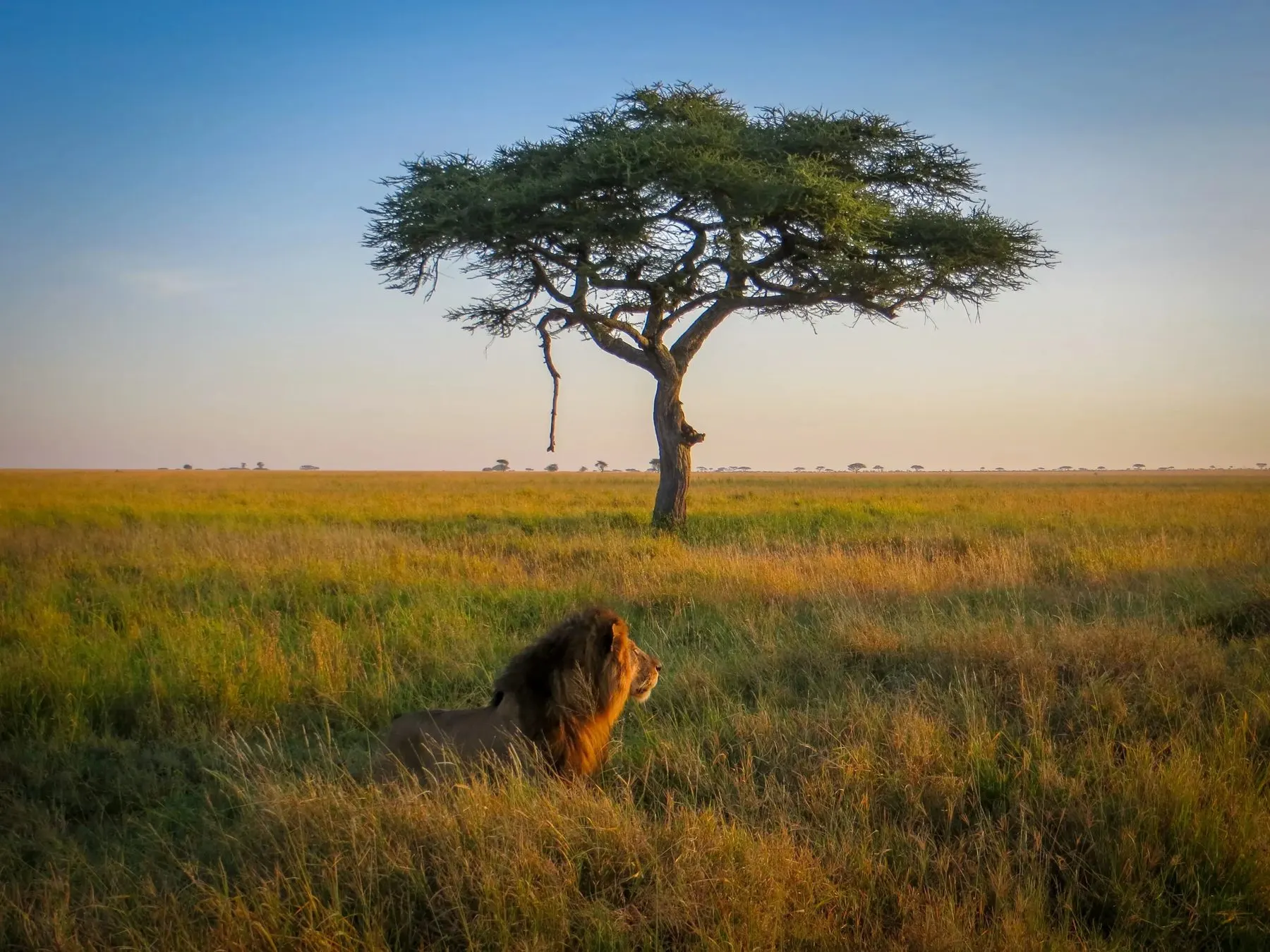
A lion resting under a lone acacia on the savannah at sunset

Email us or book a call

Talk to a real person

Samara looks after our guests from Canada. Email her or book a call at a time that suits you, or message her on WhatsApp, and she'll come back to you the same day, your time.

Safaris · enquiries & bookings

Samara Imhoof

Bookings & Client Care

Whether you're just kicking around ideas or already booked. Dates, lodges, costs, changes, payments, flights.


Email

samara@kingsesafaris.com
Business · partnerships & trade

Jackson Potter

Founder

Lodges, agents, media, or anything commercial. This one comes straight to me.


jackson@kingsesafaris.com
Contact us

Not sure who to ask? bookings@kingsesafaris.com reaches the whole team.