Kenya

Masai Mara · Amboseli · Samburu · Laikipia · Tsavo

Kenya

Kenya is where the safari was born. From the Swahili word meaning "journey," the modern safari experience traces its roots to Kenya's highlands and savannahs — and the country has never stopped leading. Today, Kenya combines legendary national reserves with a pioneering conservancy model that offers some of the most exclusive, low-impact wildlife encounters in Africa.

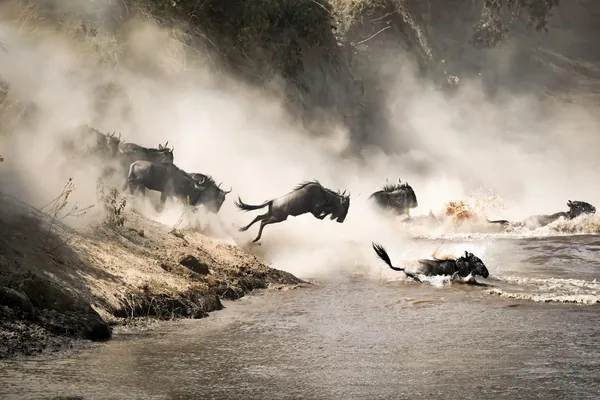
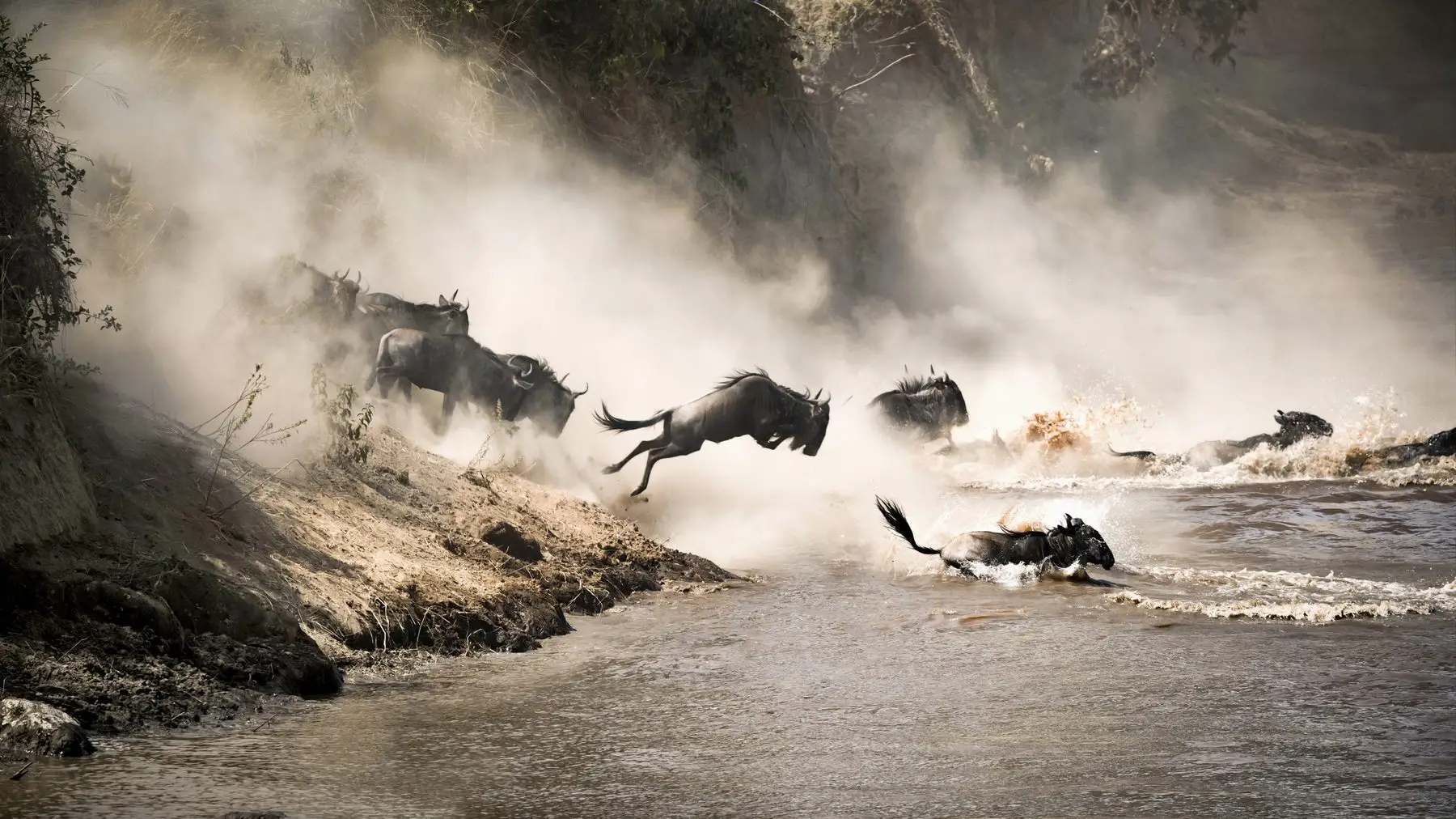
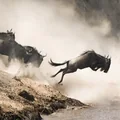
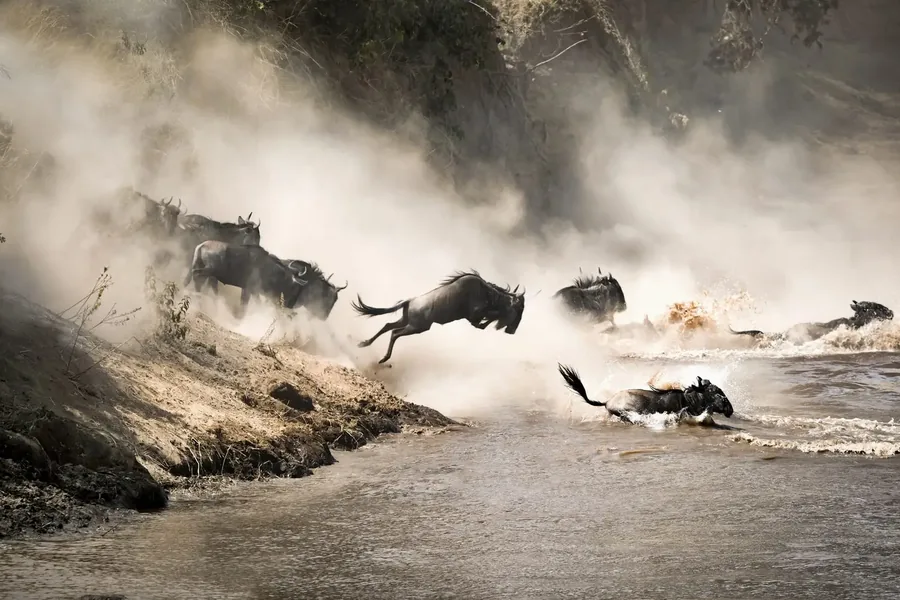
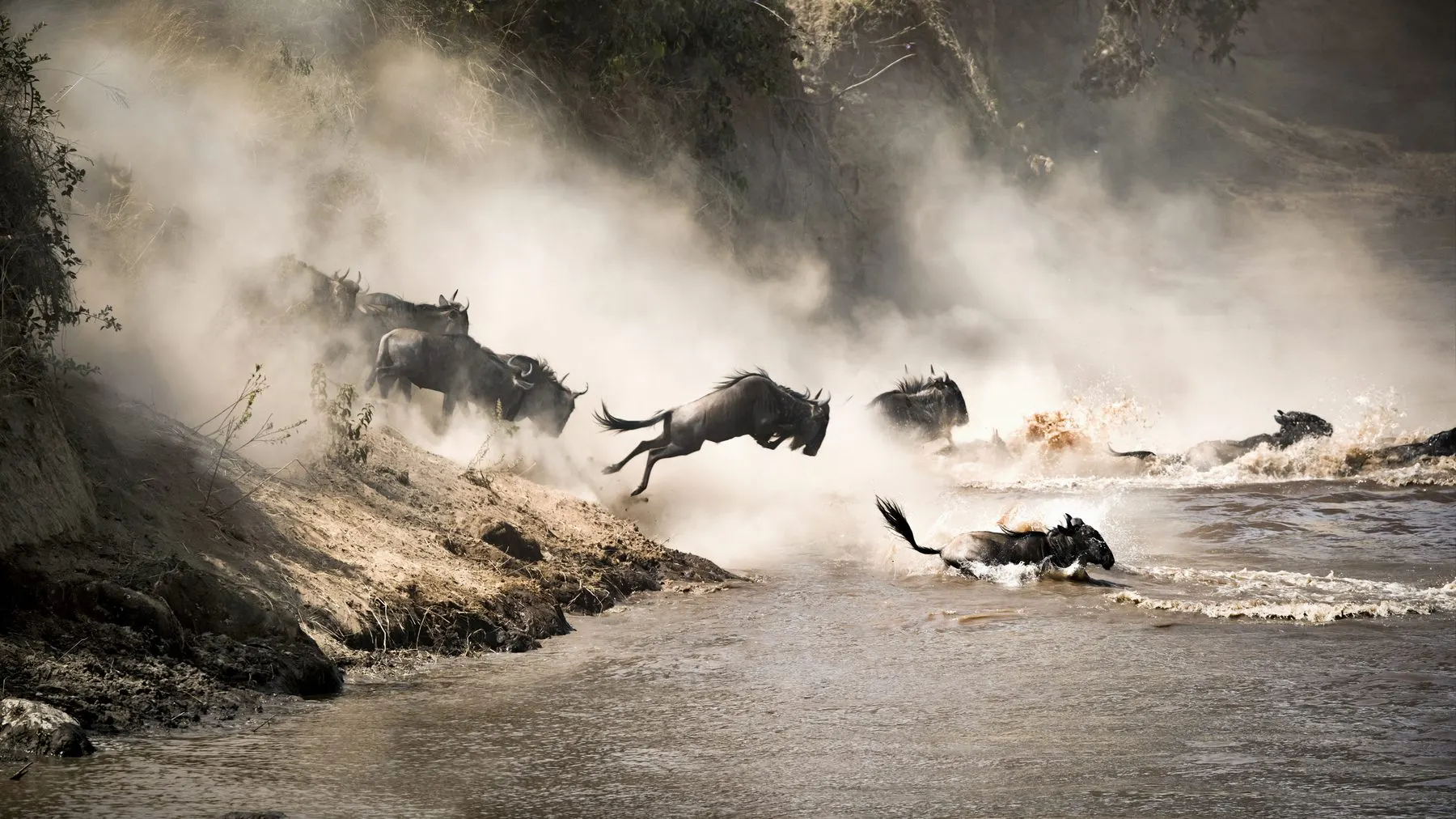
The Masai Mara sits at the northern end of the Serengeti ecosystem, receiving the Great Migration from July through October — two million wildebeest, zebra and gazelle crossing the Mara River in nature's most dramatic wildlife event. Amboseli gives you elephants framed against Kilimanjaro. Samburu reveals species found nowhere else. And Laikipia's private conservancies offer walking safaris, night drives, and horseback rides through landscapes shared with Maasai and Samburu communities.

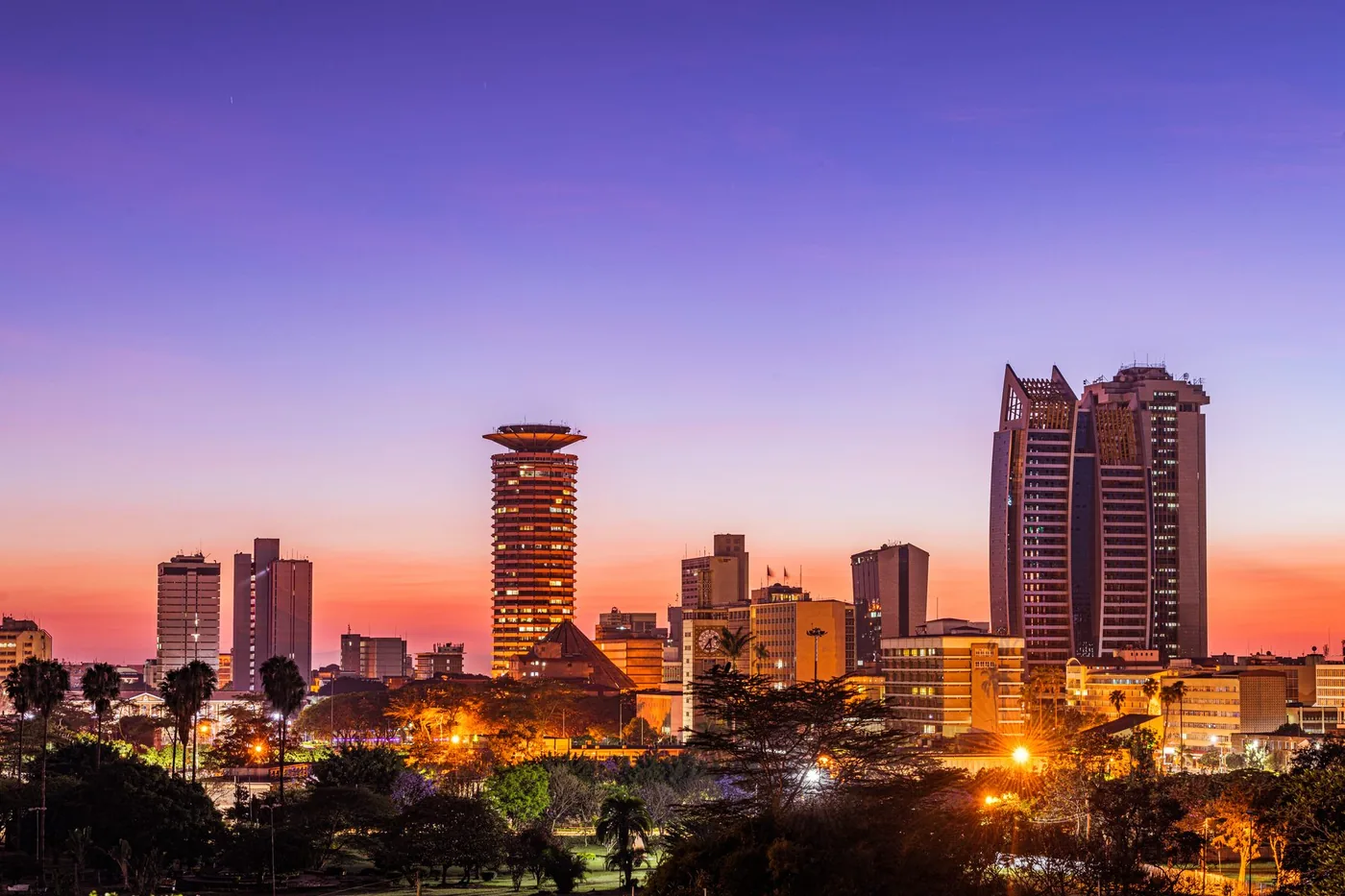
Kenya is also one of East Africa's most accessible destinations. Nairobi connects to every major park by domestic flight, and a well-maintained network of airstrips means you can cover four or five reserves in a single trip without long overland drives. Whether you want a focused long weekend in the Mara or a two-week circuit from savannah to coast, the infrastructure is here.

National Parks & Reserves

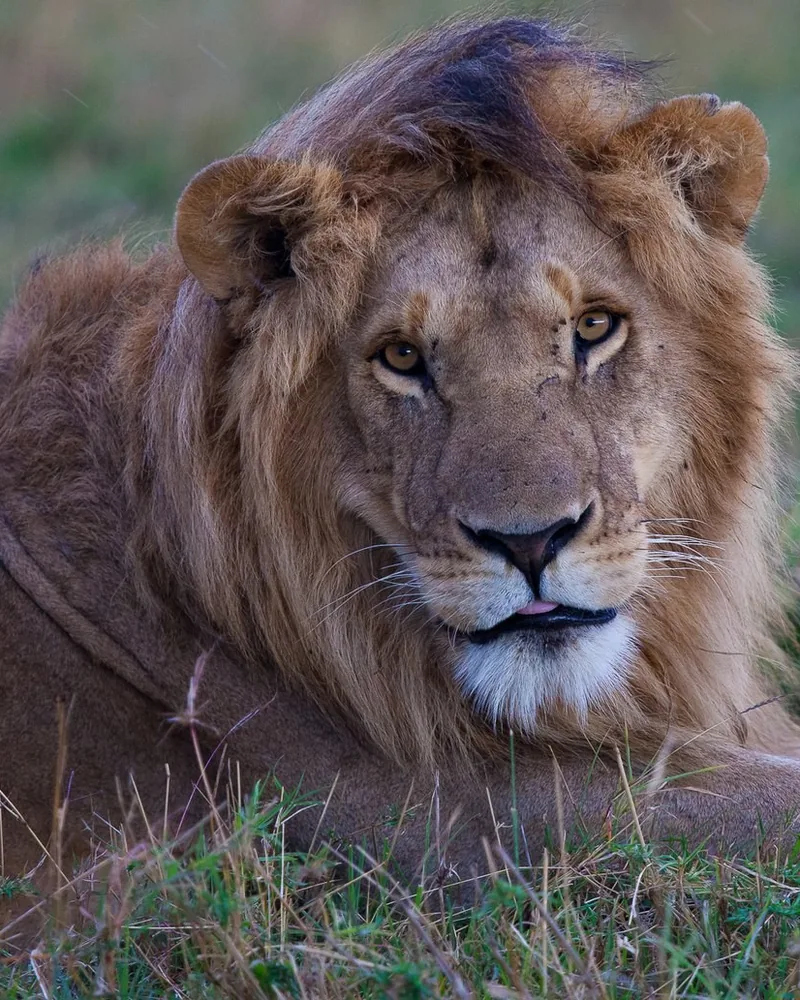
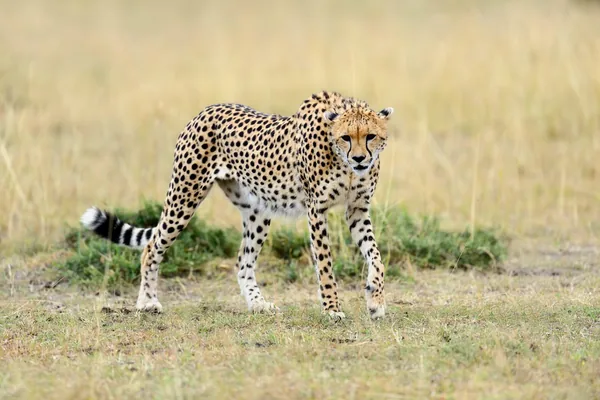
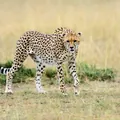
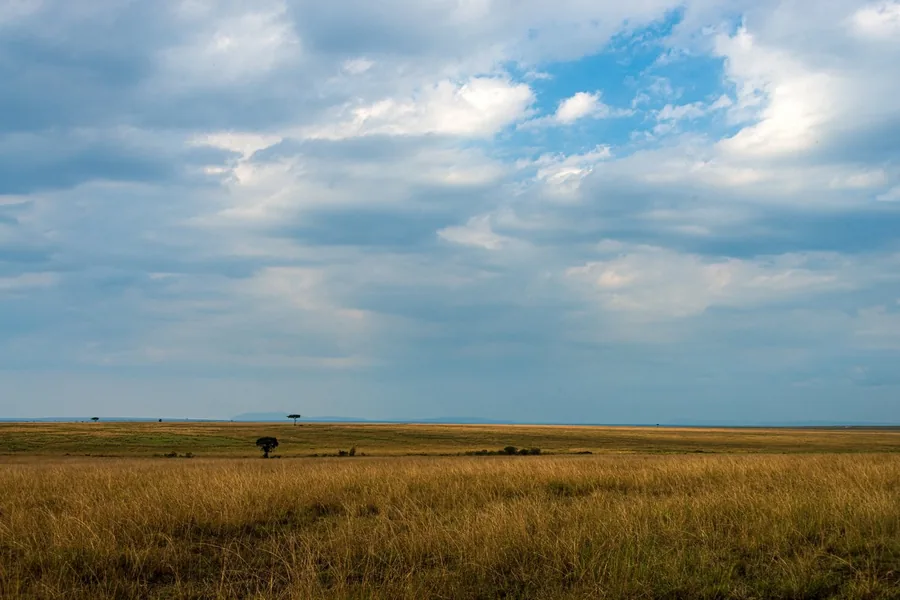
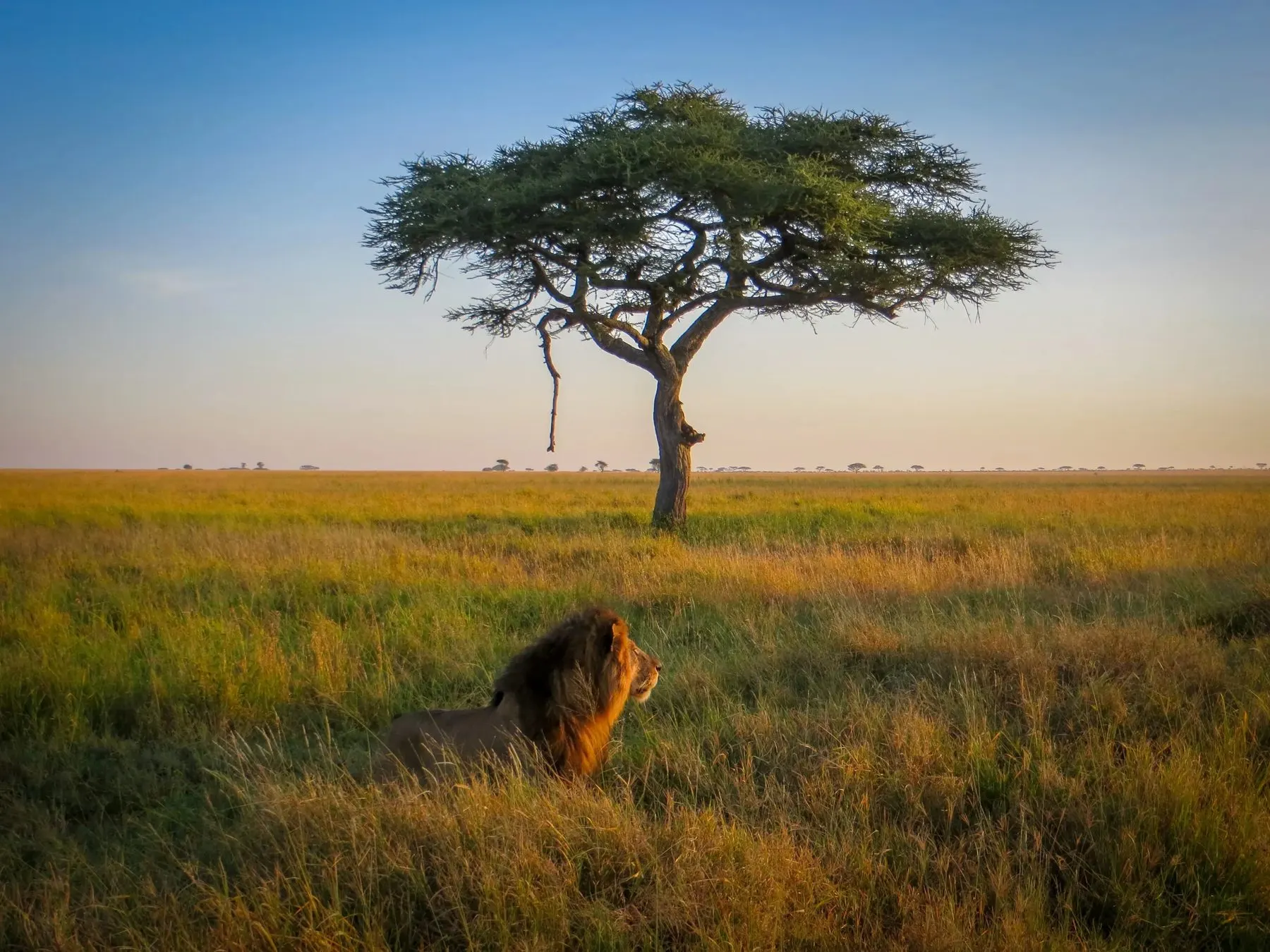
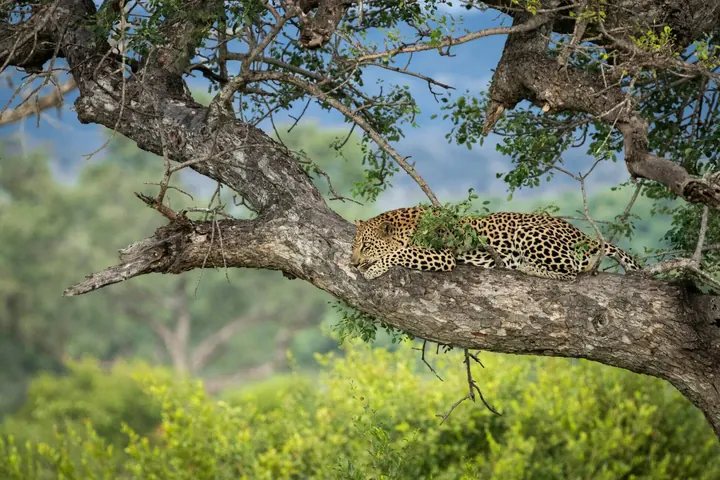
Kenya's most celebrated wildlife area and the northern anchor of the Serengeti-Mara ecosystem. The reserve covers 1,510 square kilometres of open grassland, acacia woodland and riverine forest — all of it teeming with predators. Lion prides here are among the most studied in Africa, leopards are regularly seen along the Mara and Talek rivers, and cheetah families hunt the open plains in broad daylight.

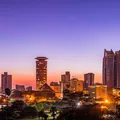
Between July and October, the Great Migration floods into the Mara. River crossings — thousands of wildebeest plunging into crocodile-patrolled waters — are the headline act, but the entire reserve comes alive during this period. Predator activity intensifies, vultures circle overhead, and the sheer density of animals is unmatched anywhere on earth.

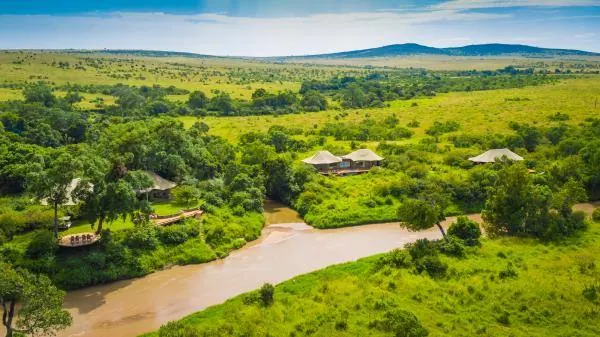
The adjacent private conservancies (Mara North, Olare Motorogi, Naboisho, Mara Naboisho) offer exclusive access with strict vehicle limits. Here you can do night drives, walking safaris, and bush breakfasts without the crowds of the national reserve. Many of our preferred camps sit within these conservancies.

Big Five Great Migration River Crossings Hot Air Balloons Night Drives Walking Safaris

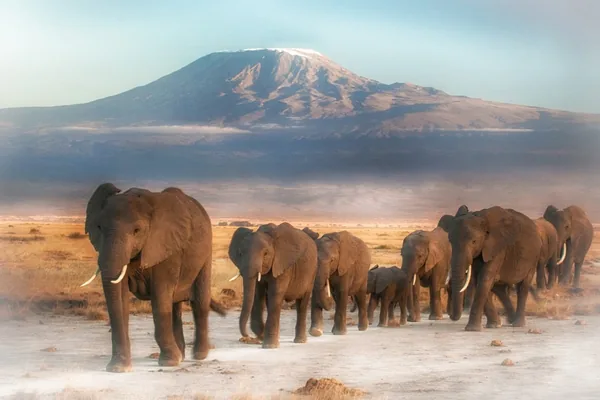
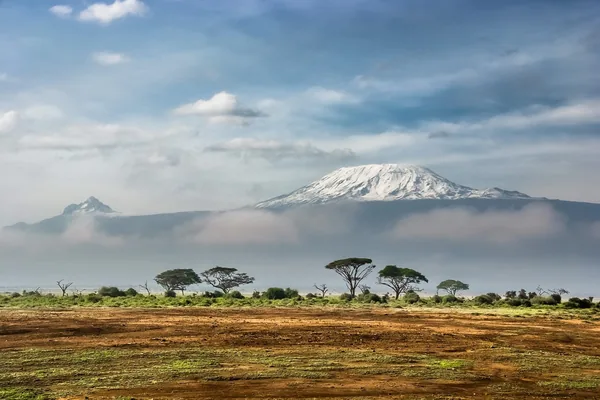
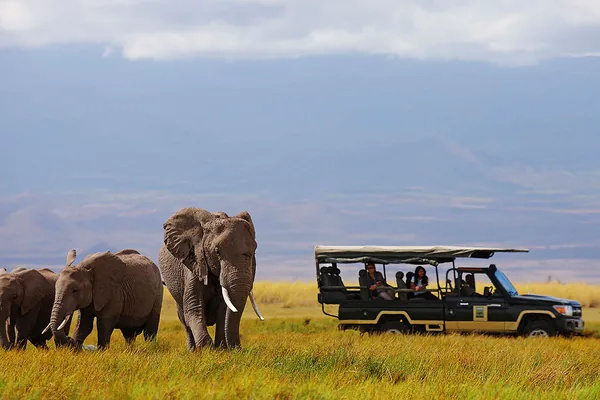
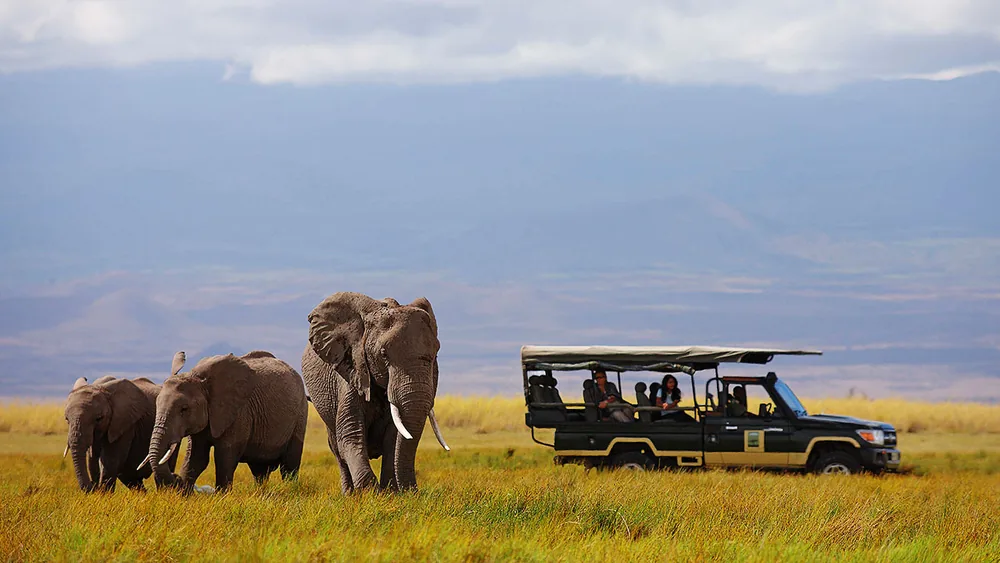
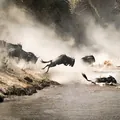
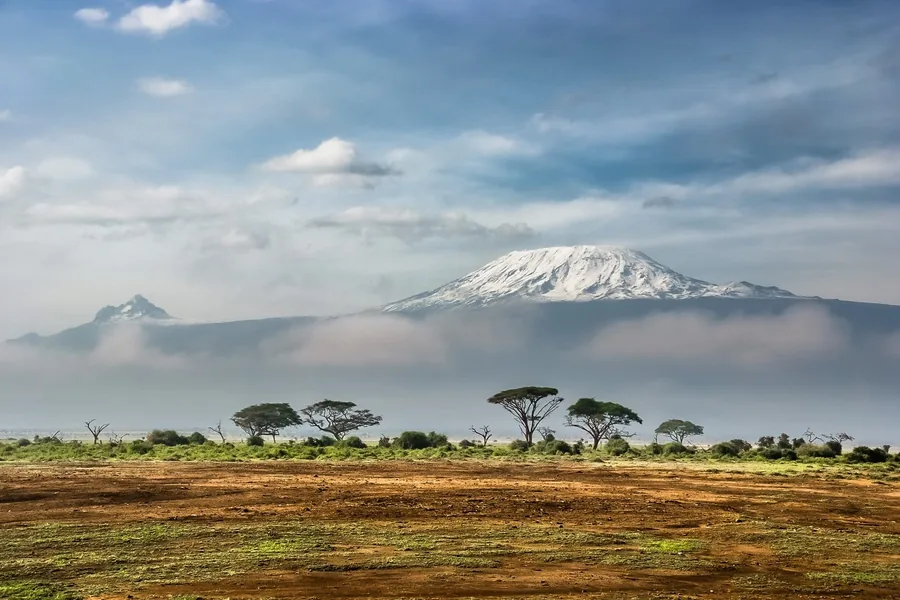
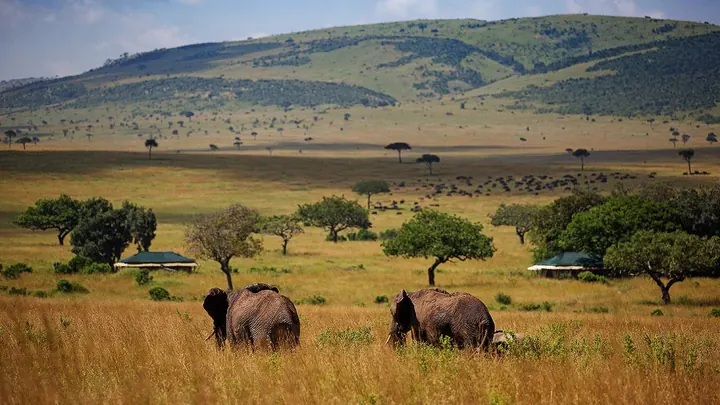
Amboseli sits in the shadow of Mount Kilimanjaro — Africa's highest peak rising 5,895 metres directly to the south. On a clear morning, the mountain fills the entire horizon, and the park's open, dusty plains create one of the most photogenic settings in East Africa. This is where the classic "elephants with Kilimanjaro" image was born.

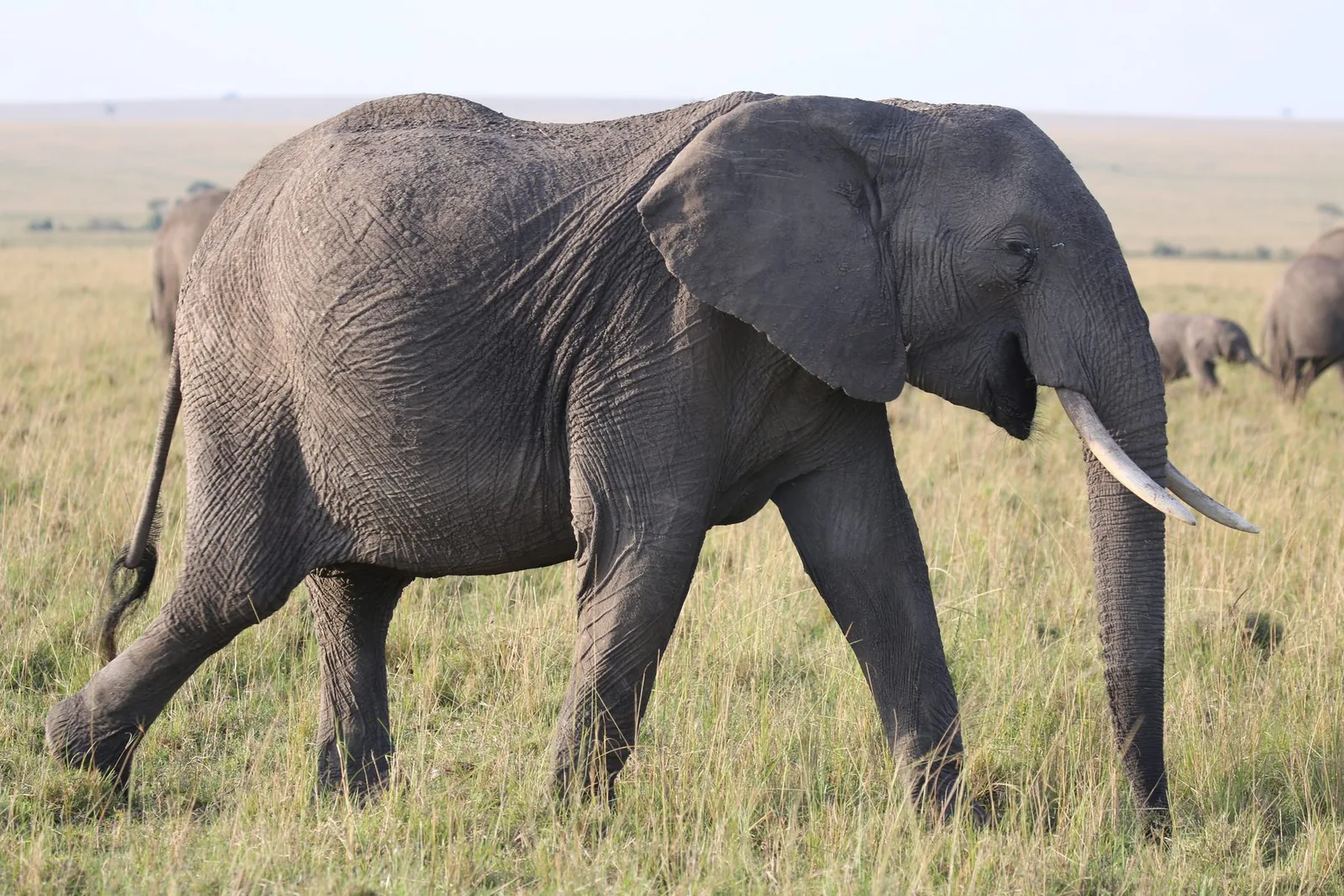
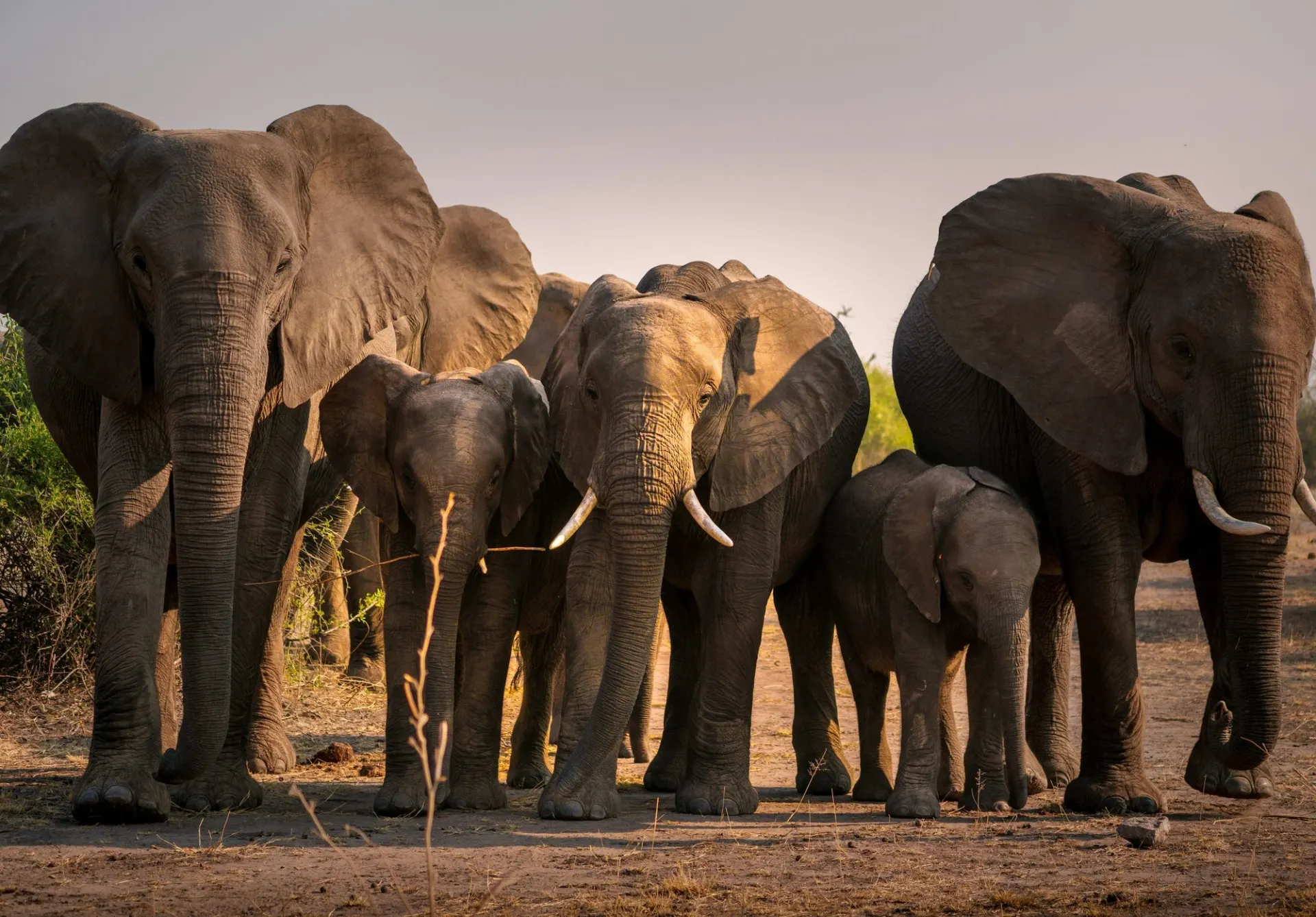
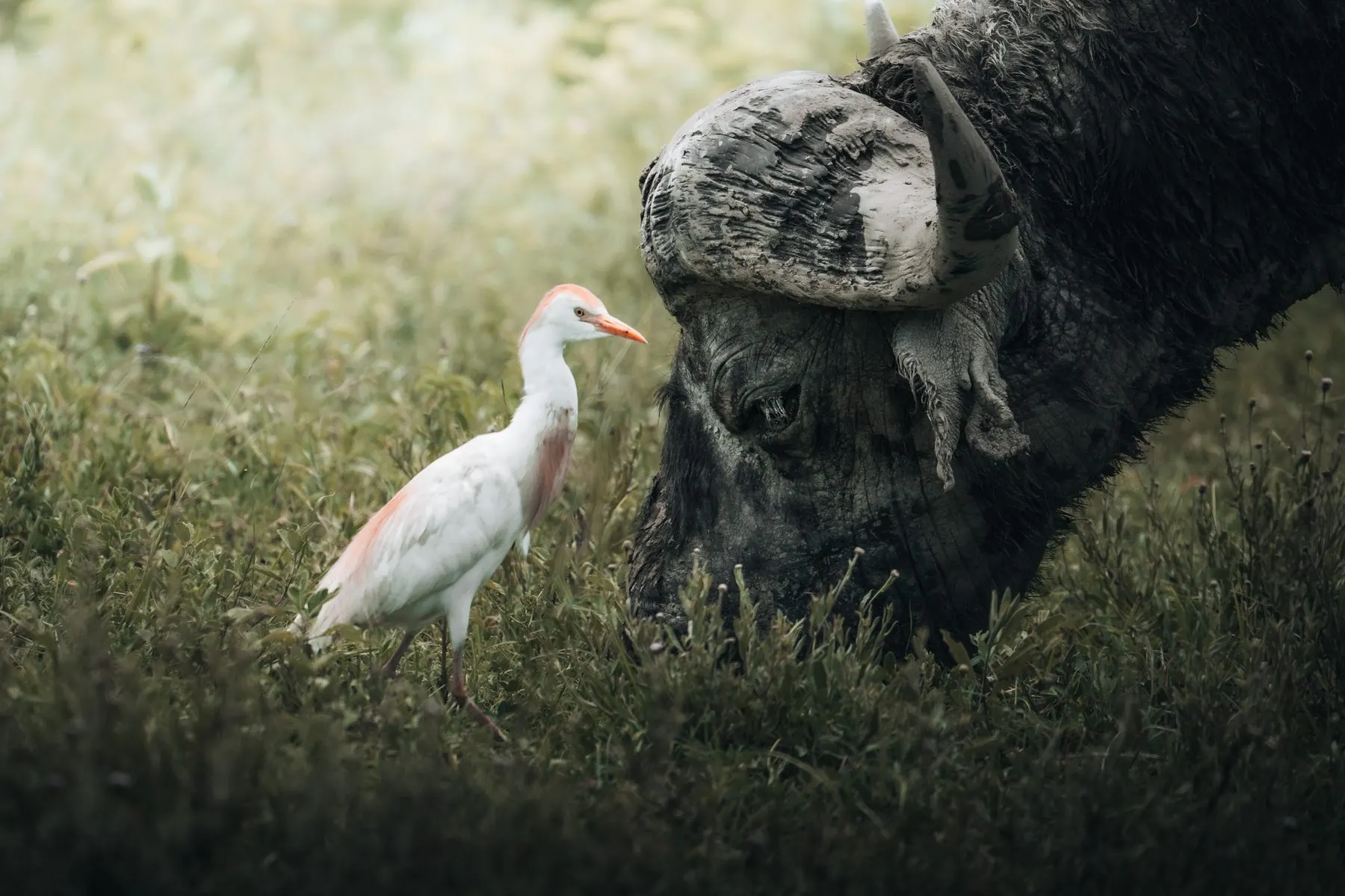
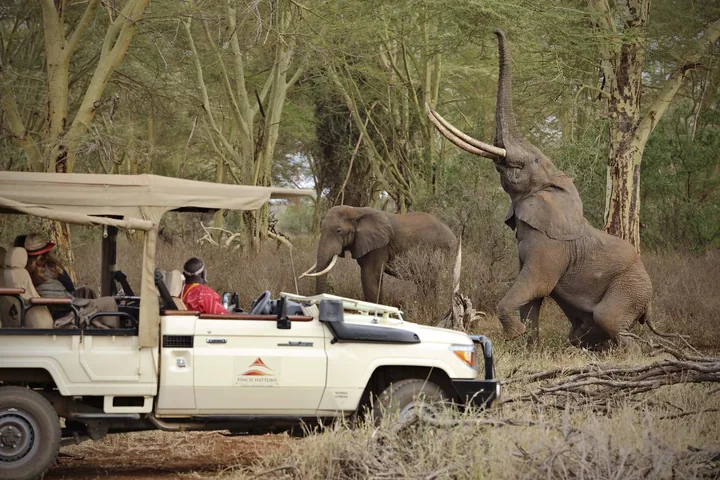
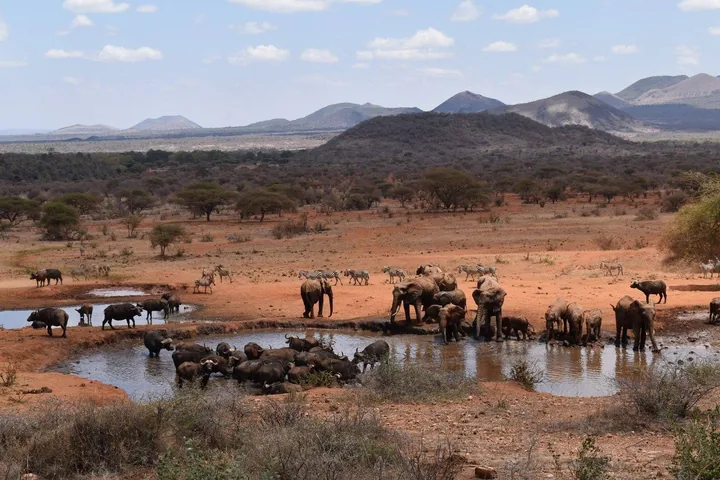
The park is famous for its elephant research. The Amboseli Trust for Elephants has tracked individual families here since the 1970s, and the herds are remarkably relaxed around vehicles. Bull elephants with massive tusks still roam here — some carrying ivory that nearly touches the ground. Beyond elephants, the marshlands fed by Kilimanjaro's snowmelt attract hippo, buffalo, waterbuck, and over 400 species of birds.

Amboseli is compact — just 392 square kilometres — which means game drives are productive and distances are short. It pairs naturally with a Masai Mara safari or as a standalone destination for photographers.

Elephants Kilimanjaro Views Photography Birding Maasai Culture

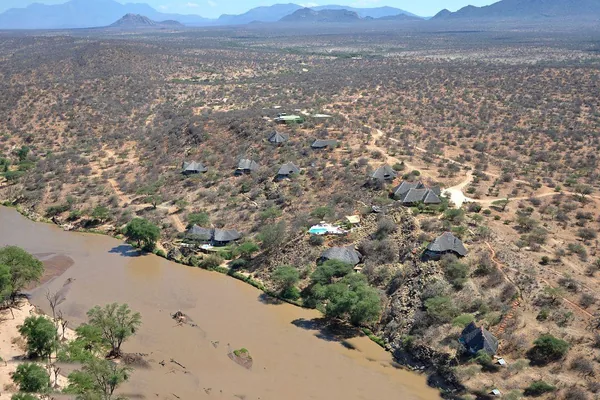
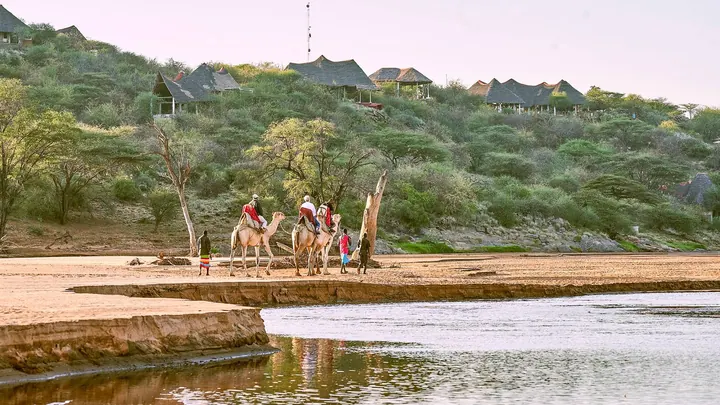
Samburu is wilder and more remote than the southern parks. The landscape is semi-arid — rust-coloured earth, doum palms, and the Ewaso Ng'iro River cutting through dry terrain. This river is the lifeline. Everything comes to drink here, and the game viewing along its banks is concentrated and dramatic.

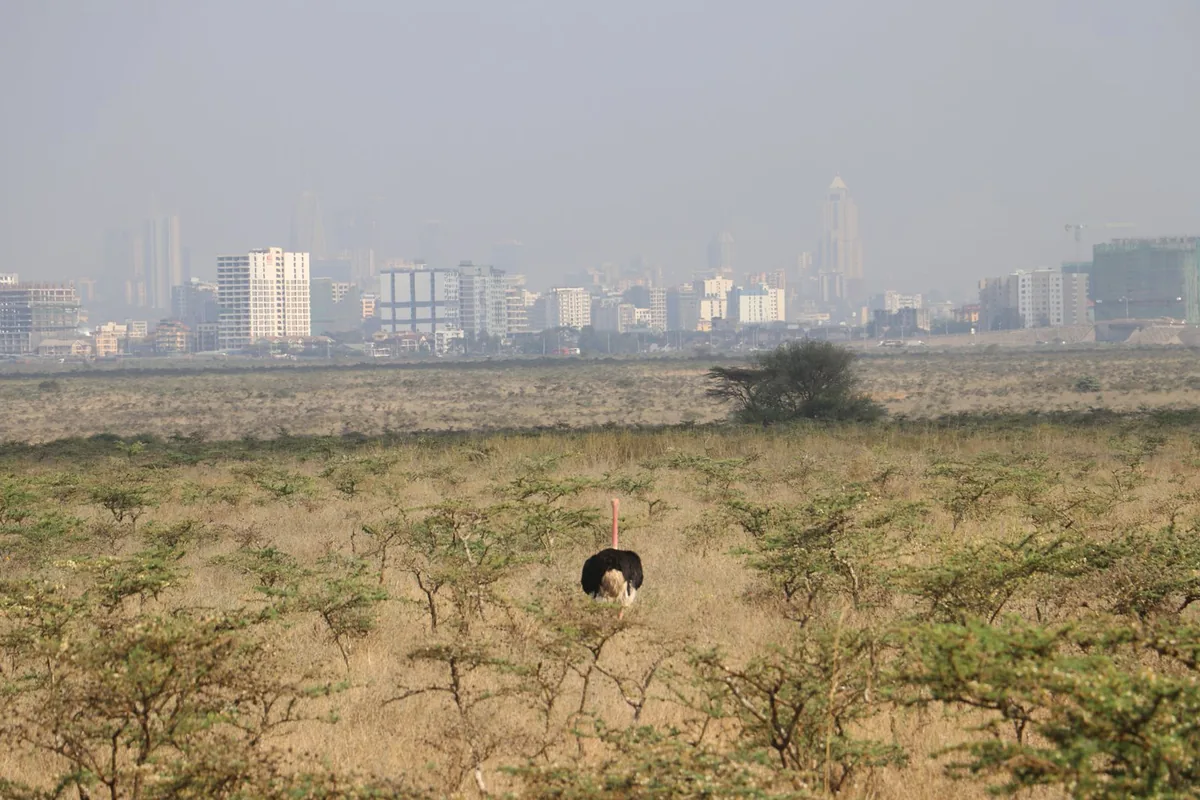
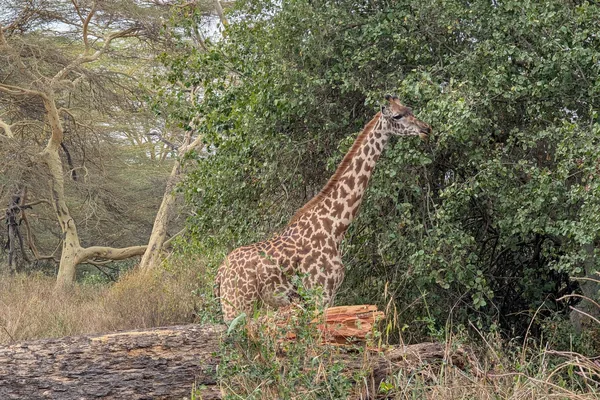
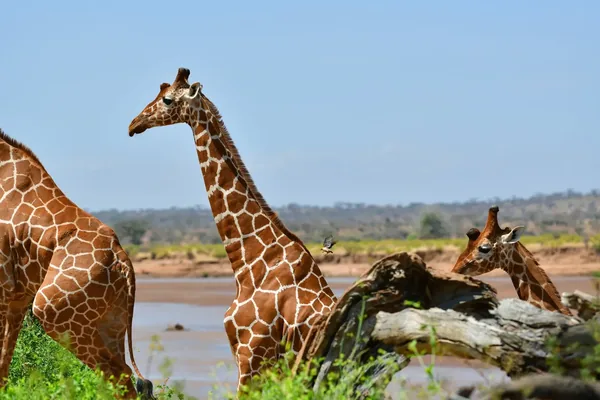
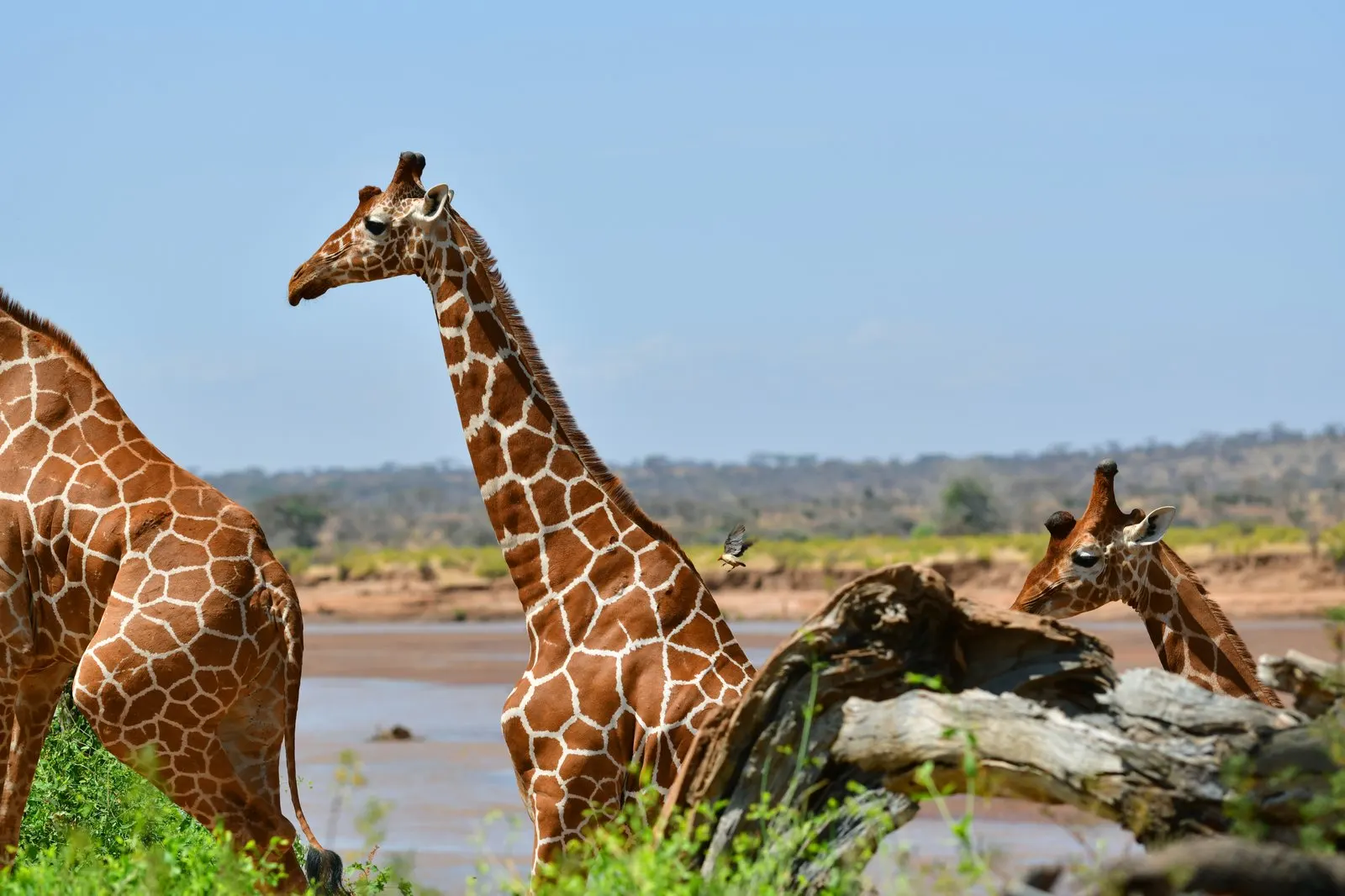
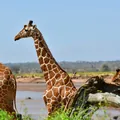
What makes Samburu special is the "Samburu Special Five" — species unique to northern Kenya that you won't see anywhere else on a typical East African safari. The reticulated giraffe has sharply defined chestnut patches. Grevy's zebra carries thin, elegant stripes quite different from the common zebra. The gerenuk stands on its hind legs to browse acacia leaves. The Beisa oryx and Somali ostrich round out the five.
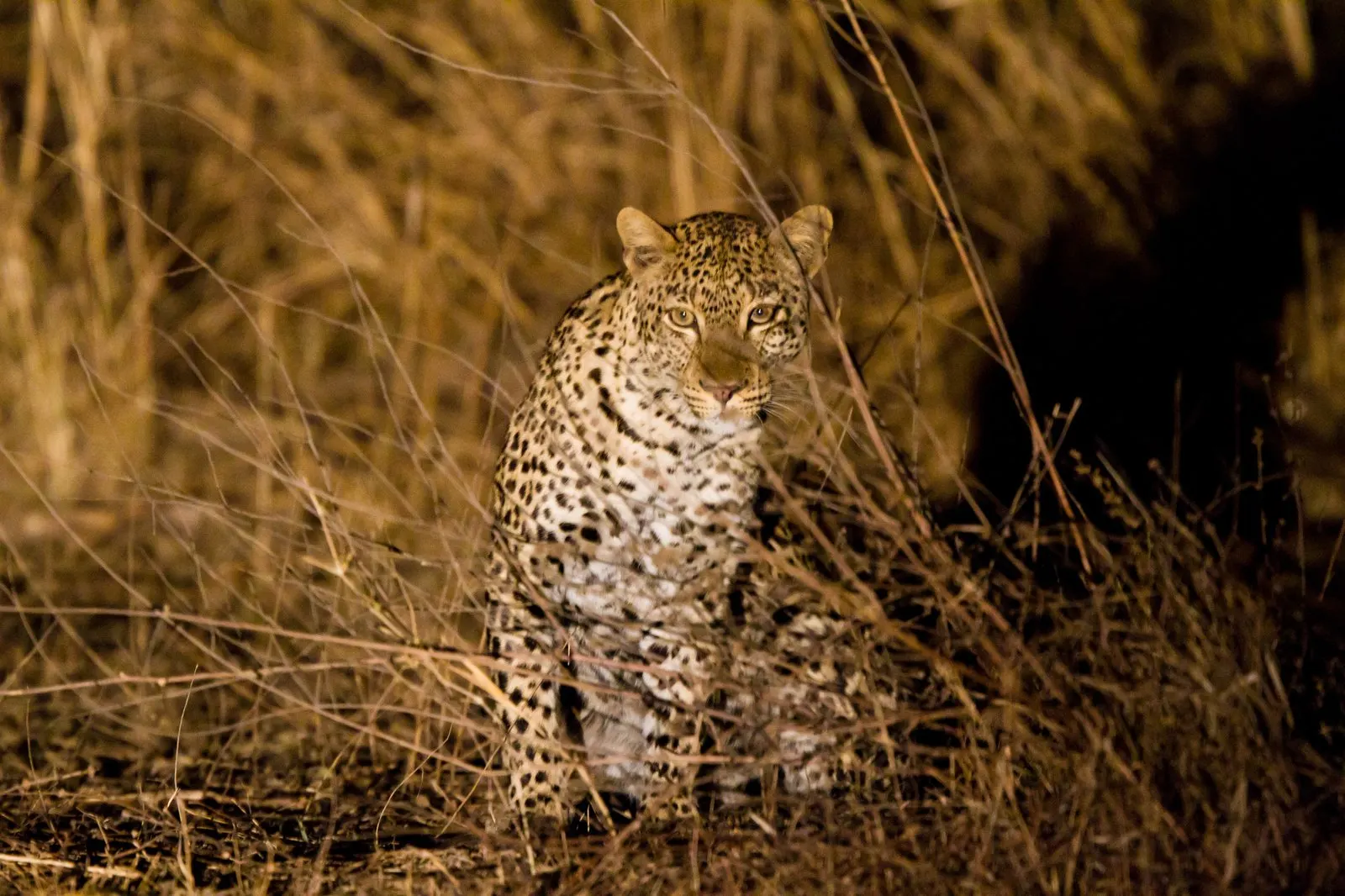
Samburu is also excellent leopard territory — the riverine forest provides perfect habitat, and sightings here are frequent. The reserve tends to be quieter than the Mara, with fewer vehicles and a more raw, frontier feel. The local Samburu people maintain strong cultural traditions, and community visits offer genuine insight into a pastoralist way of life.

Samburu Special Five Leopard Remote Wilderness Samburu Culture Birding

Laikipia is Kenya's conservation success story. This highland plateau north of Mount Kenya is a patchwork of private ranches and community conservancies that together support the second-highest concentration of wildlife in the country — including more than half of Kenya's black rhino population and the largest population of wild dogs outside southern Africa.

What sets Laikipia apart is what you can do here. Because these are private lands rather than national parks, there are no national park rules restricting your movement. Night drives reveal nocturnal predators — aardvark, genet, porcupine, and leopard. Walking safaris with armed guides let you track rhino on foot. Horseback safaris take you through herds of zebra and giraffe at eye level. Camel-supported walking expeditions cross landscapes you'd never reach by vehicle.

This is also where community conservation is most visible. Many conservancies are owned and managed by local Maasai, Samburu, and Laikipia communities, with tourism revenue going directly to education, healthcare, and anti-poaching efforts. Staying here contributes directly to the land and the people protecting it.

Black Rhino Wild Dogs Horseback Safari Night Drives Walking Safari Community Conservation

Lake Nakuru sits in the floor of the Great Rift Valley, a shallow soda lake that has long been famous for its flamingo spectacle. When alkaline conditions are right, millions of lesser flamingos mass along the shoreline in a pink haze that can be seen from the surrounding cliffs. The lake's flamingo numbers fluctuate with water chemistry, but even in quieter periods the birdlife is extraordinary — pelicans, cormorants, fish eagles, and over 400 recorded species.

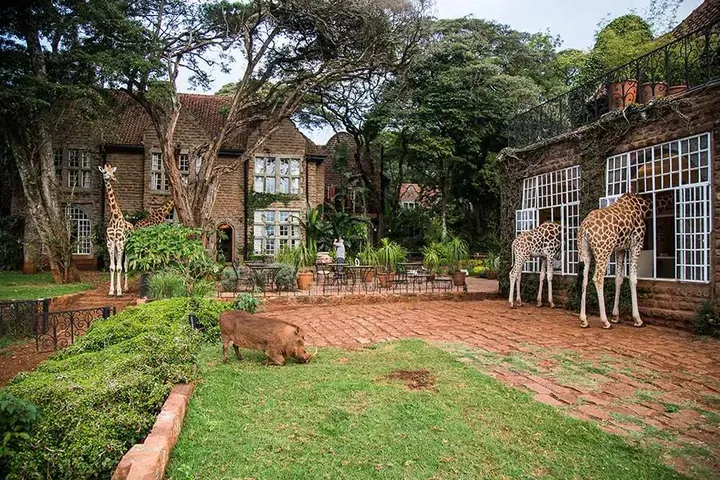
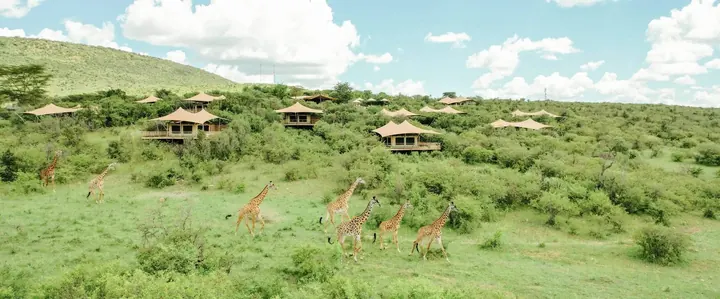
The park is also one of Kenya's best locations for both black and white rhino. The fenced sanctuary keeps rhino populations secure, and sightings are reliable. Lion, leopard, buffalo, and Rothschild's giraffe are all present. At just 188 square kilometres, the park is easy to explore in a day, making it a natural stopover on the way between Nairobi and the Mara.

Flamingos Rhino Sanctuary Rift Valley Birding Rothschild's Giraffe

Together, Tsavo East and Tsavo West form one of the largest protected wilderness areas in the world — over 22,000 square kilometres of raw, red-earth landscape. This is Kenya's untamed side. The parks are vast, empty, and rich with a frontier atmosphere that the more popular northern reserves have long since lost.

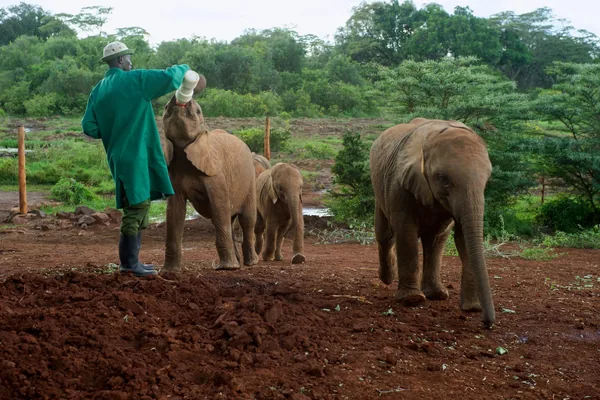
Tsavo East is defined by its wide-open semi-arid plains and the Galana River. Elephants here are famous for their red colouring — they dust-bathe in the park's iron-rich laterite soil until their skin turns deep terracotta. The Yatta Plateau, the world's longest lava flow, runs along the western boundary. Tsavo West is more varied — volcanic hills, the crystal-clear Mzima Springs where hippos and crocodiles cruise in underwater visibility, and thick bush that shelters black rhino.

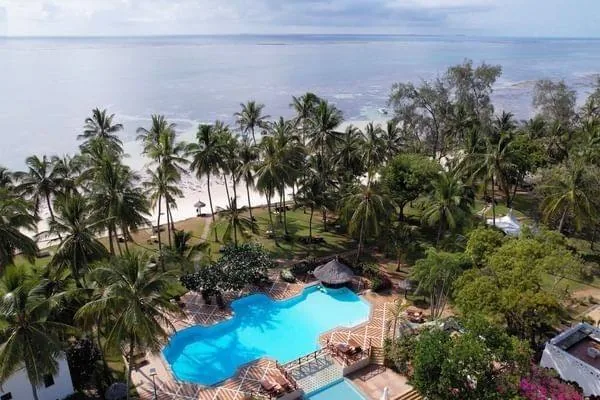
Tsavo rarely features on standard Kenya itineraries, which is precisely its appeal. You will encounter very few other vehicles. The parks connect easily to the Kenya coast, making them a natural bridge between safari and beach.

Red Elephants Mzima Springs Remote Wilderness Safari & Beach Black Rhino

Activities & Experiences

Game Drives

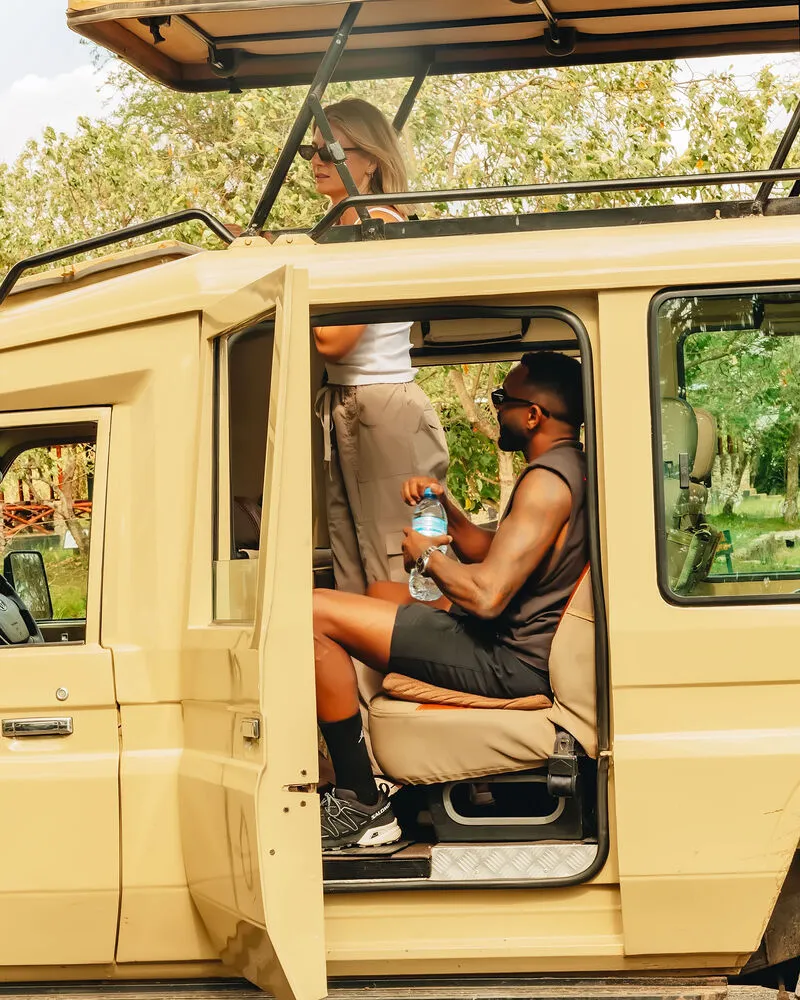
Morning and afternoon drives in open-sided 4WD vehicles. Your guide reads the bush — tracks, alarm calls, bird behaviour — to find animals naturally. Sunrise departures catch predators returning from the hunt.

Hot Air Balloons

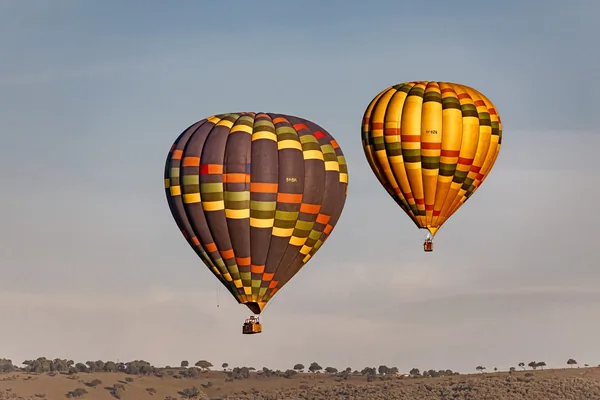
Float over the Masai Mara at dawn as the savannah lights up below you. A champagne breakfast in the bush follows your landing. This is one of the most memorable ways to see the migration from above.

Walking Safaris

Step out of the vehicle and into the bush with armed guides. Available in conservancies and Laikipia. You read tracks, identify medicinal plants, and experience the savannah at ground level — where every sound and scent registers differently.

Night Drives

After dark, a different Africa emerges. Spotlight-assisted drives in private conservancies reveal leopard, aardvark, bush babies, genet, porcupine, and honey badger — creatures invisible during daylight. Available in conservancies only.

Horseback Safaris

Ride alongside zebra, giraffe and antelope through Laikipia's open grasslands. Horses allow you to approach wildlife without the noise of an engine. Available for experienced riders — from half-day rides to multi-day mobile expeditions.

Maasai Cultural Visits

Visit a Maasai village near the Mara or Amboseli. Watch traditional jumping dances, learn about cattle herding and warrior traditions, and browse handmade beadwork. These visits are arranged through community partnerships that benefit local families directly.

Best Time to Visit

July – October: Peak season. Dry weather, excellent game viewing across all parks, and the Great Migration is in the Masai Mara. River crossings happen throughout this period. Book well ahead — the best camps fill early.

January – February: Short dry season. Clear skies, warm days, and good predator activity. Fewer visitors than the July–October window. Excellent for Amboseli and Samburu.

November – December & March – June: Green season. Lush landscapes, newborn animals, migratory birds. Lower rates and fewer crowds. Short afternoon rains rarely interrupt game drives. A good option for travellers who prefer quieter reserves.

What to Expect

A typical day starts before dawn. You'll be up around 5:30am for coffee and rusks, then out on a game drive by first light — this is when predators are active and the light is best for photography. After a few hours in the bush, you return to camp for a full breakfast and time to rest.

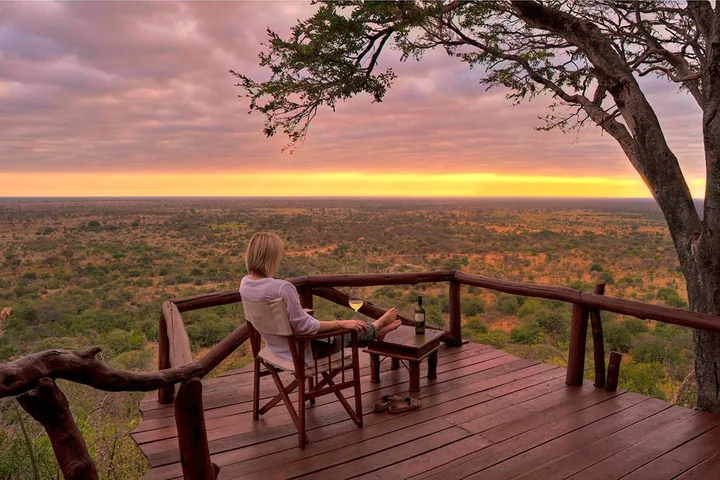
Afternoons follow a similar rhythm: tea at 3:30pm, then an afternoon drive until sunset. Many camps serve sundowners — a cold drink in the bush as the sky turns orange — before heading back for dinner under the stars. Expect generous meals, cold drinks in the vehicle, and a pace set entirely by what the bush offers.

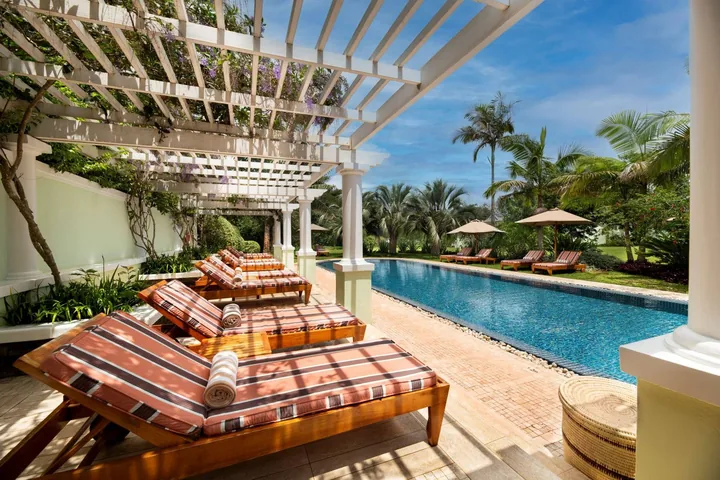
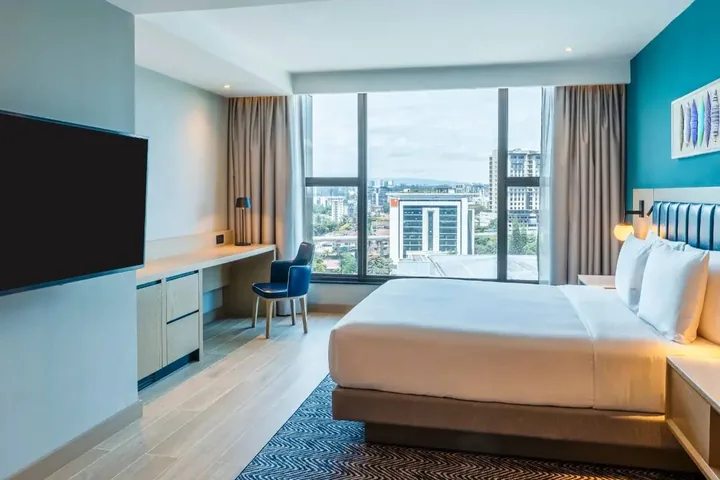
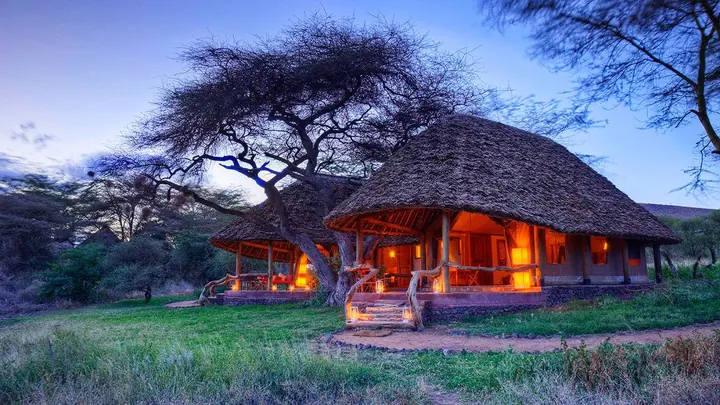
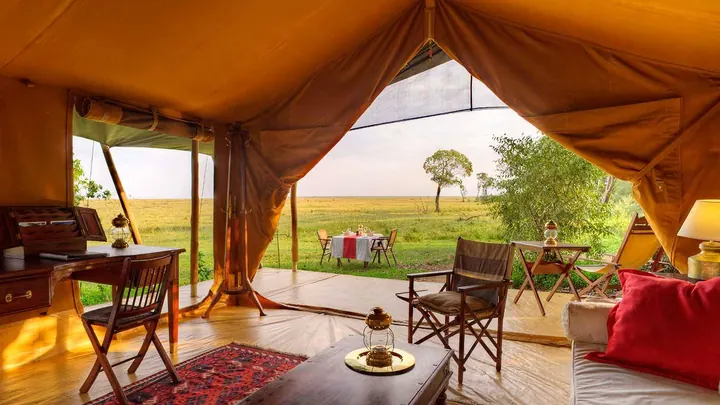
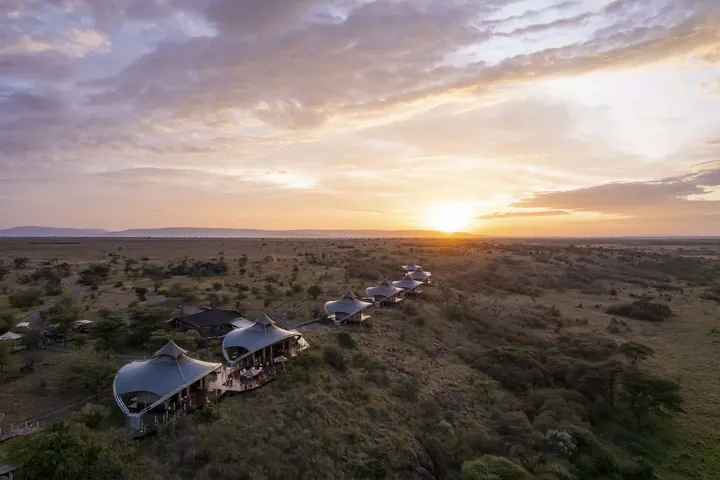
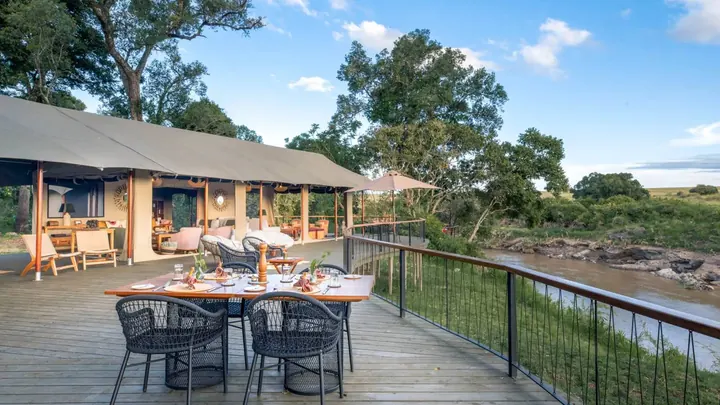
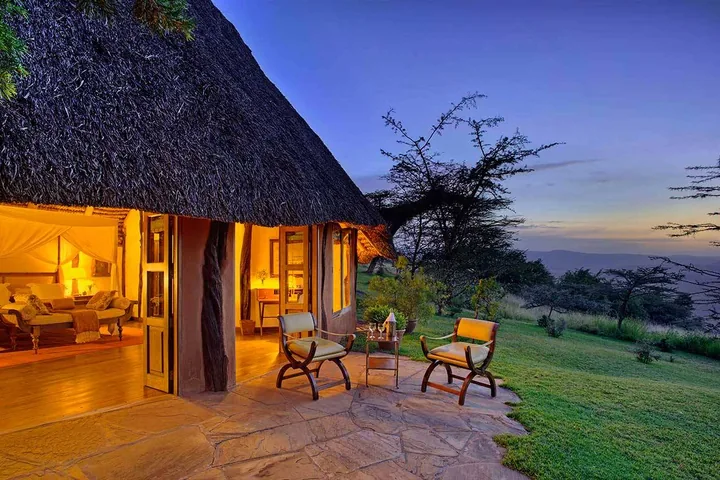
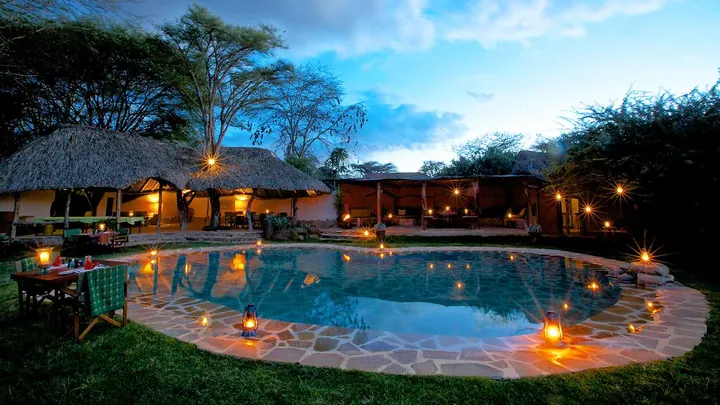
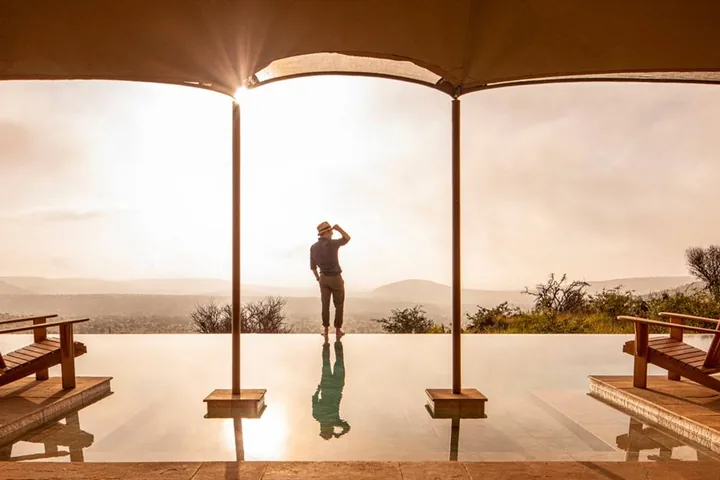
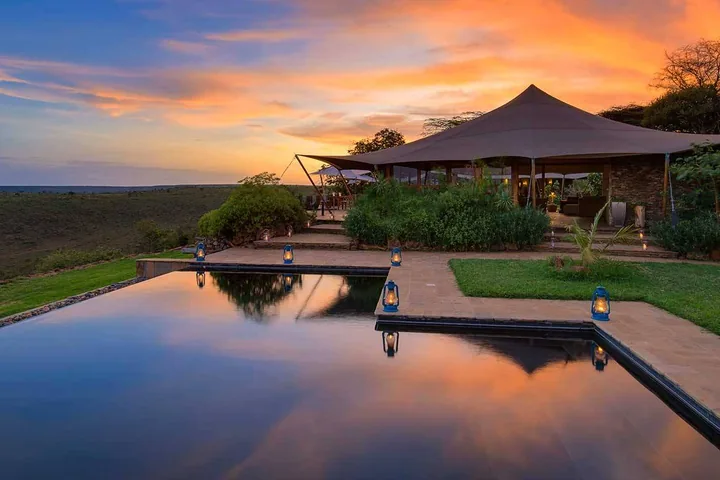
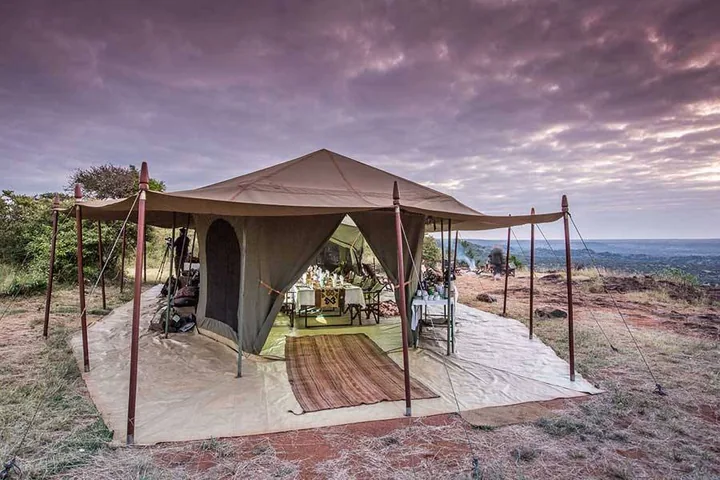
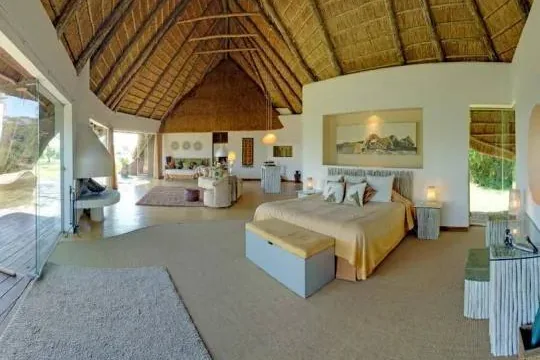
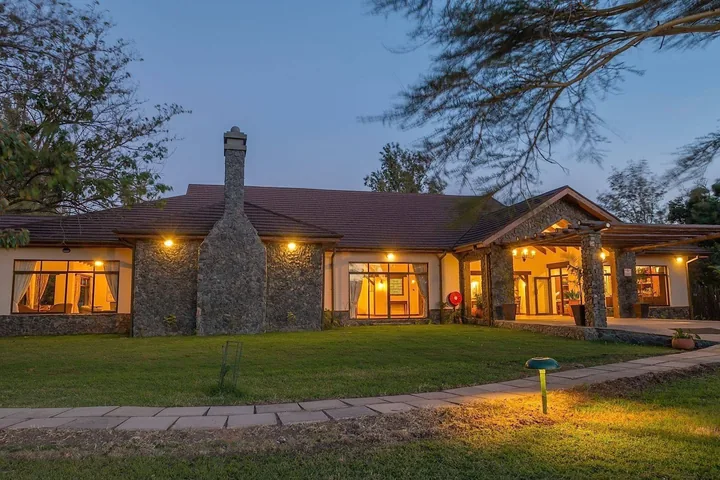
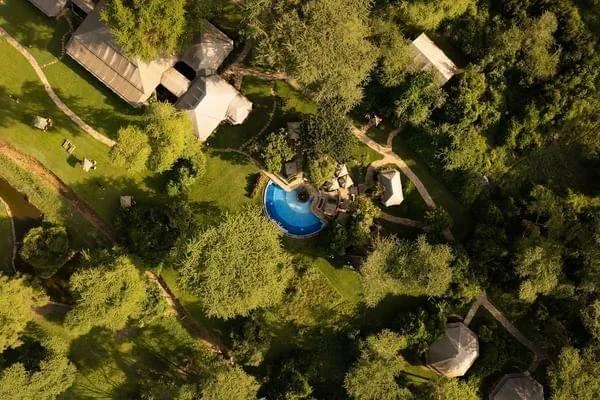
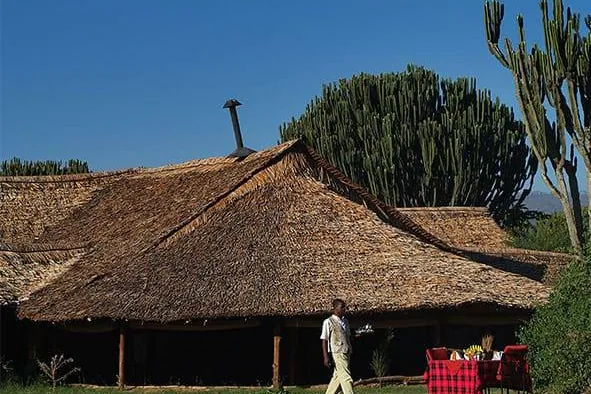
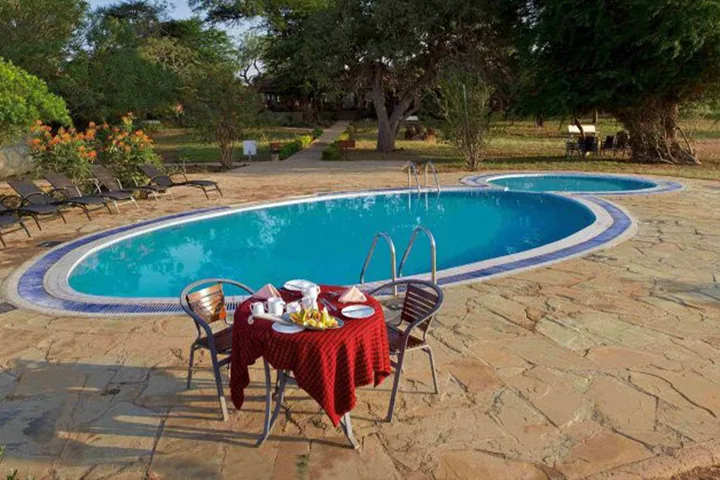
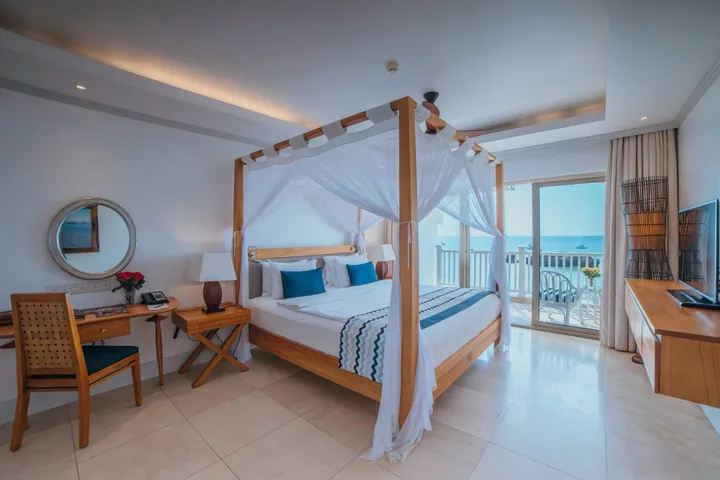
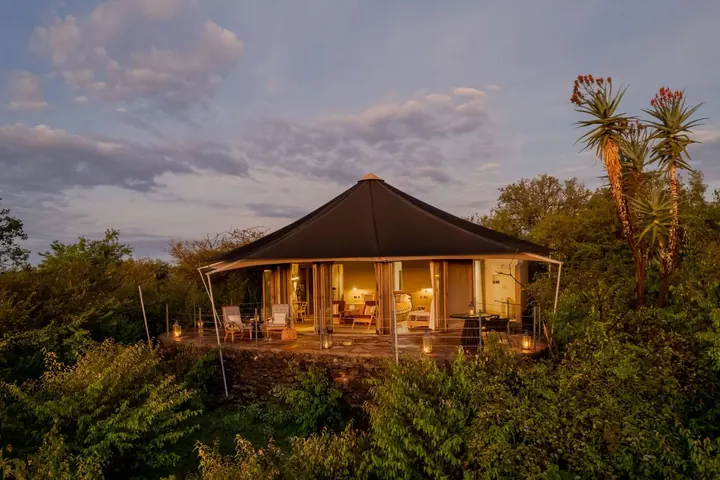
Camps range from classic tented safari (canvas walls, en-suite bathrooms, bucket showers) to luxurious lodges with swimming pools and wine cellars. We match the accommodation to your preferences and budget.

What to Pack

Clothing

  • Neutral colours — khaki, olive, tan, brown (avoid bright white and blue)
  • Layers for early mornings (it can be cold at 5:30am, especially in the Mara highlands)
  • Light long-sleeved shirts and trousers for sun and mosquito protection
  • A warm fleece or jacket for early game drives and evening campfires
  • Comfortable walking shoes or boots (closed-toe, broken in)
  • A wide-brimmed hat and sunglasses

Essentials

  • Binoculars — a good pair transforms the experience
  • Camera with a zoom lens (200–400mm ideal for wildlife)
  • High-SPF sunscreen and insect repellent (DEET-based)
  • Personal medications and anti-malarial prophylaxis
  • A headlamp or small torch for camp at night
  • Soft-sided bags only — hard suitcases don't fit in light aircraft

Is Kenya Family-Friendly?

Kenya is one of the best safari destinations for families. Many camps and lodges welcome children from age five upwards, with dedicated family tents, shorter game drives, and child-friendly menus. Some properties run junior ranger programmes where kids learn tracking, bush skills, and animal identification with trained guides.

The Masai Mara conservancies and Laikipia are particularly good for families — game drives can be tailored to shorter durations, there's no minimum age for vehicle-based safaris (though individual camps may set their own limits), and the private conservancy format means you can go at your own pace without the pressure of park gates and schedules.

For families with younger children, we recommend properties with swimming pools, flexible meal times, and qualified babysitters. Walking safaris and horseback rides have minimum age requirements (typically 12–16 depending on the activity). We'll match you with the right camps for your family's ages and energy levels.

Explore More Destinations