They share a border, an ecosystem and the same two million wildebeest. Yet a Kenyan safari and a Tanzanian safari feel different the moment you're on the ground: the size of the parks, the rules each country sets, the camps, the crowds, and what each one does best in a given month. Every comparison page on the internet ends with "there's no wrong choice". We book both every week, so here's an actual verdict, with the numbers.
The Verdict
First African safari: Tanzania. The Serengeti, Ngorongoro Crater and Tarangire in one circuit you can drive, the widest range of camps and prices, and Zanzibar a short flight away at the end. Second safari, or if exclusivity is the point: Kenya. The private conservancies around the Masai Mara give you night drives, walking, off-road driving and capped vehicle numbers that the Serengeti can't. Chasing the migration: pick by month, and if you have 10 to 14 nights, do both and follow the herds across the river.
- First safariTanzaniaAny month but Apr to MayScale, variety and a drive-able circuit. The easiest great safari to deliver.
- ExclusivityKenya's conservanciesYear round, Sep for crossingsNight drives, walking, off-road, few vehicles. Kenya's real edge.
- Calving seasonSouthern SerengetiJanuary to FebruaryThousands of calves a day on the Ndutu plains. Nothing like it in Kenya.
- Beach finishTanzania, ZanzibarJun to Oct, Jan to FebA direct flight from the Serengeti airstrips. Kenya's Diani goes back via Nairobi.
The Same Wildlife, A Different Feel
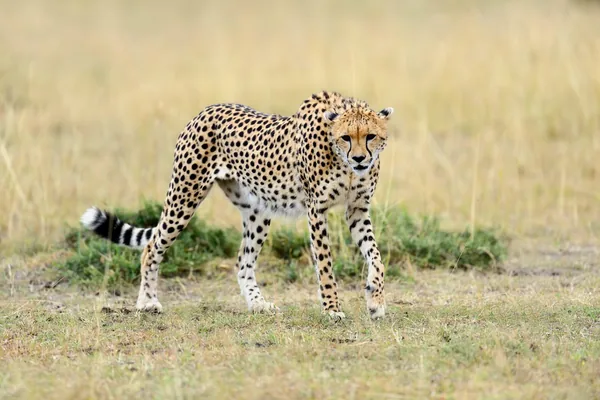
Here's the thing most comparison pages skip. Kenya and Tanzania aren't separate wildlife worlds. The Masai Mara is the northern tip of the Serengeti, separated by a line on a map, and the Great Migration loops across both countries every year. The lions, leopards, cheetahs and elephants are the same animals. What changes is everything around them: how big the parks are, what you're allowed to do in them, how many vehicles share a sighting, and how the trip fits together.
So the wrong question is which country has more wildlife. Both have more than you can take in. The right question is which safari suits your month, your group and your budget.
The Parks: Scale Against Concentration
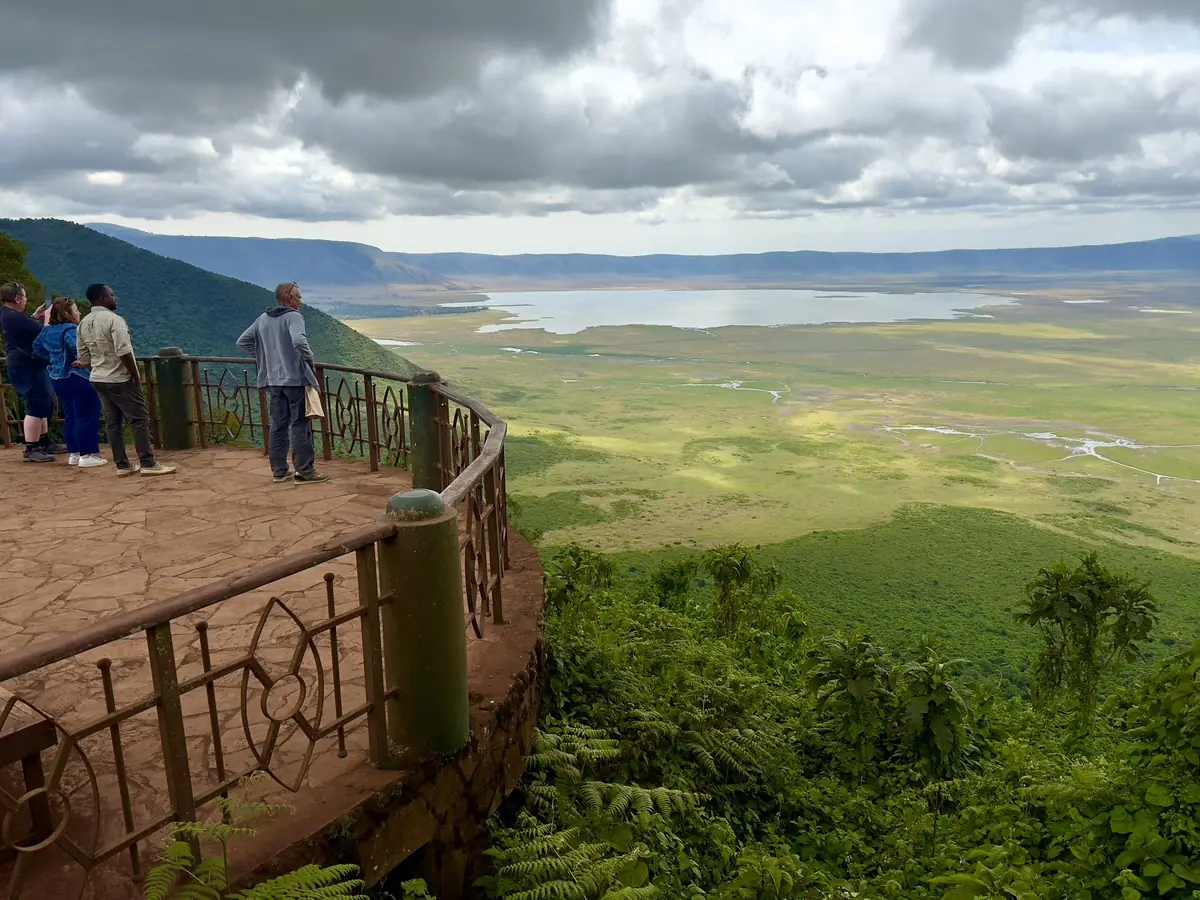
Tanzania's northern circuit is built on scale. The Serengeti alone is 14,763 square kilometres of plains, kopjes and woodland, about ten times the Mara reserve. Add the Ngorongoro Crater, where one caldera packs in lion, hyena, elephant and the country's few black rhino, and Tarangire with its elephant herds and baobabs, and you've got variety as well as size. Drive 40 minutes from camp in the Serengeti and you may not see another vehicle.
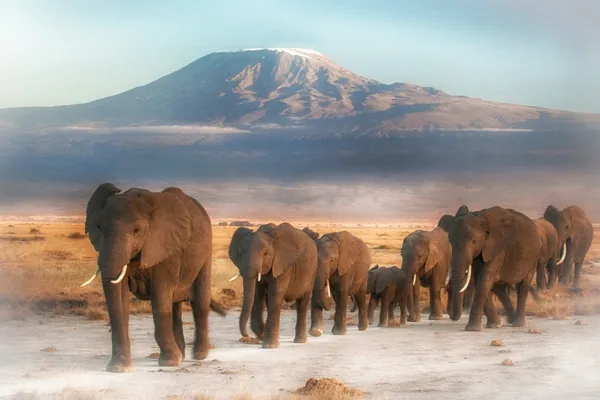
Kenya trades scale for concentration. The Masai Mara reserve is roughly 1,500 square kilometres, but the game is denser per kilometre, the grass is greener and the big-cat viewing is exceptional in every month. Beyond the Mara, Kenya has Amboseli with its elephants under Kilimanjaro, the red-earth wilderness of Samburu, and Laikipia's rhino sanctuaries. It's a set of smaller, more varied parks rather than one giant one.
Tanzania shows you the scale of Africa. Kenya shows you the variety packed into it.The shortest honest summary we have
Kenya's Big Advantage: The Conservancies
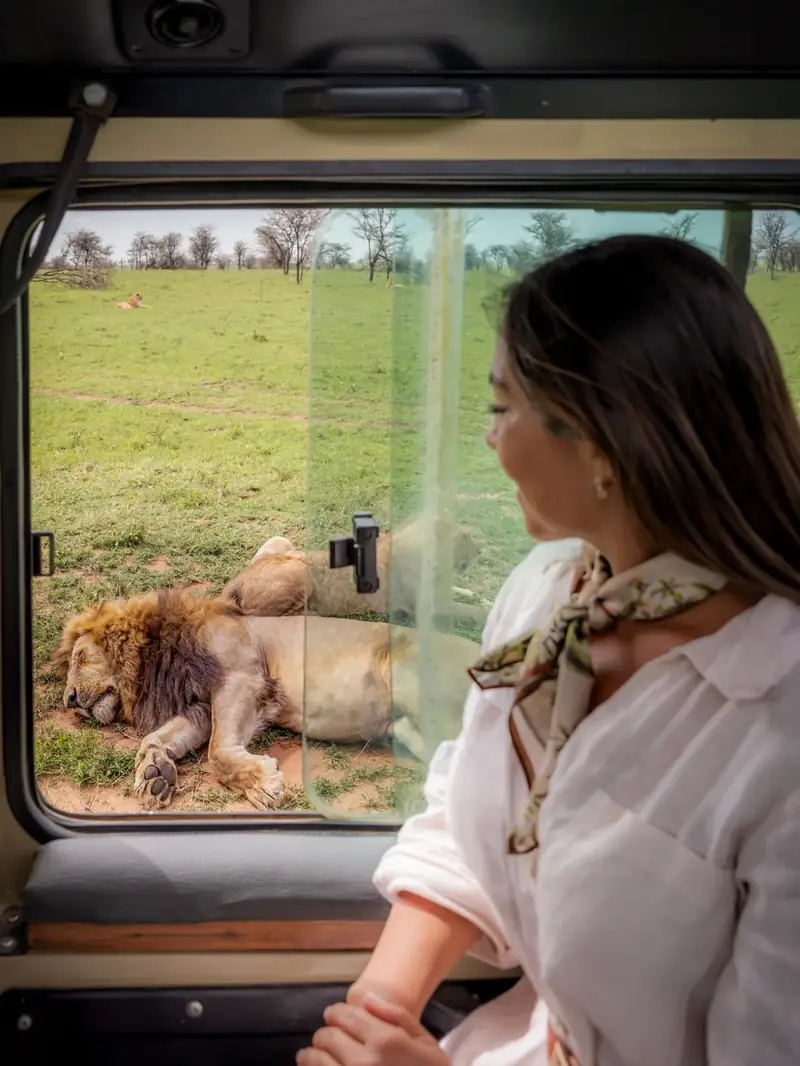
This is the single biggest difference between the two countries, and the one travellers least understand before they go. Around the Masai Mara sits a ring of private conservancies, Mara North, Naboisho, Olare Motorogi, Ol Kinyei and others, leased from the Maasai communities who own the land. They cap the number of vehicles at a sighting, they're closed to day-trippers from the main reserve, and they allow night drives, guided walking and off-road driving. None of that is possible inside the Serengeti, where every drive is by day and on the track.
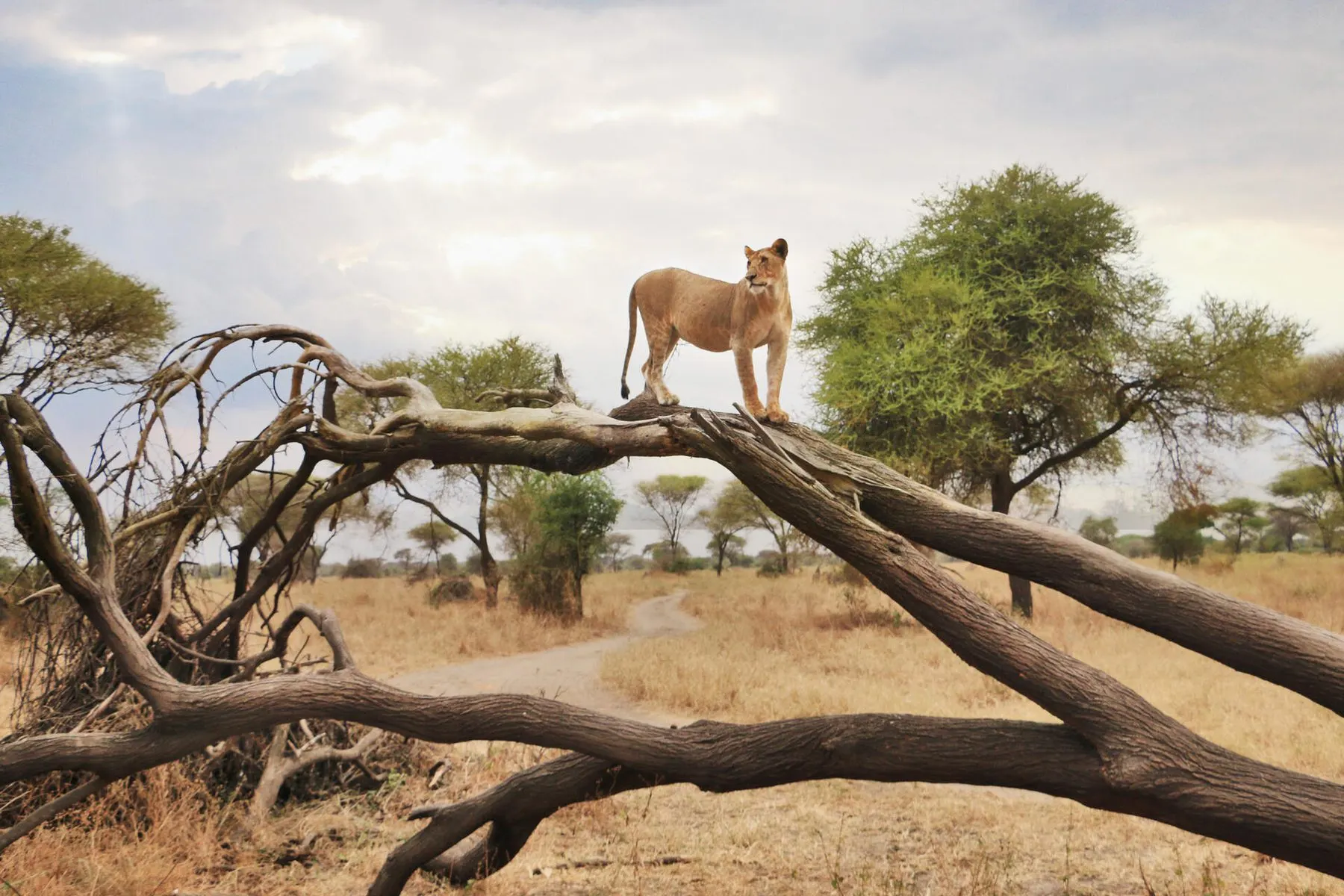
In practice: a leopard sighting to yourself, a vehicle that can follow a hunt off the road, a drive after dark for the nocturnal animals, and a walk with an armed guide and a Maasai tracker. The main Mara reserve, by contrast, can get genuinely crowded around a big cat in peak season, and a ten-year freeze on new beds inside the reserve means that isn't changing. Tanzania has private concessions on the Serengeti's edges where similar rules apply, but Kenya's conservancy network is bigger and more central to what Kenya offers.
The Migration: The Month Decides
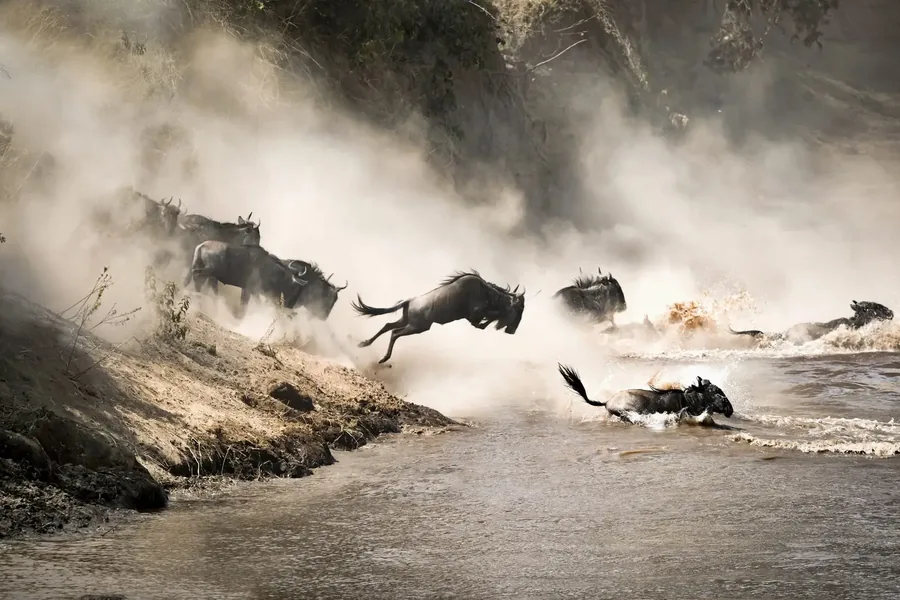
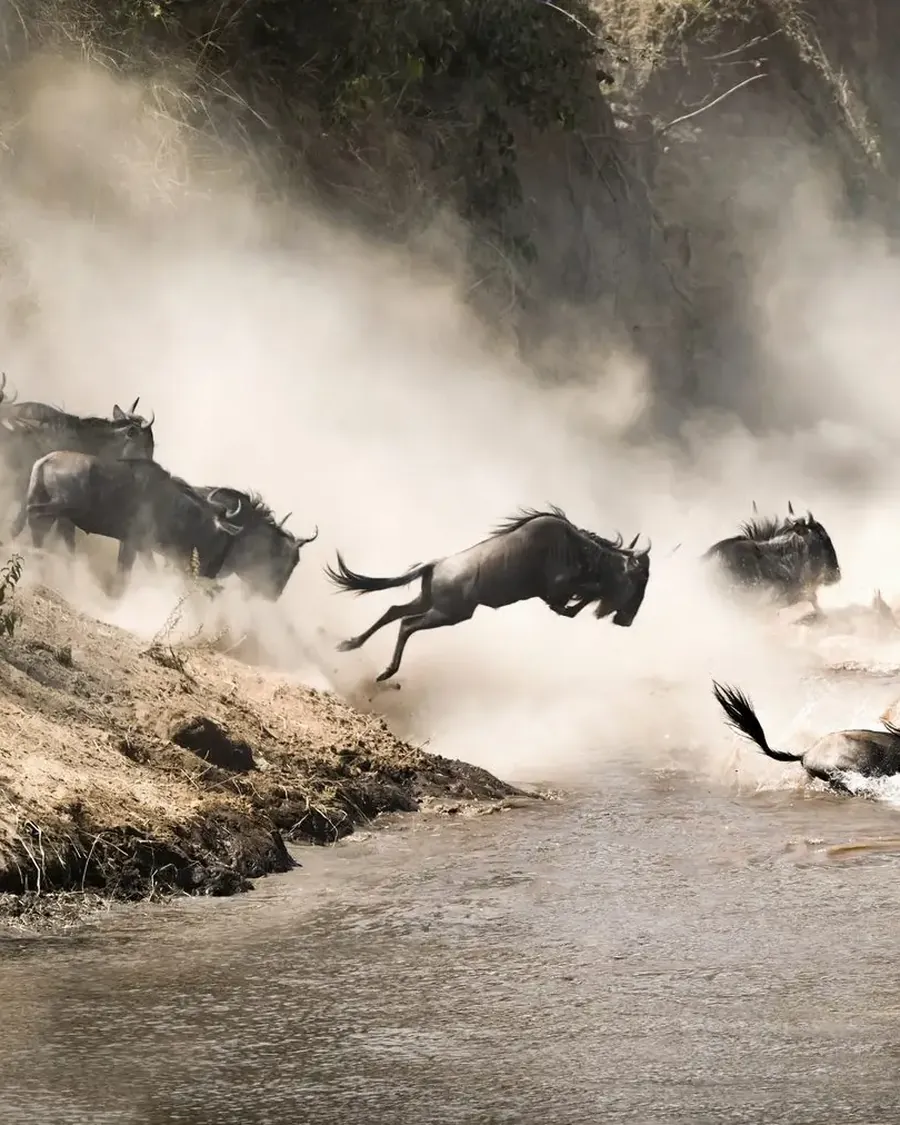
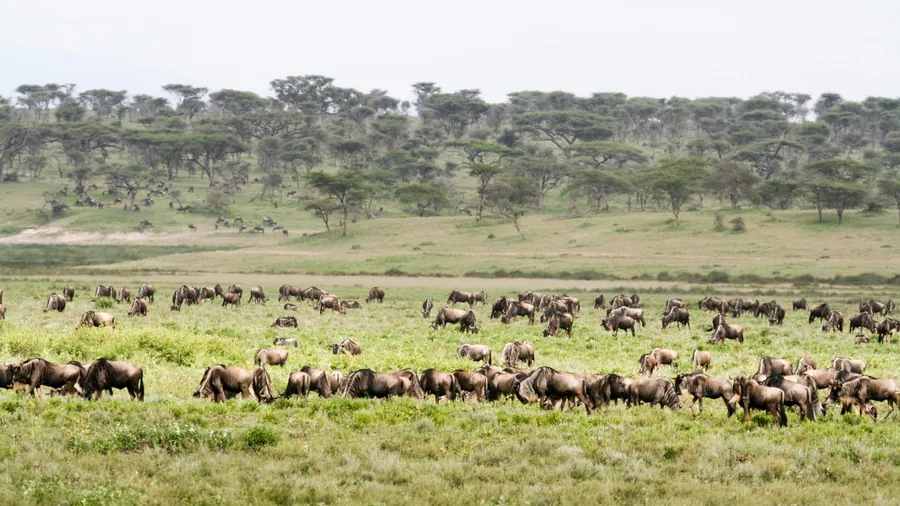
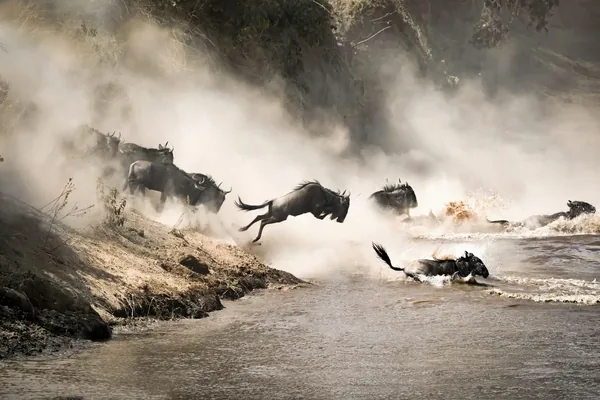
Both countries claim the Great Migration and both are right, because the herds spend part of every year in each. It's a continuous loop, not an event. Where to be, month by month:
| Month | Where the herds are | Tanzania | Kenya | Our pick |
|---|---|---|---|---|
| Jan to Feb | Ndutu plains, southern Serengeti: calving | Best. Thousands of calves a day, predators everywhere. | Good: lion season, empty, cheap. | Tanzania |
| Mar | Southern Serengeti, moving north | Good until the rains build late month. | Rains begin. | Tanzania, early |
| Apr to May | Central and western Serengeti | Long rains. Avoid, late May is fine. | Long rains. Avoid. | Neither, or late May |
| Jun | Western corridor, Grumeti River | Good: Grumeti crossings, dry season begins. | Shoulder, coming good. | Tanzania |
| Jul | Northern Serengeti, first Mara River crossings mid month | Best: crossings begin at Kogatende with fewer vehicles. | Herds arriving late month. | Tanzania |
| Aug | Mara River, both sides | Best: full crossing month. | Best: peak crossings from late month. | Either, or both |
| Sep | Masai Mara and northern Serengeti | Best: peak crossings on the Tanzanian bank. | Best: the Mara's finest month. | Kenya |
| Oct | Herds turning south into Tanzania | Best: crossings and the southbound run. | Best, tailing off late month. | Tanzania |
| Nov | Central Serengeti, short rains | Shoulder, value. | Shoulder. | Tanzania for value |
| Dec | Heading for the southern plains | Good, festive peak late month. | Good, green. | Tanzania |
Shaded rows are the strongest windows. The rains are increasingly erratic and the herds run early or late by the year, so we sell the season and the probability, never a crossing on a date.
Side by Side
| Factor | Kenya | Tanzania |
|---|---|---|
| Flagship parks | Masai Mara, Amboseli, Samburu, Laikipia | Serengeti, Ngorongoro, Tarangire, Lake Manyara |
| Scale | Smaller, varied, denser game | Vast; more solitude; bigger plains |
| Off-road, night drives, walking | Yes, in the conservancies | Not in the Serengeti; night drives at Tarangire and Manyara; concessions only |
| Vehicle density | High in the main reserve, low in conservancies | Low outside Seronera and the crossing points |
| Migration | Crossings late Aug to Oct | Calving Jan to Feb; Grumeti Jun; crossings Jul to Oct |
| Rhino | Reliable at Ol Pejeta and Lewa | A few black rhino in the Crater, at a distance |
| Getting around | Mostly fly-in to the Mara and Laikipia | Drive the whole northern circuit, or fly to the Serengeti |
| 7 nights private, for two | C$7,650 to C$16,300 a person | C$7,100 to C$10,700 a person |
| Kids | Family conservancy camps, child guiding | Drive-in circuit, most lodges from about 5 to 8 |
| Beach | Diani, via Nairobi | Zanzibar, direct from the Serengeti airstrips |
| From Canada | No non-stop; you connect once or twice | No non-stop; you connect once or twice |
| Entry paperwork | eTA, online before you fly, which includes Kenya's mandatory travel health insurance | Visa USD 50 (single entry, valid 90 days) plus inbound insurance about USD 44; apply online before you fly or get it on arrival |
| Pairs with | Tanzania, Uganda gorillas, Diani | Zanzibar, Kenya, Rwanda gorillas, Victoria Falls |
Park Fees: The Line Nobody Shows You
Park fees are a big part of any East African quote and they're where the two countries actually differ. These are the current non-resident adult figures from the park authorities, per person per day, as we pay them:
| Park | Fee | Note |
|---|---|---|
| Masai Mara reserve, Kenya | USD 200 July to December, USD 100 January to June | Doubled in 2024 to control numbers. Conservancies charge their own fee on top of the camp rate. |
| Amboseli, Kenya | USD 90 | Kenya Wildlife Service rate. |
| Serengeti, Tanzania | USD 82.60 (USD 70.80 from 15 March to 15 May) | USD 70 plus 18% VAT. Sleeping inside the park adds a concession fee. |
| Ngorongoro, Tanzania | USD 70.80 per 24 hours, plus USD 295 per vehicle to drive into the Crater | The crater fee is per vehicle, so it's shared across your group. |
So a couple spending four days in the Mara in September pays USD 1,600 in park fees alone; the same four days in the Serengeti is about USD 660. That gap, not the lodges, is most of why Kenya's floor sits higher. We show every fee as its own line on the quote, nothing bundled.
Cost: Closer Than People Think
You'll read all over the internet that one country is cheaper. The truth is more boring: at equivalent quality they cost about the same. A classic 7-night private safari for two runs roughly C$7,100 to C$10,700 a person in Tanzania and C$7,650 to C$16,300 in Kenya in our quotes, depending on the camps, before international flights. Tanzania has the deeper budget tier, so its floor is lower. Kenya's premium ceiling, the conservancies, runs higher because the model deliberately caps guest numbers and you're paying for that. Cost shouldn't decide between these two. The experience should. Our Tanzania safari cost guide and Kenya safari cost guide break each one down in Canadian dollars.
Getting There From Canada
Both are a long way from home and the logic is similar, and you book your own international flights. Kenya: there's no non-stop flight from Canada to Nairobi, East Africa's aviation hub. You connect once or twice, usually in Europe, the Gulf or Addis Ababa, then it's a light aircraft from Wilson airport to the Mara or Amboseli airstrips. Tanzania: there's no non-stop flight from Canada to Kilimanjaro either. You connect once or twice, then you drive the northern circuit from Arusha or fly into the Serengeti. We'll find the best route for your dates for either one. Tanzania is easier to get around once you're there, because you can do the whole circuit by road.
Travelling With Kids
Both work, and this is one area where they're genuinely level. Tanzania's northern circuit can be driven the whole way by 4WD from Arusha, so young children never need a small aircraft, and most lodges welcome kids from about 5 to 8, with Ngorongoro and Tarangire running proper family set-ups. Kenya matches it with family camps in several conservancies: child guiding, shorter drives, private vehicles so younger children don't disrupt other guests, and walking for teenagers. With very young children both are straightforward. The beach finish usually decides it, and that's Tanzania's.
The Beach Question
Most safari travellers want to finish with their feet in the Indian Ocean. Tanzania's finish is Zanzibar, a direct flight from the Serengeti airstrips in season, with white sand, Stone Town and reef snorkelling. Tanzania plus Zanzibar is our single most-booked trip shape. Kenya's coast runs to Diani Beach near Mombasa, which is lovely, but the hop from the Mara usually routes back through Nairobi. If a smooth beach finish matters, Tanzania has the easier shape. Our Zanzibar month-by-month guide covers the island.
Doing Both: Following the Herds
For the migration, combining both countries is the most satisfying way to see it, and easier than most people expect. Four nights in the northern Serengeti in late July or August, then a short cross-border flight to a Mara conservancy for three or four nights. AirKenya sells a daily through-ticket between the Mara and the Serengeti airstrips, around USD 730 a person with the road transfer at the border included, except from 1 April to 20 May when it doesn't run. Do Kenya first: Tanzania checks yellow fever certificates on arrival from Kenya, so take the itinerary to your family doctor or a travel clinic around eight weeks out. You'll need Kenya's eTA online before you fly and a Tanzanian visa (online, or on arrival), through the official sites only (etakenya.go.ke and visa.immigration.go.tz), plus Tanzania's inbound insurance. Allow 10 to 14 nights to do both justice.
Pick Tanzania if it's your first safari, you want scale and variety in one country, a Zanzibar finish, calving season, or the widest price range. Pick Kenya if exclusivity matters, you want night drives and walking, you're chasing the September crossings, big cats or rhino are the priority, or you want elephants under Kilimanjaro. Do both if you have 10 to 14 nights and the migration is the reason for the trip.
Where We Stay
The camps we book most in each country, by what they're for. All of them are on our where you'll stay page.
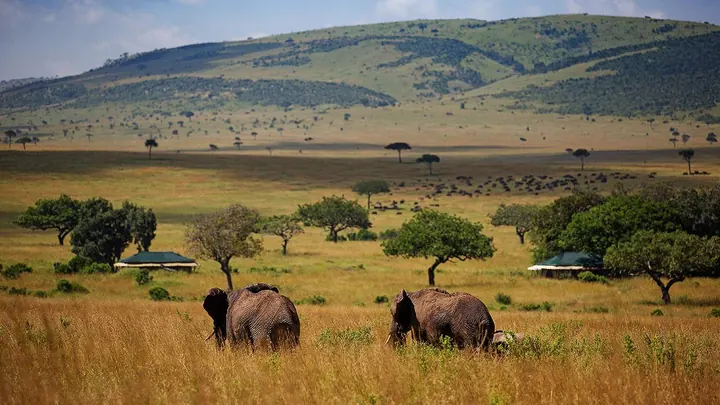 Sand RiverMasai Mara, Kenya1920s-style tents on the Sand River, inside the reserve, close to the crossings.
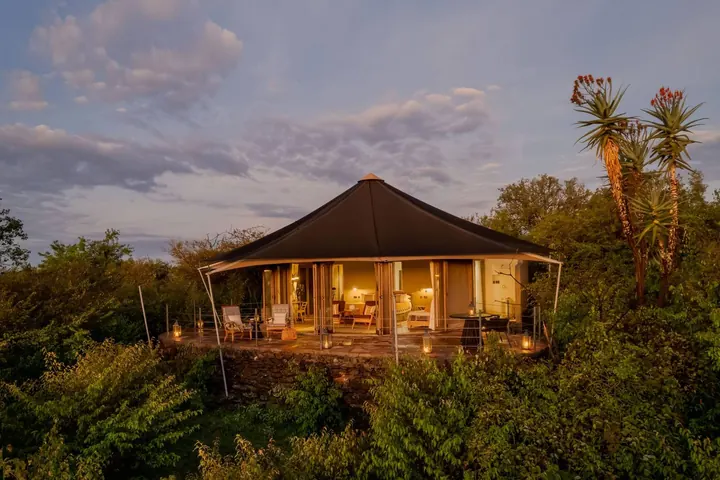 Ol Seki HemingwaysNaboisho Conservancy, KenyaThe conservancy experience done properly: night drives, walking, few vehicles.
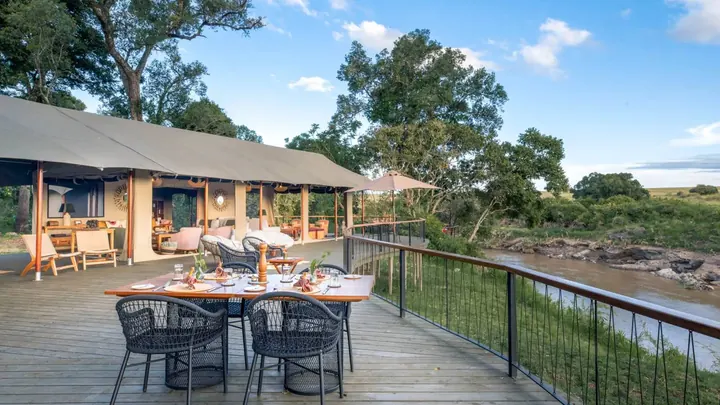 Rekero CampMasai Mara, KenyaOn the Talek River at a crossing point. The September camp.
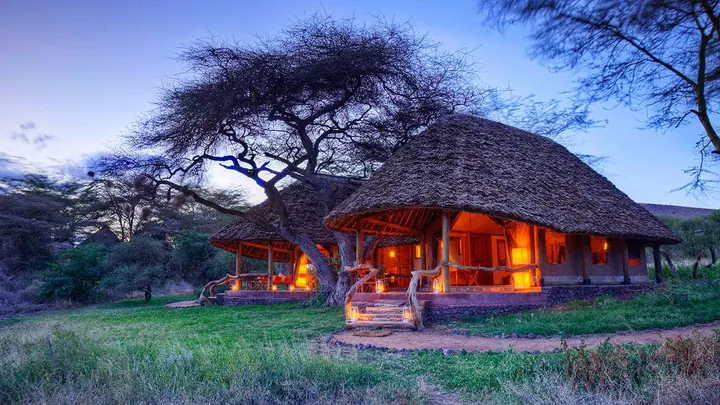 Tortilis CampAmboseli, KenyaKilimanjaro from the tent, elephants on the plain below.
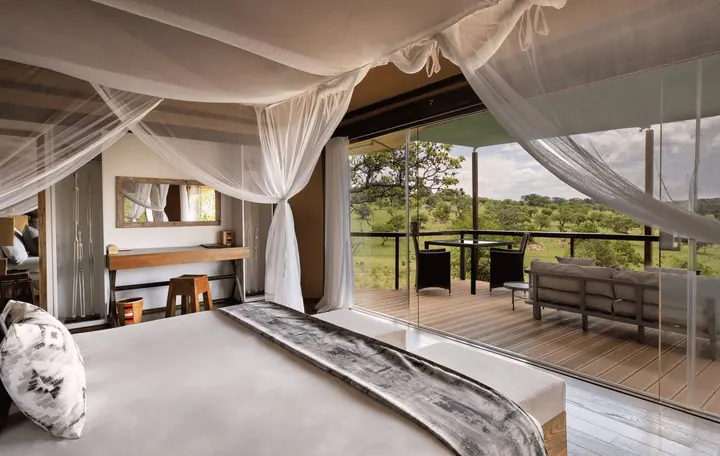 Lemala Kuria HillsNorthern Serengeti, TanzaniaGlass-fronted suites above the Mara River crossings, July to October.
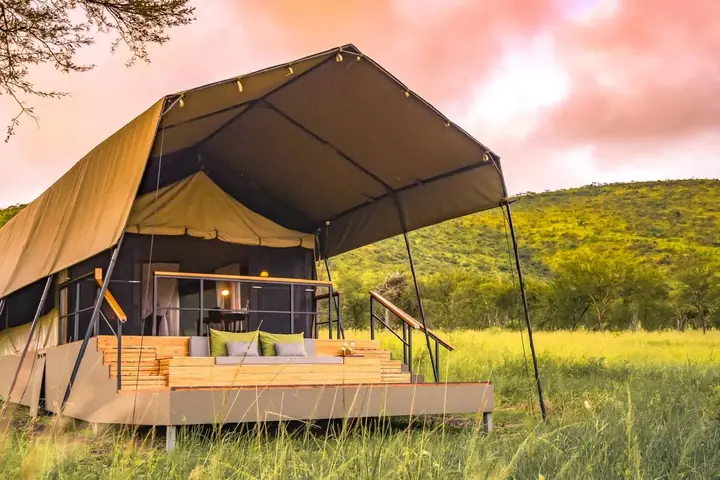 Dunia CampCentral Serengeti, TanzaniaAn all-women-run camp in the Moru kopjes. Our favourite central Serengeti stay.
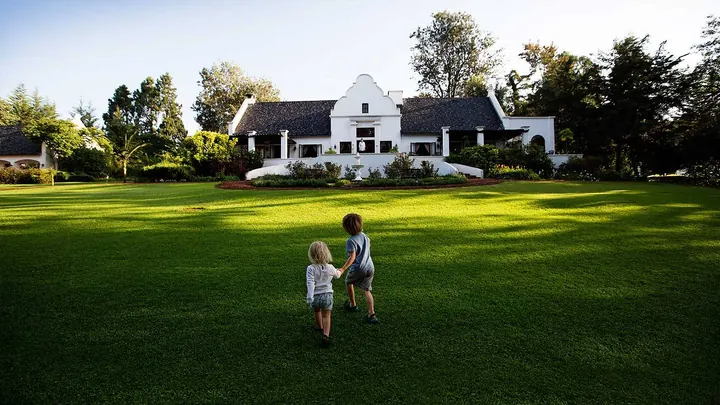 The Manor at NgorongoroKaratu, TanzaniaA Cape Dutch manor on a coffee estate, the Crater half an hour away.
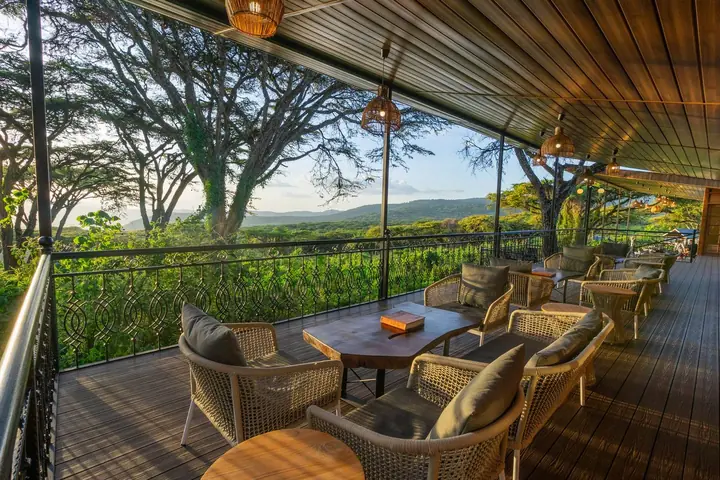 Lion's PawNgorongoro rim, TanzaniaOn the crater rim itself, first into the caldera at dawn.
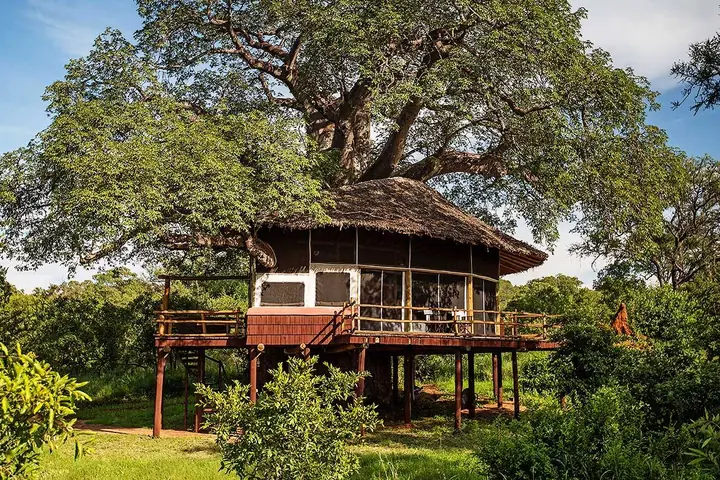 Tarangire TreetopsTarangire, TanzaniaTreehouse suites among the baobabs, elephants at the waterhole.
Frequently Asked Questions
Is Kenya or Tanzania better for a safari?
For a first safari, Tanzania: the Serengeti, Ngorongoro Crater and Tarangire in one drive-able circuit, more lodge tiers, and Zanzibar a short flight away. For exclusivity, night drives and walking, Kenya's private conservancies around the Masai Mara are the best thing in East Africa. The wildlife is the same ecosystem; the experience around it differs.
Is Kenya or Tanzania cheaper for a safari?
At the same quality they cost about the same. In our quotes a 7-night private safari for two runs roughly C$7,100 to C$10,700 a person in Tanzania and C$7,650 to C$16,300 in Kenya before international flights. Tanzania has the lower floor because its budget tier is deeper; Kenya's conservancies push the ceiling higher. Park fees are steep in both: the Mara is USD 200 a day from July to December.
Which country is better for the Great Migration?
It depends on the month. January and February calving is in Tanzania's southern Serengeti, with nothing like it in Kenya. June and July the herds are in the western and northern Serengeti. Late August and September the Mara River crossings favour the Kenyan side. October the herds head south into Tanzania again. We sell the season and the probability, never a crossing on a date.
Can I do Kenya and Tanzania in one trip?
Yes, and it's the best way to follow the migration. Four nights in the northern Serengeti then a direct flight over the border to a Mara conservancy for three or four nights. AirKenya runs a daily through-ticket between the Mara and the Serengeti airstrips at around USD 730 a person, except from 1 April to 20 May. Do Kenya first: Tanzania checks yellow fever certificates on arrival from Kenya.
Which has fewer crowds, Kenya or Tanzania?
Tanzania overall: the Serengeti is about ten times the size of the Mara reserve and you can drive 40 minutes without seeing another vehicle outside Seronera and the crossing points. The main Mara reserve gets crowded around big cats in peak season. The fix in Kenya is the conservancies, which cap vehicles at a sighting and are closed to day visitors.
Which is better for families with children?
Both work. Tanzania's northern circuit can be driven the whole way, so no small planes for young kids, and most lodges welcome children from about 5 to 8. Kenya's conservancies have family camps with child guiding, private vehicles and walking for teenagers. The beach finish usually decides it, and Zanzibar is the easier shape.
Which has the better beach, Kenya or Tanzania?
Tanzania. Zanzibar is a direct flight from the Serengeti airstrips in season, with Stone Town, the reefs and the north coast beaches. Kenya's Diani Beach is lovely but the safari-to-beach hop usually goes back through Nairobi.
Which is easier to get to from Canada?
Neither has a non-stop flight from Canada. You connect once or twice to Nairobi or Kilimanjaro, usually in Europe, the Gulf or Addis Ababa, and we'll find the best route for your dates. Both need entry paperwork: Kenya's eTA, applied for online before you fly and including Kenya's mandatory travel health insurance, and Tanzania's visa (USD 50, single entry), which you can apply for online or get on arrival, plus Tanzania's inbound insurance of about USD 44.
Which country is better for rhinos?
Kenya. Ol Pejeta and Lewa in Laikipia hold big protected populations of black and white rhino and you'll see them reliably. In Tanzania the Ngorongoro Crater has a handful of black rhino, usually seen at a distance.
What are Kenya's conservancies and why do they matter?
Private wildlife areas on Maasai community land ringing the Masai Mara reserve: Mara North, Naboisho, Olare Motorogi, Ol Kinyei and others. They cap vehicles at a sighting, allow night drives, walking and off-road driving, and are closed to day visitors. The Serengeti allows none of that inside the park. They cost more, and they're worth it if exclusivity matters.
What We'd Do If We Were Planning Your Trip
For most first-timers, Tanzania with a Zanzibar finish, because it's the easiest country to deliver a great classic safari across budgets and group types. The moment exclusivity, night drives or the September crossings come up, Kenya's conservancies become the better call, and for plenty of returning travellers they're the highlight of the continent. The right answer comes out of a short conversation about your dates, your group and whether a beach is on the cards. Tell us those three things and you'll have a real proposal in Canadian dollars within a day.