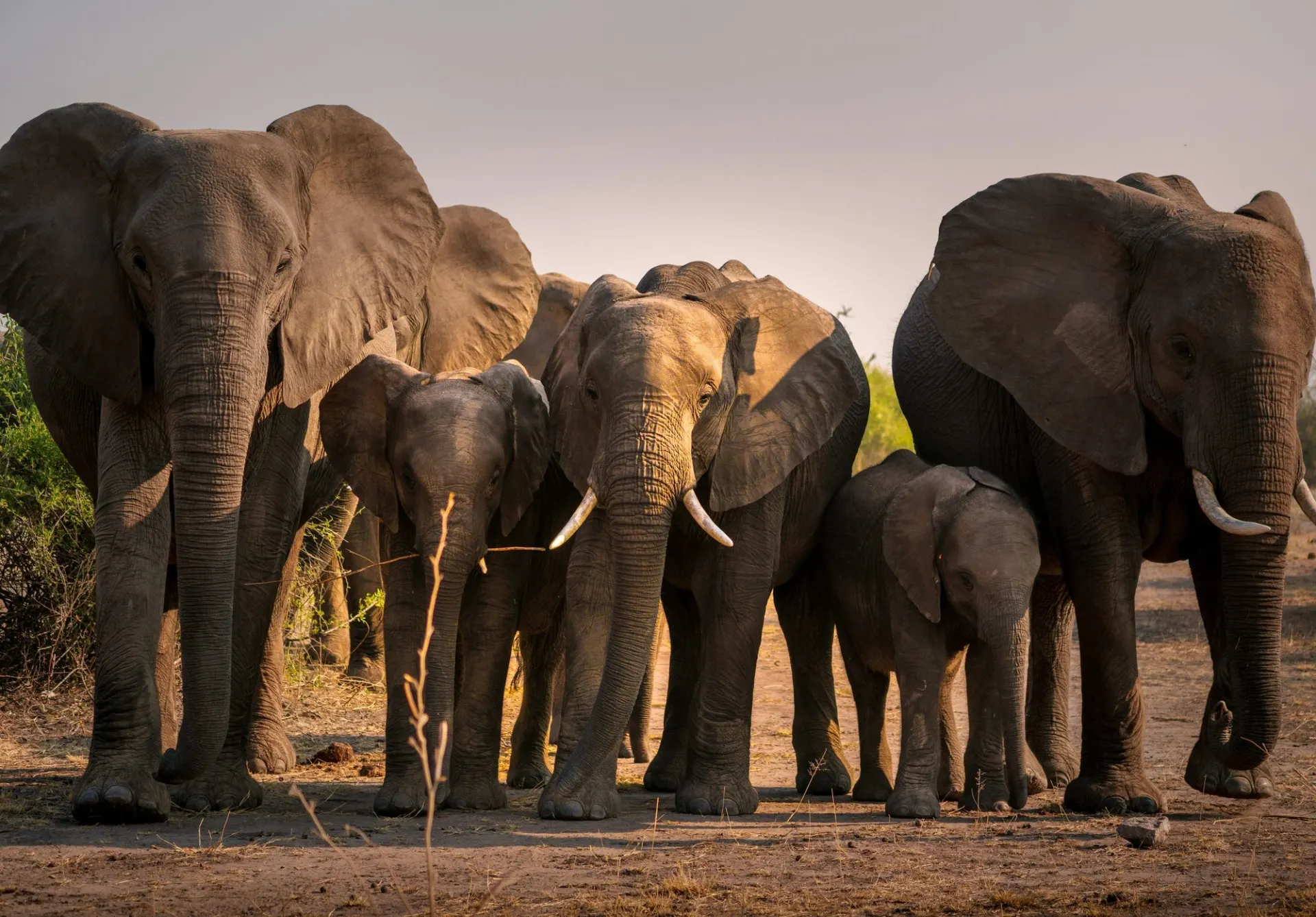
They share a border, an ecosystem and the same two million wildebeest. Yet a Kenyan safari and a Tanzanian safari feel genuinely different once you're on the ground. Different parks, different rules, different camps, different strengths depending on when you travel and who you're travelling with. If you're choosing between them for your first African trip, this is the honest comparison from Australia.
The Same Wildlife, A Different Feel
Here's the thing most comparison pages skip. Kenya and Tanzania aren't separate wildlife worlds. The Masai Mara is just the northern tip of the Serengeti, separated by a line on a map, and the Great Migration loops across both countries every year. So the animals are largely the same. What changes is the experience around them: the size of the parks, the rules each country sets, the camp cultures, and how crowded a sighting gets.
The wrong question to ask is which country has more wildlife. Both have far more than you can absorb in a fortnight. The right question is which kind of safari suits you, your dates, your budget and your group right now.
The Parks: Scale vs Concentration
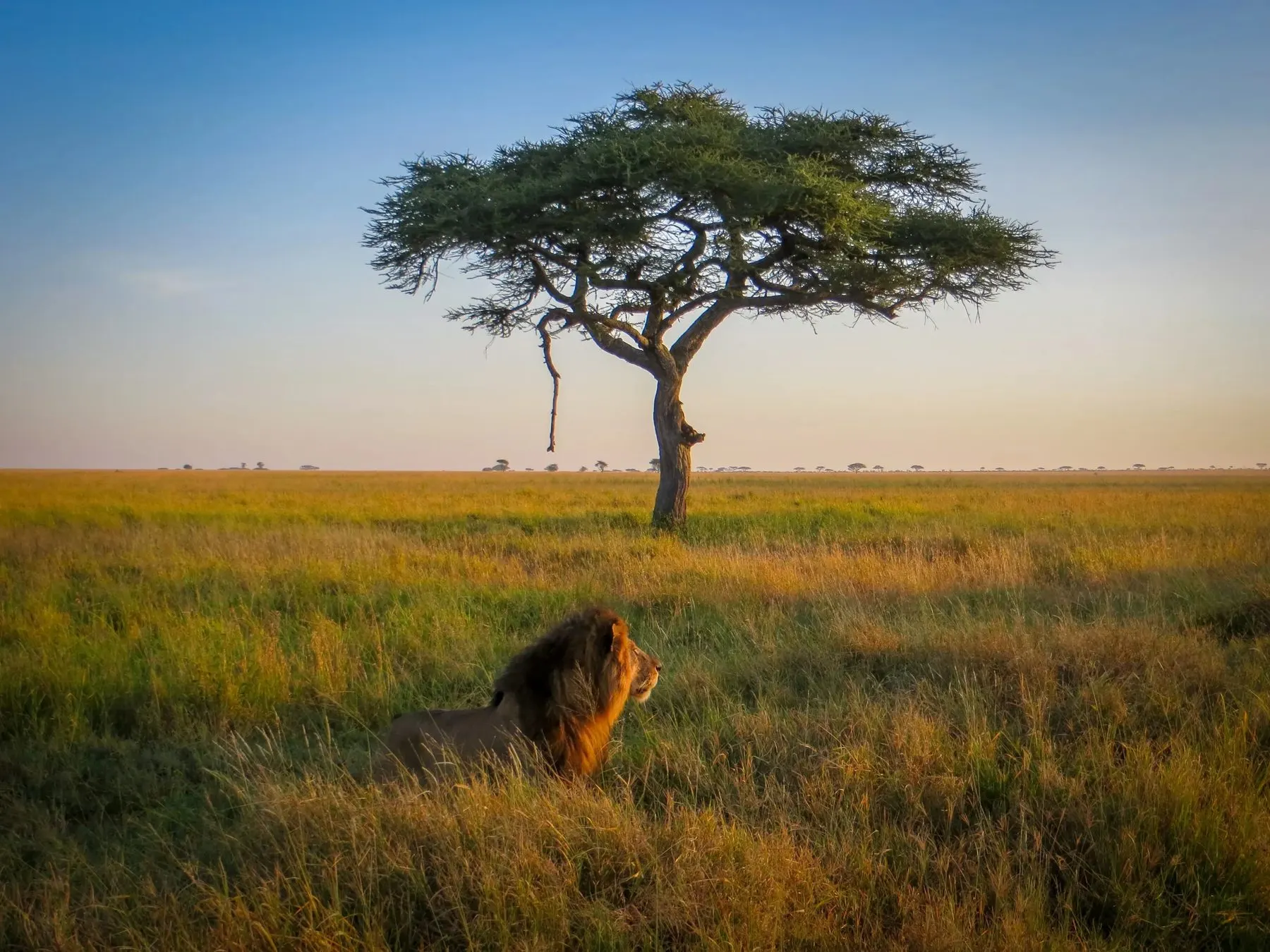
Tanzania's Northern Circuit is built on scale. The Serengeti alone covers 14,750 square kilometres of open plains, kopjes and acacia woodland. Add Ngorongoro Crater, with one of the densest predator populations in Africa packed into a single caldera, and Tarangire, famous for its elephant herds and baobabs, and you've got a country that delivers variety as well as size. Drive 40 minutes from camp in the Serengeti and you might not see another vehicle.
Kenya trades scale for concentration. The Masai Mara National Reserve is roughly 1,500 square kilometres, a fraction of the Serengeti, but the game is denser per kilometre, the grass is greener, and the big-cat sightings are exceptional year-round. Beyond the Mara, Kenya has Amboseli with its elephants framed against Kilimanjaro, the red-earth wilderness of Samburu, and the flamingo lakes of the Rift Valley. It's a more varied set of smaller parks rather than one giant one.
Tanzania shows you the scale of Africa. Kenya shows you the variety packed into it.
Kenya's Big Advantage: The Conservancies
This is the single biggest difference between the two countries, and it's the one travellers least understand before they go.
Around the Masai Mara sit a ring of private conservancies, Mara North, Naboisho, Olare Motorogi, Ol Kinyei and others, leased from the Maasai communities who own the land. These conservancies cap the number of vehicles allowed at any one sighting, they're closed to day-trippers coming in from the main reserve, and crucially they permit night drives and guided walking safaris. None of that is possible inside Tanzania's national parks, which ban off-road driving, night drives and walking.
What that means in practice: in a Mara conservancy you can have a leopard sighting to yourself, drive off-track to follow a hunt, head out after dark for nocturnal species, and stretch your legs on a walk with an armed guide and a Maasai tracker. The main Mara reserve, by contrast, can get genuinely crowded around big-cat sightings in peak season. The conservancy model is Kenya's real edge, and it's worth paying for if exclusivity matters to you.
Tanzania has private concessions too, particularly bordering the Serengeti, where similar flexibility applies. But the conservancy network around the Mara is more developed and more central to the Kenyan offer.
The Migration: Timing Decides The Winner
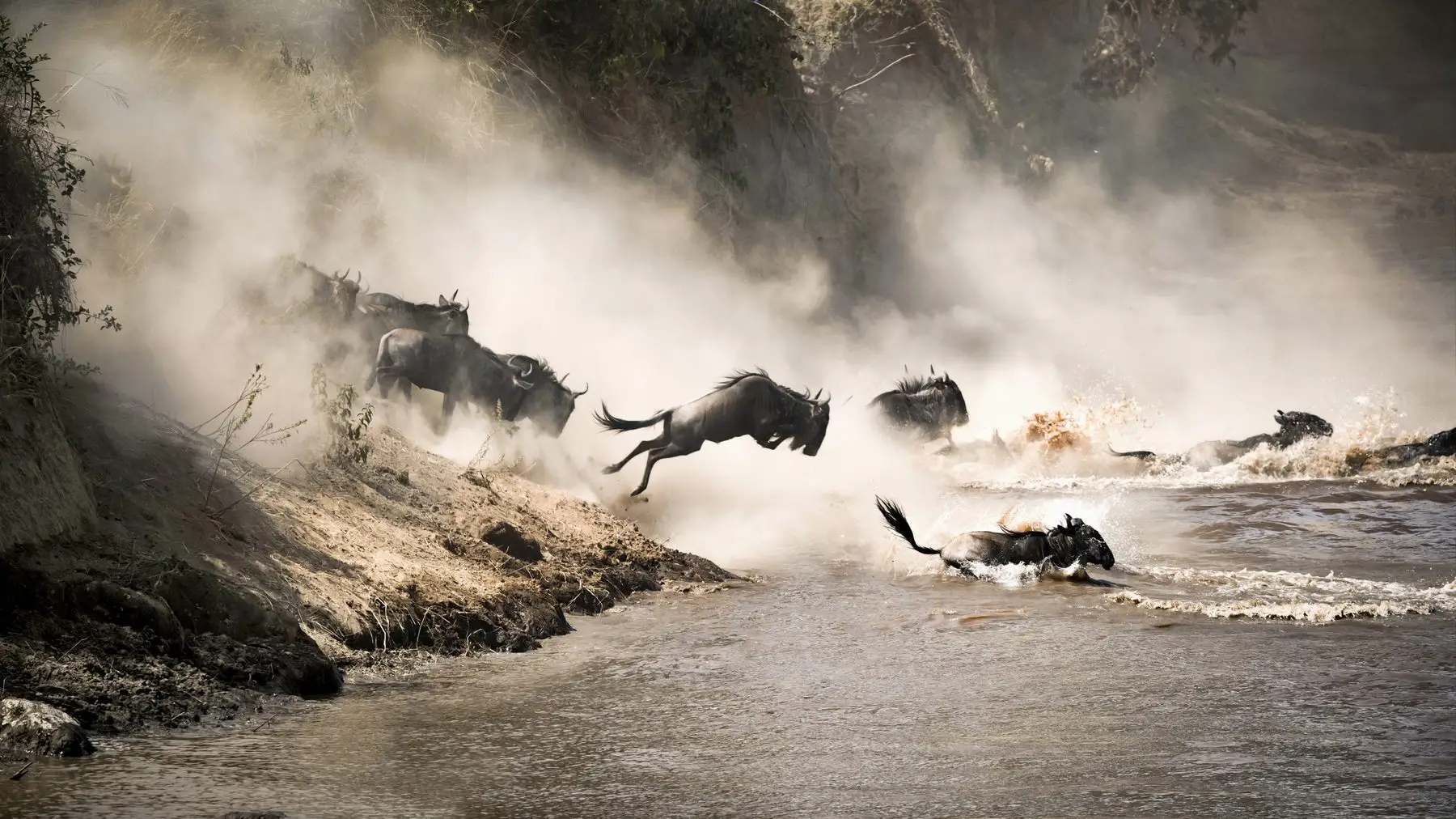
Both countries claim the Great Migration, and both are right, because the herds spend part of the year in each. The migration is a continuous year-round loop, not a single event, so the better country depends entirely on when you travel.
In July and early August, the herds are building in the northern Serengeti and starting their tentative Mara River crossings. This is when Tanzania often gives you crossings with fewer vehicles than the Kenyan side. By late August and September, more of the herds are established on the Kenyan side of the river, and the Mara delivers the concentrated crossing drama people picture. September is the Mara's finest month. By October, the herds turn south back into Tanzania.
Then there's the part Kenya can't match: January and February calving season in Tanzania's southern Serengeti, when tens of thousands of wildebeest calves are born across the Ndutu plains in a six-week window. It's one of the great wildlife spectacles on the planet, and there's no Kenyan equivalent. For a full month-by-month breakdown, our Great Migration field guide walks through where the herds are all year.
Side-by-Side Comparison
| Factor | Kenya | Tanzania |
|---|---|---|
| Flagship parks | Masai Mara, Amboseli, Samburu | Serengeti, Ngorongoro, Tarangire |
| Park scale | Smaller, varied, denser game | Vast, more solitude, bigger plains |
| Conservancies | Extensive, night drives + walking allowed | Private concessions in select areas |
| Off-road + night drives | Yes, in conservancies | Not in national parks; concessions only |
| Peak migration window | Mara crossings Aug-Sep | Northern Serengeti Jul-Aug; calving Jan-Feb |
| Vehicle density | High in main reserve, low in conservancies | Lower overall, avoidable in right camps |
| Entry-tier AUD cost | From about A$7,500 pp / 7 nights; conservancies cost more | From about A$6,900 pp / 7 nights |
| Kid-friendly | Yes, plus family conservancy options | Yes, drive-in circuit suits all ages |
| Beach combo | Diani (via Nairobi) | Zanzibar, short direct flight |
| Pairs with | Tanzania, Diani beach, Uganda gorillas | Zanzibar, Kenya, Rwanda gorillas |
Cost: Closer Than People Think
You'll read all over the internet that one country is cheaper than the other. The truth is more boring: at equivalent quality, Kenya and Tanzania cost broadly the same. A classic 7-night mid-range safari runs roughly about A$7,000 to A$12,000 per person twin share for 7 nights in either country, depending on the lodges.
The differences sit at the edges. Tanzania has a deeper budget tier, more camps competing at the lower end, so the floor is a little lower. Kenya's premium ceiling, the private Mara conservancies, runs a touch higher than the equivalent Tanzanian camps, because the conservancy model deliberately caps guest numbers and you're paying for that exclusivity. Tanzania carries higher national park fees, but those are usually built into camp rates at the better properties, so they don't change the headline number much.
In short, cost shouldn't be the deciding factor between these two. The experience should. For a deeper breakdown of what drives a safari budget in AUD, our Tanzania safari cost guide walks through each component honestly, and most of it applies to Kenya too.
Getting There From Australia
Both countries are a long way from home, and the routing logic is similar for each.
To Kenya
Most routings run through Singapore or Johannesburg, then onward to Nairobi (NBO), which is East Africa's main aviation hub. Total travel time is around 20 to 23 hours with one or two stops. From Nairobi it's a short hop by light aircraft to the Mara or Amboseli airstrips.
To Tanzania
Ethiopian Airlines via Singapore and Addis Ababa is around 22 hours with one stop, or Qantas via Johannesburg connecting to Kilimanjaro (JRO) is around 24 hours. From Kilimanjaro or Arusha you can drive the Northern Circuit or fly in to the Serengeti airstrips.
Travelling With Kids
Both countries work well for families, and this is one area where they're genuinely on a par. Tanzania's Northern Circuit can be driven the whole way by 4WD from Arusha, so kids don't have to fly on small aircraft to reach camp, and most lodges welcome children from around 5 to 8 years old. Ngorongoro and Tarangire in particular run family-friendly setups.
Kenya matches that with family camps in several conservancies that offer kid-specific guiding, shorter game drives and interconnecting rooms. Some conservancies are especially set up for families and will run private vehicles so younger children don't disrupt other guests. The walking and night-drive options also give older kids and teenagers something more active than back-to-back drives.
If you're travelling with very young children, both are straightforward. The deciding factor is usually the beach finish, and that's where Tanzania edges ahead.
The Beach Question
Most safari travellers want to end the trip with their feet up by the Indian Ocean, and both countries deliver, just with different logistics.
Tanzania's natural finish is Zanzibar, a short direct flight from the safari circuit, with white sand, spice plantations, Stone Town's history and excellent reef snorkelling. The safari-to-beach flow is seamless, which is why Tanzania plus Zanzibar is our single most-booked trip shape. For the best months to visit the island, our Zanzibar timing guide covers it.
Kenya's coast runs to Diani Beach near Mombasa. It's lovely, but the safari-to-beach hop usually routes back through Nairobi rather than connecting directly from the Mara, which adds a little friction. If a smooth beach finish is high on your list, Tanzania has the easier shape.
Doing Both: The Migration Combo
For the right itinerary, combining both countries is the most satisfying way to see the migration, and it's more achievable than most travellers expect. The classic structure is four nights in the northern Serengeti in late July, then a short cross-border flight to a Mara conservancy for three or four nights in August. You follow the herds across the same ecosystem, experience both camp cultures, and cross the border by air in a single morning.
You'll need entry approval for both countries, so check the current rules on smartraveller.gov.au before you book flights. A combo trip wants about 10 to 14 nights to do both countries justice rather than rushing each. It's not the budget option, but for a once-properly-done African safari it's hard to beat.
When Each Country Wins
Pick Tanzania if: it's your first African safari, you want scale and variety in a single country, you'd like a smooth Zanzibar beach finish, you're after the southern Serengeti calving season, or you want the broadest range of price tiers to choose from.
Pick Kenya if: exclusivity matters to you and you want the conservancy experience, you want night drives and walking safaris, you're chasing the late-August or September Mara crossings, big cats are your single priority, or you love the idea of elephants framed against Kilimanjaro in Amboseli.
Do both if: you've got 10 to 14 nights, the migration is the driving reason for the trip, and you want to follow the herds across the border rather than picking one side of the river.
What We'd Do If We Were Planning Your Trip
The honest answer for most first-timers is Tanzania, often with a Zanzibar finish, because it's the easiest country to deliver a great classic safari across budget tiers and group types. But the moment exclusivity, night drives or the September crossings come up, Kenya's conservancies become the better call, and for plenty of returning travellers they're the highlight of the continent.
The right routing comes out of a short conversation, not a website comparison. We've sent enough Australian clients through both countries to know which questions actually matter: your travel window, your group, whether you've been to Africa before, and whether a beach finish is on the cards.
Use our cost estimator to ballpark either trip in AUD, or get in touch and we'll talk through which country fits your situation. You'll get a real proposal in AUD within 24 hours, not a brochure asking you to book a discovery call.
Continue Reading
Frequently Asked Questions
Is Kenya or Tanzania better for a safari?
Neither is objectively better, they suit different travellers. Tanzania has the bigger, wilder parks (Serengeti, Ngorongoro, Tarangire) and a deeper range of lodge tiers, which makes it the stronger pick for a classic first safari. Kenya has the private conservancies around the Masai Mara, where vehicle numbers are strictly capped and you get night drives and walking safaris the Tanzanian parks don't allow. If you want scale and variety, Tanzania. If you want exclusivity and off-road flexibility, Kenya's conservancies.
Is Kenya or Tanzania cheaper for a safari?
At mid-range, the two are comparable. A classic 7-night safari runs roughly about A$7,000 to A$12,000 per person twin share for 7 nights in either country, depending on the lodges. Tanzania has more budget options at the lower end because its lodge market is broader. Kenya's premium tier, the private Mara conservancies, runs higher than the equivalent Tanzanian camps because the conservancy model caps guest numbers. So the floor is a little lower in Tanzania, the premium ceiling sits a little higher in Kenya.
Can I do Kenya and Tanzania in one trip?
Yes, and it's one of our most requested combos. The cleanest routing is northern Serengeti to the Masai Mara by a short cross-border flight, following the migration herds across the same ecosystem. You'll need entry approval for both countries, so check the current rules on smartraveller.gov.au before you book flights. A satisfying combo needs about 10 to 14 nights to do both countries justice rather than rushing each.
Which country is better for the Great Migration?
It depends on your travel dates. The migration is a year-round loop, not a single event. In July and early August the northern Serengeti (Tanzania) gives you river crossings with fewer vehicles. By late August and September the herds are concentrated on the Kenyan side of the Mara River, so Kenya has the edge then. For January and February calving season, Tanzania's southern Serengeti is the only place to be.
What are Kenya's conservancies and why do they matter?
The conservancies are private wildlife areas on community land bordering the Masai Mara National Reserve, places like Mara North, Naboisho, Olare Motorogi and Ol Kinyei. They cap vehicle numbers per sighting, allow night drives and walking safaris, and stay closed to day-trippers from the main reserve. The result is a much quieter, more flexible safari than the main reserve, where vehicles can crowd around a single big-cat sighting. Tanzania's national parks don't permit off-road driving or night drives, so the conservancies are a genuine Kenyan advantage.
Which country pairs better with a beach holiday?
Both pair beautifully with the Indian Ocean coast. Tanzania's natural beach finish is Zanzibar, a short flight from the safari circuit, with white sand, spice tours and reefs. Kenya's coast runs to Diani Beach, which is lovely, though the safari-to-beach hop in Kenya usually routes back through Nairobi. For the smoothest safari-then-beach flow, Tanzania plus Zanzibar is the easier shape.