Botswana Safari Tours: Okavango Delta & Chobe | Kingse
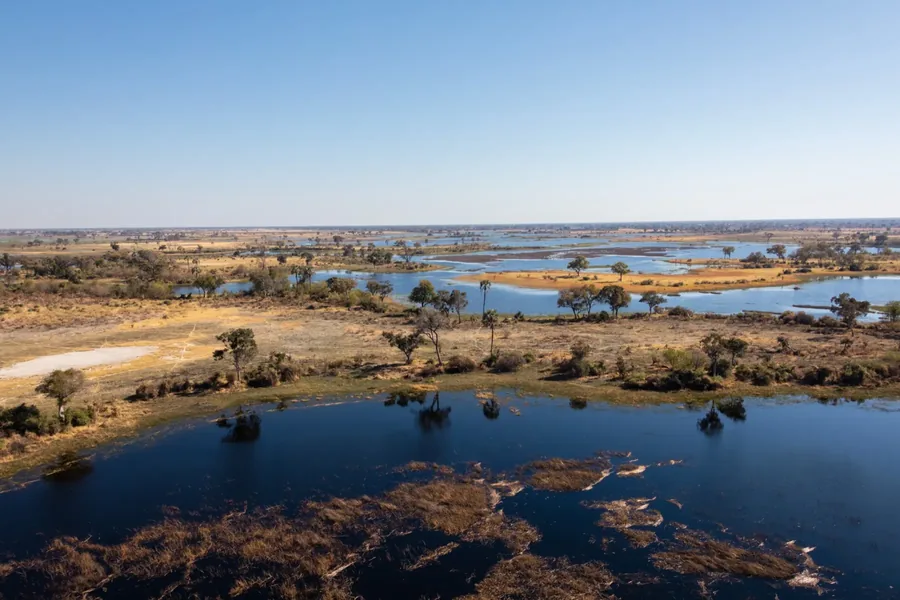
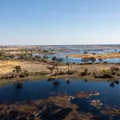
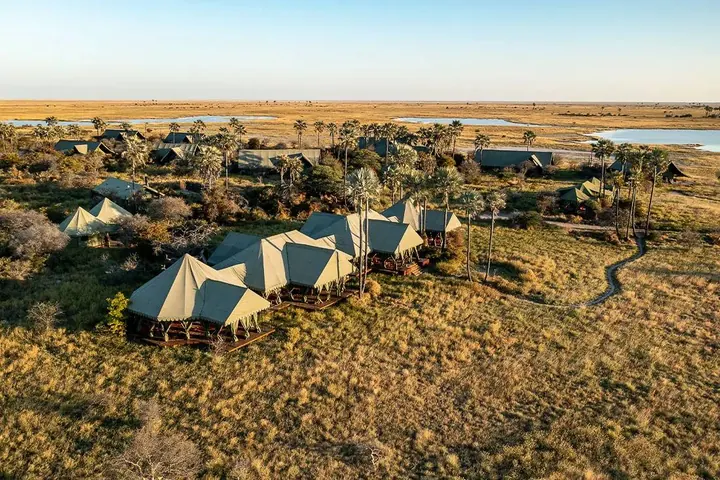
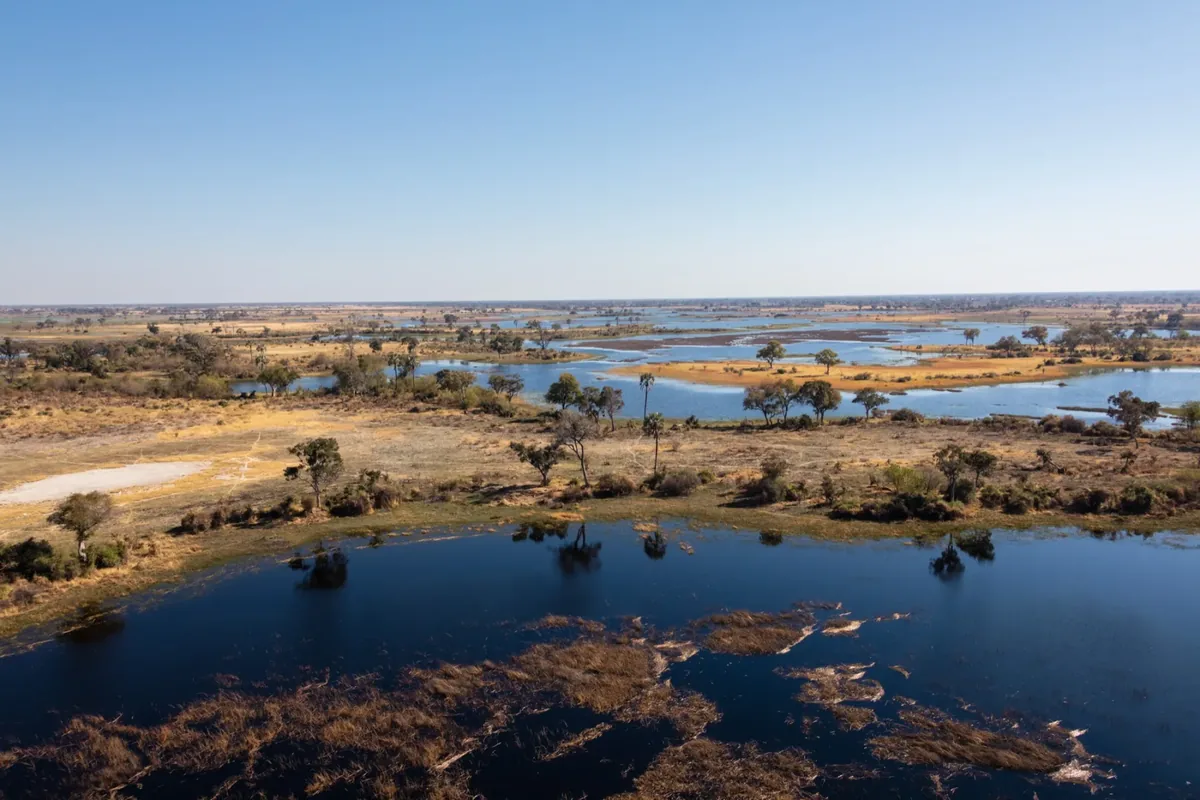
Okavango Delta from the air, channels and islands in the dry season

Okavango Delta · Chobe · Kalahari · Makgadikgadi

Botswana Safari Tours

The Okavango Delta, Chobe's elephants and the Kalahari pans, planned from the Gold Coast and priced in US dollars.

Five stars. 5.0 on Google and Tripadvisor37 five-star reviews, every one of them

Water-and-Land Safari

The Okavango Delta · 130,000 elephants · Low-volume, high-yield tourism

Botswana built its safari industry around a quiet bet: lower volumes, higher rates, more conservation funding. The result is one of the quietest ways to see wildlife in Southern Africa, a country where you can sit at a sunset waterhole for an hour and not see another car. The Okavango Delta is the headline, a UNESCO-listed inland water system that swells to around 15,000 square kilometers at full flood. Botswana holds the largest elephant population of any country, roughly 130,000, and Chobe gathers tens of thousands of them along a single river in the dry season. The Kalahari and Makgadikgadi pans are the opposite extreme: vast, ancient lakebeds where meerkats stand sentry and the night sky is unbroken.

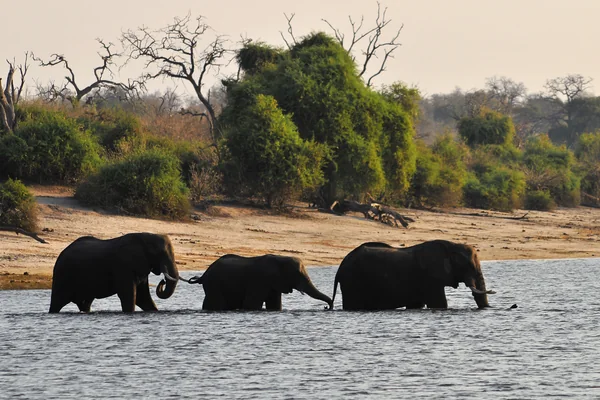
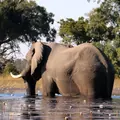
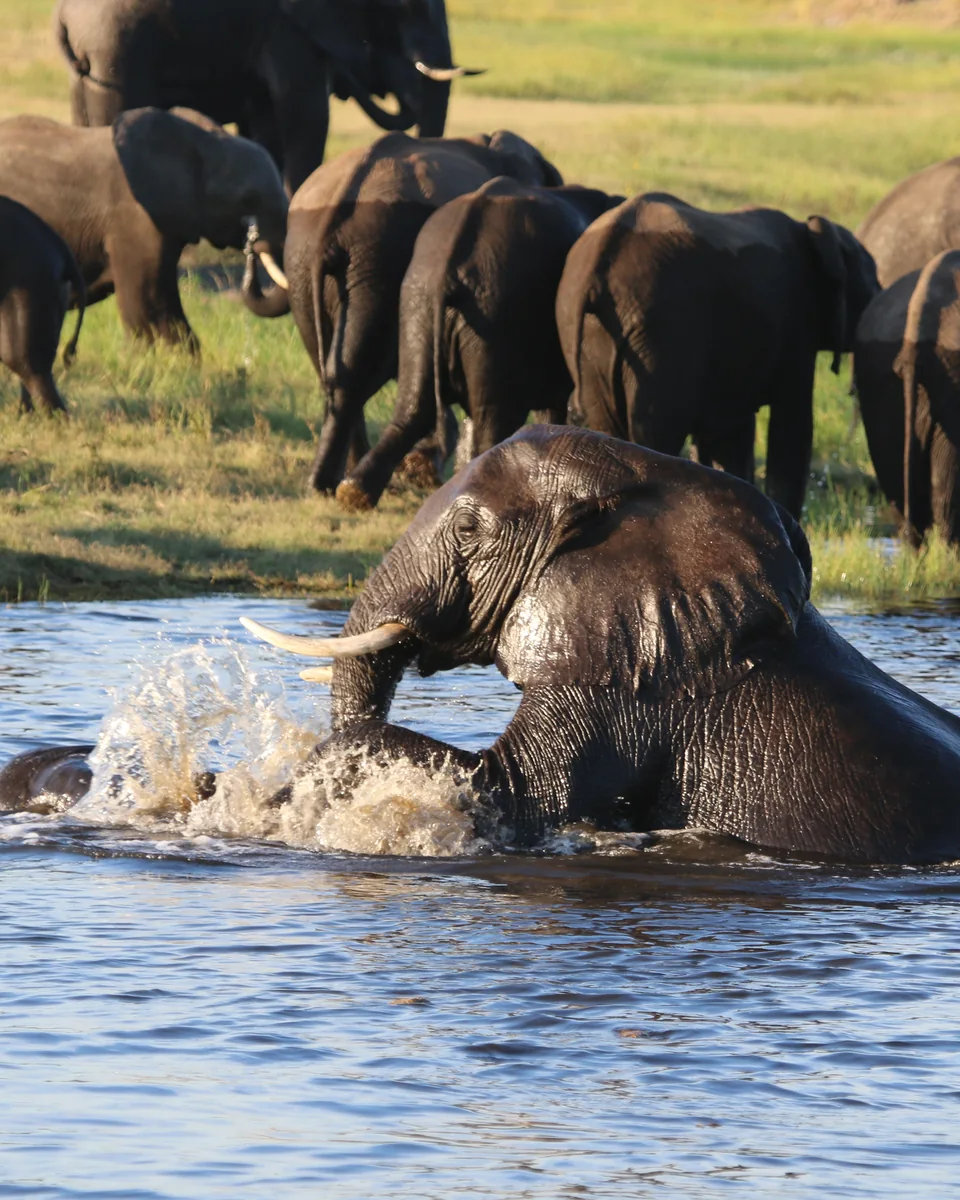
An elephant surging into the Chobe River, the herd behind it
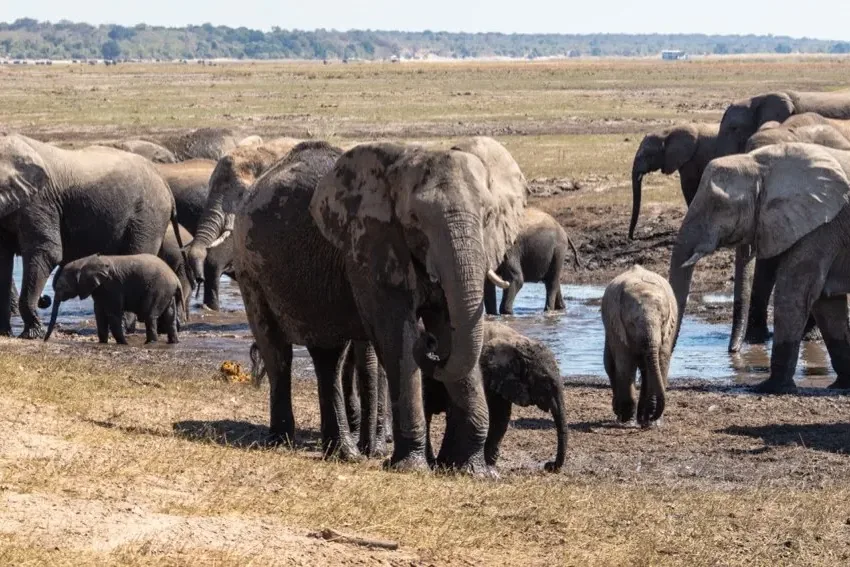
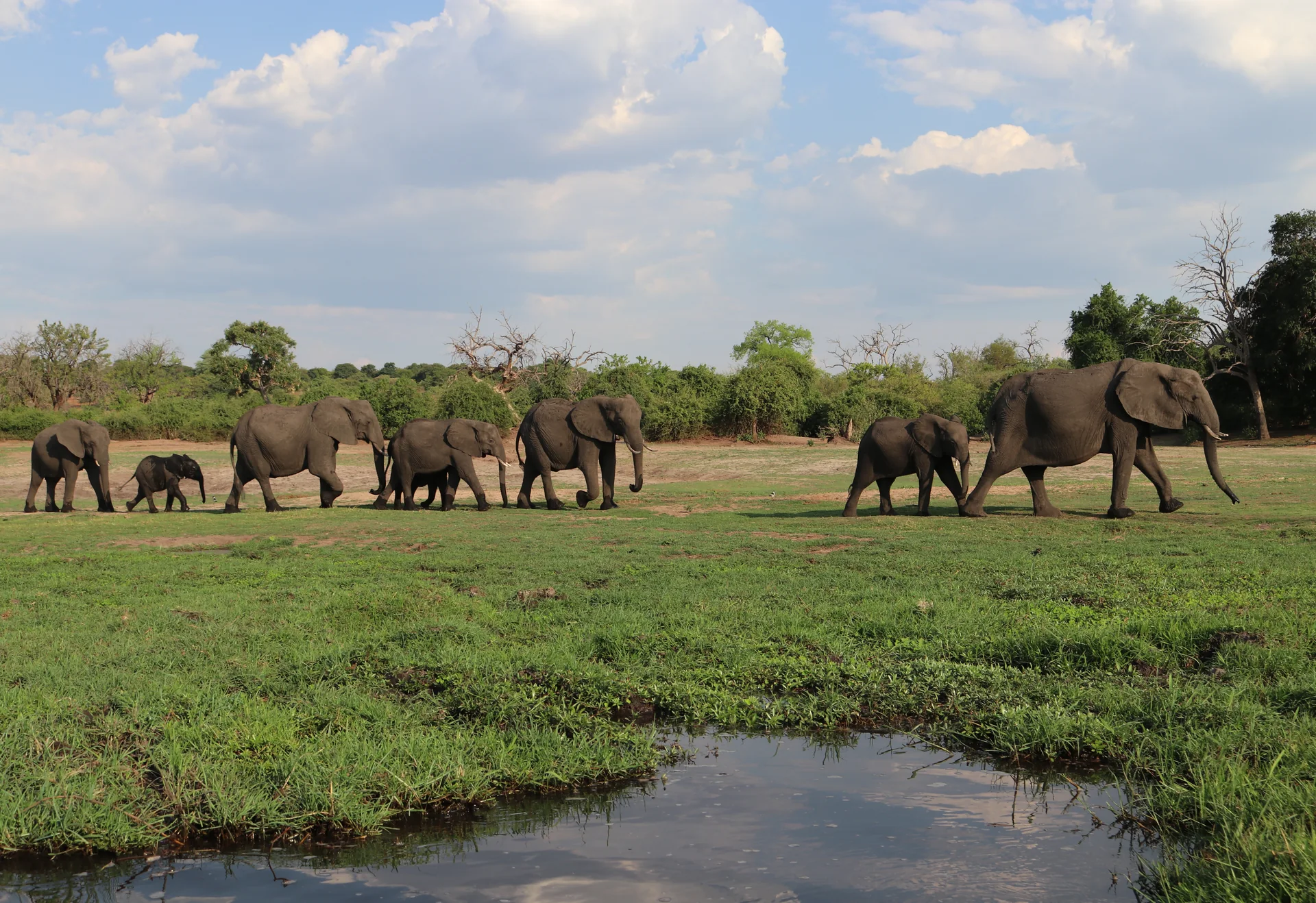
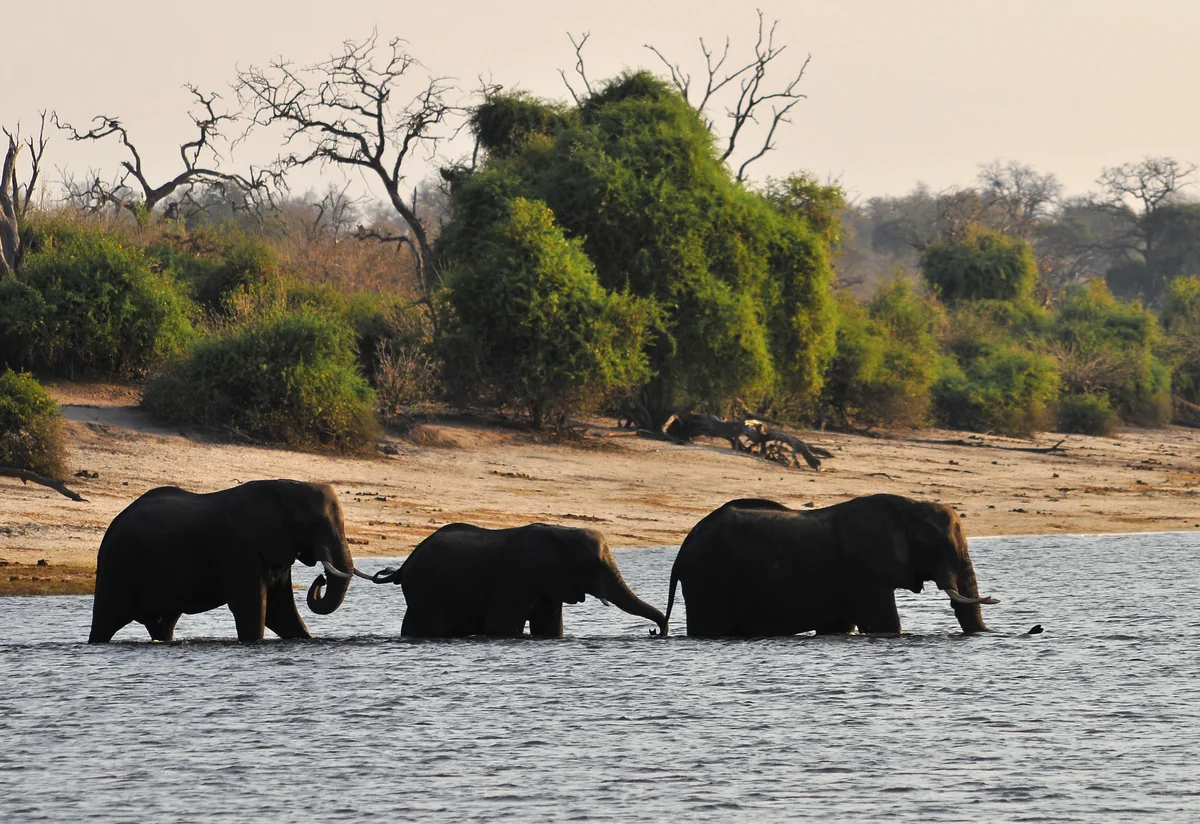
Elephants on the Chobe riverfront, where the herds gather in the dry season.

Botswana at a glance

  • Best monthsMay to OctoberThe dry season; the Delta flood peaks July to August
  • Typical trip7 nightsThree or four in the Delta and two or three at Chobe, ten with Victoria Falls
  • Flying timeAbout 15 to 16 hours to JohannesburgDelta Air Lines from Atlanta or United from Newark, non-stop, then on to Maun or Kasane
  • Time difference6 to 10 hours ahead of the USUTC+2 all year, no daylight saving
  • Highlights
    • Okavango Delta
    • Chobe elephants
    • Mokoro safaris
    • Makgadikgadi pans
    • Victoria Falls next door

Who you're dealing with

We're an Australian company on the Gold Coast. We design the whole trip, book it, and look after you from first call to flight home, on one contract and one invoice from Kingse Safaris Pty Ltd (ABN 37 698 821 886). Your drives, mokoro trips and walks are led by each camp's own guides, who know their patch better than anyone.

How booking works →
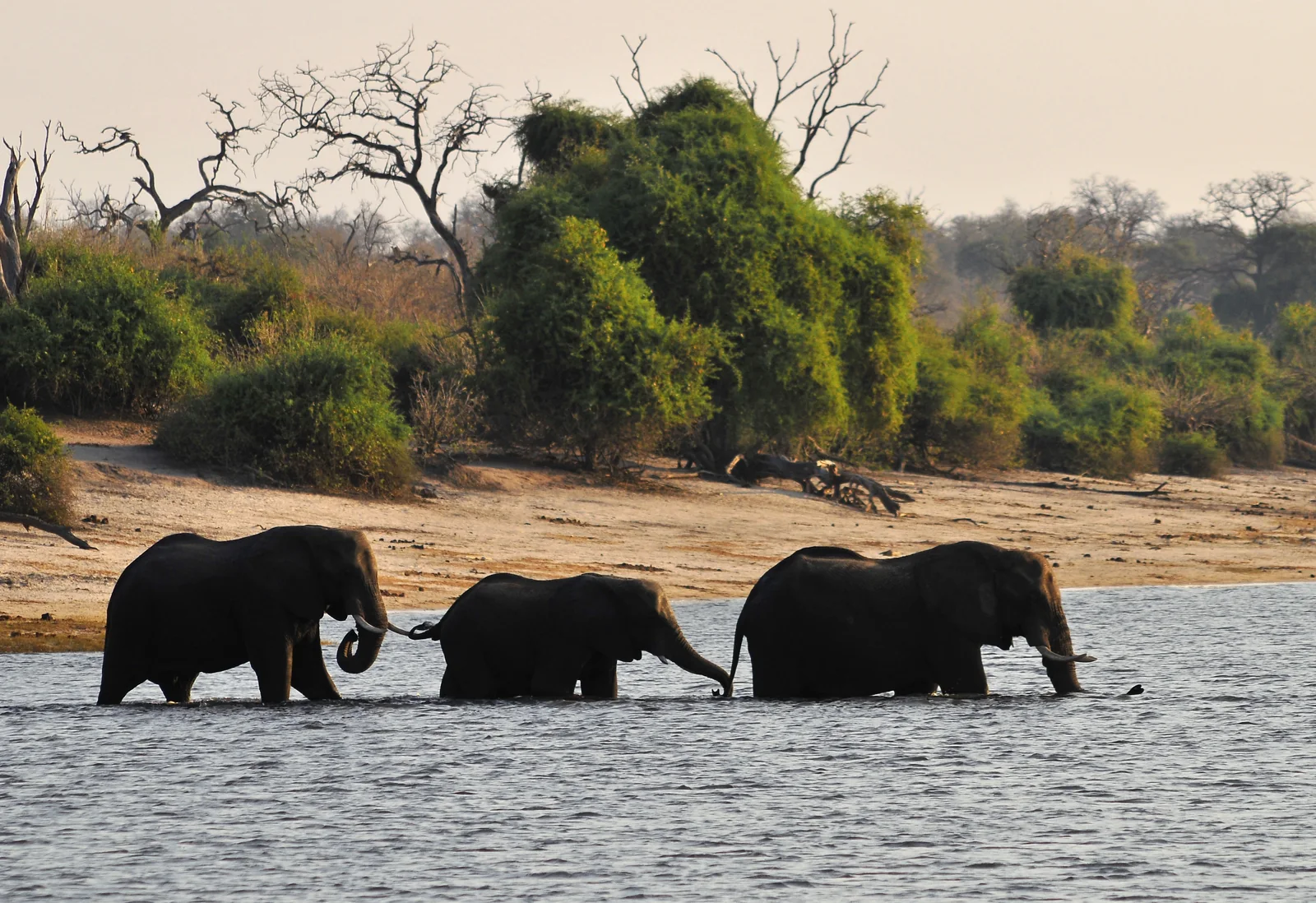
Elephants crossing the Chobe River

In a guest's words

The safety and security we felt with Kingse Safaris … is incomparable.

Five stars. Abbey Lister, Tanzania, February 2026, on Tripadvisor

Botswana, Region by Region

Tour the Wild

Scroll, and the map follows you from Maun into the Delta and on.

The Okavango Delta from the air, channels and islands in the dry season

The gateway · Where you land

Maun

Maun is the gateway to the Okavango, reached by scheduled flight from Johannesburg. Most Delta camps are fly-in, so from here it's a light aircraft to the camp airstrip, and the Delta is best understood from above, where the patterns of water and land make sense. If the timings need it, Maun is your arrival buffer night.

  • Scheduled flights from Johannesburg
  • Light aircraft
  • Arrival buffer night
  • The Delta from above

Best monthsAll yearFrom JohannesburgScheduled flights, the gateway to the Delta

How you get here
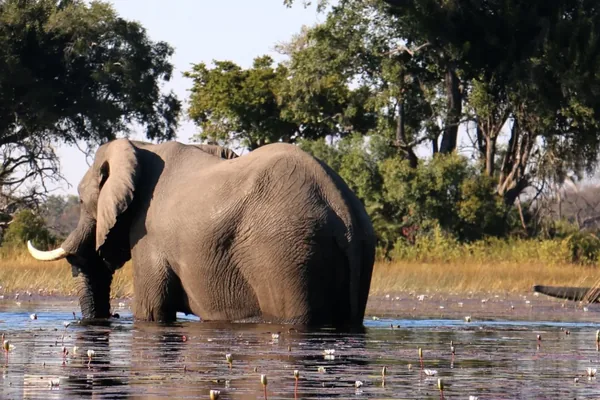
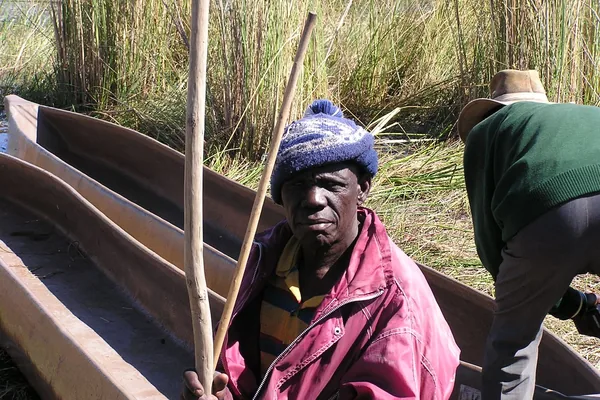
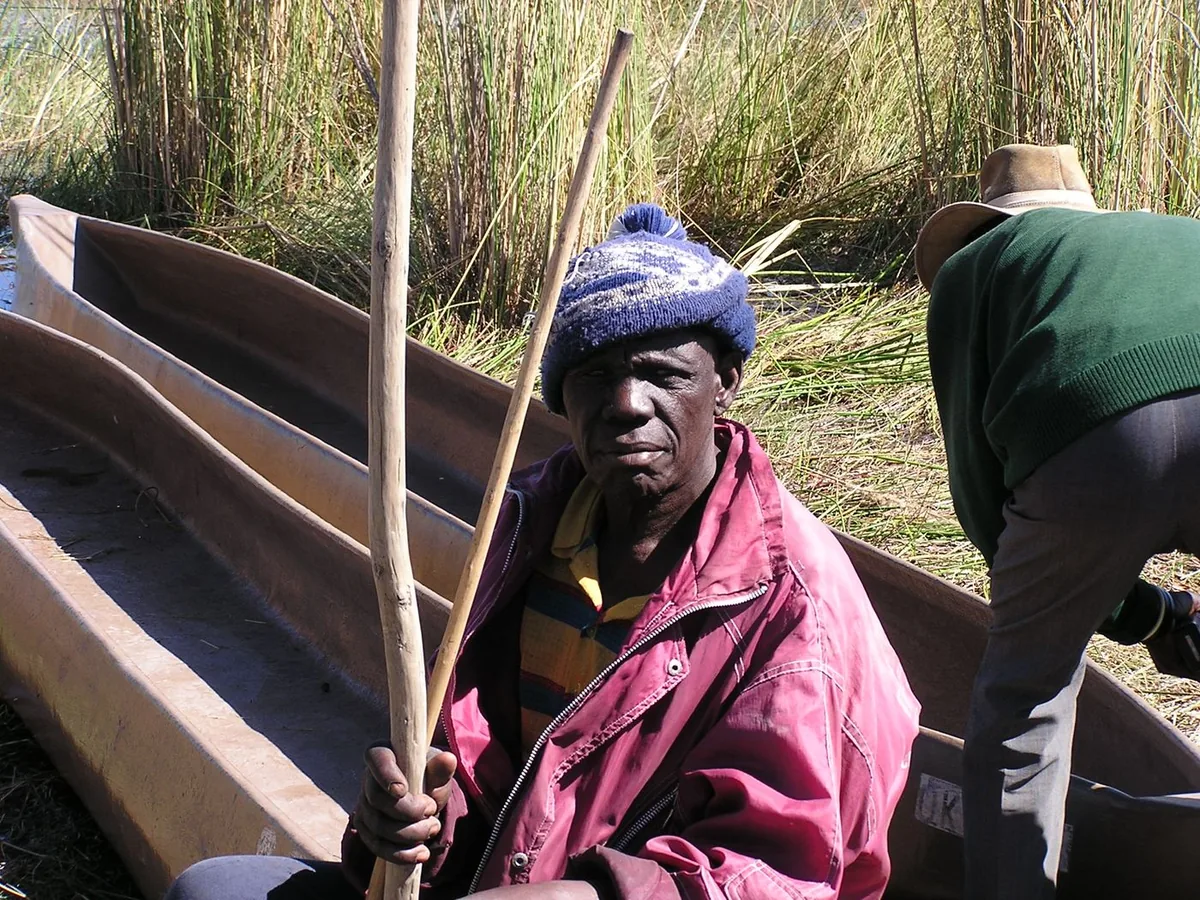
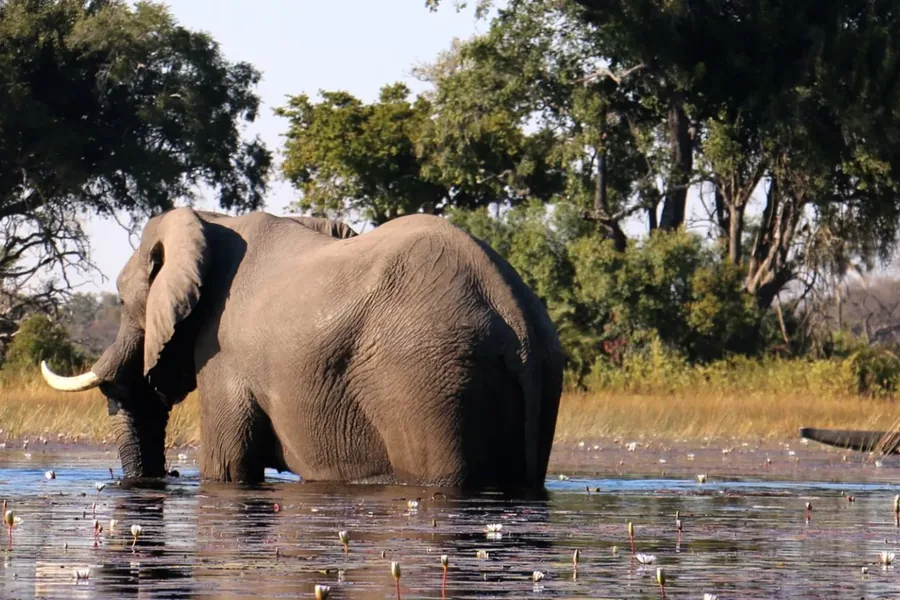
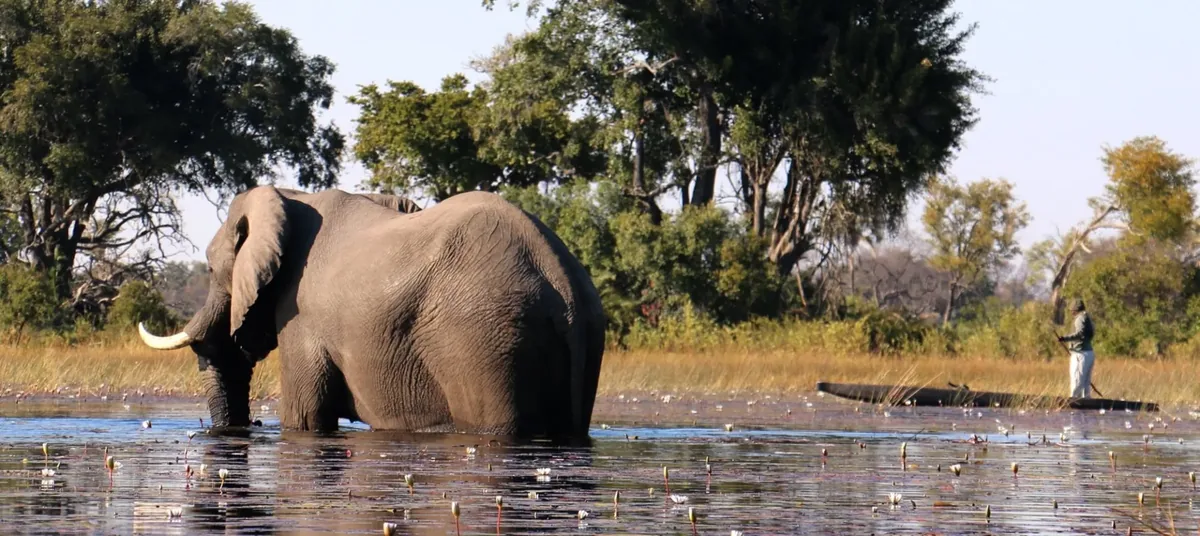
An elephant standing in the Okavango shallows with a mokoro in the backgroundMokoro polers in the reeds of the Okavango Delta

Water world · The headline

Okavango Delta

A river that never reaches the sea. Each year the Angolan rains push water 1,200 kilometers south to fan out across up to 15,000 square kilometers of channels, lagoons, papyrus and palm islands. The classic experience is the mokoro, poled silently through the reeds past hippo pods and lechwe, with game drives on the larger islands for lion, leopard and wild dog. Moremi and the private concessions around it, Khwai, Vumbura, Mombo and Duba, hold the elite tier of Delta wildlife.

  • Mokoro safari
  • UNESCO site
  • Wild dog stronghold
  • Moremi · Khwai · Mombo

Best monthsMay to October, with the flood at its peak in July and AugustFrom MaunLight aircraft to the camp airstrip

When the Delta floods
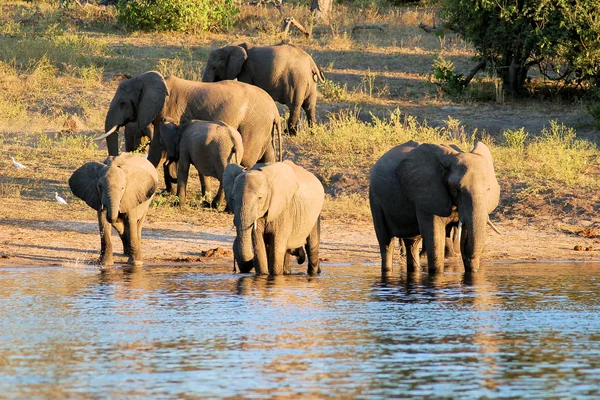
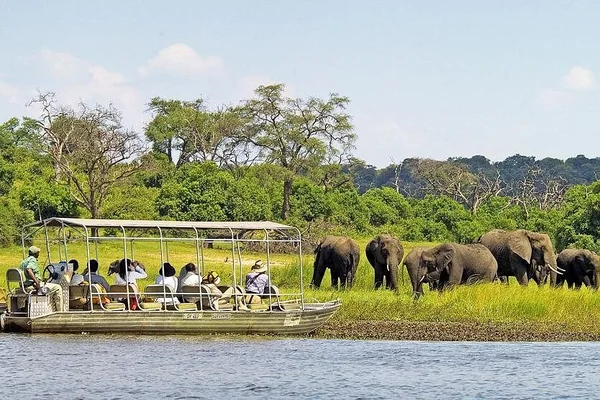
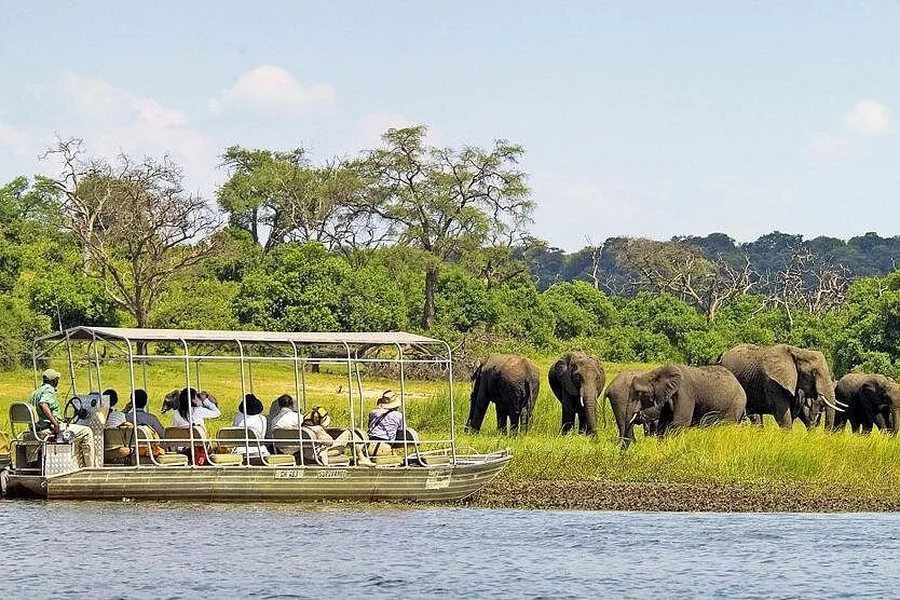
Elephants crossing the Chobe RiverAn elephant herd at the Chobe riverfront, late afternoonA Chobe river cruise passing an elephant herd on the bank

Riverfront · The north

Chobe National Park

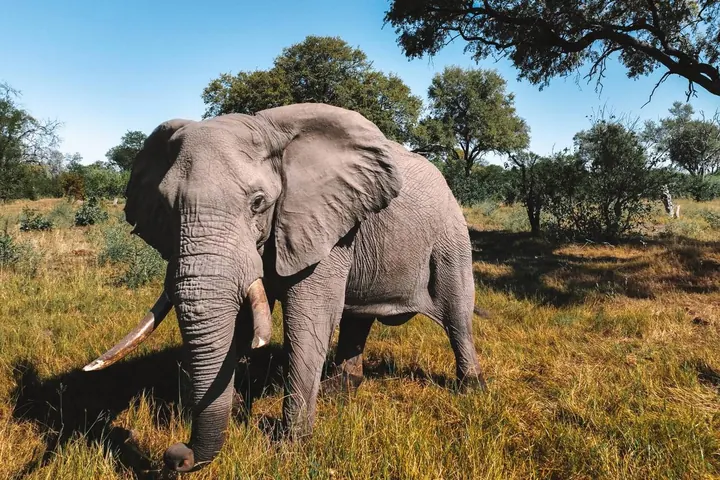
Botswana has the largest elephant population of any country, around 130,000, and Chobe is where you see them best. In the dry season they gather along the river in herds that can hit several hundred. Three sectors: the Serondela riverfront, the elephant capital and the easy entry from Kasane or Victoria Falls; Savuti, the predator sector; and Linyanti up north, for wild dog, walking safaris and night drives in private concessions.

  • Botswana's 130,000 elephants
  • Boat safaris
  • Savuti · Linyanti
  • 90 minutes from Vic Falls

Best monthsMay to October, when the herds are at their biggestFrom the DeltaLight aircraft to Kasane or the Linyanti airstrips

Our Chobe page
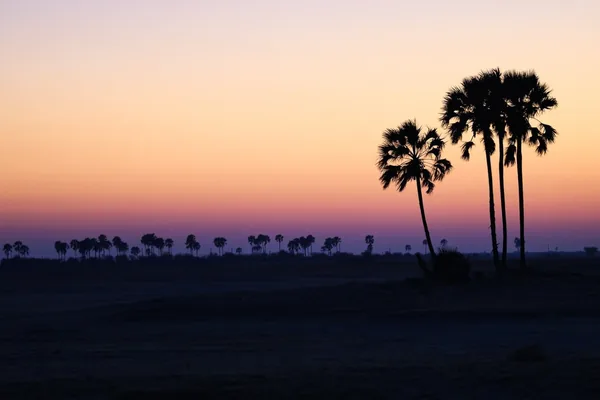
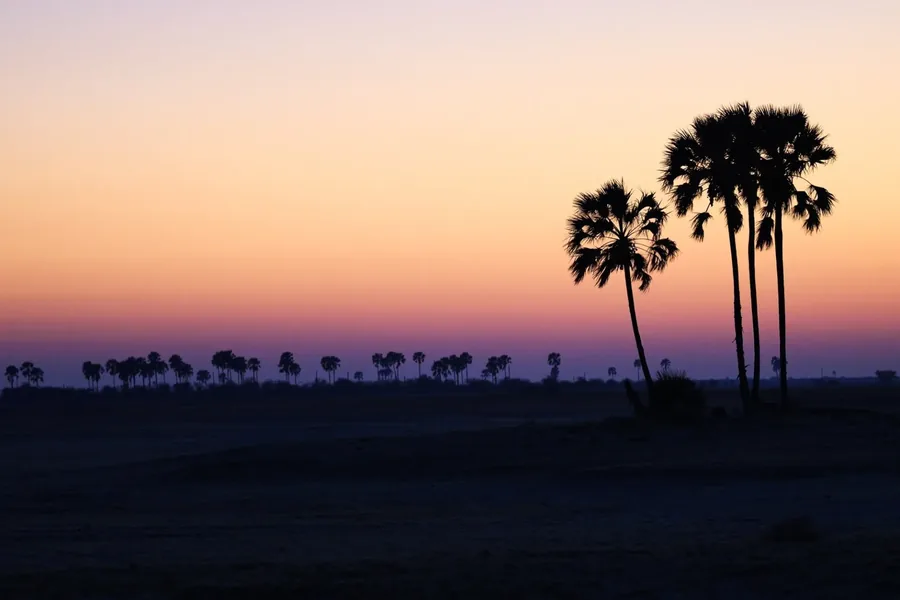
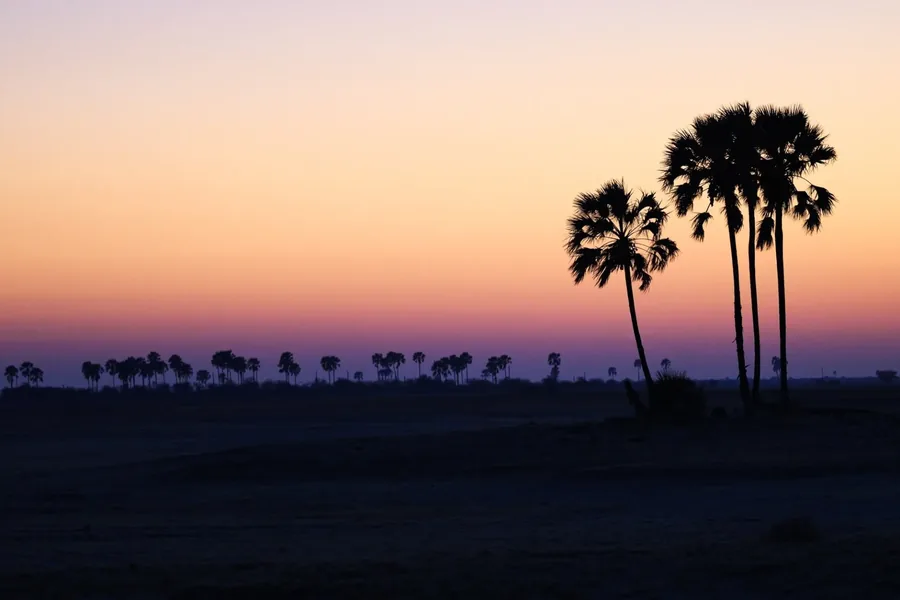
Palms silhouetted at dusk on the edge of the Makgadikgadi pans

The pans · The contrast trip

Kalahari & Makgadikgadi

The Kalahari covers most of Botswana, and at its eastern edge sits Makgadikgadi, one of the largest networks of salt pans on earth, the ghost of a lake that dried out 10,000 years ago. The horizon is a perfect flat line in every direction. Habituated meerkat colonies, quad bikes across the pan and a star-bed sleep-out are the Makgadikgadi signatures, and the Central Kalahari delivers black-maned lions, cheetah and brown hyena. Two nights is the minimum to make the journey worth it.

  • Salt pans
  • Meerkat sentries
  • Black-maned lions
  • Two nights minimum

Best monthsThe green season, November to April, when the pans fillFrom Maun or the DeltaLight aircraft to the pans

Our best time to visit Botswana guide

Map tiles: Esri, National Geographic. Locations are indicative.

How to Experience It

Water, Land and Air

Game drives at first and last light shape most days. Around them, these are the experiences we add, depending on where you stay.

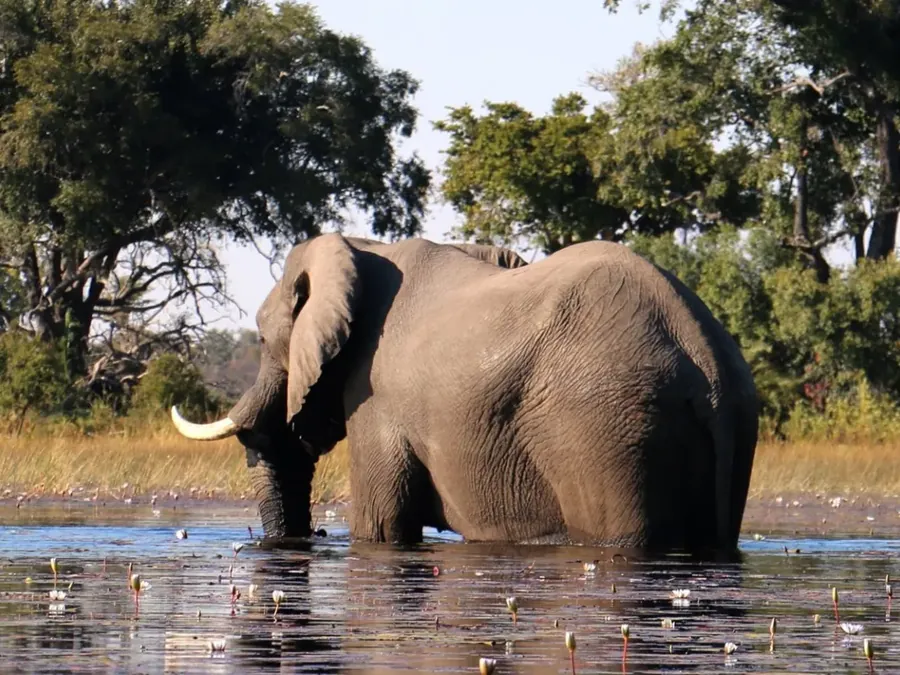
An elephant wading in the Okavango shallows with a mokoro behind it

Mokoro Safaris

Traditional dugout canoes, poled silently through the channels by a local poler who reads the water. They need water in the channels, so the best months are roughly June to October. In a low-flood year some inner-Delta camps have limited water, so we match each camp to the expected levels for your dates.

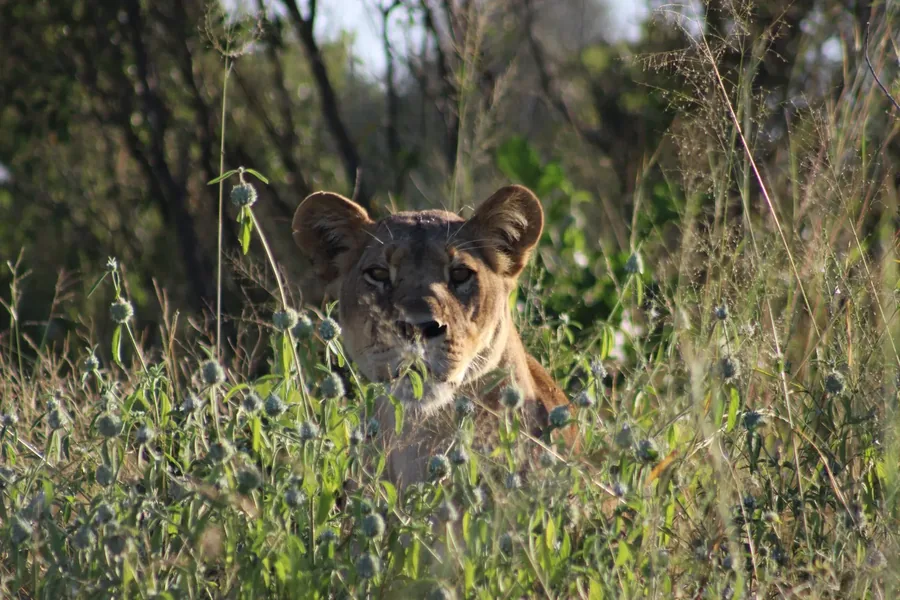
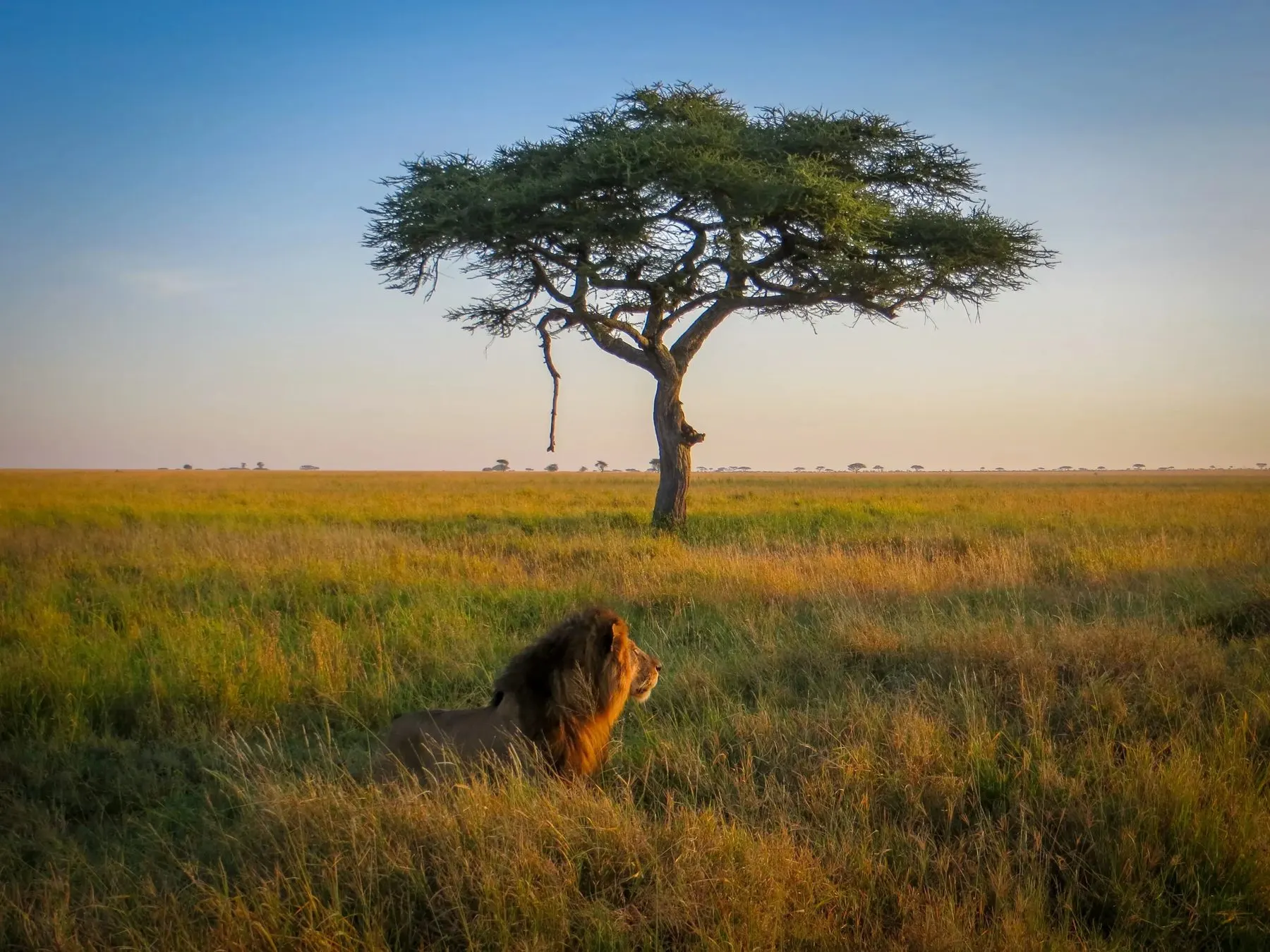
A lion looking out from long grass in the Savuti sector of Chobe

Game Drives

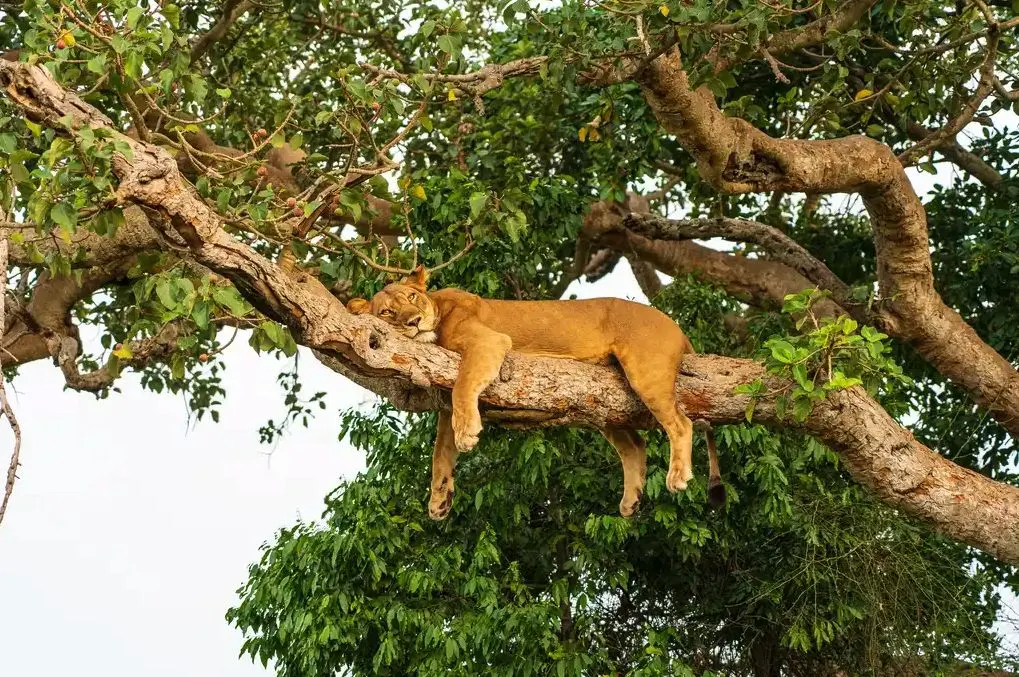
Open 4x4 drives on the islands and across the private concessions, for lion, leopard, wild dog and the full Kalahari cast. Concessions limit vehicle numbers, so sightings are often yours alone.

Guests on a Chobe river cruise watching an elephant herd on the bank

River Cruises at Chobe

Afternoon boat cruises along the Chobe River put you close to elephant herds, hippo, crocodile, buffalo and a dozen species of waterbird at once, with the light turning gold on the water.

The Okavango Delta from the air, channels and islands

Scenic Flights

The Delta is best understood from above, where the patterns of water and land make sense. Light-aircraft and helicopter flights between camps are part of the experience, and we build the transfers into your itinerary.

Palms silhouetted at dusk on the edge of the Makgadikgadi pans

Meerkats and the Pans

In the Makgadikgadi, habituated meerkat colonies, quad-bike rides across the pans and star-bed sleep-outs at camps such as Jack's Camp make the Kalahari the contrast leg of a trip.

Mokoro polers preparing their dugout canoes in the reeds of the Okavango Delta

In a guest's words

I can honestly say this was the best trip I’ve ever been on.

Five stars. Kaitlyn M., Tanzania, March 2026, on Tripadvisor

How a Botswana Trip Comes Together

Trip Shapes

Three or four nights in the Delta and two or three at Chobe is the classic shape. Botswana works as a stand-alone trip or as the wild-bush layer in a Southern Africa loop. We don't sell fixed packages. Every trip is private and priced to your dates, so these are starting points.

5 nights

Chobe Short

Vic Falls + Chobe

Three nights at Victoria Falls and two at a Chobe river camp, an easy road transfer apart. The compressed Southern Africa introduction, designed to bolt on to a Cape Town or Tanzania trip.

Chobe, 2 nights, from our 2027 quotes$1,450 to $2,150Per person, all-inclusive river camp. Victoria Falls adds $990 to $1,450 for three or four nights. Flights extra

Day 1 · Land at Victoria FallsDay 6 · Fly home from Kasane

  1. Victoria Falls3 nightsThe falls first
  2. By road.
  3. Chobe2 nightsElephants on the river
  4. By road.
  5. KasaneFly home

7 nights

Delta + Chobe

Okavango + Chobe

Three nights deep in the Okavango (mokoro, game drives, scenic flights), three at Chobe, and one Maun arrival buffer. The Botswana-only essential.

PricingQuoted to your datesThe Delta camps vary a lot by camp and month, so we price them to order

Day 1 · Land at MaunDay 8 · Fly home from Kasane

  1. Maun1 nightArrival buffer
  2. By light aircraft.
  3. Okavango Delta3 nightsMokoro, drives, a scenic flight
  4. By light aircraft.
  5. Chobe3 nightsThe river and the herds
  6. By road.
  7. KasaneFly home

10 nights · Sweet spot

Botswana + Vic Falls

Delta + Chobe + Vic Falls

Four Delta nights, three at Chobe and three at Victoria Falls, with Johannesburg as the hub. Wildlife, water and the falls in one trip.

PricingQuoted to your datesThe Delta camps vary a lot by camp and month, so we price them to order

Day 1 · Fly Johannesburg to Maun and on to campDay 11 · Fly home from Victoria Falls

  1. Okavango Delta4 nightsDeep in the Delta
  2. By light aircraft.
  3. Chobe3 nightsBoat cruises and the herds
  4. By road.
  5. Victoria Falls3 nightsThe falls to finish
  6. By scheduled flight.
  7. HomeVia Johannesburg

12 to 14 nights

Southern Africa Classic

+ Cape Town · Kruger area

A tested loop: Cape Town, a Kruger-side reserve, then north into Chobe and across to Victoria Falls. About three nights each, the full Southern Africa story.

PricingQuoted to your datesFour countries, so every leg is priced to your dates

Day 1 · Land at Cape TownDay 13 · Fly home from Victoria Falls

  1. Cape Town3 nightsThe city, the Cape and the Winelands
  2. By scheduled flight.
  3. Kruger area3 nightsA private reserve
  4. By scheduled flight.
  5. Chobe3 nightsThe river and the herds
  6. By road.
  7. Victoria Falls3 nightsThe falls to finish
  8. By scheduled flight.
  9. HomeVia Johannesburg
  • By road transfer
  • Light aircraft or scheduled flight

The Chobe and Victoria Falls figures come from our 2027 quotes, for two adults traveling privately, with international flights extra. The Okavango and Khwai camps vary a lot by camp and month, and premium Delta camps such as Mombo, Vumbura and Jao run well above them, so we price those to your dates. No list prices. See our guide to what an African safari costs and real trips with the real prices. Nights shift with the season, the flood and the camps you choose, so treat these routes as typical shapes rather than fixed packages.

See Our Set Safaris by Budget

Where You Could Stay

Camps We Work With, Region by Region

The 10 camps and lodges we recommend across Botswana, grouped by area. The final selection flexes around your dates, group size, the season and availability. More on our Stays page.

Okavango Delta

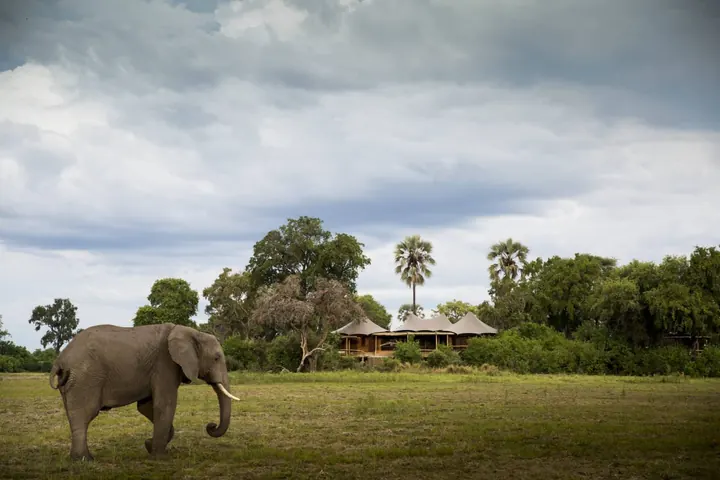
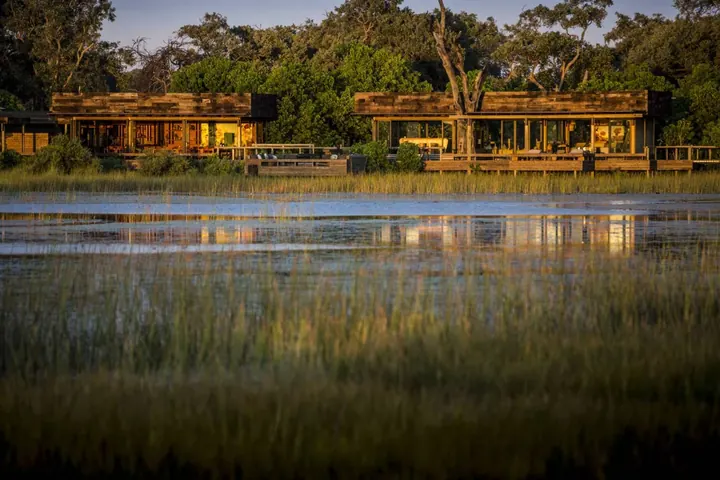
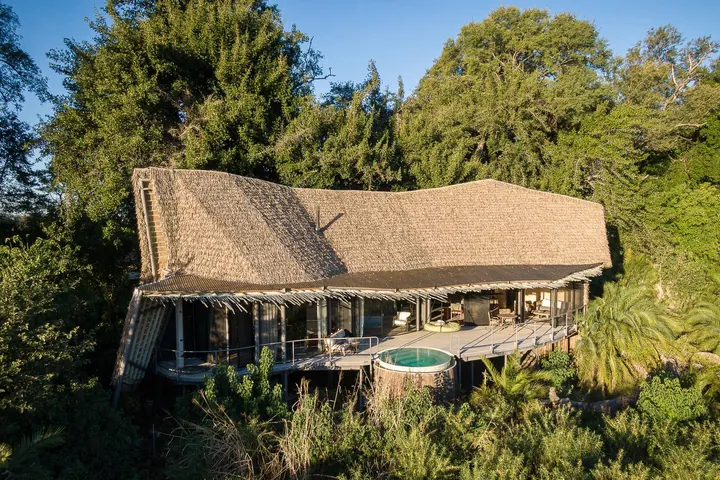
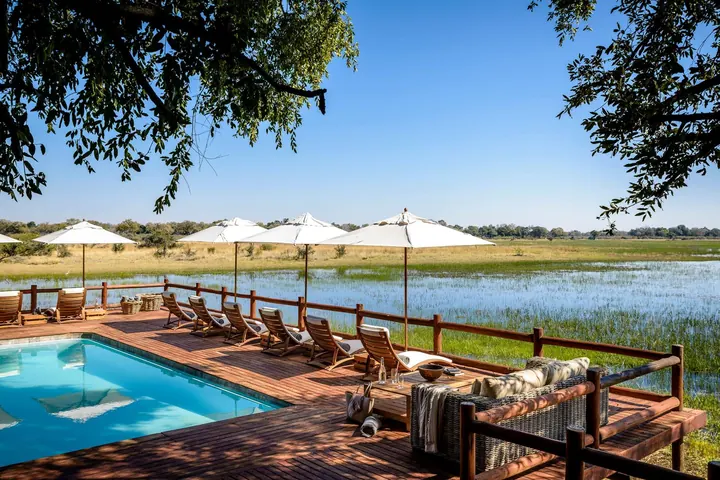
Water and big cats. Fly-in camps on Chief's Island and the northern and western Delta, where land and water activities sit on the doorstep.

5 lodges and campsMoremi and the private concessions

Khwai and Linyanti

Rivers and elephants. The Khwai community concession on the edge of Moremi, and the Linyanti swamps to the north with wild dog, walking and night drives.

3 lodges and campsThe Khwai River and the Linyanti

Kalahari and Chobe

Pans and the river. A palm island on the edge of the Makgadikgadi, and a riverfront base at Kasane for Chobe and Victoria Falls.

2 lodges and campsMakgadikgadi and the Chobe riverfront

  • Classic
  • Premium
  • Luxury
  • Ultra Luxury

10 camps and lodges across three areas, with the same comfort levels as our Stays page. Camp names open each camp's own website.

Plan Your Visit

When to Visit Botswana

The big shift here is the annual flood. The dry season, May to October, brings the water and the wildlife together. The green season is rains, calving and the lowest prices of the year. Our best time to visit Botswana guide goes month by month.
The Okavango flood arrives in May, builds through June and peaks July to August, months after the local rain has gone.
  • Dry season, flood and game
  • Late dry season, hot
  • Green season

What's happening

January

Green season

The wettest, lushest weeks, with the calving peak across the Kalahari and Makgadikgadi and migrant birds everywhere.

  • Rains peak in January and February
  • The pans fill and the zebra move through
An elephant wading in the Okavango shallows with a mokoro behind it

Flood season

May to August

Flood arrives · Wildlife concentrated · Cool, dry days

The Angolan rains reach the Okavango from May, peaking the Delta's water levels in July and August. As the surrounding bush dries out, wildlife converges on the permanent water. The Delta's mokoro channels reach their fullest, and predators stack up around the few water sources in Moremi. Nights in June and July are cold on open vehicles and boats.

  • May to June: flood building, cool nights and lower crowds
  • July to August: peak flood, peak crowds and premium pricing

Best for mokoro and boat safaris

A herd of elephants drinking at the edge of the Chobe River

Late dry season

September to October

Peak game viewing · Hot days · Big herds

The end of the dry season is the peak for game viewing. The bush is at its driest, Chobe's elephant herds build to their biggest along the river, and the animals gather at the water. October is the hottest month before the rains.

  • September: peak game viewing and warming days
  • October: the hottest month, still peak game around the water

Best for the elephant herds and big-game sightings

Palms silhouetted at dusk on the edge of the Makgadikgadi pans

Green season

November to April

Rains build · Calving · Birding · Lowest rates

Rains begin late November and peak in January and February. The bush turns lush, the skies turn dramatic and migrant birds arrive. Game viewing is harder because animals disperse, but predator action peaks during impala lambing in mid-November and zebra calving across the Kalahari and Makgadikgadi. Prices drop, many Delta camps run shoulder rates in November and April, and a few remote camps close for the wettest weeks. The Delta flood has receded, so water activities can be limited.

  • November: lambing season, dramatic skies and lower rates
  • December to February: wettest and lushest, with the calving peak
  • March to April: rains tapering, the green-season sweet spot

Best for the pans, birding and value

From the US

Getting to Botswana

From the US you fly non-stop to Johannesburg, with Delta Air Lines from Atlanta or United from Newark, and from there scheduled flights run to Maun for the Delta and to Kasane for Chobe.
  1. Step one

    Your US city

    Delta Air Lines flies non-stop from Atlanta to Johannesburg, and United from Newark. From other US cities you connect once or twice, and Nairobi and Addis Ababa also connect through to the region.

    • Atlanta
    • Newark
    • Other cities, with a connection
    About 15 to 16 hours from Atlanta or Newark
  2. Step two

    Johannesburg

    The hub for the whole region. Scheduled flights run from OR Tambo to Maun, Kasane and Victoria Falls.

    • Maun
    • Kasane
    • Victoria Falls
  3. Step three

    Maun or Kasane

    Maun is the gateway to the Delta, Kasane the airport for Chobe. We meet you at the door, or your camp's light aircraft does.

    Victoria Falls is under two hours by air from Johannesburg
  4. First night

    Camp, or a Maun buffer

    Most Delta camps are fly-in, on small aircraft between Maun and the camp airstrips, and we build those transfers into your itinerary. If the timings need it, your first night is an arrival buffer in Maun. Chobe is simpler: an easy road transfer from Victoria Falls or a short flight into Kasane.

    UTC+2 all year · 6 to 10 hours ahead of the US
How we route you
ViaAirlineNote
JohannesburgDelta Air Lines or United, non-stopRoughly 15 to 16 hours from Atlanta (Delta Air Lines) or Newark (United), then on to Maun or Kasane.
Other US citiesOne- or two-stop optionsFrom other US cities, connecting on to Johannesburg.
Nairobi or Addis AbabaKenya Airways or EthiopianAlso connect through to the region.
Maun and KasaneScheduled flights from JohannesburgThen light aircraft to the Delta camps, built into your itinerary.
  • Maun: scheduled flights from Johannesburg, the gateway to the Delta
  • Kasane: scheduled flights from Johannesburg, for Chobe
  • Victoria Falls: under two hours by air from Johannesburg, and about 90 minutes by road from Chobe
  • Delta camps: light aircraft from Maun, built into your itinerary
The Okavango Delta from the air, channels and islands in the dry season
The Delta from the light aircraft out of Maun.
About 15 to 16 hoursAtlanta (Delta Air Lines) or Newark (United) to Johannesburg, non-stop
Under two hoursJohannesburg to Victoria Falls by air; Chobe is 90 minutes by road from the Falls
UTC+2Botswana time all year, with no daylight saving

Tell us your dates first

We lock the lodges, then the flights. Botswana runs on a low-volume model, so the best Delta camps book out first in the dry season, and we match each camp to the expected water levels for your dates. Once your deposit is in, we place your camps, light aircraft and transfers together, and that's the time to take out your travel insurance.

Flights

Delta Air Lines flies non-stop from Atlanta to Johannesburg and United from Newark, and from there scheduled flights run to Maun, Kasane and Victoria Falls. From other US cities you connect once or twice, and Nairobi and Addis Ababa also connect through to the region. Schedules change, so we check them when we build your trip, and we price your flights when you're ready to book because fares move.
The time difference

Botswana runs on UTC+2 all year, with no daylight saving. That's seven hours ahead of US Eastern time in winter and six in summer, and ten hours ahead of Pacific time in winter and nine in summer. A restful first night before the safari starts helps.

The Practical Bits

Safety, Camp Flights, Children and Packing

The short version of what to sort before you fly. For visas and anything medical we point you to the official sources, starting with the State Department.

Visas and health

US citizens can visit Botswana for up to 90 days without a visa. The rules change, so start with the State Department's Botswana page for the passport rules, and check any extra documents if you're traveling with children under 18. Malaria and yellow fever are medical questions, so see a travel doctor before you book. Malaria is present in the north, which includes the Okavango Delta and Chobe. On yellow fever, we generally tell people the vaccine is worth having, as one shot lasts a lifetime, but your doctor always has the last say.

Is it safe?

Petty crime is common in towns and violent crime, including muggings and thefts from vehicles, can occur, so we arrange transfers. On safari the main risks are wildlife and water: follow park rules and your guide's advice, and don't swim in rivers and lakes. Check the latest on the State Department's Botswana page before you book.

Camp flights and baggage

Delta camps are linked by small aircraft with tight baggage allowances. Soft bags suit best, and around 15 kg (about 33 lb) is the usual guide. We'll tell you what applies to your camps before you pack.

Children and age rules

Minimum ages are set camp by camp. Some Delta camps welcome children from around six, others set higher limits, and walking and mokoro activities often have higher ages. Chobe's riverfront lodges are generally easier for younger children. Botswana has extra immigration rules for under-18s, so check the State Department's page. Our family safari guide covers ages by activity.

What to pack

Layers, because dry-season mornings and nights are cold on open vehicles and boats, plus neutral clothes, a hat, sunscreen, binoculars and a light rain shell for the green season. Our packing list has the rest.

What does it cost?

Botswana is low-volume and high-yield, so there's no real budget tier. Two nights at an all-inclusive Chobe river camp came to $1,450 to $2,150 per person in four of our 2027 quotes. We price the Delta to your dates. See what an African safari costs, real trips and how booking works.

Go Further

Pair Botswana With

Botswana pairs naturally with its neighbors. These are the three combinations we get asked about most.

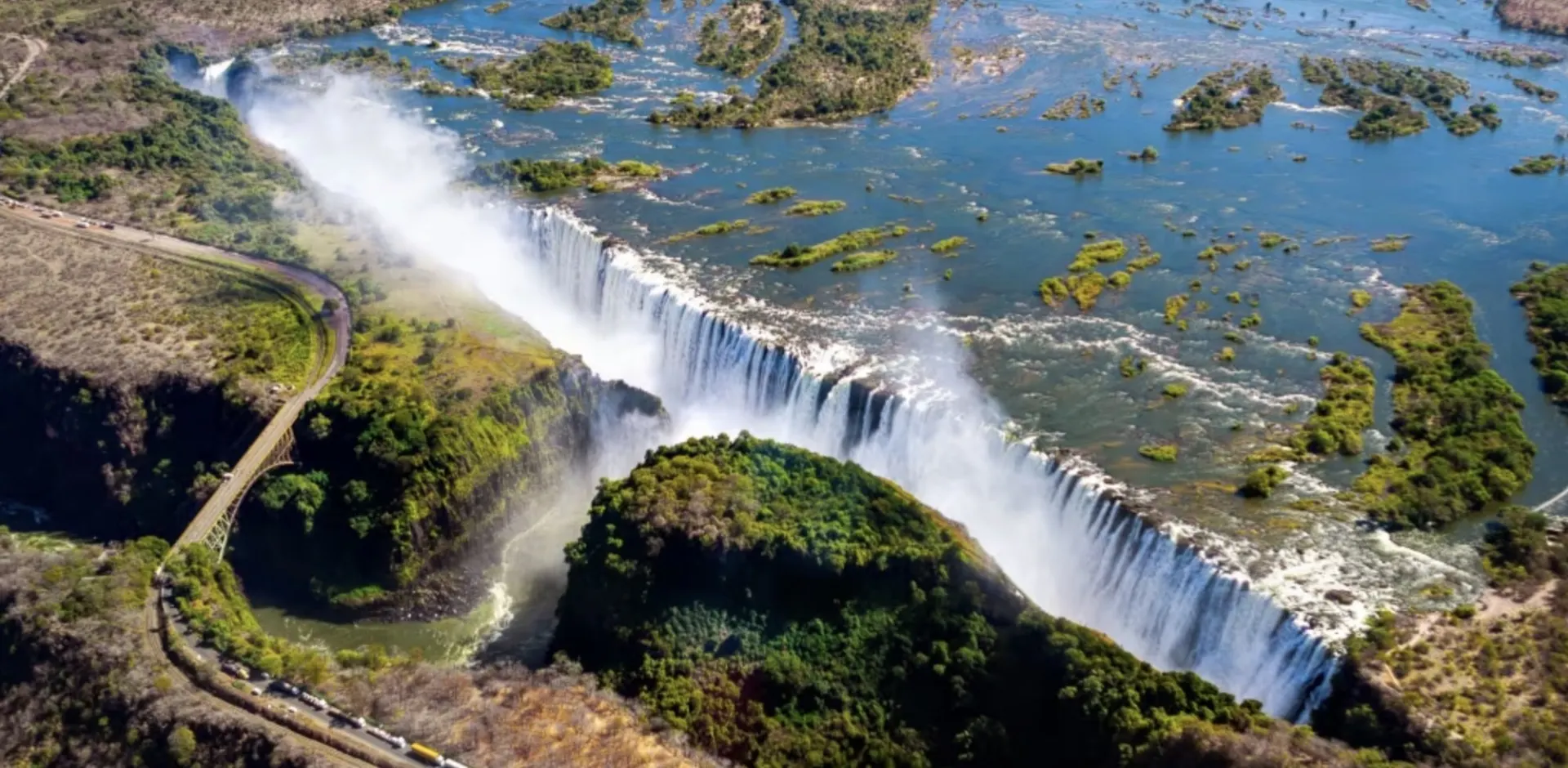
Victoria Falls from the air

The natural two-part trip

Victoria Falls

Chobe is an easy road transfer from Victoria Falls, so the river and the falls make a natural pair: three nights at the Falls, two or three at Chobe and a few nights deep in the Delta.

An elephant herd on the green Chobe floodplain

The elephant capital

Chobe

Many travelers reach Chobe on a day trip from Victoria Falls, about 90 minutes by road. The longer answer is two or three nights inside the park, with room for a Savuti or Linyanti add-on.

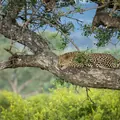
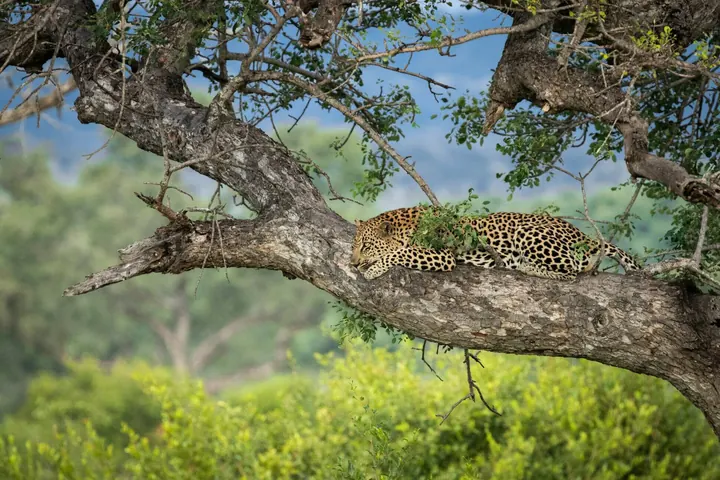
Leopard resting on a tree branch in the Sabi Sand, South Africa

The loop we like

South Africa

Cape Town, a Kruger-side reserve, then north into Chobe and across to Victoria Falls, about three nights each. Johannesburg connects it all by scheduled flight.

The Practical Questions

FAQ

The questions travelers ask us most about a Botswana safari, grouped by topic.

Can't see your question? Ask us directly and a real person will answer.

Planning and cost

How much does a Botswana safari cost?
Botswana runs on a low-volume, high-yield model, so there's no real budget tier. Two nights at an all-inclusive Chobe river camp, an easy road transfer from Victoria Falls, came to $1,450 to $2,150 per person in four of our 2027 quotes, with flights extra. The Okavango Delta and Khwai camps vary a lot by camp and month, so we price those to your dates. Park and conservation fees are folded into your quote, and most camps include them in the nightly rate. See what an African safari costs and real trips with the real prices.
How many days do we need in Botswana?
Three or four nights in the Okavango Delta and two or three at Chobe make the classic shape, which with a night to arrive comes to about seven nights. The Kalahari and Makgadikgadi pans need at least two nights to be worth the journey. Add Victoria Falls and you're at ten nights or more. Our guide to trip length covers other regions.
How is Botswana different from Kenya or Tanzania?
Botswana works on a low-volume, high-yield model: fewer vehicles per concession, premium rates, and conservation built into the lease structure. You will see fewer animals per hour than in the Mara, but each sighting feels less like a traffic jam. The Okavango Delta is also genuinely water-based, with mokoros, boats and fly-camping, which Kenya and Tanzania can't match. For a first safari we usually suggest Tanzania, with Botswana as the second, and our Botswana vs Tanzania guide explains why.
Can we combine Botswana with Victoria Falls, Chobe or South Africa?
Yes, and they fit together well. Chobe is an easy road transfer from Victoria Falls, and Johannesburg connects to Maun, Kasane and Victoria Falls by scheduled flights, so a loop through Cape Town, a Kruger-side reserve, Chobe and the Falls works well. See our Chobe, Victoria Falls and South Africa pages.
Can we visit Chobe as a day trip from Victoria Falls?
Many travelers do, about 90 minutes by road from Victoria Falls, and it's a legitimate short option. The longer answer is two or three nights at Chobe, which gives you dawn light on the river, an afternoon boat cruise and room for a Savuti or Linyanti add-on. Our Chobe page has the detail.

When to go

When is the best time to visit Botswana?
May to October is the dry season and the classic time for wildlife. The Angolan rains reach the Okavango Delta from May and water levels peak in July and August, while the surrounding bush dries out and animals gather at the water. Chobe's elephant herds are at their biggest in the dry months. November to April is the green season, with dramatic skies, newborn animals, migrant birds and lower rates, though the flood has receded and the vegetation is thick. Our best time to visit Botswana guide goes month by month.
When does the Okavango Delta flood?
The flood comes from rain that falls in the Angolan highlands between December and March, then travels south for weeks. It usually starts reaching the Delta in May, builds through June and peaks roughly July to August, months after the local rain has gone. That's why the dry season is the best time for mokoro and boat safaris. In a low-flood year some inner-Delta camps have limited water, so we match each camp to the expected water levels for your dates.

Getting there

How do we get to Botswana from the US?
Delta Air Lines flies non-stop from Atlanta to Johannesburg and United from Newark, about 15 to 16 hours, and from there scheduled flights run to Maun for the Okavango Delta and to Kasane for Chobe. From other US cities you connect once or twice, and Nairobi and Addis Ababa also connect through to the region. Camps in the Delta are then reached by light aircraft. Schedules change, so we check them when we build your trip, and we price your flights when you're ready to book because fares move.

On safari

Can we take children on a Botswana safari?
Minimum ages are set camp by camp and they vary. Some Delta camps welcome children from around six, others set higher limits, and walking and mokoro activities often have higher age limits than game drives. Chobe's riverfront lodges are generally easier for younger children than the Delta. Tell us the ages in your group and we'll check each camp's policy. Our family safari guide covers ages by activity.

Health, visas and safety

Is Botswana safe for tourists?
Petty crime is common in towns and violent crime, including muggings and thefts from vehicles, can occur, so we arrange transfers. On safari the main risks are wildlife and water: follow park rules and your guide's advice, and don't swim in rivers and lakes. Check the latest on the State Department's Botswana page before you book.
Do US citizens need a visa for Botswana?
US citizens can visit Botswana for up to 90 days without a visa. Your passport should be valid for at least six months beyond the day you leave, with blank pages for the stamps. The rules change, so check the State Department's Botswana page before you book, check any extra documents for traveling with children under 18, and see a travel doctor about vaccinations.
Is malaria a risk in Botswana, and do I need a yellow fever certificate?
Both are medical questions for your doctor. Malaria is present in the north of Botswana, which includes the Okavango Delta and Chobe, and the CDC recommends prescription antimalarial medicine for those areas. Botswana asks for a yellow fever certificate only if you arrive from a country with yellow fever risk. On the vaccine itself, we generally tell people it's worth having, as one shot lasts a lifetime, but your doctor always has the last say. Raise your whole itinerary with a travel doctor before you book, and check the State Department's Botswana page and the CDC's Botswana page for current rules.

Start Planning

Plan Your Botswana Safari

From a Chobe river cruise to a week deep in the Delta. Tell us your dates and what you'd like to see, and we design the rest, with real prices in US dollars.

Five stars. 5.0 on Google and Tripadvisor37 five-star reviews, every one of them

Get in Touch
“Could not have imagined how it could have been better planned and delivered.”
Five stars. Gryffable, first safari, 2026, on Google
Mokoro polers preparing their dugout canoes in the reeds of the Okavango Delta

Email us or book a call

Talk to a real person

Samara looks after our guests from the US. Email her or book a call at a time that suits you, or message her on WhatsApp, and she'll come back to you the same day, US time.

Safaris · inquiries & bookings

Samara Imhoof

Bookings & Client Care

Whether you're just kicking around ideas or already booked. Dates, lodges, costs, changes, payments, flights.


Email

[email protected]
Business · partnerships & trade

Jackson Potter

Founder

Lodges, agents, media, or anything commercial. This one comes straight to me.


[email protected]
Contact us

Not sure who to ask? [email protected] reaches the whole team.