Tanzania Safari Tours: Private Serengeti Trips | Kingse
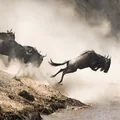
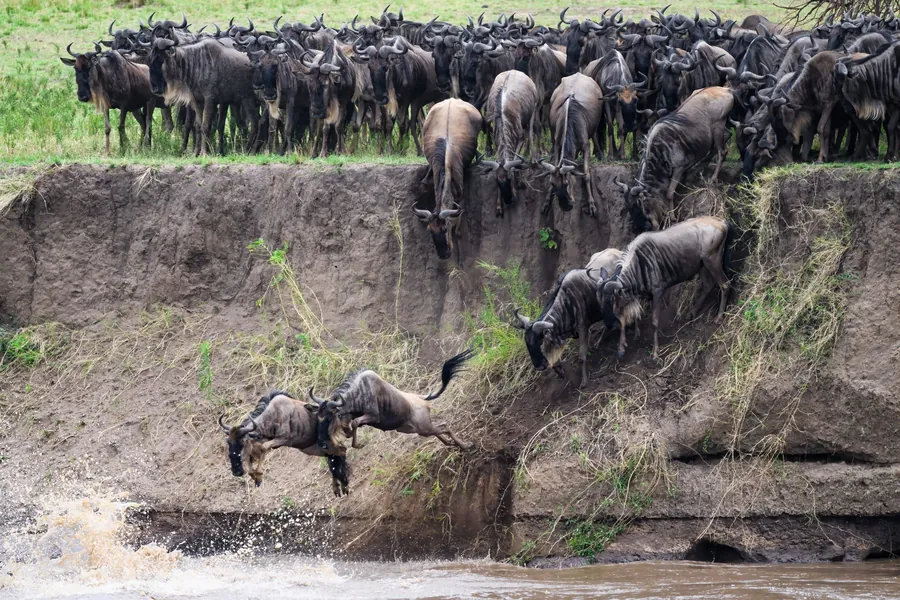
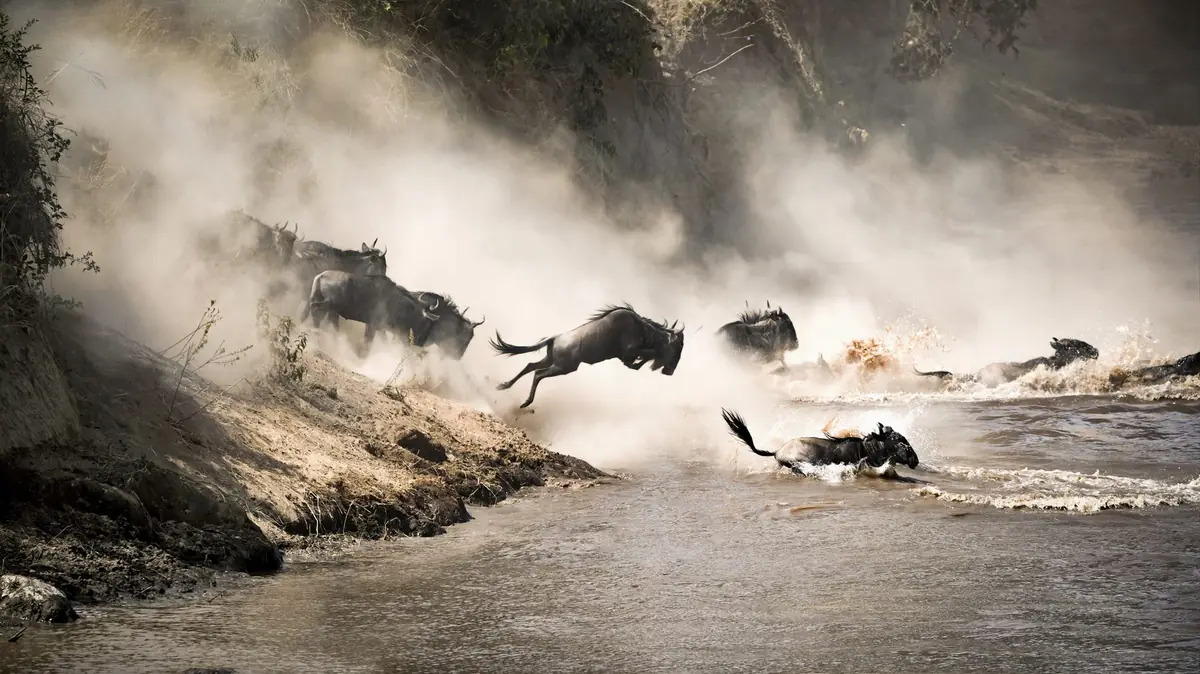
Wildebeest leaping into the river during a Great Migration crossing

Serengeti · Ngorongoro · Tarangire · Lake Manyara · Nyerere

Tanzania Safari Tours

Private safaris with our own guides and vehicles, planned from the Gold Coast and priced in US dollars.

Five stars. 5.0 on Google and Tripadvisor37 five-star reviews, every one of them

Safari at Its Most Classic

Six national parks · The Great Migration · One northern circuit

Tanzania is safari at its most classic. The northern circuit alone holds the Serengeti, Ngorongoro Crater, Tarangire and Lake Manyara, four of the most celebrated wildlife areas on the continent, within a few hours of each other. The Great Migration herds spend most of the year in Tanzania, crossing into Kenya's Masai Mara for part of the dry season, so there is almost always somewhere to see them. The south, Nyerere and Ruaha, is wilder and quieter, and the right answer for a second safari.

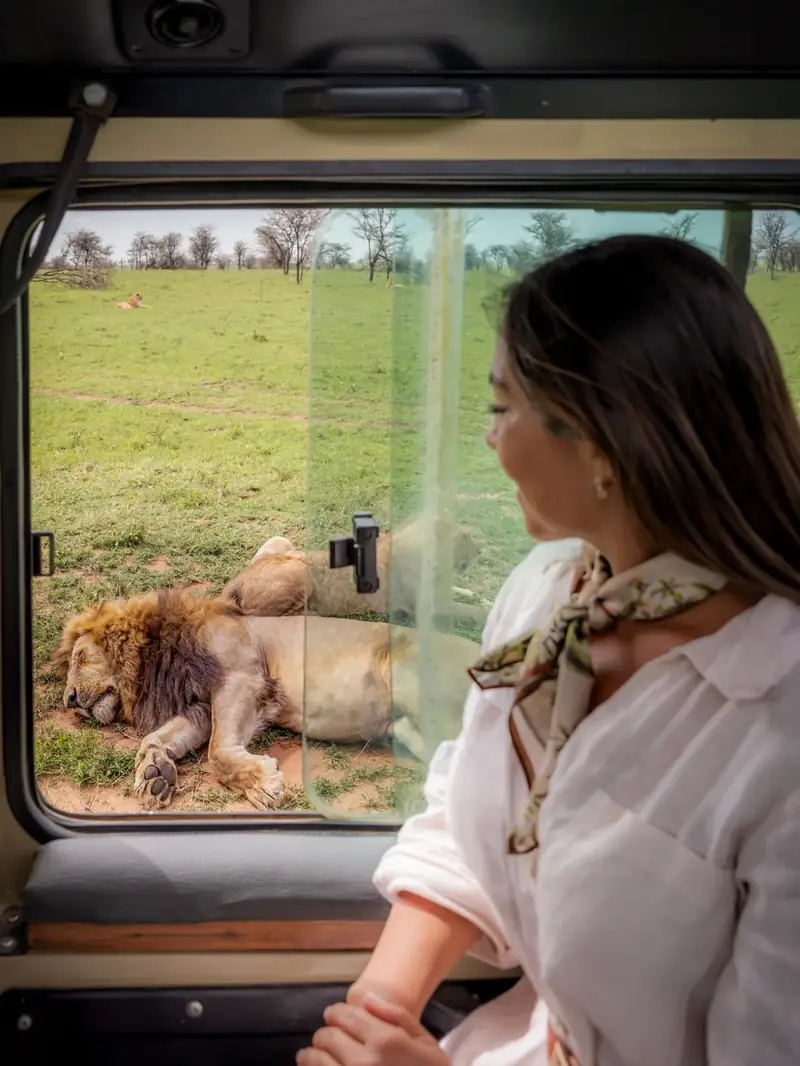
A guest watching two male lions resting beside the vehicle, seen through the open window
Lions resting beside the vehicle, seen from the window.

Tanzania at a glance

  • Best monthsJune to OctoberDry season and the river crossings
  • Typical trip7 to 10 nightsSeven for the northern circuit, ten to go deeper
  • Flying time17 to 21 hoursFrom the East Coast, with one or two stops
  • Time difference7 to 11 hours ahead of the USUTC+3 all year, no daylight saving
  • Highlights
    • Great Migration
    • Big Five
    • Ngorongoro Crater
    • Our own guides
    • Zanzibar to finish

Who you're dealing with

We're an Australian company on the Gold Coast with our own guides, vehicles and team in Tanzania, so the people who design your trip are the people who run it. Every trip is private and built around you, and we look after the whole thing from the first call to the flight home, on one contract and one invoice from Kingse Safaris Pty Ltd (ABN 37 698 821 886).

How booking works →
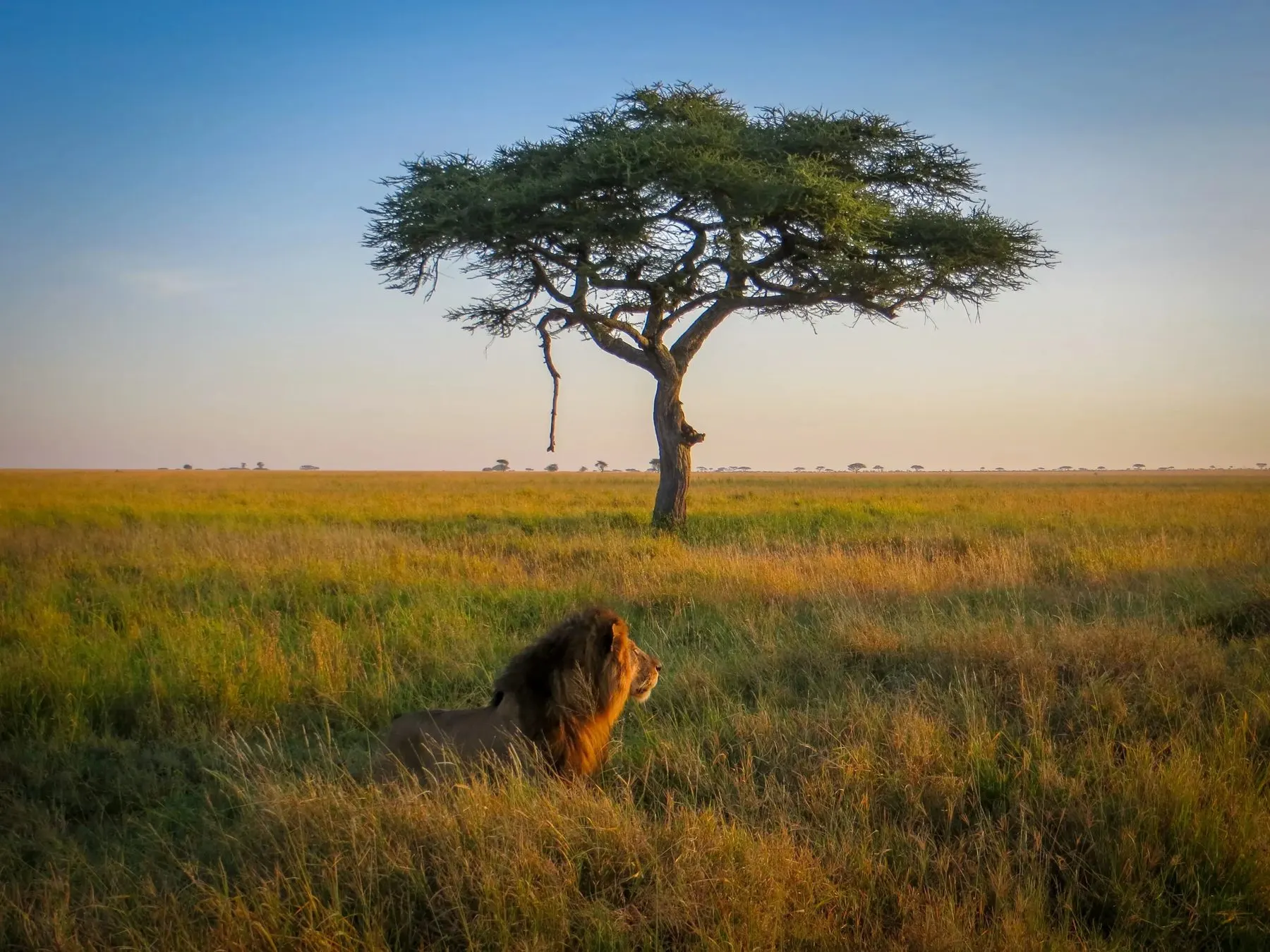
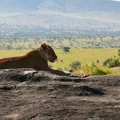
A male lion resting in long golden grass below a lone acacia

In a guest's words

I can honestly say this was the best trip I’ve ever been on.

Five stars. Kaitlyn M., Tanzania, March 2026, on Tripadvisor

Tanzania, Park by Park

Tour the Parks

Scroll, and the map follows you from park to park.

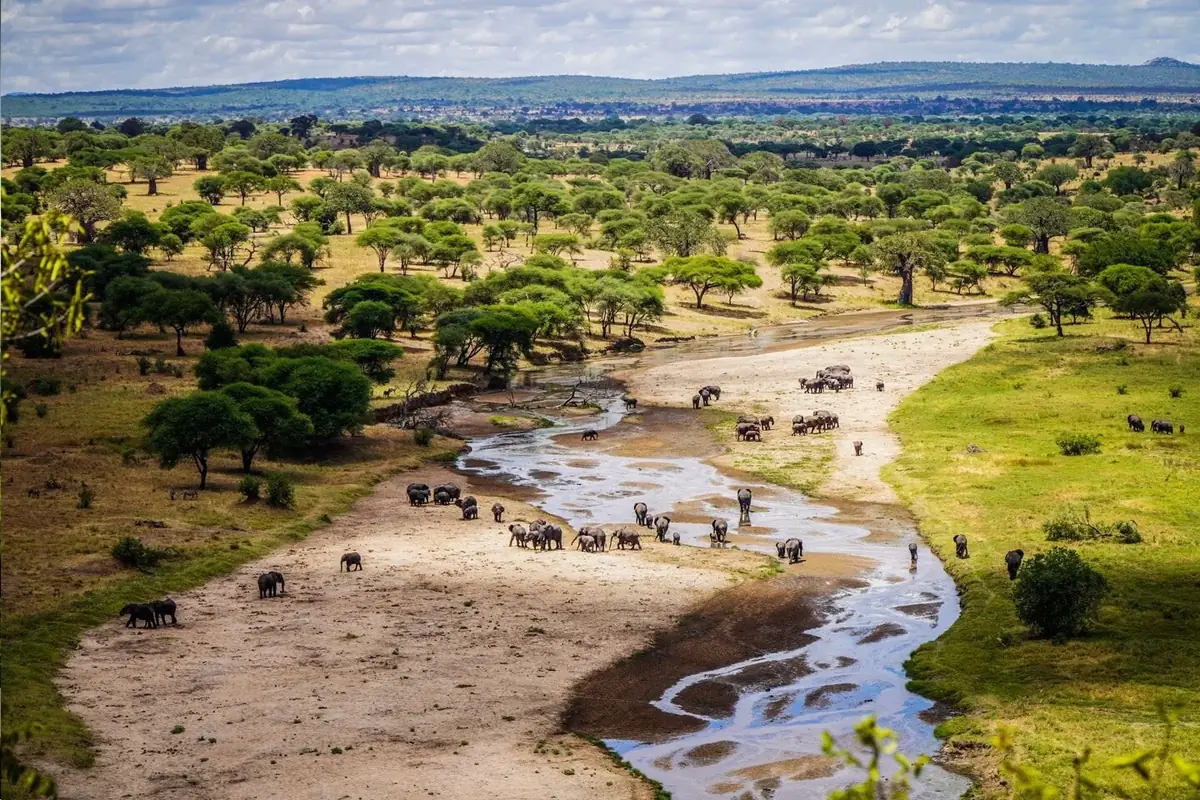
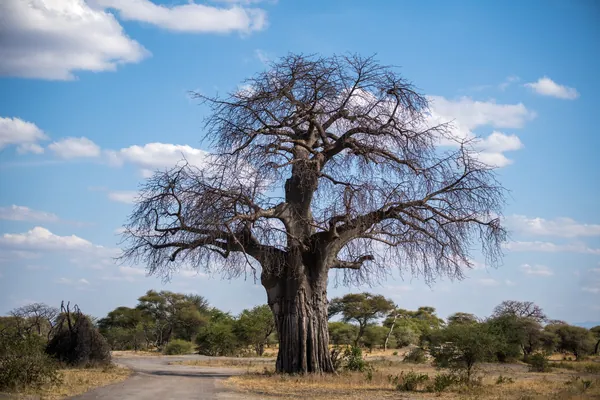
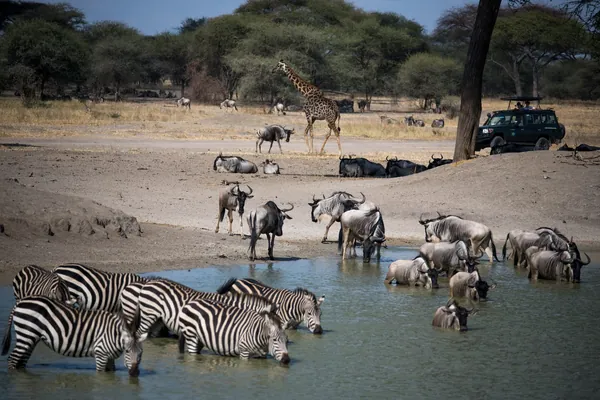
Elephant herds along the Tarangire River valleyA baobab in TarangireZebra and wildebeest at a Tarangire waterhole

Northern Circuit · First stop

Tarangire National Park

Baobab country about two hours from Arusha, with the biggest elephant herds in the north and a quieter, wilder feel than the parks beyond it.

  • Elephant herds
  • Baobab forest
  • Tree-climbing lions
  • Photography

Best monthsJune to OctoberFrom ArushaAbout two hours by road

More on Tarangire
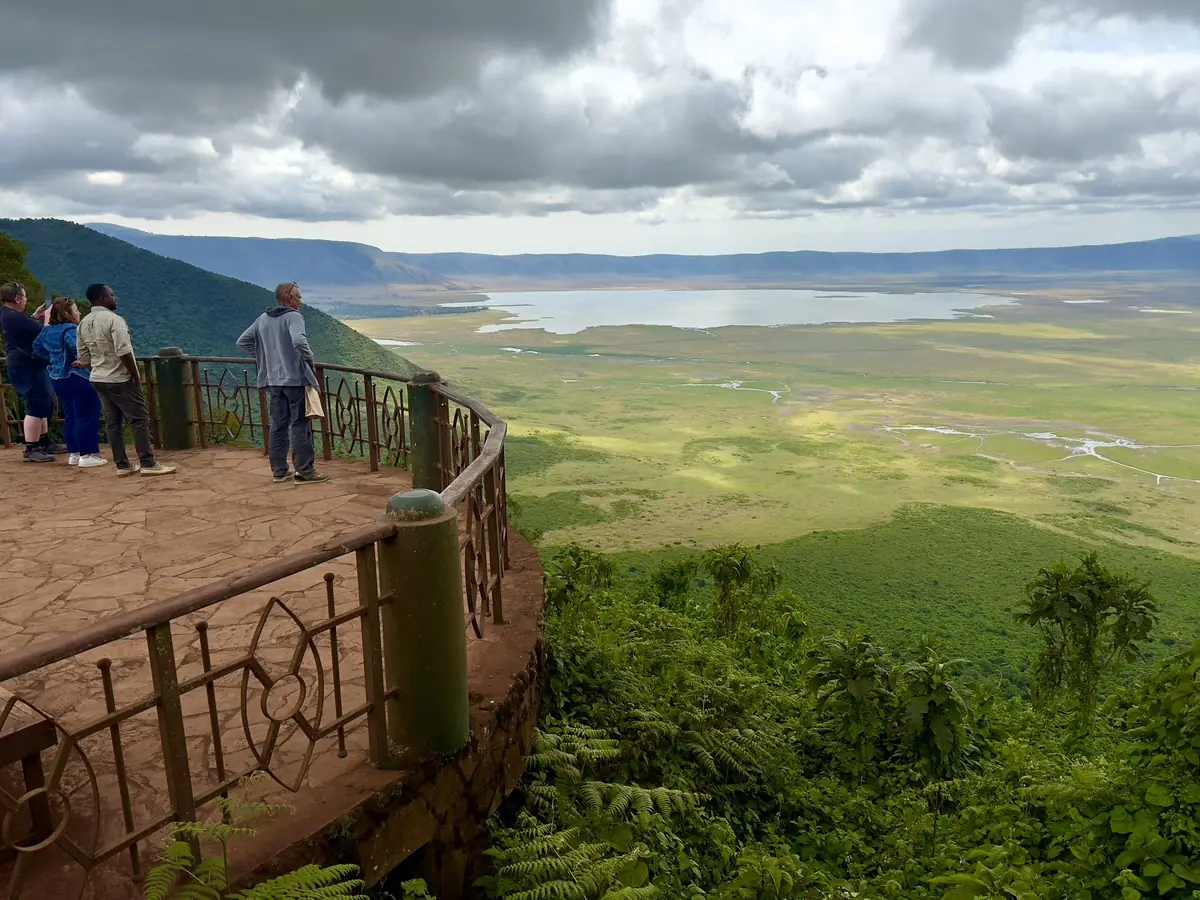
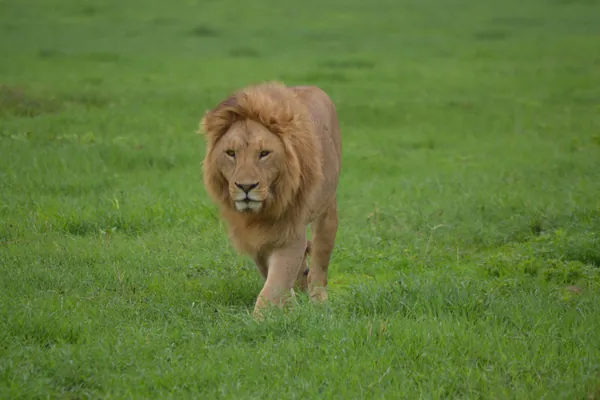
Visitors at a viewpoint on the Ngorongoro Crater rimA lion walking on the crater floorFlamingos on the crater's soda lake

Northern Circuit · Second stop

Ngorongoro Crater

A collapsed volcano and a natural amphitheater. The crater floor holds black rhino, lion, flamingo and more in a single contained world you descend into for the day.

  • Big Five
  • Black rhino
  • Crater floor
  • Maasai culture

Best monthsAll year, at first lightFrom TarangireAround two hours by road to Karatu

More on Ngorongoro
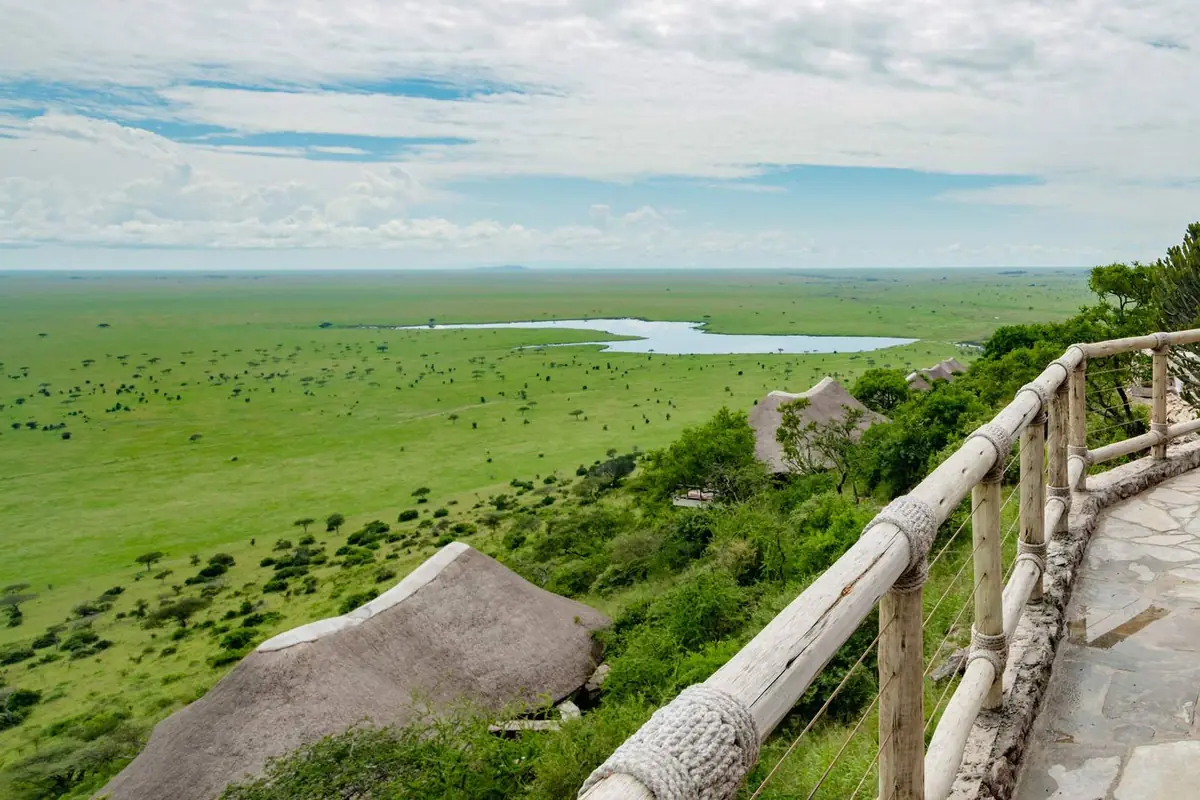
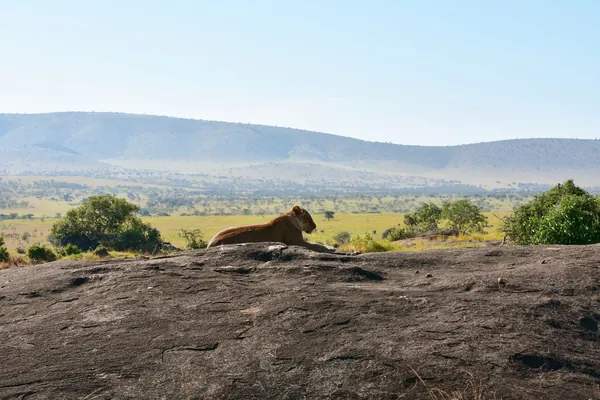
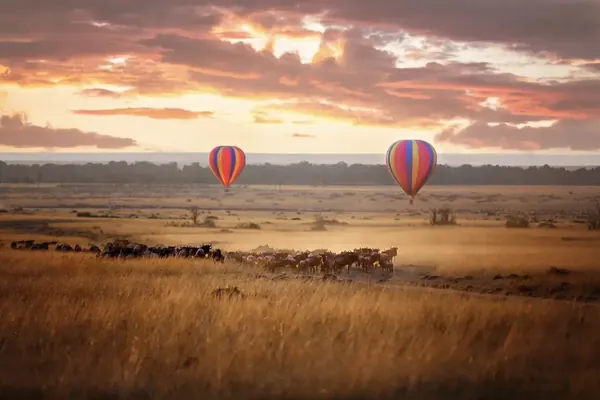
Green central Serengeti plains and Lake MagadiA lioness on a Serengeti kopjeHot air balloons over the Serengeti at sunrise

Northern Circuit · Third stop

Serengeti National Park

The endless plains and the heart of the Great Migration, with lion, cheetah and leopard there all year.

  • Great Migration
  • Big Five
  • River crossings
  • Balloon safaris

Best monthsAll year; crossings from mid-JulyFrom the craterA full day by road, or 90 minutes by air from Arusha

More on the Serengeti
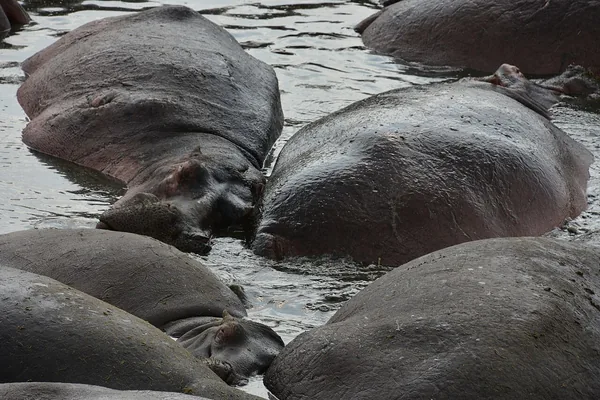
A pod of hippos packed into a pool in Nyerere National ParkSunset over the sandbanks of the Rufiji River in Nyerere

Southern Circuit · For a second safari

Nyerere & the Southern Parks

Boat safaris on the Rufiji, walking safaris and vast, empty bush. The south trades the crowds for genuine wilderness.

  • Boat safaris
  • Walking safaris
  • Fly-camping
  • Rufiji River

Best monthsJune to October, before the camps closeFrom Arusha or Dar es SalaamA fly-in park, by light aircraft

Selous vs Ruaha, the southern parks

Map tiles: Esri, National Geographic. Locations are indicative.

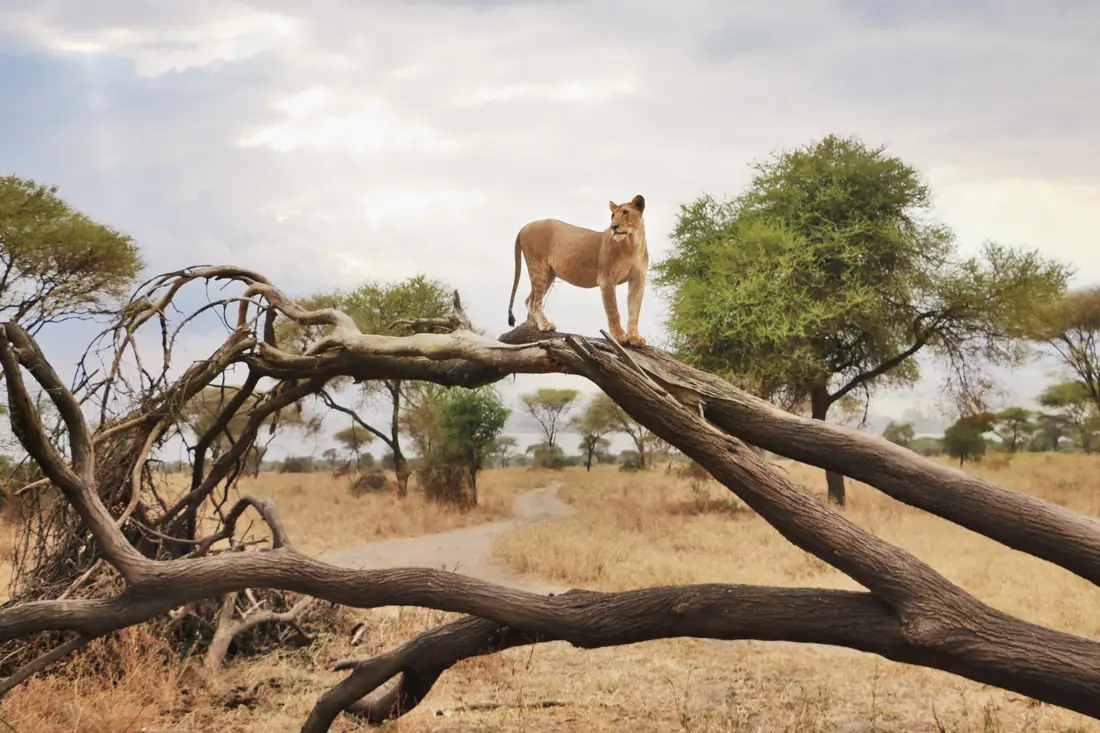
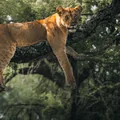
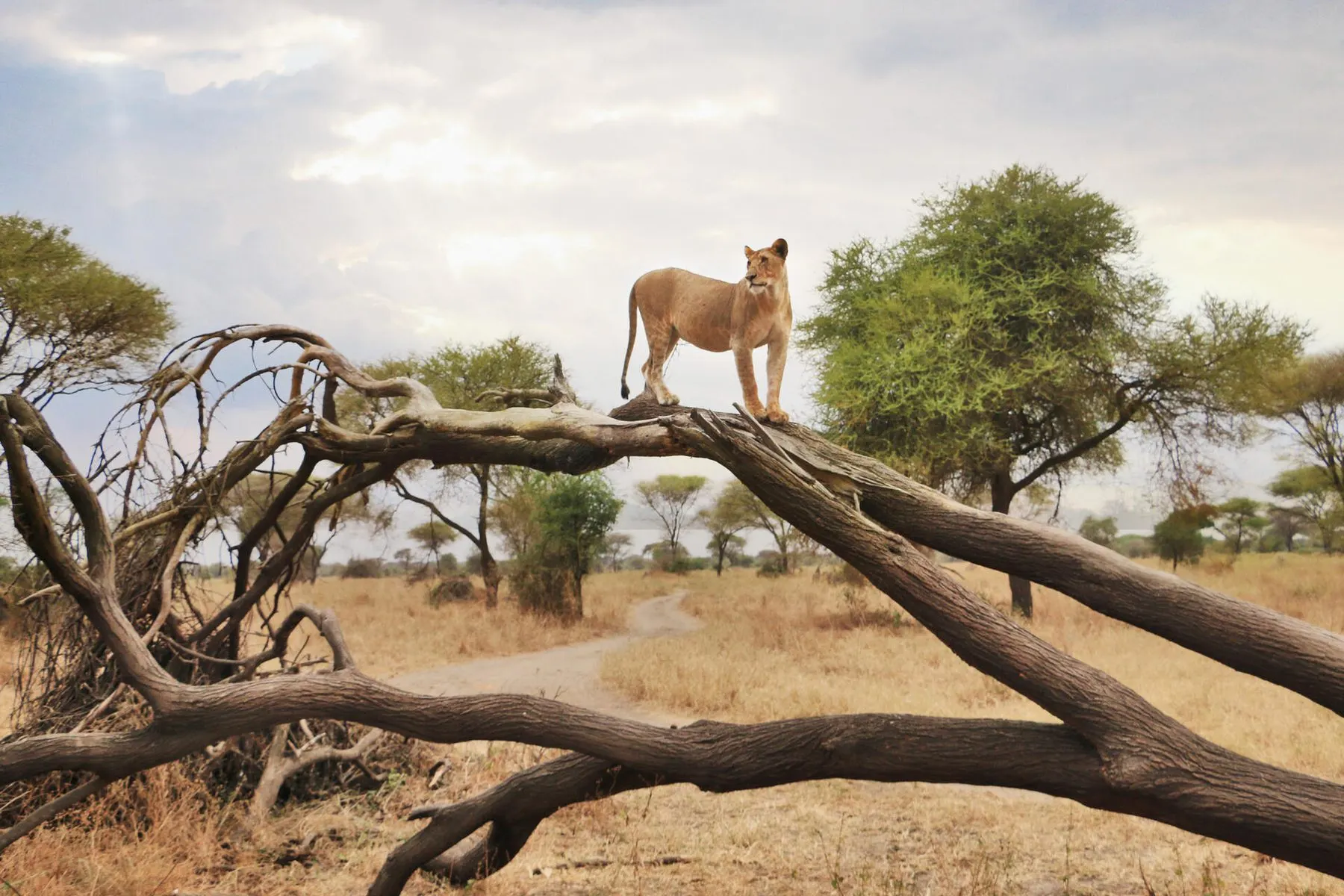
A lioness standing on a fallen tree on the Serengeti plains

Featured Park

Serengeti National Park

The Serengeti covers 14,763 square kilometers (about 5,700 square miles) of open savannah, riverine forest, and kopje-studded plains, enough space for the Great Migration to play out across a canvas that stretches to every horizon. This is the park that defines safari for most people, and the one that keeps drawing guests back year after year.

The park is broadly divided into four areas. The southern plains around Ndutu are where the herds calve between January and March, predator action is at its peak during this period, and the flat grasslands make for exceptional visibility. The central Seronera valley is year-round game viewing territory: resident big cats and hippo pools. The western corridor sees the herds at the Grumeti River around June, with massive Nile crocodiles waiting in the shallows. And the northern Serengeti around Kogatende is where the famous Mara River crossings happen, beginning in mid-July and running through October. It is the most dramatic wildlife spectacle on earth.

Where you stay in the Serengeti matters as much as when you visit. We position camps and lodges to match the migration's movement, so you are always in the right part of the park at the right time of year. Two nights is the least we would suggest, three is the sweet spot, and four is generous. Our Serengeti safari page has the camps area by area, our Great Migration guide follows the herds month by month, and our Serengeti National Park guide covers the park itself.

  • Great Migration
  • Big Five
  • River Crossings
  • Balloon Safaris
  • Calving Season
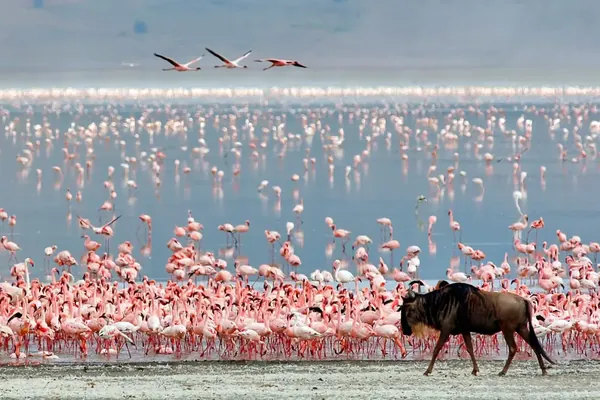
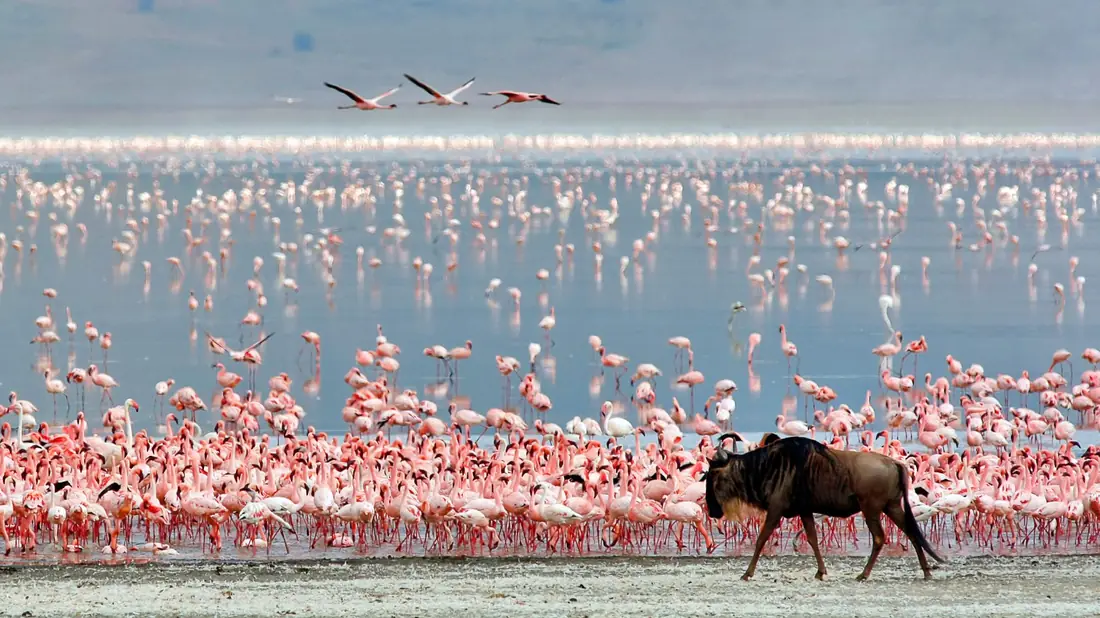
Flamingos crowding the shallows of a soda lake as a wildebeest walks past, Ngorongoro

Featured Park

Ngorongoro Crater

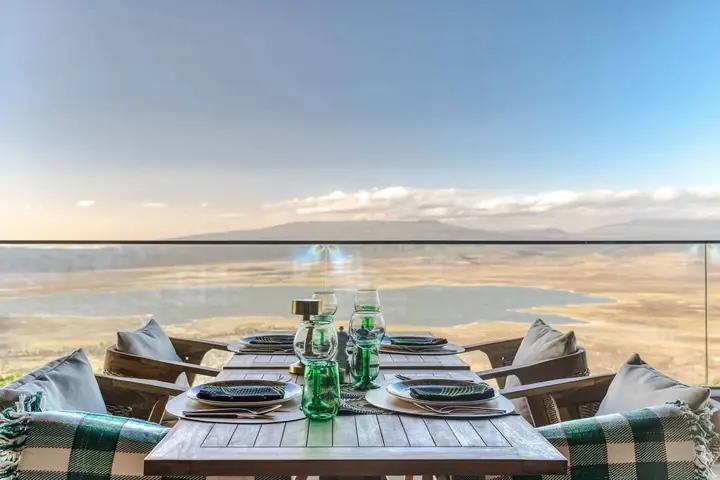
The Ngorongoro Crater is a world of its own. This collapsed volcano, roughly 20 kilometers (12 miles) across and 600 meters (about 2,000 feet) deep, holds the densest concentration of large mammals in Africa. Lion, elephant, buffalo, black rhino, and flamingo-ringed soda lakes, all contained within a natural amphitheater that has no equal anywhere on the continent. You can see all of the Big Five in a single morning here.

The crater floor sits at around 1,800 meters (5,900 feet) elevation, so mornings are cool and often misty. The descent into the crater takes about 30 minutes on a winding dirt road, and once on the floor, game drives follow established tracks past freshwater pools, marshland, open grassland, and acacia woodland. The resident black rhinos, roughly 25 individuals, are among the easiest black rhinos to see in Tanzania. We plan the crater for early morning, when the light is soft and there are fewer vehicles, and you are usually back on the rim by early afternoon.

Beyond the crater itself, the broader Ngorongoro Conservation Area includes the Ngorongoro Highlands, walking country with Maasai communities, Empakaai Crater (a smaller, water-filled caldera with flamingos), and the Olduvai Gorge, one of the most important paleoanthropological sites in the world. Our Ngorongoro Crater guide goes into the detail.


  • Big Five
  • Black Rhino
  • Crater Floor
  • Maasai Culture
  • Olduvai Gorge
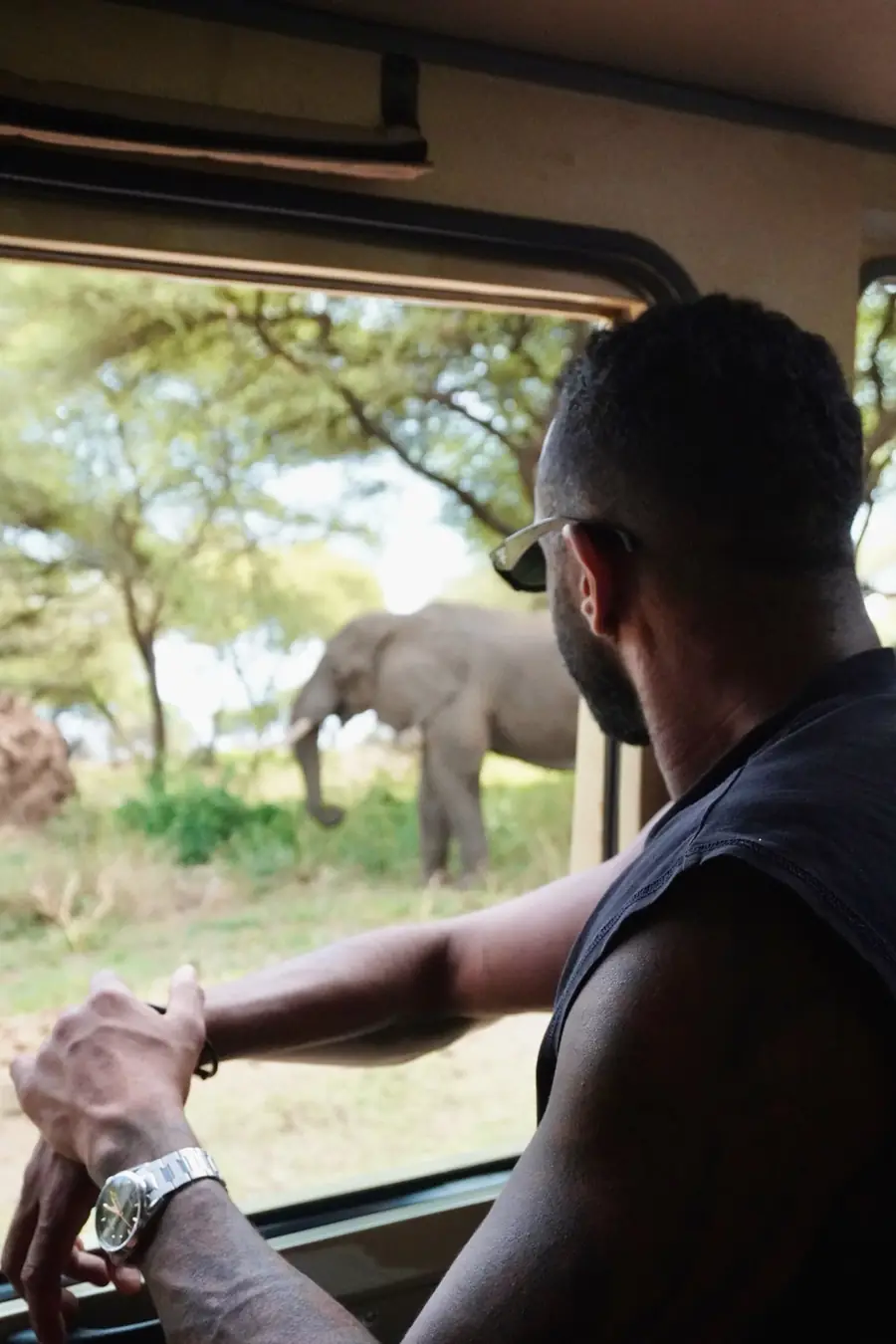
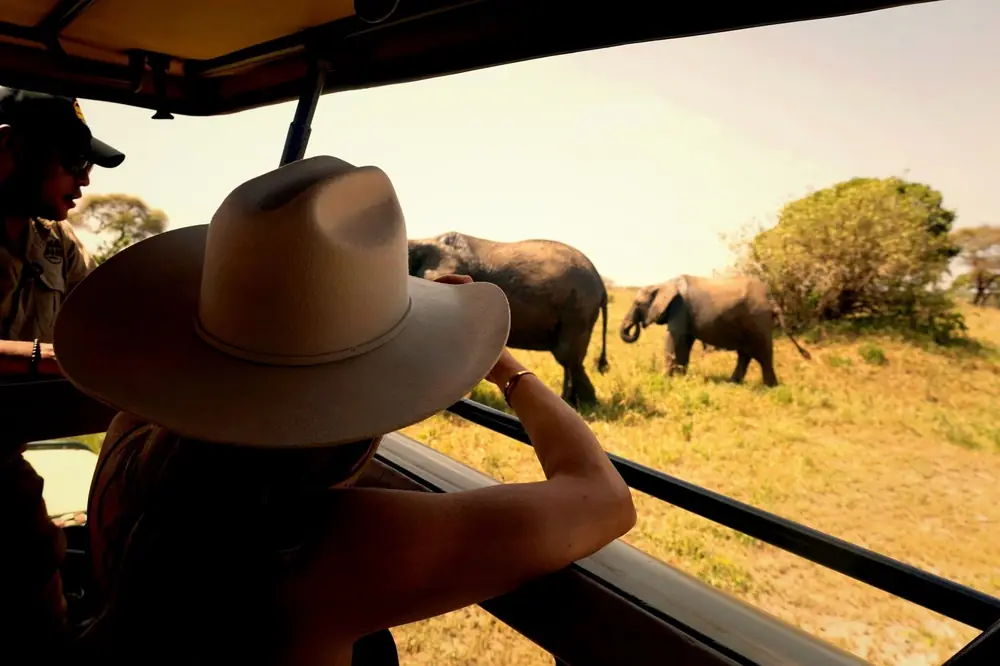
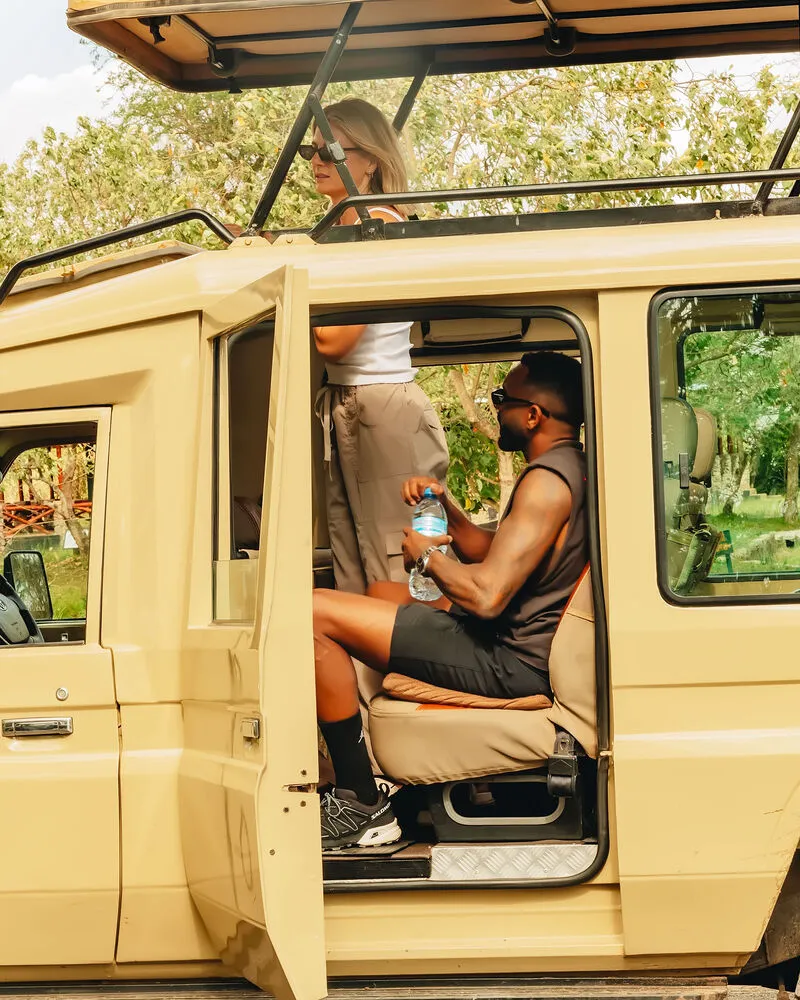
A guest watching an elephant from the open side of the safari vehicle

Featured Park

Tarangire National Park

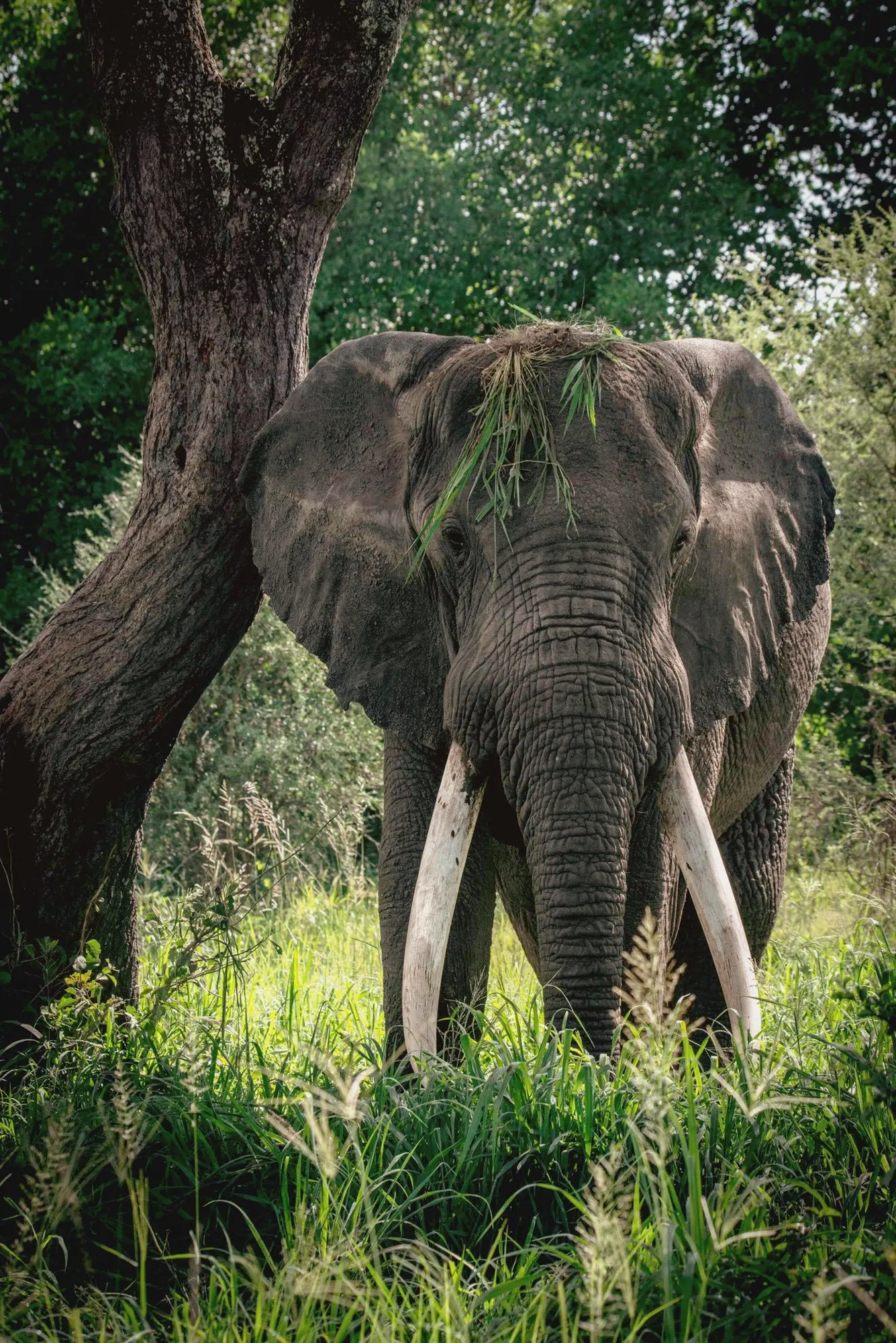
Tarangire is one of the most underrated parks in Tanzania, and one of the most photogenic. Ancient baobab trees, some over a thousand years old, dot the landscape like sentinels, and the Tarangire River draws some of the largest elephant herds on the continent during the dry season. Between June and October, it is not unusual to see 300 or more elephants gathered along the riverbanks in a single afternoon.

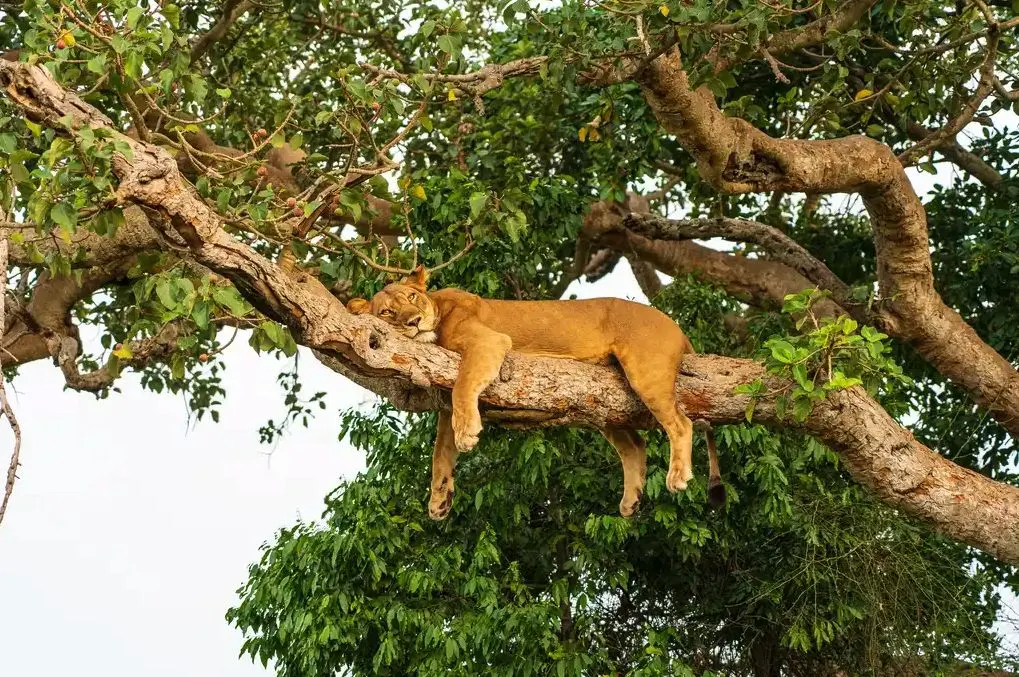
The park supports excellent predator populations: lion prides that have adapted to climb the baobabs, leopard in the southern woodlands, and large numbers of python in the riverine forest. Tarangire also holds special species you will not find elsewhere on the northern circuit, fringe-eared oryx and the long-necked gerenuk, both more commonly associated with Kenya's drylands.

What sets Tarangire apart is the feel. It is quieter than the Serengeti, with fewer vehicles and a wilder atmosphere. The light here, golden and warm, filtering through baobab branches, produces some of the finest safari photography in Tanzania. We often use Tarangire as the opening or closing park on a northern circuit itinerary, and guests consistently name it a highlight. More in our Tarangire National Park guide.
  • Elephant Herds
  • Baobab Forest
  • Tree-Climbing Lions
  • Photography

How to Experience It

Safari Activities

Game drives at first and last light shape most days. Around them, these are the experiences we add, depending on where you stay.

A guest in a wide-brimmed hat watching elephants from the safari vehicle

Game Drives

Open-vehicle safaris led by expert guides who read the landscape and predict where wildlife will gather. Early morning and late afternoon drives offer the best light and animal activity.

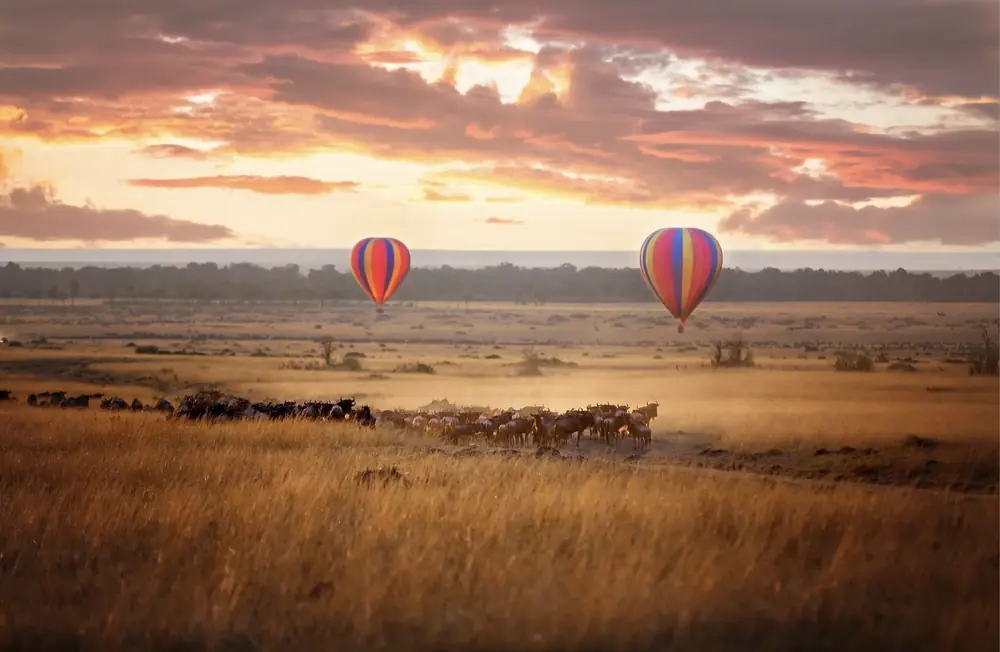
Two hot air balloons over the Serengeti plains at sunrise, with herds below

Hot Air Balloon Safaris

Float silently over the central Serengeti at sunrise, watching herds spread across an endless golden plain below. Includes a champagne breakfast on the ground.

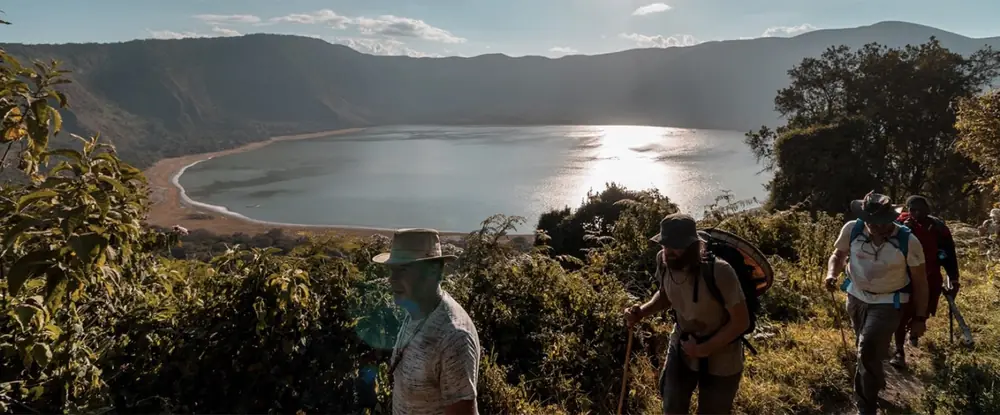
Walkers on a crater rim above a lake in the Ngorongoro Highlands

Walking Safaris

Slow-paced nature walks through the Ngorongoro Highlands with Maasai guides. Encounter wildlife, plants, and cultural traditions on foot. A completely different perspective on the landscape.

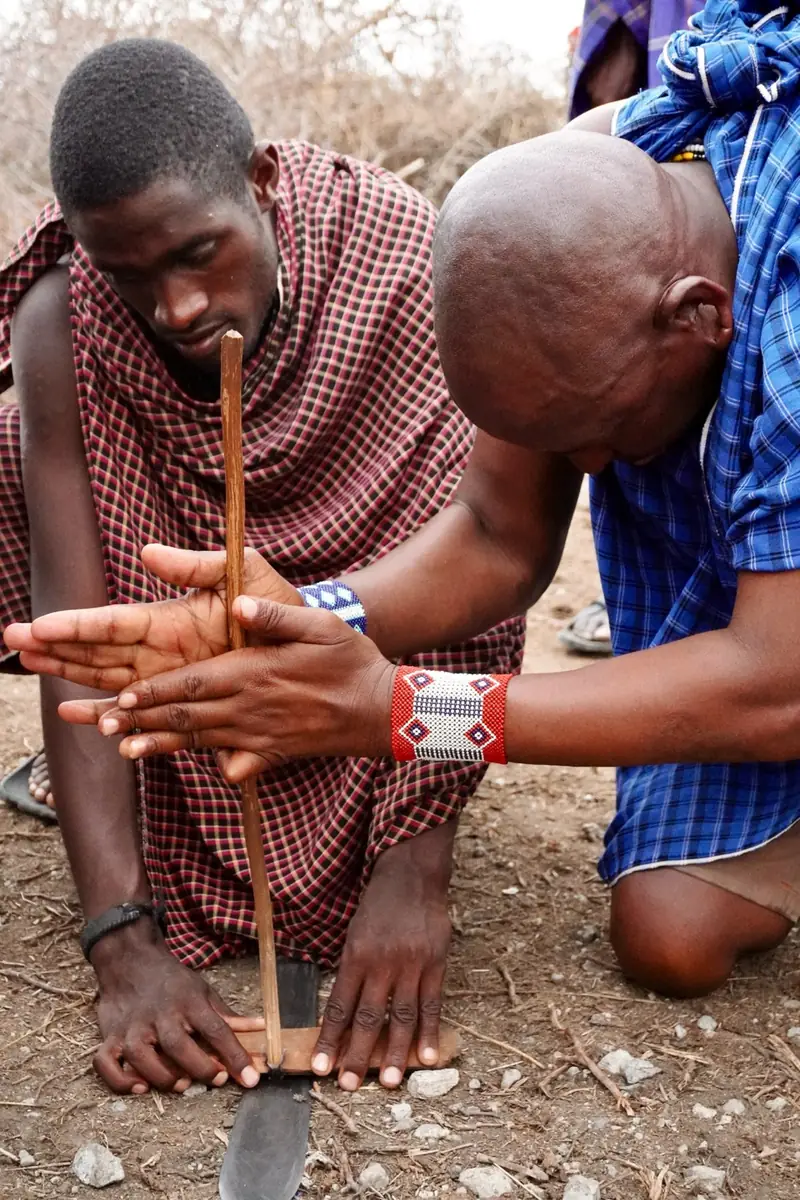
Two Maasai men making fire by hand

Maasai Cultural Visits

Meet Maasai families in their communities, learn about their traditions, and understand the culture that has shaped the Ngorongoro region for centuries.

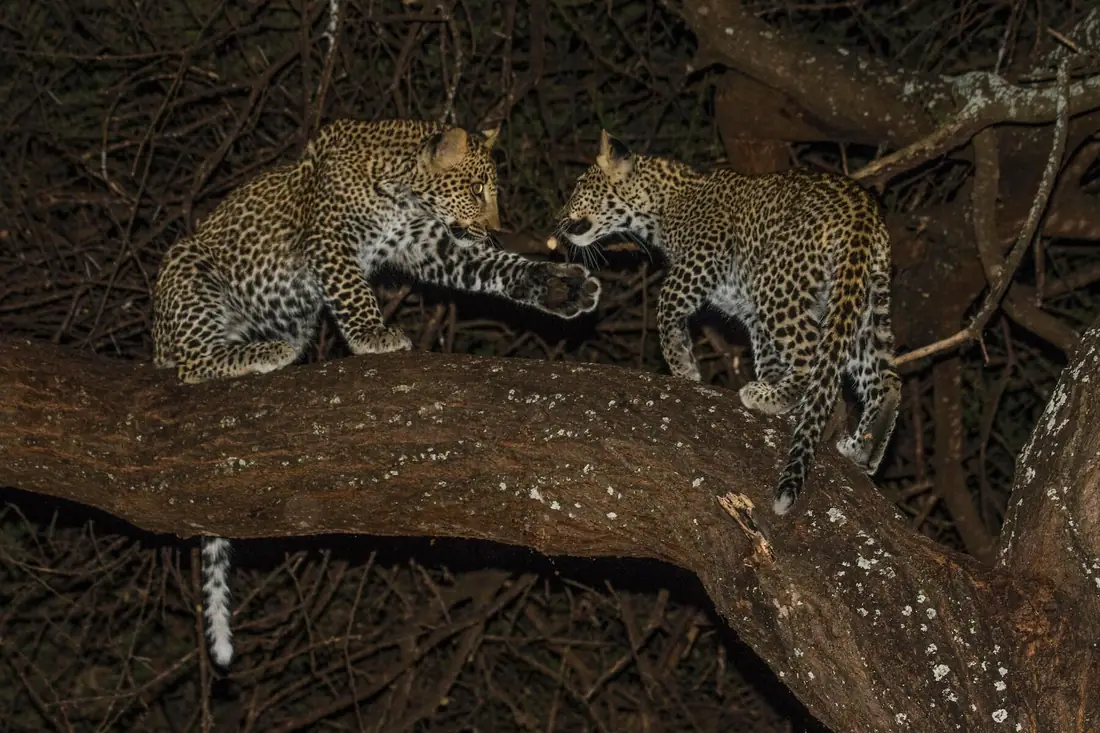
Two leopard cubs on a branch, lit by the guide's spotlight on a night drive in northern Tanzania

Night Drives

See nocturnal wildlife with spotlight technology. Encounter aardvarks, civets, servals, and other creatures that come alive after dark. Night drives happen in private concessions and areas outside the national parks, not inside the parks themselves.

A smiling guest leaning out of the open roof of the safari vehicle

In a guest's words

The safety and security we felt with Kingse Safaris … is incomparable.

Five stars. Abbey Lister, Tanzania, February 2026, on Tripadvisor

How a Tanzania Trip Comes Together

Trip Shapes

Three shapes cover most travelers. Tanzania works as a stand-alone northern circuit trip or as the safari half of a Tanzania and Zanzibar combination. Looking for Tanzania safari packages from the US? We don't sell fixed packages. Every trip is private and priced to your dates, so these are starting points.

7 nights

Northern Circuit Classic

Tarangire + Ngorongoro + Serengeti

The compressed essential. Two nights Tarangire (elephants and baobabs), one Ngorongoro Crater day, three Serengeti nights at the migration’s seasonal location. Tight but complete.
Typical, per person$6,400Most trips land between $5,150 and $7,700, depending on the lodges

Day 1 · Land at KilimanjaroDay 8 · Fly back to Arusha

  1. Arusha1 nightArrival night
  2. By road with your own guide.
  3. Tarangire2 nightsElephants and baobabs
  4. By road with your own guide.
  5. Crater rim or Karatu1 nightThe crater at first light
  6. By road with your own guide.
  7. Serengeti3 nightsWhere the herds are
  8. By light aircraft.
  9. ArushaFly home

10 nights · Sweet spot

Full Northern Circuit

+ Lake Manyara + extended Serengeti

The Kingse default. Adds a Lake Manyara night for tree-climbing lions and an extra Serengeti night to follow the migration deeper. Right rhythm for first-timers and repeat travelers alike.

Per person$6,100 to $8,300For 10 nights, depending on the lodges

Day 1 · Land at KilimanjaroDay 11 · Fly back to Arusha

  1. Arusha1 nightA soft landing
  2. By road with your own guide.
  3. Tarangire2 nightsElephants and baobabs
  4. By road with your own guide.
  5. Lake Manyara1 nightTree-climbing lions
  6. By road with your own guide.
  7. Crater rim or Karatu2 nightsCrater dawn, a slower highlands day
  8. By road with your own guide.
  9. Serengeti4 nightsTime to follow the herds
  10. By light aircraft.
  11. ArushaFly home

13 nights

Tanzania + Zanzibar

Northern Circuit + a beach finish

A week or more on safari, followed by a night in Stone Town and the beach on the east or north coast. The classic honeymoon and family combination.

Per person$7,550 to $10,900Typical 13 nights, from 34 of our 2027 quotes

Day 1 · Land at KilimanjaroDay 14 · Head home

  1. Arusha1 nightArrival night
  2. By road with your own guide.
  3. Tarangire, Ngorongoro and the Serengeti8 nightsA week or more on safari
  4. By light aircraft.
  5. Stone Town1 nightHistory, after the island hop
  6. By road with your own guide.
  7. Zanzibar beach3 nightsEast or north coast
  8. By light aircraft.
  9. HomeFly out
  • By road with your own guide
  • Light aircraft

Prices are per person in US dollars for two or more adults traveling privately, taken from the quotes we've built for 2027. They don't include international flights. Luxury camps in prime spots run higher, at about $1,150 to $1,300 per person per night, and our luxury safari trips show three of them priced in full. Our Tanzania safari cost guide explains what moves the number, and real trips shows what eight of them actually cost. Nights shift with the season, the herds and the lodges you choose, so treat these routes as typical shapes rather than fixed packages.

See Our Set Safaris by Budget

Where You Could Stay

Lodges We Work With, Region by Region

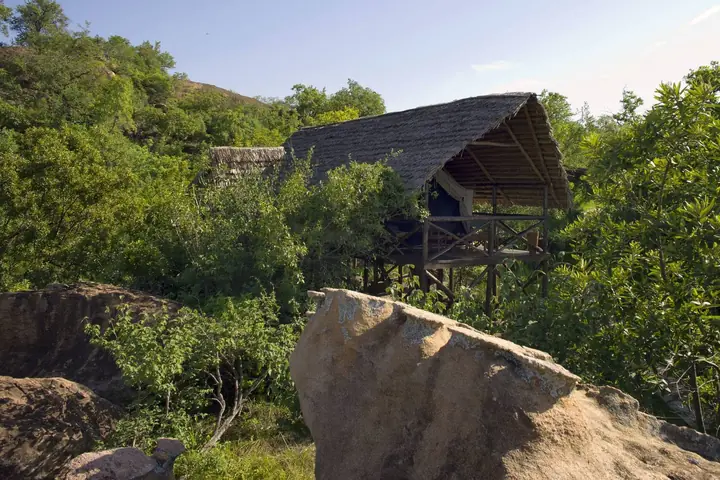
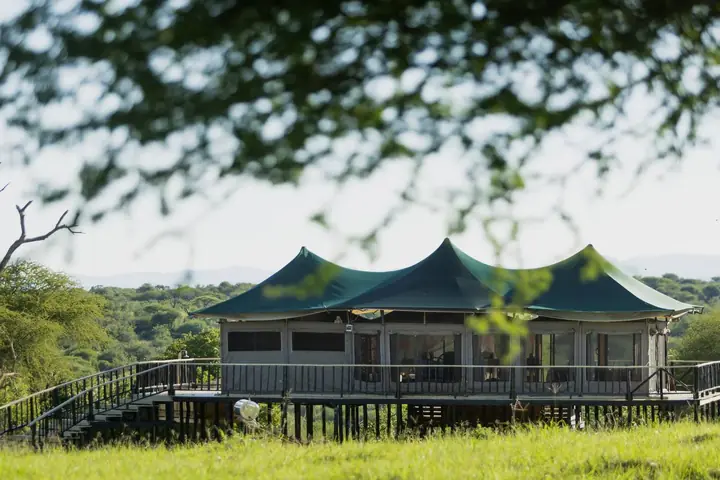
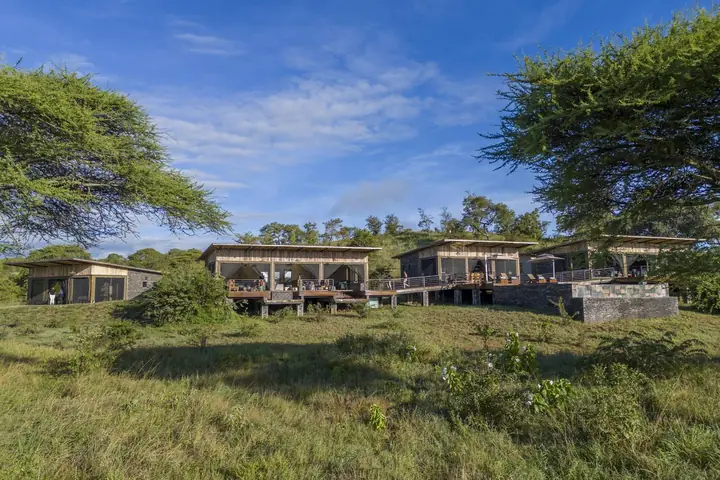
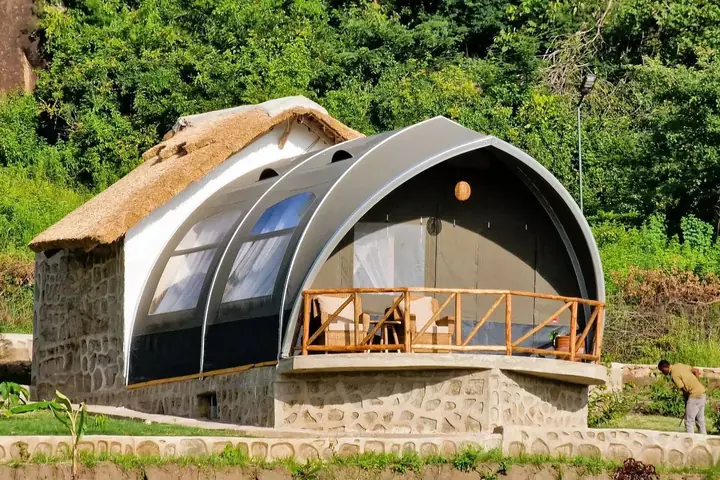
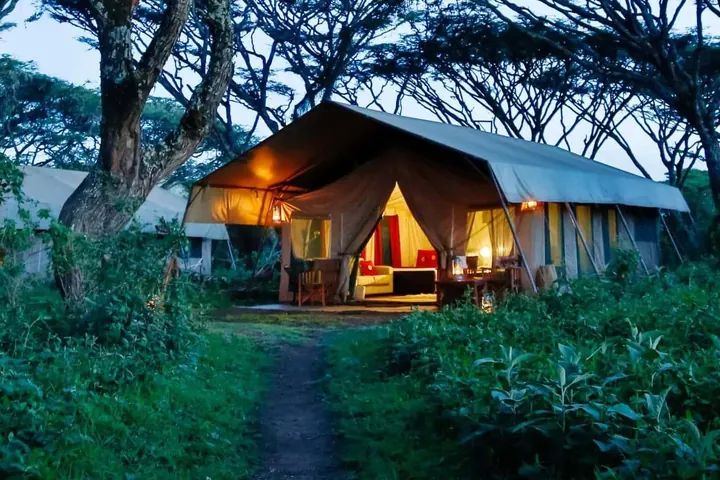
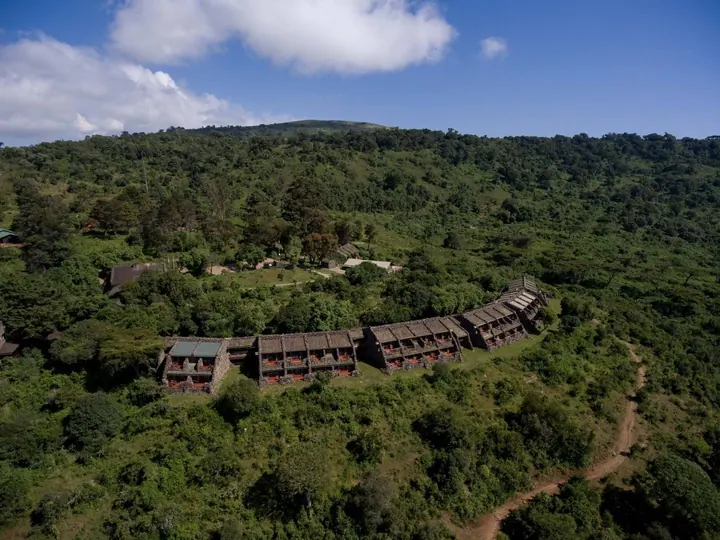
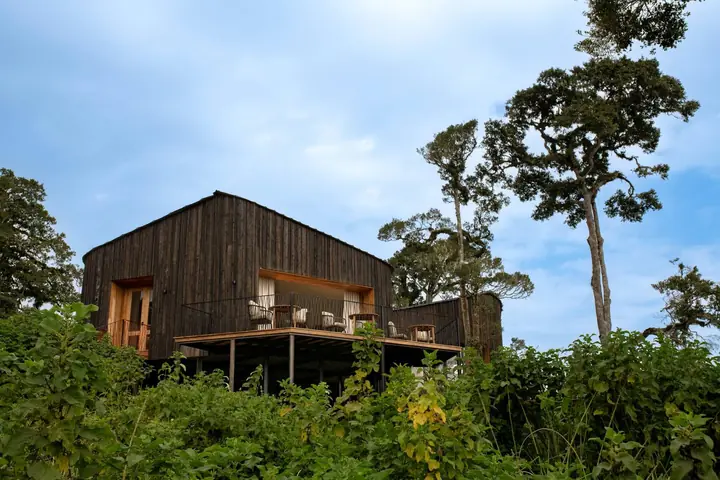
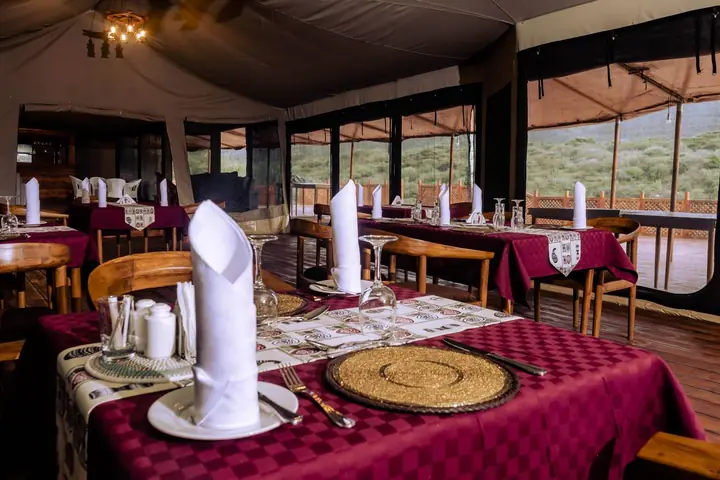
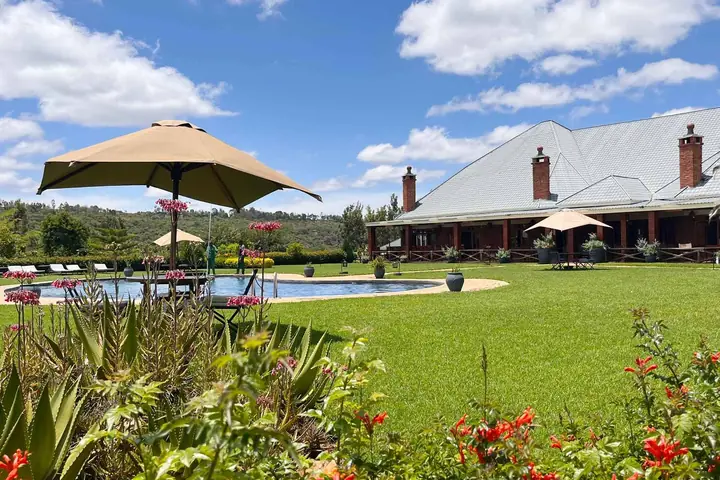
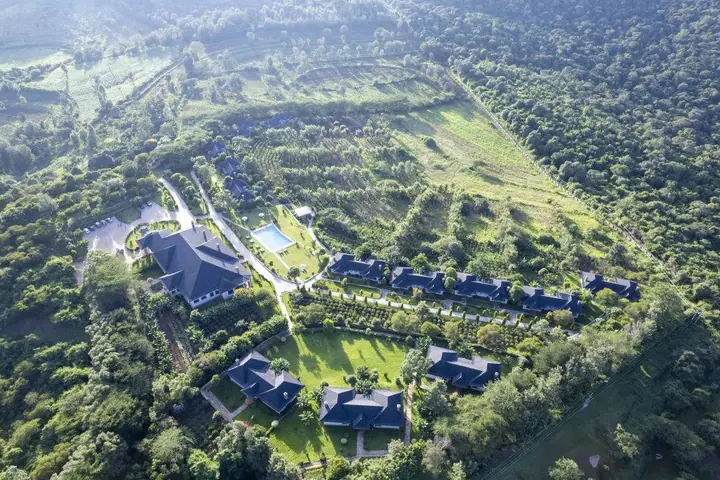
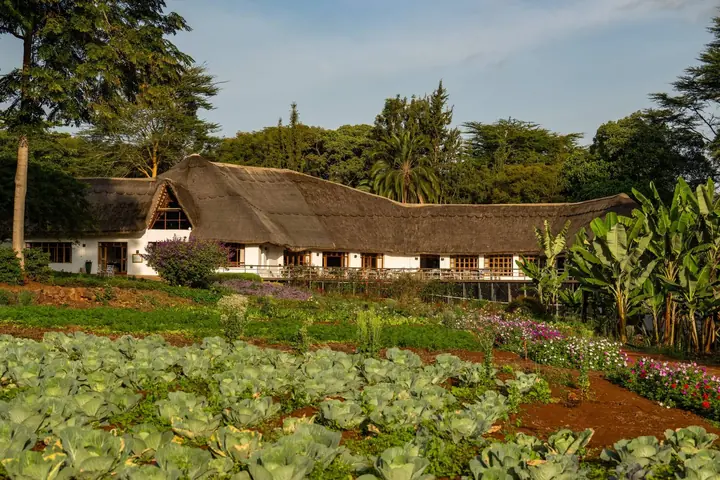
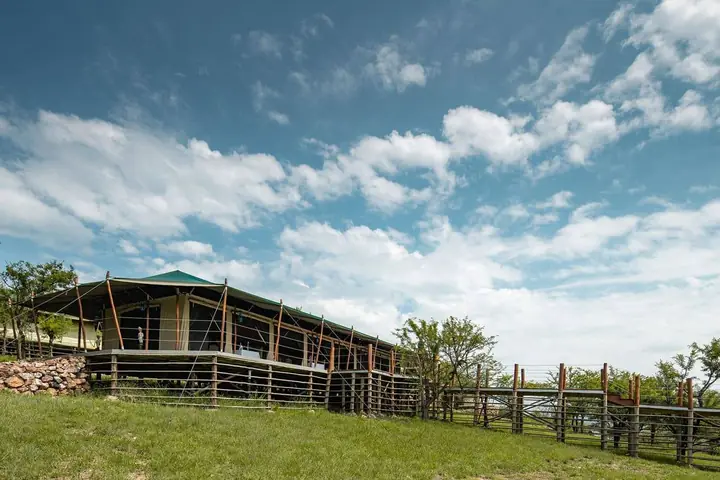
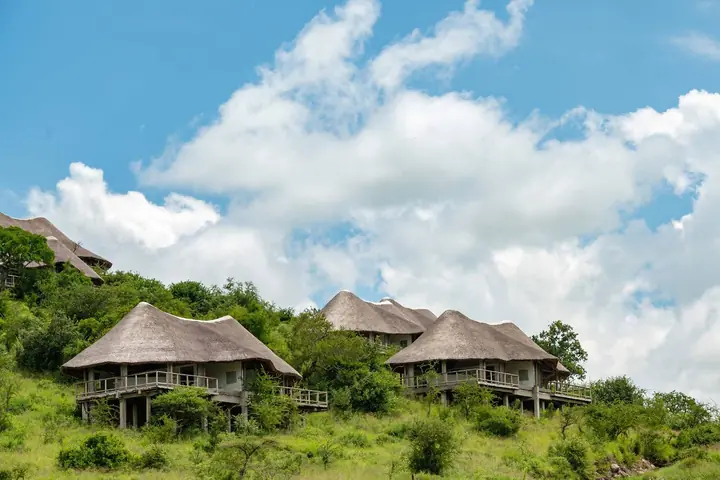
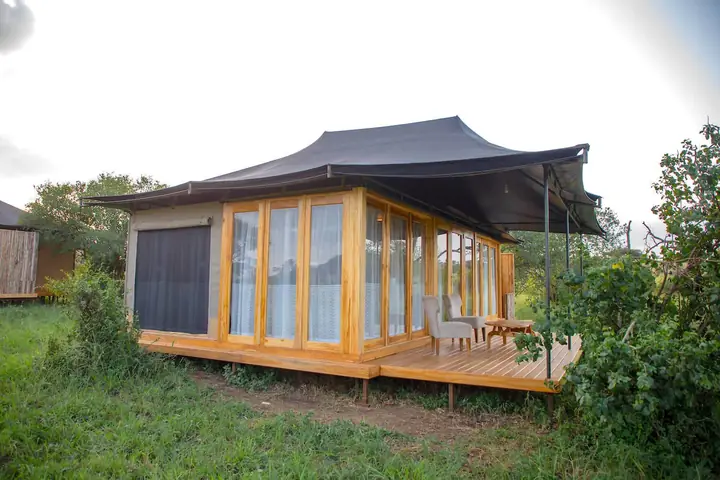
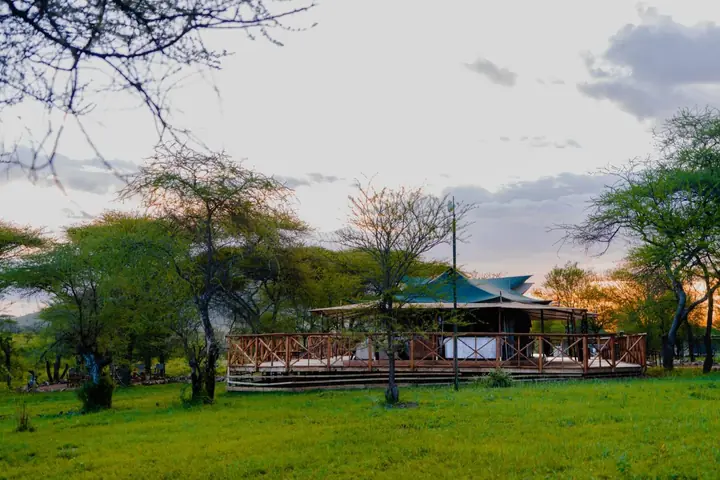
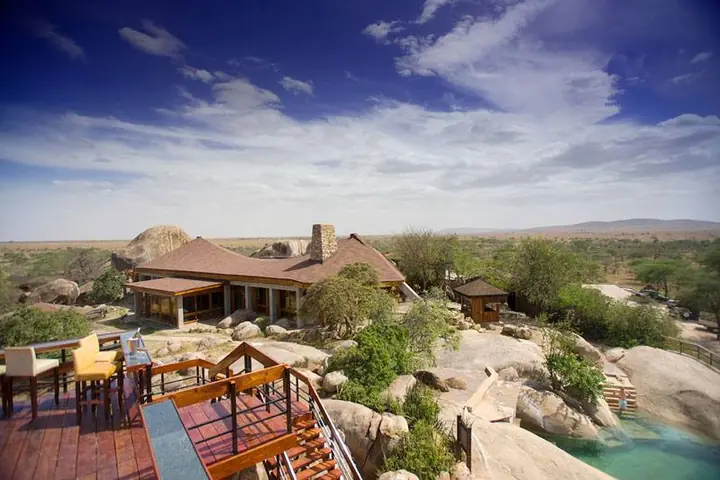
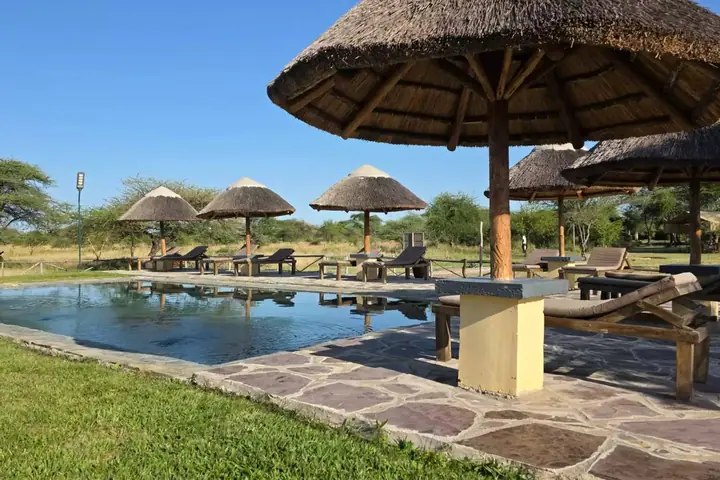
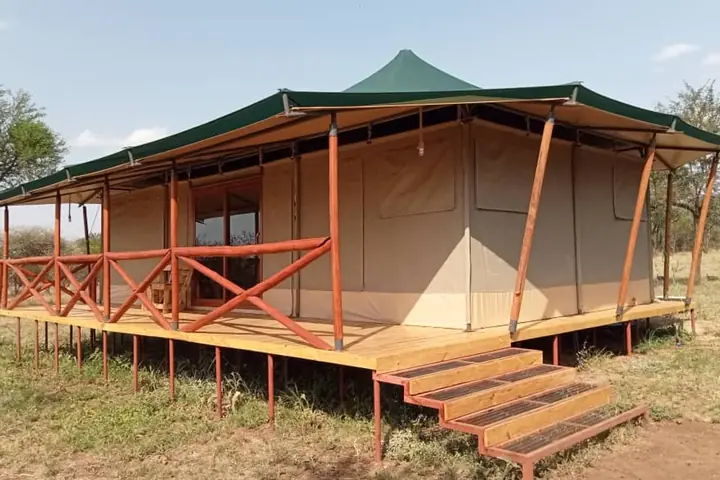
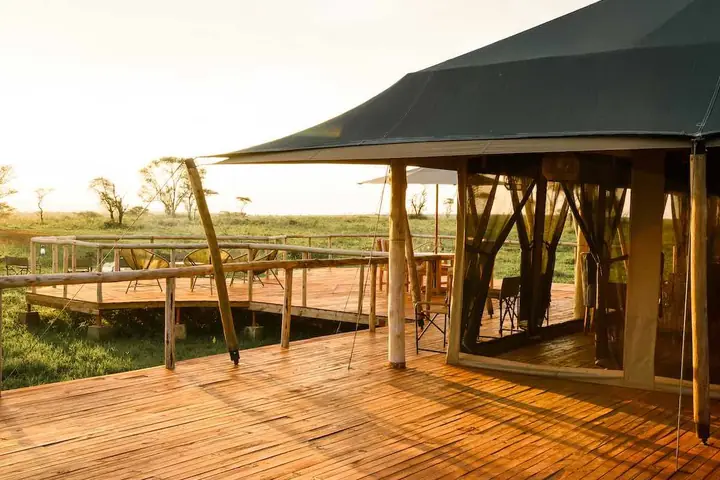
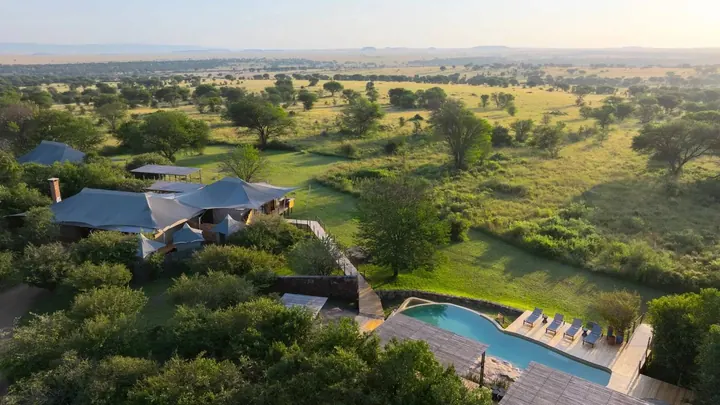
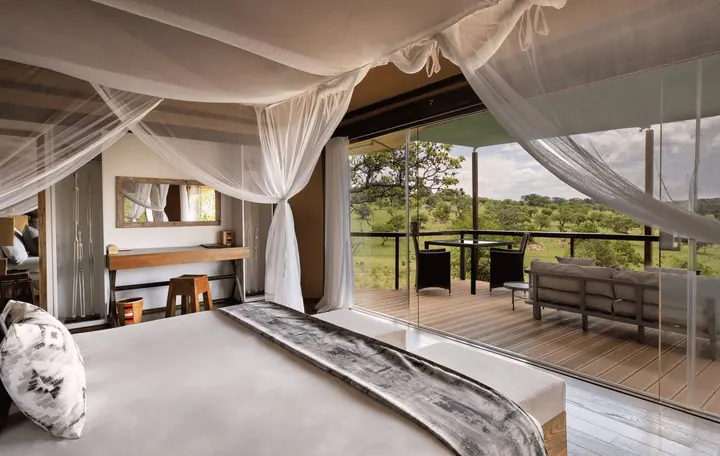
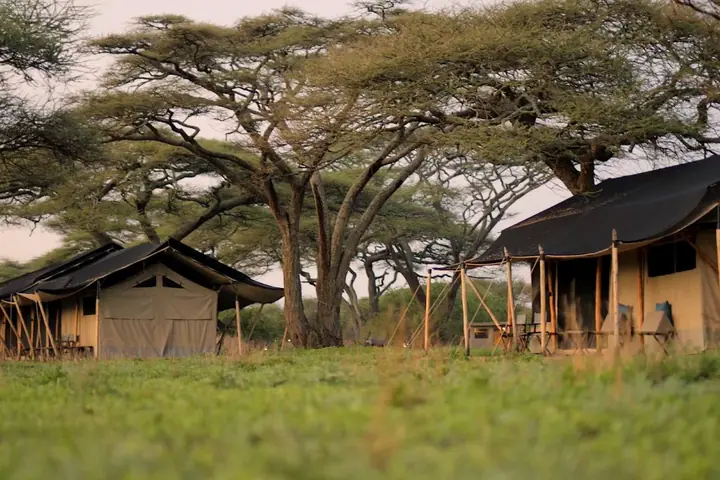
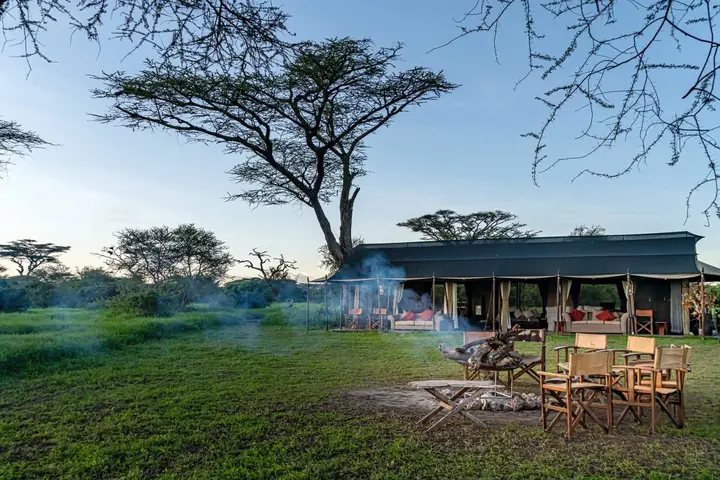
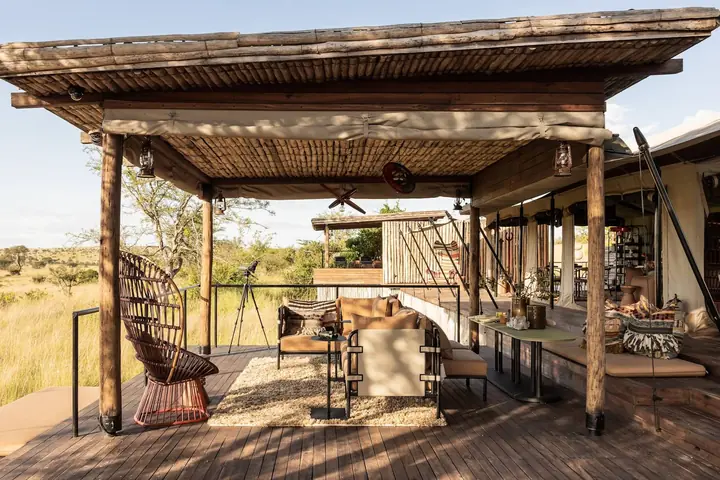
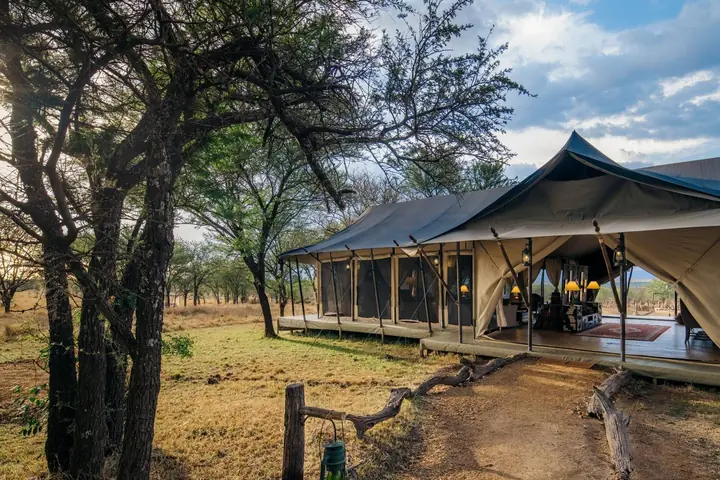
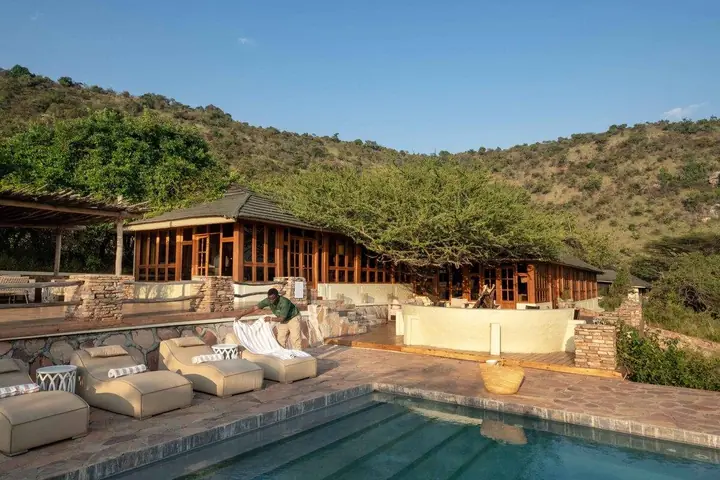
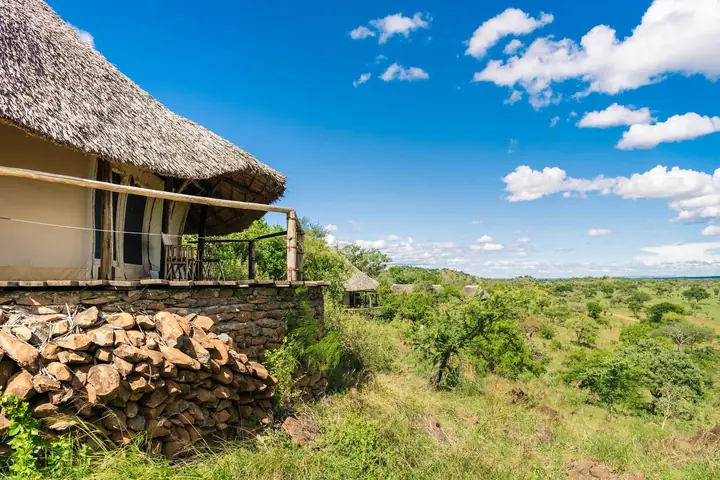
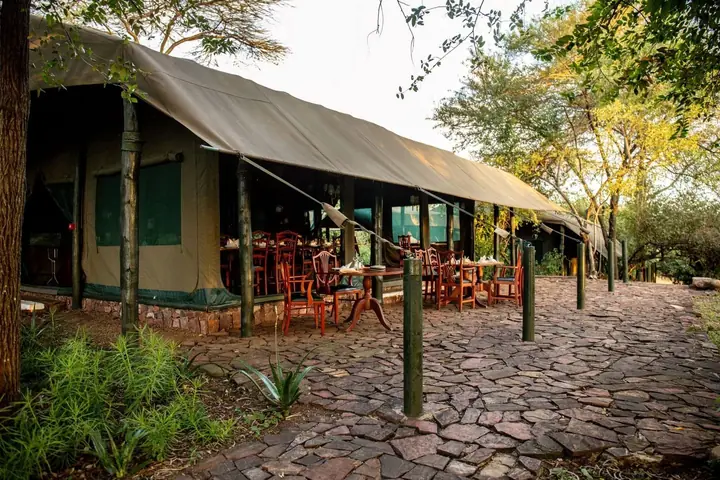
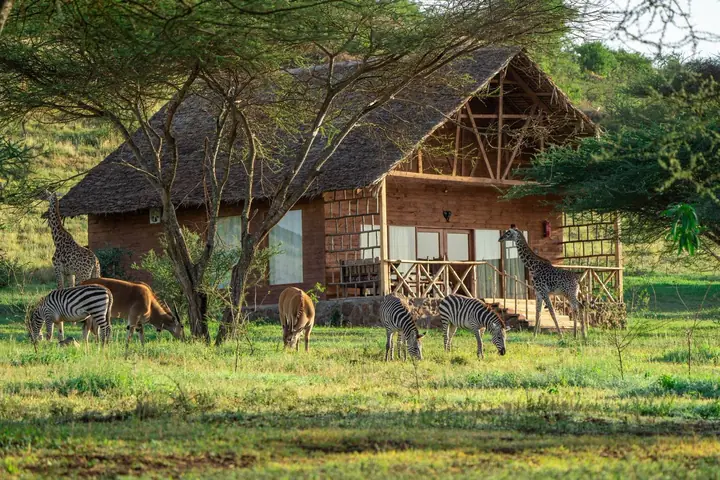
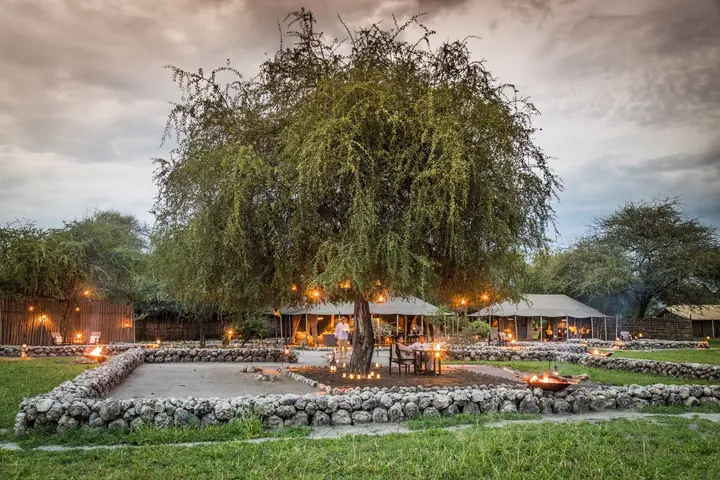
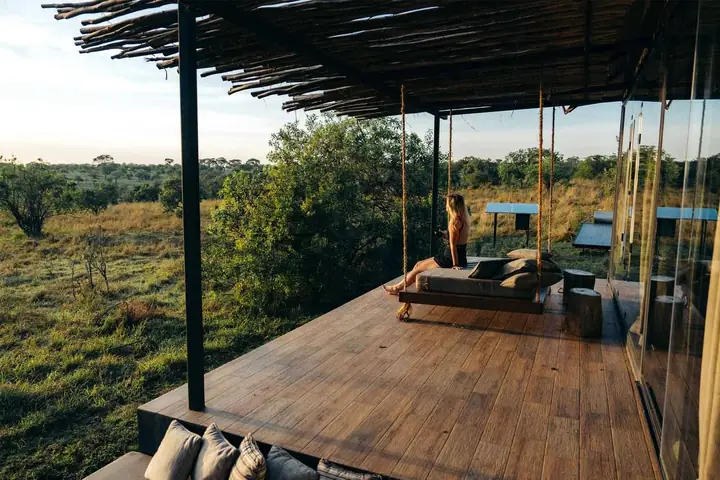
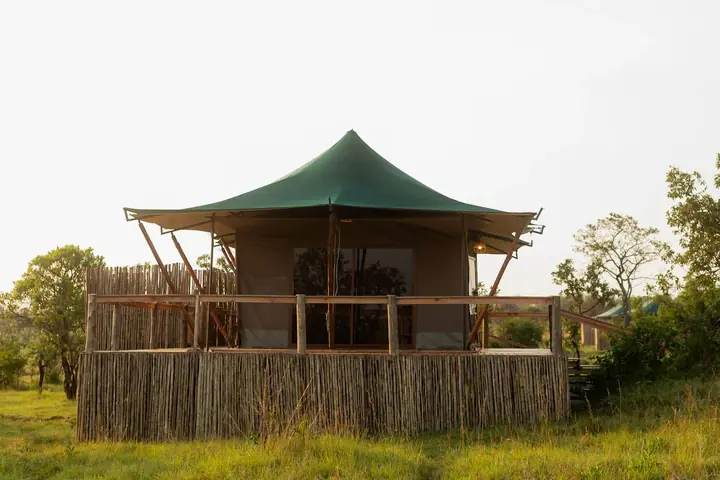
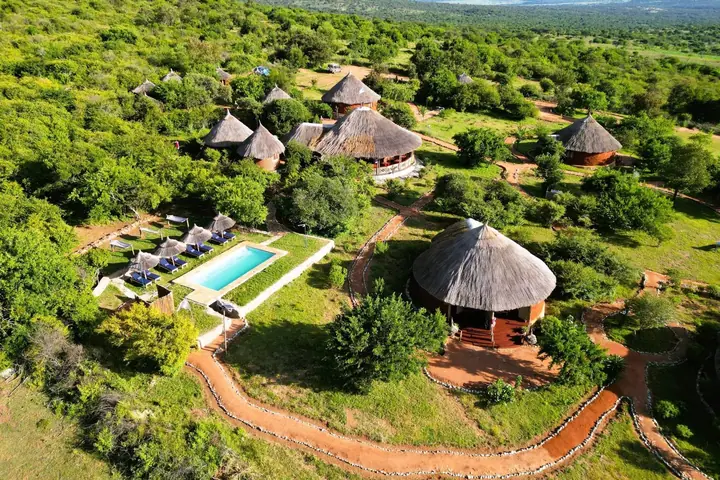
The 89 lodges and camps we recommend and use across northern Tanzania, grouped by area in the order you'd meet them on a trip. The final selection flexes around your dates, where the herds are and availability. More on our Stays page.

Tarangire

We often open or close a northern circuit here. In the dry season the river pulls in the biggest elephant herds in the north.

13 lodges and campsElephants, baobabs and the river

Lake Manyara

A base near the lake works for a Lake Manyara game drive and a full day in Tarangire.

6 lodges and campsThe Rift Valley escarpment and the lake

Ngorongoro and the highlands

We plan the crater descent for early morning, so most guests sleep on the rim or in the Karatu highlands the night before.

19 lodges and campsCrater-rim and Karatu bases

Heart of the Serengeti

Resident big cats all year, and the herds pass through in the green season.

19 lodges and campsCentral Serengeti and Seronera, with Namiri Plains out east

Northern Serengeti

The Kogatende camps sit on the Mara River, which is where we put guests from late July to October. Lobo is a value base further south.

10 lodges and campsThe Mara River, late July to October

Southern Serengeti and Ndutu

The Ndutu plains sit just inside the Ngorongoro Conservation Area, where the herds calve early in the year.

6 lodges and campsThe calving season, January to March

Western Corridor

The herds reach the western corridor and the Grumeti River around June.

9 lodges and campsGrumeti, around June

Arusha and Kilimanjaro

Your first night after the long flights, and an easy last night if your flight home needs one.

4 lodges and campsFirst and last nights

Lakes Eyasi and Natron

Two quieter detours: Lake Eyasi for time with the Hadza and Datoga, and Lake Natron in the far north.

3 lodges and campsOff the main circuit

  • Classic
  • Premium
  • Luxury
  • Ultra Luxury

89 lodges and camps across nine areas, with the same comfort levels as our Stays page. Lodge names open each lodge's own website.

Plan Your Visit

When to Visit Tanzania

Tanzania works all year, but what you see changes with the seasons. June to October is the classic dry season, and January to March brings the calving. The map follows the herds month by month. Our best time to visit Tanzania guide goes deeper.

This season, as of late October 2026. Most of the herds crossed back into the Serengeti in August. The Mara Triangle had filled to about 200,000 by mid-month, a storm on 17 August turned them back, and by the end of August very few were left (Mara Conservancy). Since then groups have moved back and forth with the rain, and in the third week of October some large herds returned to the Triangle (Angama Mara).

Map: Esri. Herd positions are typical, not exact.

Where the herds usually are

January

On the southern plains around Ndutu, calving

SeasonCalving season

The herds are on the Ndutu plains for the calving, and every predator follows.

  • Warm, with occasional afternoon showers
  • Peak calving on the southern plains

The herds follow the rain, so this shifts from year to year. We talk in seasons and never promise a crossing.

  • Dry season, the peak
  • Calving
  • Green season
Wildebeest plunging down the bank into the Mara River during a crossing

Dry season

June to October

Migration crossings · Best overall game viewing

The bush thins out, animals gather around shrinking water sources, and visibility is at its best. The herds push north through the Serengeti, and the Mara River crossings begin in mid-July and run through October. Skies are clear and mornings are cool. This is high season, so the best lodges book out early: six to twelve months ahead is ideal.

  • June: herds in the western corridor, with Grumeti River crossings
  • July: moving north; the Mara River crossings begin from mid-month
  • August: full crossing season in the northern Serengeti
  • September to October: peak Mara River crossings from the Tanzania side. Never guaranteed, but our most reliable months

Best for a first safari and the river crossings

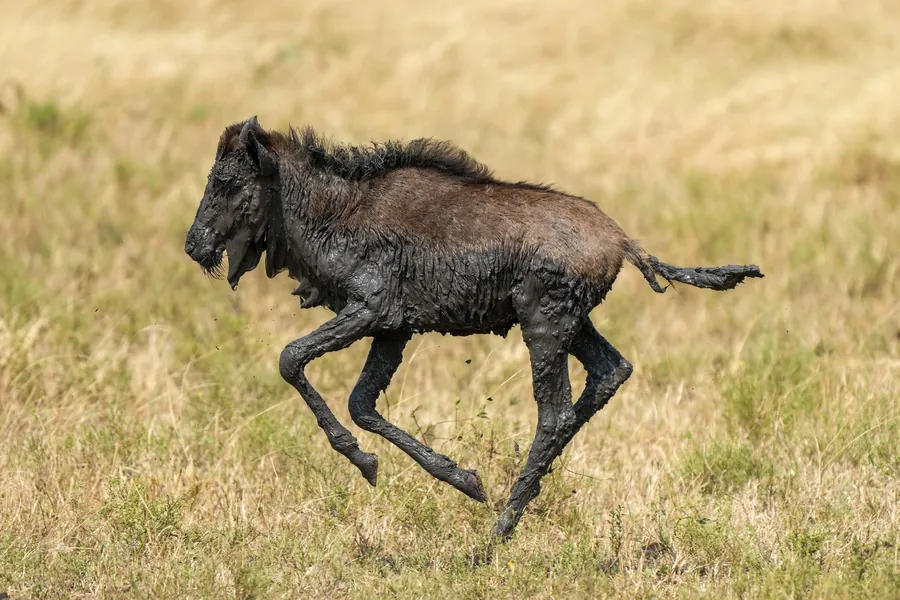
A newborn wildebeest calf running on the southern Serengeti plains

Calving season

January to March

Short dry spell · Southern Serengeti · Predator action peaks

The herds gather on the southern Serengeti plains around Ndutu, and most of the calves are born within a few weeks of each other. The birthing draws every predator in the ecosystem, and the flat, open grasslands mean you can see the action unfolding from kilometers away. The landscape is green, the light is soft, and prices are lower than in the dry season.

  • January to February: peak calving on the Ndutu plains
  • March: herds begin moving north, predator action continues
  • Weather: warm, mostly dry, with the occasional afternoon shower

Best for big cats, photography and lower prices

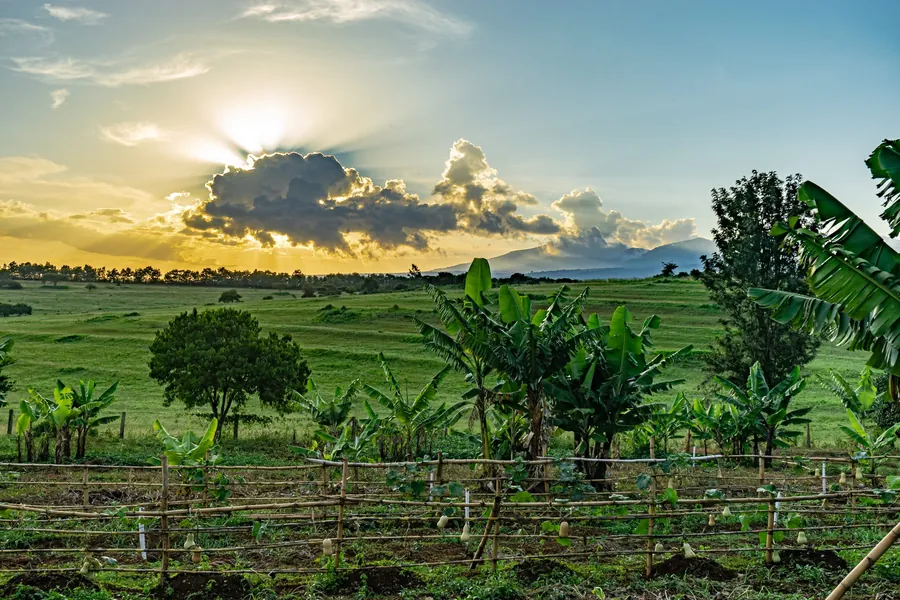
Green farmland and a dramatic sky at sunrise near Karatu in the Ngorongoro highlands

Green season

April to May & November to December

Rainy periods · Lush landscapes · Fewer visitors · Lower rates

The rains bring dramatic skies, birding at its peak and a quieter safari. November and December see short rains that rarely disrupt game drives, and many travelers call them a hidden sweet spot. April and May are the wettest months: some lodges close, roads soften and the herds spread across the central Serengeti, but rates are at their lowest and Serengeti park fees are cheapest from March 15 to May 15. The southern circuit's camps start closing from March.

  • November to December: short rains, green plains, the herds heading south
  • April: the one month we usually steer guests away from
  • May: rain easing, the lowest rates of the year

Best for quiet parks, birding and value

From the US

Getting to Tanzania

The first thing most people want to know is how long it takes to fly to Tanzania from the US. The honest answer is about a day, with a connection or two, and it's easier than it sounds. Our Tanzania safari from the US guide has the full planning framework.

  1. Step one

    Your US airport

    There's no nonstop flight from the US to Kilimanjaro, so every route connects through a hub. You fly out of your own airport and we build the connections around it.

    • New York
    • Chicago
    • Houston
    • Atlanta
    • Los Angeles
  2. Step two

    One hub

    Most routes take one or two stops, via Addis Ababa, Amsterdam, Doha, Istanbul or Zurich. The quickest is Kenya Airways' nonstop from New York to Nairobi, about 14 hours, then about an hour on to Kilimanjaro.

    • Addis Ababa
    • Amsterdam
    • Doha
    • Istanbul
    • Zurich
    About 17 to 21 hours from the East Coast
  3. Step three

    Kilimanjaro (JRO)

    The airport for the northern circuit, between Arusha and Moshi. We meet you at the door.

    About an hour's drive to Arusha
  4. First night

    Arusha

    After a day of flying your first night is a rest night, with nothing planned beyond dinner. The safari starts the next morning, in our vehicle with your guide.

    UTC+3 all year · 7 to 11 hours ahead of the US
The hubs we use
ViaAirlineNote
New York to NairobiKenya AirwaysNonstop, about 14 hours. Then a short hop to Kilimanjaro.
Addis AbabaEthiopianLands at Kilimanjaro.
AmsterdamKLMNonstop on to Kilimanjaro.
Istanbul or DohaTurkish or QatarAlso possible. Worth comparing on price and schedule.
  • Arusha: your first night, about an hour from the airport
  • Tarangire, Manyara, Ngorongoro: by road with your own guide
  • Serengeti: by road, or by light aircraft. The flight back avoids retracing the roads
  • Zanzibar: light aircraft from the Serengeti, or via Dar es Salaam
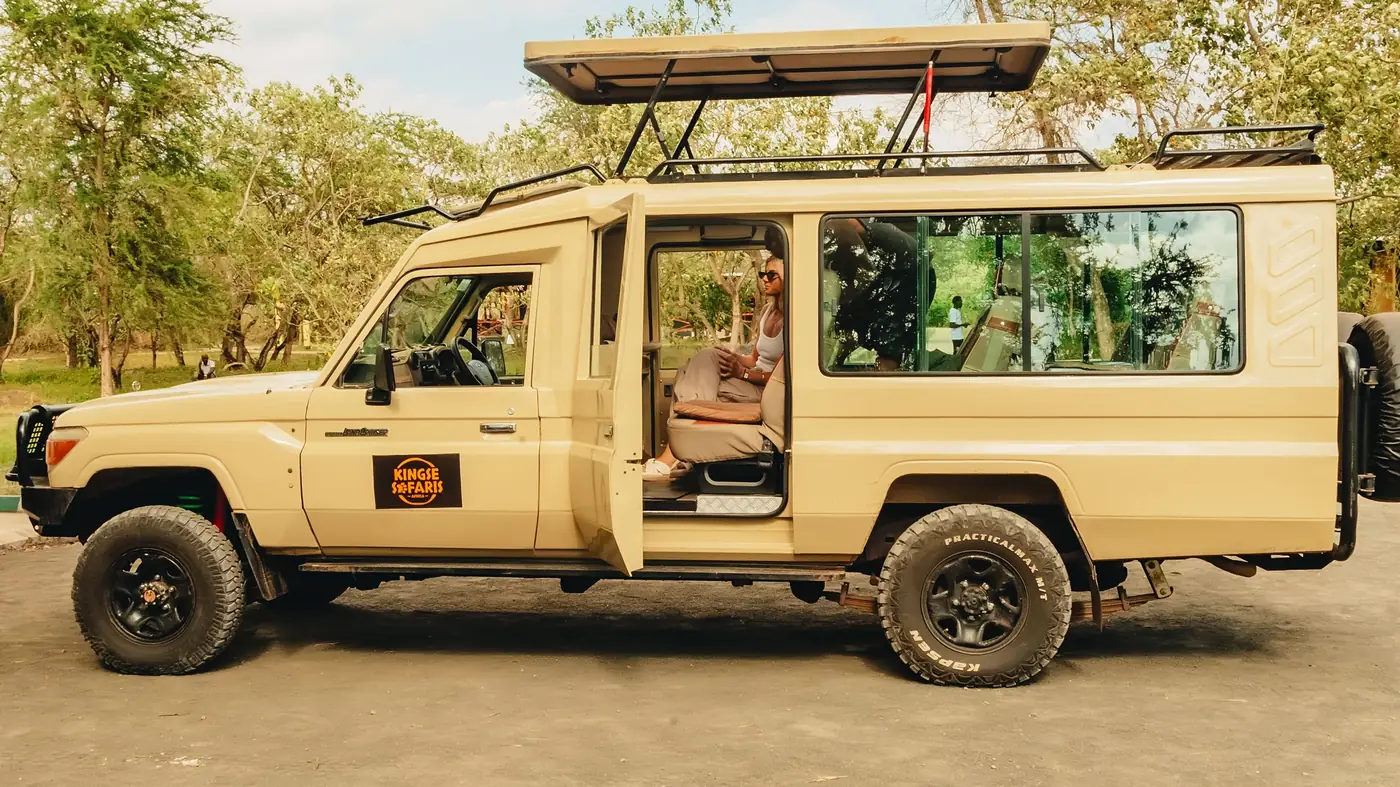
A Kingse Safaris Land Cruiser with its door open, ready for guests
One of our own vehicles, ready for a pickup.
17 to 21 hoursFrom the East Coast, longer with a long layover
About an hourFrom Kilimanjaro airport to Arusha
UTC+3Tanzania time all year, with no daylight saving

Tell us your dates first

We lock the lodges, then the flights. In the June to October high season the best camps book out first, so six to twelve months ahead is ideal. Once your deposit is in, we place your lodges, flights and permits together, and that's the time to take out your travel insurance.

Flights

There's no nonstop flight from the US to Kilimanjaro, so every route connects through a hub. The quickest is Kenya Airways' nonstop from New York to Nairobi (about 14 hours), then about an hour on to Kilimanjaro, roughly 17 hours in all with a short connection. Otherwise it's one or two stops via Addis Ababa, Amsterdam, Doha, Istanbul or Zurich, about 17 to 21 hours from the East Coast, and 19 hours or more from Chicago, Houston, Atlanta or Los Angeles. When we checked in October 2026, economy returns from New York to Kilimanjaro ran from about $1,500 to $3,800 for July 2027 (most one-stop options $2,000 to $3,100) and $1,300 to $2,550 for February 2027. Schedules and fares move, so we check them when we build your trip.

The time difference

Tanzania runs on UTC+3 all year, with no daylight saving. That's eight hours ahead of New York in winter and seven during daylight saving, and eleven hours ahead of Los Angeles in winter and ten in summer. A quiet first night in Arusha helps.

The Practical Bits

Visas, Health, Safety and Money

The short version of what to sort before you fly. For visas and anything medical we point you to the official sources, starting with the State Department.

Visa and entry

US passports need a visa to enter Tanzania, and it has to be the multiple-entry one: $100, valid for a year, applied for online before you travel. One visa covers the mainland and Zanzibar, and it's worth allowing up to ten days. Tanzania also asks every visitor for inbound travel insurance (about USD 44 per adult, from October 1, 2026), and one policy covers your whole trip. Since October 17, 2026, every arriving traveler also fills in Tanzania's health surveillance form, before you fly or on arrival. Rules change, so check the State Department's Tanzania page and the official eVisa site. We send the links in your pre-departure pack.

Health and malaria

Malaria and yellow fever are medical questions for your doctor. On yellow fever, we generally tell people the vaccine is worth having, as one shot lasts a lifetime, but your doctor always has the last say. Book a travel doctor or a telehealth appointment early and take your full itinerary. You won't need a yellow fever certificate flying straight from the US, but Tanzania asks for one if you arrive from a yellow fever country, including after more than 12 hours in transit there. You will also need your own travel insurance with medical evacuation cover. The CDC's Tanzania page lists the current health risks.

Is it safe?

Most of the trip happens in national parks and lodges, with your guide. Government advice changes, so read the State Department's latest Tanzania travel advisory before you book. We arrange every transfer, so you're never finding your own way around Arusha.

Money and tipping

Local purchases are made in Tanzanian shillings. Lodges take cards for extras, often with a small surcharge, and a little cash helps for small things and tips, which are customary for guides and camp staff. Our cost guide lists typical tipping amounts and what isn't included.

Luggage and what to pack

Light aircraft between the parks work to around 15 kilograms (33 pounds) including carry-on, in soft-sided bags, so leave the hard-shell suitcase at home. Layers matter, because mornings are cool and afternoons are hot. Our safari packing list has the rest.

Phone and internet

Most camps and lodges have Wi-Fi in the main areas, and cell coverage across the northern circuit is better than most people expect. An eSIM set up before you leave home is the easy option. The best thing about the Serengeti is that nobody expects a reply.

Go Further

Pair Tanzania With

Most of our guests combine Tanzania with somewhere else. These are the three pairings we get asked about most.

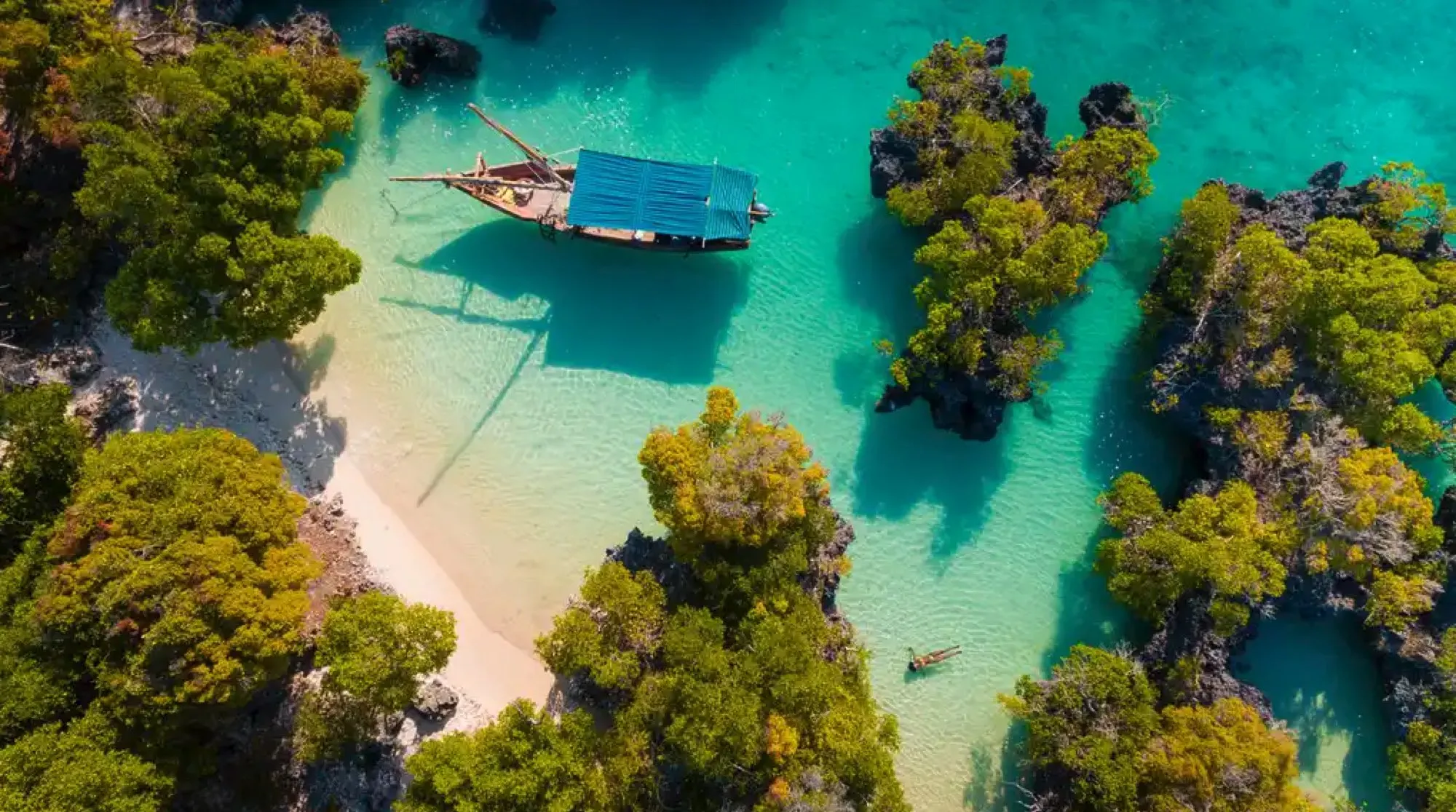
Aerial view of a dhow in a turquoise lagoon among small green islands, Zanzibar

Beach finish

Zanzibar

The classic ending: safari first, beach second. Stone Town for history, then three or four nights on the north or east coast. A typical 13-night safari and beach trip comes to $7,550 to $10,900 per person.

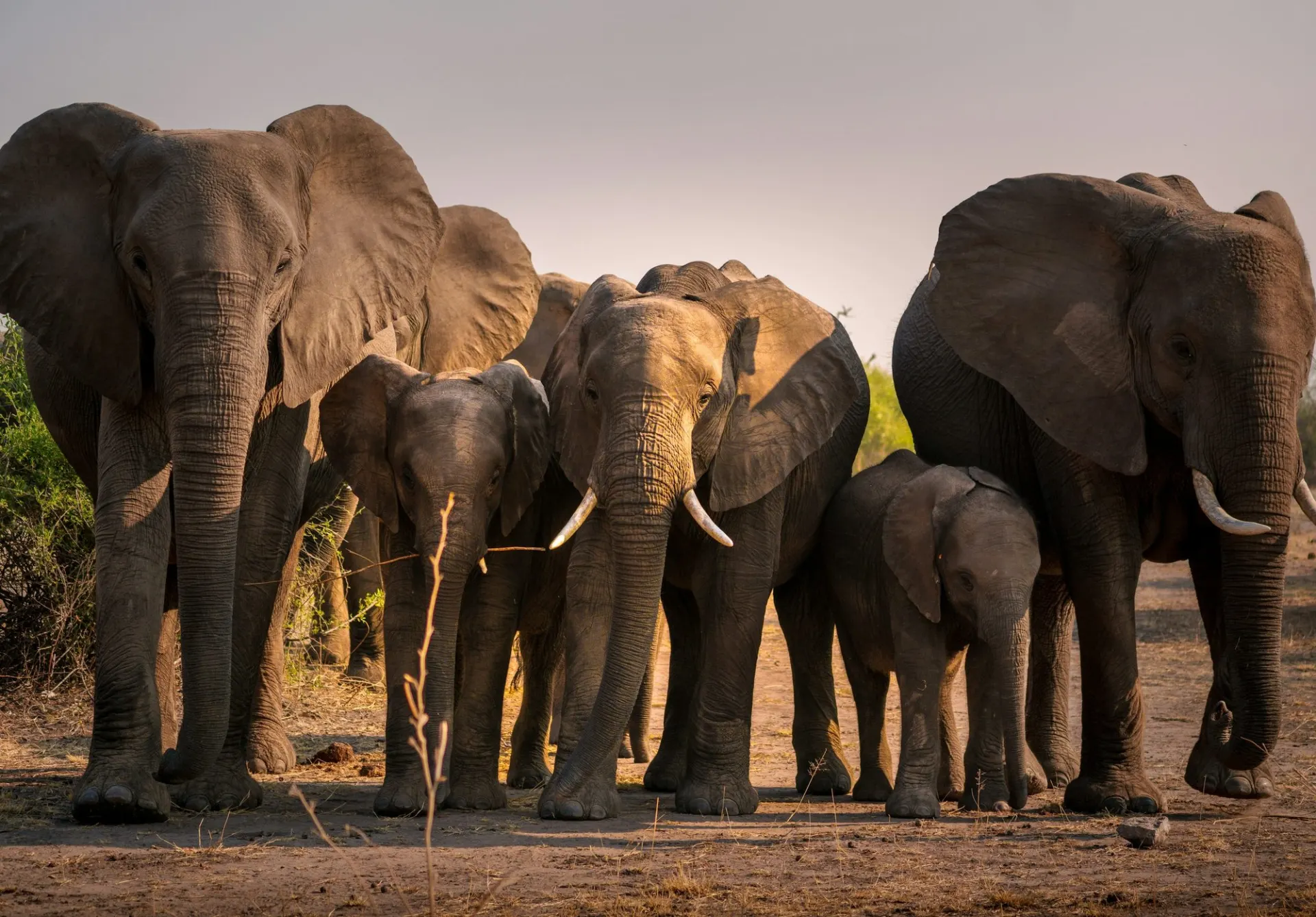
Elephant family standing together in warm evening light on the Kenyan savannah

Same ecosystem, different feel

Kenya

The Masai Mara is the northern end of the Serengeti, and plenty of guests do both, with a few nights in the Mara or Amboseli. Seven of our 2027 quotes run about 13 nights at $8,650 to $10,300 per person.

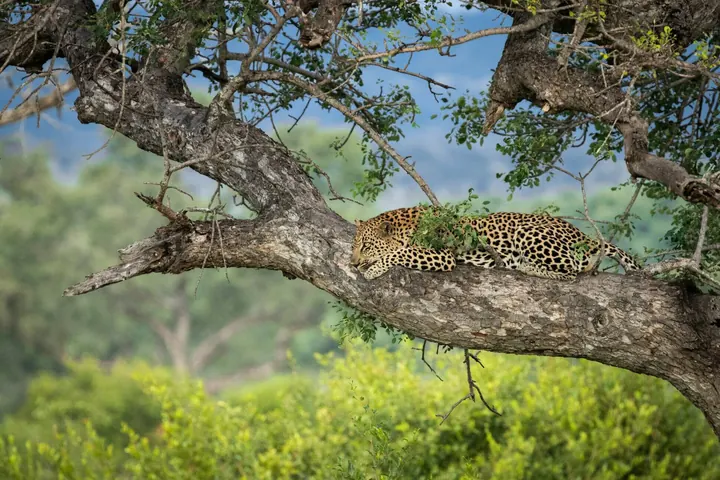
Leopard resting on a tree branch in the Sabi Sand, South Africa

Malaria-free reserves and Cape Town

South Africa

If a Tanzania safari isn't quite right, South Africa is the other first-safari favorite: private reserves, malaria-free areas, Cape Town and the Winelands, and nonstop flights to Johannesburg from Atlanta and Newark. We've put the two side by side.

The Practical Questions

FAQ

The questions travelers ask us most about a Tanzania safari, grouped by topic.

Can't see your question? Ask us directly and a real person will answer.

Planning and cost

How much does a Tanzania safari cost from the US?
A private safari for two costs about $590 to $1,300 per person per night, depending on the lodges, with meals, park fees, your private vehicle and guide included. A typical 7-night trip is around $6,400 per person and 10 nights $6,100 to $8,300, before international flights. Three or four nights on Zanzibar adds about $1,700 to $2,800. See our Tanzania safari cost guide, the wider African safari cost guide and real trips with the real prices.
How many days do we need for a Tanzania safari?
Seven nights is the least we would suggest for the northern circuit, and ten gives the Serengeti more time and adds a Lake Manyara night. Most guests who add Zanzibar land on about 13 nights in total. The flights are long, so a very short safari doesn't do the journey justice. Our trip length guide goes deeper.
Is a Kingse safari in Tanzania private?
Yes. Every tailor-made trip we build is private and planned around you: your own vehicle and guide, your dates and your choice of lodges, never a fixed package shared with strangers.
Can we combine Tanzania with Zanzibar?
Yes, it's the pairing most of our guests choose: safari first, beach second. A typical 13-night trip comes to about $7,550 to $10,900 per person before flights from the US, and it includes the flight from the safari to the island. See our Zanzibar page, the 10-day honeymoon itinerary and when to go to Zanzibar.
Northern or southern circuit?
The north (Serengeti, Ngorongoro, Tarangire and Lake Manyara) is the iconic, accessible, family-friendly Tanzania, and first-timers almost always start there. The south (Nyerere and Ruaha) is wilder, quieter and mostly fly-in, and it's the right answer for repeat safari travelers who want fewer vehicles. See Selous vs Ruaha for the southern parks.
Should we choose Tanzania, Kenya or South Africa for a first safari?
For most first-timers we'd start in Tanzania. The Serengeti and Ngorongoro Crater give you scale and variety in one trip, the Great Migration is here, and in Tanzania our own guides run your drives. Kenya shares the same ecosystem and adds private conservancies with night drives and walking safaris: read Kenya vs Tanzania and Masai Mara vs Serengeti, or combine them. South Africa has malaria-free reserves, Cape Town and nonstop flights to Johannesburg from Atlanta and Newark. See South Africa vs Tanzania and our South Africa page.
Do we tip on safari in Tanzania?
Tips are customary for guides and camp staff. A little cash helps for tips and small things, and lodges take cards for extras, often with a small surcharge. Local purchases are made in Tanzanian shillings. Our Tanzania safari cost guide lists typical tipping amounts and what isn't included.

When to go

When is the best time to go on safari in Tanzania?
It depends on what you want to see. June to October is the dry season and the classic choice: thin bush, animals at the water and the Mara River crossings in the northern Serengeti. January to March is calving season on the southern plains, with the most predator action of the year and lower prices. April and May are the green, rainy months, quieter and cheaper, with some camps closed. November and December bring short rains that rarely get in the way. Our best time to visit Tanzania guide goes month by month.
When is the Great Migration?
The herds are on the move all year in a loop around the Serengeti, so the question is where they are, not whether you can see them. From January to March they calve on the southern plains around Ndutu. In April and May they spread across the central Serengeti in the green season. In June they are in the western corridor, and from mid-July the river crossings begin in the north. August is full crossing season, and September and October are the peak for Mara River crossings from the Tanzania side. In November and December they head south again. The timing follows the rain, not the calendar, so we talk in seasons and probabilities and never promise a crossing. See our Great Migration guide.

Getting there

How do we get to Tanzania from the US?
There's no nonstop flight from the US to Kilimanjaro, so every route has at least one connection. The quickest is Kenya Airways' nonstop from New York to Nairobi (about 14 hours), then about an hour on to Kilimanjaro (JRO), roughly 17 hours in all with a short connection. Otherwise it's one or two stops via Addis Ababa, Amsterdam, Doha, Istanbul or Zurich, about 17 to 21 hours from the East Coast. From Chicago, Houston, Atlanta or Los Angeles, expect 19 hours or more. When we checked in October 2026, economy returns from New York to Kilimanjaro ran from about $1,500 to $3,800 for July 2027 (most one-stop options $2,000 to $3,100) and $1,300 to $2,550 for February 2027. Schedules and fares move, so we check them when we build your trip.
How long is the flight from the US to Tanzania?
Plan on about a day. There's no nonstop flight to Kilimanjaro, so you connect once or twice, with about 17 to 21 hours from the East Coast and 19 hours or more from Chicago, Houston, Atlanta or Los Angeles. Your first night is a rest night in Arusha, and the safari starts the next morning.

On safari

Can we bring kids on safari in Tanzania?
Yes. Age rules are set lodge by lodge: many lodges welcome children from around five, while some smaller camps and activities such as balloon flights and walking safaris set higher minimums. The northern circuit suits families well, with shorter drives, plenty of variety and family suites at lodges such as the Serena properties, The Manor at Ngorongoro, Sayari Camp and Lemala Nanyukie. Tell us the ages and we'll shortlist the right ones. See our guide to safari with kids.
Can we do a hot air balloon safari over the Serengeti?
Yes. A balloon lifts off the Serengeti plains at first light and drifts over the herds as the sun comes up, and it ends with a champagne breakfast in the bush. It's a splurge, so we add it to your trip as an extra if you'd like it. Balloon flights set their own minimum age for children. Our Serengeti National Park guide has more.
What should we pack for a Tanzania safari?
Soft-sided bags and layers. Light aircraft between the parks work to around 15 kilograms (33 pounds) including carry-on, so leave the hard-shell suitcase at home. Mornings are cool and afternoons are hot, so layers matter. Our safari packing list has the rest.

Health, visas and safety

Do US passport holders need a visa for Tanzania?
Yes, US passports need a visa to enter Tanzania, and it has to be the multiple-entry one: $100, valid for a year, applied for online before you travel. One visa covers the mainland and Zanzibar. The official eVisa site is visa.immigration.go.tz. Fees, processing times and rules change, so check that site and the State Department's Tanzania page rather than relying on a third-party site. Processing can take up to ten days, so we suggest allowing at least two to three weeks, we'll remind you at the 30-day mark, and we're happy to walk you through the application. Since October 17, 2026, every arriving traveler also fills in Tanzania's health surveillance form, before you fly or on arrival.
Do we need vaccinations or malaria pills for Tanzania?
Both are medical questions for your doctor. The CDC says malaria is a risk in areas below about 1,800 meters (5,900 feet) and recommends prescription antimalarial medicine for travelers to those areas. On yellow fever, we generally tell people the vaccine is worth having, as one shot lasts a lifetime, but your doctor always has the last say. Book a travel doctor or a telehealth appointment early and take your full itinerary. If the yellow fever vaccine isn't right for you, they can talk to you about an exemption letter. We never collect proof of either. You won't need a yellow fever certificate flying straight from the US, but Tanzania asks for one if you arrive from a yellow fever country (Kenya, Uganda and Ethiopia are on the list) or after more than 12 hours in transit at an airport in one. That catches Kenya-then-Tanzania trips and long layovers in Nairobi or Addis Ababa. Current health advice is on the CDC's Tanzania page.
Is Tanzania safe for tourists?
Most of a safari happens in national parks and lodges with your guide, and the northern circuit has hosted visitors for decades. Government advice changes, so read the State Department's latest Tanzania travel advisory before you book. We arrange every transfer, so you're never finding your own way around Arusha.
Do we need travel insurance for Tanzania?
Yes, and there are two parts. Tanzania asks every visitor for inbound travel insurance, about USD 44 per adult from October 1, 2026, and one policy covers your whole trip. You also need your own travel insurance with medical evacuation and cancellation cover. It's required for every guest, and we suggest taking it out when you pay your deposit. Rules change, so check the State Department's Tanzania page before you travel.

Start Planning

Plan Your Tanzania Safari

Tell us your dates, who's traveling and what you'd love to see, and we'll design a private itinerary around you, with real prices in US dollars. From the Great Migration to a quiet morning with a Maasai guide, we'll plan it properly.

Five stars. 5.0 on Google and Tripadvisor37 five-star reviews, every one of them

Get in Touch
“Could not have imagined how it could have been better planned and delivered.”
Five stars. Gryffable, first safari, 2026, on Google
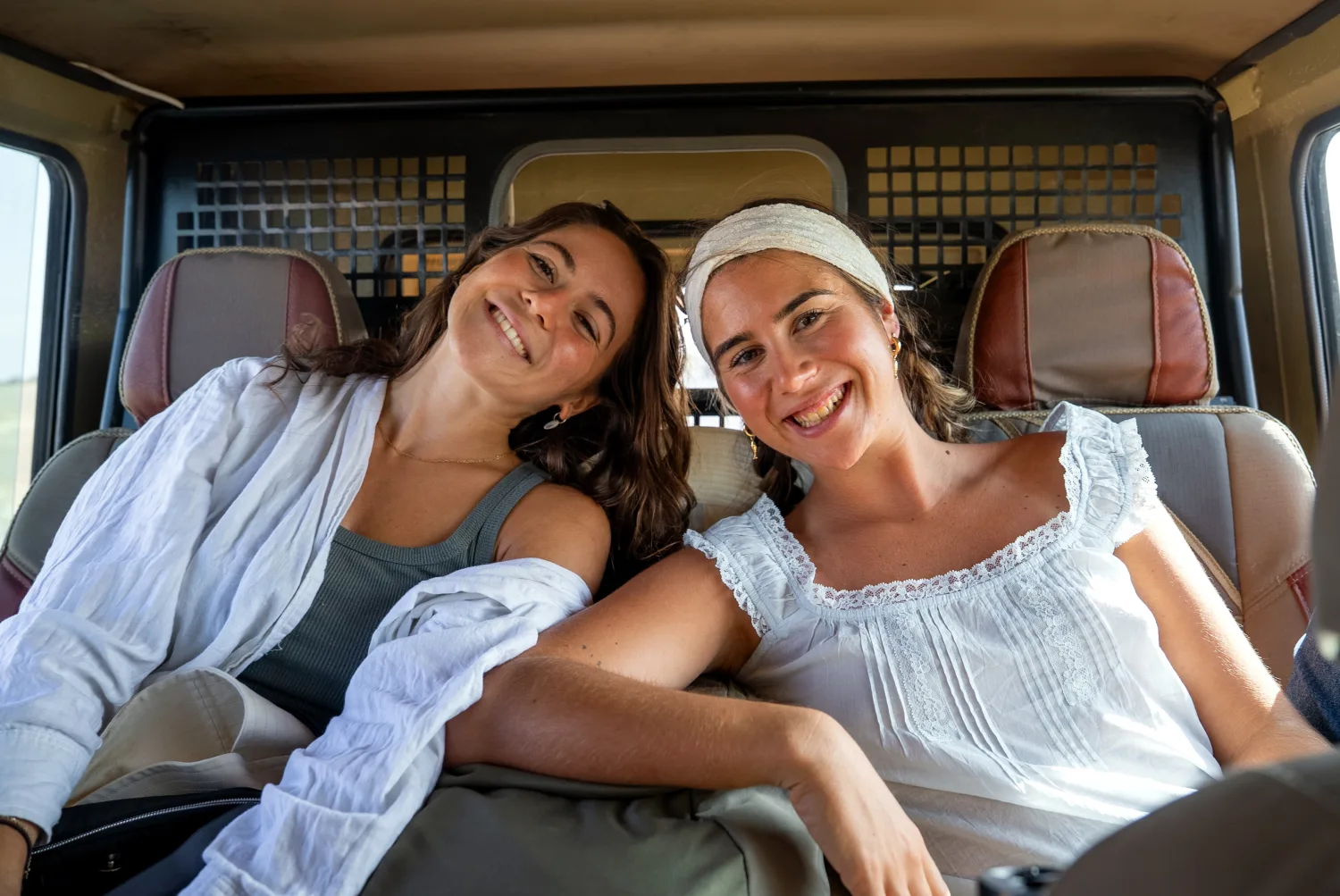
Two guests smiling in the back of a safari vehicle

Email us or book a call

Talk to a real person

Samara looks after our guests from the US. Email her or book a call at a time that suits you, or message her on WhatsApp, and she'll come back to you the same day, US time.

Safaris · inquiries & bookings

Samara Imhoof

Bookings & Client Care

Whether you're just kicking around ideas or already booked. Dates, lodges, costs, changes, payments, flights.


Email

[email protected]
Business · partnerships & trade

Jackson Potter

Founder

Lodges, agents, media, or anything commercial. This one comes straight to me.


[email protected]
Contact us

Not sure who to ask? [email protected] reaches the whole team.