Kruger National Park Safari from the US | Kingse Safaris
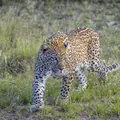
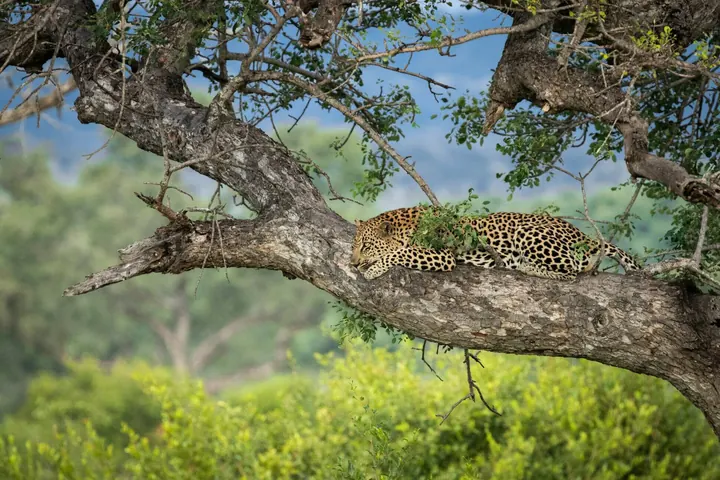
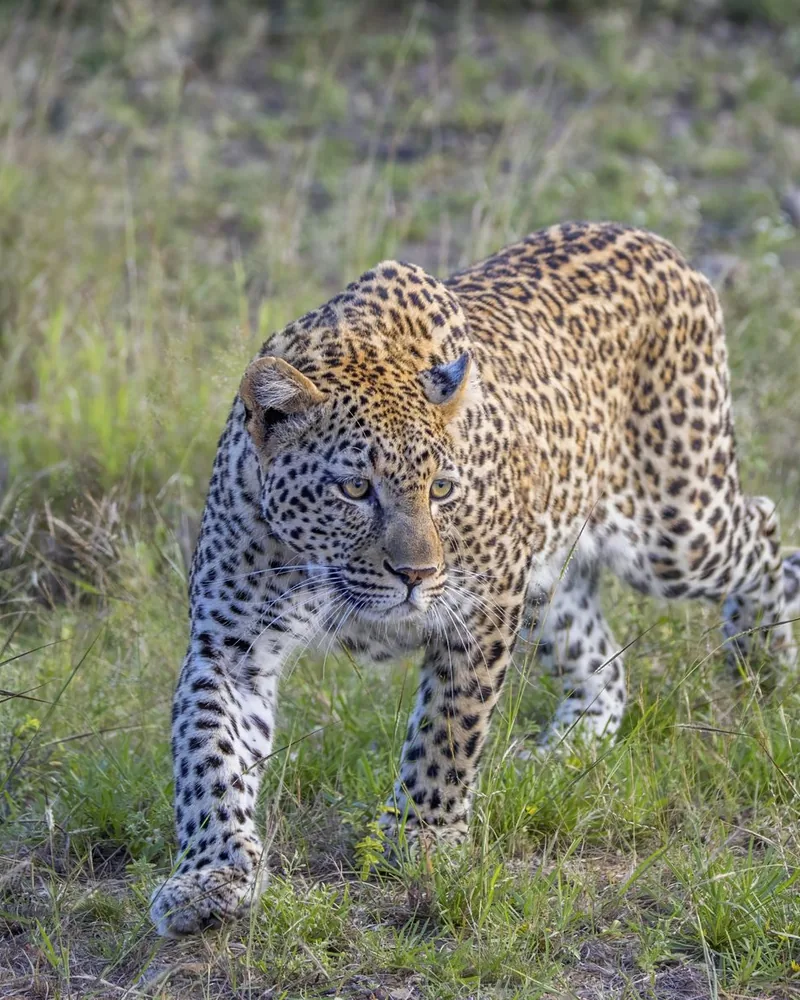
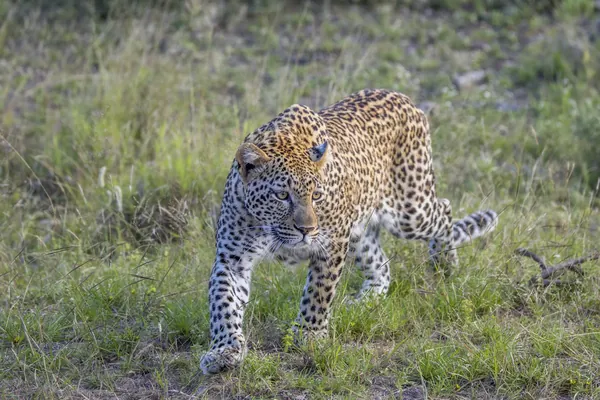
A leopard walking through short green grass in Kruger

South Africa · Skukuza · Sabi Sand · Hoedspruit

Kruger National Park

The national park, the private concessions inside it or the reserves on its western edge: which one suits you, planned from the Gold Coast and priced in US dollars.

Five stars. 5.0 on Google and Tripadvisor37 five-star reviews, every one of them

One Park, Three Ways to See It

Rest camps and self-drive · Concessions inside the park · Sabi Sand and Timbavati

When travelers search for Kruger, they usually mean one of three different safaris. There's the national park itself, open to anyone and big enough to lose a week in. There are a few private concessions inside the park, where a lodge holds exclusive rights to its own patch. And there are the private reserves along the park's western edge, such as the Sabi Sand and Timbavati, with no fence between them and Kruger. The animals are the same. What changes is who drives, where you can go and how many other vehicles are at the sighting. The park covers nearly 2 million hectares of north-east South Africa, along the Mozambique border, with about 150 mammal species and more than 500 kinds of bird.

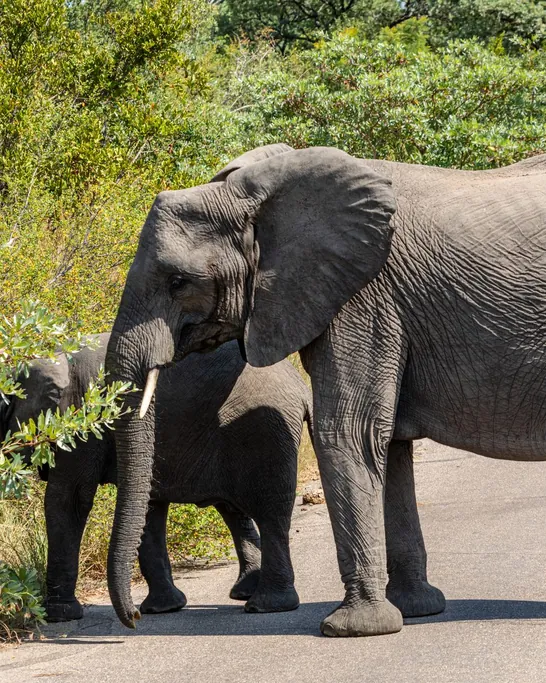
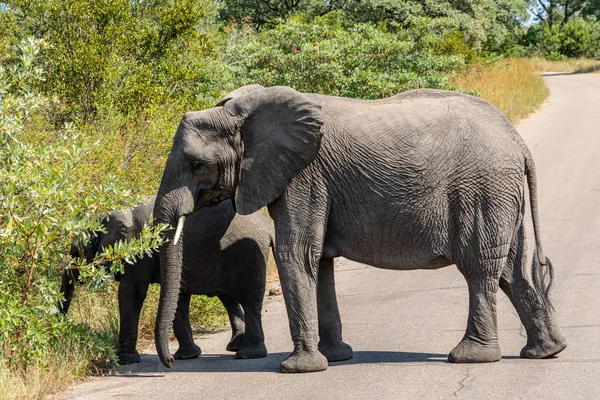
An elephant and her calf beside a road in Kruger, the bush in leaf
An elephant and her calf beside a road in Kruger, the bush in leaf.

Kruger at a glance

  • Best monthsMay to SeptemberDry winter, with thin bush and animals at the water
  • Typical trip3 to 4 nightsIn a private reserve; longer if you add park days or a gate base
  • Flying timeAbout 15 to 16 hoursAtlanta or Newark to Johannesburg non-stop, then about an hour on to Skukuza
  • Time difference6 to 10 hours ahead of the USUTC+2 all year, no daylight saving
  • Highlights
    • Sabi Sand leopards
    • Self-drive rest camps
    • Concessions inside the park
    • More than 500 bird species
    • Pairs with Cape Town

Who you're dealing with

We're an Australian company on the Gold Coast. We plan the whole trip, book it and look after you from first call to flight home, on one contract and one invoice from Kingse Safaris Pty Ltd (ABN 37 698 821 886). In a private reserve or a concession, your drives are led by the lodge's own rangers and trackers. In the park's rest camps, a self-drive is yours to run.

How booking works →
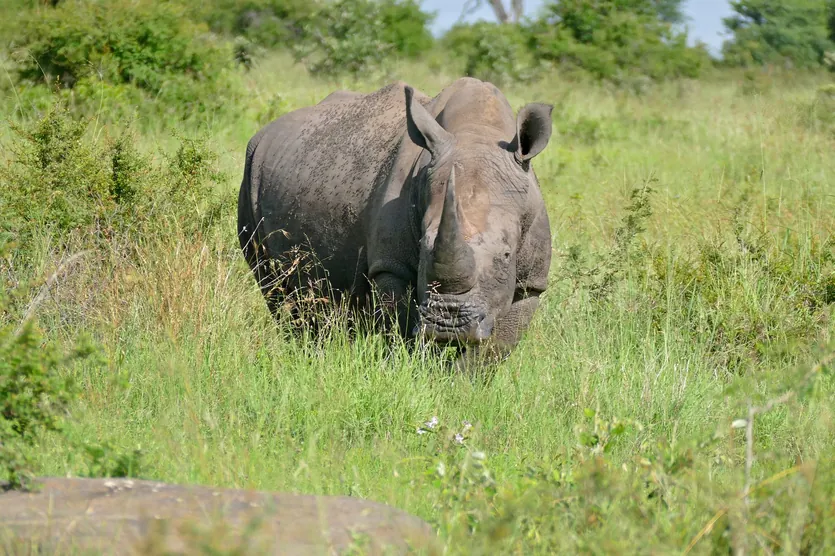
A white rhino facing the camera in long green grass in Kruger

In a guest's words

Could not have imagined how it could have been better planned and delivered.

Five stars. Gryffable, first safari, 2026, on Google

The Big Question

Park, Concession or Private Reserve?

Most Kruger searches come down to this choice, and the honest answer is that all three are real safaris. They differ in who can go, what you can do off the road and what a night costs.

The national park

Open to anyone, and the lowest-cost way in. You sleep in a SANParks rest camp and drive yourself, or book the park's own guided drives. Vehicles keep to the roads, you stay in the vehicle outside designated areas, and camps and gates run to a timetable. The park sells guided sunrise, sunset and night drives from its camps, plus guided walks and wilderness trails booked ahead. Popular sightings can draw a crowd, especially in school holidays.

Concessions inside the park

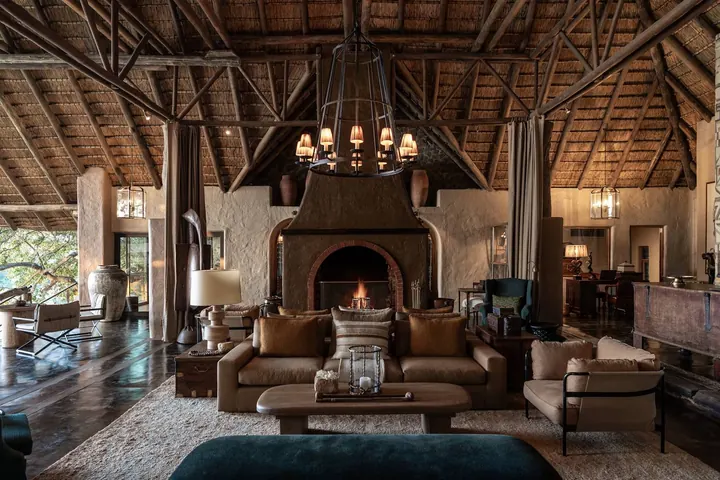
A handful of lodges lease a private patch of the park itself, open to their own guests only. Off-road driving, night drives and walks are possible there, and fewer vehicles share a sighting. Singita Lebombo Lodge, Hamiltons Tented Camp and Imbali Safari Lodge are on concessions like this.

Private reserves on the western edge

The Sabi Sand, Timbavati, Klaserie and others share Kruger's western boundary, and the fences between them and the park are down. They are not part of Kruger, and you stay at a lodge in one. A ranger and tracker take you off the road, drives run after dark, and the nightly rate usually includes meals and drives.

Side by side
Park rest campsConcessions inside the parkPrivate reserves on the edge
Who can goAnyone, self-drive or guidedLodge guests onlyLodge guests only
Off the roadNo, roads onlyYesYes
Night drivesGuided drives from the camps, booked separatelyPart of the lodge programPart of the lodge program
WalkingGuided walks and wilderness trails, booked aheadOften offeredOften offered
Vehicles at a sightingCan be a crowd at popular sightingsFewFew
The costThe lowestLuxury lodge ratesLuxury lodge rates, usually with meals and drives

Sightings aren't guaranteed in any of the three, and SANParks itself says the Big Five shouldn't be the point of a safari. If it's your first safari, we'd book a private reserve for three or four nights and add park days only if you want to drive yourself. Weighing Kruger against East Africa? Read South Africa vs Tanzania or South Africa or East Africa. The South Africa page covers the rest of the country.

Kruger, Region by Region

Tour the Park and Its Edges

Scroll, and the map follows you from the south of the park to the reserves on its western edge, then north.

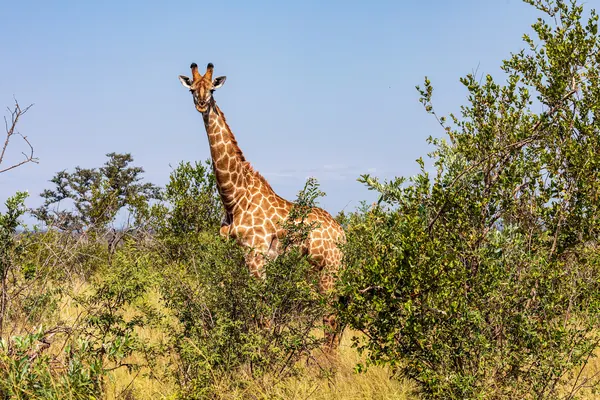
An elephant and her calf beside a road in KrugerA giraffe standing above the bush in KrugerA leopard walking through short green grass in Kruger

The most visited sector · First stop

Skukuza and the Southern Park

The south, around Skukuza and Lower Sabie, is the most visited part of Kruger and widely regarded as its richest for wildlife. Skukuza is the park's biggest rest camp, with a shop, a restaurant and doctors, and it has its own airport inside the park, close to the Sabi Sand gates.

  • Rest camps
  • Self-drive
  • Skukuza airport
  • Lower Sabie

Best monthsMay to September, when the bush thinsFrom JohannesburgAbout an hour by air to Skukuza

Where to stay near the park gates
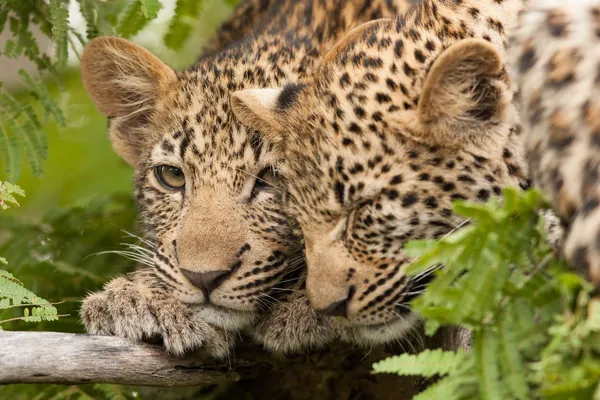
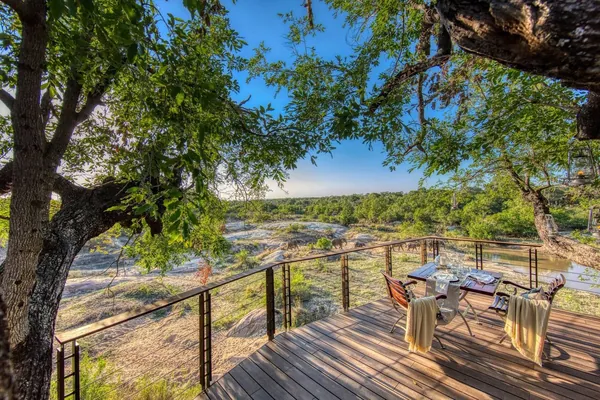
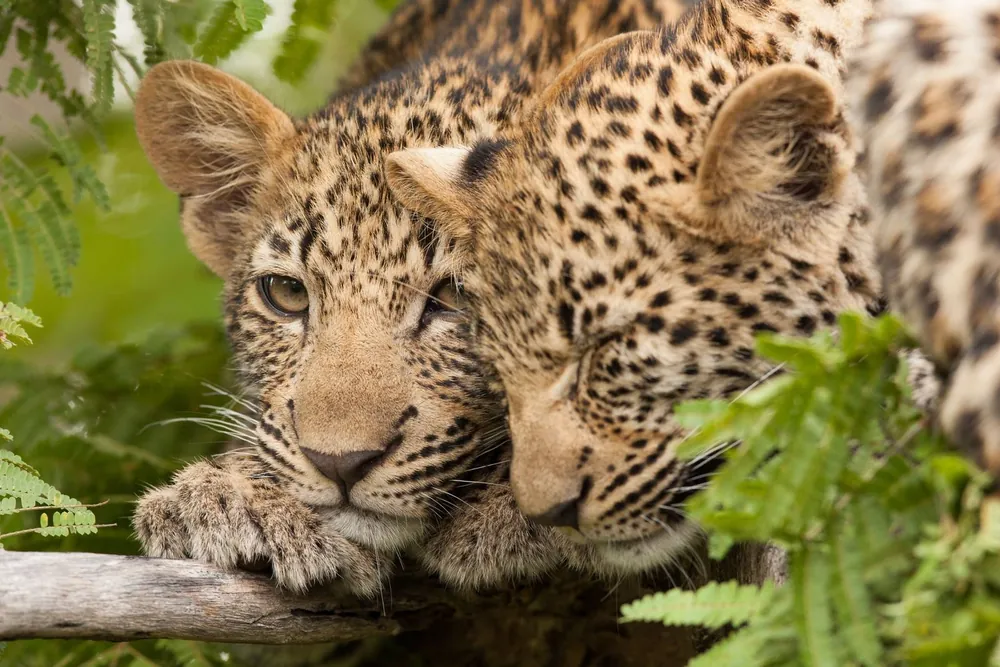
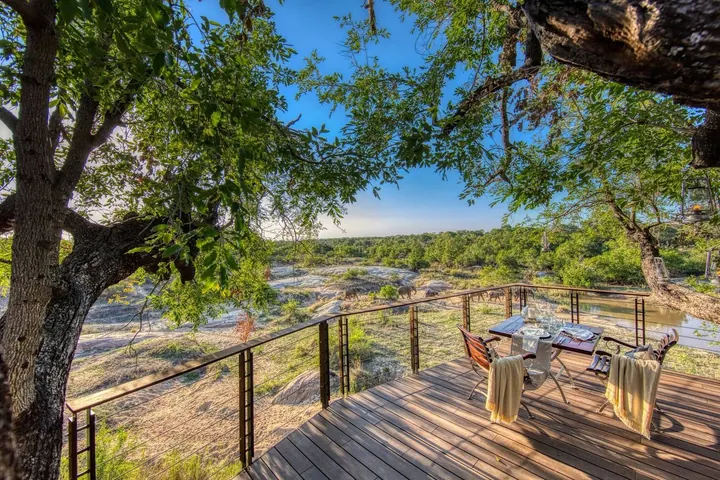
Two leopard cubs resting their heads on a log among ferns at Savanna Private Game Reserve in the Sabi SandA timber viewing deck above a rocky river bed at Dulini in the Sabi Sand

Private reserve · Second stop

The Sabi Sand

The Sabi Sand lies between the Sabie and Sand rivers on Kruger's western edge, with no fence between it and the park. It's known for leopards, and its lodges drive off the road, after dark and with few vehicles at a sighting. Dulini, Londolozi, Savanna, Singita Castleton and Singita Ebony are the Sabi Sand lodges we work with. To its north, Timbavati shares an unfenced boundary with Kruger, and its own history says the fences came down in 1993. Klaserie, Thornybush and Balule lie along the same edge, and together these reserves form the wider unfenced landscape known as the Greater Kruger. We don't hold a Timbavati lodge, so if it's the name on your list, tell us and we'll say honestly whether it's the best fit.

  • Leopards
  • Off-road tracking
  • Night drives
  • Greater Kruger

Best monthsStrong all year, because drives leave the roadFrom JohannesburgAbout an hour by air, plus a road transfer

Where to stay in the Sabi Sand
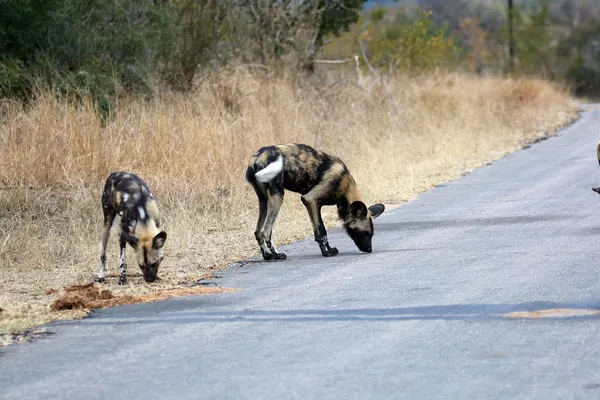
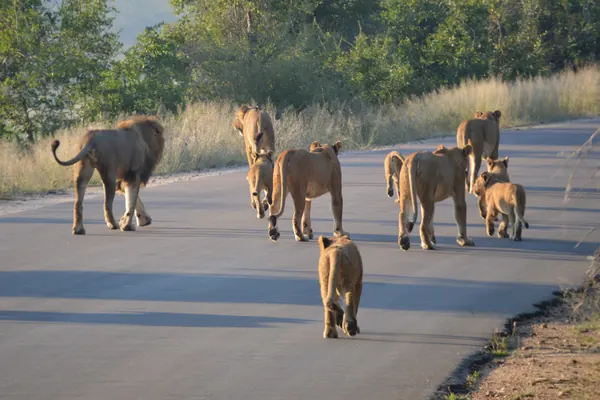
African wild dogs sniffing the verge of a tar road in KrugerA pride of lions walking down a tar road in Kruger, seen from behind

Inside the park · Third stop

The Quiet North

Further north the park gets quieter and the scenery wilder. Mopane woodland takes over from the grasslands of the south, and the rest camps at Olifants, Letaba and Shingwedzi are a long way from the crowds around Skukuza. Punda Maria and the Pafuri gate sit at the far northern end, remote and a long drive from anywhere.

  • Mopane woodland
  • Quieter roads
  • Rest camps
  • Far north

Best monthsMay to September, with the bush at its thinnestGetting therePhalaborwa has an airport and a gate into the park

Where to stay at the gates

Map tiles: Esri, National Geographic. Locations are indicative.

How to Experience It

Drives, Roads and Rivers

Kruger gives you three ways to move: your own wheels, the park's guided drives, or a lodge's ranger and tracker. Most trips mix at least two.

Two leopard cubs resting their heads on a log among ferns at Savanna Private Game Reserve in the Sabi Sand

Drives with a ranger and tracker

In the private reserves a ranger and a tracker work as a pair, following a leopard's tracks and leaving the road when the sighting calls for it. Few vehicles share the spot. There's a morning drive and an afternoon one, and the afternoon drive runs on after dark.

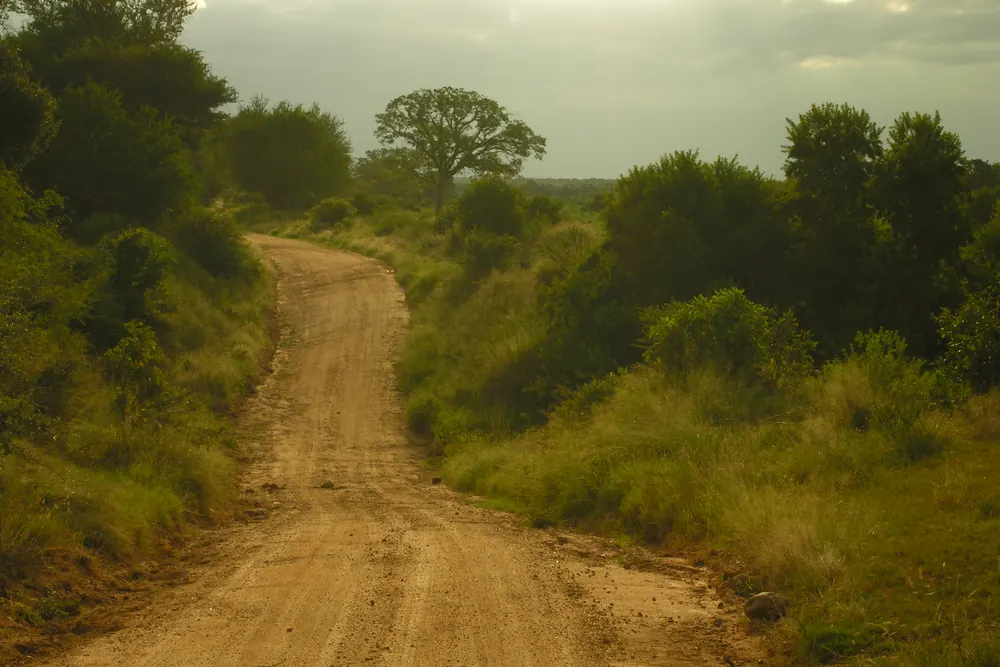
A dusty gravel road in late evening sun beside the Sabie River in southern Kruger

Self-drive loops in the park

The park's tar and gravel roads are open to your own car. You stay in it outside designated areas and be in a camp or out of the gate before the closing time printed on your permit. It's the lowest-cost way to see Kruger, and a good one if you're happy to be patient at a waterhole.

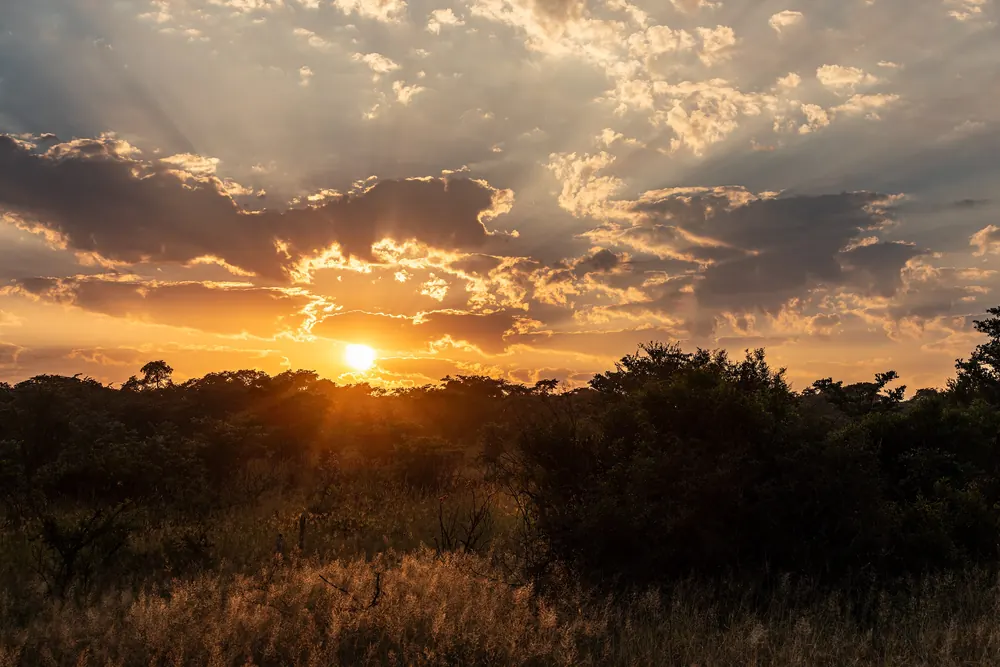
The sun rising through clouds over the Kruger bush

Sunrise, sunset and night drives from the camps

The park runs its own guided drives from its rest camps: open vehicles at sunrise and sunset, and night drives of about two hours. They're booked separately, children under six can't join, and you'll want warm clothes for the night drives.

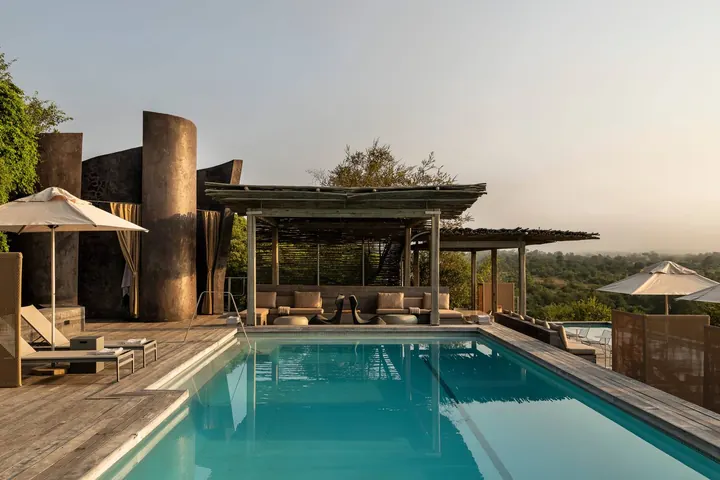
The pool and deck above the bush at Singita Lebombo Lodge, on a concession inside Kruger

Stays inside the park

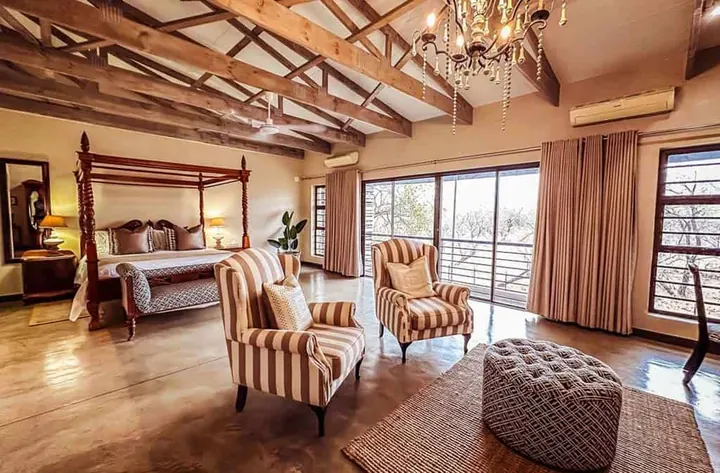
At a concession lodge you're a guest inside the park itself, with off-road driving, night drives and walks that the public roads don't allow. Singita Lebombo Lodge, Hamiltons Tented Camp and Imbali Safari Lodge are the ones we work with.

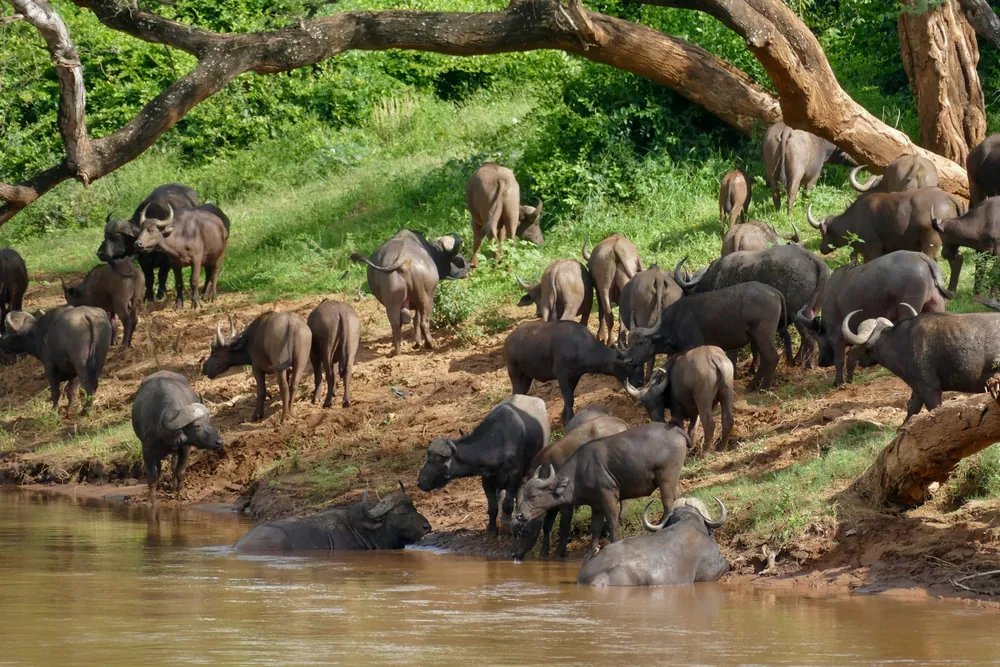
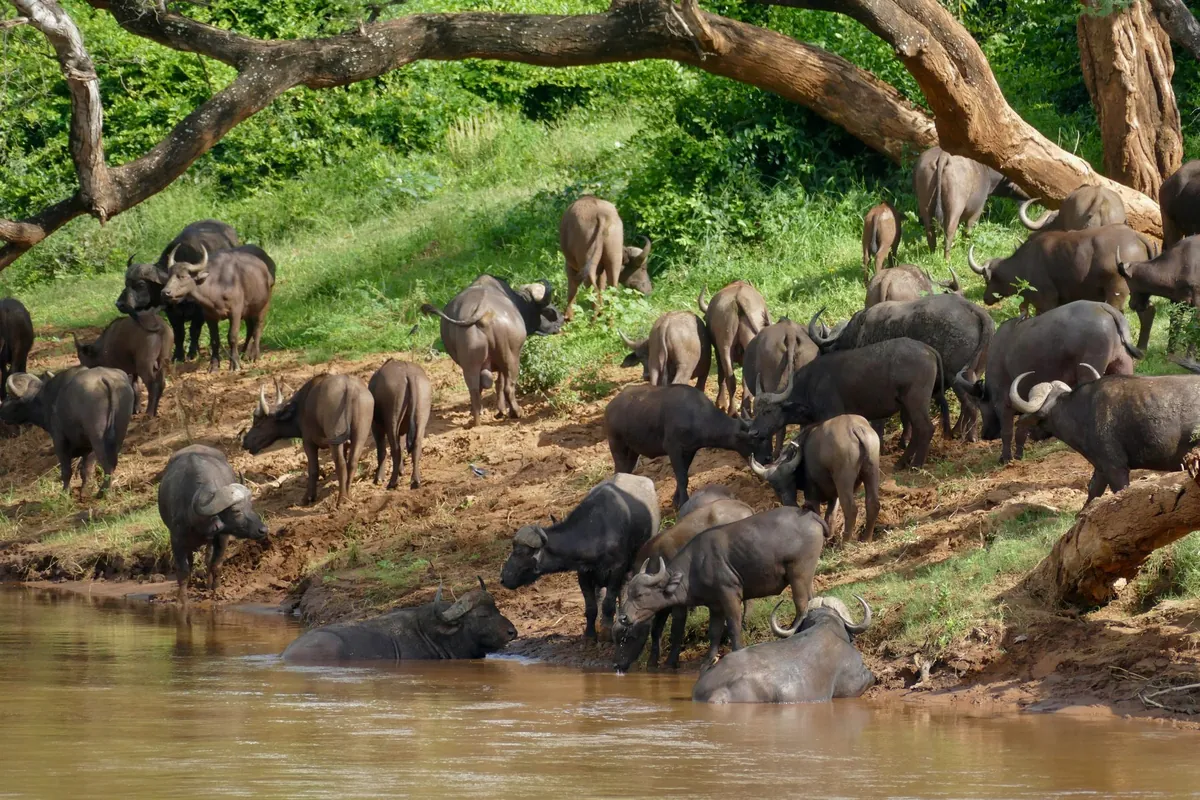
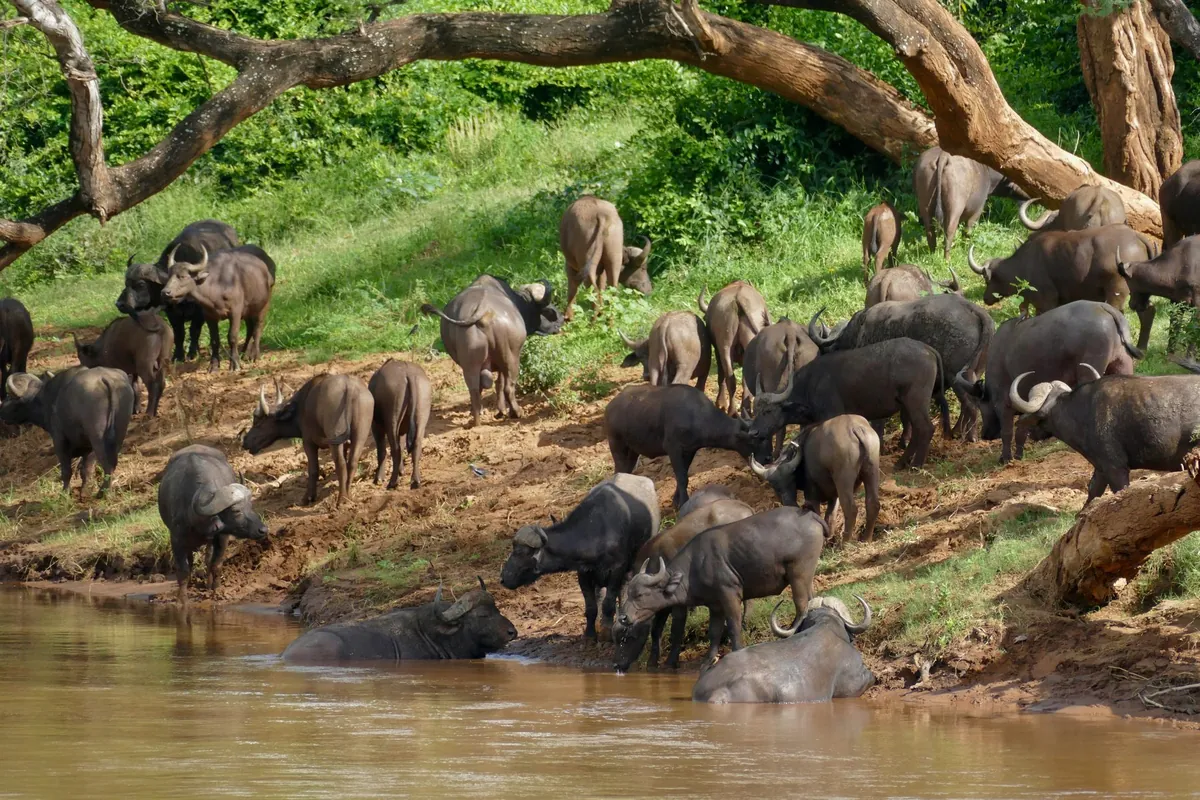
A herd of buffalo drinking at a muddy river bank in Kruger

Rivers and waterholes

From May, as the bush dries out, the rivers and waterholes do the work for you. Settle in beside one, bring a flask, and let the herds come to you.

How Kruger Fits Into a Trip

Trip Shapes

Kruger is rarely the whole trip. It's the safari half of a southern Africa itinerary, and these are the pairings that work best. Every trip is private and priced to your dates, so these are starting points.

7 to 10 nights

Cape Town and Kruger

The classic pairing

Three nights in Cape Town, then a flight to the bush for three or four. Airlink flies Cape Town to Skukuza daily on its published schedule, about two and a half hours in the air, so there's no backtracking through Johannesburg. September and October suit both halves.

PricingQuoted to your datesPriced to order against current lodge rates

Day 1 · Land at Johannesburg, on to Cape TownLast day · Fly home from Johannesburg

  1. Cape Town3 nightsThe city and the peninsula
  2. Scheduled flight or light aircraft.
  3. Skukuza and the bush3 to 4 nightsA concession or the Sabi Sand
  4. Scheduled flight or light aircraft.
  5. JohannesburgFly home

14 nights · The full circuit

Cape Town, Kruger and Victoria Falls

Our published itinerary

Johannesburg, Victoria Falls, a Sabi Sand lodge and Cape Town, with short flights between them and the price in US dollars. Johannesburg to Victoria Falls is under two hours by air. The full day-by-day is on our itinerary page.

From, per personFrom $6,950Priced for late September to early October. International flights are extra

Day 1 · Land at JohannesburgDay 15 · Fly home from Cape Town

  1. Johannesburg2 nightsNear the airport
  2. Scheduled flight or light aircraft.
  3. Victoria Falls4 nightsA guided tour and a Chobe day trip
  4. Scheduled flight or light aircraft.
  5. Sabi Sand beside Kruger3 nightsDrives at dawn and late afternoon
  6. Scheduled flight or light aircraft.
  7. Cape Town5 nightsTable Mountain and the Winelands
  8. Cape TownFly home

Bush, then beach

Kruger, Then a Mozambique Beach

Safari to the sea

Finish the safari on the Mozambique coast. Airlink flies Johannesburg to Vilanculos, the gateway to the Bazaruto islands, so the route runs back through Johannesburg. The airline has also run a seasonal direct flight from the Kruger Mpumalanga airport at Mbombela, which we check for your dates. The Mozambique page covers the beach side.

PricingQuoted to your datesPriced to order against current lodge rates

Day 1 · Land at JohannesburgLast day · Fly home from Johannesburg

  1. Skukuza or the Sabi Sand3 to 4 nightsA concession or a private reserve
  2. Scheduled flight or light aircraft.
  3. Vilanculos and Bazaruto3 to 4 nightsBeach, by way of Johannesburg
  4. Scheduled flight or light aircraft.
  5. JohannesburgFly home
  • Scheduled flight or light aircraft

The $6,950 figure is the one printed on our Cape Town, Kruger and Victoria Falls itinerary, from a real quote for three adults, with flights extra. Every other Kruger trip is quoted to your dates, because lodges, seasons and routes move the price. See our guide to what an African safari costs and real trips with the real prices.

See Our Set Safaris by Budget

Where You Could Stay

Lodges We Work With, Place by Place

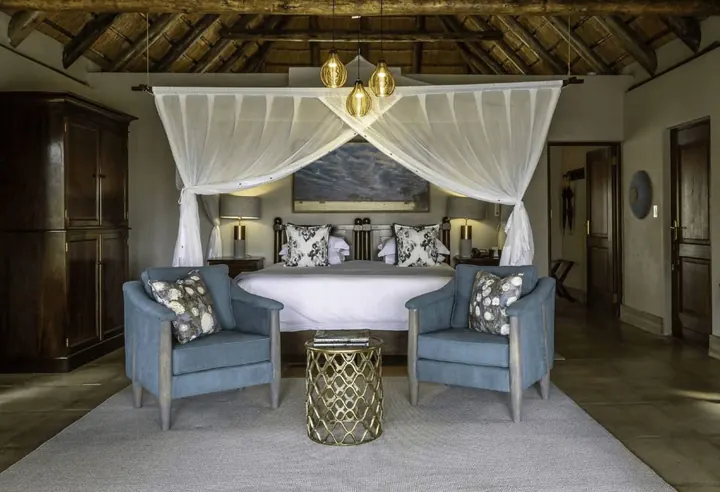
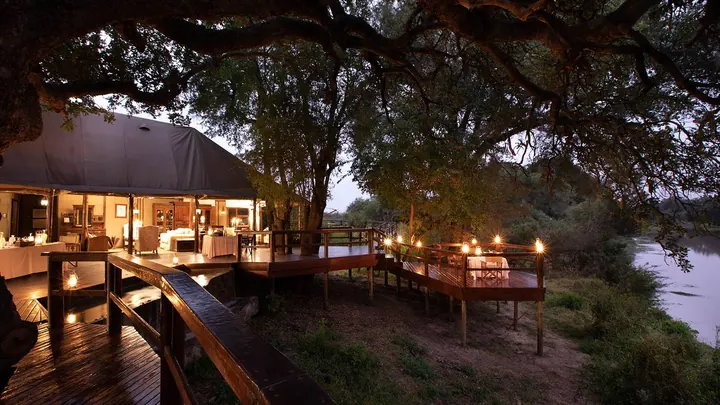
Ten places around Kruger: five in the Sabi Sand, three on concessions inside the park and two at its gates. The final selection flexes around your dates, group size and availability. More on our Stays page.

Sabi Sand

Lodges on Kruger's western edge, where a ranger and tracker drive you off the road, after dark and with few other vehicles around.

5 lodgesLeopard country, three to four nights

Inside the park

Lodges on private concessions inside Kruger itself, with the park's wildlife, off-road driving and no day visitors.

3 lodgesConcessions inside the park

At the park gates
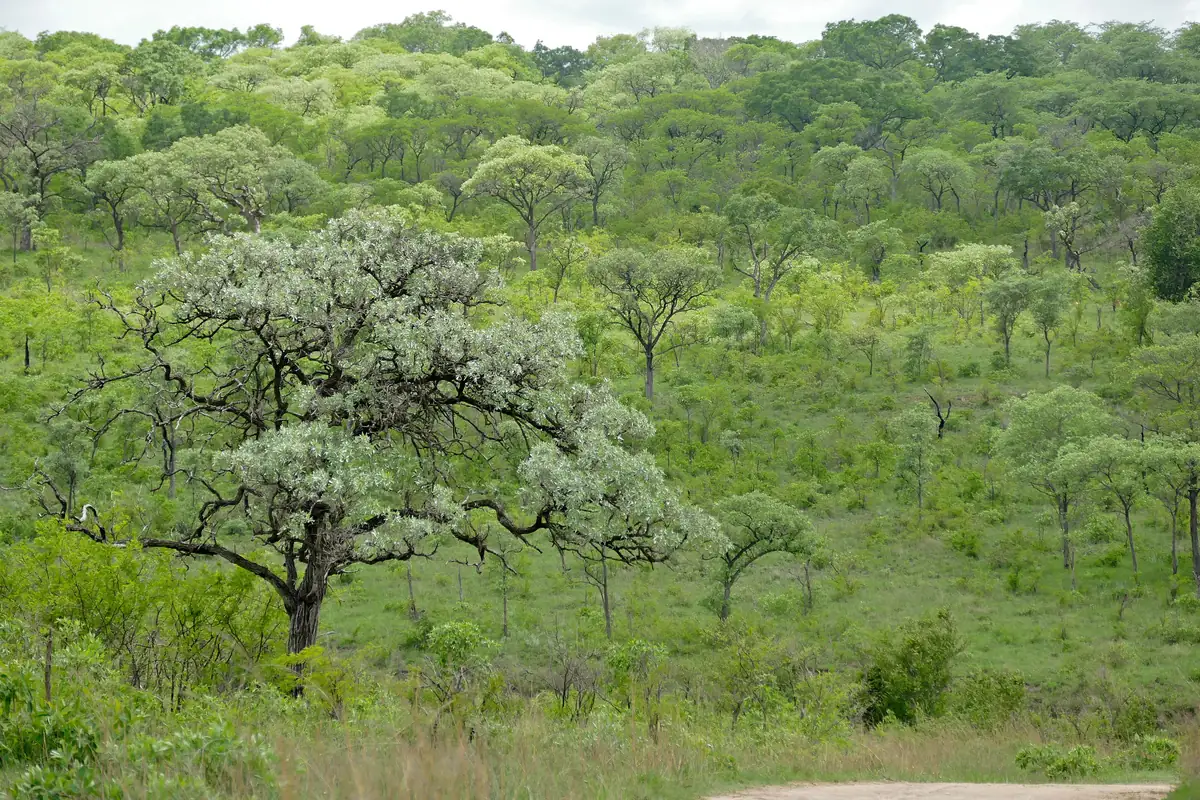
Comfortable bases outside the park, for a drive into Kruger or a night either side of a flight.

2 lodgesHoedspruit and Phalaborwa

  • Classic
  • Premium
  • Luxury
  • Ultra Luxury

10 lodges and hotels across three rows, with the same comfort levels as our Stays page. Lodge names open each lodge's own website.

Plan Your Visit

When to Visit Kruger

Kruger has a dry winter and a green summer. The dry months suit the park most, because the bush thins and animals gather at rivers and waterholes. The private reserves stay strong for most of the year, since they can leave the road. Cape Town's seasons are on the South Africa page.

The bush this month

January

Green season

Hot and humid with afternoon storms. The bush is green, newborn antelope are about, and thick vegetation makes animals harder to spot from the road.

  • Afternoon storms
  • Harder viewing on self-drive

Seasons shift from year to year. We talk in seasons and never promise a sighting.

  • Dry winter, May to September
  • Shoulder months, April and October
  • Green summer, November to March
A herd of buffalo drinking at a muddy river bank in Kruger in the dry season

Dry winter

May to September

Dry · Cold mornings · Animals at the water

SANParks calls winter the traditional best time for game viewing: the vegetation thins and water is limited to rivers and waterholes. Days are warm and dry, mornings and nights are cold, and you'll want warm clothes for open vehicles and night drives. July to September are the busiest months.

  • May to June: dry and cool, the bush starting to thin
  • July to August: clear days, cold mornings and the thinnest bush
  • September: warming up, with animals still at the water

Best for a first safari and for self-drive

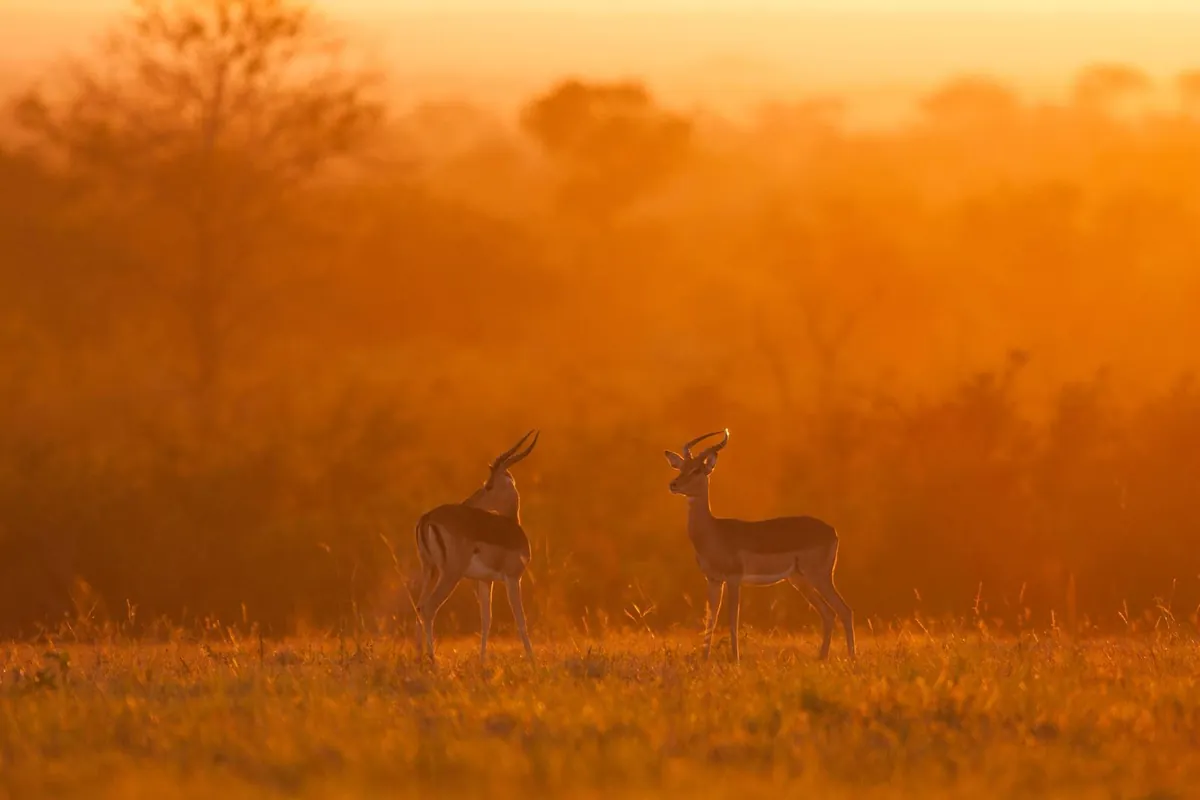
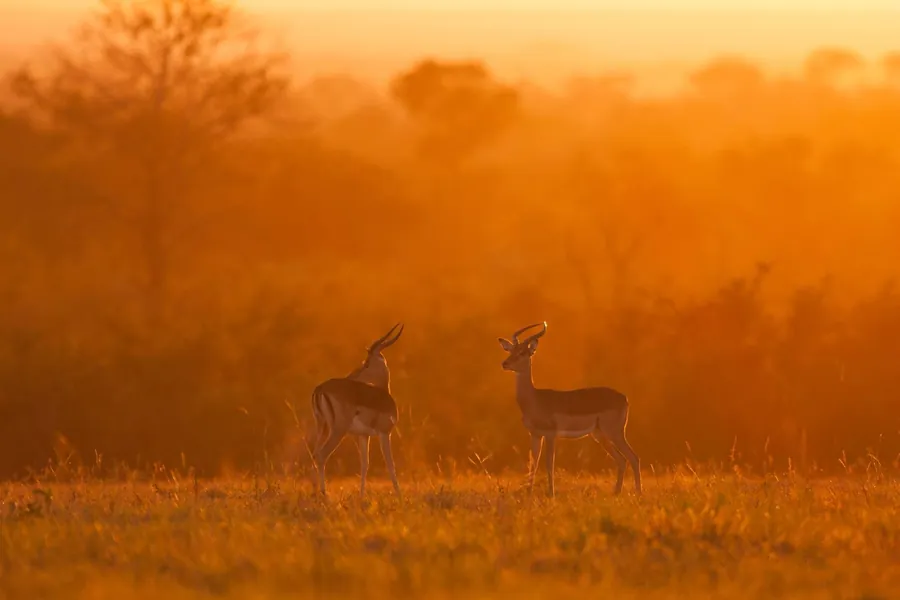
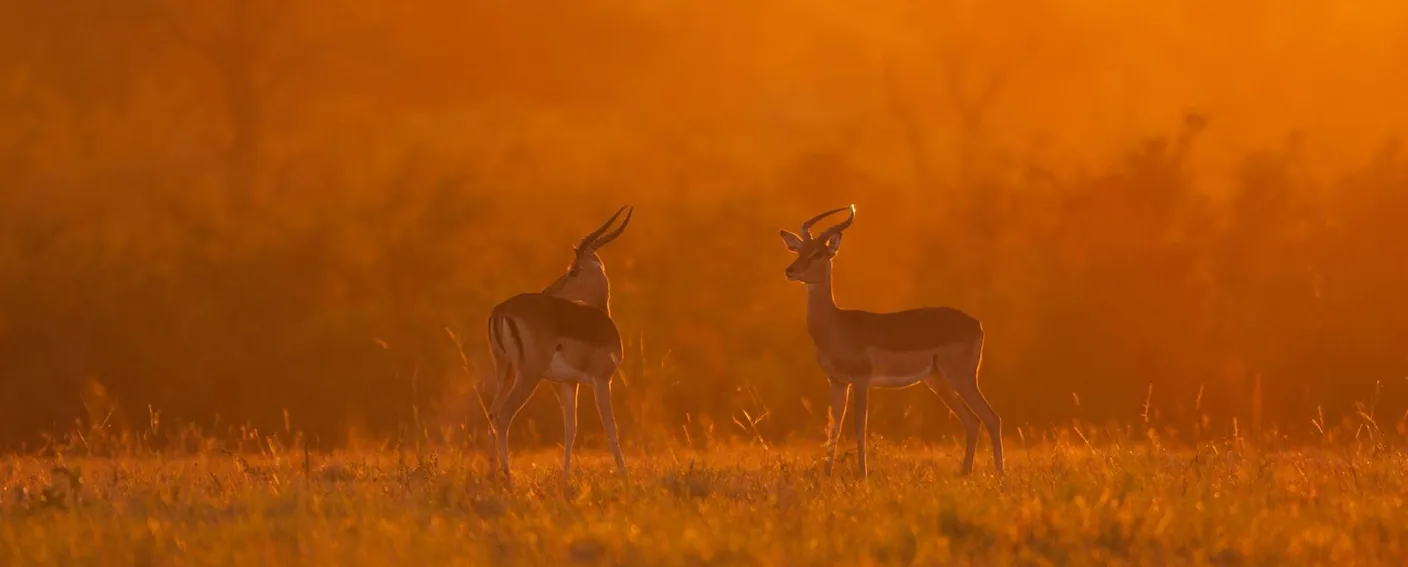
Two impala at sunrise in golden mist at Savanna Private Game Reserve in the Sabi Sand

Shoulder months

April and October

Either side of the dry season · A little quieter

April and October sit either side of the dry winter. In April the rains are easing and the bush opens up. October is the last of the thin bush before the first rains. Both are quieter than July to September, and October is a good month to add Cape Town.

  • April: rains easing, with Easter school holidays
  • October: the last of the thin bush before the rains
  • Who it suits: travelers who want game viewing with a lighter crowd

Best for a combined safari and Cape Town trip

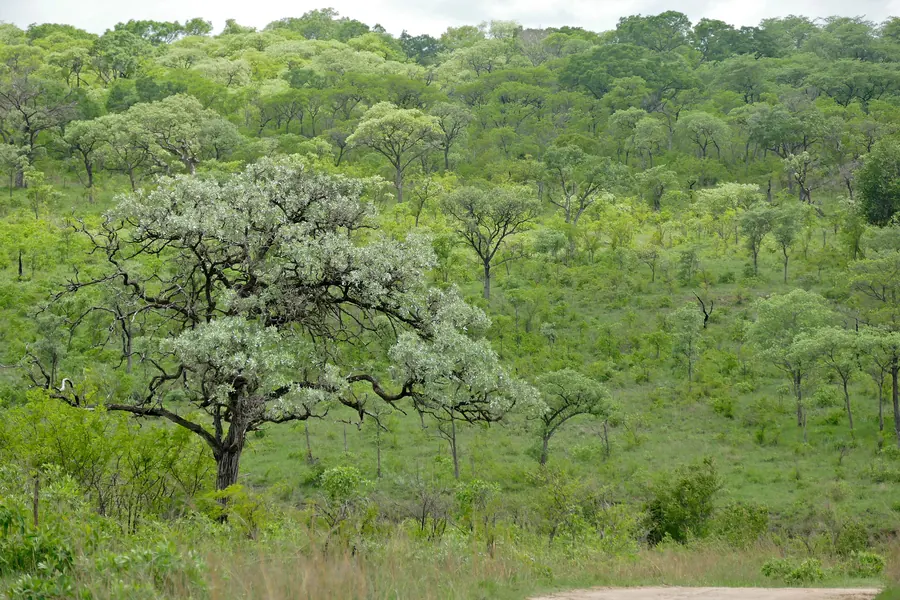
Green bush after the rains along the S14 road south of Pretoriuskop in Kruger

Green summer

November to March

Hot · Rain · Newborns · Birds

The summer rains turn the park lush, newborn antelope arrive from around November and migrant birds come in, but the foliage makes animals harder to see. In the private reserves, off-road tracking keeps viewing strong. On a self-drive you can't leave the road, so the thick bush costs you more.

  • November: first rains, newborn antelope, migrant birds
  • December to February: hot, humid, with afternoon storms
  • March: rains easing, the bush still green

Best for birds, newborns and a quieter park

From the US

Getting to Kruger

Fly non-stop to Johannesburg, then about an hour on to the bush. Delta flies Atlanta and United flies Newark to Johannesburg, and scheduled flights run from there to the airports on Kruger's doorstep: Skukuza inside the park, Hoedspruit, Phalaborwa and Kruger Mpumalanga at Mbombela.

  1. Step one

    Your US city

    There's no direct flight from the US to Kruger, so you connect through Johannesburg. You fly out of your own city and we build the connections around it.

    • New York
    • Atlanta
    • Chicago
    • Los Angeles
    • Other US cities
  2. Step two

    Johannesburg

    Delta flies non-stop from Atlanta to OR Tambo and United from Newark, about 15 to 16 hours. From other US cities you connect once or twice. It's the hub for everything that follows.

    • Johannesburg
    About 15 to 16 hours, Atlanta or Newark to Johannesburg
  3. Step three

    A Kruger airport

    Airlink flies Johannesburg to Skukuza, inside the park, in about an hour. It also flies to Hoedspruit, and Kruger Mpumalanga and Phalaborwa have scheduled flights too. From Cape Town, Airlink flies to Skukuza daily on its published schedule.

    About an hour, Johannesburg to Skukuza
  4. First night

    At your lodge

    A lodge transfer meets your flight. Depending on the schedule, your first drive is that afternoon or the next morning, led by the lodge's own ranger.

    UTC+2 all year · 6 to 10 hours ahead of the US
The ways in
ViaAirlineNote
Skukuza (SZK)Airlink from Johannesburg and Cape TownInside the park, close to the Sabi Sand gates.
Hoedspruit (HDS)Airlink from Johannesburg and Cape TownFor the Hoedspruit lodges and the park's Orpen Gate.
Kruger Mpumalanga (MQP)Flights from Johannesburg, Cape Town and DurbanAt Mbombela. SANParks gives about 1 hour 20 minutes by shuttle to the park.
Phalaborwa (PHW)Scheduled flights from JohannesburgFor the Phalaborwa Gate and the hotels beside it.
By roadFrom JohannesburgFive to six hours to the Sabi Sand and Kruger side. We usually suggest flying.
  • Skukuza: about an hour from Johannesburg, inside the park
  • Hoedspruit: Airlink from Johannesburg and Cape Town, for the lodges on that side
  • Mbombela: Kruger Mpumalanga airport, with a shuttle of about 1 hour 20 minutes to the park
  • Cape Town: Airlink to Skukuza, daily on its published schedule
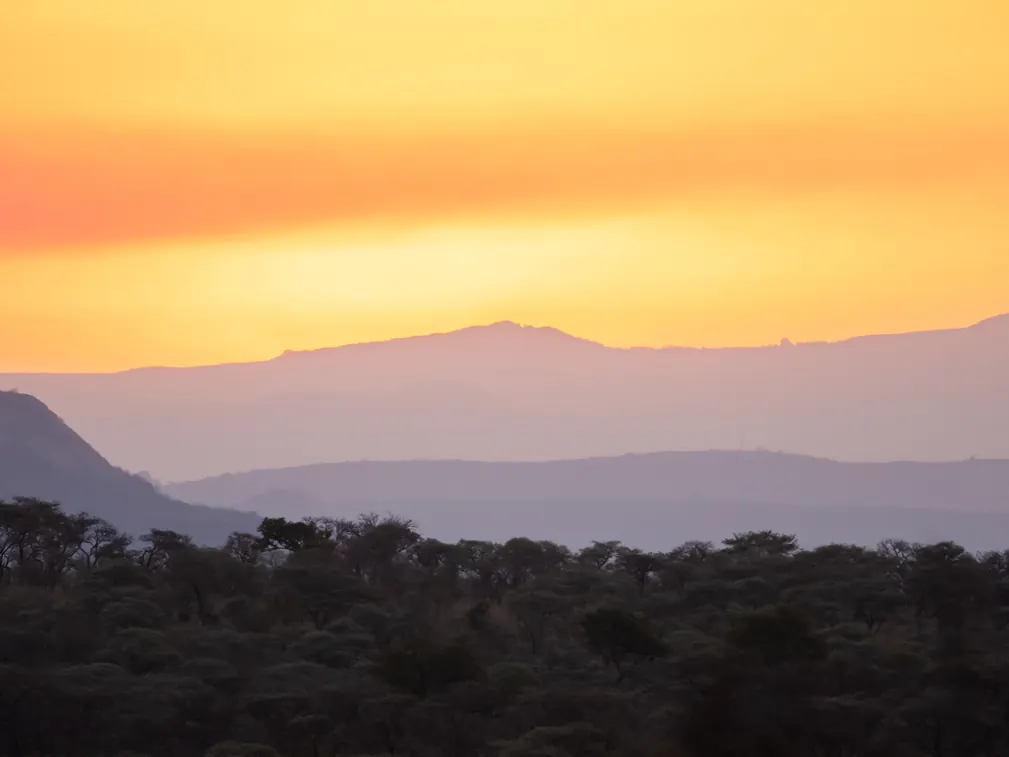
Hills in the dusk after sunset in Kruger National Park, under an orange sky
The bush at the end of the day.
About 15 to 16 hoursAtlanta (Delta) or Newark (United) to Johannesburg, non-stop
About an hourBy air from Johannesburg to Skukuza, inside the park
UTC+2South Africa time all year, with no daylight saving

Tell us your dates first
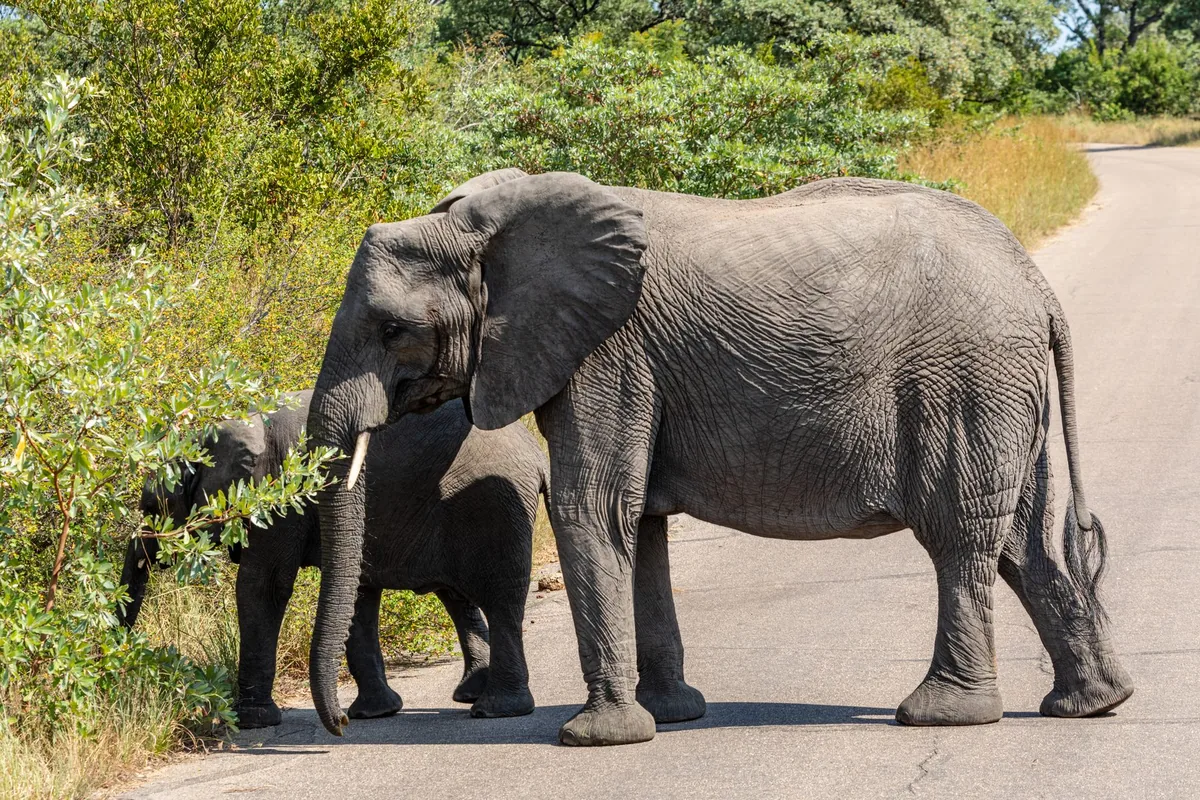
We lock the lodges, then the flights. The small private lodges hold only a few suites each, so the dry months from May fill first. On the small aircraft between Johannesburg and the bush, bags travel best soft-sided, around 20 kg, and we confirm your lodge's limit before you fly. Once your deposit is in, we place lodges, flights and transfers together, and that's the time to take out your travel insurance.
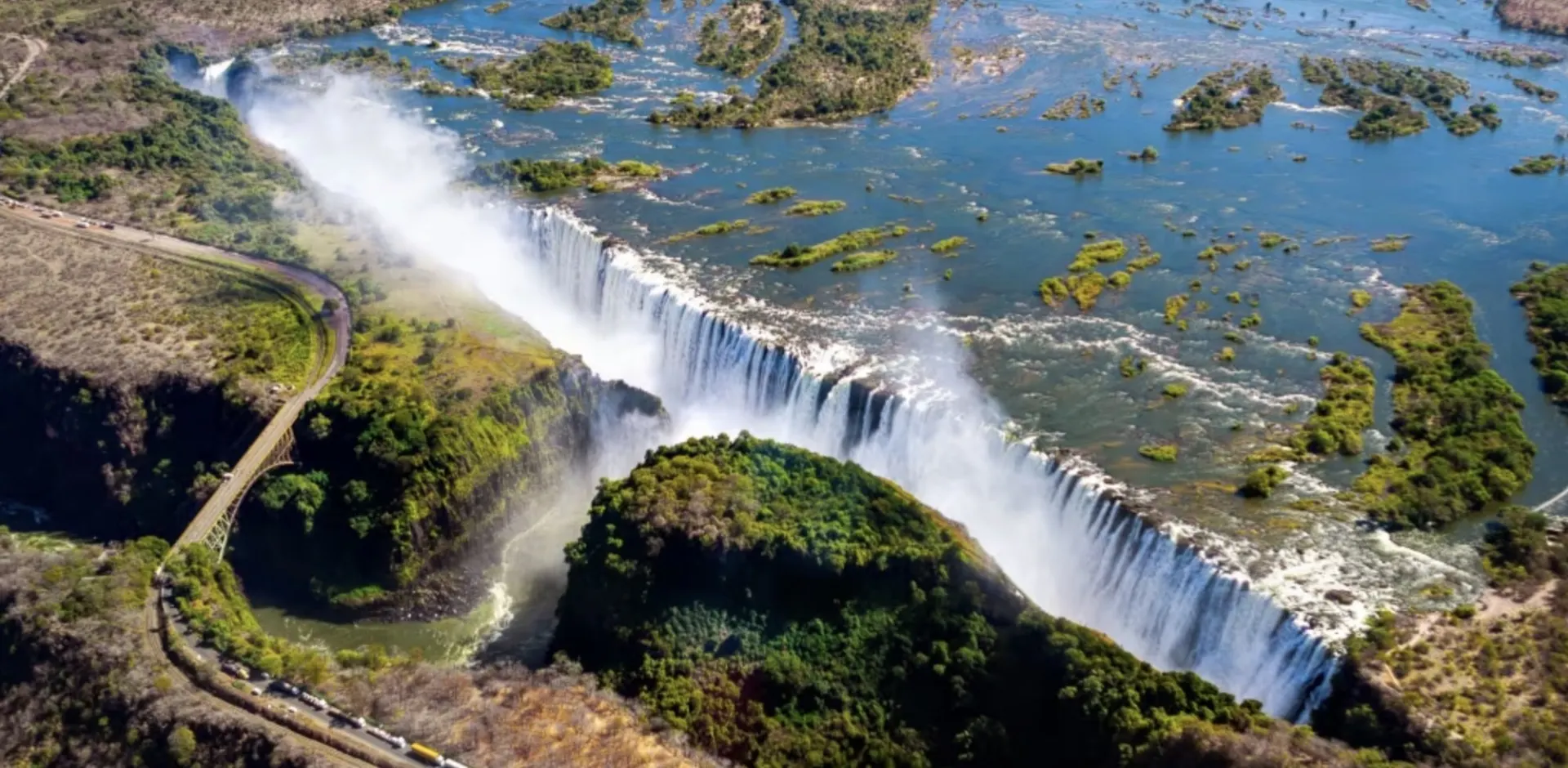
Flights

Delta flies non-stop from Atlanta to Johannesburg and United from Newark. From other US cities you connect. Schedules change, so we check them when we build your trip, and we price flights when you're ready to book, because fares move. The flights on to Kruger are scheduled services, and the lodges' own light aircraft fill the gaps.
The time difference

South Africa is on UTC+2 all year, with no daylight saving. That's 7 hours ahead of New York in winter and 6 in summer, and 10 ahead of Los Angeles in winter and 9 in summer, so a first night of rest helps.

The Practical Bits

Health, Safety, Park Fees and Packing

What to sort before you fly. For entry rules and anything medical, we send you to the official sources, starting with the State Department and a travel doctor.

Visas and entry

US citizens can visit South Africa without a visa for stays of under 90 days. Your passport should be valid for at least 30 days after you leave, with two blank visa pages, and the rules change, so check the State Department's latest advice. South Africa also asks every traveler to complete an online traveler declaration before traveling, and has rules for traveling with children. Our visa guide for US citizens has the detail.

Health and malaria

Kruger is a malaria area. SANParks says the park "falls within the malaria endemic area of South Africa" and asks you to consult a travel doctor or general practitioner. The CDC recommends prescription malaria medicine for Kruger National Park. A doctor decides what you need, so take your full itinerary to one before you book. Our South Africa page covers the malaria-free reserves.

Is it safe?

South Africa has a high crime rate, and carjacking and robbery are common, particularly after dark. Violent incidents have also been flagged on the approaches to one of Kruger's gates. On safari the other risk is wildlife: follow park rules, use professional guides and don't swim in lakes and rivers. Most of a trip is spent in lodges with arranged transfers. Check the State Department's latest advice before you book.

Park fees

A daily conservation fee applies in Kruger, set by SANParks and changed each year, and it's part of what we quote. Private lodges bill or include their own levies, so there's nothing to sort at the gate. See what an African safari costs and how booking works.

Children and age rules

SANParks's guided drives don't take children under six. At the lodges, Londolozi's Varty and Founders camps take children between 6 and 16, Dulini welcomes children over eight, and Singita Castleton and Singita Ebony take all ages, with the guide deciding who joins a drive or walk. Many families with young children choose a malaria-free reserve instead. Our family safari guide covers ages by activity.

What to pack

Layers, because open-vehicle mornings and night drives are cold in winter. Neutral colors, long loose light-colored sleeves, a hat, sunscreen, insect repellent, binoculars, and an adaptor for South Africa's Type M three-pin sockets. Our packing list has the rest.

Go Further

Pair Kruger With

Kruger rarely stands alone. These are the four pairings that work best.

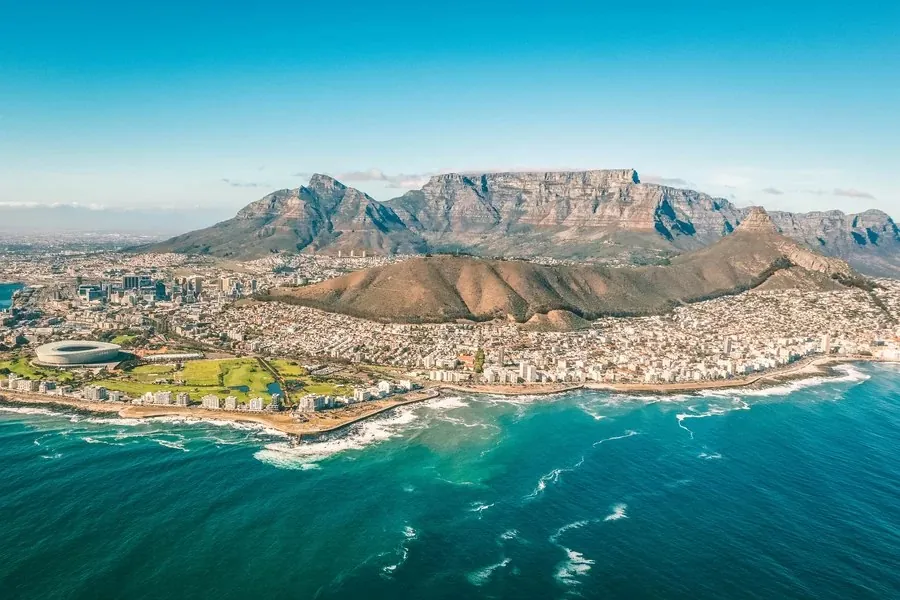
Cape Town under Table Mountain from the air

Direct flights to Skukuza

Cape Town

Table Mountain, the coast and the Winelands make the other half of the trip. Airlink flies Cape Town to Skukuza daily on its published schedule, so you don't double back through Johannesburg.

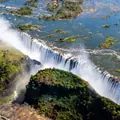
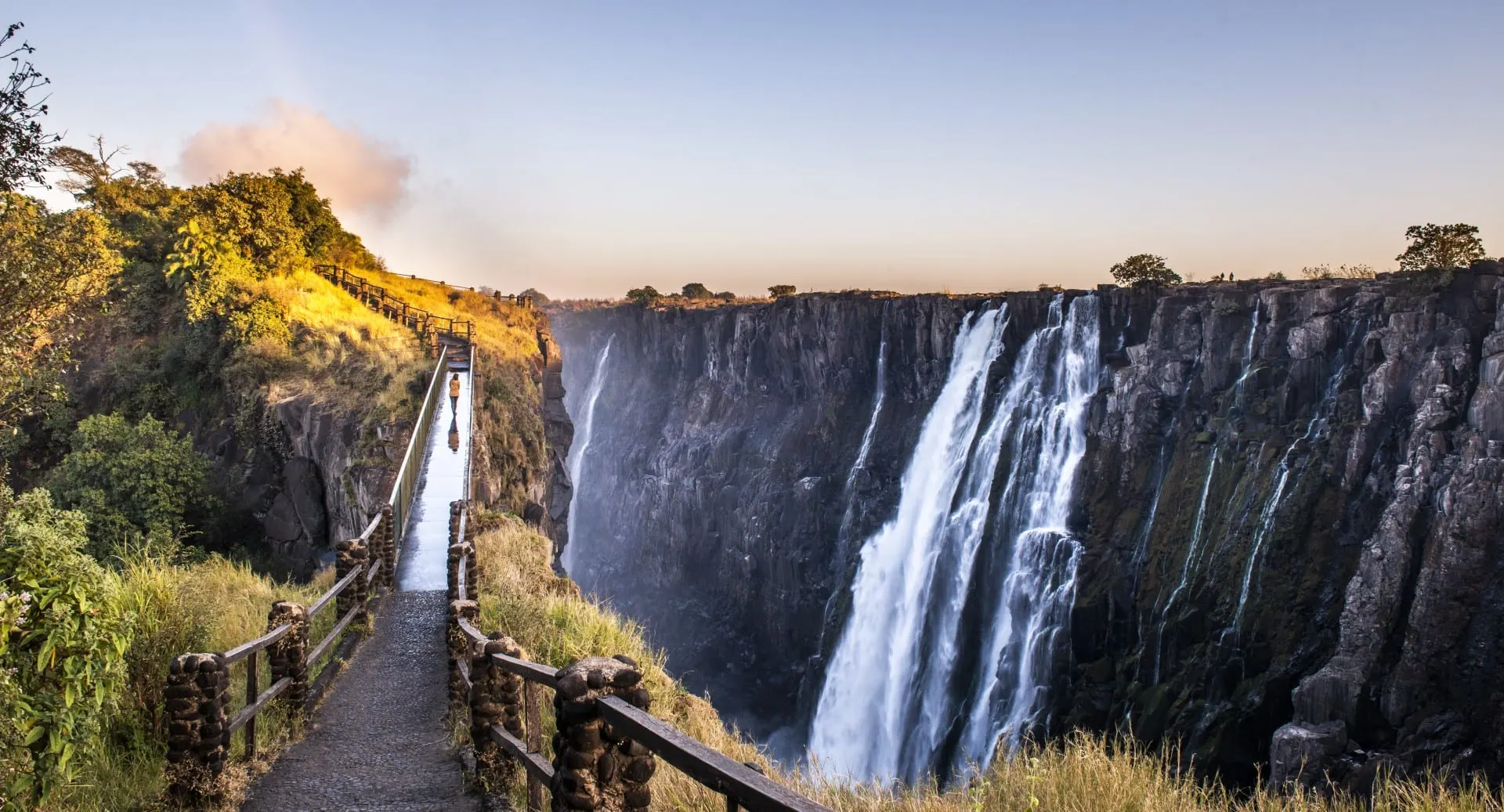
Water pouring over the cliff at Victoria Falls beside a footpath and viewing point

Under two hours by air

Victoria Falls

Johannesburg to Victoria Falls is a flight of under two hours, and the Falls are an easy place to end a trip after the bush. Our 14-night circuit joins the Falls, a Sabi Sand lodge and Cape Town.

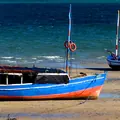
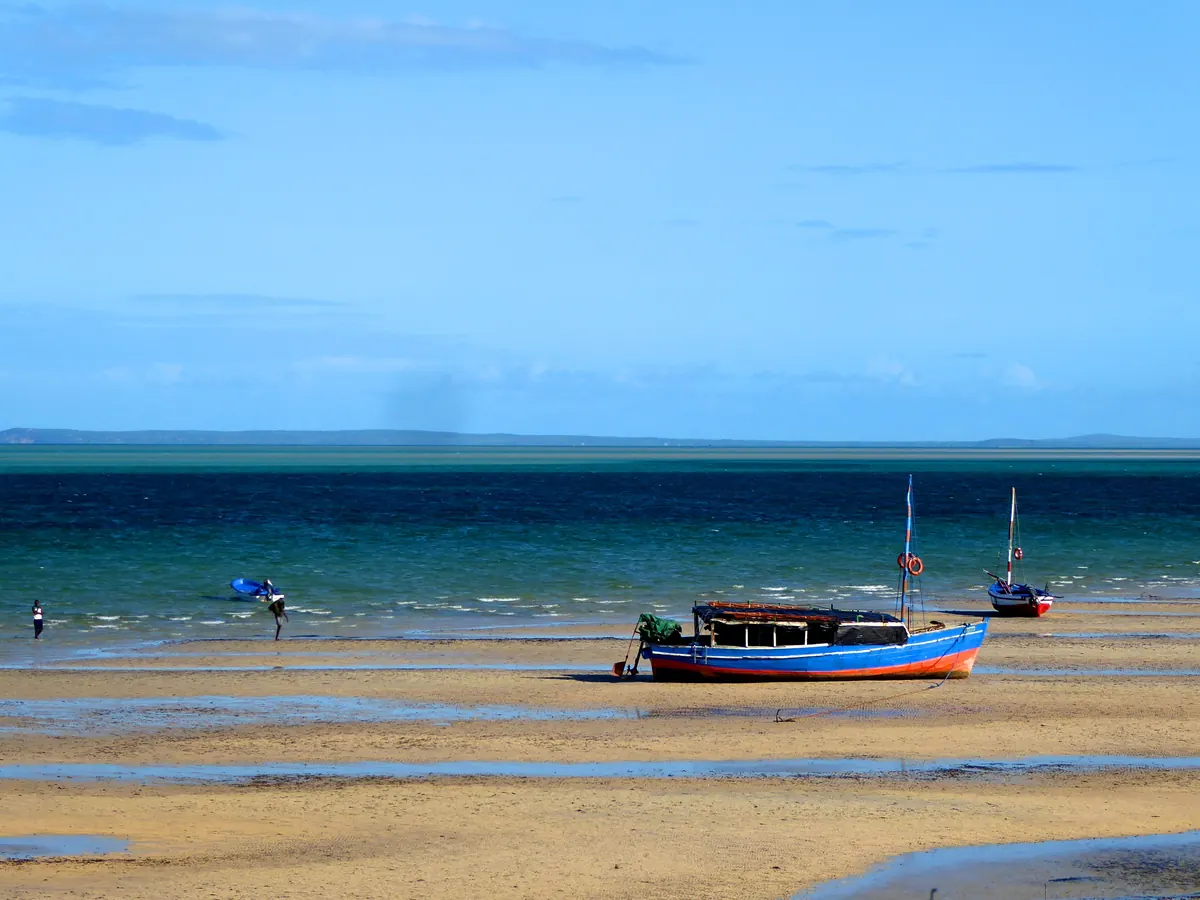
A wooden boat on the sand flats at low tide on the beach at Vilanculos, Mozambique

Bush, then beach

A Mozambique beach

Airlink flies Johannesburg to Vilanculos, the gateway to the Bazaruto islands, so a few days of sand follow the bush. We check the flights for your dates.

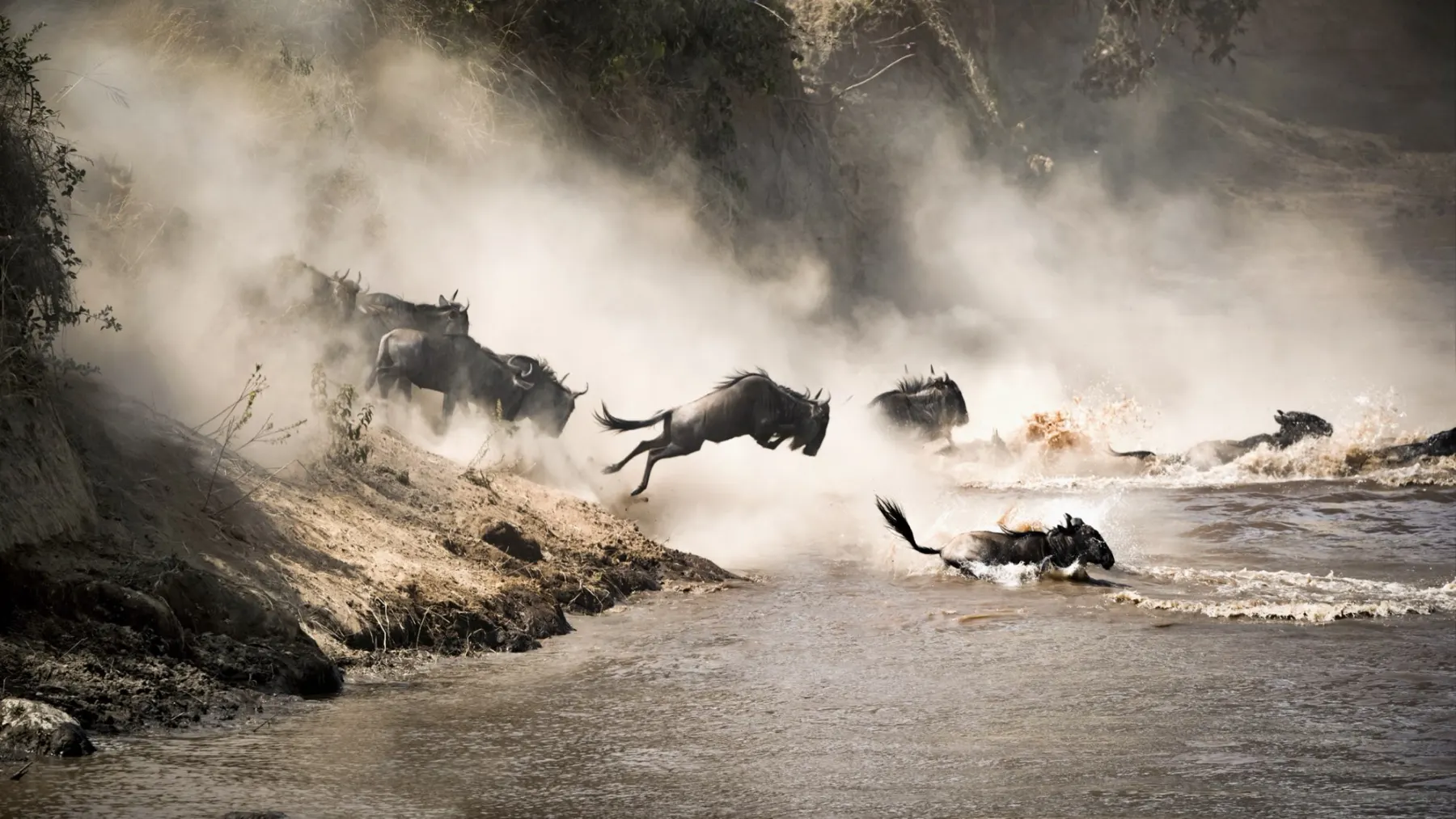
Wildebeest crossing a river in the Serengeti

After a Tanzania safari

Tanzania first

A Tanzania safari followed by Kruger gives you two very different kinds of bush in one trip. There's no direct flight from Johannesburg to Kilimanjaro, so we plan the connection for you.

The Practical Questions

FAQ

The questions travelers ask about a Kruger safari, grouped by topic.

Can't see your question? Ask us directly and a real person will answer.

Planning and cost

Is Kruger National Park or a private reserve better for a first safari?
For most first-timers, a private reserve. The ranger and tracker follow animals off the road, you see more of the night, and you share sightings with only a few vehicles. The park suits people who want to drive themselves and keep costs down, and a few lodges on concessions inside it give you both. Off-road driving isn't allowed in the park itself. Our park or reserve comparison sets out the differences.
What is the Sabi Sand, and is it part of Kruger?
No. The Sabi Sand is a group of private reserves on Kruger's western edge, between the Sabie and Sand rivers. There's no fence between it and the park, so animals move freely across, but it's a separate reserve with its own lodges, open to guests only. Timbavati, Klaserie and Thornybush are other reserves along the same boundary. Dulini, Londolozi, Savanna, Singita Castleton and Singita Ebony are the Sabi Sand lodges we work with.
Where can we stay in and around Kruger National Park?
In three kinds of place: the park's own rest camps, run by SANParks; lodges on private concessions inside the park, such as Singita Lebombo Lodge, Hamiltons Tented Camp and Imbali Safari Lodge; and private reserve lodges on the western edge. We also work with Khaya Ndlovu Safari Manor at Hoedspruit and Bushveld Terrace Safari Hotel beside the Phalaborwa Gate. See the lodge list.
How much does a Kruger safari cost?
There's no Kruger list price, because it depends on where you sleep and when, so we quote to your dates. Lodges in the private reserves and concessions sit at the top of the range but usually include meals and drives, and the park's rest camps are cheaper. A daily conservation fee applies and is part of what we quote. For a guide, our 14-night Cape Town, Kruger and Victoria Falls itinerary is from $6,950 per person, flights extra. See what an African safari costs.
Can we combine Kruger with Cape Town, Victoria Falls or a beach?
Yes. Airlink flies Cape Town to Skukuza daily on its published schedule, so Kruger and Cape Town sit well together. Johannesburg to Victoria Falls is under two hours by air. For a beach, Airlink flies Johannesburg to Vilanculos for the Mozambique coast. Our 14-night itinerary joins Cape Town, Kruger and the Falls. We check every schedule when we build your trip.

When to go

When is the best time to visit Kruger National Park?
May to September is the classic time. SANParks calls winter, April to September, traditionally the best for game viewing, as the bush thins and animals depend on rivers and waterholes. April and October are good too. November to March is hot and green, with newborn animals and migrant birds but harder viewing from the road. September and October suit a trip that adds Cape Town. See the month-by-month guide.

Getting there

How do we get to Kruger from the US, and from Johannesburg?
Delta flies non-stop from Atlanta to Johannesburg and United from Newark, about 15 to 16 hours. From other US cities you connect. From Johannesburg, Airlink flies about an hour to Skukuza inside the park, and also to Hoedspruit, with Kruger Mpumalanga at Mbombela and Phalaborwa as other options. By road it's five to six hours to the Sabi Sand and Kruger side. We check schedules when we build your trip.

On safari

Can we self-drive in Kruger National Park?
Yes, the park's tar and gravel roads are open to private cars. Speed limits are 50 km/h on tar and 40 km/h on gravel, you stay in the car except at designated areas, and each camp and gate closes at a set time that changes with the season and is printed on your permit. Carjacking and robbery are common in South Africa, particularly after dark, and violent incidents have been flagged on the approaches to one of Kruger's gates. For a first safari we'd go guided. South Africa drives on the left, the opposite of the US.
Can we go on night drives in Kruger?
Yes, in two ways. SANParks runs guided sunrise, sunset and night drives from its rest camps in open vehicles, booked separately. The night drives last about two hours, and children under six can't join. Private reserve and concession lodges run longer drives after dark as part of their program, with a spotlight and off-road tracking. Pack warm clothes, because SANParks says night drives are cold.

Health, visas and safety

Is Kruger a malaria area?
Yes. SANParks says Kruger National Park "falls within the malaria endemic area of South Africa" and asks visitors to consult a travel doctor, and the CDC recommends prescription malaria medicine for Kruger National Park. A doctor decides what you need, so take your full itinerary to one before you book. Our South Africa page covers the malaria-free reserves.
Is Kruger safe for tourists?
South Africa has a high crime rate, and carjacking and robbery are common, particularly after dark. Violent incidents have also been flagged on the approaches to one of Kruger's gates. Most of a safari is spent in lodges with arranged transfers, and in the park you follow park rules and use professional guides. Check the State Department's latest advice before you book.
Do US citizens need a visa for Kruger and South Africa?
US citizens can visit South Africa without a visa for stays of under 90 days. Your passport should be valid for at least 30 days after you leave, with two blank visa pages, and the rules change, so check the State Department's latest advice. South Africa also asks for an online traveler declaration before you travel. Our visa guide for US citizens has the detail.

Start Planning

Plan Your Kruger Trip

The park, a concession or a private reserve, alone or with Cape Town, the Falls or a beach. Tell us your dates and who's traveling, and we design the rest, with real prices in US dollars.

Five stars. 5.0 on Google and Tripadvisor37 five-star reviews, every one of them

Get in Touch
“The trip far exceeded my expectations.”
Five stars. Ryan Carr-Ketu, Tanzania, 2026, on Google
Two impala at sunrise in golden mist at Savanna Private Game Reserve in the Sabi Sand

Email us or book a call

Talk to a real person

Samara looks after our guests from the US. Email her or book a call at a time that suits you, or message her on WhatsApp, and she'll come back to you the same day, US time.

Safaris · inquiries & bookings

Samara Imhoof

Bookings & Client Care

Whether you're just kicking around ideas or already booked. Dates, lodges, costs, changes, payments, flights.


Email

samara@kingsesafaris.com
Business · partnerships & trade

Jackson Potter

Founder

Lodges, agents, media, or anything commercial. This one comes straight to me.


jackson@kingsesafaris.com
Contact us

Not sure who to ask? bookings@kingsesafaris.com reaches the whole team.