Lemurs, baobabs and rainforest, mostly on foot with a park guide and usually added to an Africa trip. Planned from the Gold Coast and quoted to your dates in US dollars.
★★★★★Five stars. 5.0 on Google and Tripadvisor37 five-star reviews, every one of them
Kingse · Madagascar
Lemurs, Baobabs and Long Slow Roads
Lemurs on foot · Baobabs at sunset · Rainforest
Madagascar isn't a big-game country, and we'd rather say so up front. There are no lions, elephants or buffalo. What you come for is the lemurs, which live only on this island, along with chameleons, baobabs and rainforest, and you meet nearly all of it on foot with a park guide. The distances are long and the roads are slow, so it's a trip for people who enjoy the journey as much as the arrival, and it usually works best as an add-on at the start or end of an Africa trip.
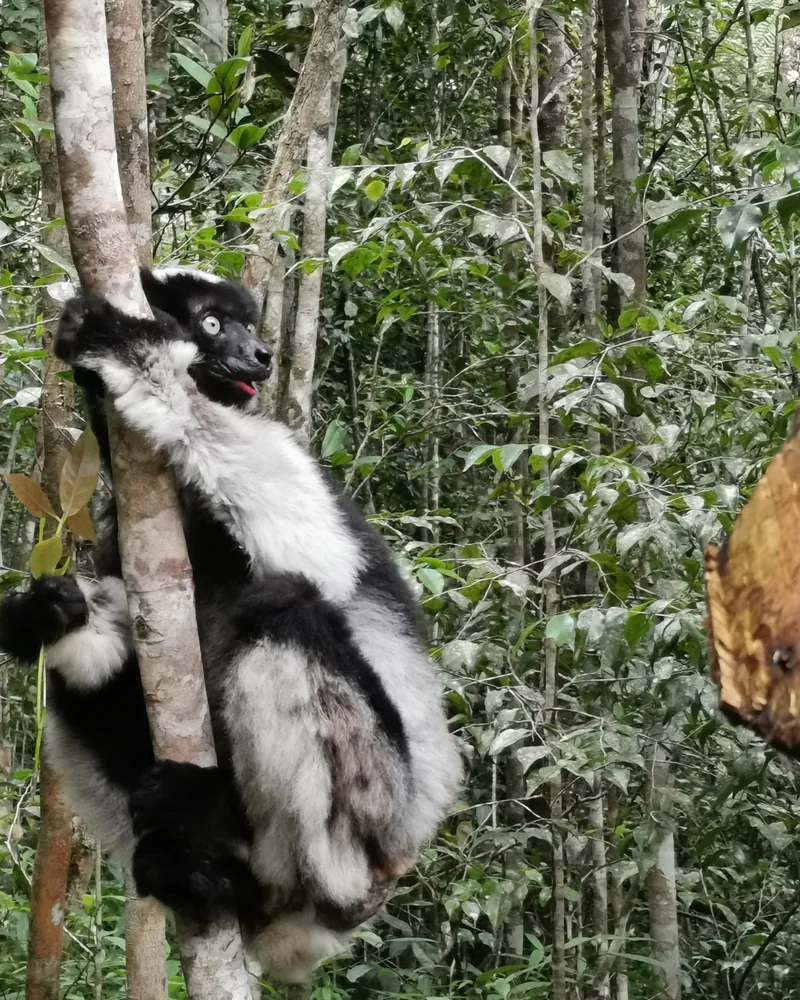
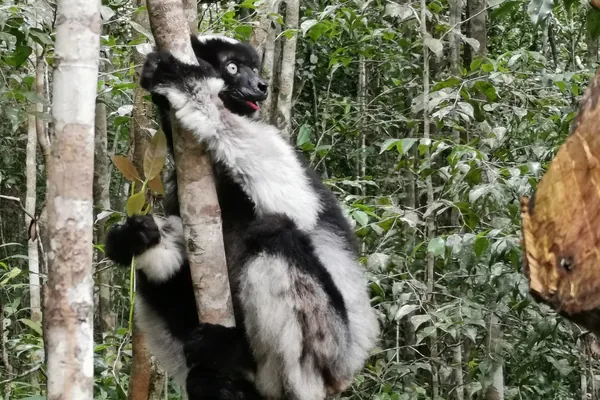
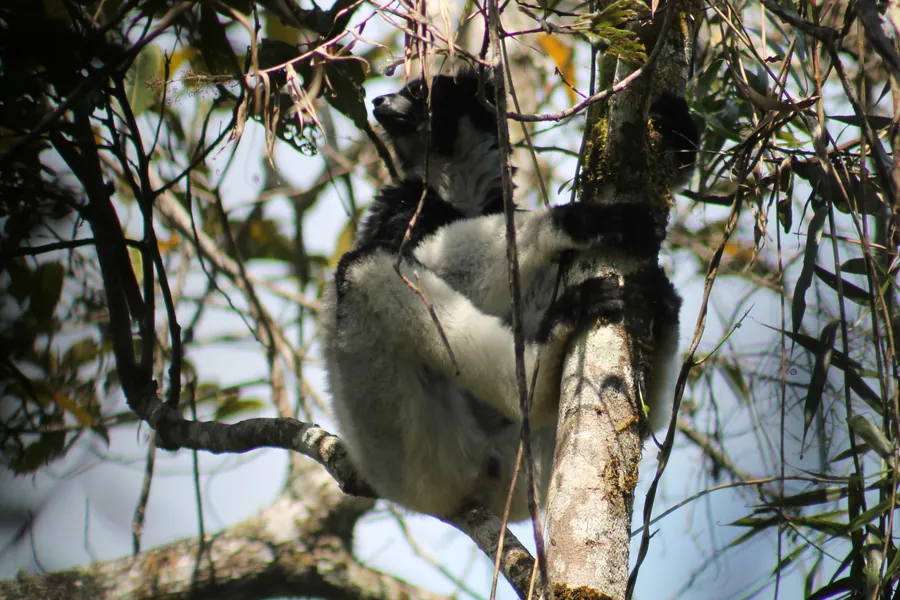
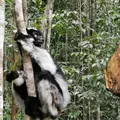
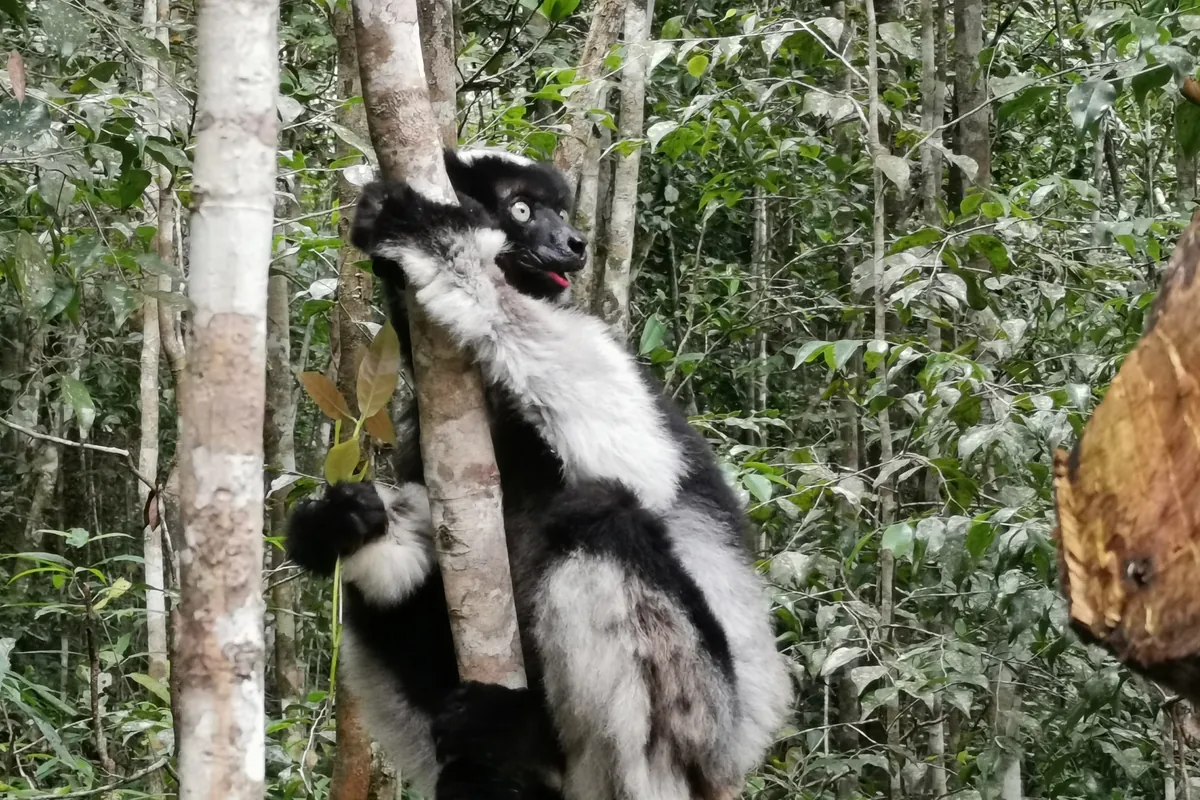
An indri in the forest at Andasibe-Mantadia.
Madagascar at a glance
Best monthsMay to OctoberThe dry season; the cyclone season runs from November to April
Suggested trip7 to 14 nightsA week for Antananarivo and Andasibe, ten to twelve to add the Tsingy, two weeks for the highlands road south
FlightsOne or more connectionsUsually through Johannesburg; we check what is flying for your dates
Time difference7 to 8 hours ahead of New YorkUTC+3 all year, no daylight saving
Highlights
Indri at Andasibe
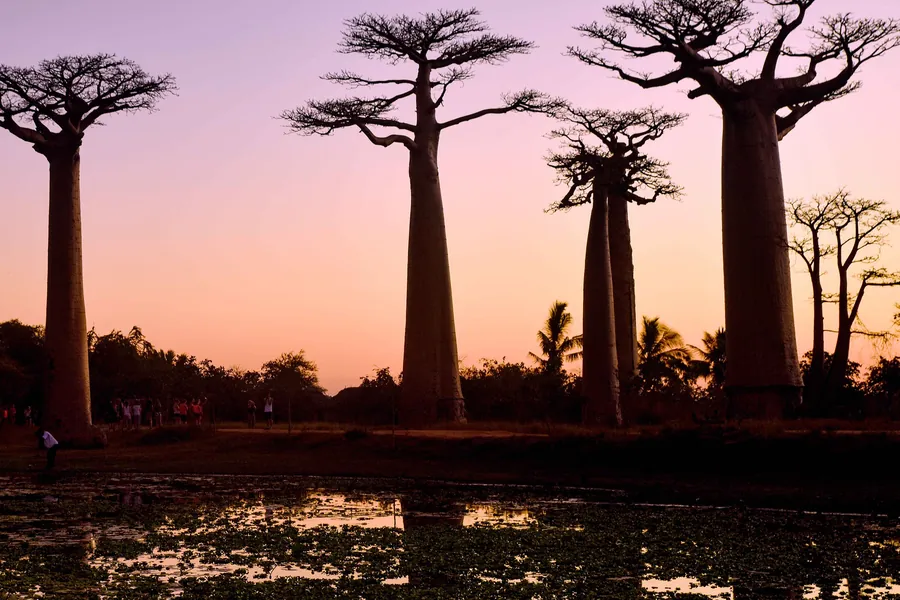
Avenue of the Baobabs
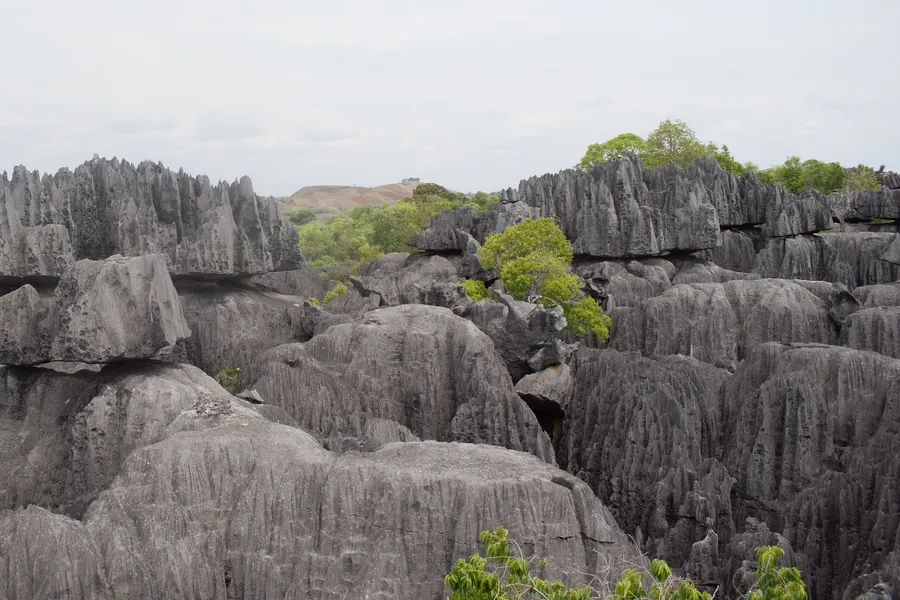
Tsingy needles
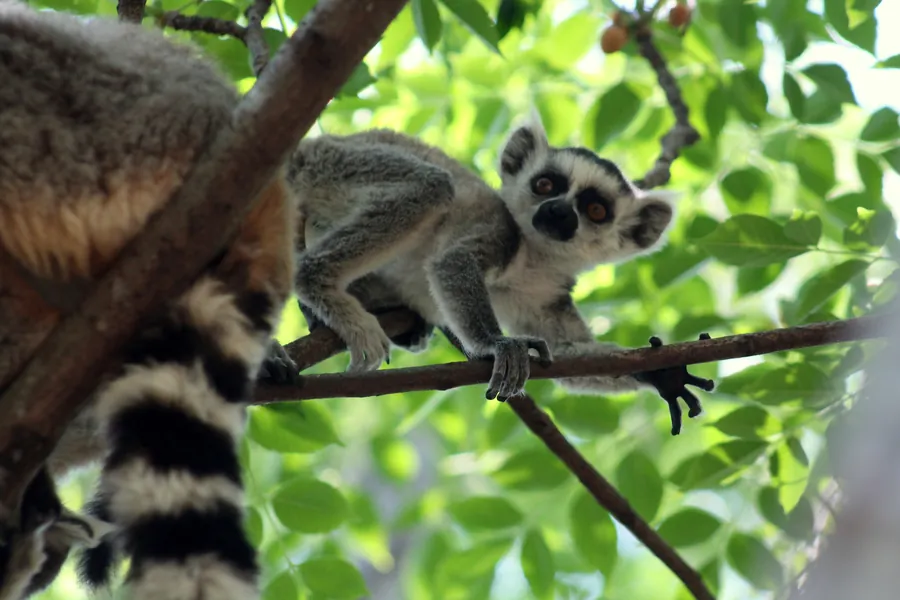
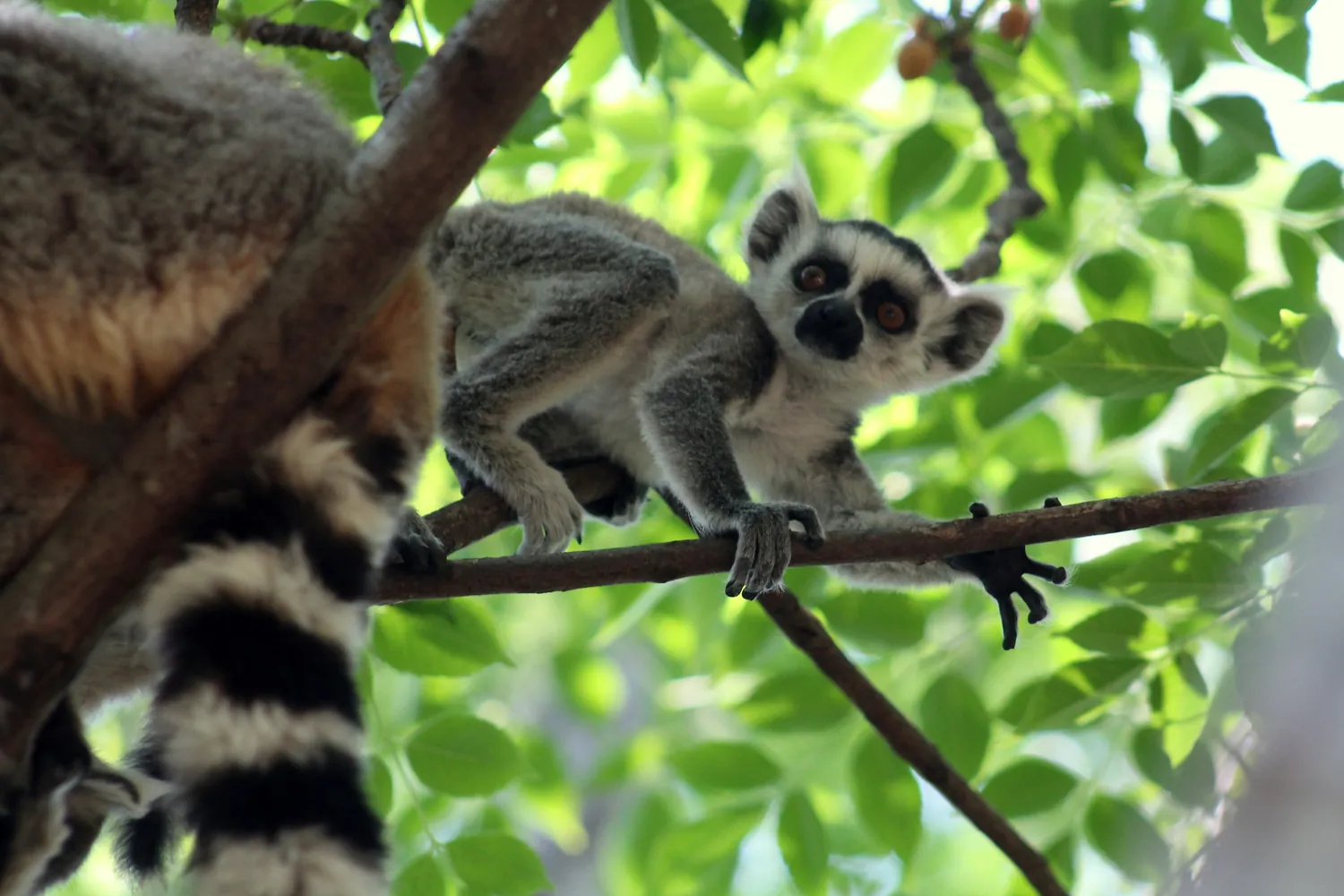
Ring-tailed lemurs
Nosy Be beaches
Who you're dealing with
We're an Australian company on the Gold Coast. We design the whole trip, book it, and look after you from first call to flight home, on one contract and one invoice from Kingse Safaris Pty Ltd (ABN 37 698 821 886). In Madagascar a private driver and guide covers the road for the whole trip, and park guides lead every walk in the national parks. We plan the days so nobody is on the main roads after dark.
Jackson was professional and knowledgeable right from the beginning.
★★★★★Five stars. Amanda Thomas, who traveled to Tanzania, June 2026, on Google
Madagascar, Place by Place
Tour the Places
Scroll, and the map follows you around the island. This isn't one route: most trips pick two or three of these places.
The capitalAntananarivo
The capital · First stop
Antananarivo
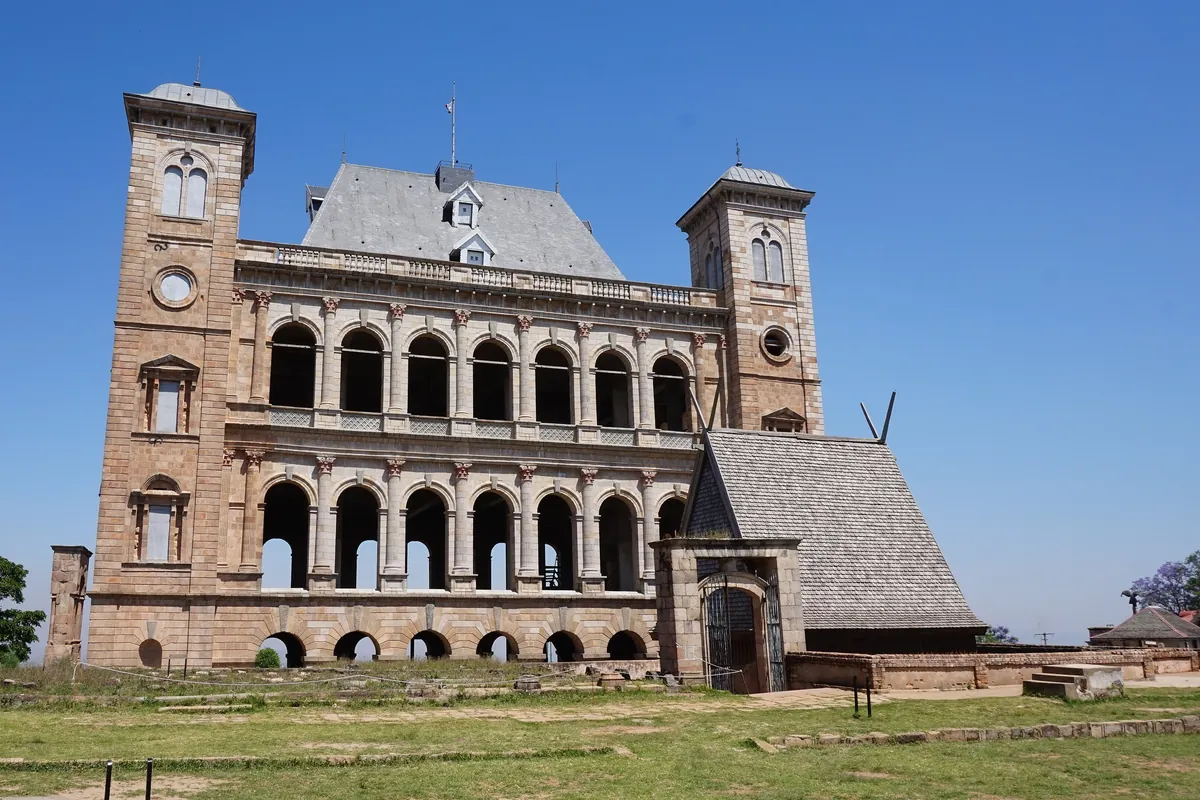
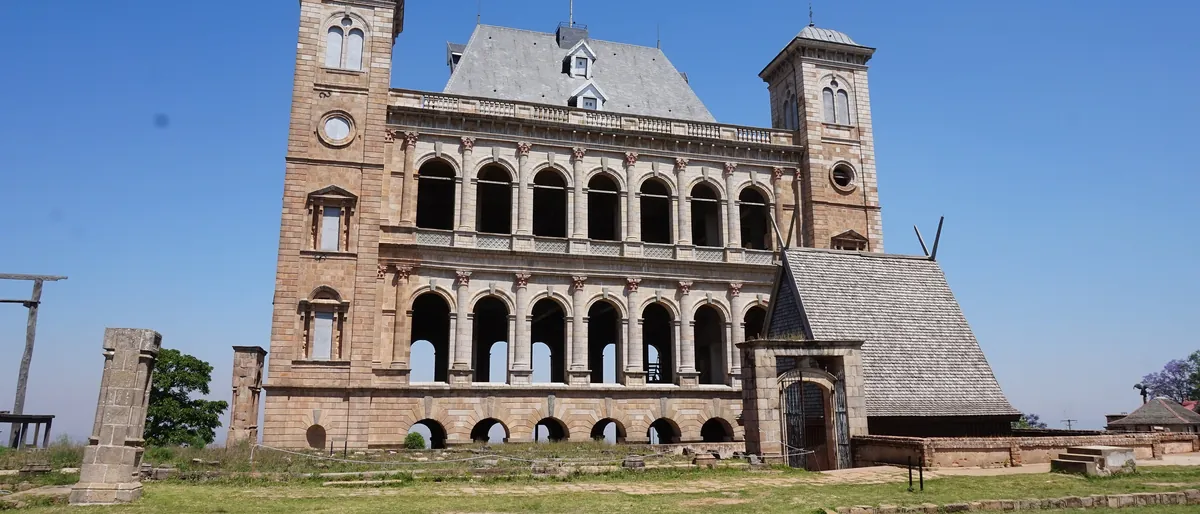
Almost every trip starts and ends in Antananarivo, known as Tana. The airport, Ivato, is about 16 kilometers north-west of the city center, and the capital sits in the highlands at around 1,280 meters, so evenings can be cool. We plan a night here at each end, and a spare day before any flight home, because domestic flights aren't always on time.
Arrival night
Ivato airport
Highland air
Buffer day
Best monthsAny month for the stopover; cyclone-season weather can disrupt it from November to AprilFrom the USUsually via Johannesburg, then on to Antananarivo
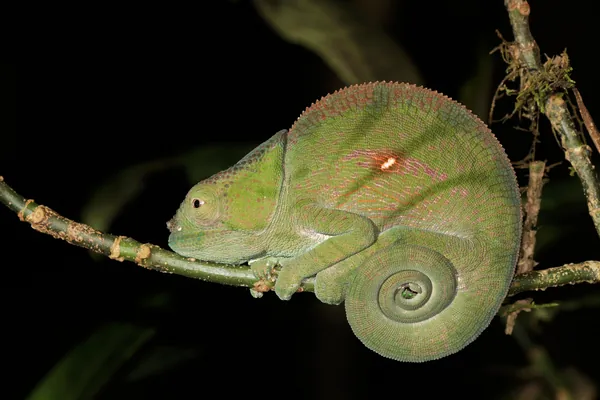
About 140 kilometers east of Antananarivo, Andasibe is where most people meet the indri, which Madagascar National Parks calls the largest primate of Madagascar. The park lists 14 lemur species at Analamazaotra and at neighboring Mantadia, along with chameleons and leaf-tailed geckos. You walk the marked forest trails with a park guide, and the park also runs a guided night walk of about 90 minutes.
Some tours also visit a private lemur island nearby, where lemurs are used to people. That's a gentle introduction, but it isn't wild forest, and we'll tell you which is which. Pack a fleece and a rain jacket: the park says there's no real dry season here.
Indri
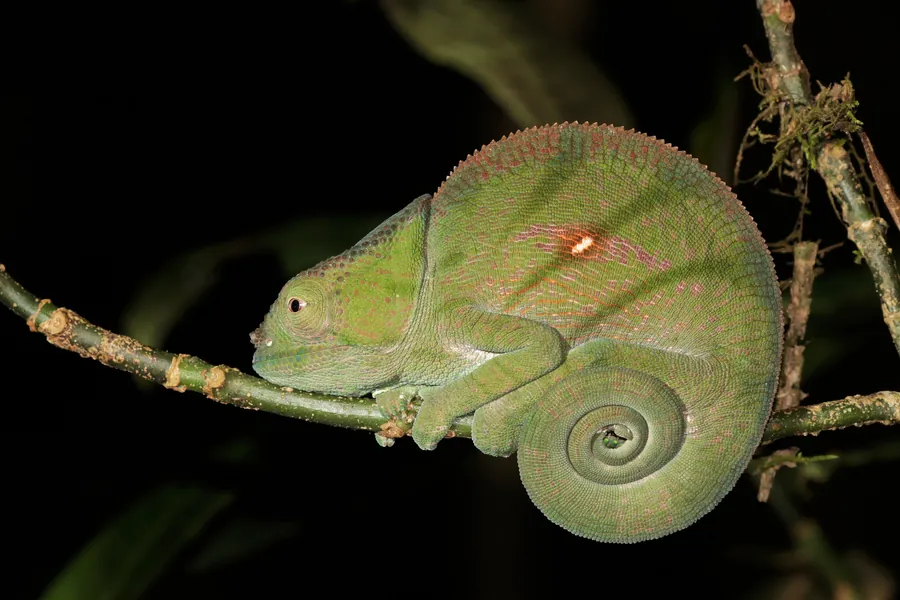
Chameleons
Guided night walk
Mantadia
Best monthsOpen all year; the park calls May to October the best period for wildlifeFrom AntananarivoAround 140 km east on the RN2; allow three to five hours
Ranomafana is rainforest across 43,550 hectares at 600 to 1,200 meters, part of the UNESCO World Heritage listing for the Rainforests of the Atsinanana. Madagascar National Parks lists 14 lemur species there, among them the golden bamboo lemur and the black-and-white ruffed lemur, and the park sells a guided night walk of about 90 minutes.
It's a long way from the capital. Allow around seven hours for the road from Antsirabe to Ranomafana, so we break the journey from Antananarivo rather than push through.
Golden bamboo lemur
Ruffed lemur
Night walk
World Heritage rainforest
Best monthsMay to October is the drier stretch; the east is wet at any time of yearFrom AntananarivoSouth along the RN7; we break the journey with a night on the way
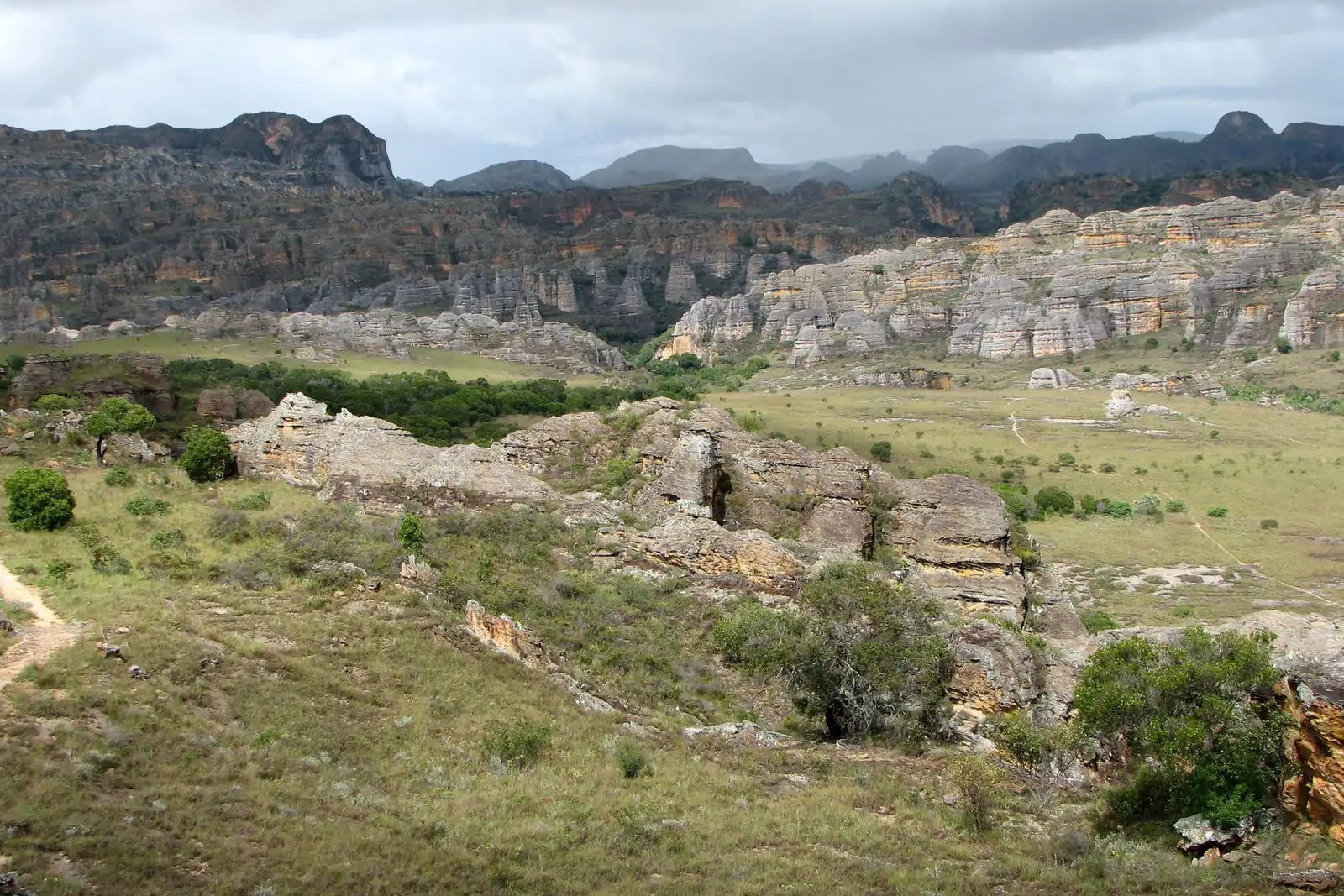
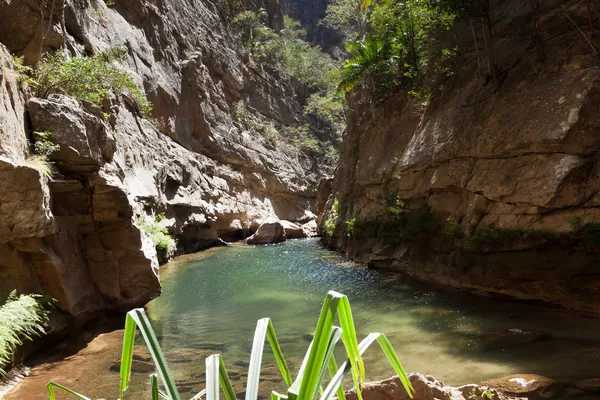
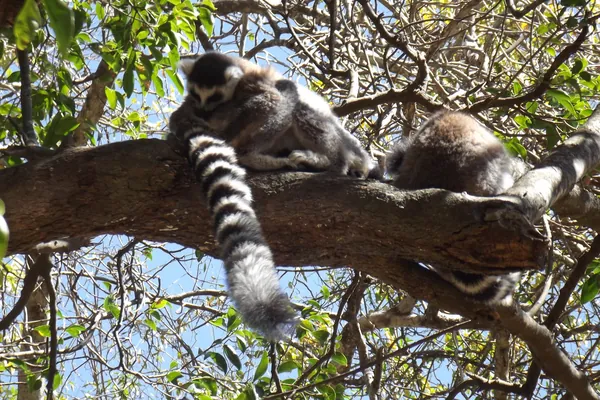
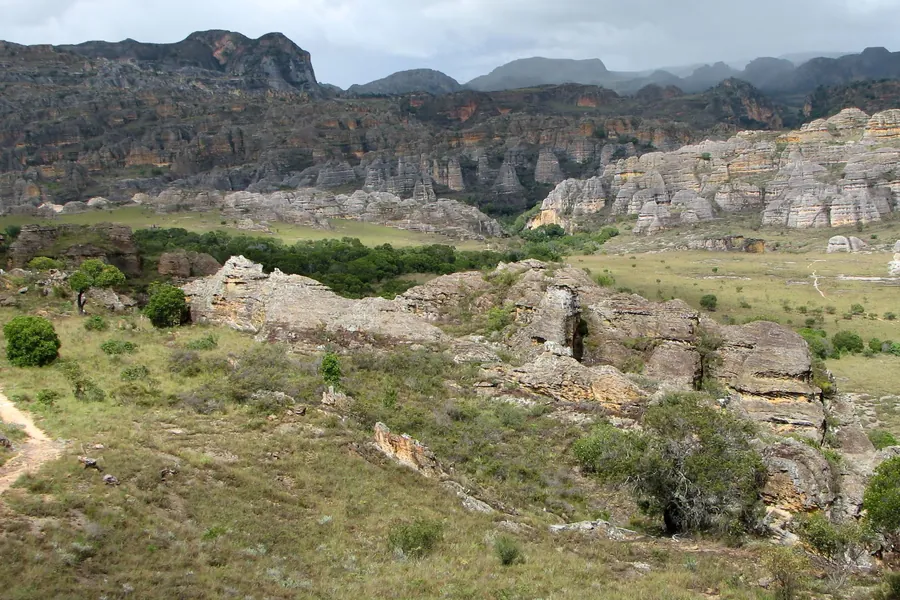
Isalo is a sandstone massif of canyons and natural pools, 81,540 hectares in the south. Madagascar National Parks lists seven lemur species there, including the ring-tailed lemur and Verreaux's sifaka. Nearer the highlands, the community-run Anja reserve is a popular stop on the way south, where ring-tailed lemurs can be watched from a few meters.
This is the part of the RN7 that official advice says most about. The State Department says some areas of Madagascar have increased risk, and official advice names the southern triangle between Ihosy, Toliara and Fort Dauphin and recommends using a recognized tour operator and avoiding night driving. This road is taken in daylight with a driver and guide, and we don't plan road trips on to Fort-Dauphin.
Ring-tailed lemurs
Verreaux's sifaka
Canyons and pools
Anja reserve
Best monthsThe dry season, May to OctoberBy roadAlong the RN7, a long journey from Antananarivo that we break into stages
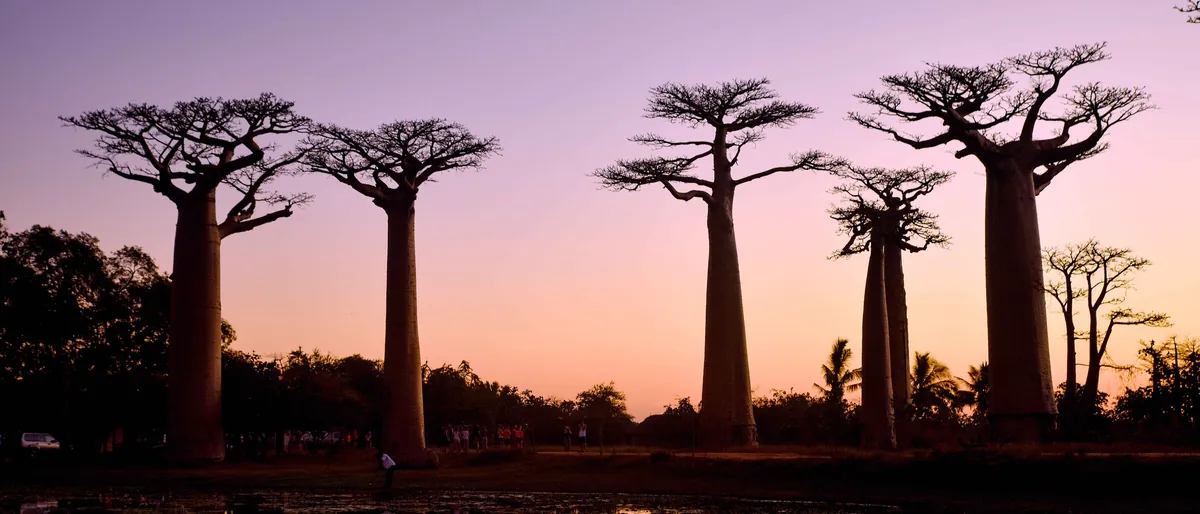
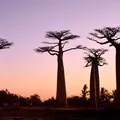
The Avenue of the Baobabs is a stretch of about 20 to 25 Grandidier's baobabs, around 30 meters tall, lining the dirt road between Morondava and Belon'i Tsiribihina. Sunset is the famous hour and the most popular, so we can also plan a sunrise or daytime visit when it's quieter. Morondava has its own airport.
The State Department says some areas of Madagascar have increased risk, and official advice names the National Routes around Besalampy, Morombe, Tsiroanomandidy and Maintirano in the west. The western routes are for a recognized operator's driver and guide, in daylight only.
Grandidier baobabs
Sunset or sunrise
Morondava
Daylight roads
Best monthsThe dry season, roughly May to OctoberFrom AntananarivoBy domestic flight where one runs
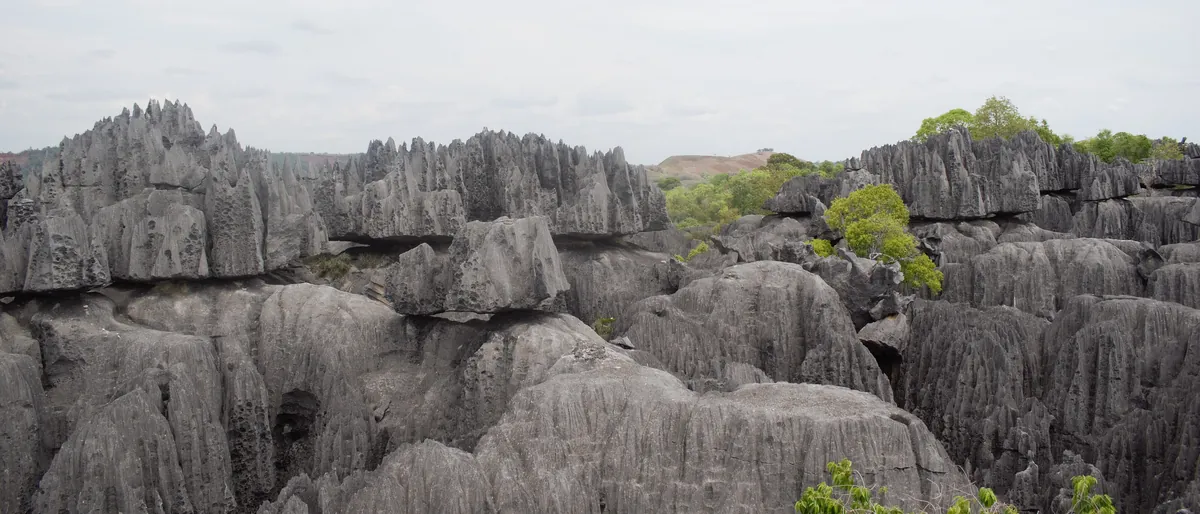
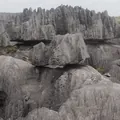
A World Heritage Site of limestone needles known as tsingy, with a canyon cut by the Manambolo river and suspension bridges. Madagascar National Parks rates its circuits from an easy 2-kilometer walk of about four hours, which it calls the test for vertigo, to difficult and sporty circuits with a 70-meter suspension bridge. You need a head for heights and reasonable fitness for the longer ones, and the Manambolo gorge can also be seen by pirogue.
It's a dry-season trip. The road is often impassable in the wet months, so we plan it for roughly May to October and confirm it for your dates. From Morondava the road is long and rough, and it can take anywhere from seven to twelve hours, so we allow a full day each way, or a light aircraft where one is arranged.
World Heritage
Suspension bridges
Manambolo gorge
Dry season only
Best monthsRoughly May to October; closed or very hard in the wet monthsFrom MorondavaA long, rough road day, with ferry crossings
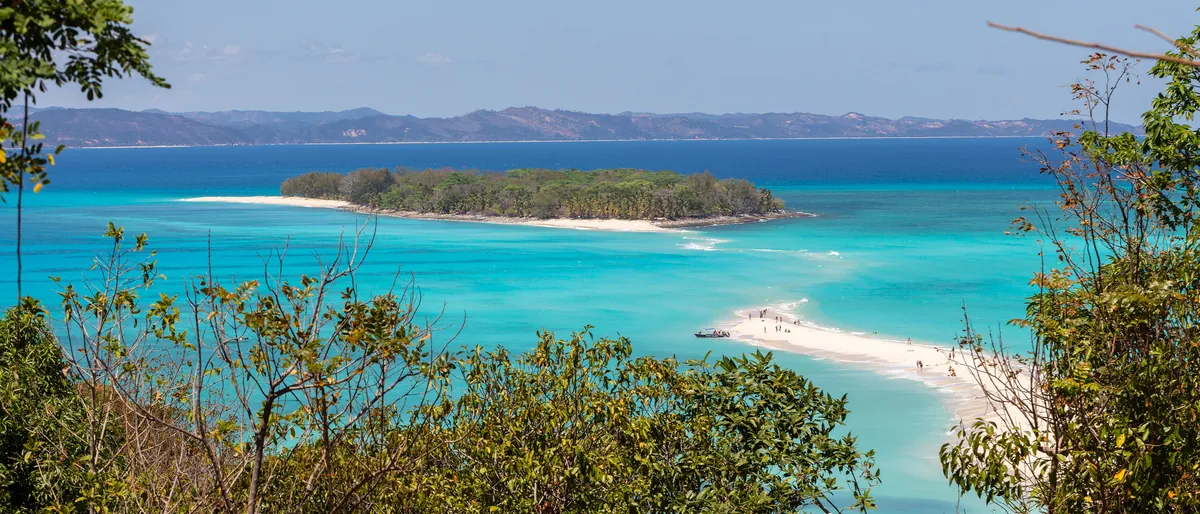
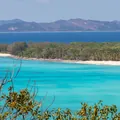
Nosy Be is the beach island in the north, with its own airport at Fascene. Lokobe reserve has rainforest and black lemurs, the marine reserve at Nosy Tanikely is the place for snorkeling, and the nearby islands are reached by boat. It makes a sensible finish at the end of a longer trip.
The State Department says some areas of Madagascar have increased risk, and official advice warns of robberies and assaults at the beaches and crowded areas of Nosy Be, Ankify Port and Ambanja, even in daytime, and says not to visit beaches or national parks alone. We plan beach and boat days with a local guide and tell you the current advice for your dates.
Lokobe forest
Black lemurs
Nosy Tanikely
Boat days
Best monthsThe dry season, roughly May to OctoberFrom AntananarivoBy domestic flight
Map tiles: Esri, National Geographic. Locations are indicative.
What You Will Do
Lemurs, Baobabs and the Tsingy
Madagascar is a walking trip. These are the days we build trips around, none of them from a vehicle seat.
Forest walks and night walks
Walk the marked trails at Andasibe or Ranomafana with a park guide, who finds the lemurs by sound and by eye. Both parks also run guided night walks of about 90 minutes. What you see varies, and we never promise a particular animal on a particular day.
Baobabs at sunset
Be at the Avenue of the Baobabs for the hour it's famous for. It's also the busiest hour, so we can plan a sunrise or daytime visit when there are fewer people.
Walking the Tsingy
Ladders, bridges and a 70-meter suspension bridge on the harder circuits, and an easy circuit to try first. Bring a head for heights and reasonable fitness. It's a dry-season trip.
Ring-tailed lemurs at Isalo and Anja
Ring-tailed lemurs live at Isalo, and at the community-run Anja reserve you can watch them from a few meters. Feeding is not allowed at Anja, and we don't promise touching.
Whales at Ile Sainte-Marie
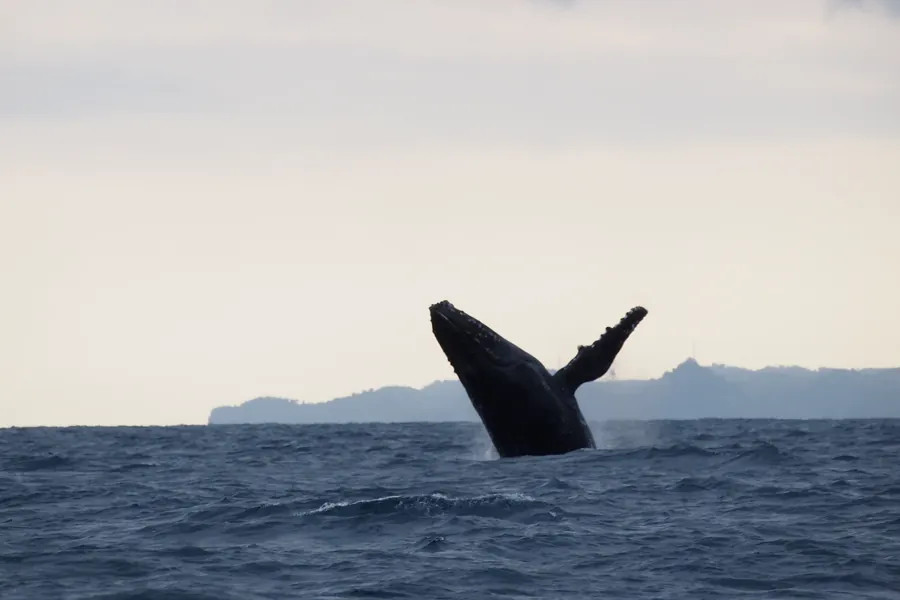
Humpback whales visit the waters around Ile Sainte-Marie on the east coast, roughly July to September, with arrivals reported from about June. We can't promise a sighting, and there are domestic flights from Antananarivo.
How a Madagascar Trip Comes Together
Trip Shapes
A week is enough for a first look at Antananarivo and Andasibe. Ten to twelve nights lets you add the Tsingy, and two weeks does the highlands road south. These are honest outlines, not packages: every trip is built from scratch around your dates and pace. Our guide to trip length covers how long each place really needs.
10 to 12 nights · We'd suggest
Rainforest and Baobabs Circuit
Andasibe · Morondava · Tsingy
The east for the indri and the forest walks, then the west for the baobabs at sunset and, in the dry season, the Tsingy. The road to the Tsingy is long, which is why we'd suggest at least 10 to 12 nights if you want it as well as the east. We link east and west by domestic flight where one runs, so you aren't driving back across the island.
PricingQuoted to your datesPriced to order in US dollars, with no list price
Day 1 · Land at AntananarivoLast day · Fly on or home
AntananarivoArrival nightA rest night
By road, with a private driver and guide.
AndasibeThe indri forestWalks and a night walk
By domestic flight where one runs.
MorondavaBaobabs at sunsetThe Avenue of the Baobabs
By road, with a private driver and guide.
Tsingy de BemarahaDry season onlyLimestone needles
By domestic flight where one runs.
AntananarivoFly on or home
Two weeks
Highlands Road South
Ranomafana · Anja · Isalo · the coast
The classic loop: Antananarivo, then south along the RN7 through the highlands to the rainforest at Ranomafana, the ring-tailed lemurs at Anja and the sandstone canyons of Isalo, finishing on the coast at Toliara and Ifaty, with stops such as Antsirabe on the way. It wants about two weeks. It uses the road that official advice says most about, so it's done with a recognized operator's driver and guide, never at night, and we tell you the current advice for your dates.
PricingQuoted to your datesPriced to order in US dollars, with no list price
Day 1 · Land at AntananarivoLast day · Fly on or home
AntananarivoArrival nightA rest night
By road, with a private driver and guide.
RanomafanaHighland rainforestLemurs and a night walk
By road, with a private driver and guide.
Anja and IsaloRing-tailed lemursSandstone canyons
By road, with a private driver and guide.
Toliara and IfatyThe southwest coastA beach to finish
By domestic flight where one runs.
AntananarivoFly on or home
Add-on
A Beach Finish on Nosy Be
Lokobe · Nosy Tanikely · the islands
A few days of sand and boat days in the north, at the end of a longer trip. There are domestic flights from Antananarivo to Nosy Be, and we check whether a link from Johannesburg is running for your dates. Beach time is planned with a local guide, because the official advice for Nosy Be's beaches is specific.
PricingQuoted to your datesPriced to order in US dollars, with no list price
Start · AntananarivoEnd · Fly on or home
AntananarivoArrival nightA rest night
By domestic flight where one runs.
Nosy BeLokobe and the islandsBoat days and snorkeling
By domestic flight where one runs.
AntananarivoFly on or home
By road, with a private driver and guide
By domestic flight where one runs
We don't publish a Madagascar price. Each trip is quoted to your dates in US dollars, because the places you stay, the domestic flights and the road days move the total too much for a single from-price to help you. See what an African safari costs for how we price elsewhere in Africa, real trips with the real prices and how booking works. Nights shift with the season, so treat these routes as outlines rather than fixed packages.
We haven't listed Madagascar properties on this page, so here is what to expect in each area instead. When you ask for a trip, we put real options and prices in front of you, for your dates and your budget.
Area by Area
What the places are like depends on where you are and when you go. Many lodges and hotels close between January and March.
6 areasNo property named
Antananarivo
A city hotel for the first and last nights. The capital sits at around 1,280 meters, and in winter highland nights can fall to about 10 degrees, so bring a layer.
Andasibe and the east
Small lodges and hotels close to the forest. The park says there's no real dry season here and the average is about 19 degrees, so expect rain at any time of year.
Ranomafana and the highlands
Hotels and lodges in the highlands and beside the rainforest, which sits at 600 to 1,200 meters. The east is wet in any month, so pack for it.
Isalo and the south
Hotels and lodges around Ranohira, the gateway to Isalo, and on the southwest coast at Toliara and Ifaty. The road between them is slow, so we choose nights that keep each day's drive finished before dark.
Morondava and the Tsingy
Hotels in Morondava, and places to stay around Bekopaka for the Tsingy, one of the island's hottest areas. Because the Tsingy road closes in the wet months, these are dry-season stays.
Nosy Be and the islands
Beach hotels on Nosy Be, with boat trips to the islands nearby. We choose where to stay with the official beach advice in mind, and plan beach and boat days with a local guide.
Real options, real prices
Tell us when you'd like to go and what you want to see, and we'll put real places to stay in front of you, with a price in US dollars. Nothing on this page is a fixed package, and we'd rather show you the options than ask you to choose from a list we can't stand behind yet.
Plan Your Visit
When to Visit Madagascar
The dry season, roughly May to October, is the best time to go. The cyclone season runs from November to April, with January to March the worst. Whales, baby lemurs and the Tsingy road each have their own months, and the bar below shows them.
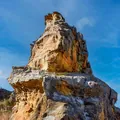
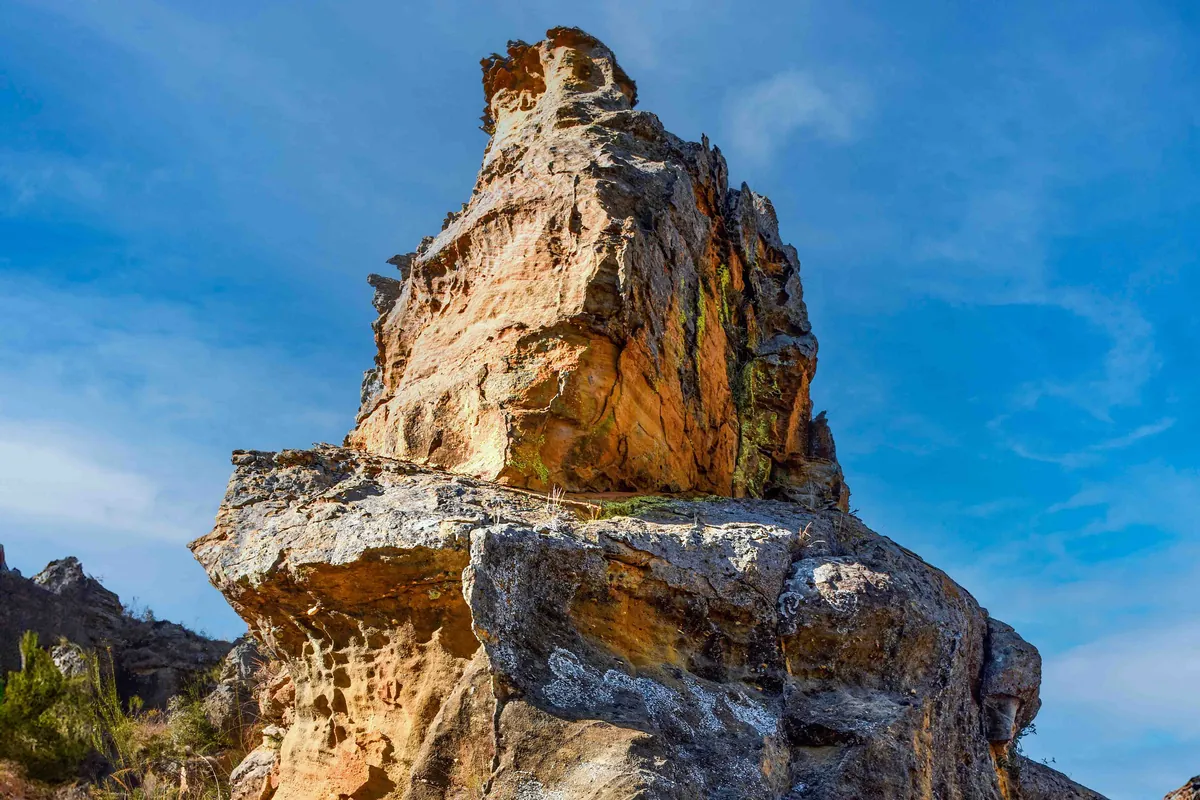
A weathered sandstone rock tower against a blue sky in the Isalo area
What's happening
January
Wet and cyclone season
The wet season and the cyclone season. Heavy rain can make some roads all but impassable, and many lodges and hotels close between January and March. It's the stretch to avoid.
The cyclone season runs from November to April
The Tsingy is out of reach and some roads are cut
The east, around Andasibe and Ranomafana, is wet in any month, so pack rain gear whenever you go.
Dry season, May to October
Shoulder months, April and November
Wet and cyclone season, December to March
Dry season
May to October
Clear skies · Cool highland nights · Roads open
The Tsingy road generally opens in May, and the baobabs, Isalo and the south are at their best. Daytime highs run about 30 degrees on the coast and around 25 on the central plateau, and highland nights can fall to about 10. The east, around Andasibe and Ranomafana, stays wet in any month, so pack rain gear whenever you go.
May to June: dry and cool, the Tsingy road generally opens, and whales begin arriving at Ile Sainte-Marie from June
July to September: whale season, roughly July to September, and young lemurs from about September
October: dry and warm, the last month before the cyclone season
Best for a first trip: lemurs, baobabs and the Tsingy
Shoulder months
April and November
Rains ending · Rains returning · Cyclone season at its edges
April is green after the rains and the start of the dry season, but the cyclone season runs to the end of April. November is the other edge: the dry season ends in the west, the rains return and the cyclone season starts, while young lemurs are still about. Both months carry some weather risk, so keep your dates flexible.
April: green, drying out, cyclone season still running
November: rains return, cyclone season starts, young lemurs about
The west: the dry season ends and the rains return
Best for travelers with fixed dates who accept some weather risk
Wet and cyclone season
December to March
Rain · Cyclone risk · Roads and lodges cut
Heavy rain can make some roads all but impassable, many lodges and hotels close between January and March, and there is a high risk of cyclones in the east and north-east. Cyclones can damage buildings, roads and communications across Madagascar, including in the capital, and that extreme weather can occur at other times too.
January to March: it's the stretch to avoid, with February the highest cyclone risk
The Tsingy: out of reach in the wet months
Lodges: many close from late December
Not a season we'd choose for a first trip
From the US
Getting to Madagascar
From the US you connect, usually through Johannesburg, where Airlink flies on to Antananarivo. We check what's flying for your dates before we build the trip.
Step one
Your US city
You fly out of your own city and we build the connections around it.
New York
Atlanta
Chicago
Los Angeles
Dallas
Step two
Johannesburg
Delta flies non-stop from Atlanta and United from Newark (New York) to Johannesburg, about 15 to 16 hours, and Airlink flies on to Antananarivo. From other US cities you connect.
Johannesburg
15 to 16 hours, the US to Johannesburg
Step three
Antananarivo (TNR)
Ivato airport is about 16 kilometers north-west of the city center. We check which days the flight into Antananarivo runs and plan the trip around them.
About 16 kilometers to the city
First night
Antananarivo
After a long journey, the first night is a rest night in the capital. The next morning's drive or domestic flight depends on the trip you choose.
UTC+3 all year · 7 to 8 hours ahead of New York
The routes we can verify
Via
Airline
Note
Johannesburg
Delta or United, then Airlink to Antananarivo
Non-stop from Atlanta and Newark (New York). We check which days Airlink runs.
Mauritius
Air Mauritius, on to Antananarivo
A beach stop on Mauritius is a natural break. We check the schedule for your dates.
Nairobi
Kenya Airways
Possible, but it carries extra Ebola health paperwork if you've been in or passed through Kenya in the last 21 days. We check this the week you book.
Antananarivo: your first night, about 16 kilometers from the airport
Andasibe: around 140 km east by road, about three to five hours
Morondava, Nosy Be, Toliara: domestic flights where they run, or long road days
Johannesburg or Mauritius: a stopover before or after, if you'd like one
Antananarivo, where almost every Madagascar trip starts and finishes.
15 to 16 hoursAtlanta (Delta) or Newark (United) to Johannesburg non-stop
16 kmFrom Ivato airport to the center of Antananarivo
UTC+3Madagascar time all year, with no daylight saving
Tell us your dates first
Not every route runs every day, and schedules change, so we plan the trip around the day your flight runs. Where the route needs it, we add a night in Johannesburg or Mauritius. Domestic flights are useful but not always on time, so we build a spare day before any international flight home. Once your deposit is in, that's the time to take out your travel insurance.
Flights
Delta flies non-stop from Atlanta and United from Newark (New York) to Johannesburg, and Airlink flies on to Antananarivo. From other US cities you connect. Schedules change, so we check them when we build your trip, and we price flights from the US when you're ready to book because fares move.
The time difference
Madagascar runs on UTC+3 all year, with no daylight saving. It is eight hours ahead of New York in winter and seven in summer, and eleven ahead of Los Angeles in winter and ten in summer. A rest on your first night helps.
The Practical Bits
Safety, Health and Entry
Madagascar needs more checking than most destinations, so we state the official position plainly. For anything medical or about entry, the official sources come first, starting with the State Department.
Is it safe?
The State Department publishes a travel advisory for Madagascar covering crime, civil unrest and health, and it notes that some areas have increased risk. The roads are poor, so a trip here runs with a private driver and guide, stays off the main roads after dark, and has its days built around that. Check the latest before you book at travel.state.gov.
Civil unrest and the week you book
Civil unrest is a risk in Madagascar, and protests can turn violent. Antananarivo's Ivato airport may close and curfews may be imposed during periods of unrest, and tours may be canceled without notice. Check the State Department's advice the week you book, and again before you fly. Power and water outages are also regular.
Health and malaria
See a travel doctor at least six to eight weeks before you go, and take your full itinerary. Malaria is widespread in Madagascar, particularly in the wet season from October to May, and dengue, chikungunya and other insect-borne diseases are present. There is an mpox outbreak, medical facilities are basic and serious cases need evacuation. Check the CDC's travelers' health advice for Madagascar.
Visas and passports
The State Department says a visa is required for US passport holders, and you can arrange one in advance through the Madagascar Embassy or get one on arrival. Fees are set by Madagascar and can change, so we send you the current fee and form with your trip. Your passport needs to be valid for six months beyond your arrival date, with blank pages. Check travel.state.gov.
Ebola screening and yellow fever
Madagascar has Ebola health screening on arrival, and extra steps for anyone who has been in or passed through some African countries (Kenya, for example) in the last 21 days. Border measures can change at short notice, so we check them when we build your trip and again before you fly. For yellow fever, You need proof of yellow fever vaccination if you arrive from a country where it's widespread. Some safari countries are on that list and some aren't, so we check your route.
Roads, money and packing
The standard of roads can be poor, and some road networks were damaged by recent cyclones. Madagascar is a cash economy: euros are widely accepted, credit cards work at some major hotels, restaurants and shops, and ATMs are limited. Malagasy and French are the official languages. Pack a fleece and a rain jacket, and our packing list covers the rest.
Go Further
Pair Madagascar with South Africa or a Tanzania or Kenya Safari
Madagascar is usually added to the start or end of an Africa trip rather than taken on its own. Mauritius works as a beach stopover, because Air Mauritius flies on to Antananarivo. We plan the routing so the flights make sense.
Through Johannesburg
South Africa
Johannesburg is the link: Delta flies non-stop from Atlanta and United from Newark (New York), and Airlink flies on to Antananarivo. A few days in South Africa on the way, at Kruger or in Cape Town, makes a natural start to the trip.
Some travelers add Madagascar after a safari in Tanzania or Kenya. We can't verify a direct flight, so the usual routes run through Johannesburg or Nairobi, and Nairobi carries extra Ebola health paperwork if you've been in Kenya. We plan around the day the flight runs.
The questions Americans ask about Madagascar, grouped by topic.
Can't see your question? Ask us directly and a real person will answer.
Planning and cost
How many days do I need in Madagascar?
A week covers Antananarivo and Andasibe, the indri forest, and is a fair first look. The highlands road south to Isalo wants two weeks, and we'd suggest at least 10 to 12 nights if you want the Tsingy as well as the east, because the road days are long. Add a few more if you're finishing on a Nosy Be beach. Our guide to trip length has more.
Do you sell Madagascar vacation packages?
We build private trips rather than set packages, and we quote each one to your dates in US dollars. We don't publish a Madagascar price, because the places you stay, the domestic flights and the road days change the total too much. Tell us when you'd like to go and what you want to see, and we'll come back with real options and prices. See how booking works.
Can I combine Madagascar with an African safari?
Yes. Madagascar is usually added to the start or end of an Africa trip. One link runs through Johannesburg, so it pairs with South Africa and Kruger. Air Mauritius links it with Mauritius. After a Tanzania or Kenya safari the usual routes run via Johannesburg or Nairobi, with extra Ebola health paperwork if you've been in Kenya. We plan around the day the flight runs.
When to go
What is the best time to visit Madagascar?
The dry season, roughly May to October, suits most trips: the Tsingy road is open and the baobabs, Isalo and the south are at their best. The cyclone season runs from November to April, and January to March is the wettest, with some roads cut and many lodges closed. Humpback whales visit Ile Sainte-Marie roughly July to September, and young lemurs arrive from about September.
Getting there
How do I get to Madagascar from the US?
You'll connect, usually through Johannesburg, where Delta flies non-stop from Atlanta, United flies non-stop from Newark (New York) and Airlink flies on to Antananarivo. There are other routes, including via Nairobi, which carries extra health paperwork. We check what's flying for your dates when we build your trip.
On the trip
Where can I see lemurs in Madagascar?
Indri live in the forests of Andasibe-Mantadia, east of Antananarivo. Ring-tailed lemurs and Verreaux's sifaka live at Isalo, and ring-tailed lemurs also at the community-run Anja reserve. Ranomafana has golden bamboo lemurs, and black lemurs live at Lokobe on Nosy Be. You walk to them with a park guide, and we never promise a particular animal on a particular day.
Is there big game in Madagascar?
No. There are no lions, elephants or buffalo. The wildlife is lemurs, chameleons, birds and a cat-like carnivore called the fosa, and you see it mostly on foot, not from a vehicle. So it isn't a safari in the big-game sense. It's a wildlife and landscape trip with long road days between places, and it suits people who like walking.
Is Nosy Be worth visiting?
Nosy Be is a beach island in the north and a sensible finish at the end of a trip, with Lokobe's rainforest and boat days to the Nosy Tanikely marine reserve for snorkeling. One honest caveat: official travel advice warns of robberies on Nosy Be's beaches, even in daytime, so we plan beach and boat days with a local guide. Domestic flights run from Antananarivo.
Health, visas and safety
Is Madagascar safe for Americans?
The State Department publishes a travel advisory for Madagascar covering crime, civil unrest and health, and it notes that some areas have increased risk. The roads are poor, so a trip here runs with a private driver and guide, stays off the main roads after dark, and has its days built around that. Check the State Department's latest advice before you book.
Do US passport holders need a visa for Madagascar?
Yes. The State Department says a visa is required, and you can arrange one in advance through the Madagascar Embassy or get one on arrival. Fees are set by Madagascar and can change, so we send you the current fee and form with your trip. Your passport needs to be valid for six months beyond your arrival date, with blank pages. Check travel.state.gov for the latest.
Do I need malaria tablets for Madagascar?
That's a question for a travel doctor, and you should see one at least six to eight weeks before you go. Malaria is widespread in Madagascar, particularly in the wet season from October to May, and dengue and chikungunya are present too. Take your full itinerary with you, and check the CDC's travelers' health advice for Madagascar.
Do I need a yellow fever certificate or an Ebola check?
You need proof of yellow fever vaccination if you arrive from a country where it's widespread. Some safari countries are on that list and some aren't, so we check your route. Madagascar also has Ebola health screening on arrival, with extra steps for anyone who has been in or passed through some African countries (Kenya, for example) in the last 21 days. These rules change at short notice, so we check them when we build your trip and again before you fly.
No questions match that search. Try another word, or ask us directly.
Go Deeper
Trip Planning Guides
Long-form guides that help you decide before you commit. We haven't written a Madagascar guide yet, so these cover the questions that apply to any Africa trip.
Tell us your dates and what you'd like to see: lemurs in the rainforest, baobabs at sunset, the Tsingy or a beach to finish. We design the route, book it and stay on the line for the whole trip, with real prices in US dollars.
★★★★★Five stars. 5.0 on Google and Tripadvisor37 five-star reviews, every one of them
“Could not have imagined how it could have been better planned and delivered.”
★★★★★Five stars. Gryffable, first safari, 2026, on Google
Email us or book a call
Talk to a real person
Samara looks after our guests from the US. Email her or book a call at a time that suits you, or message her on WhatsApp, and she'll come back to you the same day, US time.
Safaris · inquiries & bookings
Samara Imhoof
Bookings & Client Care
Whether you're just kicking around ideas or already booked. Dates, lodges, costs, changes, payments, flights.