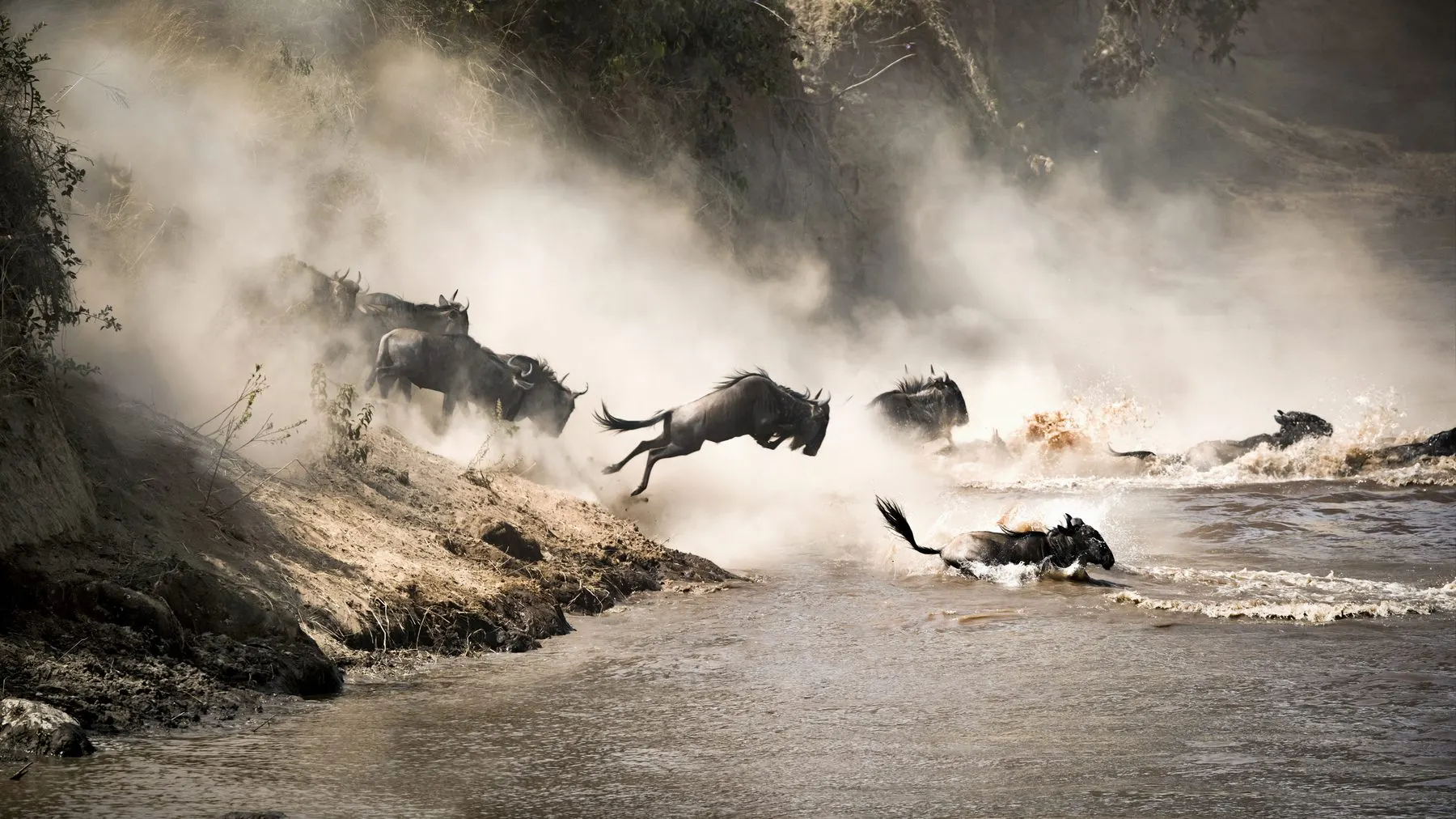
Tanzania is a year-round safari destination, but timing your trip correctly can mean the difference between watching an empty riverbank and witnessing a thousand wildebeest cross into the jaws of waiting crocodiles. Here is an honest assessment of each season, what you gain, what you trade, and who each window suits best.
The Quick Answer
Best overall: June to October (dry season): excellent game viewing across all parks, reliable weather, and the Mara River crossings in the northern Serengeti from July onward. Best for calving season: January to February: extraordinary predator action on the Ndutu plains at a lower price point.
Understanding Tanzania’s Two Seasons
Tanzania has two primary rain seasons. The long rains (masika) run from approximately March through May, with the heaviest rainfall in April. The short rains (vuli) arrive in November and typically clear by mid-December. Between these, the dry season (June to October) and the brief dry window in January to February are the main safari periods.
Unlike some destinations where rain means bad safari, Tanzania’s rain seasons can offer outstanding wildlife viewing, particularly during the calving season in January-February, which falls between the short rains and before the long rains begin. Understanding this helps you move beyond the simple “dry season good, wet season bad” framework.
June to October: The Dry Season
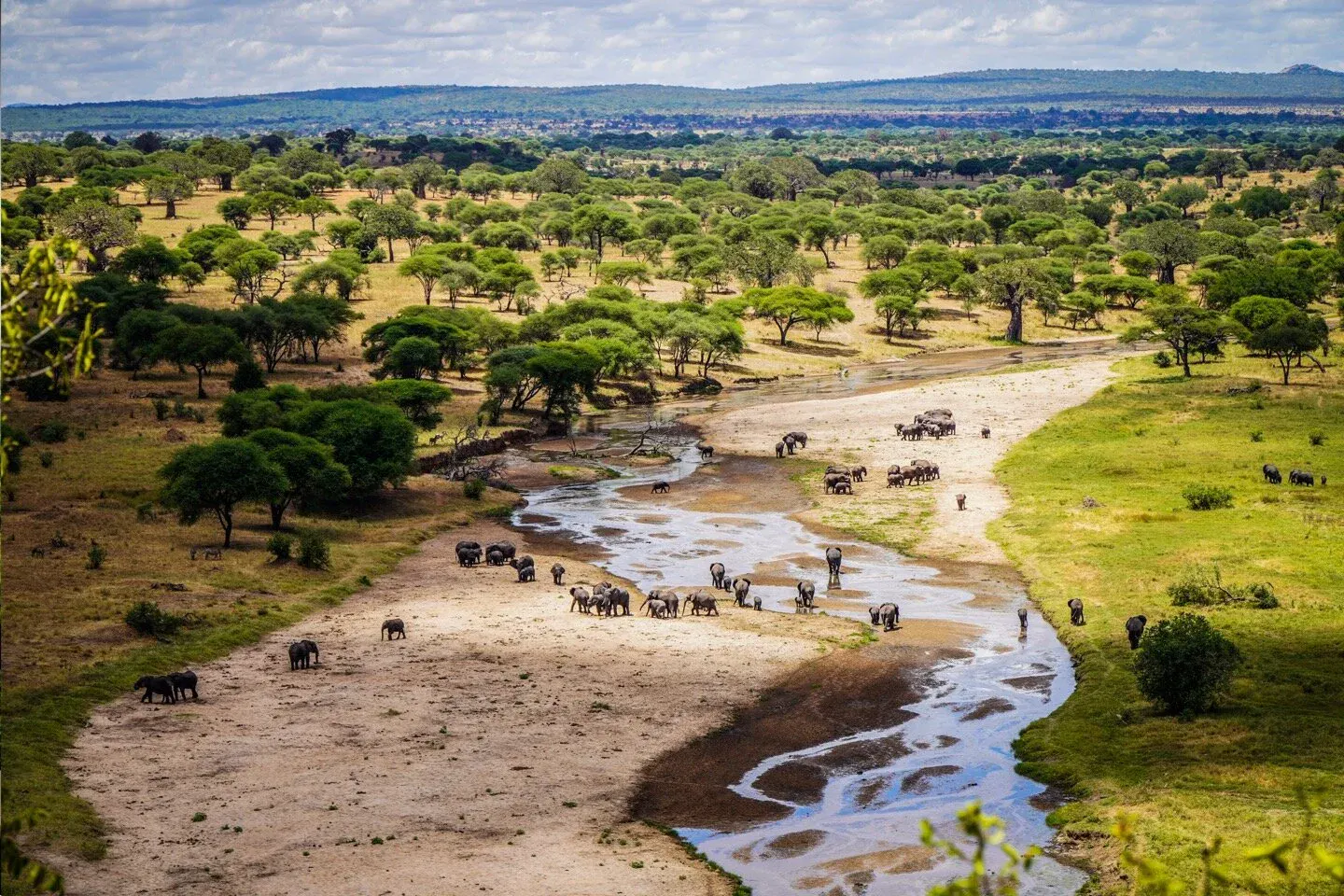
This is Tanzania’s peak safari season, and for good reason. The vegetation thins progressively as the dry season advances, making animals easier to spot. Wildlife concentrates around permanent water sources, particularly in Tarangire, where the Tarangire River becomes the only reliable water for hundreds of kilometres and elephant herds of 200 or more gather along its banks.
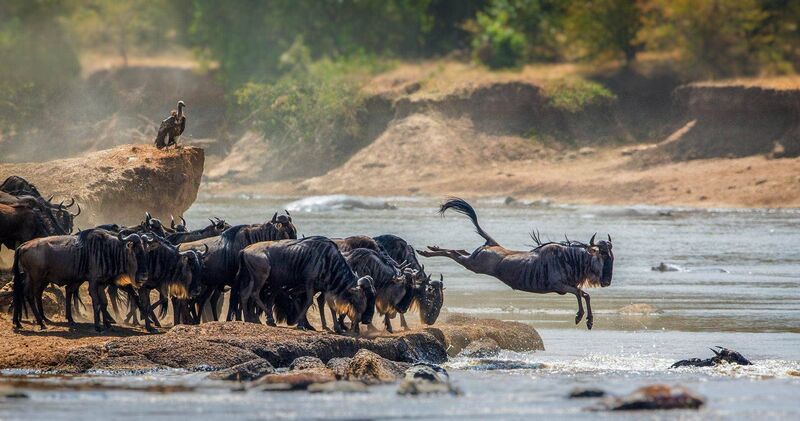
In the northern Serengeti, the Great Migration herds are present from July through October, with Mara River crossings at their most dramatic in August and September. The weather is reliable: clear skies, cool mornings, warm afternoons. This is the window most experienced travellers choose.
The trade-offs: peak season (July to September) is the most expensive period, popular camps need booking well in advance, and vehicle numbers at the Mara crossing points in August can be very high. A good operator will position you at less-congested crossing points and manage timing to reduce the convoy effect.
January to February: The Calving Season
The short rains have ended and the wildebeest are on the short-grass Ndutu plains calving. Roughly 8,000 calves are born per day at peak, which overwhelms predator capacity and produces some of the most intense big-cat activity anywhere in Africa. Cheetah mothers use this period to teach their cubs to hunt. Lion prides take calves with ease. Hyena clans are everywhere.
If predator action is your priority, January and February at Ndutu rival anything the dry season can offer, at considerably lower cost and with far fewer vehicles. The southern plains are also strikingly beautiful after the rains: intensely green, with clear air and exceptional afternoon light. For wildlife photography specifically, January to February on the Ndutu plains is one of the finest opportunities in East Africa.
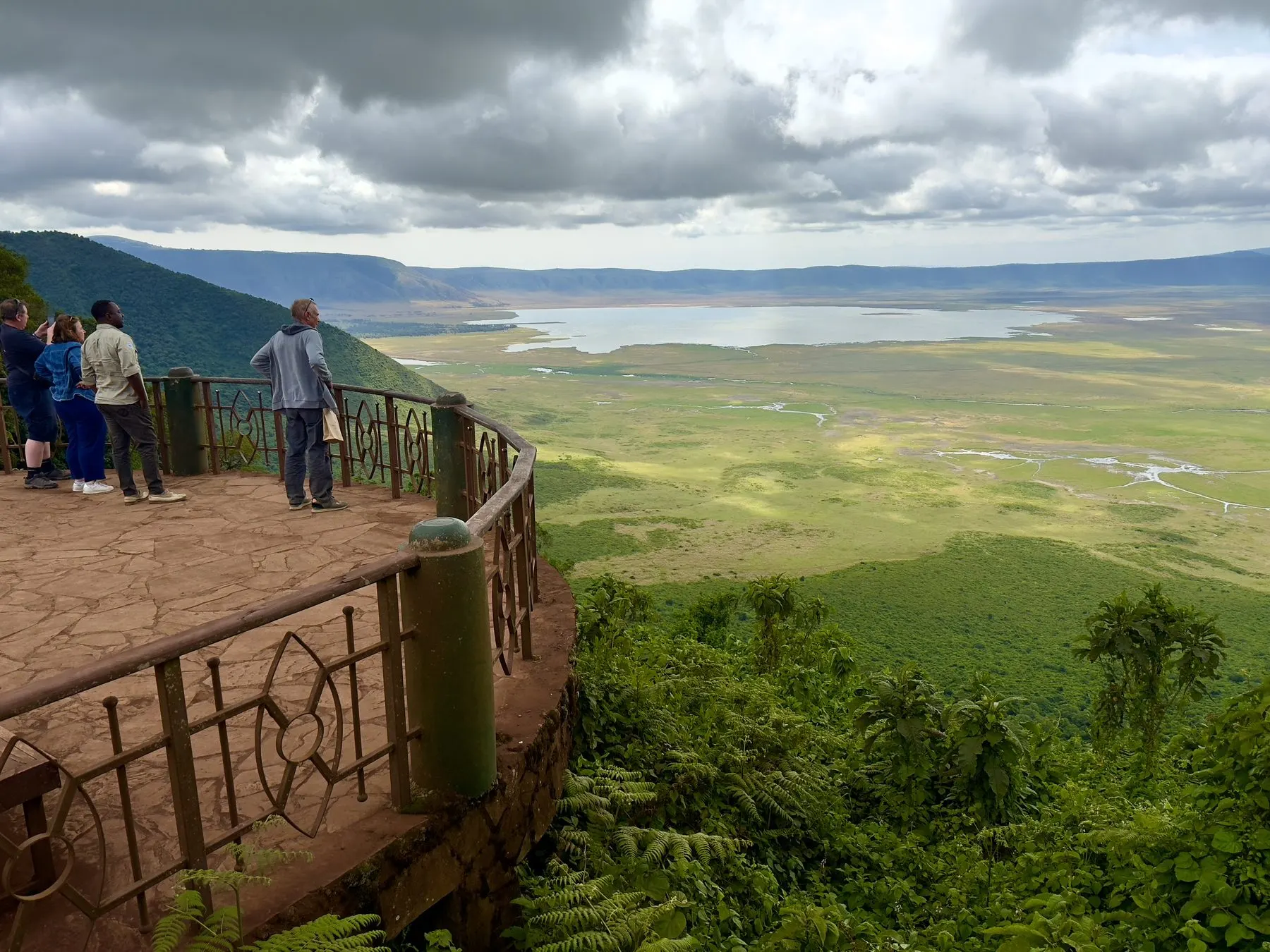
The Ngorongoro Crater pairs perfectly with Ndutu during this period, both are in or near the Conservation Area and the combination of crater game viewing and plains calving is extremely compelling.
March to May: The Long Rains
Tanzania’s long rains run from approximately March through May. Many roads become difficult and some camps close entirely (particularly mobile tented camps in the Serengeti). This is genuinely low season. Prices drop significantly, sometimes 30 to 40% below peak, and you will often have game drives completely to yourself.
The landscape is spectacular: lush, green, with waterfalls appearing on the Ngorongoro escarpment and the plains covered in wildflowers. Birdlife peaks as migrant species from Europe and Central Asia pass through. The rain typically falls in concentrated afternoon showers rather than all day, which means morning game drives are often perfectly clear.
This period suits travellers who value solitude, are comfortable with some logistical variability, and want to experience Tanzania in a different mode. It is not recommended for first-time visitors or those with tight schedules.
November to December: The Short Rains
The short rains (vuli) arrive in November and typically clear by mid-December. The Serengeti’s eastern sections and the Ngorongoro Highlands receive the heaviest rainfall. The migration herds are moving south through the eastern Serengeti. December can be genuinely excellent in the south as the rains clear and the first calves appear at Ndutu.
This is an underrated window: moderate prices, green landscapes, good game viewing in most parks, and the festive period in December can work well for families. Zanzibar is particularly appealing in November to December with the cooler temperatures.
By Park: When to Go
Serengeti National Park
Year-round, but position yourself based on the Migration circuit: southern Serengeti and Ndutu in January to February for calving; Seronera (central) year-round for resident predators; western corridor in June for Grumeti crossings; northern Serengeti (Kogatende) July to October for Mara River crossings.
Ngorongoro Conservation Area
Year-round. The crater’s enclosed ecosystem means wildlife density is consistent across all seasons. Avoid the heaviest rain weeks (late March, April) when the descent track can be difficult. The crater is at its atmospheric best on misty mornings, which happen year-round.
Tarangire National Park
Best June to October when the Tarangire River draws enormous elephant herds, arguably the best elephant viewing in Tanzania during this window. Still good year-round; the baobab landscape is beautiful in any season and the park has excellent year-round resident wildlife.
Lake Manyara National Park
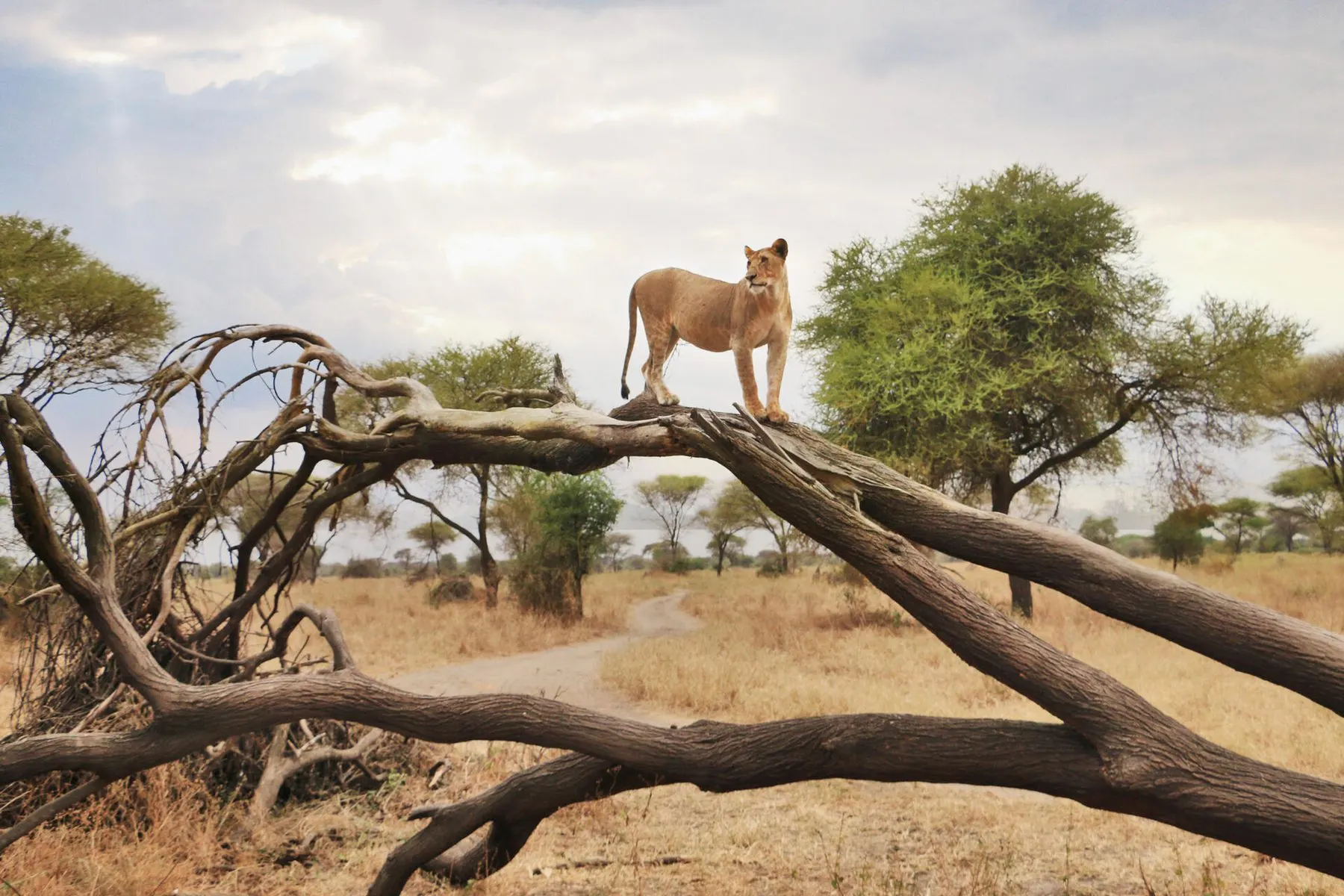
Best November to June when the lake has water and flamingos are present. The famous tree-climbing lions are resident year-round. A good half-day addition to a Tarangire to Ngorongoro circuit.
Nyerere National Park (formerly Selous)
Best June to October for boat safaris on the Rufiji River, walking safaris, and game drives in dry-season conditions. The southern circuit offers a completely different experience from the northern parks: wilder, quieter, and with excellent wild dog sightings. Some camps close during the March to May rains.
Ruaha National Park
Best June to October when the Great Ruaha River drops and concentrates wildlife. One of Tanzania’s most undervisited parks and home to exceptional lion, elephant and buffalo populations. Fly-in from Dar es Salaam or combine with Nyerere.
Zanzibar: When to Visit
Zanzibar is a beach extension that most Tanzania safari guests include at the end of their trip. The best months are June to October and December to February: dry, warm, with calm seas. April and May are the wettest months and not ideal for beach time. The short rains in November generally clear within a few hours each day and the sea remains swimmable throughout.

Practical Planning Considerations
How far in advance should I book?
For July to September peak season, 12 to 18 months ahead for first-choice camps and itineraries. For January to February calving season, 9 to 12 months. For November to December and June, 6 months is usually sufficient for most camps.
What about flights?
International flights to Kilimanjaro (JRO) or Dar es Salaam (DAR) should be booked as early as possible once your dates are confirmed, availability in peak season is limited and prices rise significantly close to departure. Internal flights between parks are separate and we handle these as part of your itinerary.
What should I know about visas?
Visas are yours to arrange, online before you leave home and only through the official site, visa.immigration.go.tz, which covers Zanzibar too. It's worth starting early, as the online systems can be slow. Don't plan on a visa on arrival, as airlines can refuse boarding without a visa in hand.
Frequently Asked Questions
What month is best for Tanzania safari?
September is our most-recommended single month for first-time visitors: excellent weather, Migration river crossings still active, slightly quieter than the August peak, and all parks performing well. June is the best value month in the dry season. January to February is the best value window overall, combining excellent wildlife with off-peak pricing.
Is Tanzania safe to visit?
Tanzania is one of the most politically stable countries in East Africa with a well-established tourism infrastructure. The northern safari circuit (Arusha, Serengeti, Ngorongoro) is very well-developed and safe for international visitors. Standard travel precautions apply.
How long should a Tanzania safari be?
A minimum of 7 days to do justice to the northern circuit (Tarangire, Ngorongoro, Serengeti). Ten days allows more depth, longer stays at each park and the option of a Zanzibar extension. Two weeks gives you the full northern circuit plus a southern park and Zanzibar.
Ready to Experience This?
Let us plan your trip
Every safari we build is tailored to you, the right parks at the right time, guides who know exactly where to be. Tell us your dates and we’ll take it from there.