The packing list for a safari is shorter than most people expect, and the items that get overlooked are rarely the obvious ones. Here is what to actually bring, what to leave at home, and a few things that transform how you experience the bush.
The Most Important Rule: Soft-Sided Bags Only
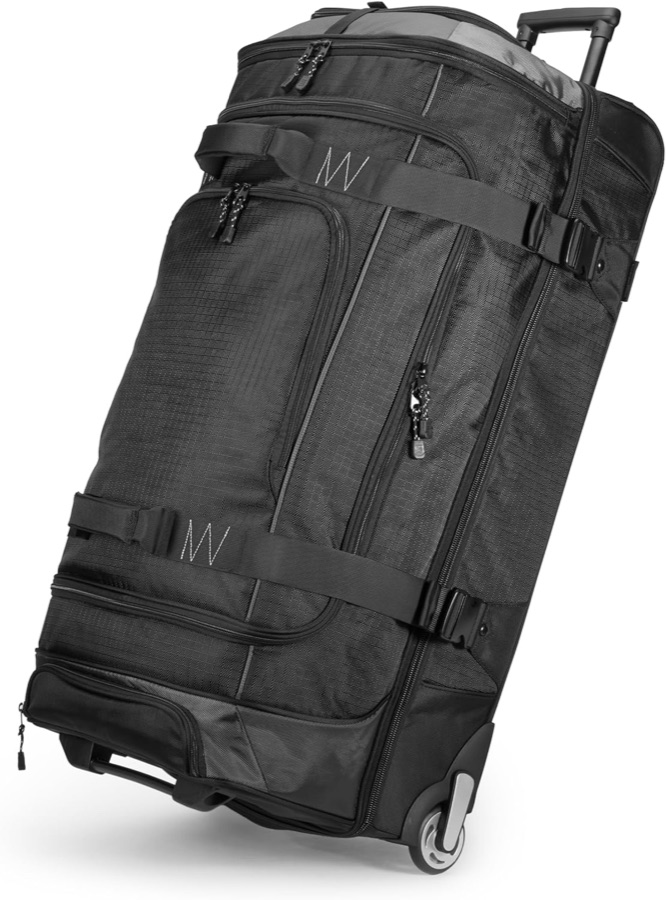
If your itinerary includes any internal flights, and most quality Tanzania safaris do, your luggage must fit into a small aircraft hold. Carriers like Coastal Aviation and Auric Air work to around 15 to 20kg total depending on the airline (Coastal Aviation around 15kg, Auric Air around 20kg, and that figure includes your hand luggage), and luggage must be soft-sided. Hard suitcases will not fit. A duffel bag or soft-sided roller is correct. A separate day bag for camera gear in the vehicle is fine, but it counts toward your weight limit.
This restriction surprises guests who arrive with large rolling cases from their international flight. The solution is to store your main luggage at your Arusha hotel and fly with a light duffel containing only what you need for the safari section. We advise on this specifically for every itinerary.
Clothing: What to Wear on Safari
The golden rule is neutral colours: khaki, olive, sand, tan, warm brown. Avoid bright colours, white (impractical once dusty), and black or dark blue, which attract tsetse flies in certain areas. You do not need specialist safari clothing from expensive outdoors retailers; well-fitting neutrals from any outdoor store work perfectly. The clothing budget for a safari is far lower than most people expect.
- 3 to 4 lightweight shirts in neutral colours, long-sleeved preferred for sun protection and mosquito cover at dawn and dusk
- 2 pairs of lightweight trousers. zip-off convertible styles are genuinely useful for the temperature variation between early morning and midday
- 1 smart-casual outfit for lodge dinners, most camps are relaxed but a few are more formal in the evenings
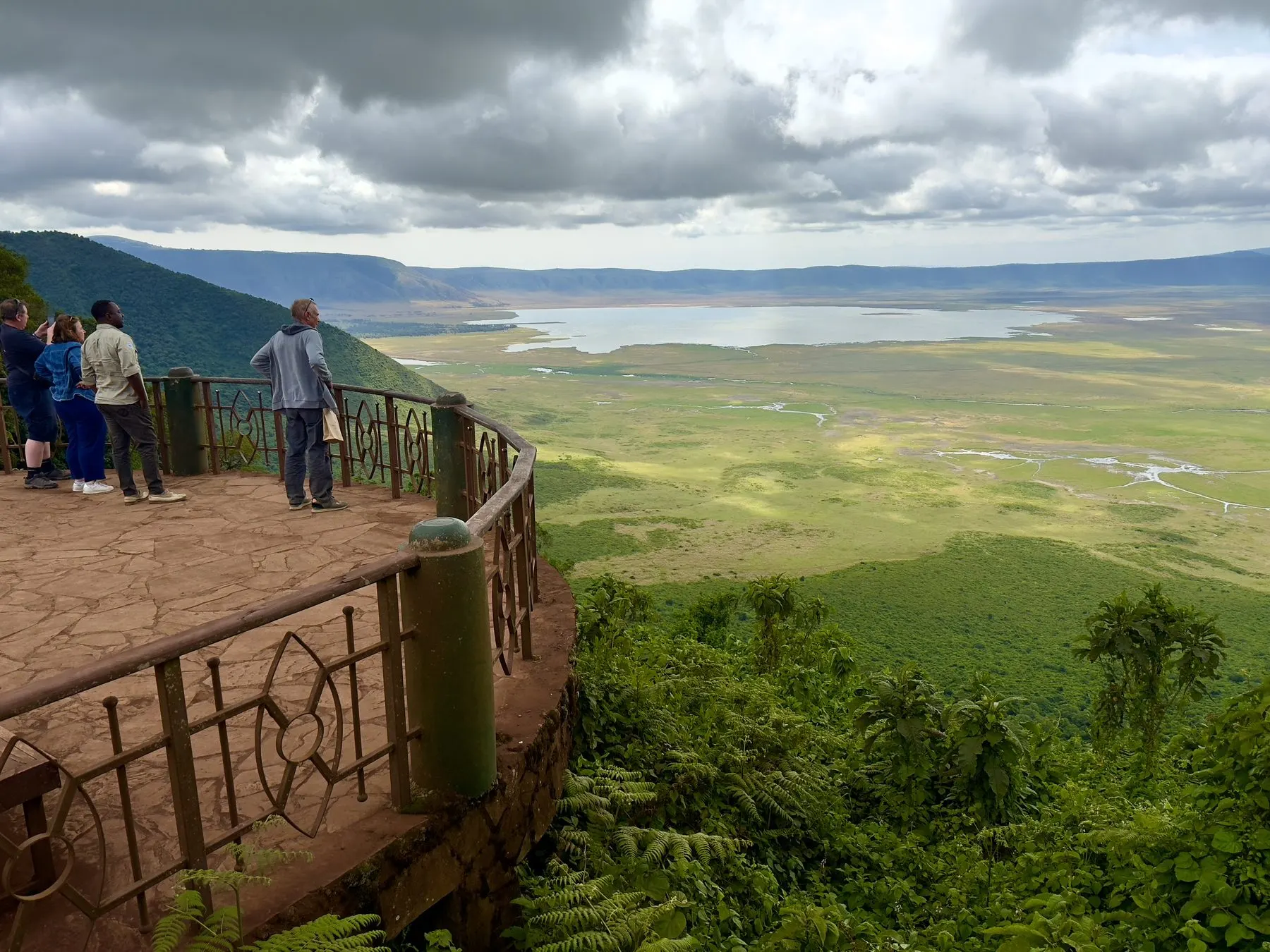
- Warm fleece or softshell jacket. non-negotiable. Ngorongoro rim mornings are 10 to 15°C, and early game drives everywhere are cold before the sun rises
- Light down jacket. essential June to August in the north; optional other months
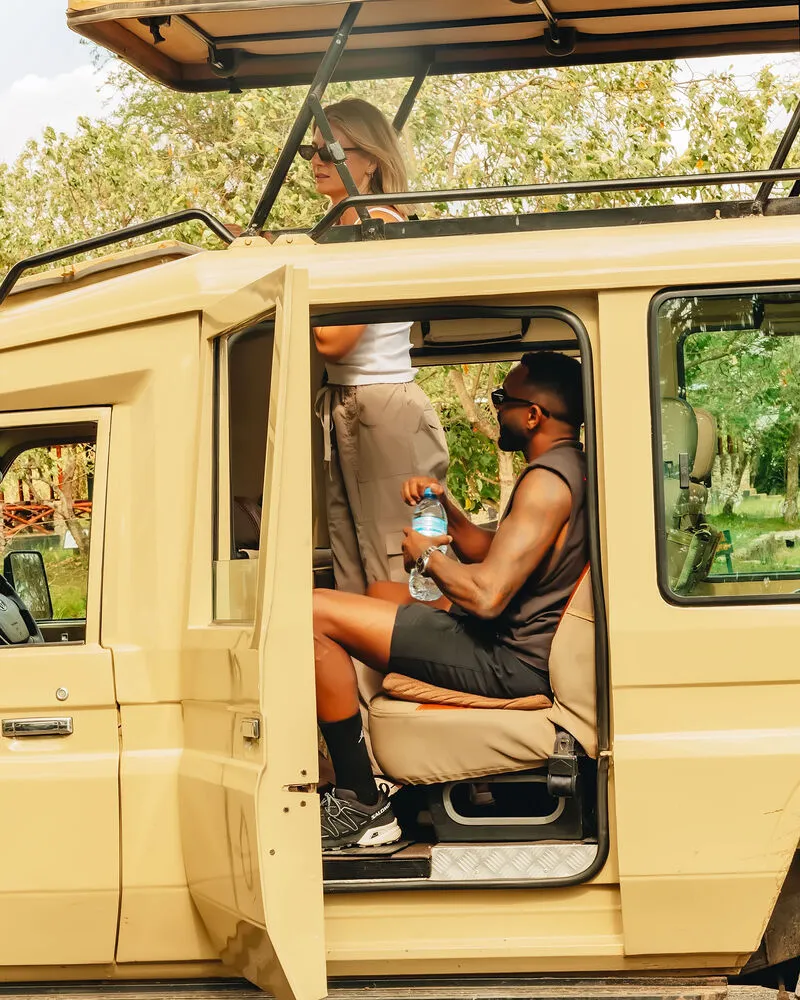
- Wide-brimmed hat. essential, not optional. Direct sun in an open vehicle is intense across all seasons
- Comfortable closed-toe shoes. for bush walks, boarding aircraft, and general camp use. Dedicated hiking boots only if your itinerary includes significant walking
- Sandals or flip-flops. for lodge use, particularly at beach extensions
- Light rain jacket. essential November through May, useful year-round for unexpected afternoon showers
- Swimwear, most lodges have pools; Zanzibar extensions obviously require it
For gorilla trekking in Rwanda or Uganda, add: long-sleeved shirt with collar (to prevent ants going down your neck), long trousers tucked into socks, sturdy hiking boots with ankle support, and gardening gloves for gripping vegetation on steep slopes.
Optics: The Most Important Category
This is the area where the difference between a good and exceptional safari experience is decided, and where most guests underinvest.
- Binoculars, this is the single most-overlooked item and the one that improves the experience more than anything else you can bring. 8x42 or 10x42 configuration is ideal for safari, good light-gathering for dawn and dusk, stable enough to use from a moving vehicle. Do not rely on your guide’s pair when you want your own time with an animal
- Camera with zoom. 200mm minimum for wildlife photography; 400mm or longer if wildlife is a priority. A modern mirrorless body paired with a 100 to 400mm zoom covers the vast majority of situations. Smartphone cameras are fine for landscape and lodge shots but will disappoint at distance
- Extra memory cards and batteries. bring more than you think you need. Mains charging is available at most camps but may not work during game drive hours at smaller tented camps; having fully charged spares in your day bag is essential
- Dust-proof camera bag or Ziploc bags. road dust in dry season gets into everything. A dust-sealed bag or waterproof cover for your camera is not optional in July to October
- Bean bag or window mount, a simple beanbag resting on a vehicle window ledge provides far more camera stability than handholding. Available cheaply and takes up minimal space
Electronics and Practical Items
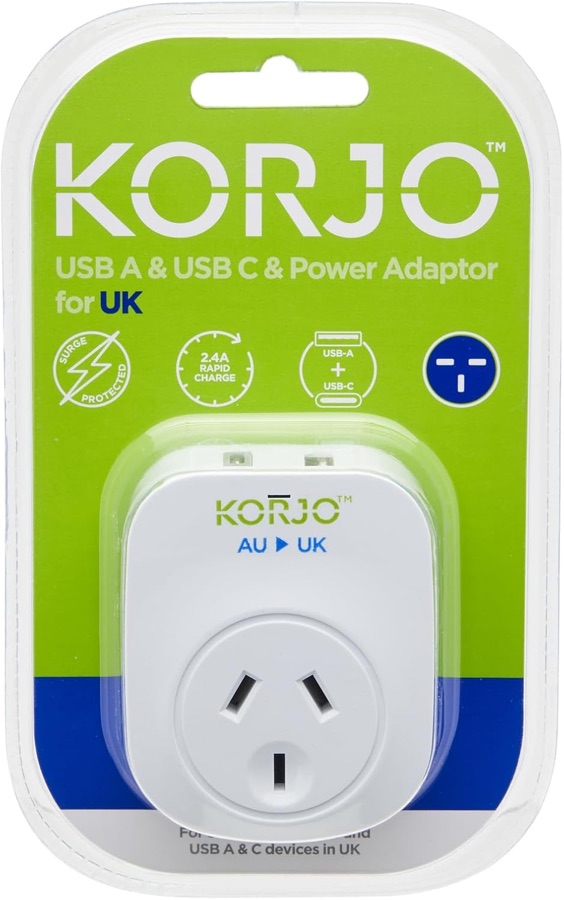
- Travel adaptor. Tanzania, Kenya, Uganda and Zanzibar all use the British three-pin Type G plug, so for Australians a simple AU-to-UK adaptor covers the whole East African circuit. Rwanda uses the European two-round-pin Type C, so bring a universal adaptor if your trip includes it. One with built-in USB ports means one adaptor charges everything
- Headtorch. essential for tented camps where you will navigate between tents and facilities after dark. Most camps prohibit walking unescorted at night due to wildlife; a headtorch is needed for movement within your own tent area
- Power bank. for charging devices during game drives or at smaller camps without reliable mains power
- E-reader or books. camps do not have WiFi. This is a feature, not a bug
Health, Sun and Insect Protection
- SPF 50+ sunscreen. apply before every game drive and reapply every 2 to 3 hours. The equatorial sun in an open vehicle at altitude is considerably more intense than most guests expect
- DEET insect repellent (30 to 50% DEET). apply to all exposed skin from dusk onward. Some guests prefer picaridin-based repellents as a less chemical alternative; both work
- Anything your travel doctor prescribes, malaria included. The northern Tanzania highlands and Ngorongoro rim are at lower risk, but a safari usually moves through several altitude zones, so take your full itinerary to the appointment and follow their directions
- Lip balm with SPF. open vehicles at altitude cause rapid lip dehydration
- Personal prescription medications. bring a minimum of double your required supply with original pharmacy packaging. Access to specific medications outside Arusha, Nairobi, and Kigali is unreliable
- Reusable water bottle. camps refill freely throughout the day. Single-use plastic bottles generate significant waste in the parks and we ask guests to avoid them where possible
- Hand sanitiser. lodges provide it at all meal areas, but useful to carry in the vehicle
Documents and Travel Essentials
- Passport valid for at least 6 months beyond your return date, with at least two blank pages
- Your visa approvals, printed. Visas are yours to arrange, online before you leave home and only through each country's official site: Tanzania visa.immigration.go.tz, Kenya etakenya.go.ke, Uganda visas.immigration.go.ug, Rwanda migration.gov.rw. It's worth starting early, as the online systems can be slow
- Yellow fever certificate, if you have one. We generally tell people the vaccine is worth having, as one shot lasts a lifetime, but your doctor always has the last say. A telehealth appointment with a travel doctor is the easiest first step
- Travel insurance documentation. must include emergency medical evacuation coverage with a minimum USD 500,000 limit. This is non-negotiable for any safari guest. Keep it accessible, not packed at the bottom of your bag
- Cash for tips and incidentals. US Dollars are welcome for tips and many guides prefer them; bring clean, recent notes, as older or marked bills are often refused. Tanzanian Shillings (TSH) are fine for tips too, and they're what you use to buy things on the ground since Tanzania changed its currency rules in 2024-25. There are ATMs in Arusha. Most camps accept card for final bills
- Copies of all documents. stored separately from originals and emailed to yourself
What NOT to Bring
- Hard suitcases. will not fit in light aircraft and will cause problems at every transfer point
- Bright-coloured clothing. disturbs wildlife and marks you out as conspicuous in the bush
- Camouflage clothing. restricted or illegal in several East African countries including Tanzania, Kenya and Uganda. Do not bring it
- Excessive jewellery. not necessary and creates unnecessary security risk
- Your own camping equipment, all camps provide bedding, towels and toiletries. Bringing your own adds weight for no benefit
- Drones. require specific permits that are rarely granted in national parks. Not worth the logistical complexity
Packing for a Combined Itinerary
If your trip includes a Zanzibar or beach extension after the safari, pack swimwear and lighter resort clothing but keep it within your weight limit. Leave anything you do not need at your Arusha hotel. For a gorilla trekking extension in Rwanda or Uganda, add the hiking boots and gardening gloves noted above; everything else on the list transfers directly.
If you have specific packing questions for your itinerary, particularly for a combination trip, a walking-focused safari, or a Kilimanjaro climb. Ask us when you book. We include a personalised packing guide with every trip confirmation.
Frequently Asked Questions
Can I do laundry on safari?
Yes, most permanent lodges offer laundry service, usually returned within 24 hours. Mobile tented camps in the Serengeti often do as well, though it depends on water availability. Pack light and use laundry services to avoid overpacking.
Do I need to wear khaki specifically?
Any neutral colour works: olive, tan, sand, grey. The specific shade of khaki is less important than avoiding bright or white clothing. Your guide and the wildlife will not care exactly what neutral tone you are wearing.
How much cash should I bring for tips?
A general guideline: USD 20 to 25 per person per day for your guide, and USD 10 to 15 per person per day for lodge and camp staff. US Dollars are welcome and many guides prefer them; Tanzanian Shillings are fine too. This is a guideline, not a requirement. We discuss tipping norms with every guest before departure.
Is a drone allowed in Tanzania national parks?
No. Drone use in Tanzania National Parks (TANAPA) requires prior written permission which is rarely granted to individual tourists. The practical answer is: do not bring a drone unless you have confirmed permission in writing before departure.
Ready to Experience This?
Let us plan your trip
Every safari we build is tailored to you, the right parks at the right time, guides who know exactly where to be. Tell us your dates and we’ll take it from there.