Serengeti · Ngorongoro · Tarangire · Lake Manyara · Nyerere
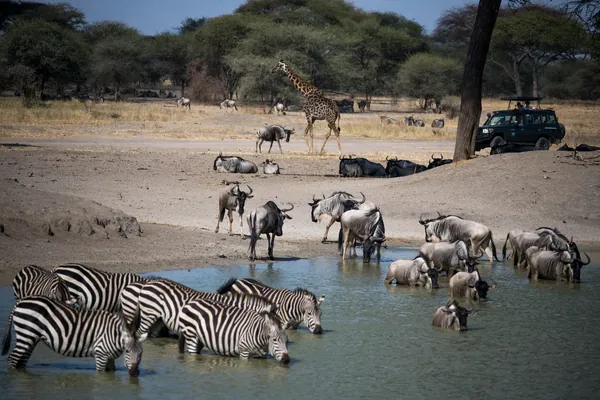
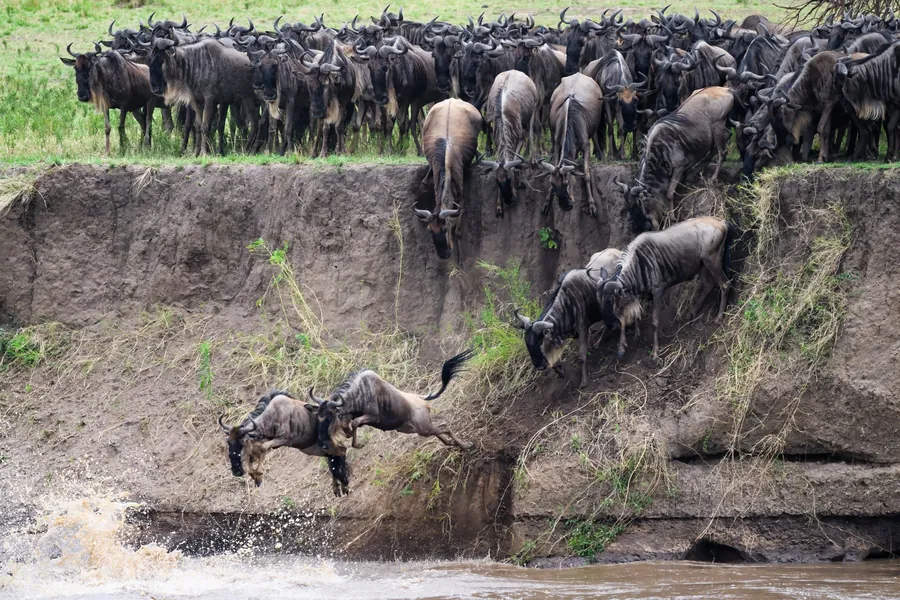
Tanzania is where East African safari was born — and it remains the standard by which every other destination is measured. The northern circuit alone holds the Serengeti, Ngorongoro Crater, Tarangire and Lake Manyara, four of the most celebrated wildlife areas on the planet, all within a few hours of each other. Two million wildebeest, zebra and gazelle make their annual circuit through the Serengeti ecosystem, and your guide will know exactly where to position you for each phase of that movement.
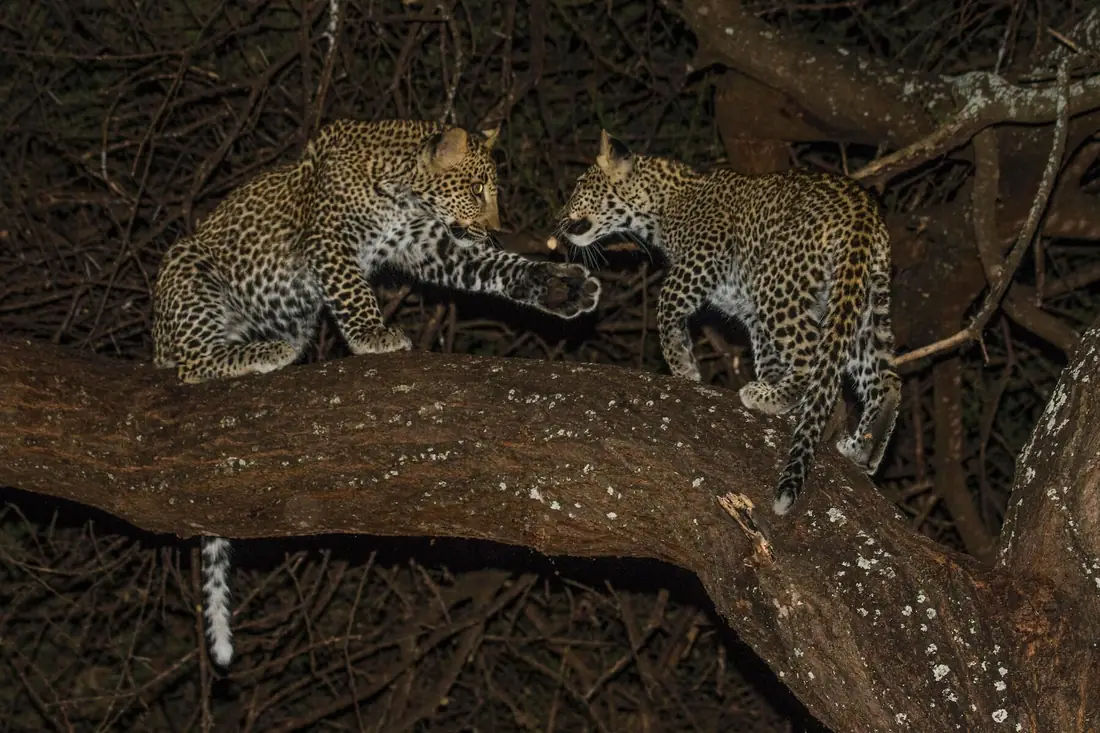
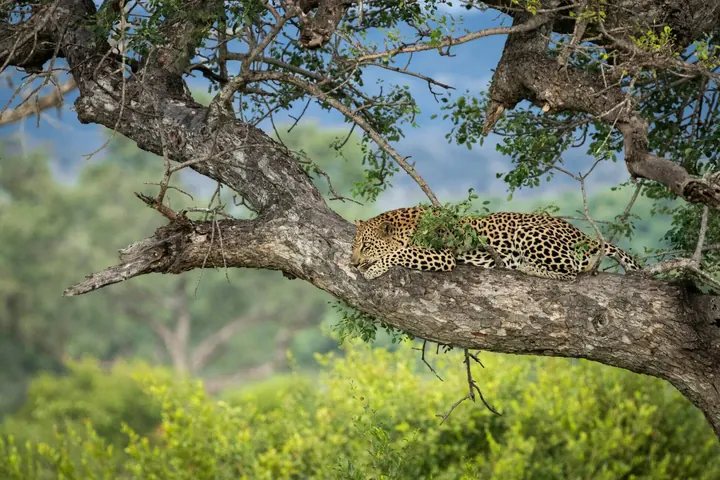
What makes Tanzania different is the sheer variety packed into a single country. You can watch a leopard drag its kill into an acacia at dawn, float over the Serengeti in a hot air balloon before breakfast, walk with a Maasai guide through the Ngorongoro Highlands after lunch, and end the day on the rim of a collapsed volcano watching the sun drop behind a 600-metre wall of ancient rock. No two days on a Tanzania safari look the same.
The southern circuit — Nyerere (formerly Selous) and Ruaha — is a different Tanzania entirely: vast, remote, and virtually untouched. Here, boat safaris along the Rufiji River, walking safaris through trackless bush, and fly-camping under open skies replace the well-trodden northern roads. For guests who have done the classic circuit and want to go deeper, the south is where the country truly opens up.
Click each park to explore what makes it worth visiting.
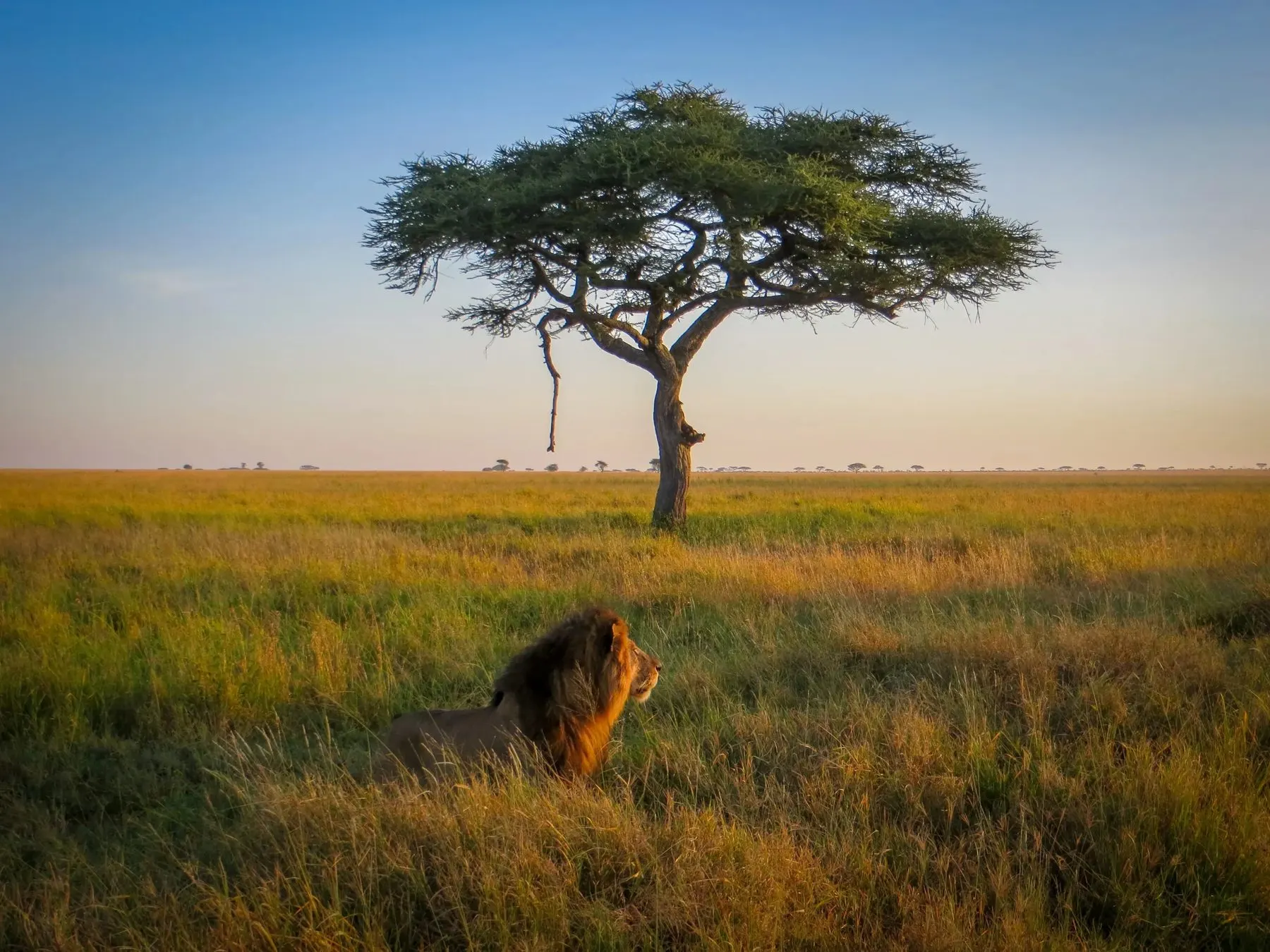
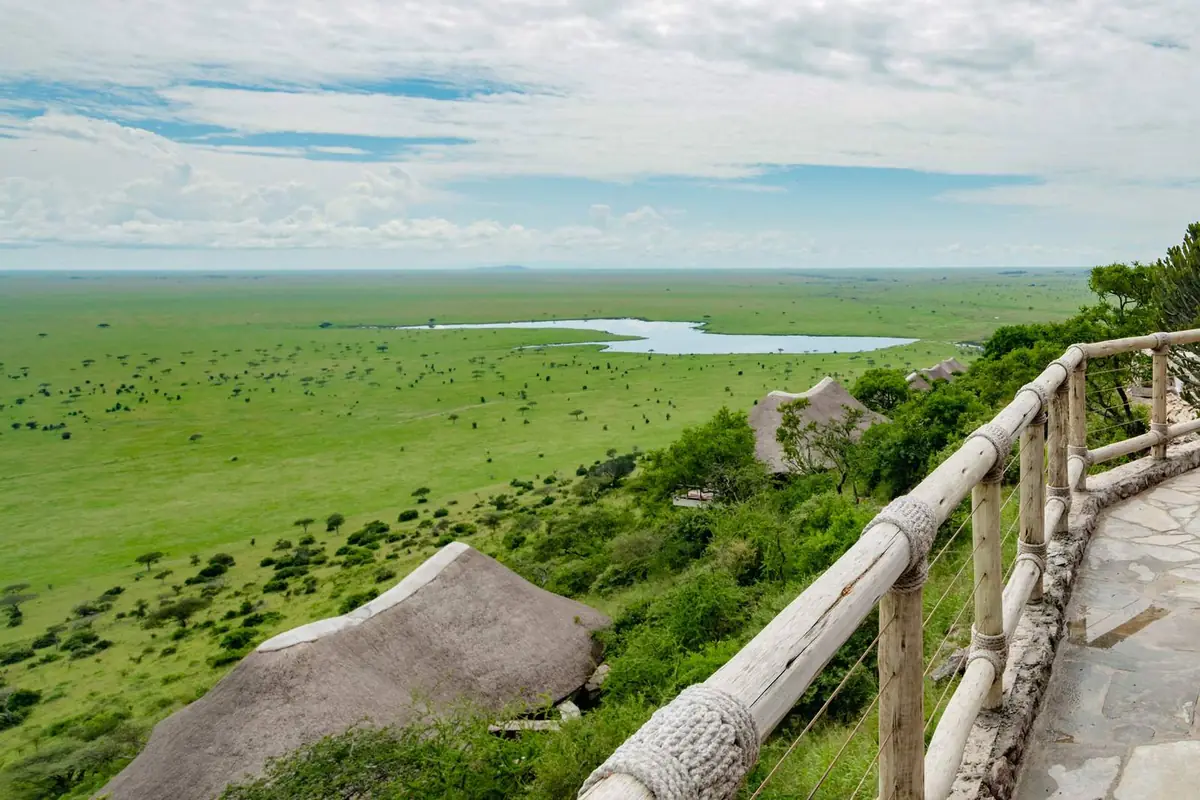
The Serengeti covers 14,763 square kilometres of open savannah, riverine forest, and kopje-studded plains — enough space for the Great Migration to play out across a canvas that stretches to every horizon. This is the park that defines East African safari, and the one that keeps drawing guests back year after year.
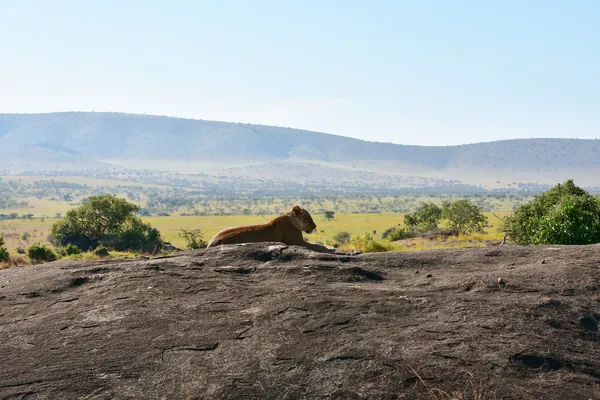
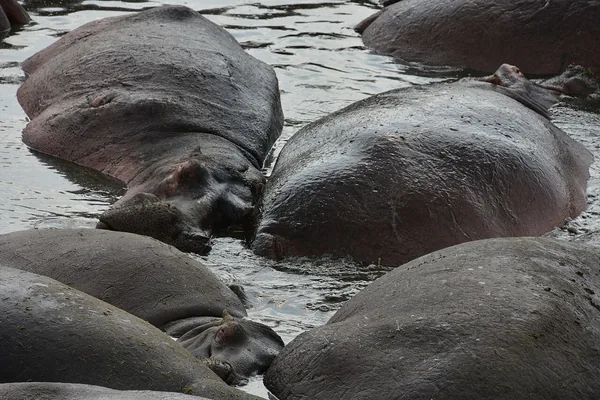
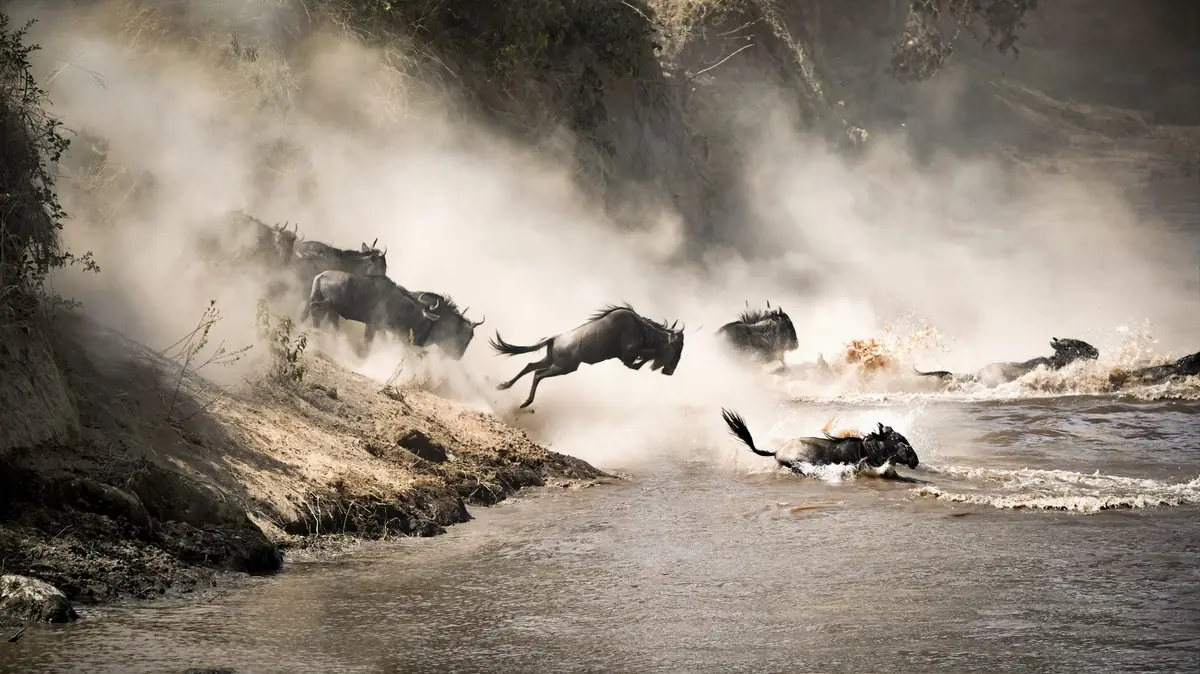
The park is broadly divided into four areas. The southern plains around Ndutu are where two million wildebeest calve between January and March — predator action is at its peak during this period, and the flat grasslands make for exceptional visibility. The central Seronera valley is year-round game viewing territory: resident big cats, hippo pools, and some of the Serengeti's densest leopard populations. The western corridor sees the herds crossing the Grumeti River from May to July, with massive Nile crocodiles waiting in the shallows. And the northern Serengeti around Kogatende is where the famous Mara River crossings happen from July to October — the most dramatic wildlife spectacle on earth.
Where you stay in the Serengeti matters as much as when you visit. We position camps and lodges to match the migration's movement, so you are always in the right part of the park at the right time of year.
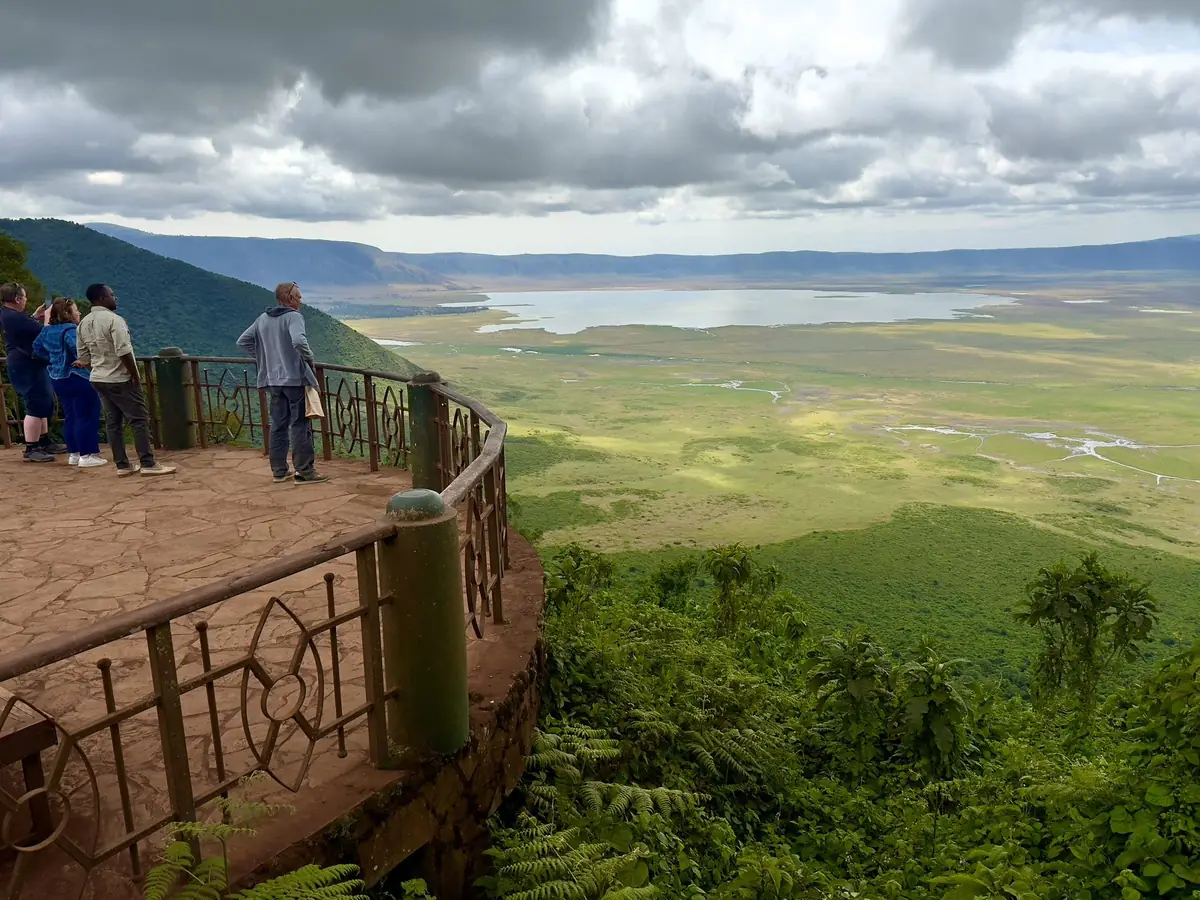
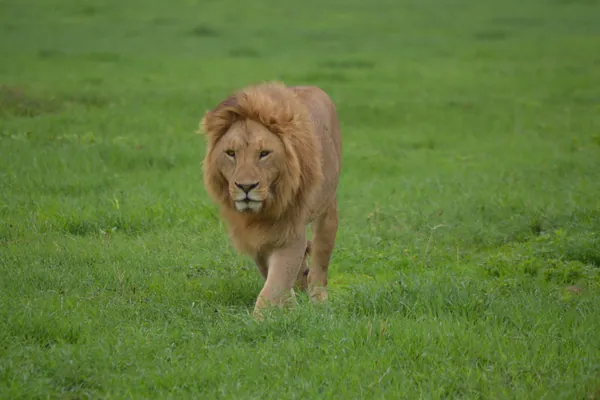
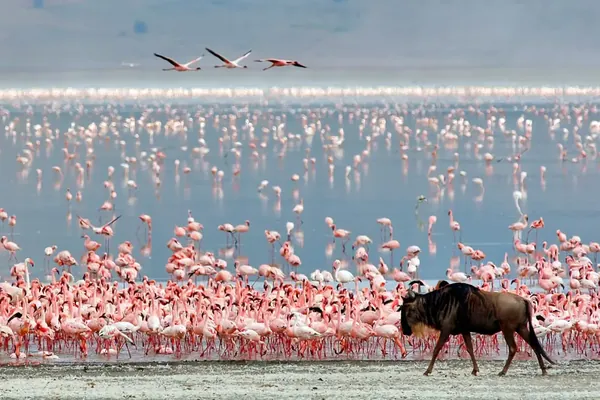
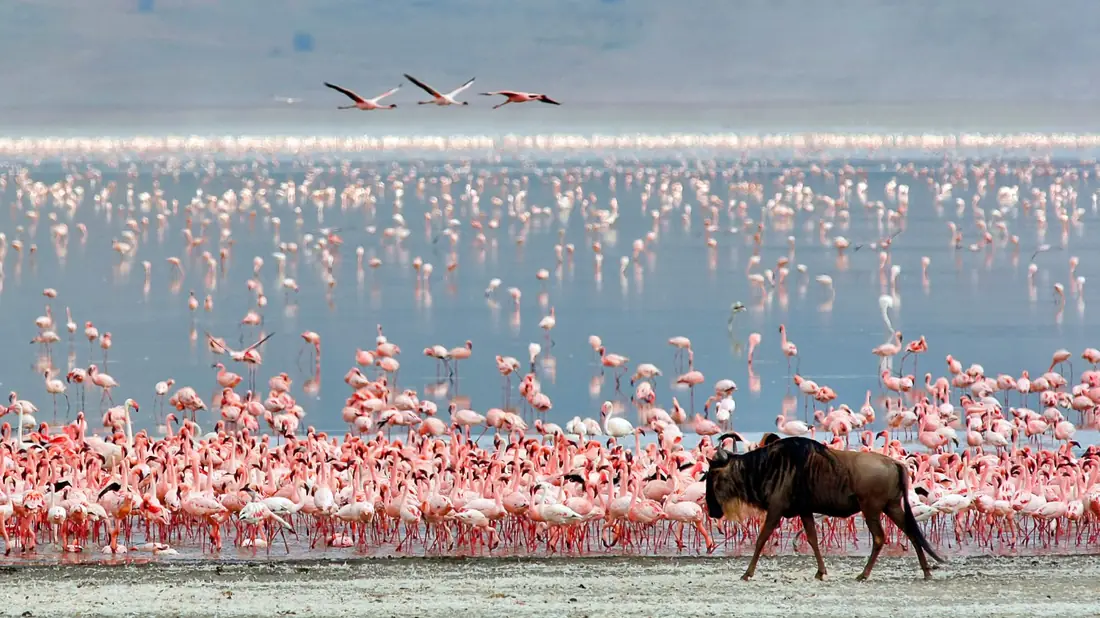
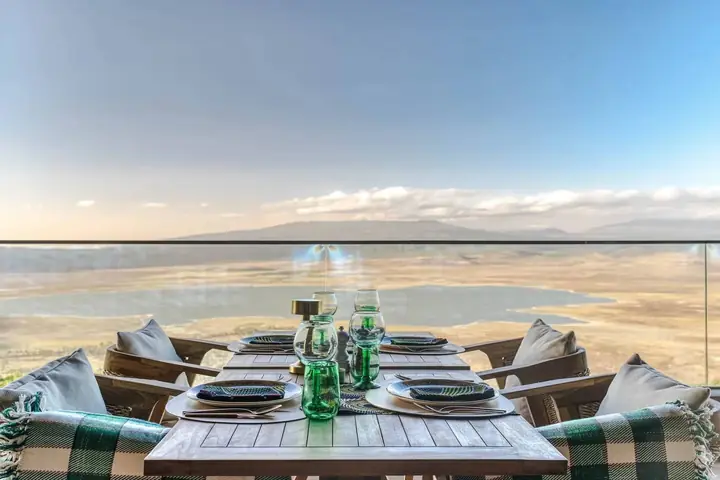
The Ngorongoro Crater is a world of its own. This collapsed volcano — roughly 20 kilometres across and 600 metres deep — holds the densest concentration of large mammals in Africa. Lion, elephant, buffalo, black rhino, and flamingo-ringed soda lakes, all contained within a natural amphitheatre that has no equal anywhere on the continent. You can see all of the Big Five in a single morning here.
The crater floor sits at around 1,800 metres elevation, so mornings are cool and often misty. The descent into the crater takes about 30 minutes on a winding dirt road, and once on the floor, game drives follow established tracks past freshwater pools, marshland, open grassland, and acacia woodland. The resident black rhinos — roughly 25 individuals — are some of the most reliably seen in East Africa.
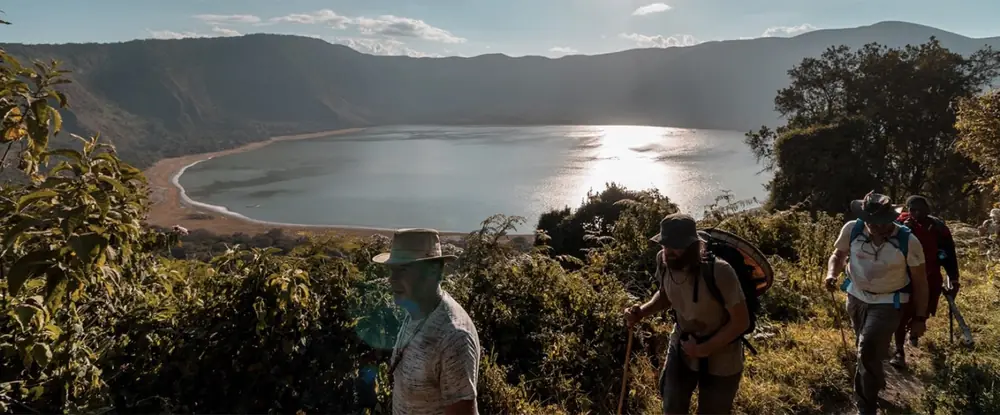
Beyond the crater itself, the broader Ngorongoro Conservation Area includes the Ngorongoro Highlands — walking country with Maasai communities, Empakaai Crater (a smaller, water-filled caldera with flamingos), and the Olduvai Gorge, one of the most important paleoanthropological sites in the world.
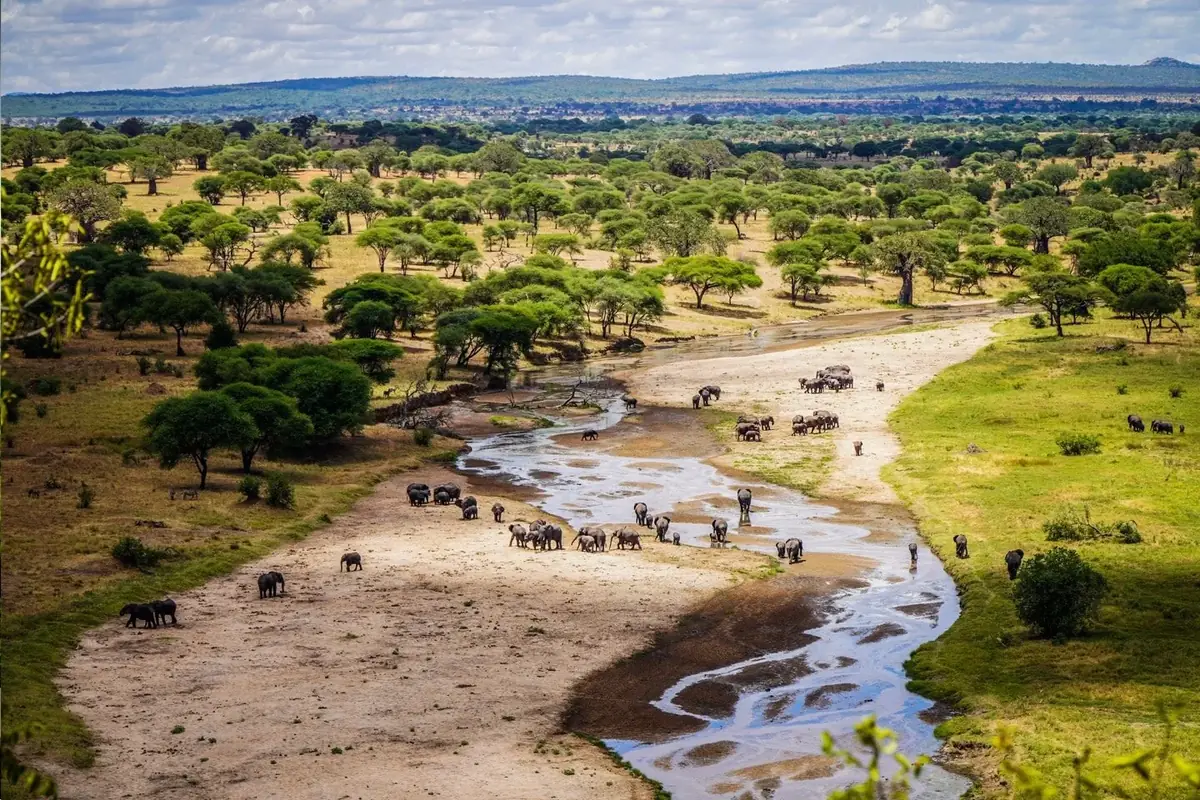
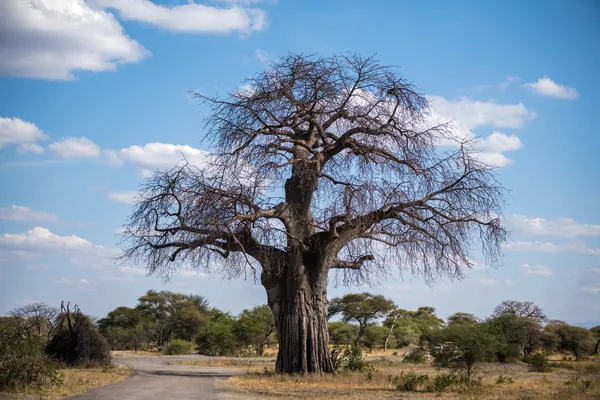
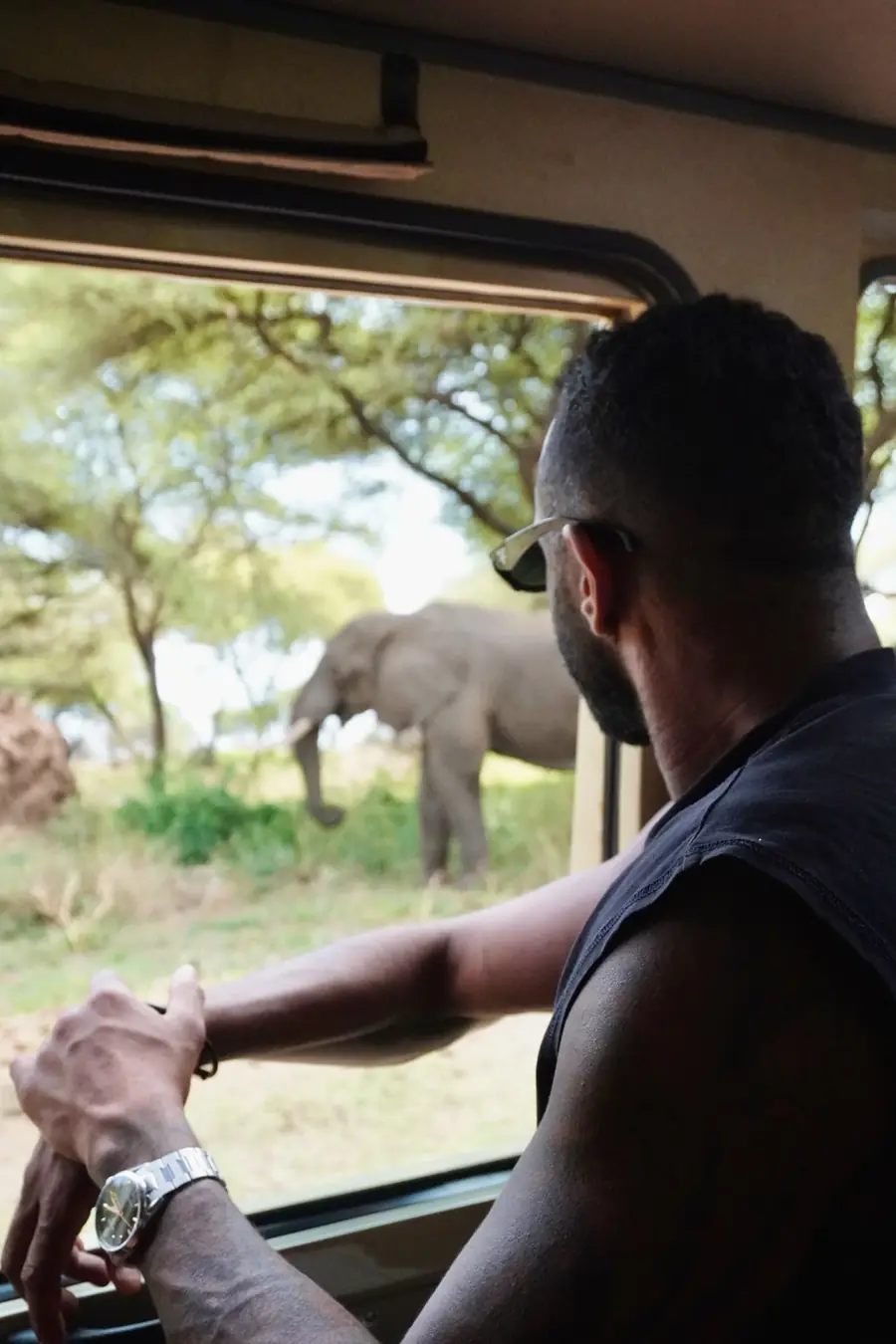
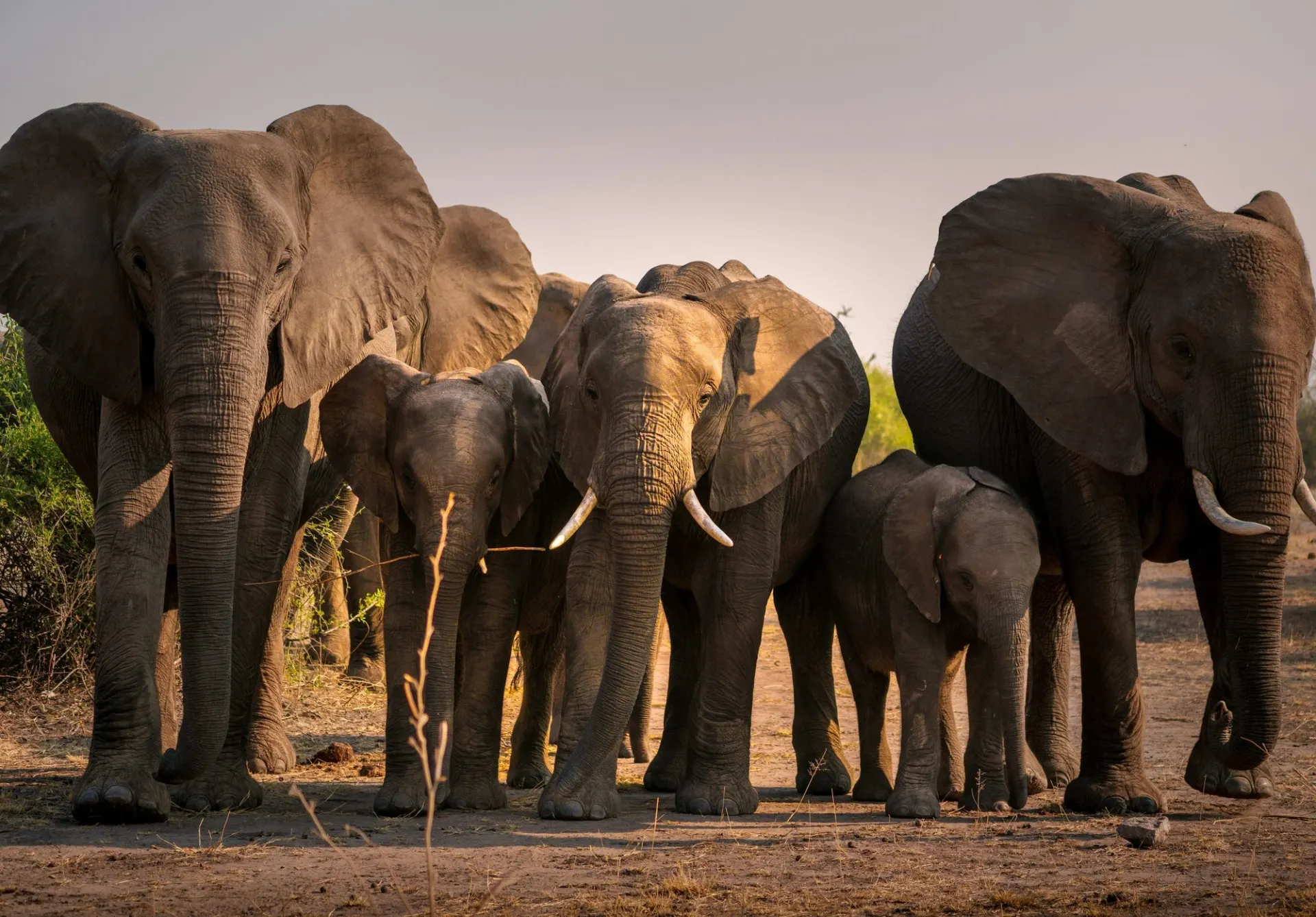
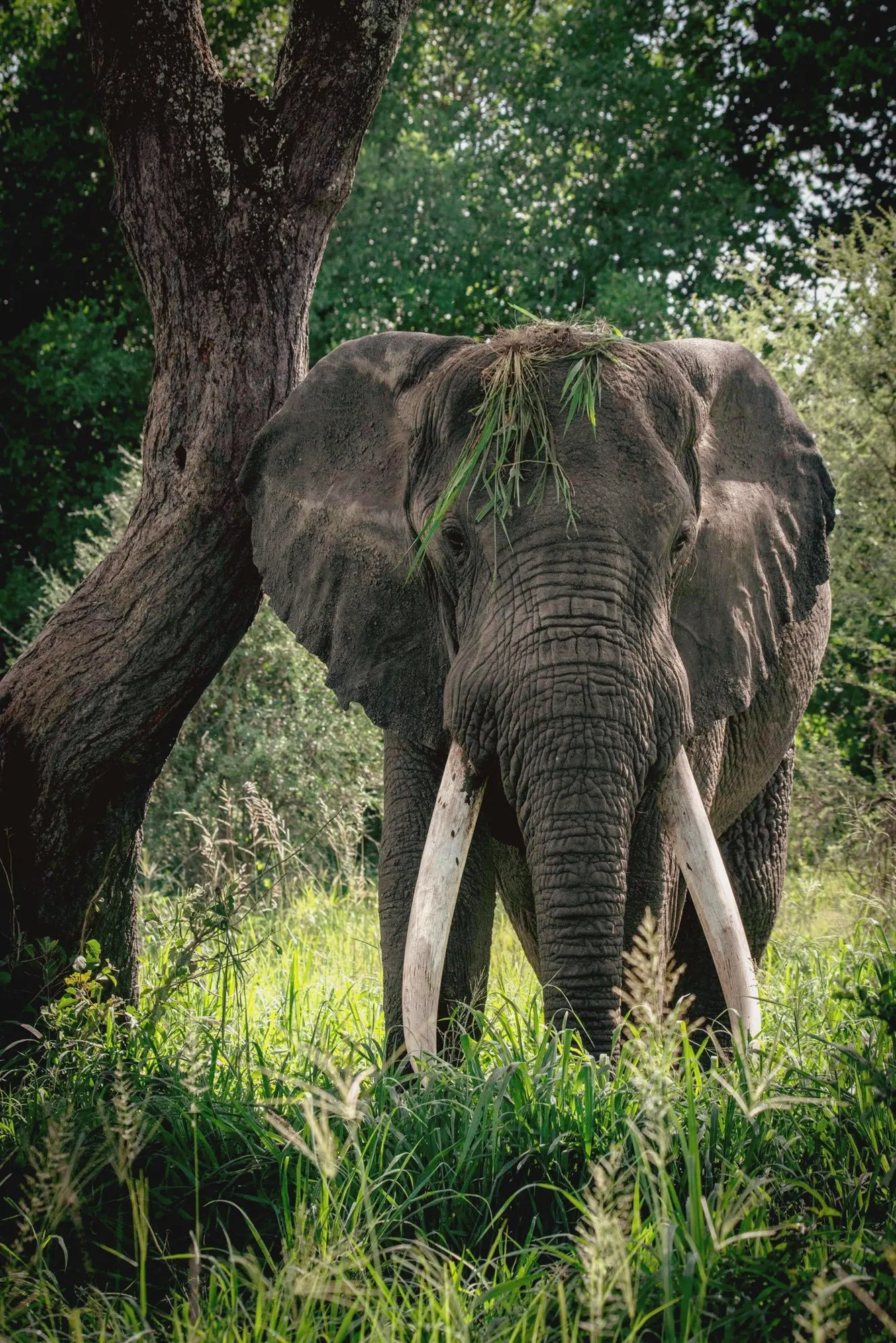
Tarangire is one of the most underrated parks in East Africa — and one of the most photogenic. Ancient baobab trees, some over a thousand years old, dot the landscape like sentinels, and the Tarangire River draws some of the largest elephant herds on the continent during the dry season. Between June and October, it is not unusual to see 300 or more elephants gathered along the riverbanks in a single afternoon.
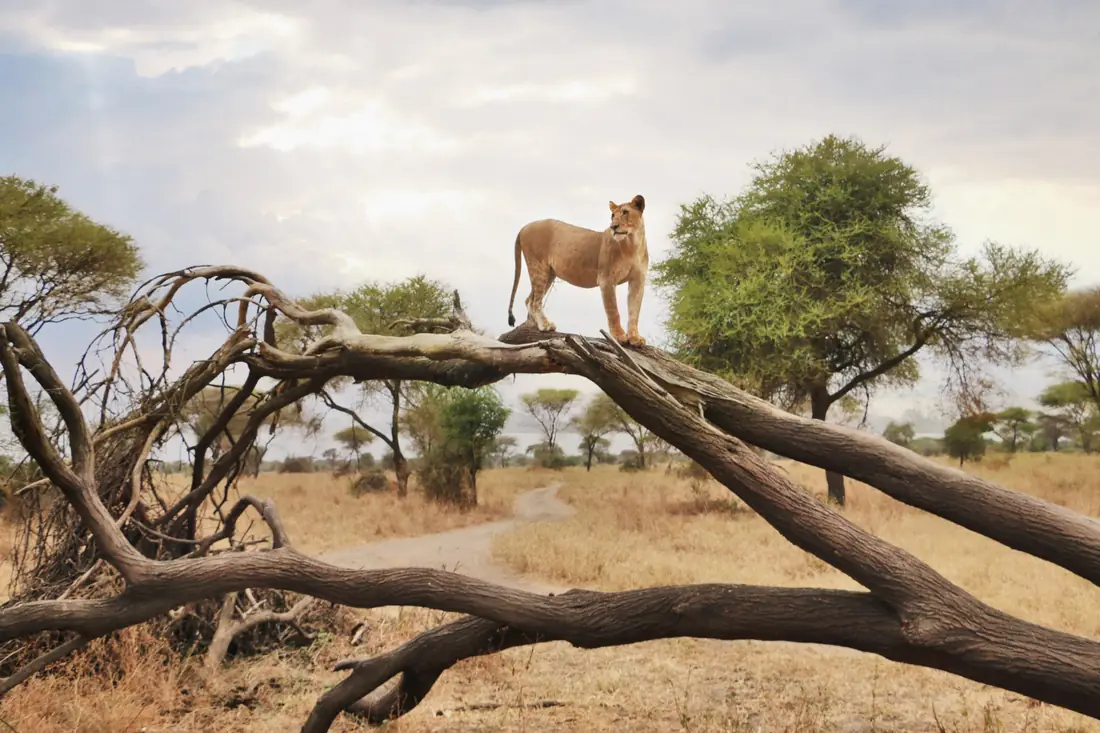
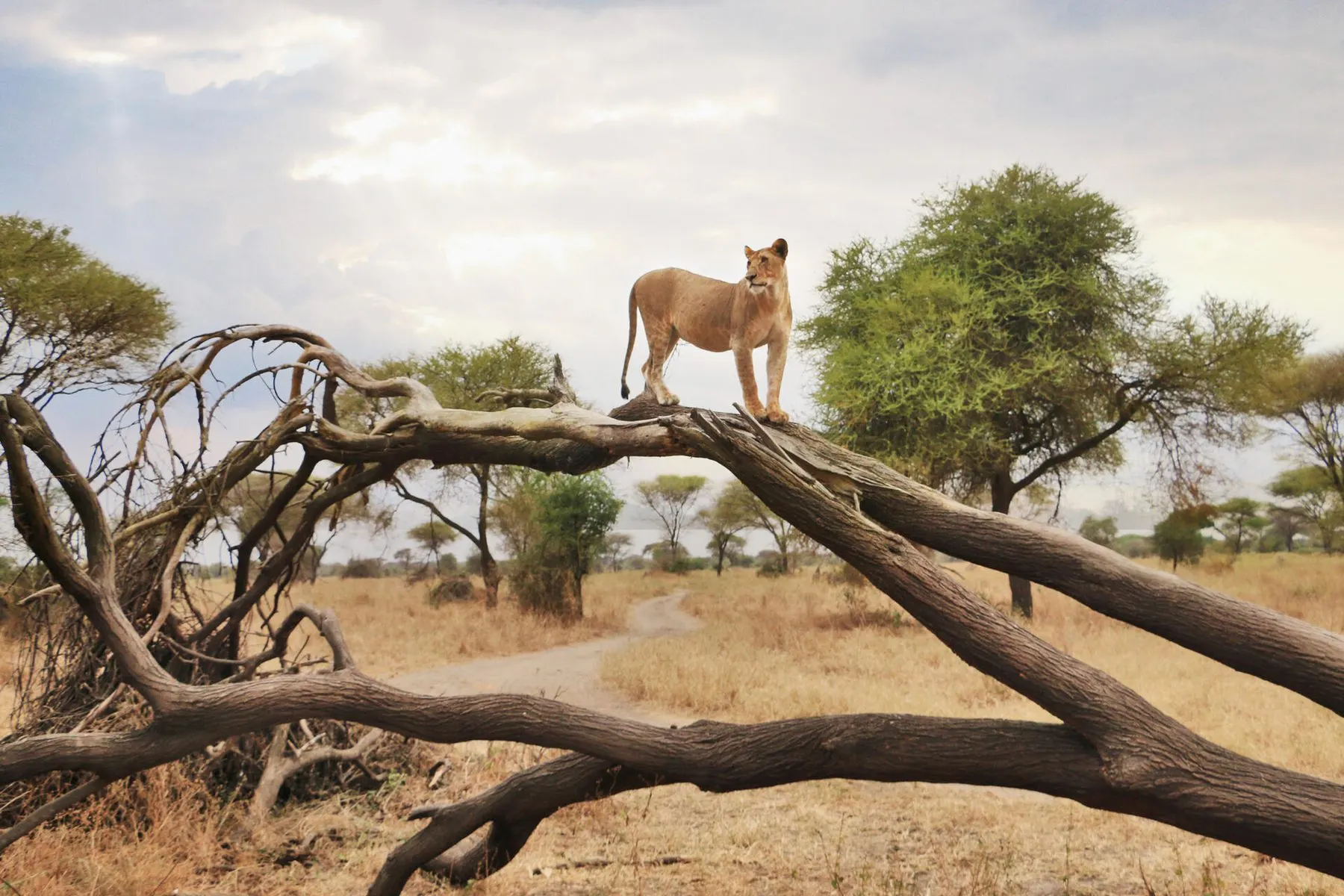
The park supports excellent predator populations: lion prides that have adapted to climb the baobabs, leopard in the southern woodlands, and large numbers of python in the riverine forest. Tarangire also holds special species you will not find elsewhere on the northern circuit — fringe-eared oryx and the long-necked gerenuk, both more commonly associated with Kenya's drylands.
What sets Tarangire apart is the feel. It is quieter than the Serengeti, with fewer vehicles and a wilder atmosphere. The light here — golden and warm, filtering through baobab branches — produces some of the finest safari photography in Tanzania. We often use Tarangire as the opening or closing park on a northern circuit itinerary, and guests consistently name it a highlight.
Lake Manyara is a compact jewel tucked beneath the Great Rift Valley escarpment. The park runs as a narrow strip between the lake and the 600-metre cliffs, creating a landscape that shifts from dense groundwater forest to open grassland to alkaline lakeshore within a few kilometres. Flamingos line the shallows when conditions are right, painting the water pink against the wall of the escarpment.
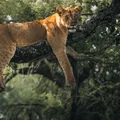
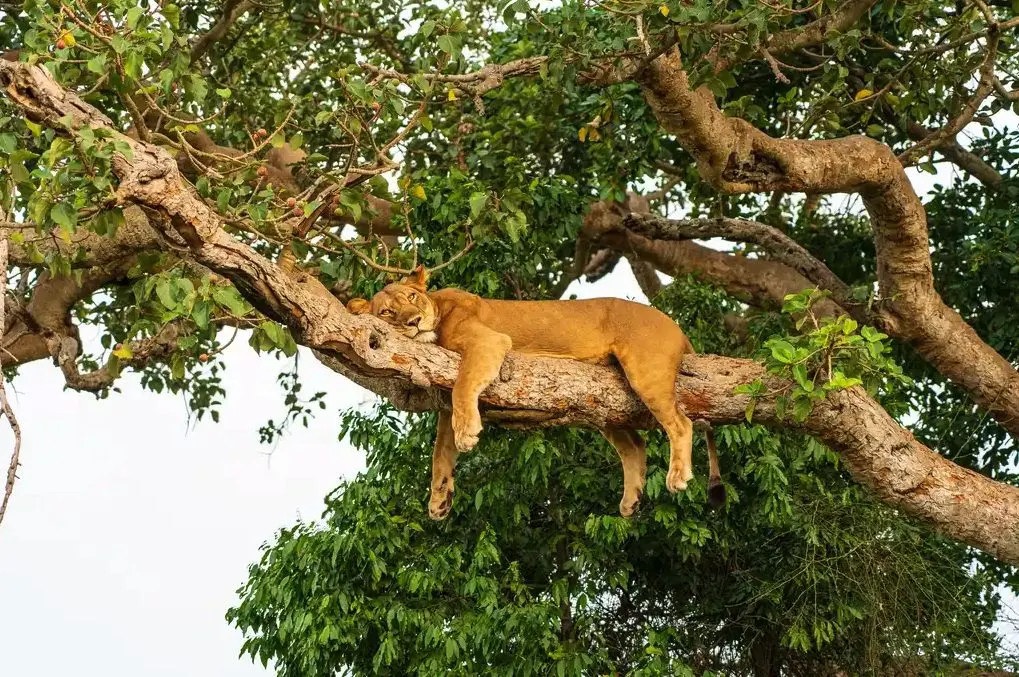
This was the park where tree-climbing lions were first documented in Tanzania, and while sightings are never guaranteed, the resident pride still uses the mahogany and fig trees along the forest edge. Manyara is also home to large troops of baboons, blue monkeys in the canopy, hippo in the river pools, and strong elephant populations year-round. The birdlife is outstanding — over 400 species recorded.
We often include Lake Manyara as a half-day stop between Ngorongoro and Tarangire, or as a gentle introduction to safari on the first afternoon after arriving in Arusha. The treetop walkway in the park's northern section gives an unusual perspective on the canopy below.
Nyerere is wild Tanzania at its most remote. Covering over 30,000 square kilometres, it is one of the largest protected areas in Africa — larger than Switzerland — and receives a fraction of the visitors that the northern parks do. This is the Tanzania that serious safari travellers come looking for: unmarked tracks, no other vehicles, and the kind of silence that has disappeared from most of the continent.
The Rufiji River is the park's lifeline, and boat safaris along its channels are one of the defining experiences of the south. Hippos surface a few metres from the boat, crocodiles sun on the banks, and African skimmers skim the water surface at eye level. On land, walking safaris led by armed rangers take you through untouched bush where you track elephant, buffalo, and wild dog on foot — a fundamentally different kind of encounter from a vehicle-based game drive.
Nyerere holds one of the largest wild dog populations in Africa and strong numbers of lion, leopard, and elephant. The fly-camping options here — sleeping on a bedroll under the stars with nothing but a mosquito net and the sounds of the bush — are among the most immersive safari experiences available anywhere.
Arusha National Park sits just 40 minutes from Kilimanjaro International Airport, making it the closest park to your point of entry. It is small — 552 square kilometres — but remarkably diverse, rising from lowland lakes through montane forest to the Meru Crater at 4,566 metres. Mount Meru, Tanzania's second-highest peak, dominates the skyline on clear days.
We use Arusha as a first-afternoon activity for guests arriving on morning flights. A canoeing safari on the Momella Lakes surrounded by flamingos, followed by a game drive through the forest where black-and-white colobus monkeys swing through the canopy overhead, is a gentle and effective way to ease into your Tanzania safari. Giraffe, buffalo, warthog, and blue monkeys are common. The park also allows walking safaris — one of the only national parks in Tanzania where you can explore on foot without an armed ranger.
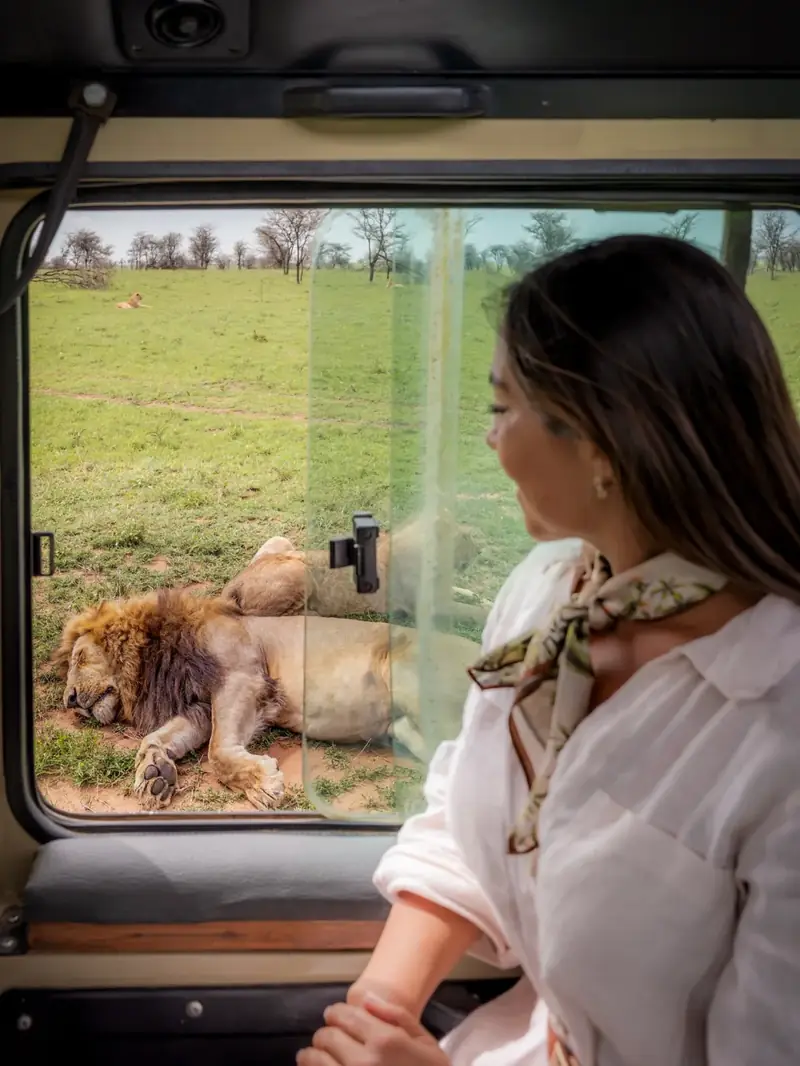
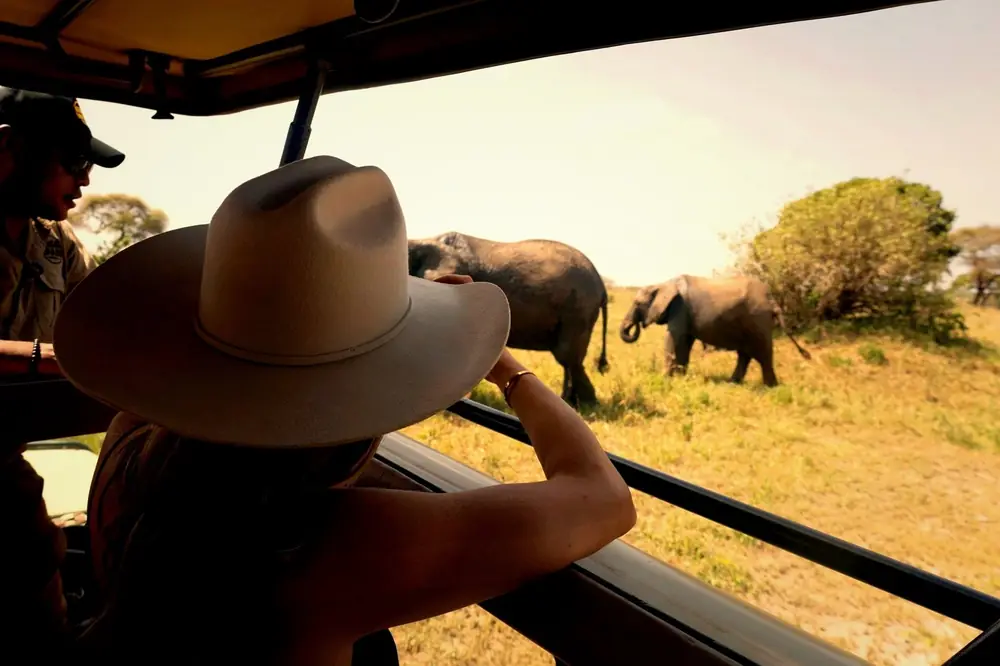
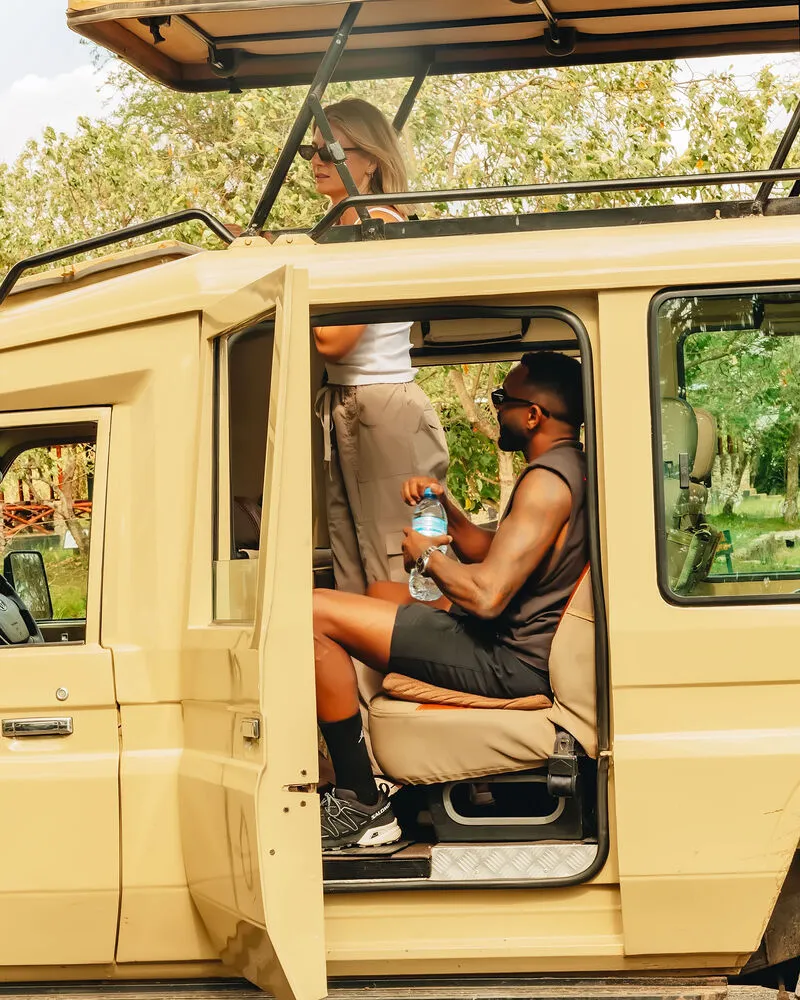
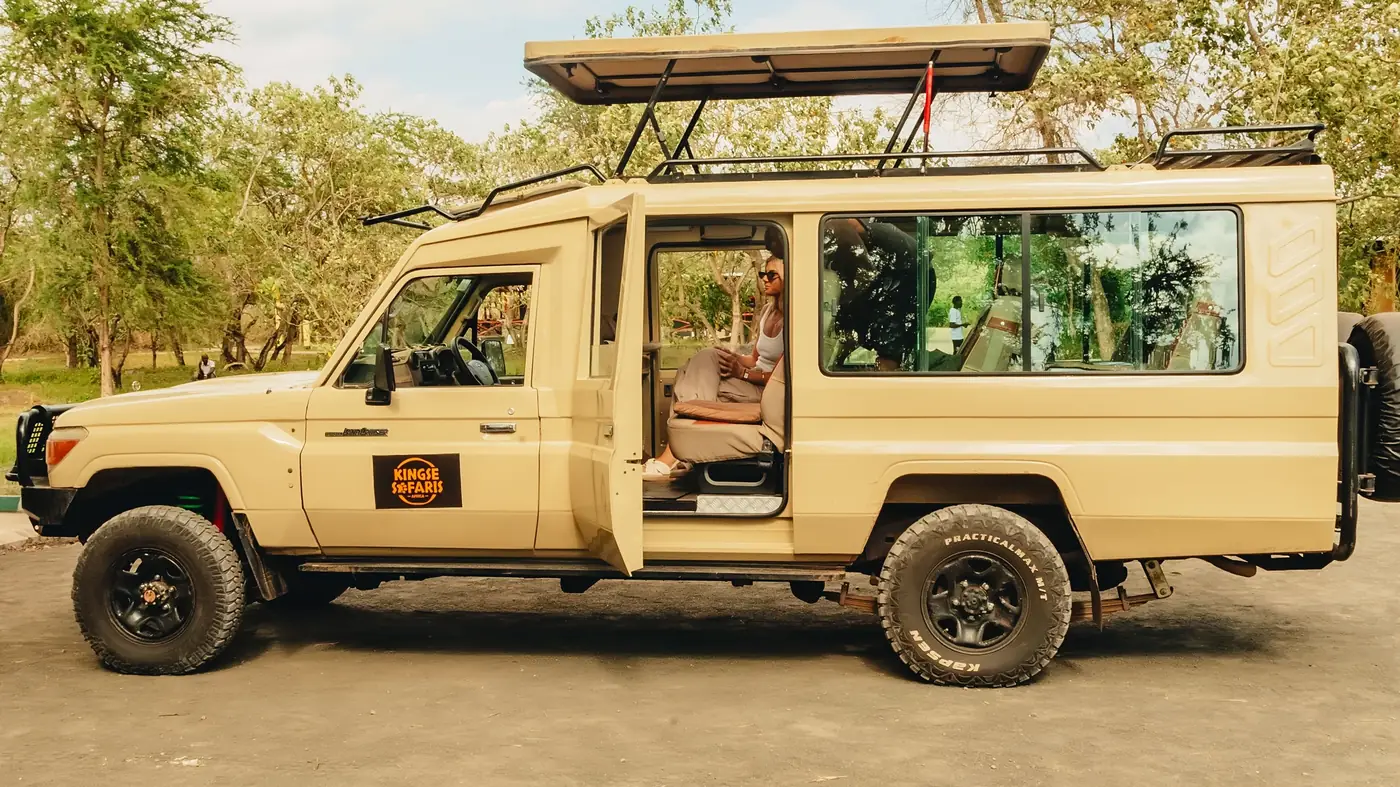
Morning and afternoon drives in open-sided 4WD vehicles with pop-up roofs. Your guide reads the bush — tracks, birdsong, alarm calls — and positions you for the best sightings and the best light. Full-day drives available for migration tracking and river crossings.
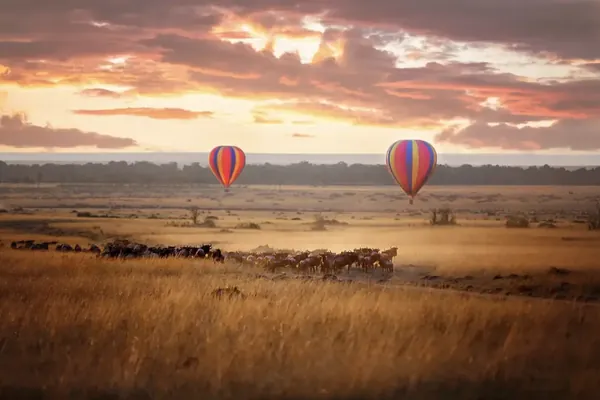
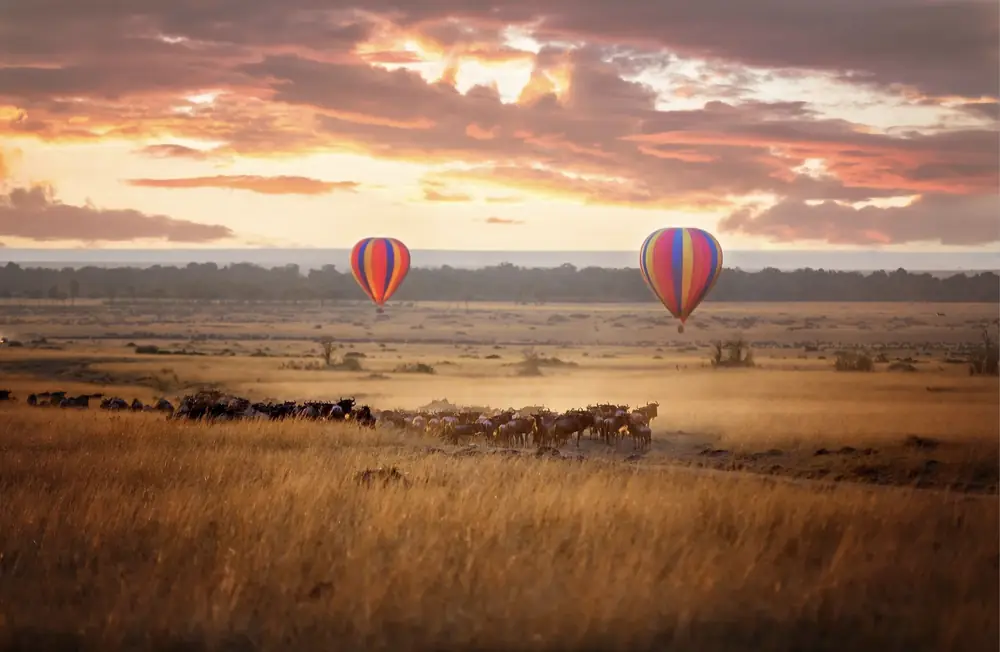
Lift off before dawn and float silently over the Serengeti plains as the first light catches the savannah below. From 300 metres up, you see the scale of the landscape and the migration herds in a way that is simply not possible from ground level. Followed by a champagne bush breakfast.
Step out of the vehicle and into the bush. Walking safaris in Nyerere, Arusha NP, and the Ngorongoro Highlands put you at eye level with the landscape — you read tracks, identify medicinal plants, and feel the tension of approaching large game on foot. Led by experienced armed rangers.
Drift along the Rufiji River in Nyerere or canoe the Momella Lakes in Arusha NP. From the water, you see hippos surfacing a few metres away, crocodiles warming on the banks, and kingfishers diving at eye level. A completely different perspective on the bush.
Available in private conservancies and Nyerere. After dark, a spotlight reveals the nocturnal bush: aardvark, civet, genet, bushbaby, porcupine, and hunting leopard. Night drives show you an entirely different cast of characters and reveal how the bush transforms after sunset.
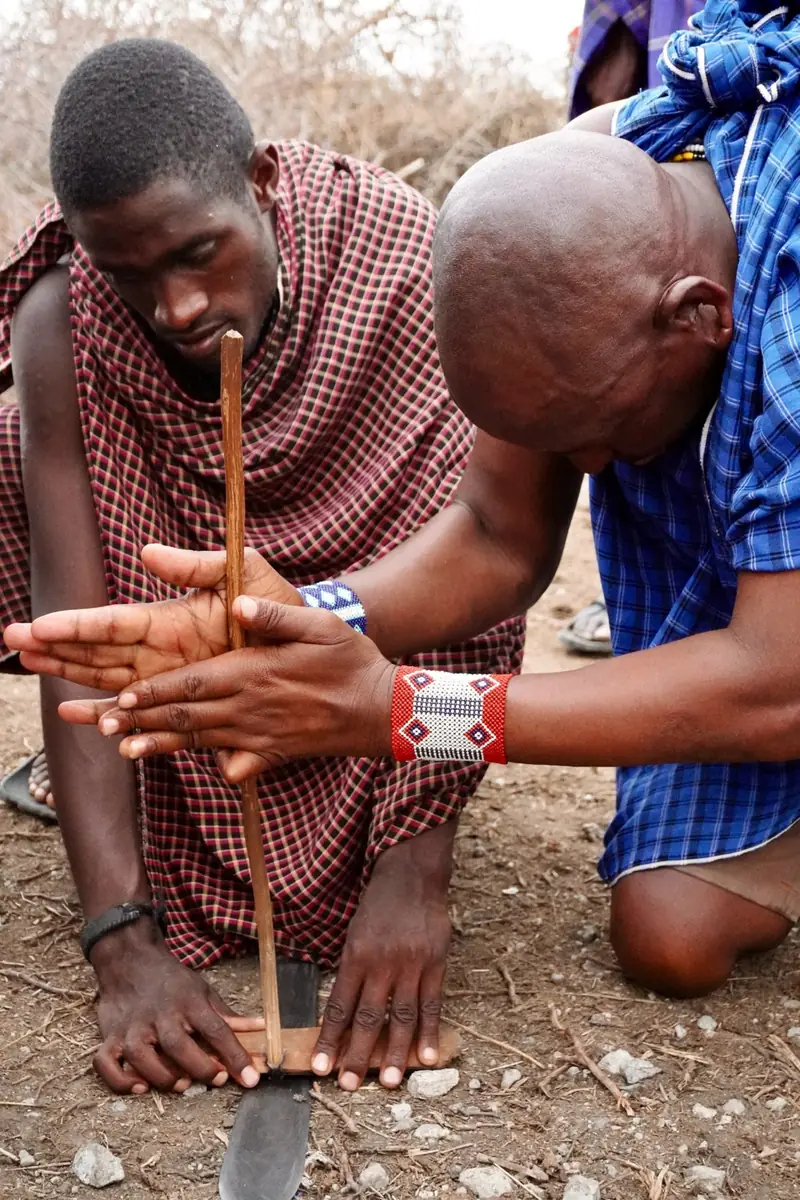
Visit a Maasai boma near the Ngorongoro Conservation Area or in Tarangire's surrounding communities. These are genuine homesteads — not performances — where you learn about pastoral traditions, cattle herding, beadwork, and the relationship between the Maasai and the wildlife they have coexisted with for centuries.
June – October · Dry Season
Peak game viewing. Vegetation thins, animals concentrate around water sources, and the migration herds cross the Mara and Grumeti rivers. Clear skies, cool mornings, warm afternoons. This is the classic window and the busiest period.
January – March · Calving Season
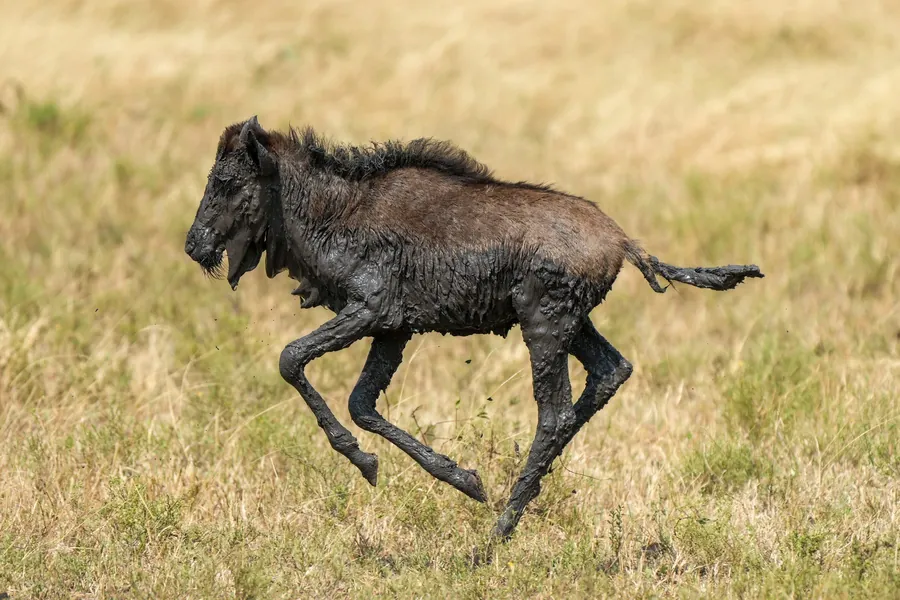
The herds gather on the southern Serengeti plains for calving. Up to 8,000 wildebeest calves born per day. Predator action is intense — lion, cheetah, hyena, and wild dog all converge on the nursery grounds. Lush green landscapes and dramatic afternoon thunderstorms.
November – May · Green Season
Fewer visitors, lower rates, and the landscape transforms into vivid green. Bird migration peaks, newborns appear across all species, and the light is dramatic. Short rains in November–December are manageable; long rains in April–May can affect road access in some areas.
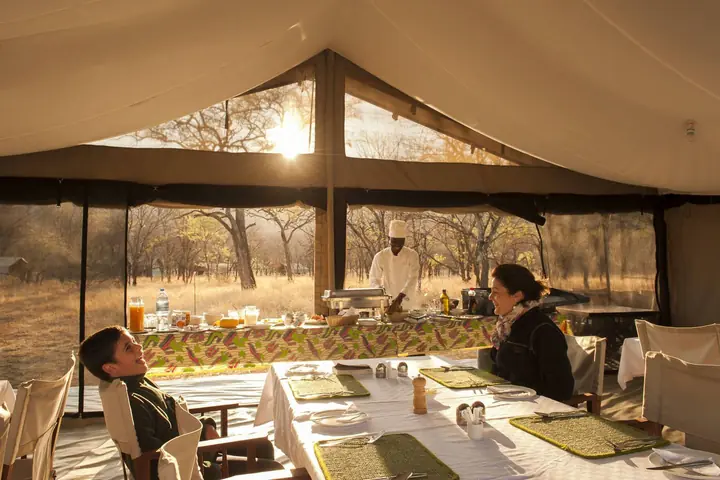
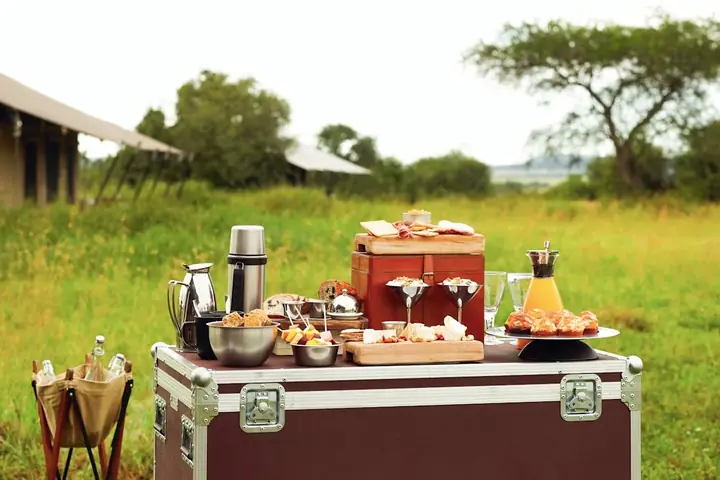
A typical safari day starts early — often before dawn, when the bush is at its most active and the light is at its warmest. After a morning game drive of three to four hours, you return to camp or lodge for brunch, followed by downtime through the heat of the day. Afternoon drives head out around 3.30pm and continue until sunset, often ending with sundowners somewhere scenic. Dinner is usually served around a fire under the stars.
On the northern circuit, drives between parks typically take two to four hours, though domestic flights are available for guests who prefer to save time. In the south, most travel is by light aircraft from Dar es Salaam or Arusha. The pace is unhurried — this is not a checklist exercise. We build in enough time at each park to let the bush reveal itself on its own terms.
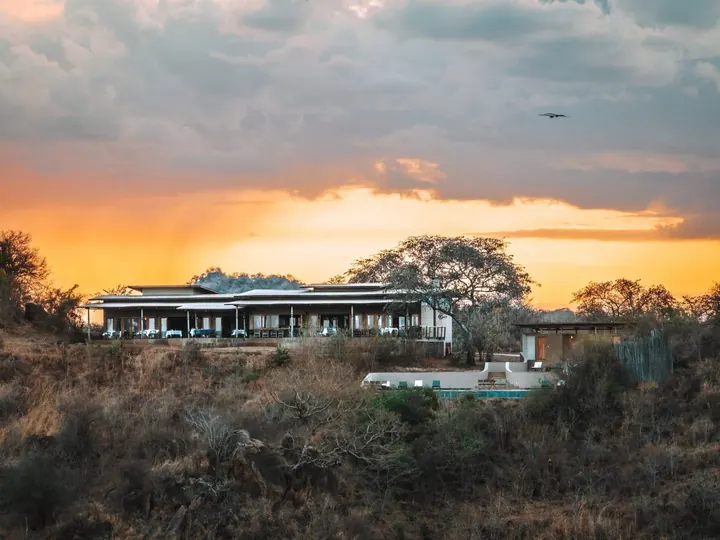
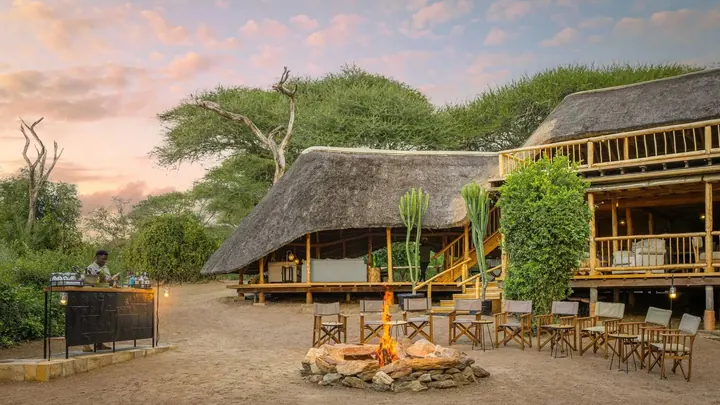
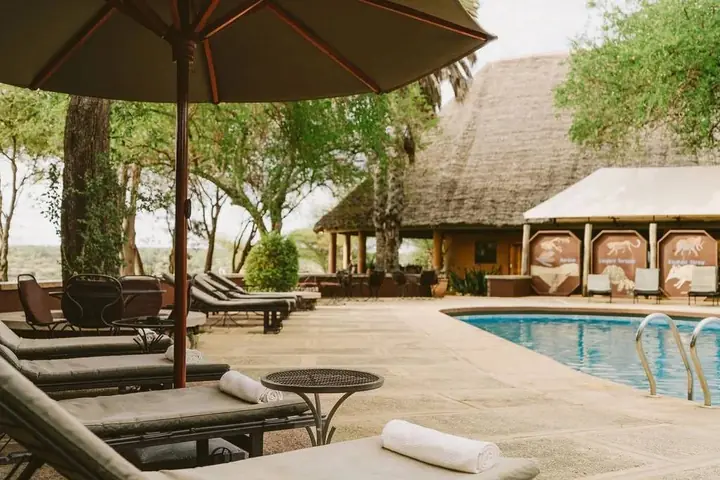
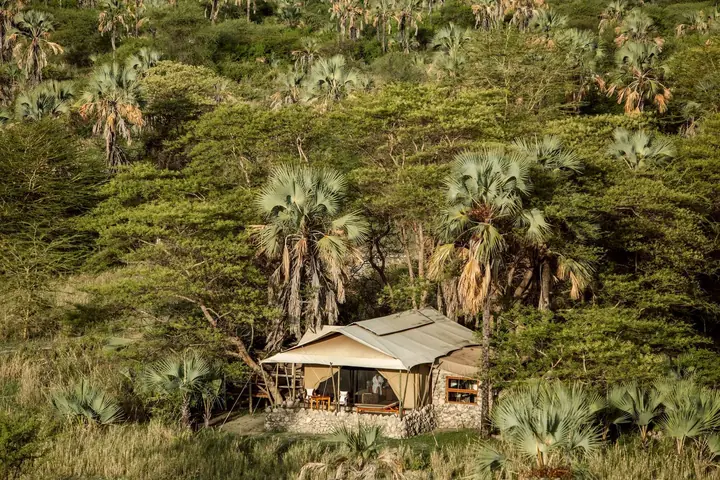
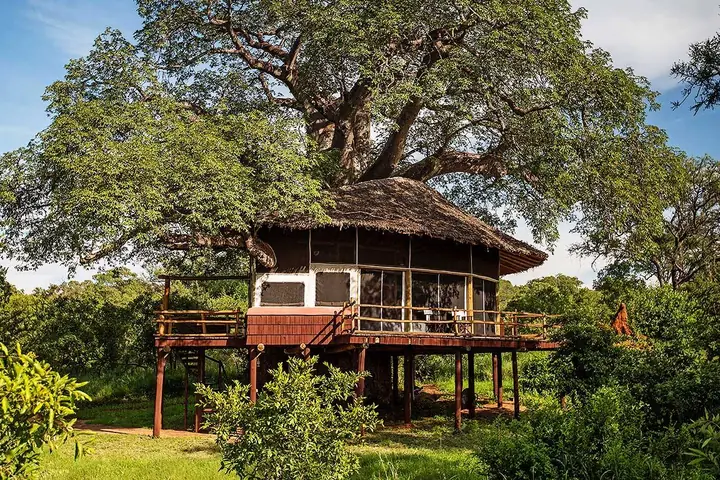
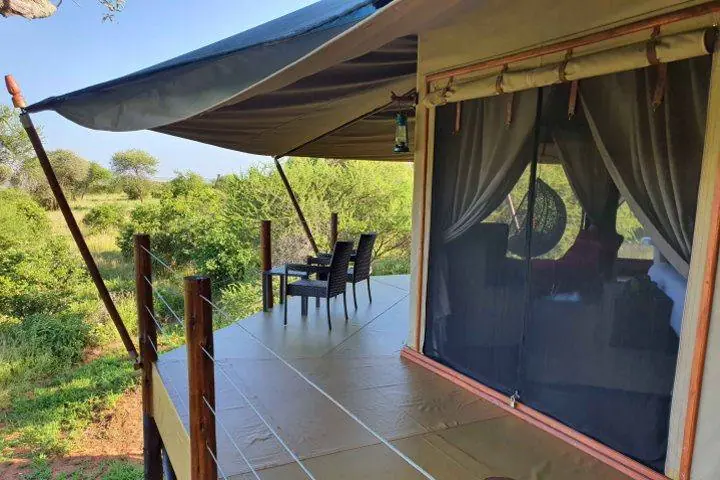
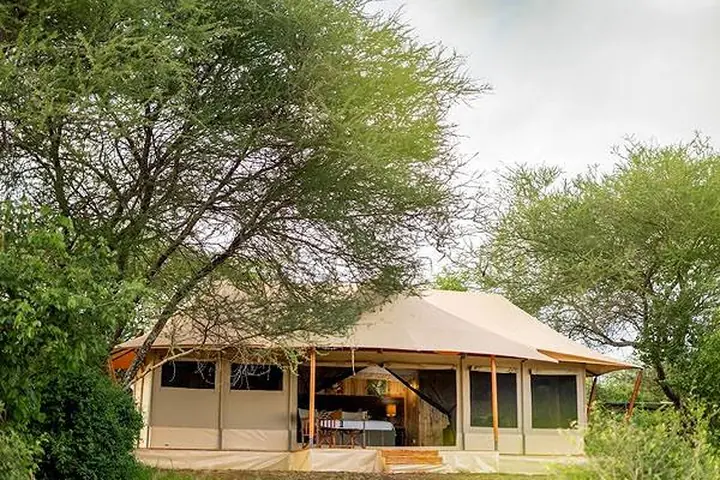
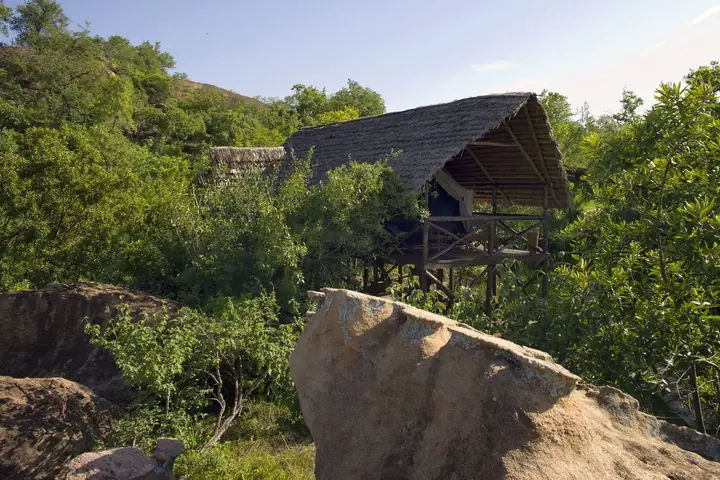
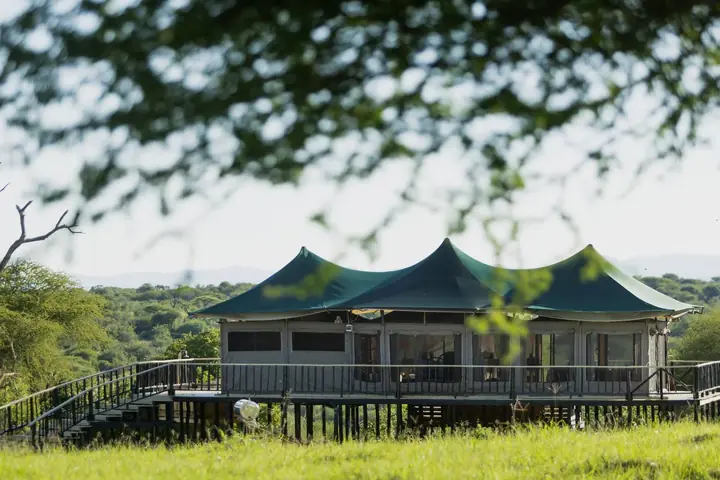
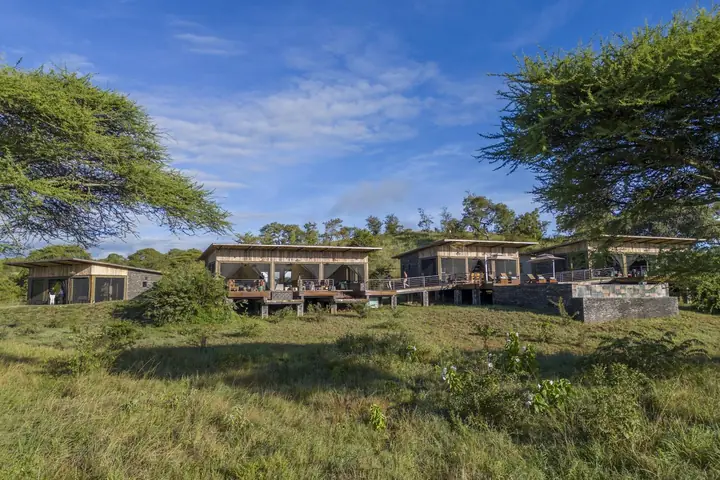
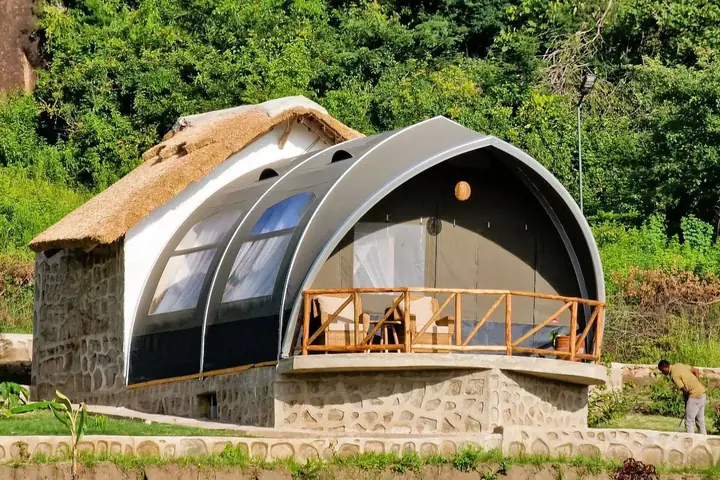
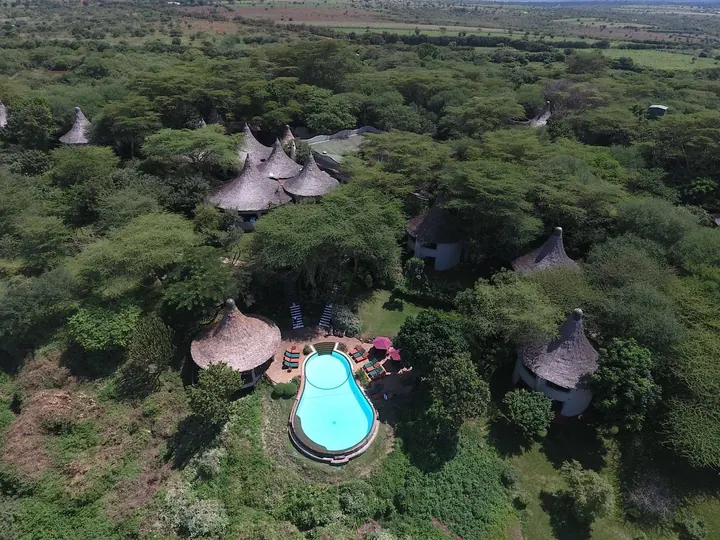
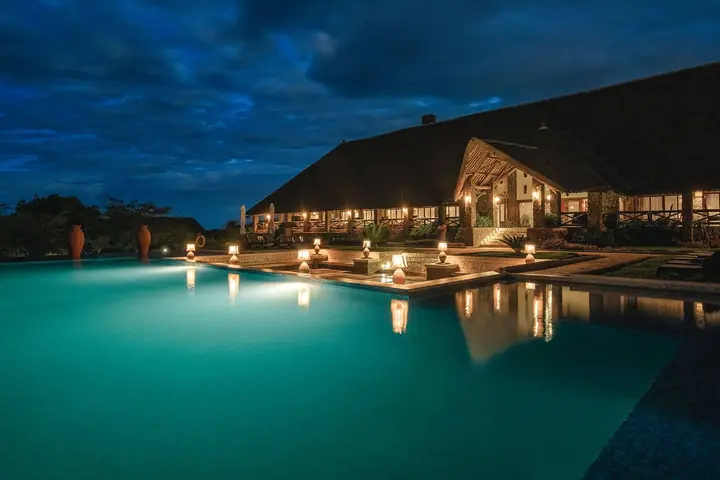
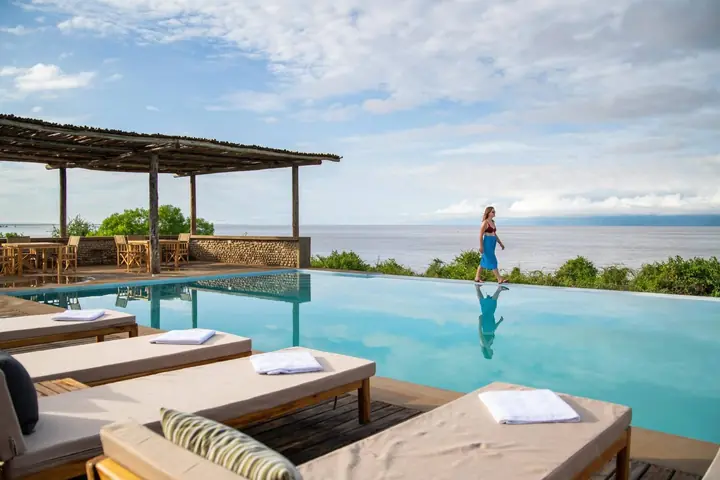
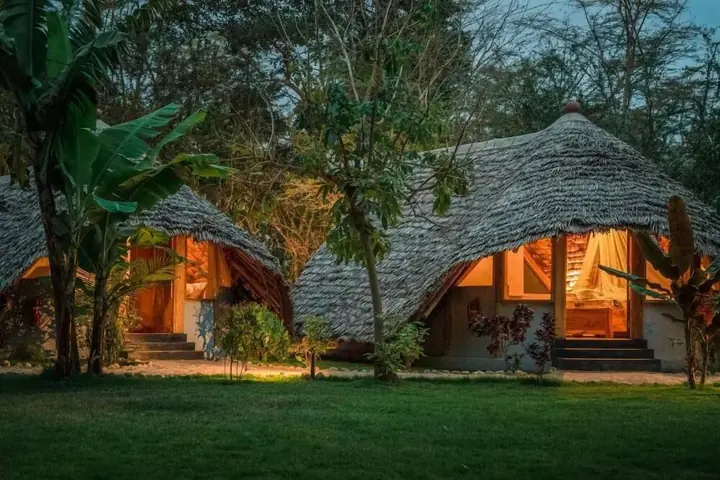
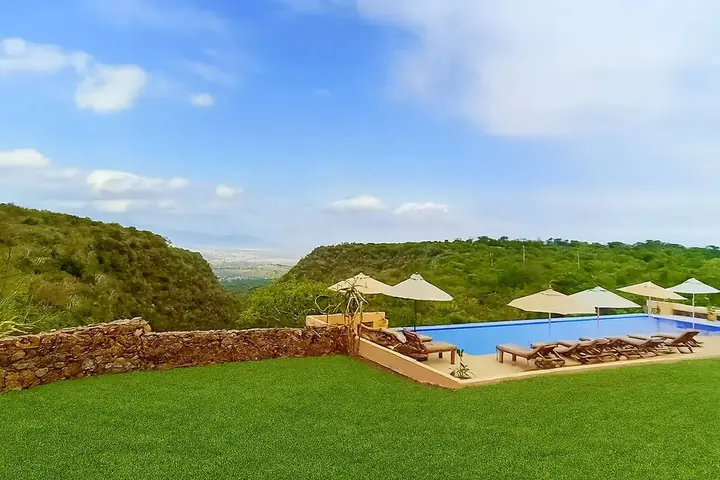
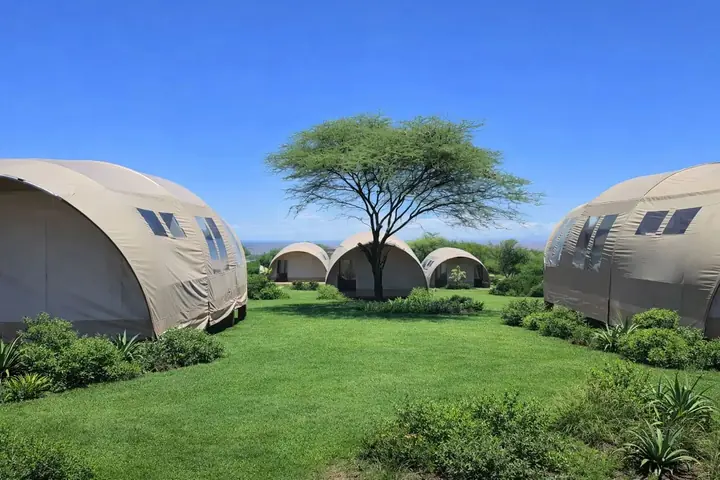
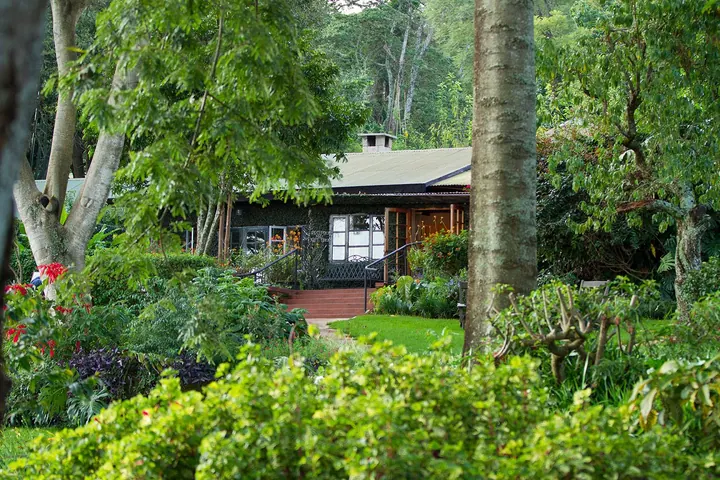
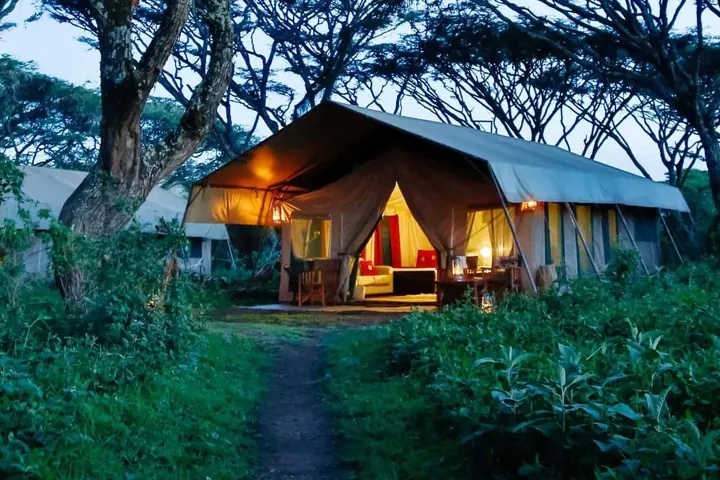
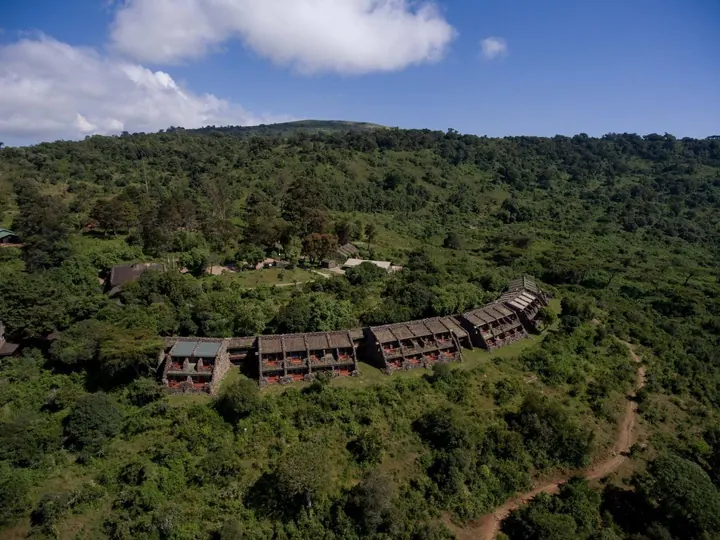
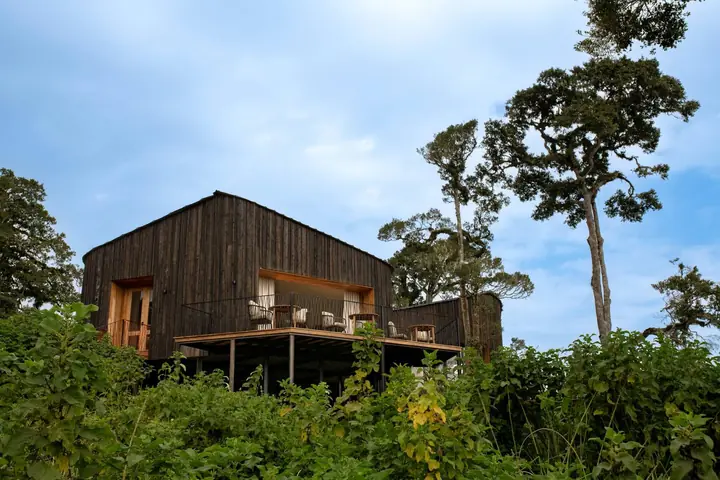
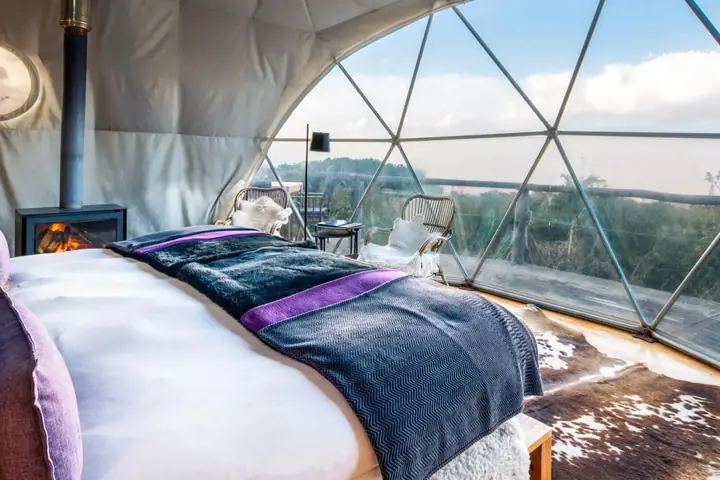
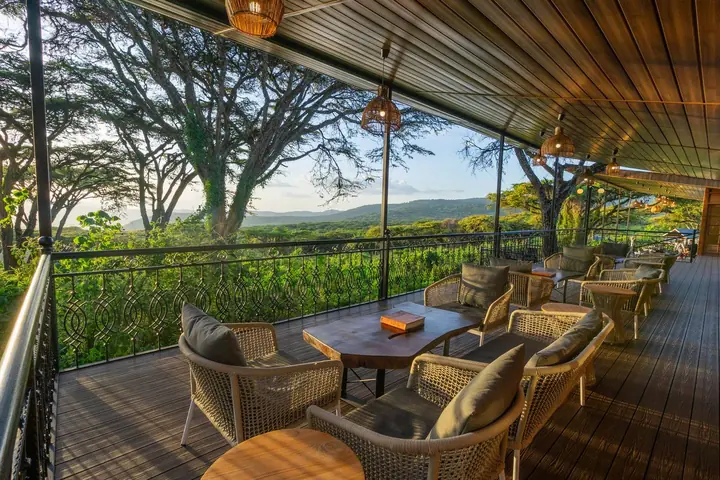
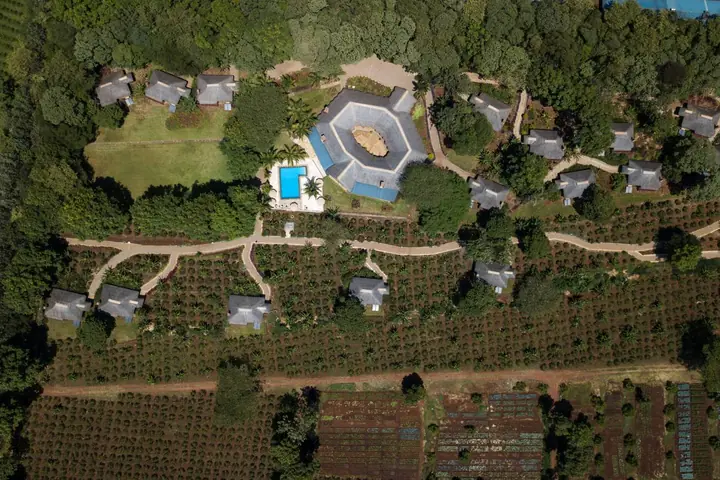
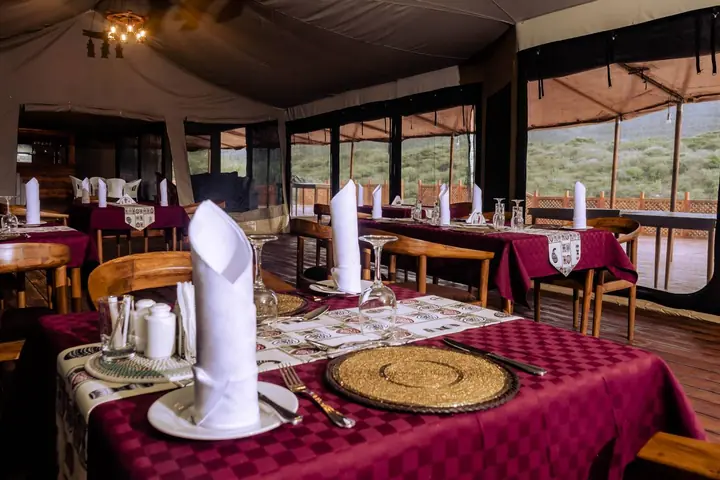
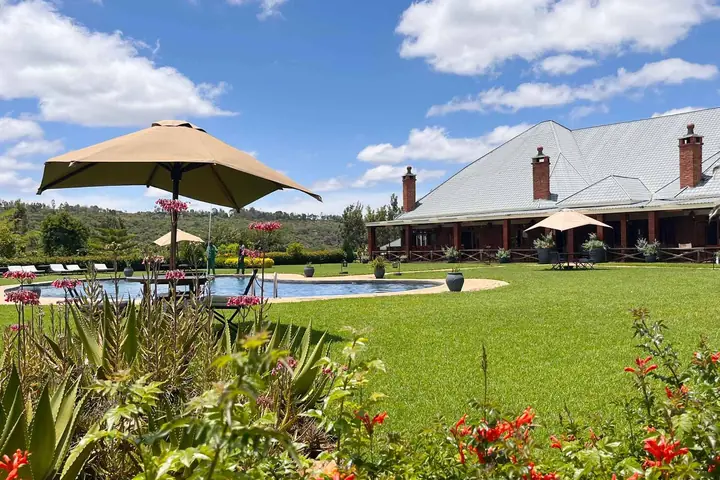
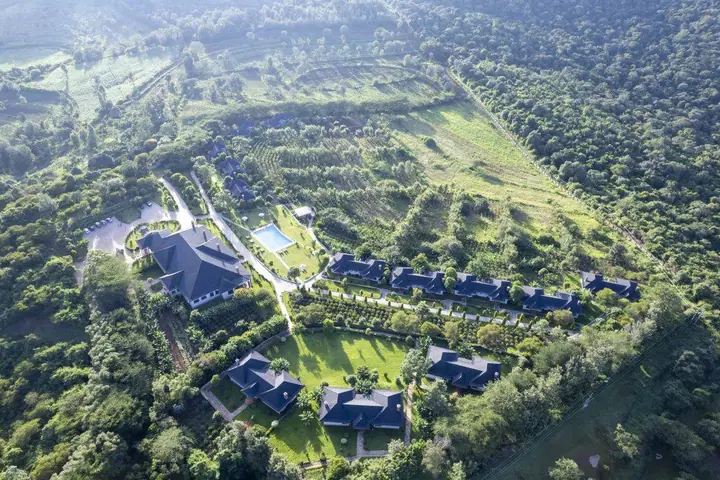
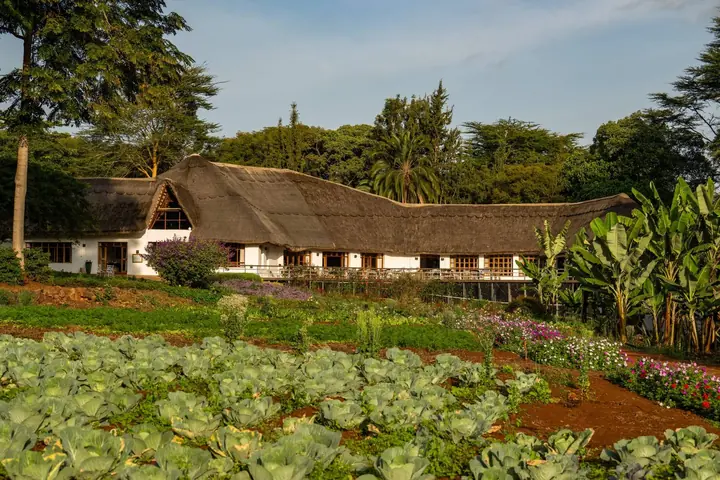
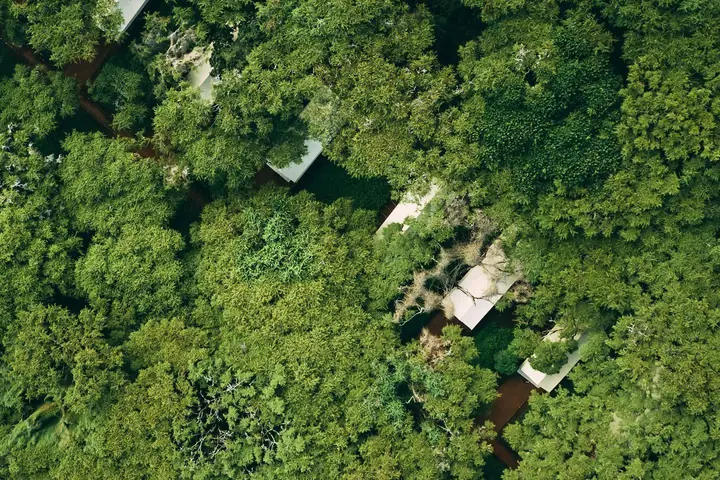
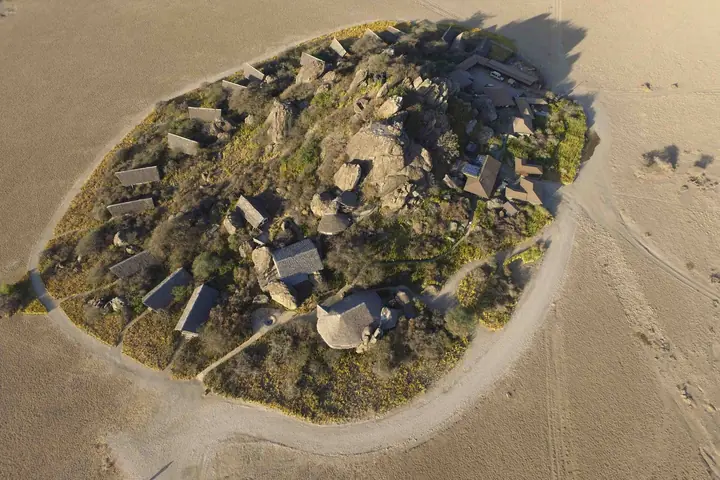
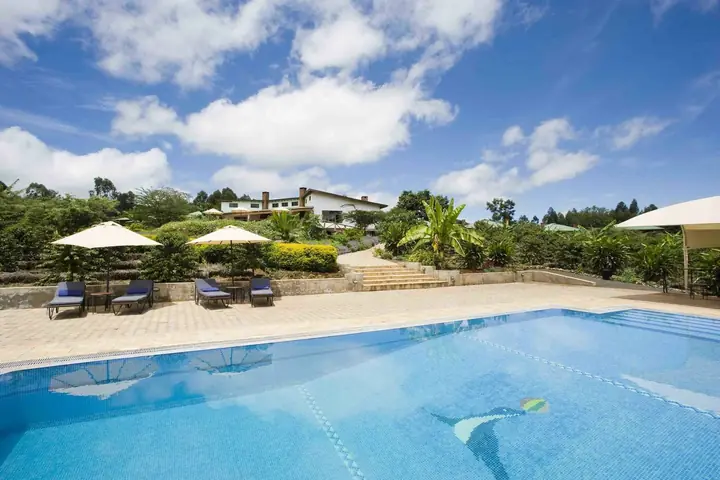
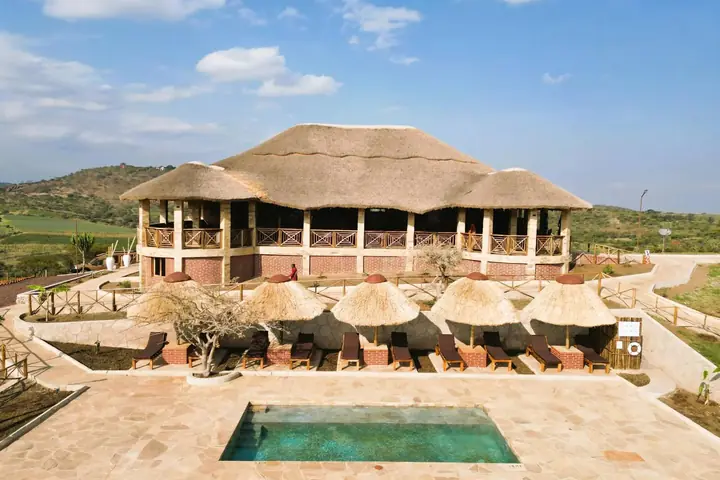
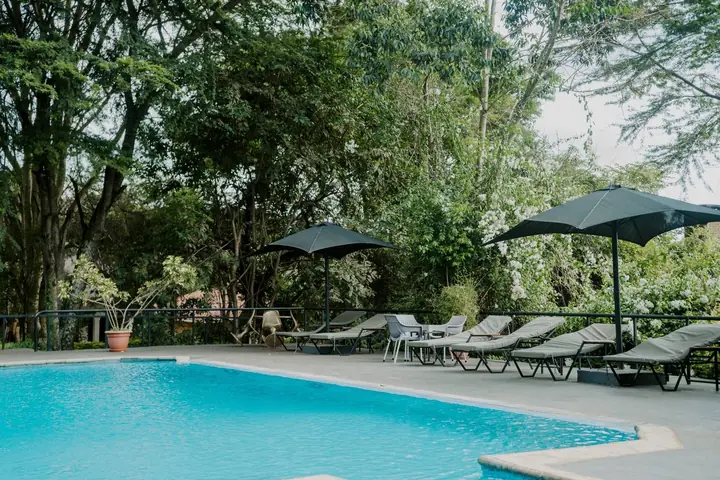
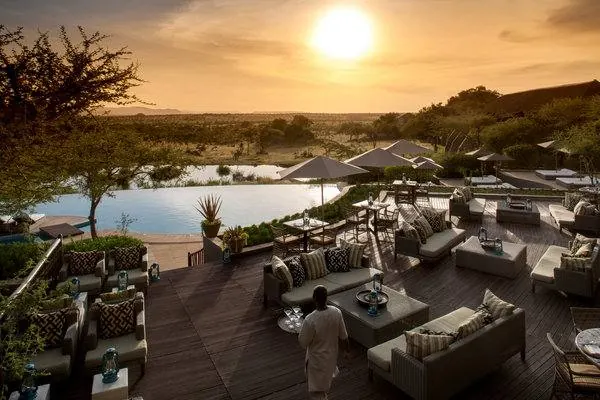
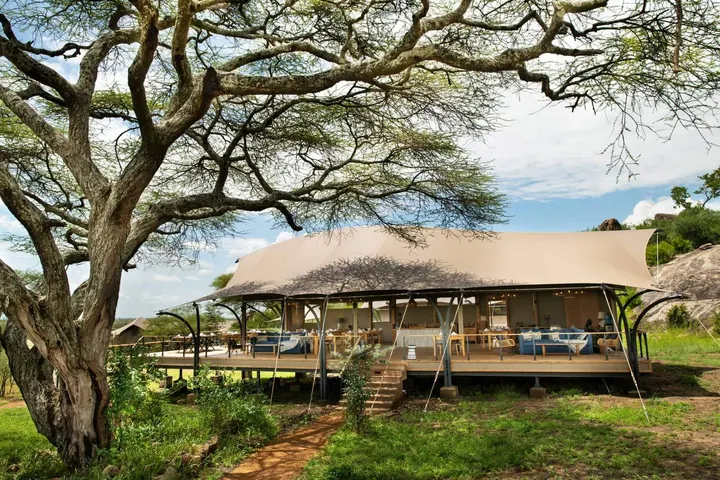
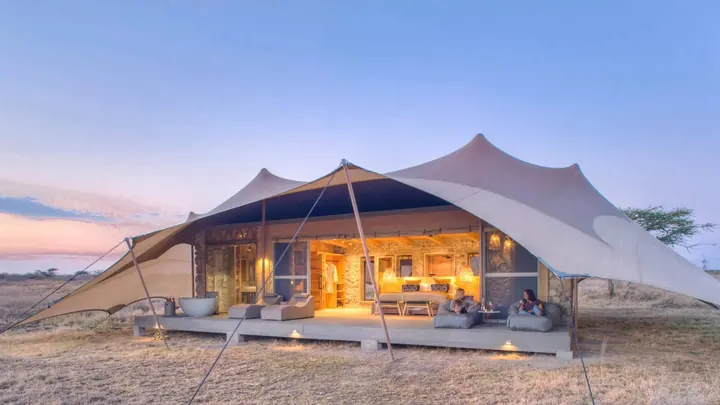
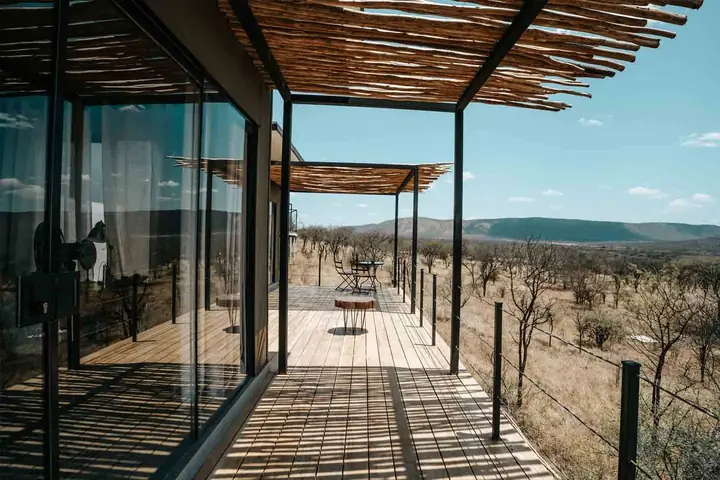
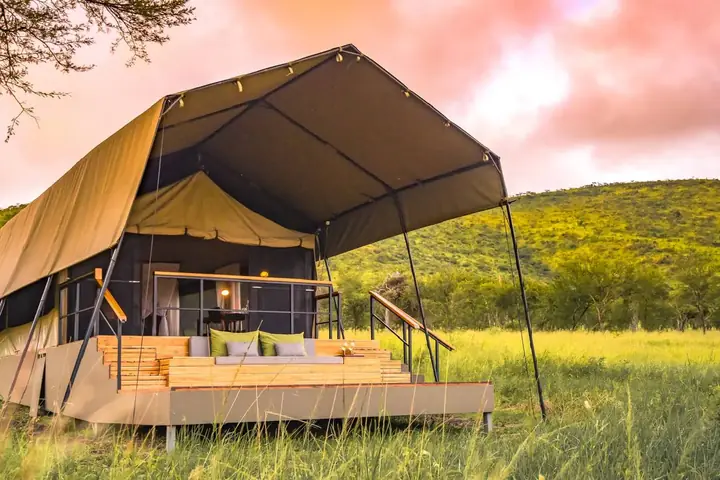
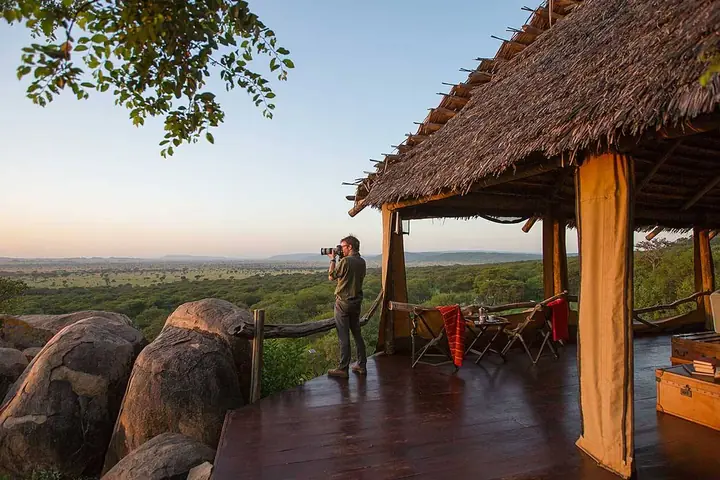
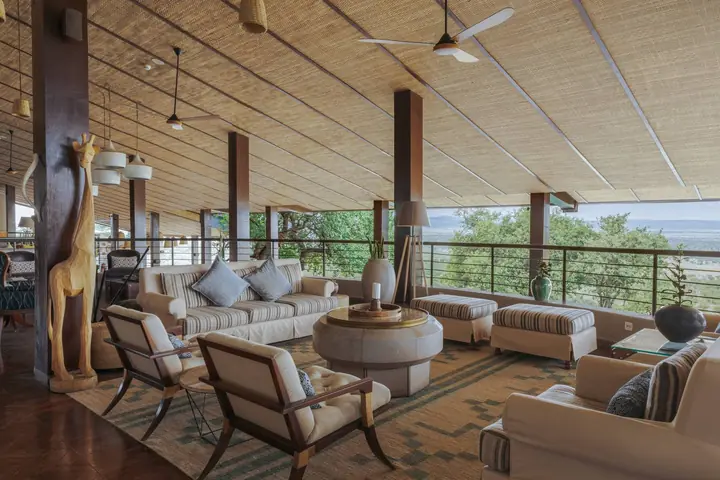
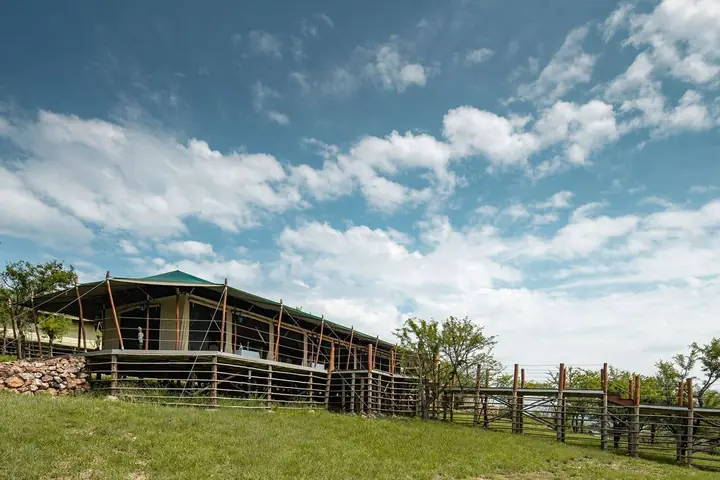
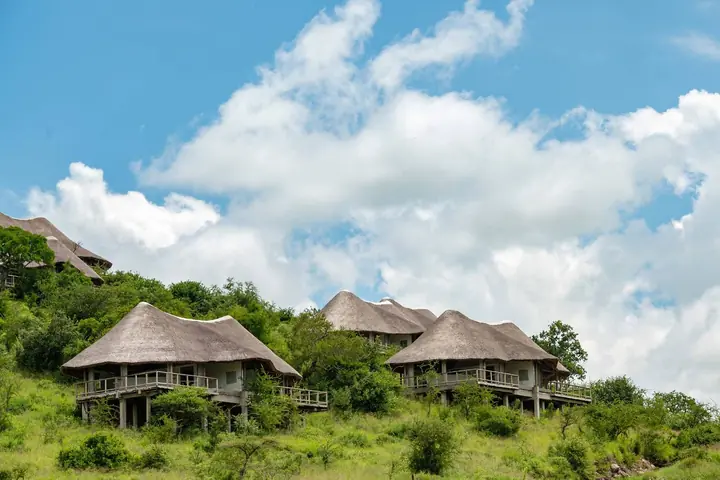
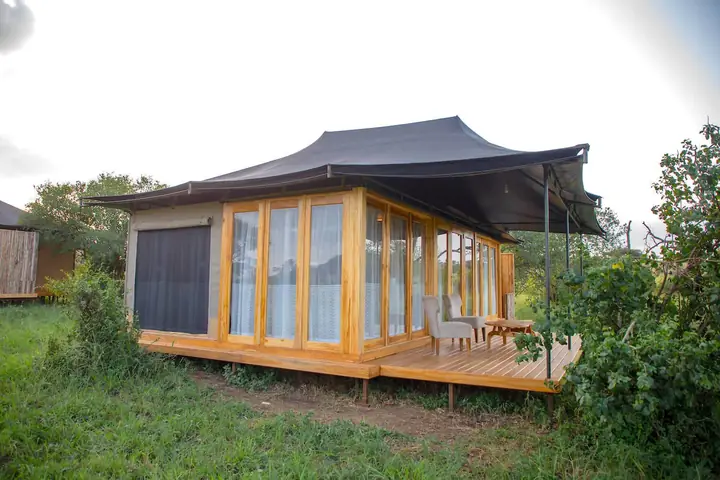
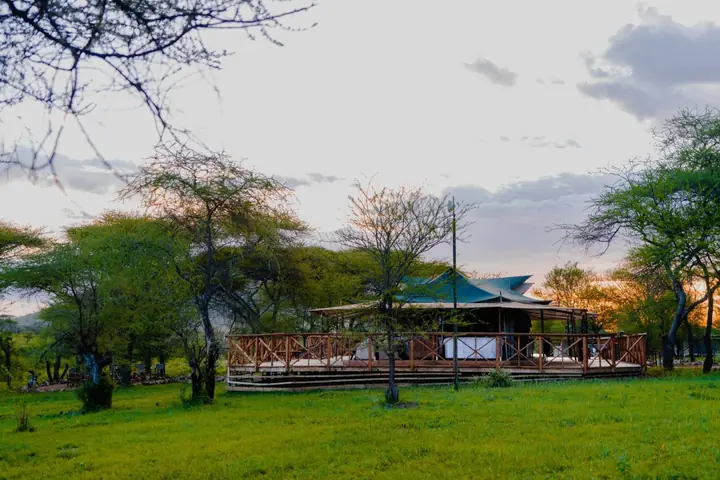
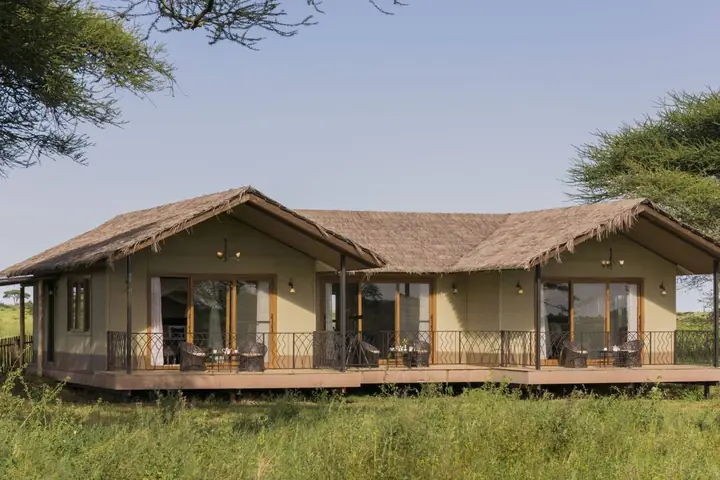
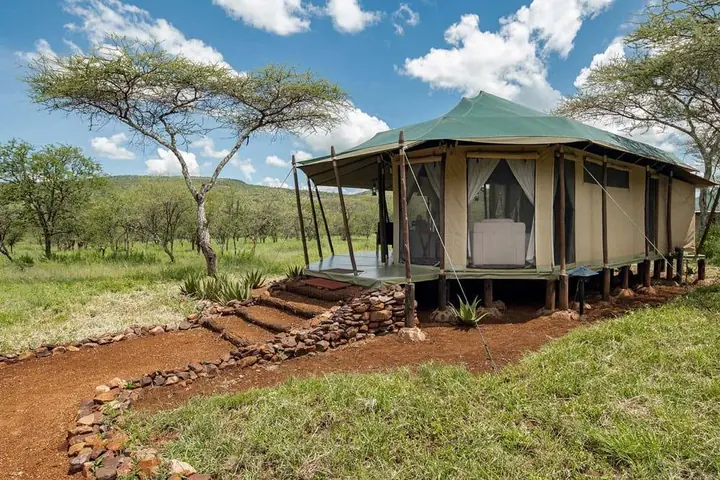
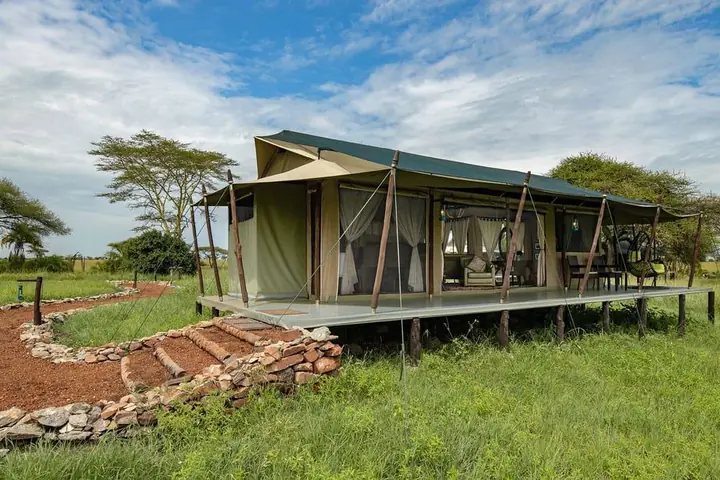
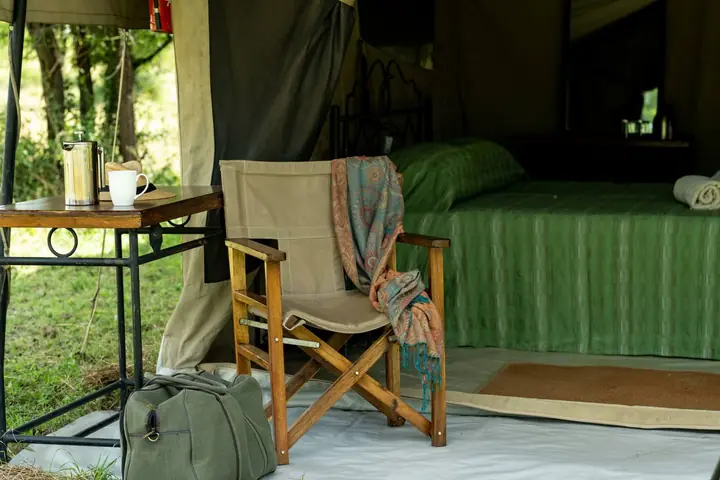
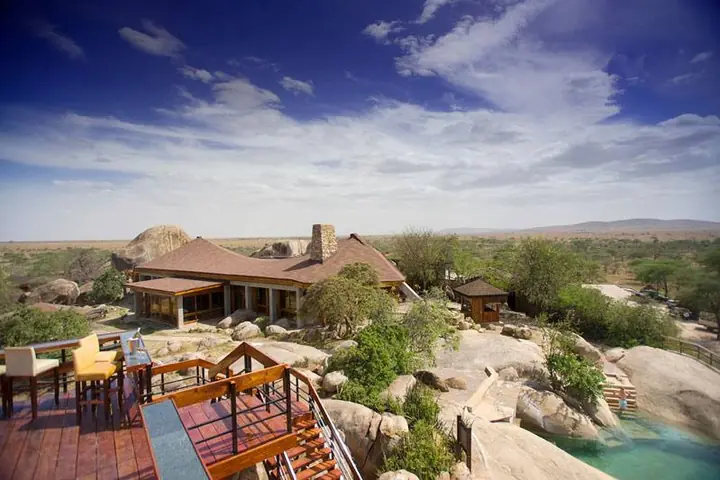
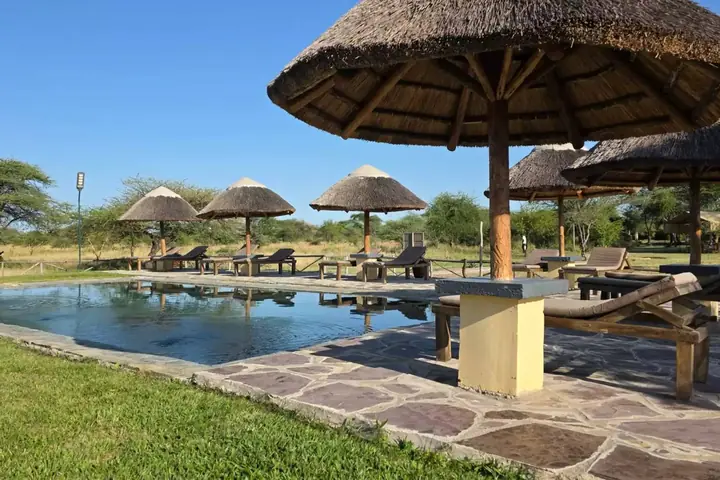
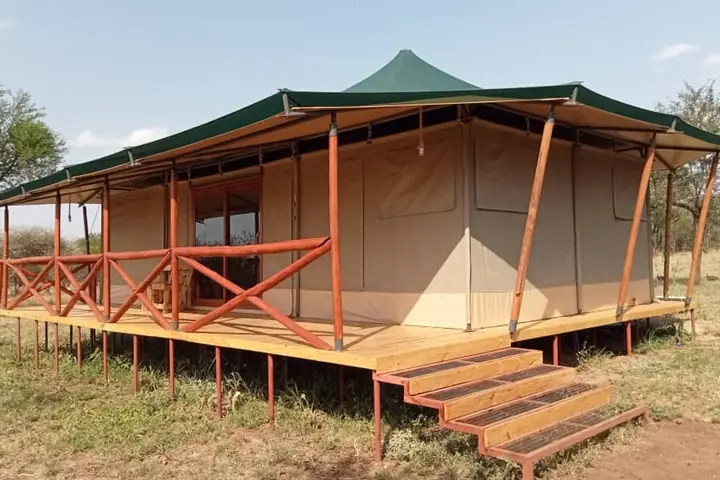
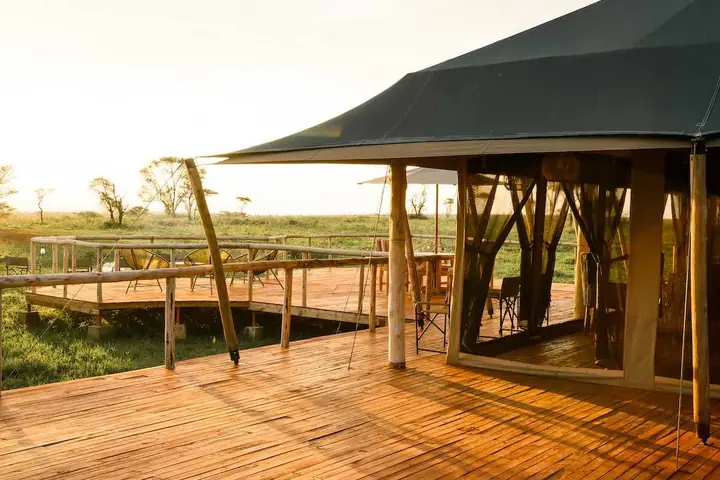
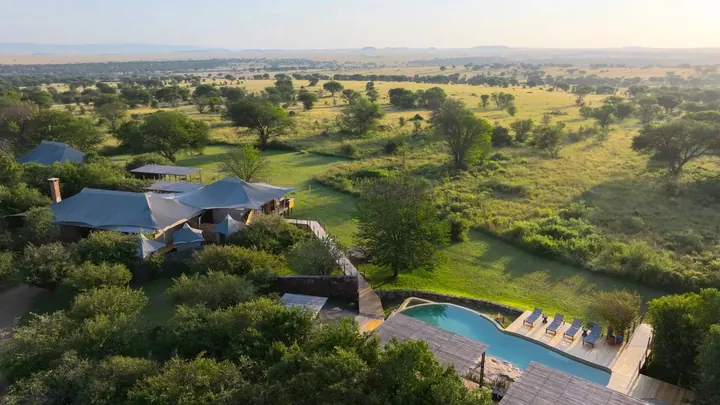
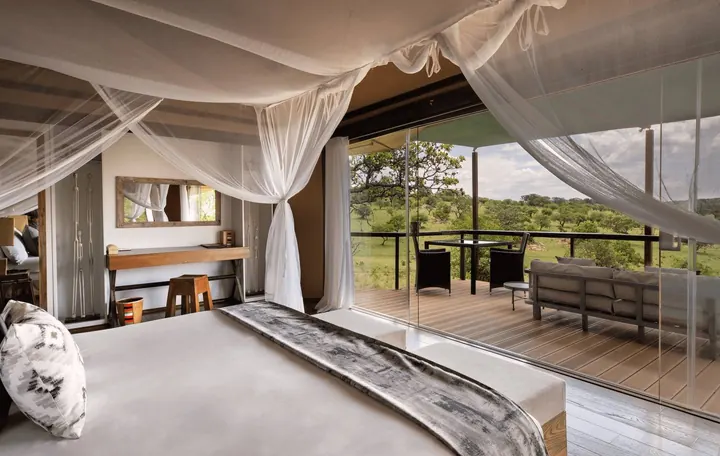
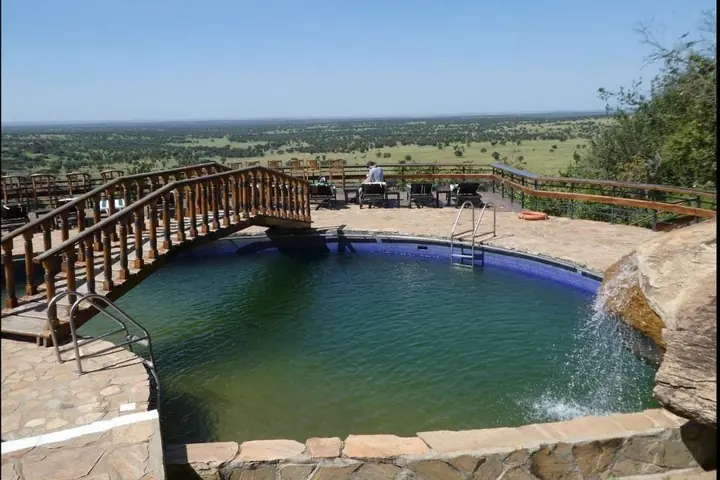
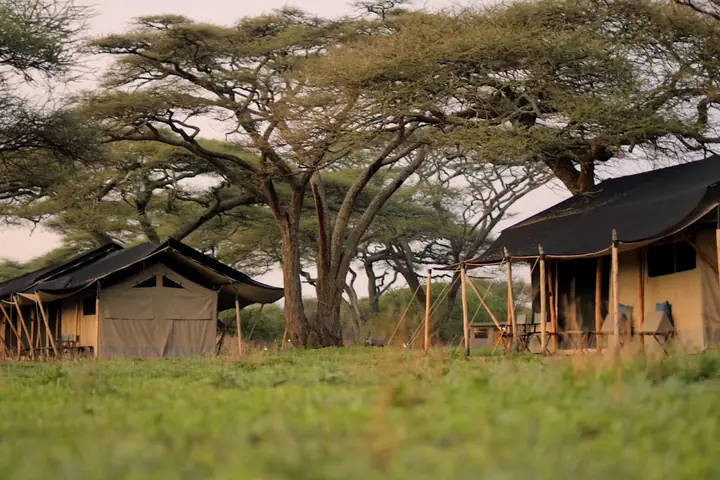
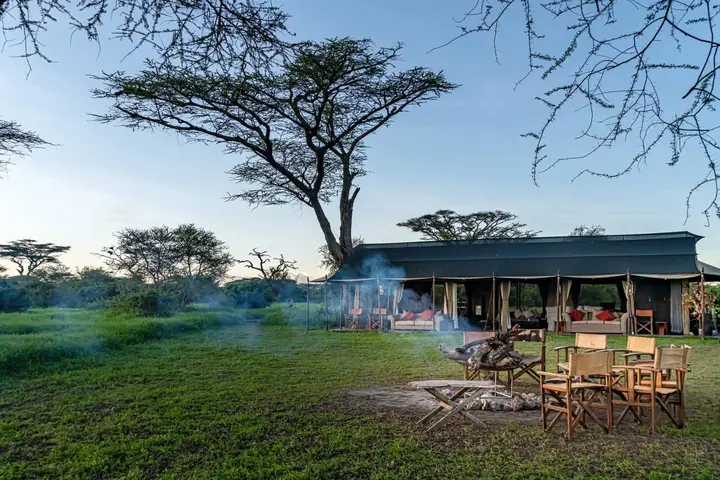
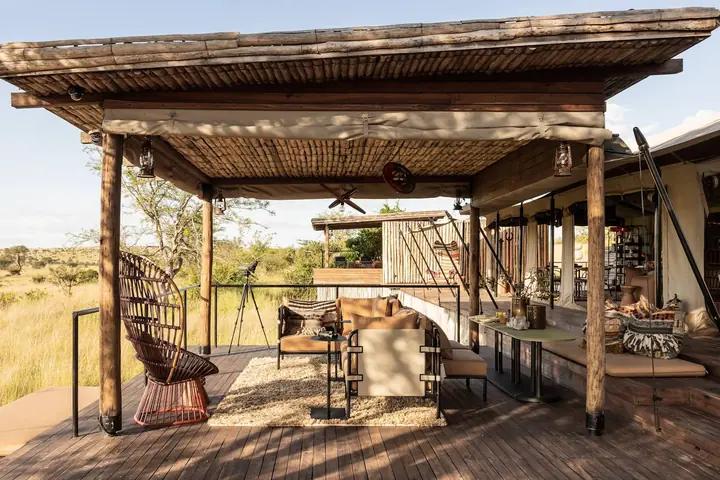
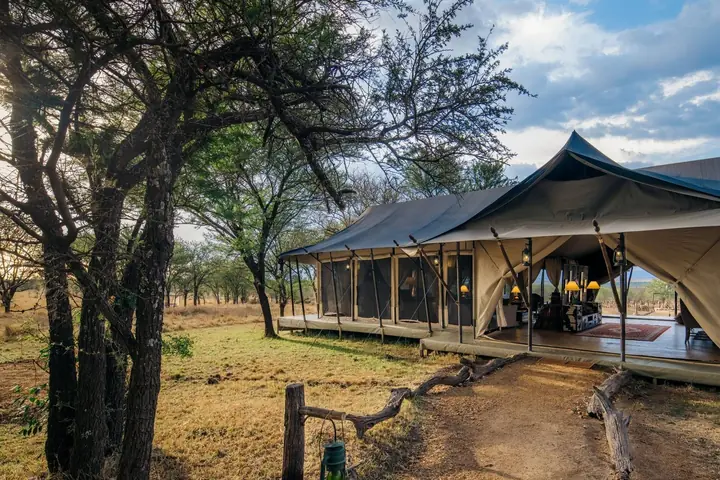
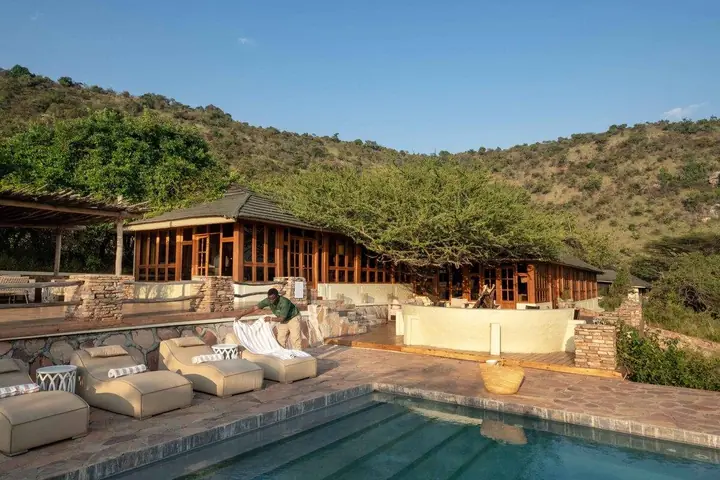
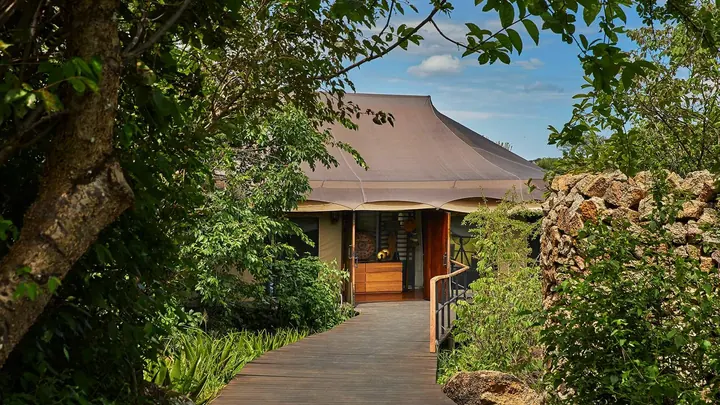
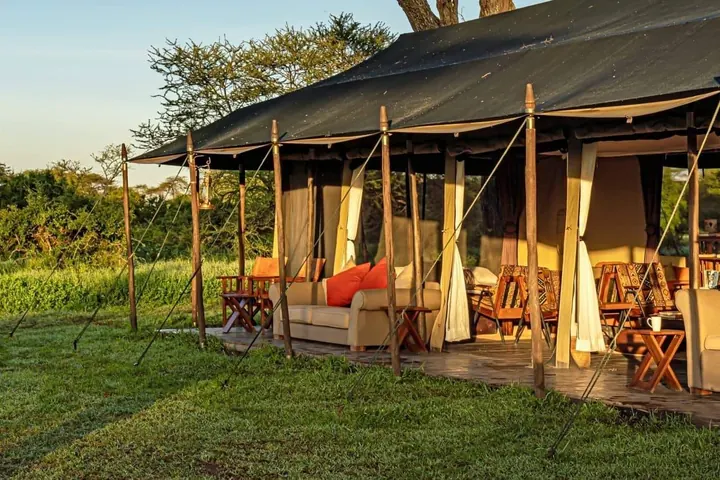
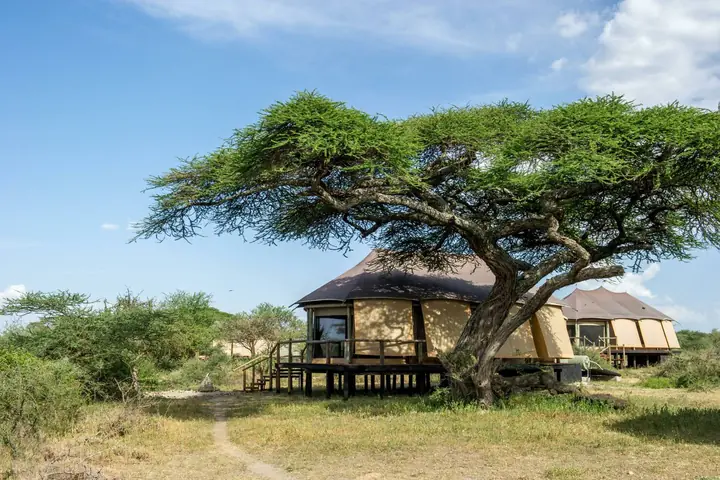
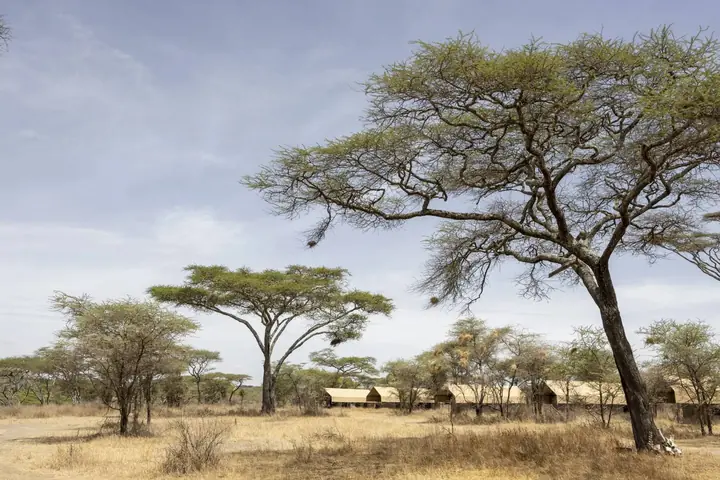
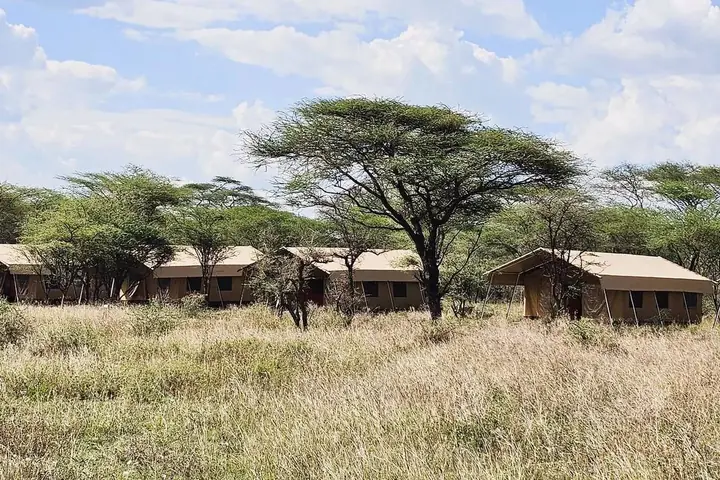
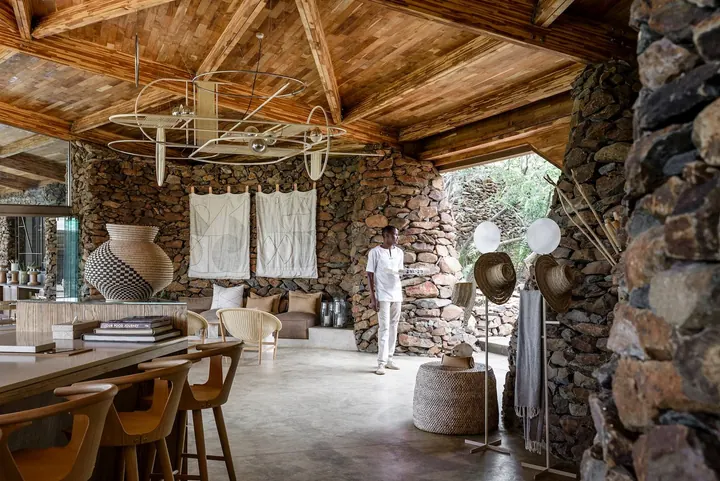
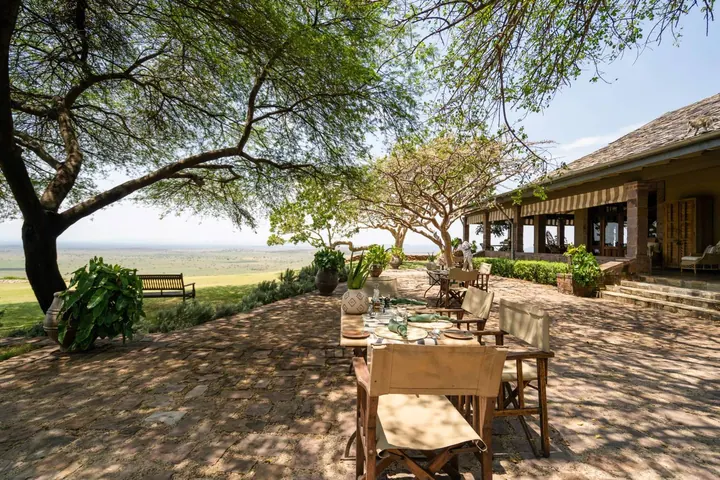
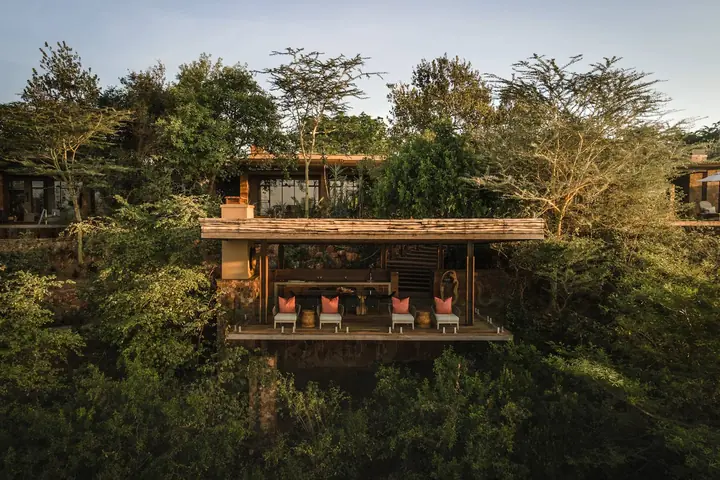
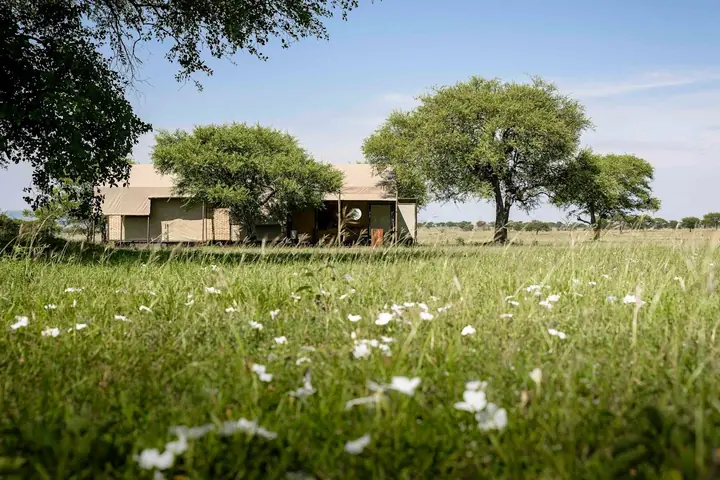
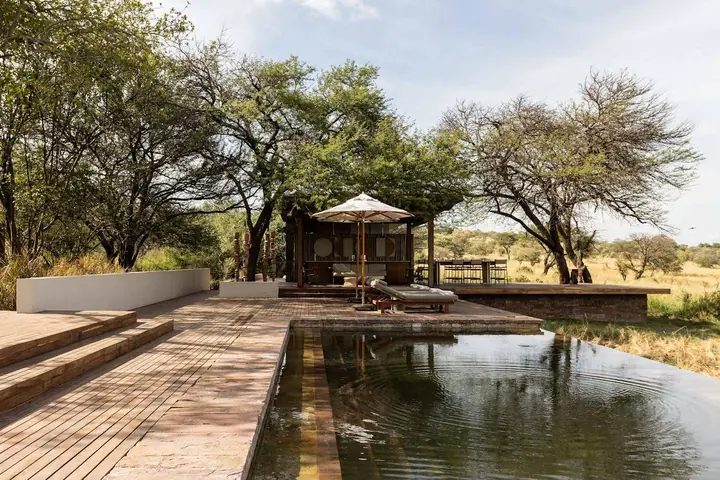
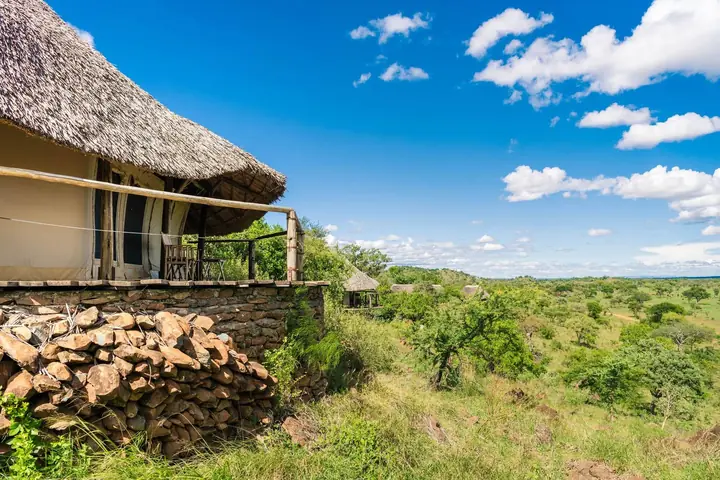
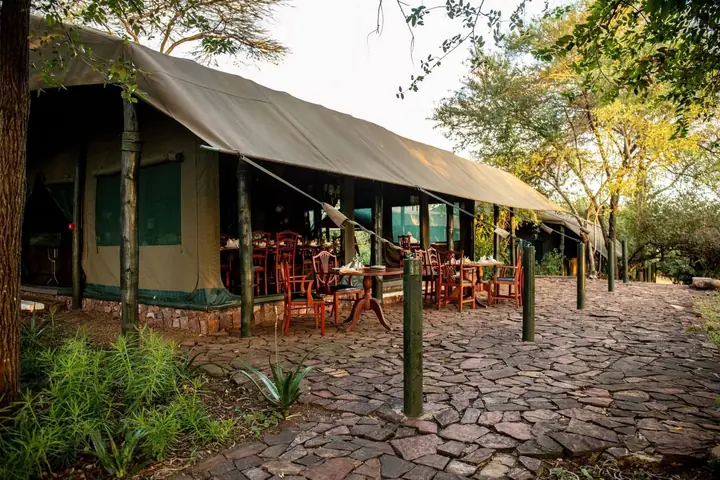
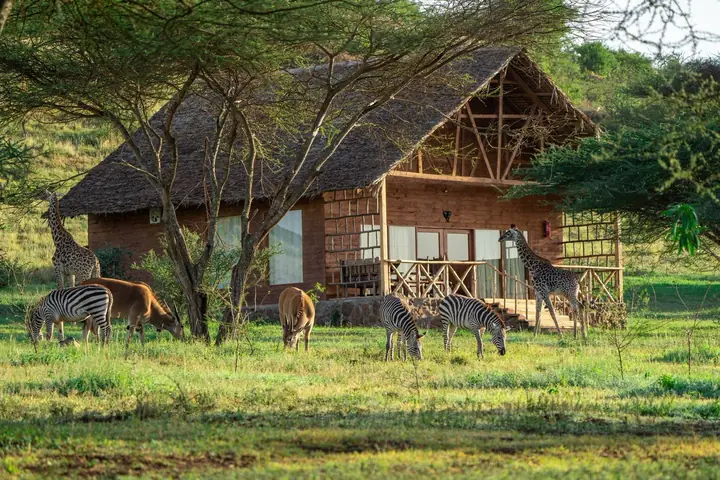
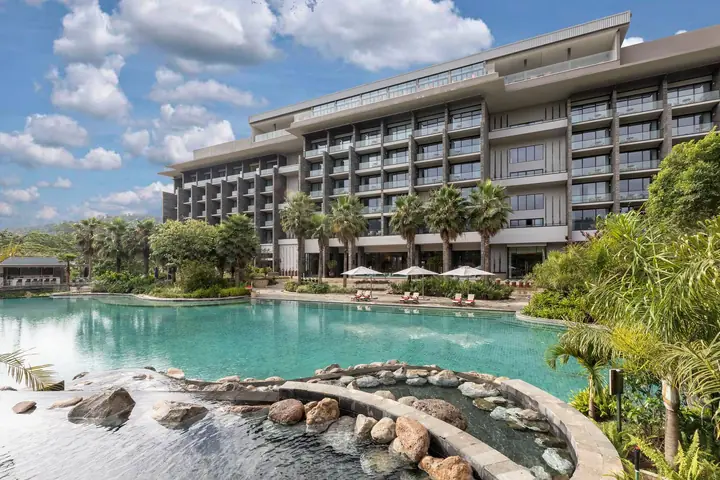
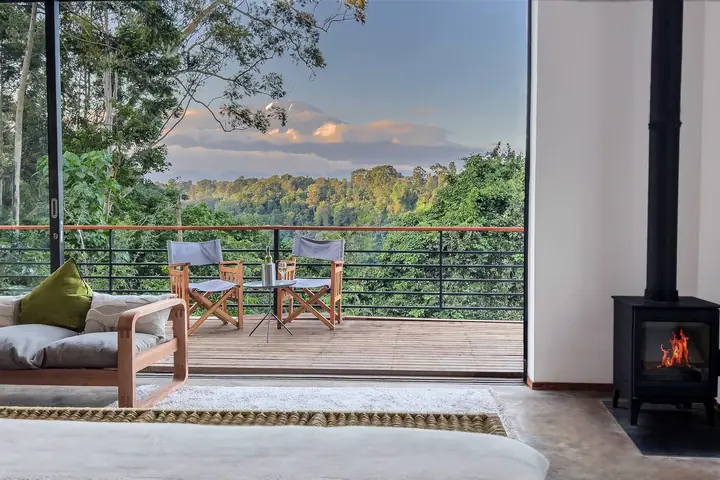
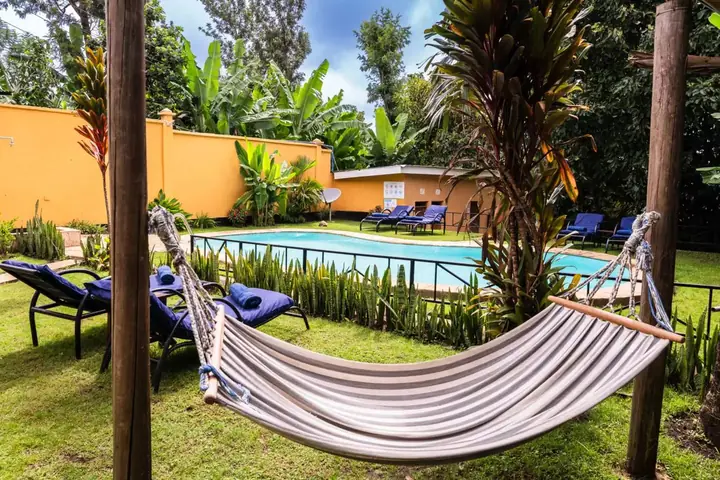
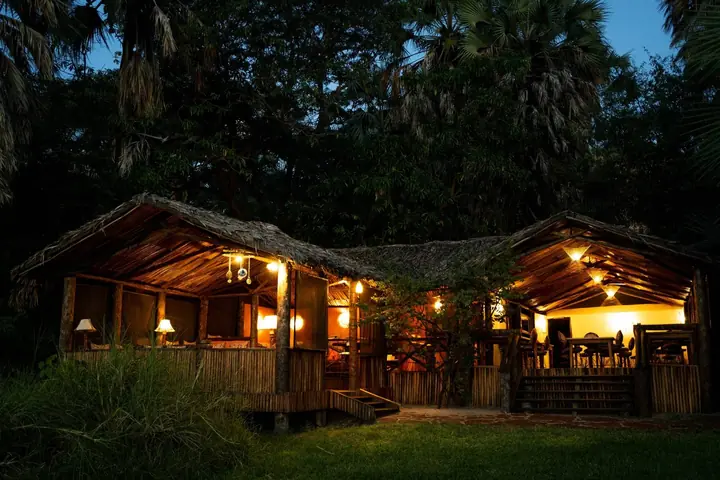
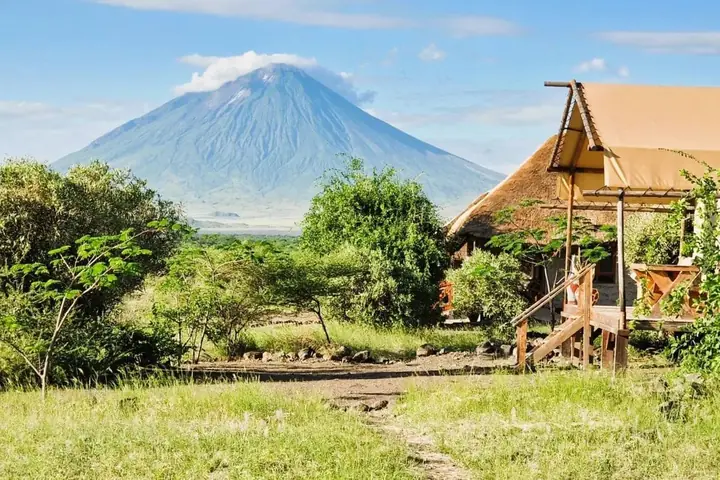
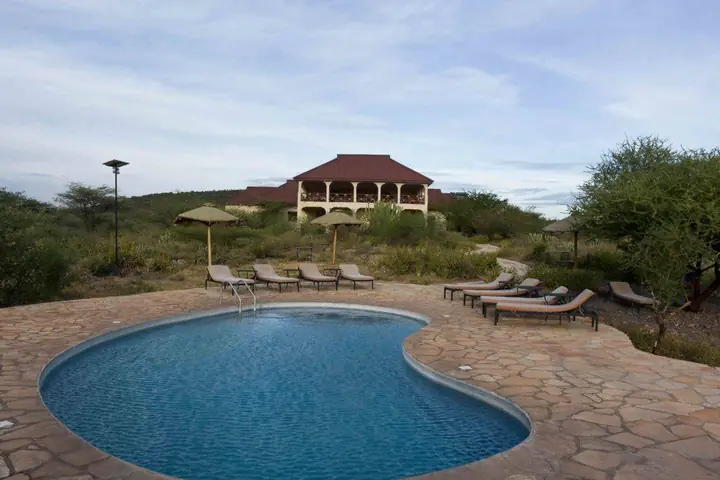
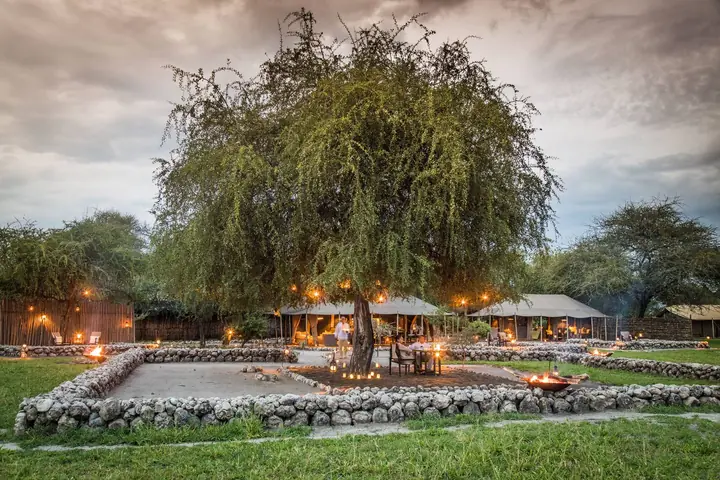
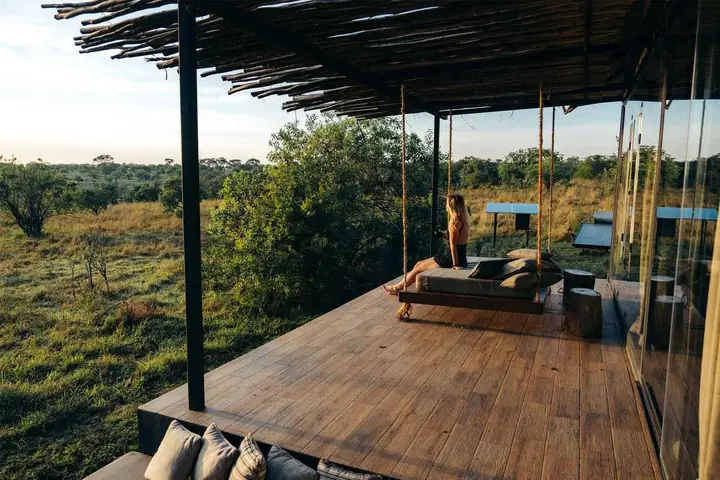
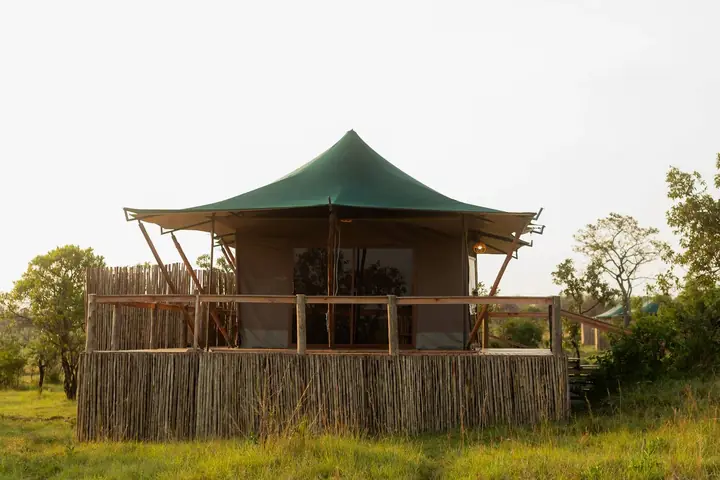
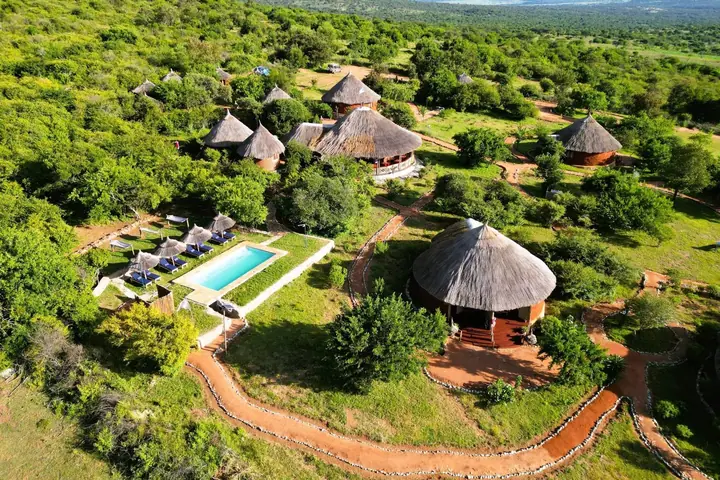
Accommodation ranges from authentic tented camps with en-suite bathrooms and hot bucket showers to luxury lodges with swimming pools and spa facilities. Every property we use has been personally vetted. The common thread is that they all put you close to the wildlife rather than insulating you from it — you will hear lions roaring from your bed, and that is exactly the point.
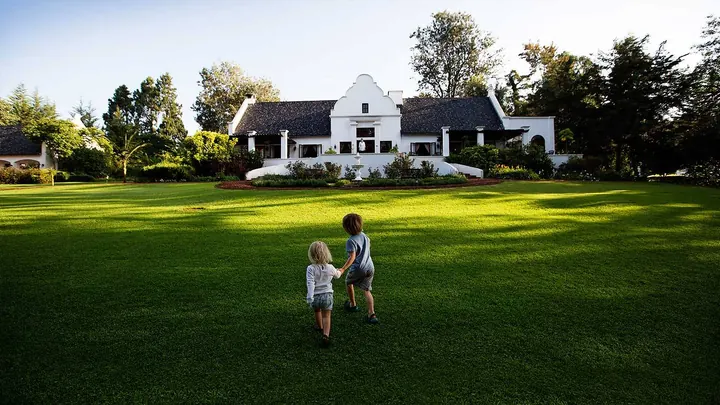
Absolutely. Tanzania is one of the best safari destinations for families, and we run family trips regularly. Children are genuinely welcome at many of the lodges and camps we use, with dedicated family suites, child-friendly menus, and junior ranger programmes that turn every game drive into an educational adventure.
For families with younger children, we recommend the northern circuit — Tarangire, Ngorongoro, and the central Serengeti — where drive times between parks are manageable and the wildlife density means short attention spans are never tested. Game drives can be adapted to shorter durations, and many camps offer bush walks, nature crafts, and stargazing sessions specifically designed for children.
Most national parks have no minimum age restriction for vehicle-based game drives. Walking safaris and some fly-camping experiences may have age minimums of 12 or 16 depending on the property. We will always flag these during the planning stage and suggest alternatives that work for the whole family.