The packing list for an East African safari is shorter than most people expect — and the items that get overlooked are rarely the obvious ones. Here is what to actually bring, what to leave at home, and a few things that will transform how you experience the bush.
The Most Important Rule: Soft-Sided Bags Only
If your itinerary includes any internal flights — and most quality Tanzania safaris do — your luggage must fit into a small aircraft hold. Coastal Aviation and other regional carriers impose strict 15kg weight limits (often enforced), and luggage must be soft-sided. Hard suitcases will not fit. Bring a duffel bag or soft-sided roller. A separate day bag is fine for camera gear in the vehicle.
Clothing: What to Wear on Safari
The golden rule is neutral colours — khaki, olive, sand, tan, brown. Avoid bright colours, white (impractical), and black or dark blue, which attract tsetse flies in certain areas. You do not need specialist safari clothing; well-fitting neutrals from any outdoor retailer work perfectly.
- 3–4 lightweight shirts in neutral colours — long-sleeved preferred for sun and mosquito protection
- 2 pairs of lightweight trousers — zip-off convertible styles are genuinely useful
- 1 pair of smart-casual trousers or a dress for lodge dinners (most camps are relaxed but some are more formal)
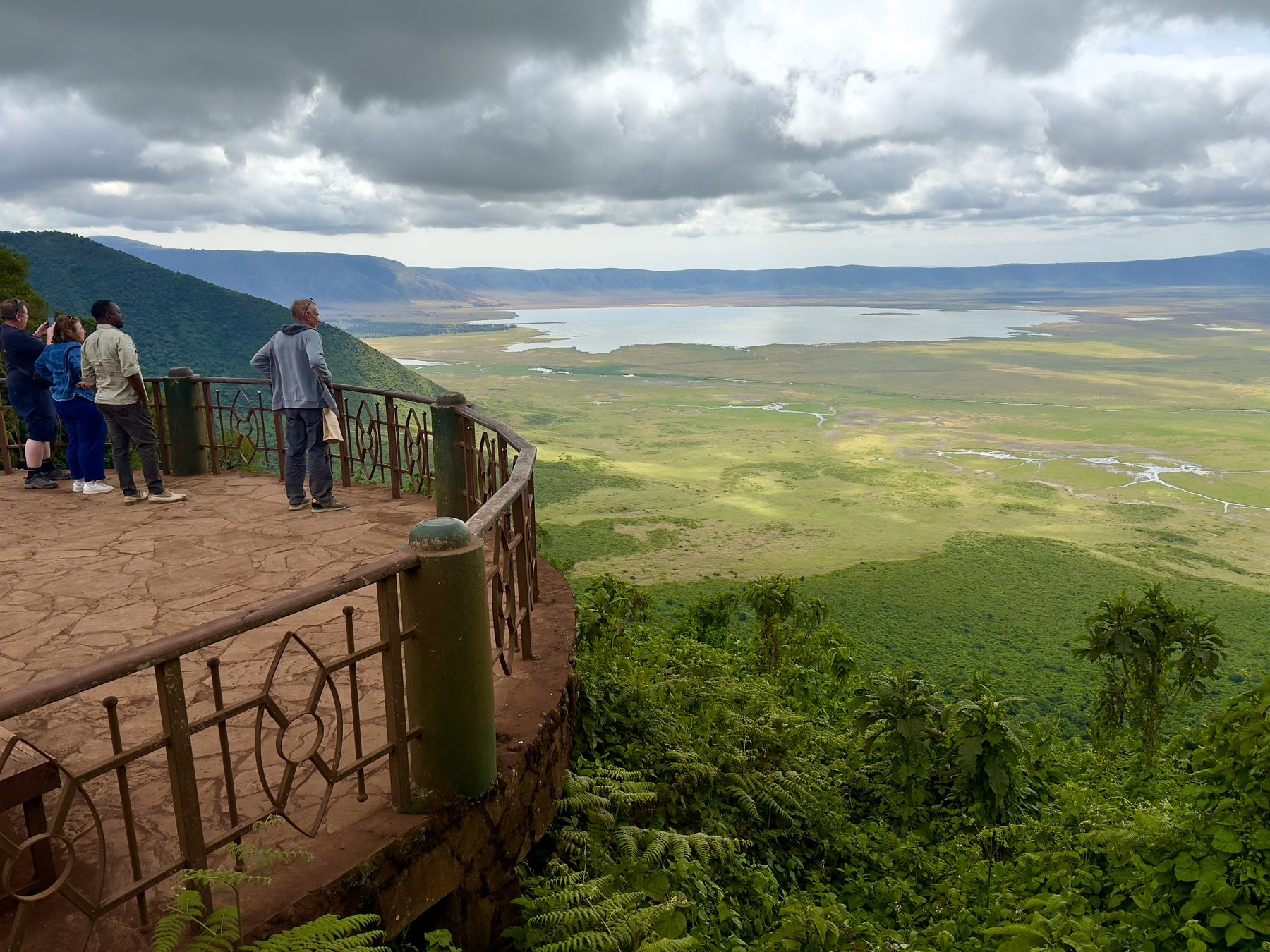
- Warm fleece or softshell jacket — Ngorongoro rim mornings can be genuinely cold (10–15°C), and early game drive starts are chilly year-round
- Light down or packable jacket if travelling June–August
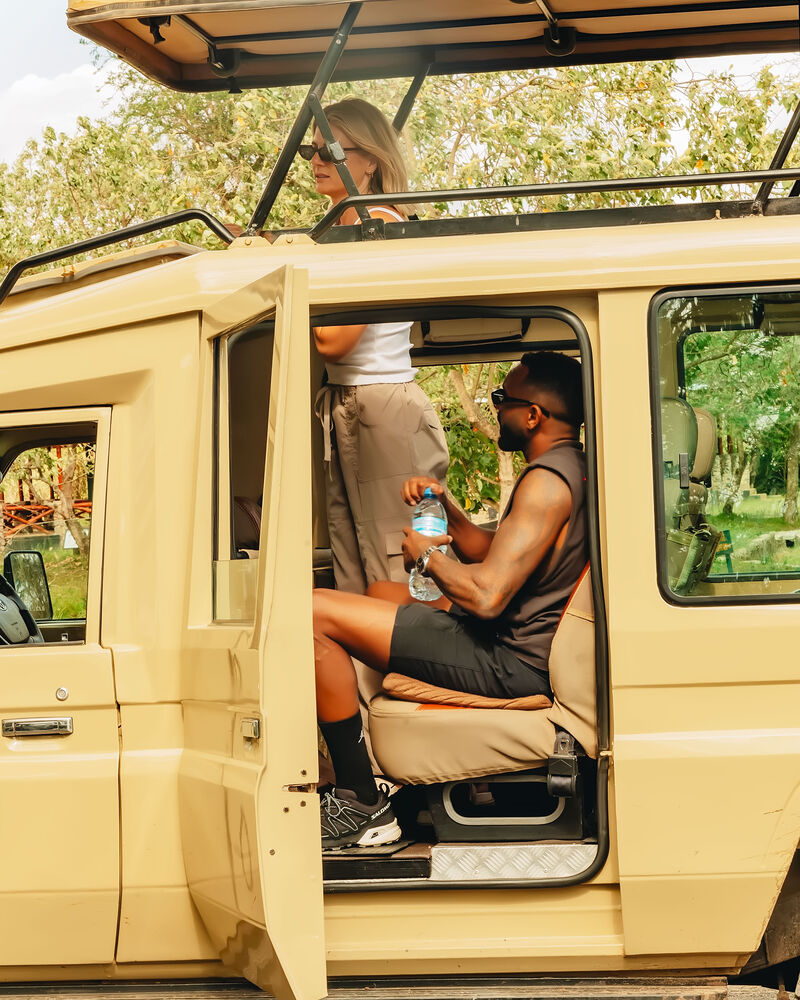
- Wide-brimmed hat — essential, not optional. The sun in an open vehicle is intense
- Comfortable walking shoes with closed toes — for bush walks, boarding aircraft, and walking between vehicles
- Light rain jacket — essential November through May, useful year-round
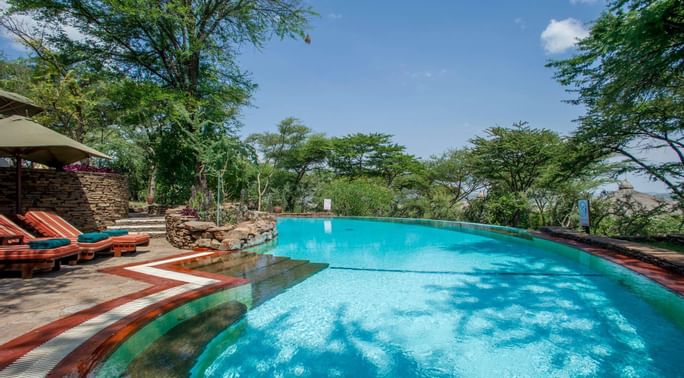
- Swimwear — most lodges have pools; Zanzibar extensions obviously require it
Optics and Electronics
- Binoculars — this is the single most-overlooked item and the one that improves the experience most. 8x42 or 10x42 are ideal. Do not rely on your guide’s pair
- Camera with zoom — 200mm minimum for wildlife; 400mm if wildlife photography is a priority. A mirrorless body with a 100–400mm zoom covers most situations
- Extra memory cards and batteries — charging is available at most camps but not always reliable at smaller tented camps
- Dust-proof camera bag or cover — the roads can be significantly dusty in dry season
- Universal travel adaptor — Tanzania uses the British three-pin plug (Type G)
- Headtorch — essential for tented camps. You will need it to navigate between tents at night
Health and Comfort
- High-SPF sunscreen — 50+ recommended; reapply every few hours in open vehicles
- DEET-based insect repellent — 30–50% DEET for malaria-endemic areas. Apply to exposed skin from dusk onwards
- Malaria prophylaxis — consult your travel doctor. Most of northern Tanzania is lower risk than the south, but prophylaxis is generally recommended
- Hand sanitiser — lodges provide it, but useful to carry in vehicles
- Personal prescription medications — bring more than you need with original packaging
- Reusable water bottle — lodges refill freely; plastic bottles generate significant waste
Documents and Essentials
- Passport valid for at least 6 months beyond your return date
- Tanzania/Kenya visa — Tanzania offers e-visa online; Kenya offers e-visa or on-arrival. We confirm requirements for every booking
- Yellow fever certificate — required if coming from or transiting through a yellow fever-endemic country
- Travel insurance documentation — must include emergency medical evacuation cover. Non-negotiable
- Small amount of USD cash for tips and small purchases
What NOT to Bring
- Hard suitcases (see above — light aircraft restrictions)
- Bright-coloured clothing
- Camouflage — restricted in several East African countries
- Excessive jewellery
- Your own camping equipment — camps provide everything
If you have specific questions about packing for your particular itinerary — especially if it includes Zanzibar, gorilla trekking, or Kilimanjaro — ask us when you book. We include a personalised packing guide with every confirmation.
Ready to Experience This?
Let us plan your trip
Every safari we build is tailored to you — the right parks at the right time, guides who know exactly where to be. Tell us your dates and we’ll take it from there.