Planning a Tanzania safari from Australia is easier than most people expect, but the distance means the details matter. Get the flights, the timing and the trip length right and the long haul disappears into the background. Get them wrong and you spend your first two days exhausted and your last day sprinting for a connection. We're an Australian-owned safari company with our own team in Tanzania, and this is the exact planning framework we walk our guests through.
What a Tanzania Safari Costs from Australia
Prices are per person, twin share, in Australian dollars, with a private vehicle and guide, every night, park fees and the flights inside Tanzania. International flights from Australia are extra. Each figure is the price of a real quote we wrote and locked for two adults, rounded down to the nearest A$500, so it shows what a couple has actually been quoted rather than a brochure number.
| Style | Nights | Priced for | From, per person |
|---|---|---|---|
| Budget camps and lodges | 10 | November, the green season | A$7,000 |
| Mid-range lodges and camps | 10 | September, dry season | A$11,000 |
| Luxury lodges | 14 | September, dry season | A$16,500 |
The same trips with a Zanzibar beach finish, Kenya added, or Botswana or Victoria Falls for a second country are on our Tanzania and Zanzibar, Kenya and Tanzania and Botswana and Victoria Falls pages, each with a day by day and a from-price.
Why a private safari costs more than some prices you may have seen: a shared-vehicle or group safari splits the vehicle and guide between several strangers, and many headline figures include international flights. On a private safari the vehicle and guide are yours for every day however many of you there are, park fees are charged per person per day, and the camp you sleep in sets most of the rest. What a Tanzania safari costs goes through it line by line.
Getting There: Flights from Australia
There's no nonstop flight from Australia to East Africa, so every routing goes through one connecting hub. The main options from the east coast and Perth:
- Via Johannesburg (Qantas): nonstop Sydney or Perth to Johannesburg, then a regional connection north to Kilimanjaro. Often the least total travel time from Australia, and the whole journey stays in familiar hands.
- Via Singapore and Addis Ababa (Ethiopian Airlines): a well-priced routing that lands at Kilimanjaro directly. Ethiopian has the deepest African network of any carrier.
- Via Bangkok and Nairobi (Kenya Airways): lands in Nairobi with a short one-hour hop across to Kilimanjaro.
- Via a Gulf hub (Qatar Airways, Emirates): connections through Doha or Dubai into Dar es Salaam, Zanzibar or Nairobi. Worth comparing on price and schedule.
Flying from your city
These are the routes we plan around for each Australian city. Carriers and days change with the season, so this is not a timetable: we check the days and times for your dates before anything goes into a quote.
| Leaving from | Usual routings to Kilimanjaro or Zanzibar | Worth knowing |
|---|---|---|
| Sydney | Qatar Airways via Doha; Emirates via Dubai into Nairobi or Dar es Salaam, then a short hop; Singapore, then Ethiopian via Addis Ababa; or Qantas nonstop to Johannesburg and on | The best-connected city. Qantas flies nonstop to Johannesburg about four times a week, around 14 hours 50 minutes. |
| Melbourne | Qatar Airways via Doha; Emirates via Dubai; Singapore Airlines to Johannesburg and on | No nonstop to Africa. Qatar's full African network is open from Melbourne. |
| Brisbane | Emirates via Dubai into Nairobi or Dar es Salaam, then a short hop to Kilimanjaro; or through Sydney or Melbourne onto Qatar Airways | Emirates is the dependable one-stop. We check whether Qatar is flying from Brisbane for your dates, and otherwise feed through Sydney or Melbourne. |
| Perth | Qantas nonstop to Johannesburg, then on; Emirates via Dubai; Qatar Airways via Doha | The closest city to Africa. Qantas flies nonstop to Johannesburg three times a week, around 11 hours 15 minutes, the quickest way from Australia. |
From the Gold Coast we position through Brisbane or Sydney, and ticket the short first flight on the same booking so a late connection is protected.
Total journey time runs 20 to 26 hours depending on the connection. Your target is Kilimanjaro International Airport (JRO), which sits between Arusha and Moshi, about an hour's drive from where the northern safari circuit begins. Book international flights as soon as your safari dates are locked in. Peak-season seats tighten quickly and prices only move one way close to departure.
The soft landing rule: after 20-plus hours of flying, your first night is a rest night. We book our guests into Arusha with nothing planned beyond dinner. The safari starts the next morning when you're fresh. Never let anyone schedule a game drive off the back of your arrival flight.
When to Go
Tanzania is a year-round destination with two windows that suit most Australians. The dry season from June to October is the classic choice: thin vegetation, wildlife concentrated at water, reliable clear weather, and the Great Migration in the northern Serengeti with river crossings from July to October. It's also the busiest and most expensive window, and it lines up neatly with Australian winter school holidays.
January and February bring the calving season on the southern plains, when hundreds of thousands of wildebeest are born in a matter of weeks and the predator action is the most intense in Africa, at noticeably lower prices. The one month we steer everyone away from is April: the heart of the long rains, when roads deteriorate and some camps close. For the full month-by-month picture, read our guide to the best time to visit Tanzania.
How Long Do You Need?
This is where the distance from Australia shapes the trip. With two long-haul days bookending your holiday, a short safari doesn't do the journey justice. Our recommendation:
- 7 nights on the ground is the minimum for the northern circuit: Tarangire, Lake Manyara, the Ngorongoro Crater and the Serengeti, at a pace that doesn't feel like a bus tour.
- 10 to 12 nights is the sweet spot. The full circuit plus three or four nights on Zanzibar to finish. This is how most of our Australian guests structure it.
- Two weeks or more opens up the quieter southern parks, gorilla trekking in Rwanda or Uganda, or simply a slower safari with more time at each camp.
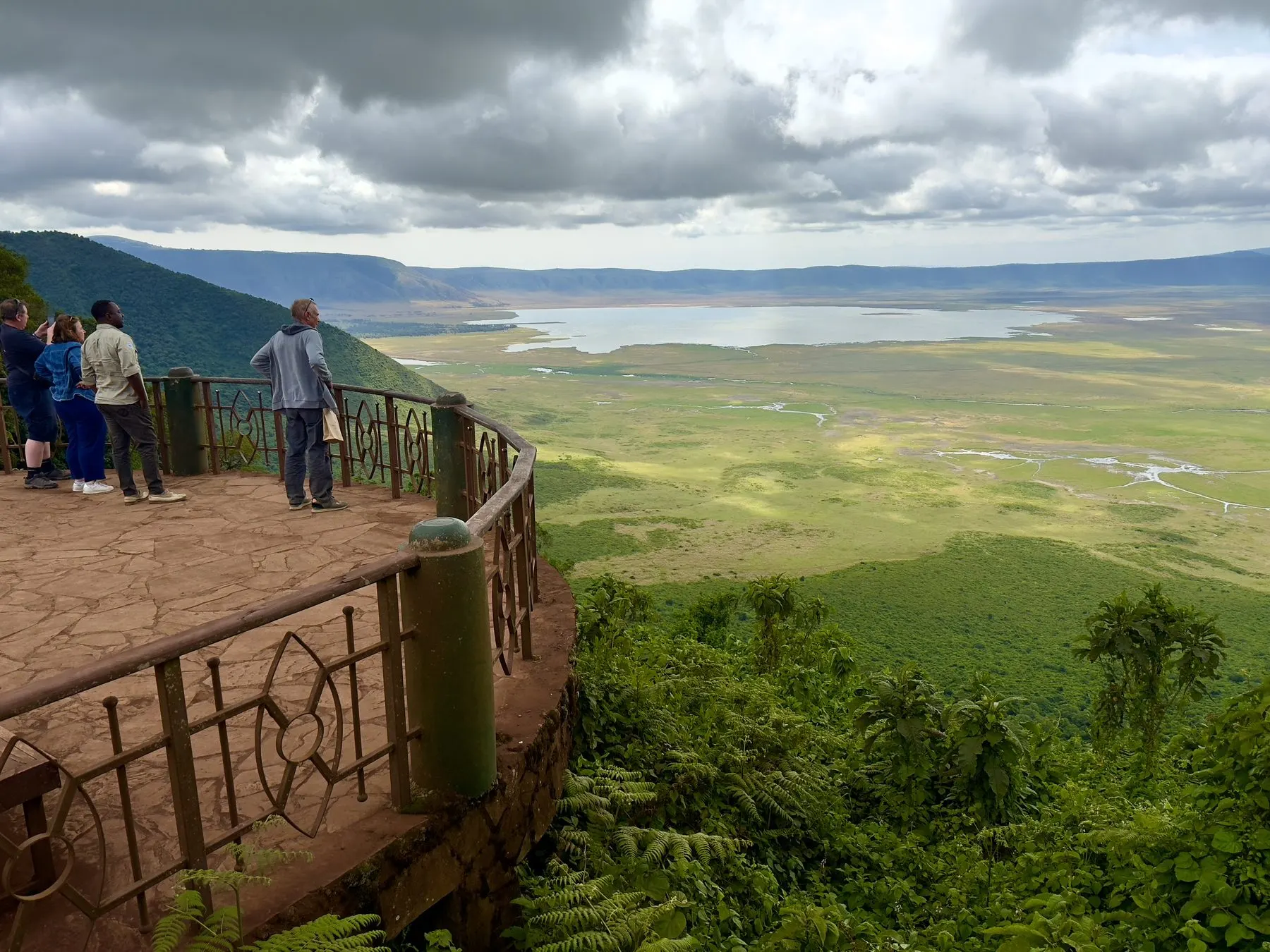
A typical shape: land at Kilimanjaro and overnight in Arusha, two or three nights in the Tarangire and Lake Manyara area, a dawn descent into the Ngorongoro Crater, then two or three nights in the Serengeti. From there you fly back on a light aircraft rather than retracing the roads, and connect straight to Zanzibar for the beach. Safari first, beach second. Always in that order: you want the early mornings while you're keen, and the barefoot recovery at the end. Our trip-length guide goes deeper on this.
Visas and Entry
Visas are yours to arrange, and for Tanzania the way to do it is the official government eVisa at visa.immigration.go.tz, applied for online before you leave home. It's worth starting early, as the online systems can be slow. A visa on arrival technically exists, but airlines can and do refuse boarding to passengers without a visa in hand, so we treat the eVisa as non-negotiable and only ever through the official government website, not the lookalike agency sites that charge a premium for the same thing.
Your passport needs six months of validity beyond your travel dates and a couple of blank pages. From 1 October 2026, Tanzania also asks every visitor for inbound travel insurance (about USD 44 per adult), bought online before you fly or on arrival, and one policy covers your whole trip, mainland and Zanzibar both. Since 17 October 2026, every arriving traveller also fills in Tanzania's health surveillance form, before you fly or on arrival. If Zanzibar is on your itinerary there's also a small per-night infrastructure fee collected by your hotel on the island. We walk every guest through all of this in the pre-departure pack, with the official links.
Health Prep
Book a travel clinic appointment early and take your full itinerary. The safari regions are malaria areas, and what you take for it is your doctor's call. On yellow fever, we generally tell people the vaccine is worth having, as one shot lasts a lifetime, but your doctor always has the last say. Take your exact flight itinerary to the clinic. Beyond that it's the usual: routine vaccinations up to date, decent travel insurance that covers the activities you're planning, and any personal medication in your hand luggage.
Money
Tanzania runs on the Tanzanian shilling, and local purchases are made in shillings. Lodges and camps on the tourism circuit take cards for extras like massages and gift shops, though a small card surcharge is common. Carry some cash for the little things and for tipping, which is customary for guides and camp staff. Your guide will help with the practicalities on day one; it's a five-minute conversation, not a research project.
As for what the trip itself costs, we've written a full breakdown in Australian dollars, covering what drives the price and where the money actually goes: How much does a Tanzania safari cost?
The Practical Details Australians Ask About
Time difference and jet lag
Tanzania is seven hours behind the Australian east coast, which is a gentler adjustment than flying to Europe or the US. Most guests are on local rhythm within a day or two, helped by the fact that safari naturally puts you to bed early and up at dawn.
Luggage on internal flights
The light aircraft that hop between the parks and Zanzibar have strict luggage rules: soft-sided bags only, typically around 15 kilograms including hand luggage. Leave the hard-shell suitcase at home. We remind every guest before packing, but it's the single most common surprise for first-timers, so plan around it from the start.
Phone and internet
Most camps and lodges have Wi-Fi in the main areas, and mobile coverage across the northern circuit is better than most people expect. An eSIM set up before you leave Australia is the easy option. That said, the best thing about the Serengeti is that nobody expects a reply.
Booking lead time
For the July to September peak, the best camps fill 12 to 18 months out, especially for the northern Serengeti in crossing season. January-February calving trips want 9 to 12 months. Shoulder-season trips can come together in less, but the golden rule from Australia is simple: lock the safari first, then book the international flights around it.
Why Book with an Australian Operator?
Most safaris sold in Australia are resold: an Australian agent hands your trip to an overseas wholesaler, who hands it to a ground operator you've never heard of, and every layer takes a cut. We built Kingse to remove those layers. We're Australian-owned, our own guides run our operation in Tanzania, and the people who design your trip are the same people who deliver it. You deal with us in your time zone, pay in Australian dollars, and when you land at Kilimanjaro it's our crew holding the sign with your name on it.
That structure isn't just cleaner, it's the difference between an itinerary assembled from a rate sheet and one built by people who drove those roads last week.
Frequently Asked Questions
How do you get to Tanzania from Australia?
Via one connecting hub: Johannesburg with Qantas, Singapore and Addis Ababa with Ethiopian, Bangkok and Nairobi with Kenya Airways, or a Gulf hub with Qatar Airways or Emirates. Around 20 to 26 hours door to door, arriving at Kilimanjaro International Airport.
Do Australians need a visa for Tanzania?
Visas are yours to arrange, online before you leave home and only through the official site, visa.immigration.go.tz. It's worth starting early, as the online systems can be slow. Don't rely on visa on arrival; airlines can refuse boarding without a visa in hand.
How long should the trip be?
Seven nights minimum on the ground for the northern circuit. Ten to twelve nights fits the circuit plus a Zanzibar finish, which is the shape most Australian guests choose.
When should I go?
June to October for the classic dry season and the Migration; January and February for calving season and better value. Avoid April.
How much does a Tanzania safari cost from Australia?
From about A$7,000 per person for ten nights in budget camps, A$11,000 for ten nights in mid-range lodges in the dry season, and A$16,500 for fourteen nights in luxury lodges, twin share, with a private vehicle and guide, park fees and internal flights included and international flights extra. Those are real quotes rounded down. See the table above and what a Tanzania safari costs.
Which Australian city has the easiest flights to Tanzania?
Perth is the closest, and Sydney is the best connected. No Australian city has a nonstop flight to Tanzania, but Qantas flies nonstop to Johannesburg from Sydney and Perth, and every city has one-stop routings through Doha, Dubai or Singapore. We compare them for your dates.
Do I book my own flights, or do you?
Either works. You can book your own international flights or we can arrange them with you, and either way we plan your first and last days around when you land and when you leave.
Is Tanzania safe?
The northern safari circuit is a mature, well-run tourism region in one of East Africa's most stable countries, and on safari you're with a professional guide the whole time. Standard travel precautions apply in cities.
Ready to Start?
Let us plan your trip
Tell us your dates and who's coming, and we'll build a Tanzania itinerary around you: flights advice, the right parks in the right season, and our own guides on the ground. You'll deal with us in your time zone, start to finish.