Kenya is a year-round safari destination with an extraordinarily varied landscape, from the open grasslands of the Maasai Mara to the acacia scrubland of Samburu to the Kilimanjaro-framed plains of Amboseli. Timing your visit correctly makes a significant difference to what you experience and where you should be. Here is a clear-eyed guide to every season.
The Quick Answer
Best overall: July to October, the dry season, the Great Migration crossing window in the Mara, and outstanding game viewing across all parks. Best value window: November to December or January to March: green season with resident wildlife at full activity and significantly lower prices.
Understanding Kenya’s Climate
Kenya straddles the equator and its climate is determined more by altitude and regional geography than by north-south seasons. The main seasonal pattern for safari purposes is:
- Long rains (April to June): Heaviest rainfall, some roads difficult, lowest prices, fewest visitors
- Dry season (July to October): Peak safari season, Migration crossings in the Mara, best game viewing
- Short rains (November): Brief, often afternoon showers only
- Dry season (December to March): Second best safari window, green landscapes, excellent resident wildlife
Different parks respond differently to these seasons, which is why park selection matters as much as timing.
July to October: Peak Season and the Migration
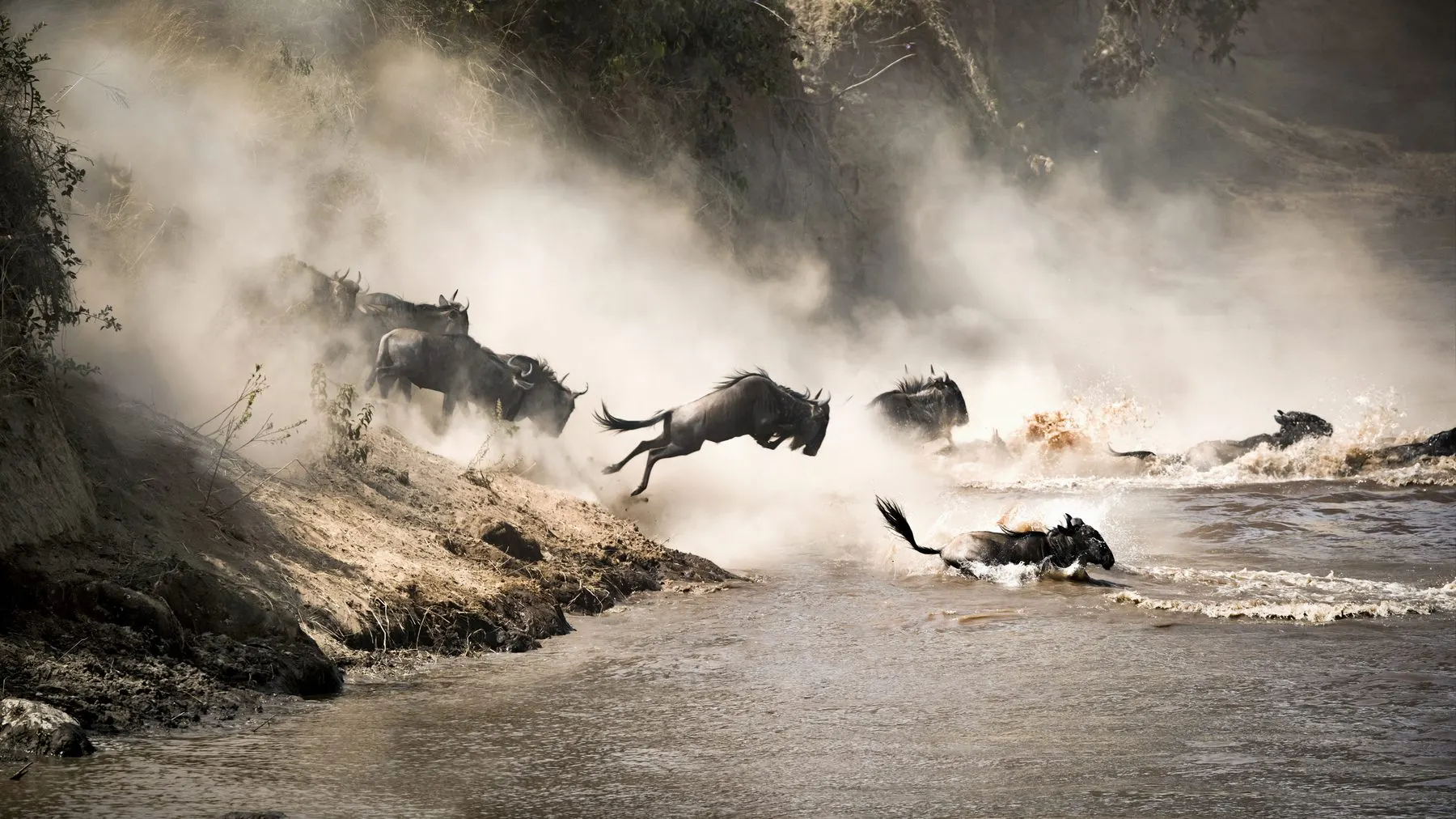
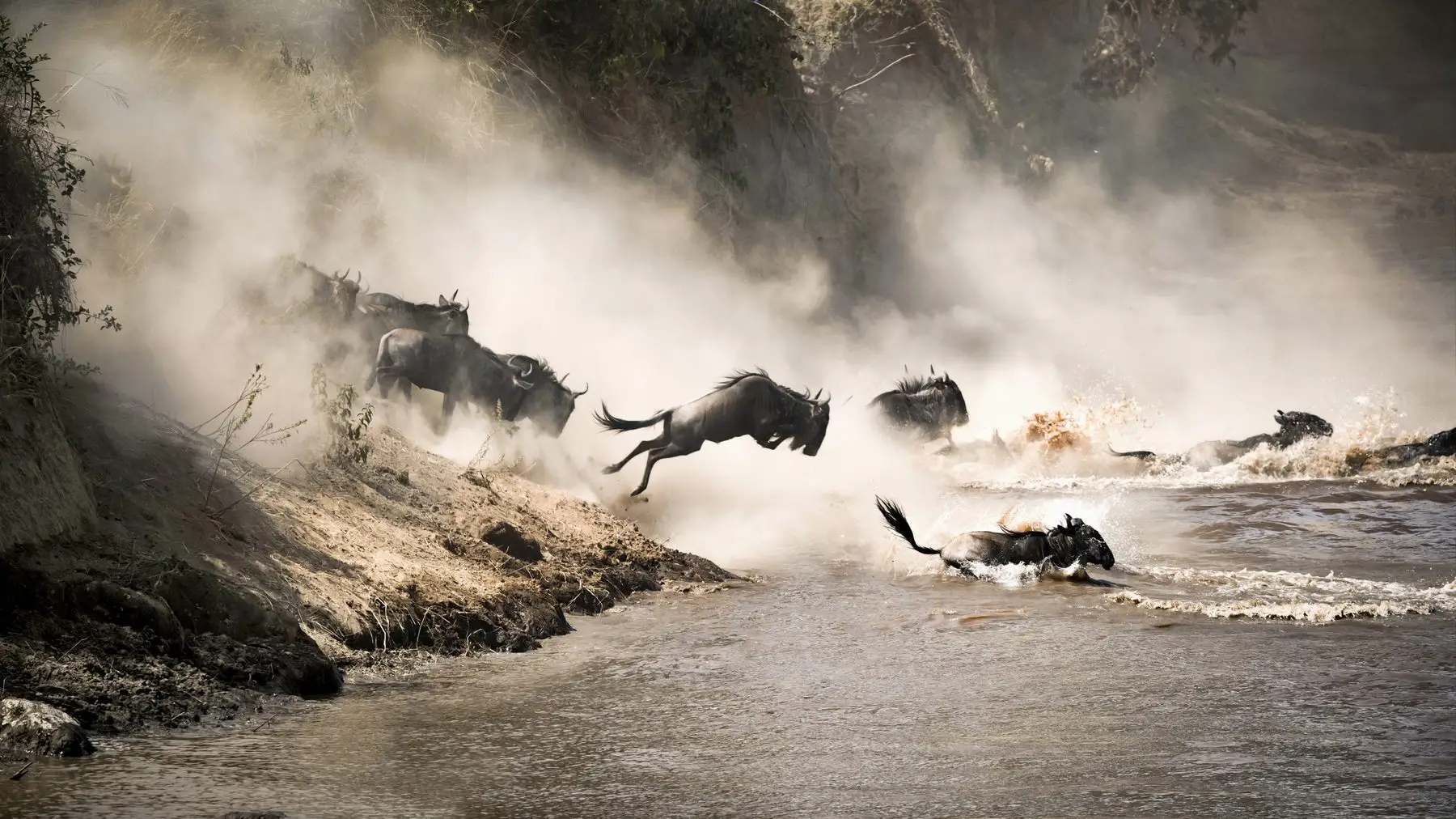
This is Kenya’s main safari season, built around the arrival of the Great Migration herds from Tanzania. The wildebeest cross the Mara River typically from July onward, with the peak crossing activity in August and September. The Mara Triangle and the eastern Mara reserve (near Talek) both have active crossing points, with the Mara Triangle generally offering a less congested experience.
Beyond the Migration, the dry season is excellent across all Kenyan parks. Game concentrates around water, vegetation is low enough for good visibility, and the weather is largely reliable. July and August can be cold at night in the highlands. The Mara sits at 1,500 metres, so bring layers even in the middle of the dry season.
Book ahead: Peak Mara camps. Angama Mara, Cottar’s, Mara Plains, Sanctuary Olonana, need to be booked 12 to 18 months ahead for August and September. Later booking works for other months.
January to March: The Green Season
The short rains have cleared and Kenya is in its second dry window. The landscape is green and lush, a very different visual palette from the golden-grass dry season. The resident wildlife in all parks is fully active: lions, cheetah, elephant, buffalo are all present and behaving normally. No Migration herds, but the Mara’s resident predator population is substantial even without them.
This is an excellent window for a Kenya safari at lower cost. January to March prices are significantly below peak season and the crowds simply do not exist. For photographers who want clean backgrounds and soft green light, this is arguably the most beautiful time to visit.
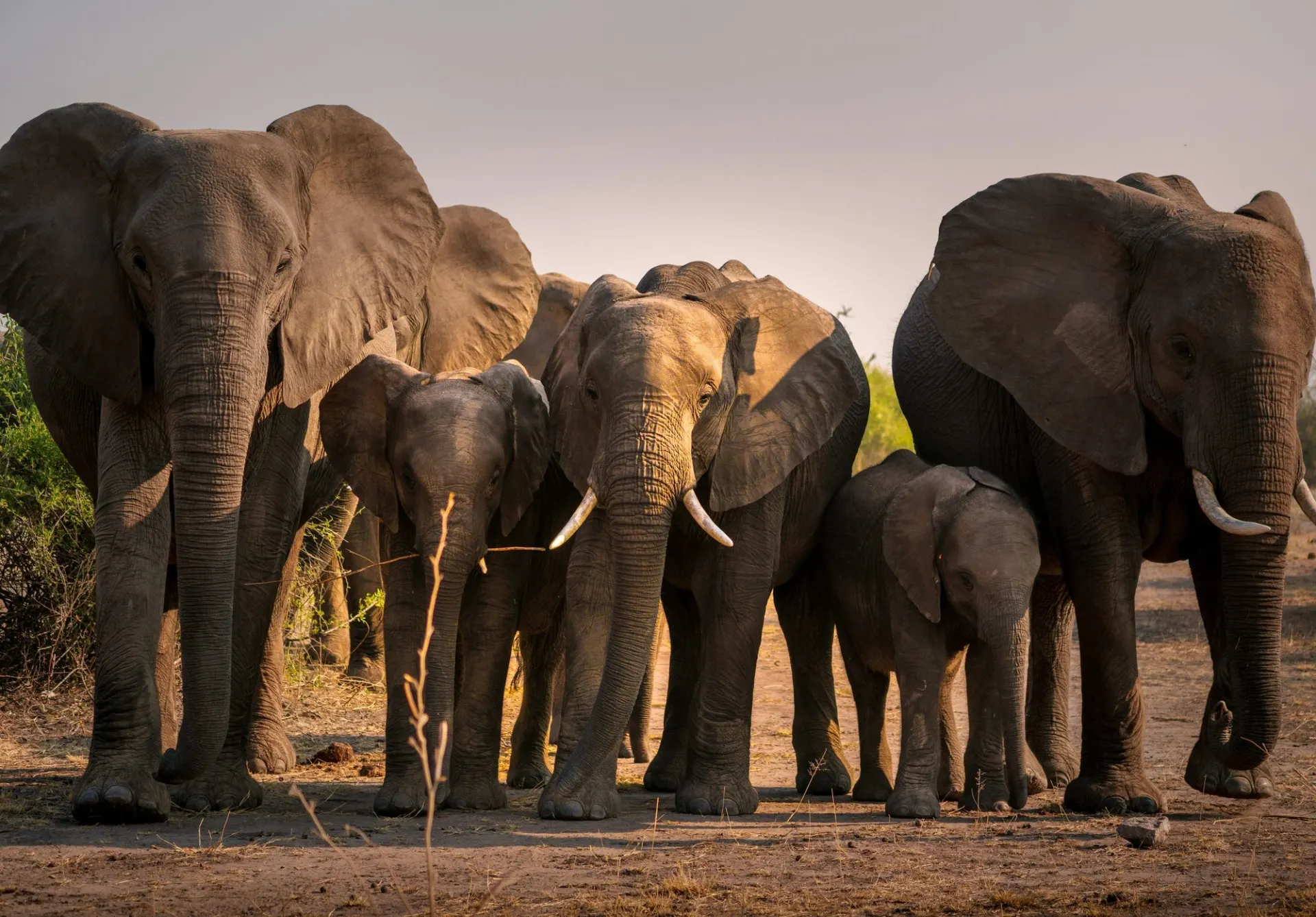
Amboseli is particularly outstanding in this period. The rainy season has filled the swamps, creating spectacular elephant photography against the backdrop of snow-capped Kilimanjaro. January and February typically offer the clearest Kilimanjaro views of the year, the mountain is often cloud-free in the morning before thermals build.
April to June: The Long Rains
April through June brings Kenya’s heaviest rainfall. The Mara plains and Amboseli can receive sustained rain, and roads in some parks become challenging. Many camps reduce rates significantly, sometimes 40 to 50% below peak, and visitor numbers drop substantially.
This is not a dead period for wildlife. Animals do not disappear. The predators are active, the herbivores are scattered across the lush grasslands rather than concentrated at water, and the birdlife is exceptional with European migrants present. For experienced safari-goers who value solitude and are comfortable with variable conditions, the long rains can be a rewarding time to visit.
The northern parks (Samburu, Laikipia, Ol Pejeta) receive less rainfall than the Mara and can be excellent in this period. The dry conditions in northern Kenya mean game viewing remains productive when the south is at its wettest.
November to December: Short Rains and Recovery
The short rains (vuli) arrive in November and typically clear by mid-December. Showers are usually brief and afternoon-focused rather than all-day. The Mara is green, the game viewing is good, and prices are significantly below peak. December from mid-month onward, once the rains have cleared, is genuinely excellent and works well for the festive season.
December in the Mara offers a combination of green landscapes, active game, good photography light, and relatively few vehicles. It is our most-recommended alternative for guests who cannot access the July to September window.
Kenya’s Parks: When to Go Where
Maasai Mara National Reserve
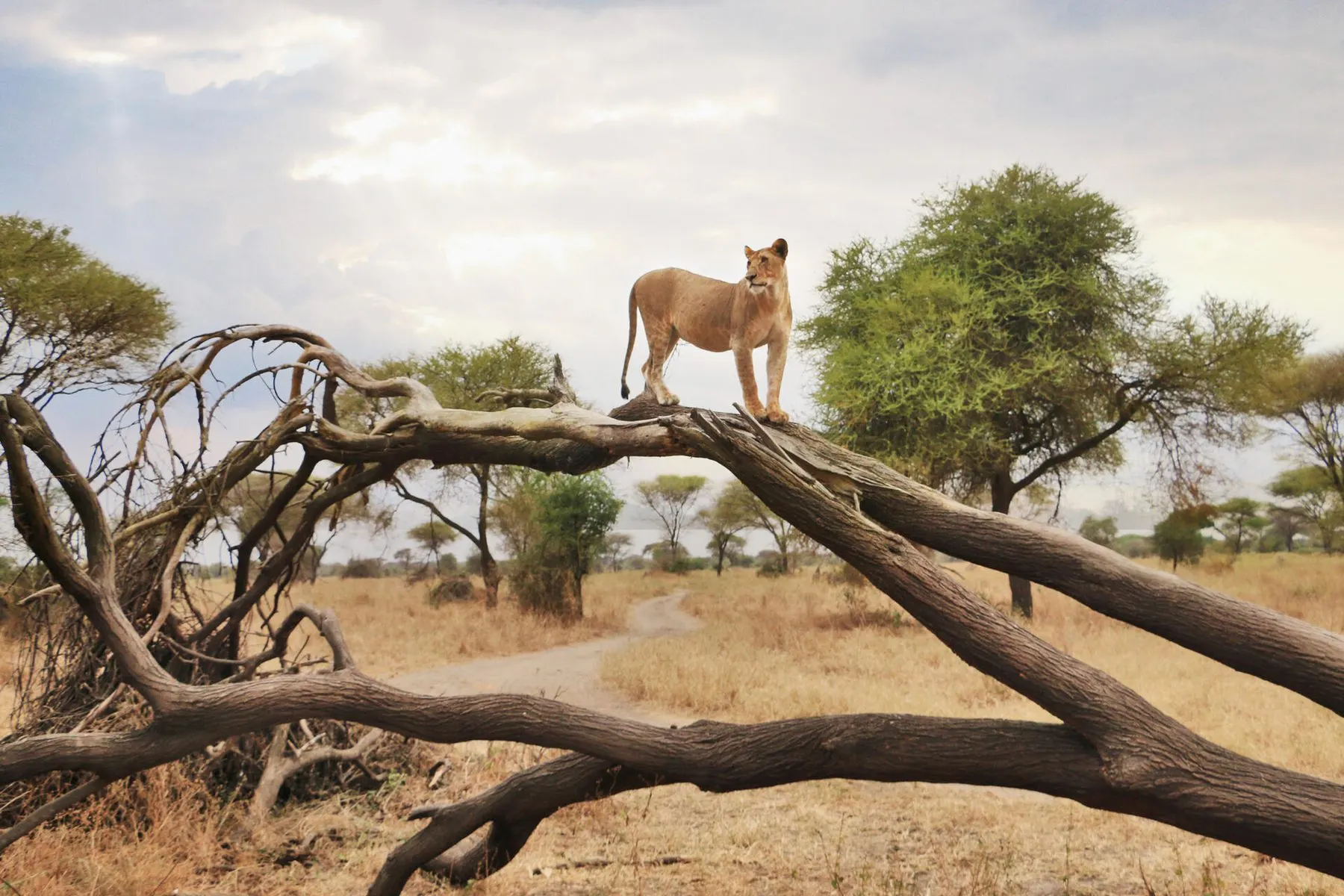
Year-round for resident predators, but the primary draw is the Migration (July to October). The Mara has one of the highest lion densities in Africa regardless of season. The Mara Triangle, managed by the Mara Conservancy, offers less vehicle pressure than the main reserve and tends to have more exclusive crossing point experiences. Private conservancies bordering the main reserve. Olare Motorogi, Naboisho, Ol Kinyei allow night drives and off-road game drives that the main reserve prohibits, and are worth considering for guests who want a more exclusive experience year-round.
Amboseli National Park
Best January to February and June to October. Famous for large elephant herds and views of Kilimanjaro. The swamps in the centre of the park attract enormous concentrations of elephant, buffalo and waterbirds year-round. Kilimanjaro views are clearest in the early morning and best in January to February. The park is relatively small and can be covered in 2 to 3 days, making it a good addition to a Mara circuit rather than a standalone destination.
Samburu National Reserve
Year-round, with the dry season (June to October and January to February) offering the best game viewing as wildlife concentrates along the Ewaso Nyiro River. Samburu is home to species not found in the south. Grevy’s zebra, reticulated giraffe, gerenuk, Somali ostrich, which makes it a compelling addition to a southern Kenya circuit. Rainfall is very low compared to the Mara, so season matters less here than elsewhere. Three nights at Samburu combined with four or five nights in the Mara is a classic and highly recommended Kenya itinerary.
Laikipia Plateau
Year-round. A private conservancy landscape north of Mount Kenya offering exceptional game viewing, walking safaris, and night drives. Laikipia has the second-largest black rhino population in Kenya and one of the best wild dog populations in East Africa. The dry season (June to October) offers excellent game concentration. The conservancies. Ol Pejeta, Lewa, Borana, Ol Jogi, each have distinct characters and strengths.
Tsavo National Parks (East and West)
Best dry season (June to October) when the red-dusted Tsavo landscape is at its most dramatic and game concentrates at the Galana and Tsavo rivers. Kenya’s largest park system by area, with large elephant populations, lions, and a striking volcanic landscape. Tsavo East in particular is excellent in the dry season for elephant sightings, the “red elephants” of Tsavo, stained by the red laterite soil, are one of the most distinctive sights in Kenyan safari.
Combining Kenya with Tanzania
Kenya and Tanzania are natural safari partners. The Great Migration crosses between the two countries and a combined Serengeti to Maasai Mara itinerary during July to October allows you to witness the migration from both sides of the border. For guests who want to see both countries without the Migration as the primary focus, a combination of Amboseli or Samburu in Kenya with Tarangire or Ngorongoro in Tanzania offers exceptional variety within a 10 to 12 day trip.
Nairobi’s Jomo Kenyatta International Airport is the main hub for regional connections, flights to Kilimanjaro, Zanzibar, Entebbe, and Kigali all route through or from Nairobi, making Kenya an effective base for multi-country East African itineraries.
Practical Considerations
Visas for Kenya
Kenya uses an online Electronic Travel Authorisation (ETA). It's yours to arrange, online before you leave home and only through the official site, etakenya.go.ke. It's worth starting early, as the online systems can be slow, and that site has the current rules.
Health and Vaccinations
On yellow fever, we generally tell people the vaccine is worth having, as one shot lasts a lifetime, but your doctor always has the last say. Current entry rules are at smartraveller.gov.au and etakenya.go.ke. Smartraveller says malaria is widespread in Kenya except in Nairobi and places higher than 2,500 metres. What you take for it is your travel doctor's call, so take your full itinerary to them early.
How far in advance should I book?
For July to September Mara peak season, 12 to 18 months is the right lead time for the best camps. For all other months, 6 to 9 months is usually adequate. The Laikipia conservancies and Samburu camps have better availability year-round and can sometimes be arranged with shorter lead times.
Frequently Asked Questions
What is the single best month to visit Kenya?
September. The Migration crossings in the Mara are still active, the vehicle numbers are slightly reduced from the August peak, the weather is excellent across all parks, and Amboseli and Samburu are performing well in the dry conditions. For guests who want the Migration but find the August crowd overwhelming, September is the answer.
Is Kenya better than Tanzania for safari?
They are different rather than better or worse. Kenya’s Mara has a more accessible and compact feel than the Serengeti; Tanzania’s Serengeti is larger, wilder, and has better controlled vehicle numbers in many areas. Kenya’s private conservancy model, with night drives, walking safaris, and off-road driving, offers experiences the Serengeti cannot. Most guests who visit both come away with a preference but respect for both. We run combined Tanzania to Kenya itineraries regularly and both countries deliver consistently.
Can I see the Big Five in Kenya?
Yes. The Maasai Mara has lion, leopard, elephant, buffalo, and black rhino (in small numbers). The Laikipia conservancies have the strongest rhino populations, both black and white, in Kenya. Amboseli has exceptional elephant. A combined Mara to Laikipia itinerary gives the best overall Big Five probability.
Is the Maasai Mara the same as the Serengeti?
They are part of the same ecosystem. The Serengeti extends across Tanzania and becomes the Maasai Mara at the Kenya border. The wildebeest cross between them as part of the annual Migration circuit. The Serengeti is approximately 15 times larger. The Mara has higher vehicle density in peak season but excellent private conservancies adjacent to the reserve that offer a more exclusive experience.
Ready to Experience This?
Let us plan your Kenya safari
Every safari we build is tailored to you, the right parks at the right time, guides who know exactly where to be. Tell us your dates and we’ll take it from there.