Serengeti Safari Tours: Migration & Private Camps | Kingse
An elephant family with a calf crossing the Serengeti plains, a flat-topped acacia on the horizon

The calving · The river crossings · The big cats

Serengeti Safari

Private safaris across the Serengeti with our own guides and vehicles, planned from the Gold Coast and priced in US dollars.

Five stars. 5.0 on Google and Tripadvisor37 five-star reviews, every one of them

The Endless Plains

About 5,700 square miles · The Great Migration · Four areas, four seasons

The Serengeti is Tanzania's best-known national park and the heart of the Great Migration. Somewhere between one and a half and two million wildebeest and zebra follow the rain around it in a year-long loop, and they spend most of the year on the Tanzanian side of the border. Lion, cheetah and leopard live here all year, so a good safari doesn't depend on the herds. What matters most is where in the park you stay, because the best area changes with the month: the southern plains for the calving, the center all year round, the Western Corridor in June and the north for the river crossings.

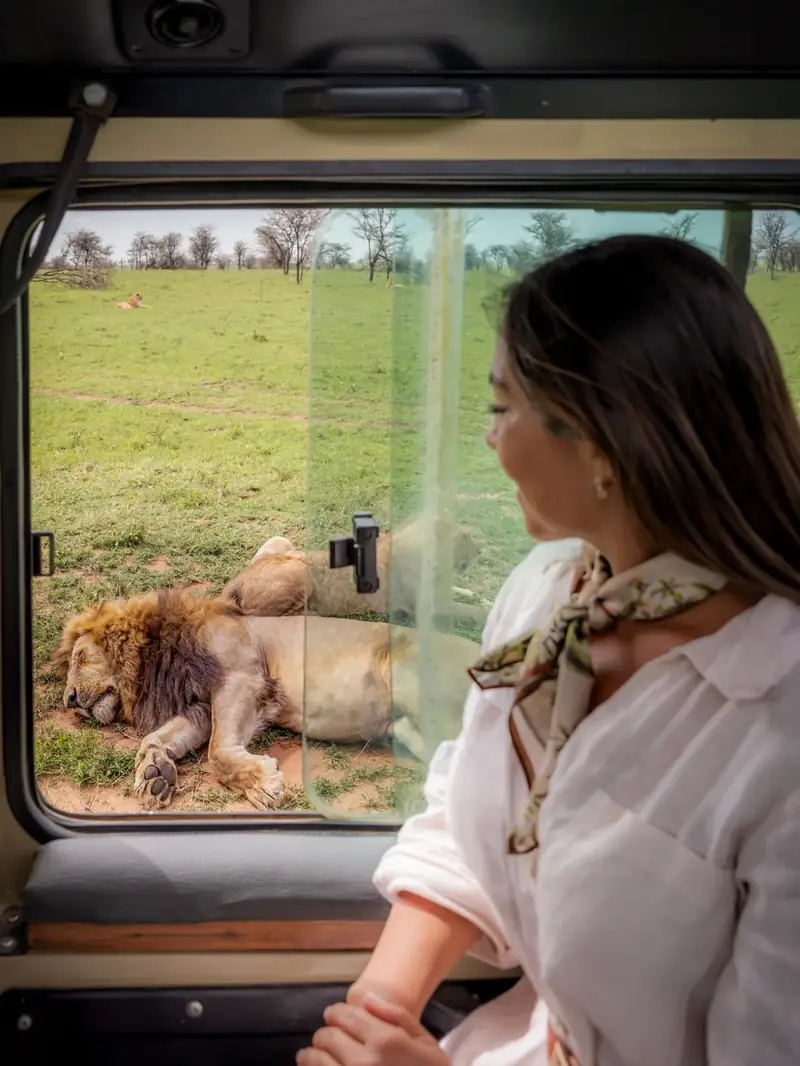
A guest watching two male lions resting beside the vehicle, seen through the open window
Lions resting beside the vehicle, seen from the window.

The Serengeti at a glance

  • Best monthsJune to OctoberPlus January to March for the calving
  • Typical stay3 nightsTwo at the least, four to see two areas
  • Getting thereA short bush flightFrom Arusha, or by road past Ngorongoro
  • Time difference7 to 11 hours ahead of the USUTC+3 all year, no daylight saving
  • Highlights
    • Great Migration
    • Calving season
    • River crossings
    • Big cats
    • Balloon safaris

Who you're dealing with

We're an Australian company on the Gold Coast with our own guides, vehicles and team in Tanzania, so the people who design your trip are the people who run it. Every trip is private and built around you, and we look after the whole thing from the first call to the flight home, on one contract and one invoice from Kingse Safaris Pty Ltd (ABN 37 698 821 886).

How booking works →
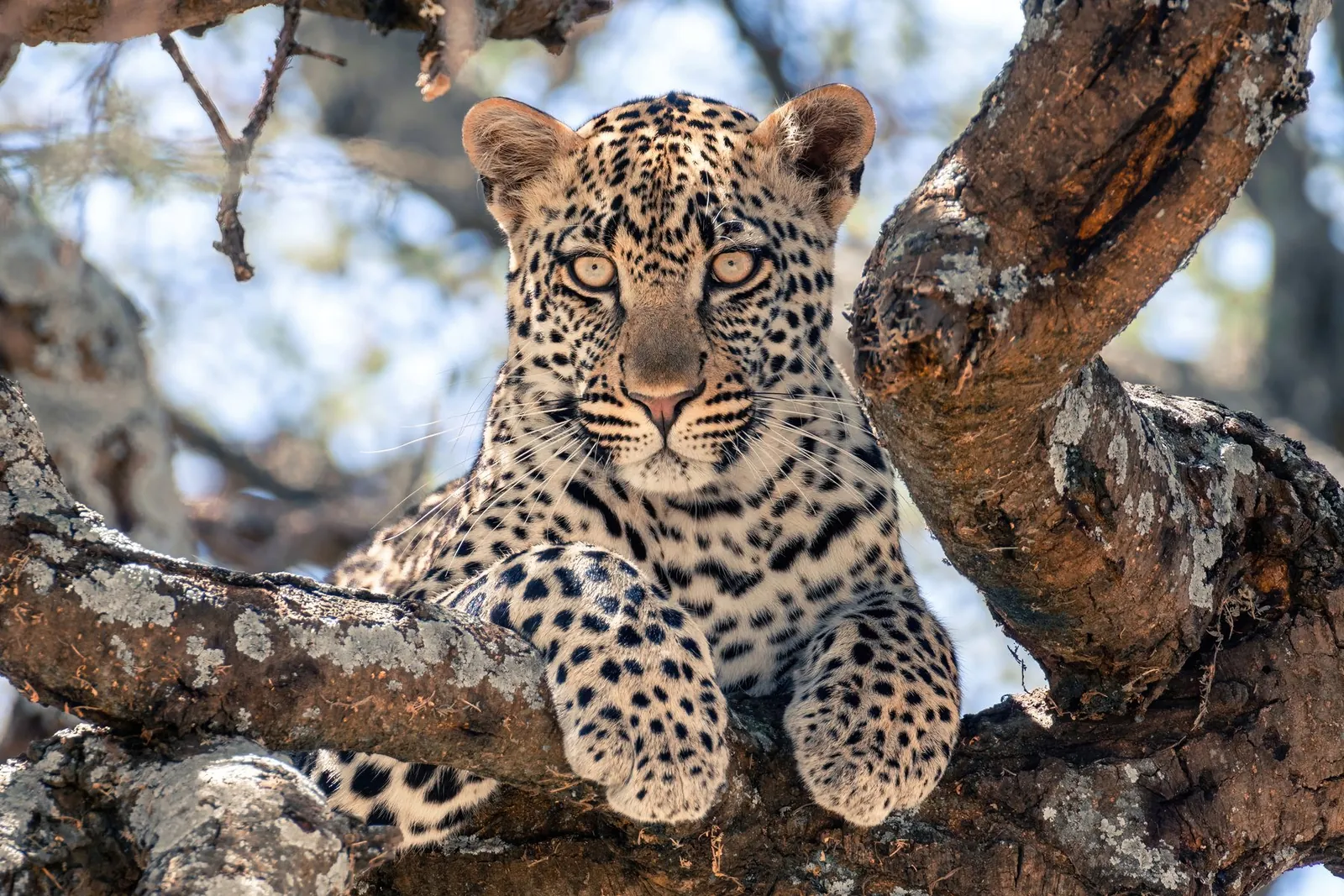
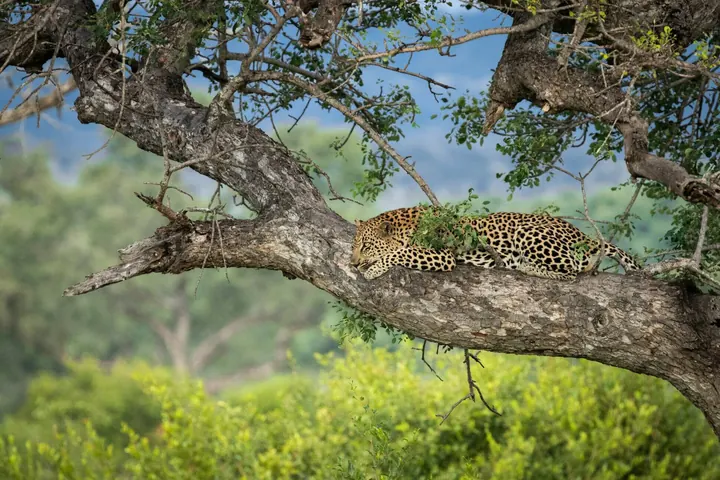
A young leopard resting along a branch, looking straight at the camera

In a guest's words

Visiting the Serengeti and the Ngorongoro Crater was truly unforgettable.

Five stars. Jennifer B., Serengeti and Ngorongoro, March 2026, on Tripadvisor

Where You Stay Matters

The Four Areas of the Serengeti

The park is big enough that where you stay decides what you see. These are the four areas we use, and when each one is at its best.

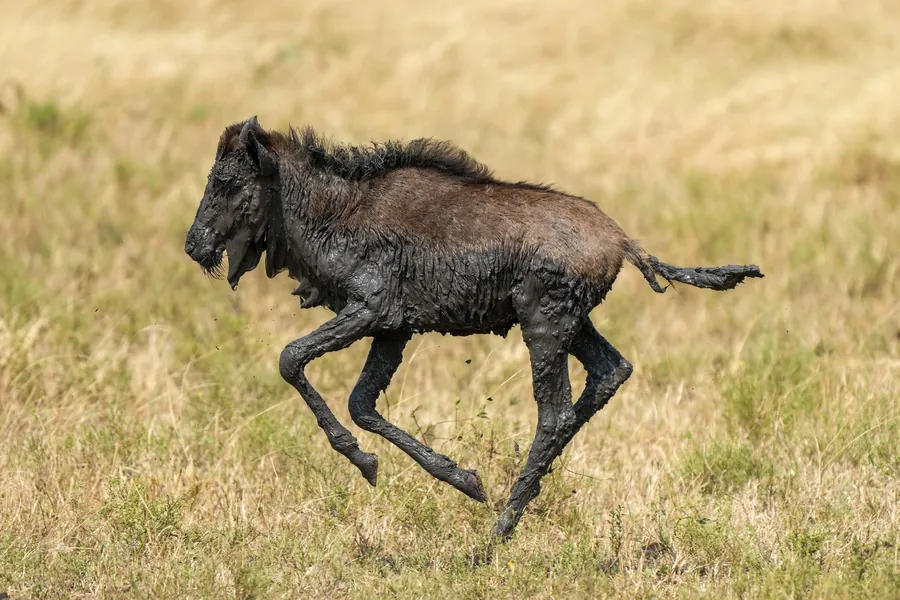
A newborn wildebeest calf running on the southern Serengeti plains

January to March

The Southern Plains and Ndutu

Open short-grass plains where the herds gather to calve early in the year, with lion, cheetah and hyena close behind. Ndutu sits just inside the Ngorongoro Conservation Area on the park's southern edge, and some camps there only open from December to March.

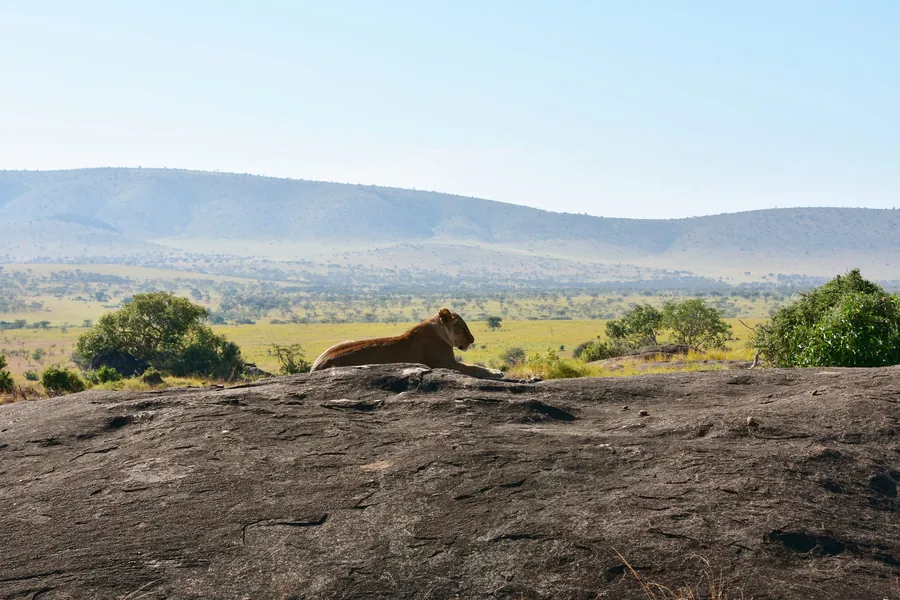
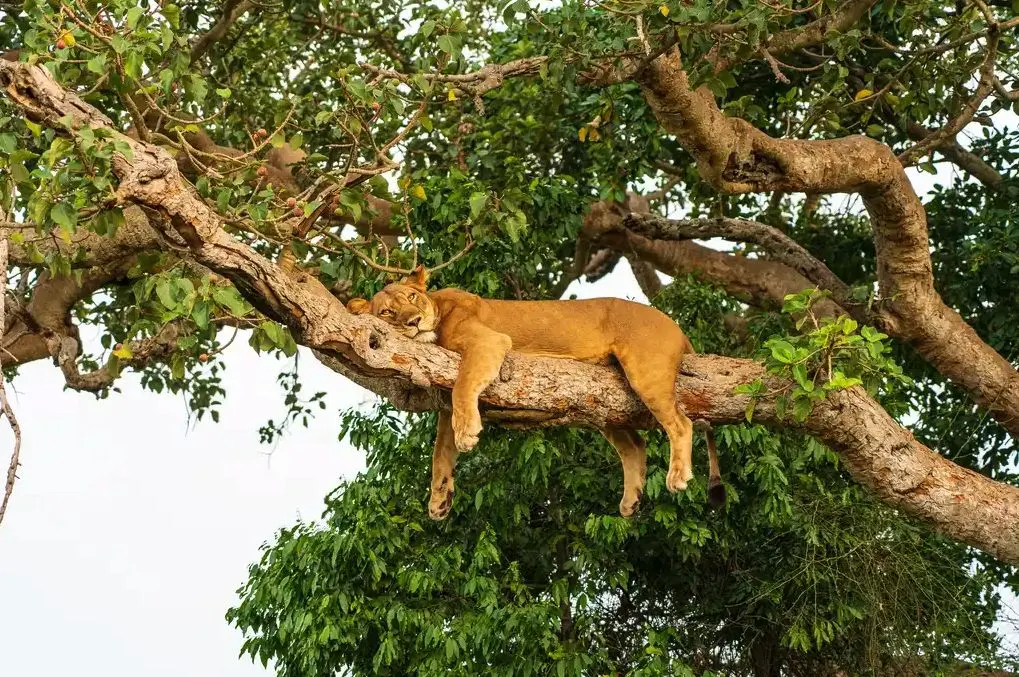
A lioness lying on a granite kopje above the Serengeti plains

All year

Central Serengeti and Seronera

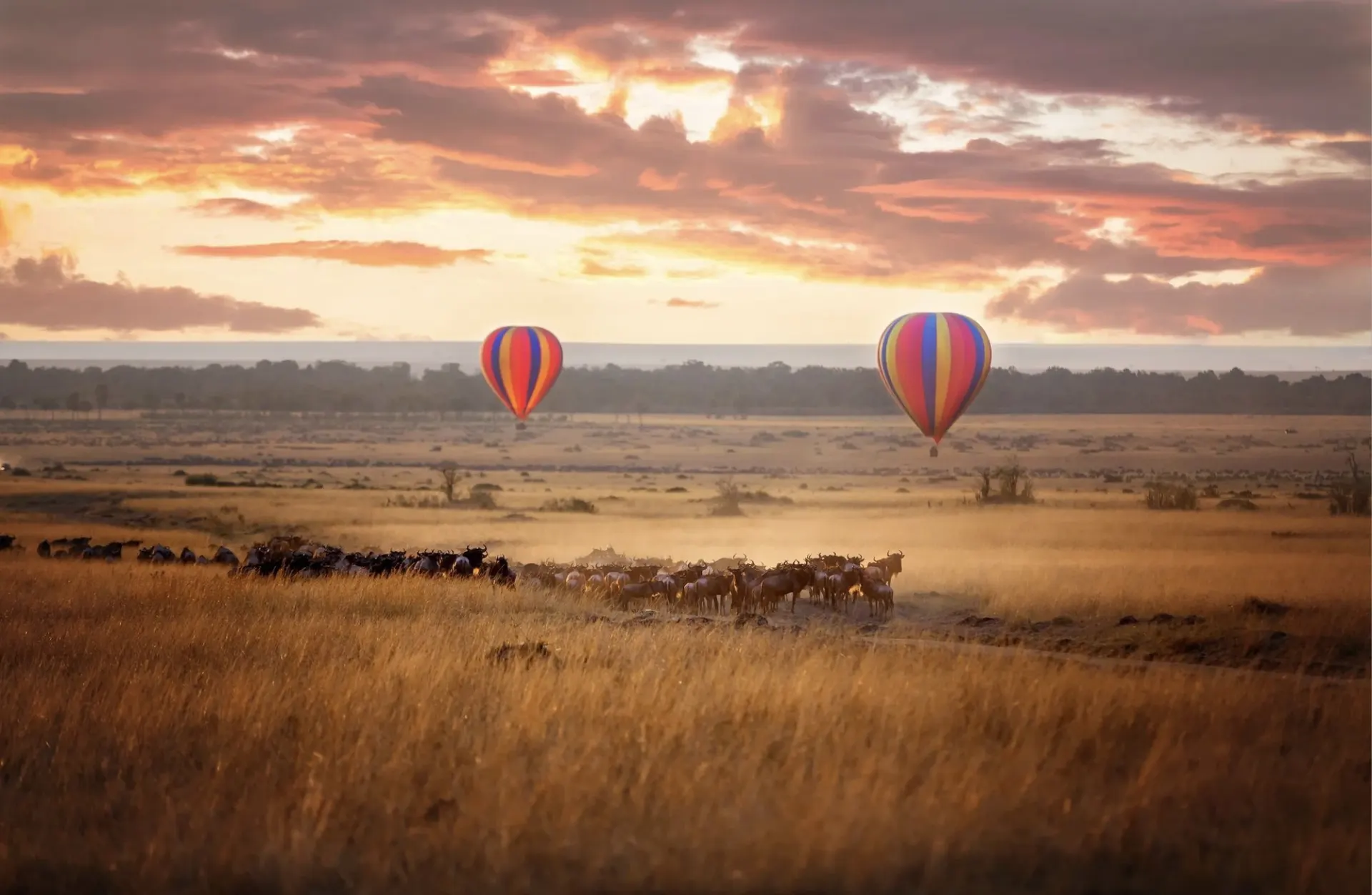
Granite kopjes, the Seronera River valley and resident big cats all year, so it works in any month. The herds pass through in the green season, around April and May, and this is where the balloon safaris fly.

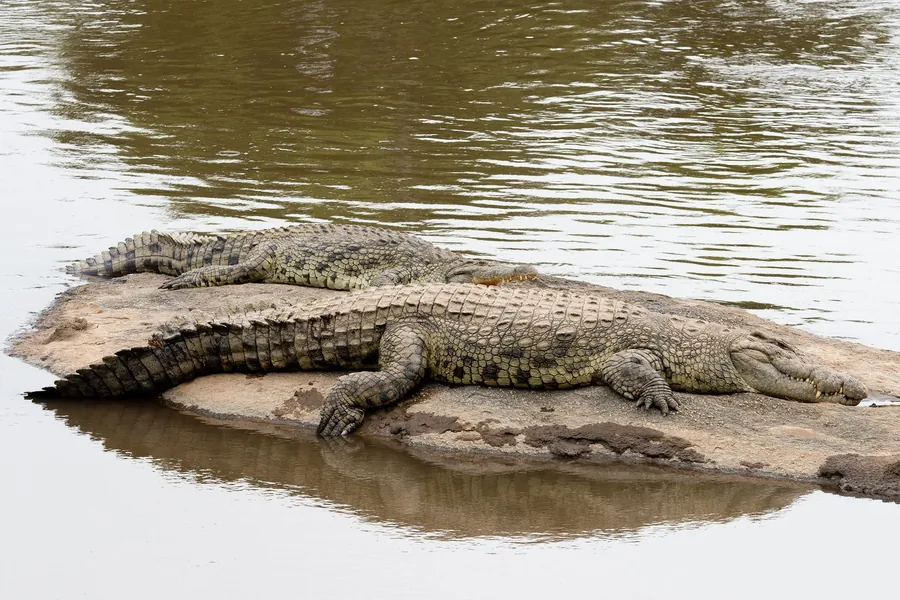
Two Nile crocodiles basking side by side on a rock in the river

Around June

The Western Corridor

A long arm of the park reaching west towards Lake Victoria. The herds reach the Grumeti River around June, where big Nile crocodiles wait in the shallows, and the private Grumeti reserve next door is home to the Singita camps.

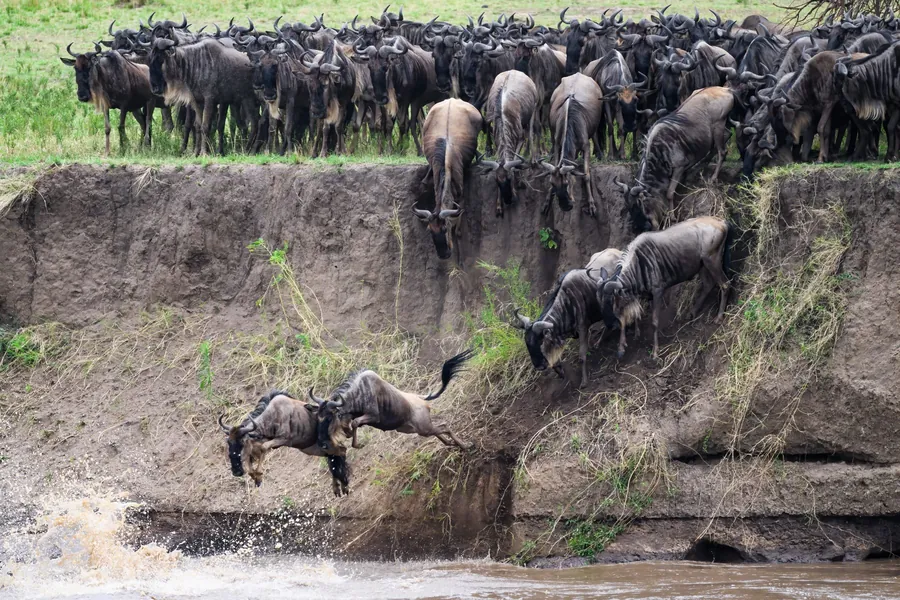
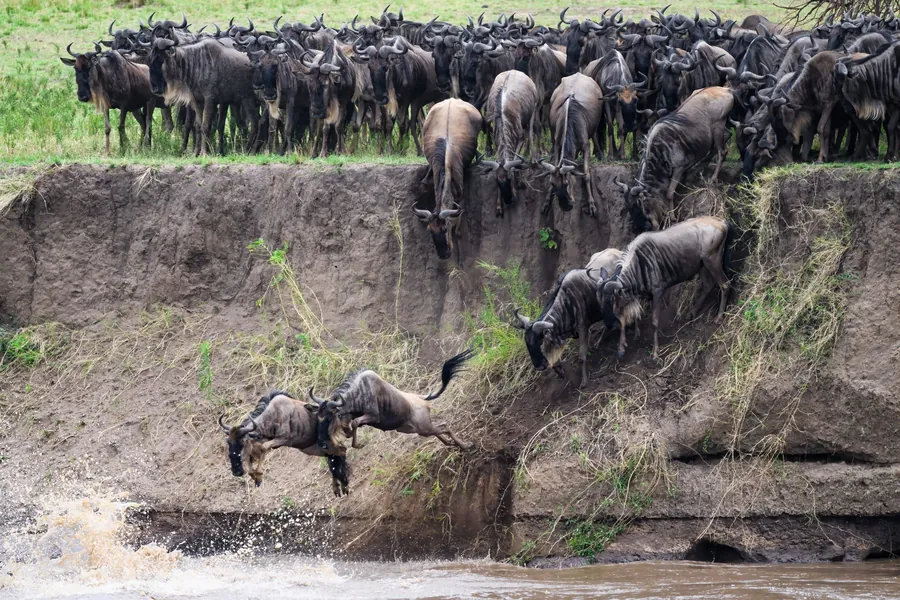
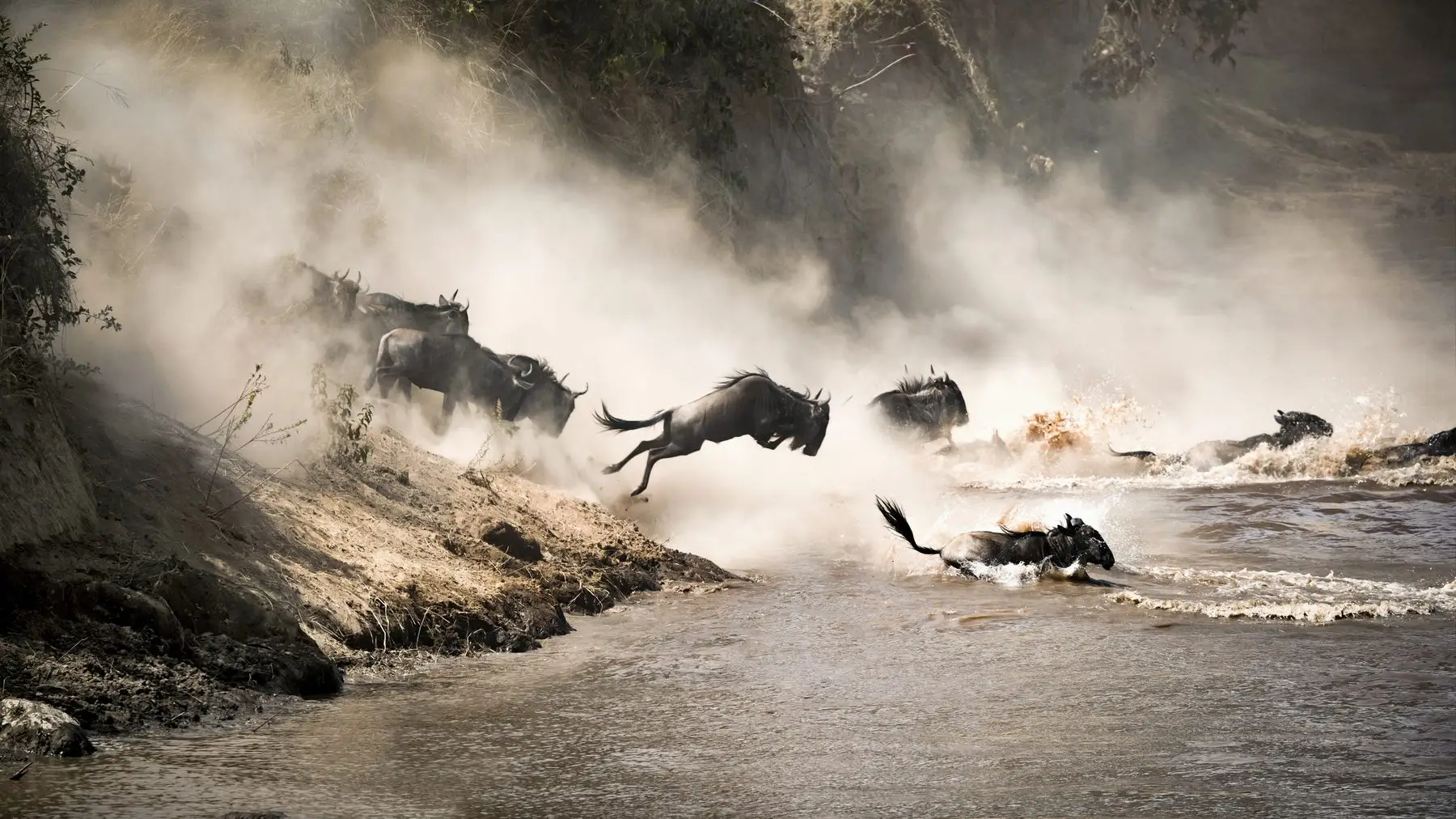
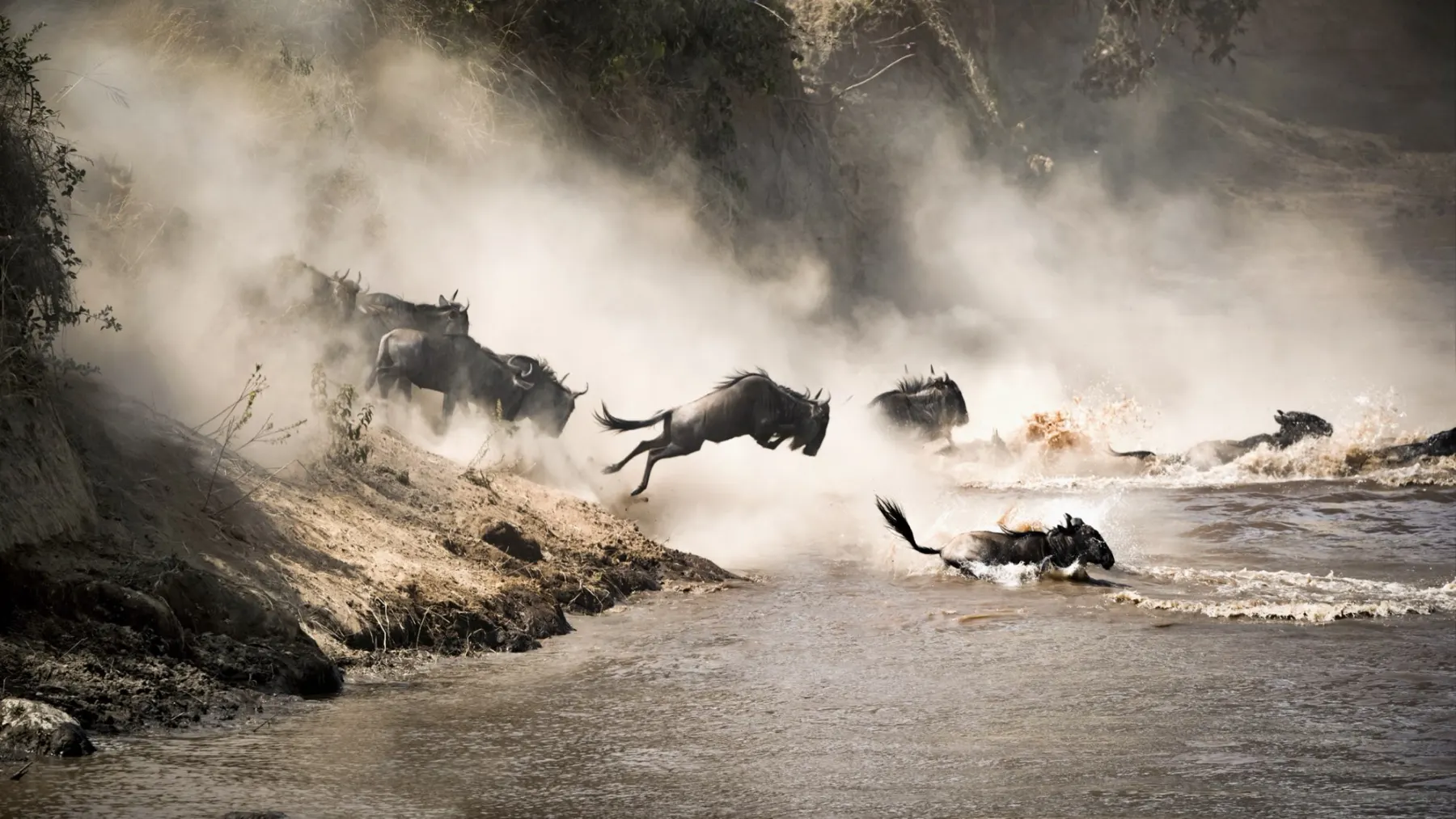
Wildebeest pouring down a steep bank into the Mara River during a crossing

Mid-July to October

The Northern Serengeti

Rolling hills and the Mara River, where the herds cross between Tanzania and Kenya. The first crossings start from about mid-July, August is full crossing season and September is usually the most reliable. The Kogatende camps sit on the river, and Lobo, about three hours' drive south, is the value base.

Ready-Made Starting Points

Three Ways to Do the Serengeti

Our three set safaris each give you two or three nights on the Serengeti plains. They're starting points rather than fixed packages: every trip is private, and we change the nights, the camps and the order around your dates.

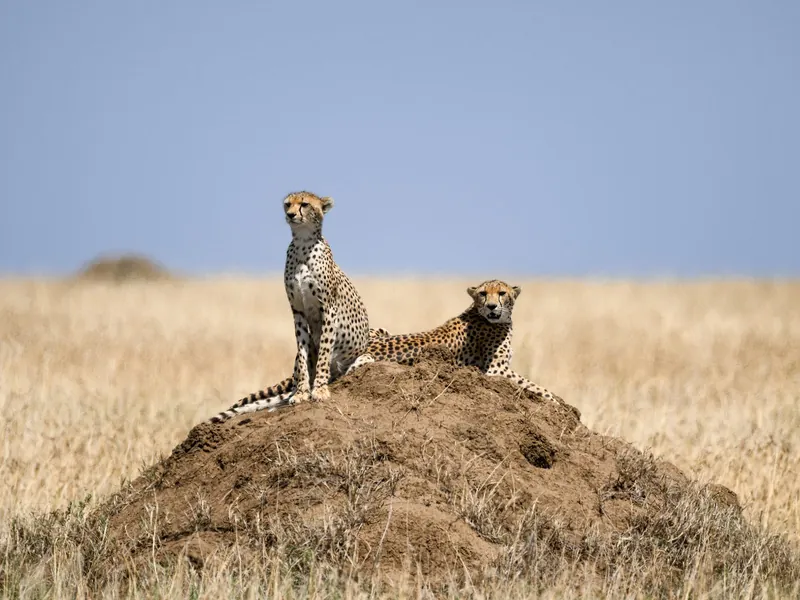
Two cheetahs on a termite mound in the golden grass of the Serengeti plains

Classic · 7 days

The Classic Northern Circuit

Tarangire and Lake Manyara, two nights in the Serengeti, then the Ngorongoro Crater on the way home, all by road with your own guide.

From $4,550per person

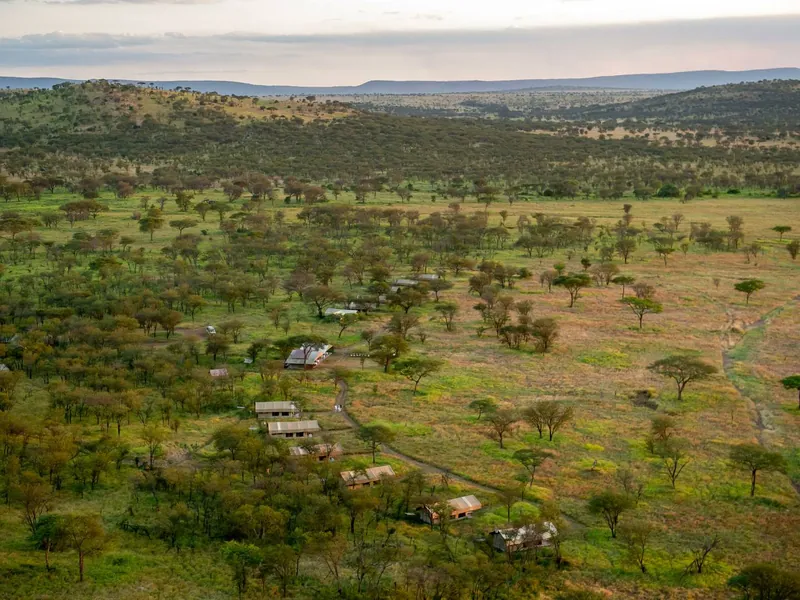
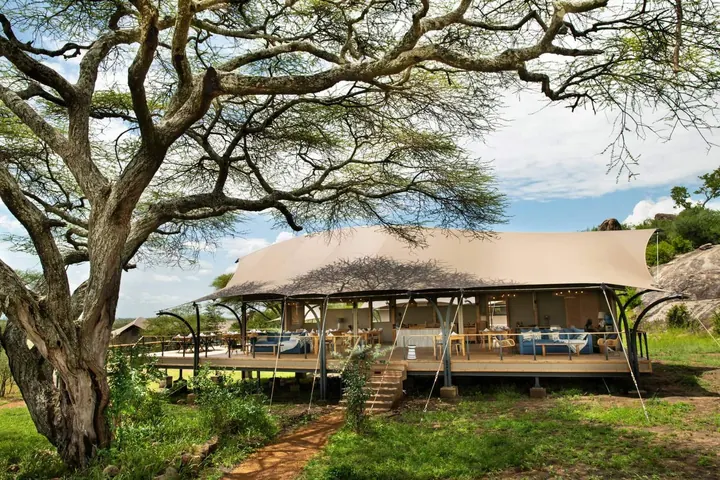
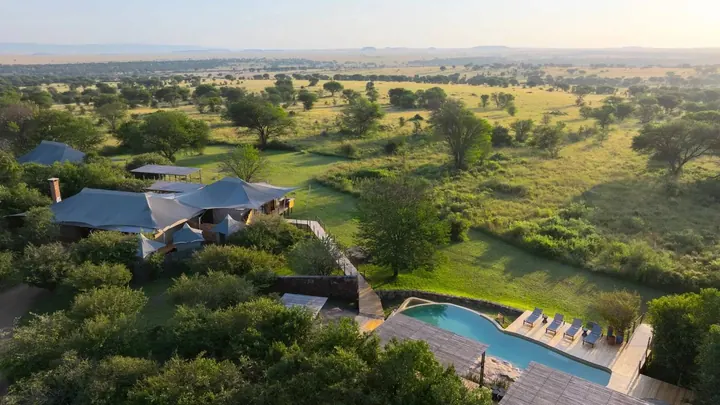
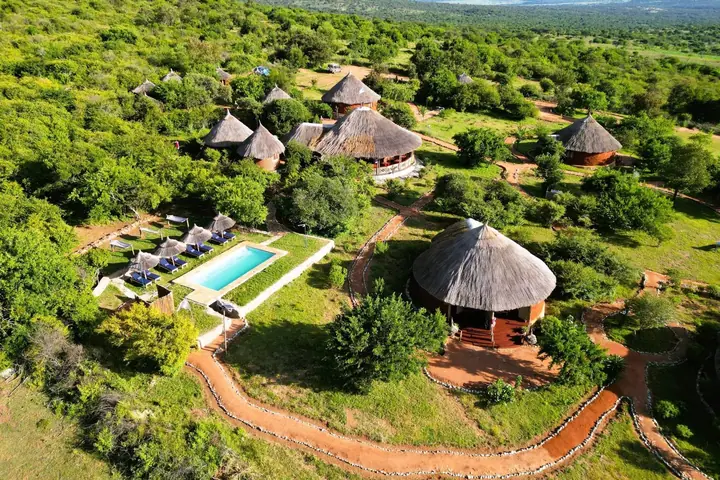
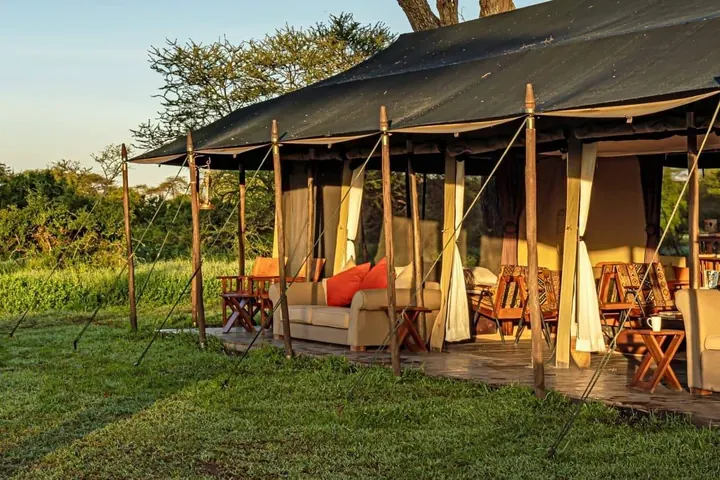
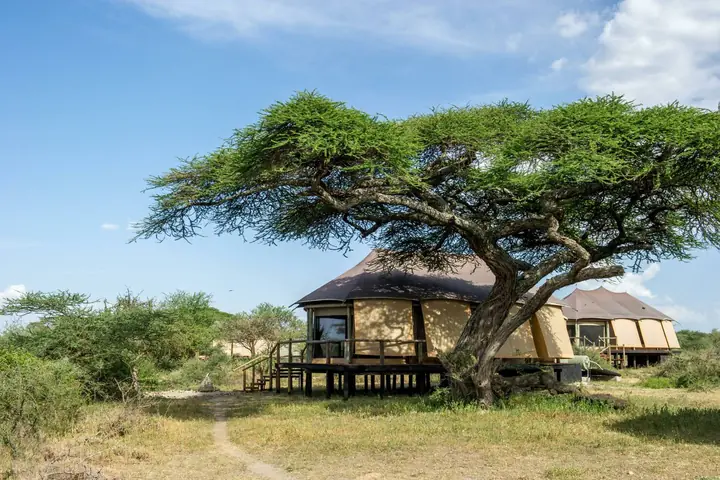
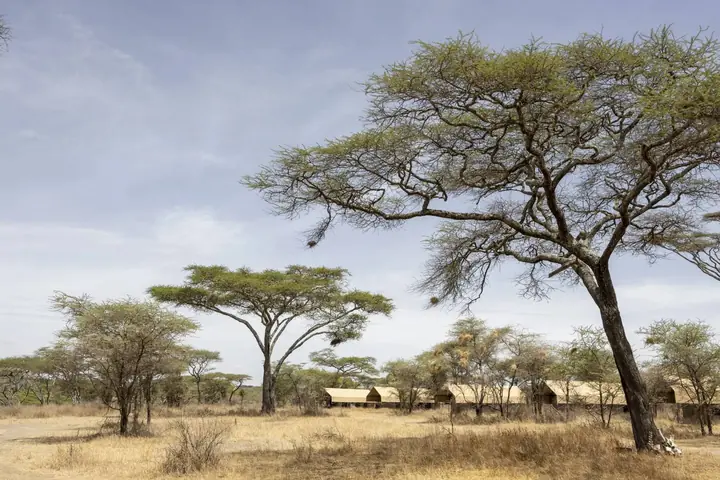
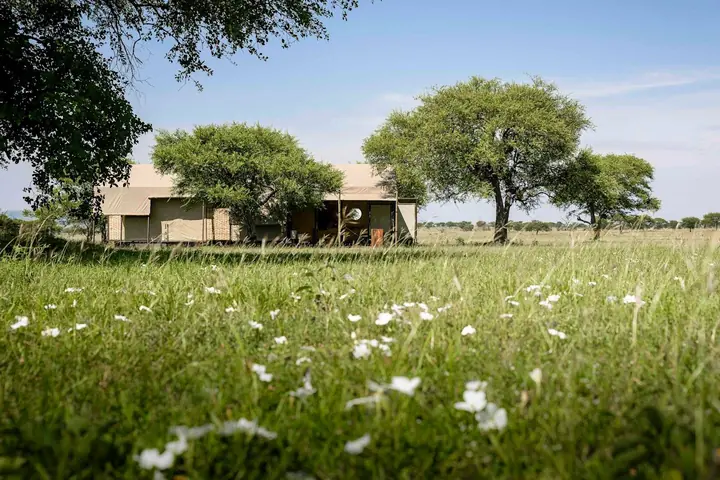
Serengeti Kati Kati's tents among the acacias of the central Serengeti, from the air

Mid-range · 7 days · Most chosen

The Serengeti in Comfort

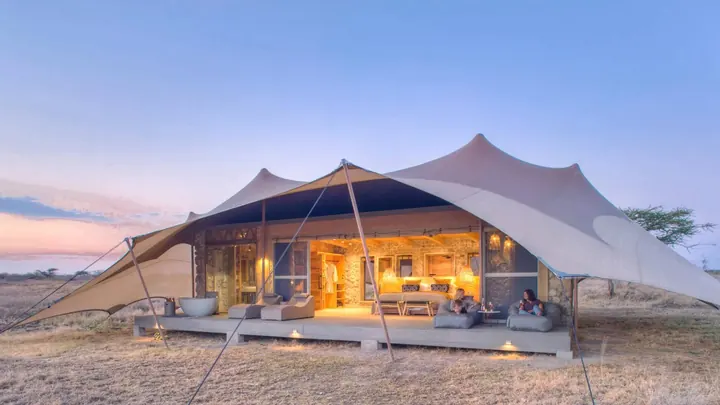
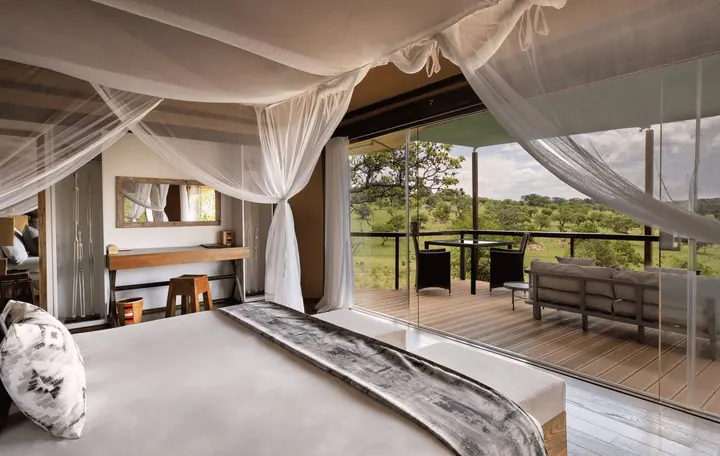
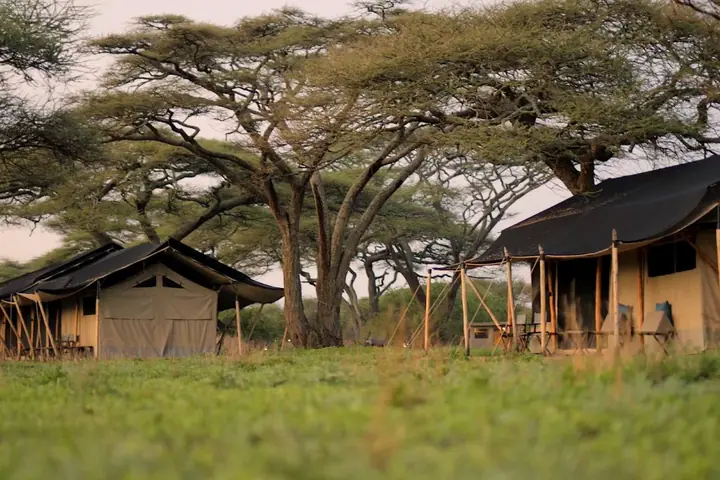
Tarangire and the crater in better lodges, three nights at a tented camp on the central plains, then a light aircraft home instead of the long road back.

From $5,950per person

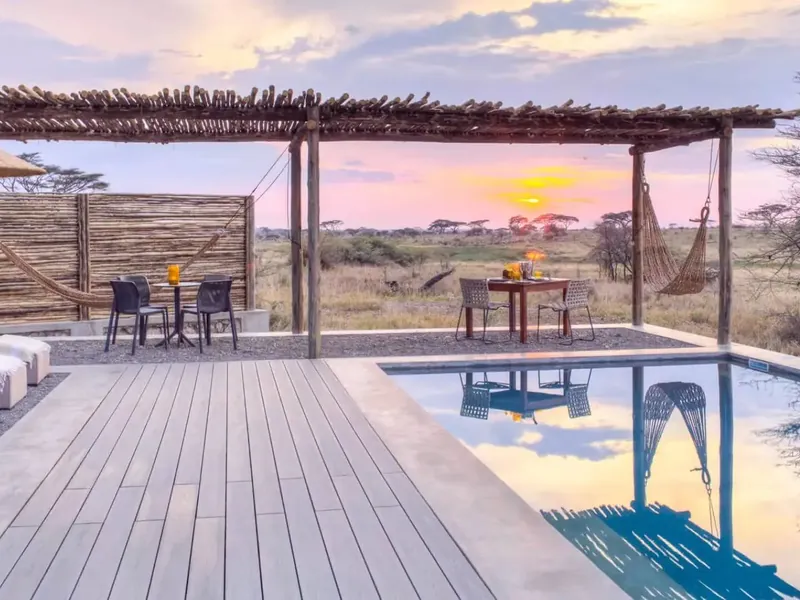
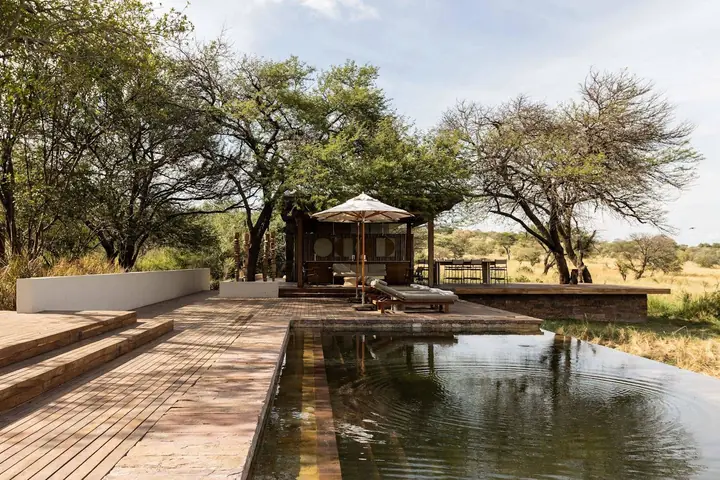
The pool deck at Namiri Plains at sunset, looking out over the eastern Serengeti

Luxury · 7 days

Fly-In Serengeti

Tarangire and the crater highlands by road, then three nights at Namiri Plains in the quiet east of the park, flying in and out.

From $8,150per person

From-prices are per person, twin share, before international flights. July to October and the top camps cost more, and we price your exact dates before you commit to anything. Across our quotes, a private safari for two runs about $590 to $1,300 per person per night, and our Tanzania safari cost guide explains what moves the number.

Where You Could Stay

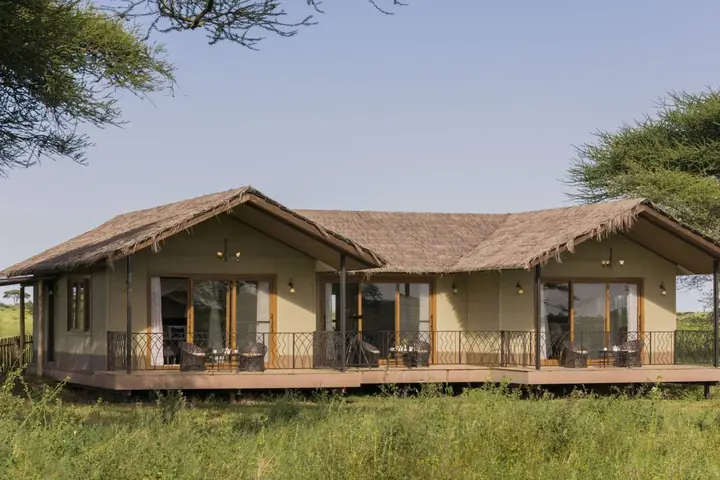
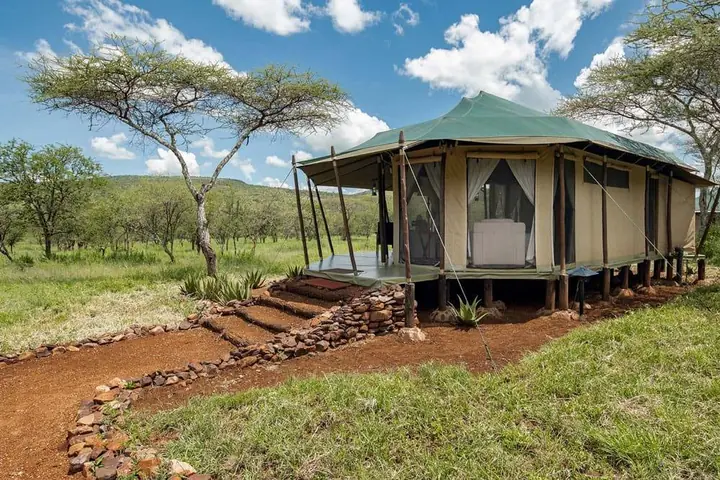
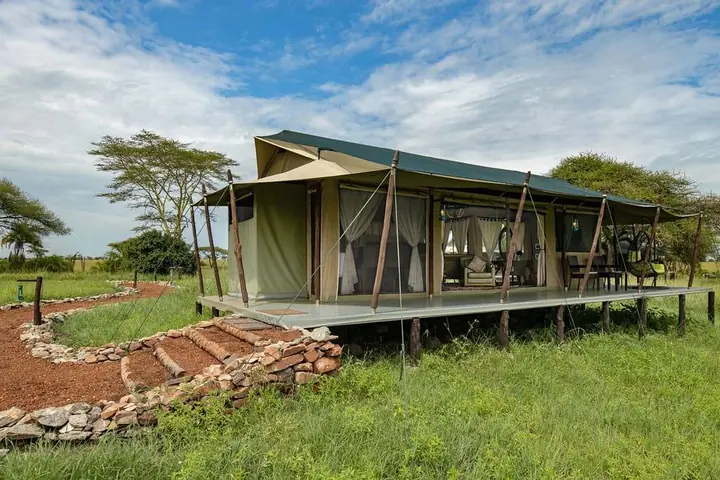
Camps We Work With in the Serengeti

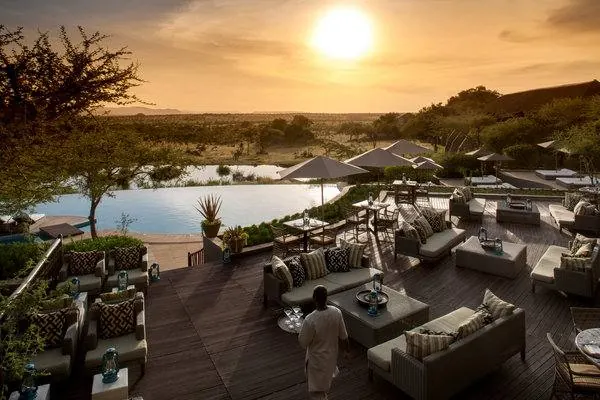
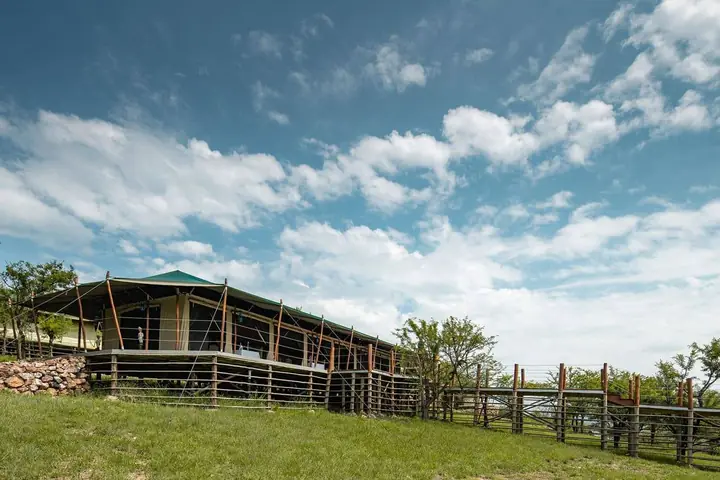
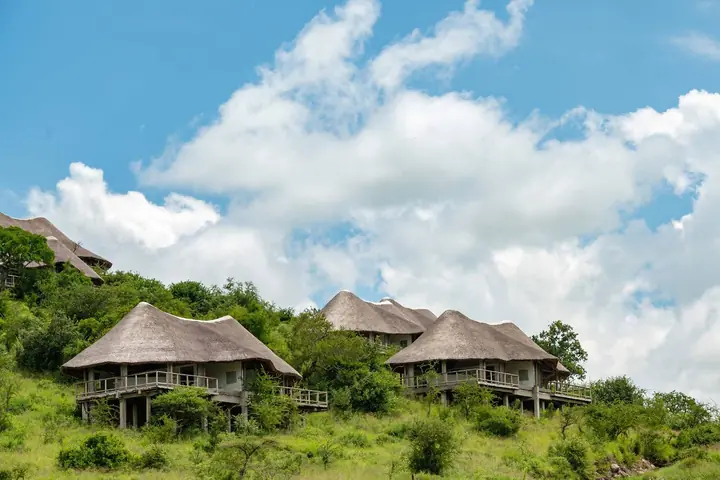
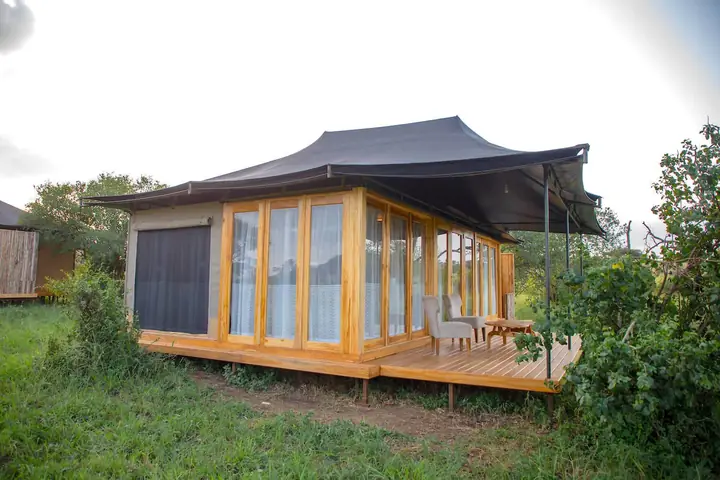
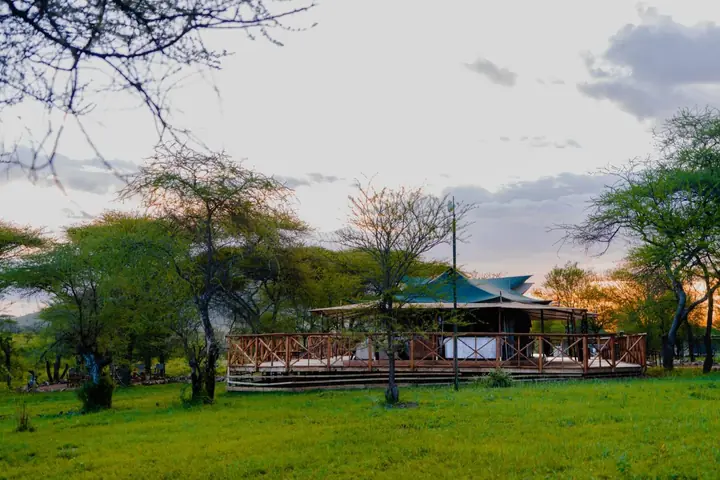
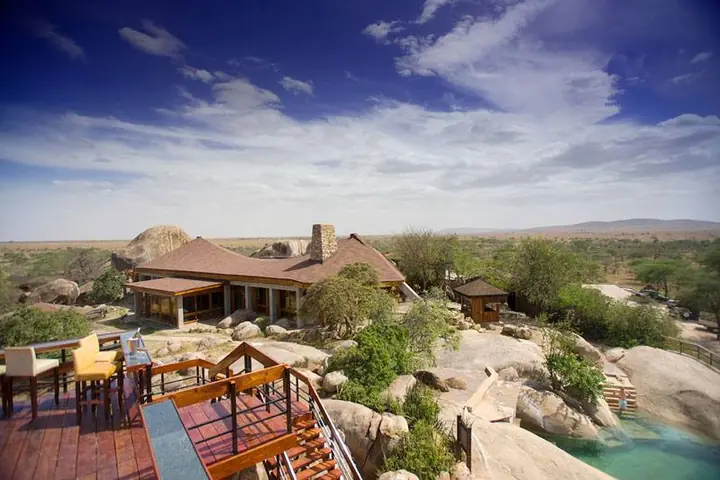
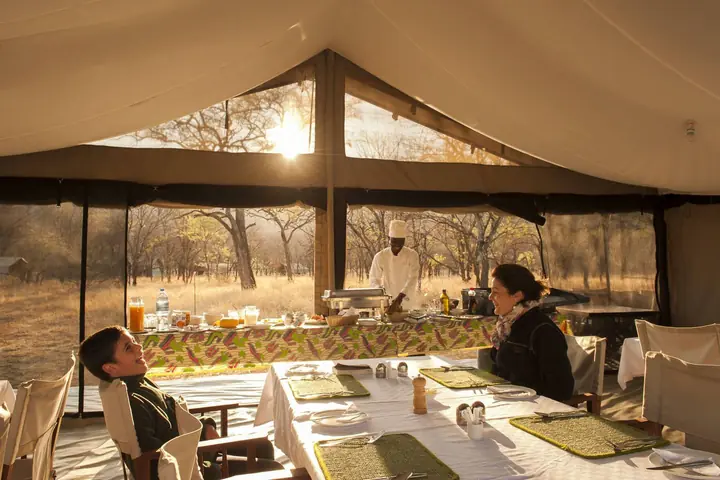
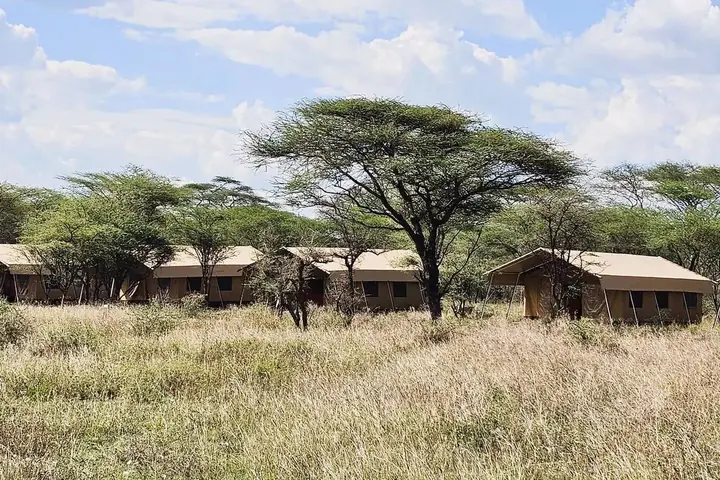
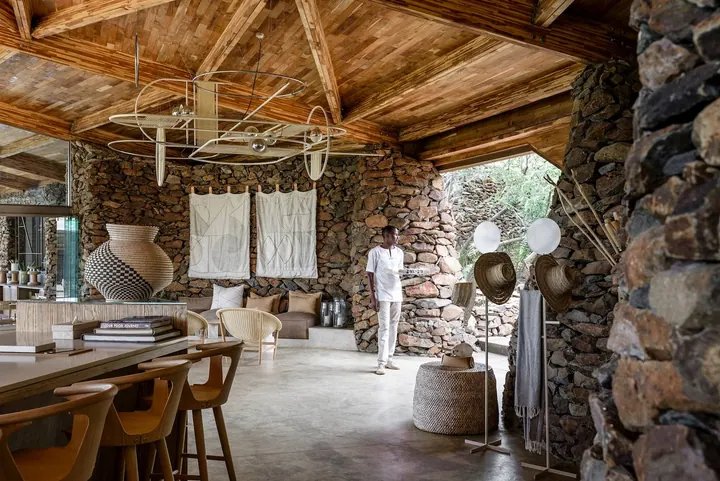
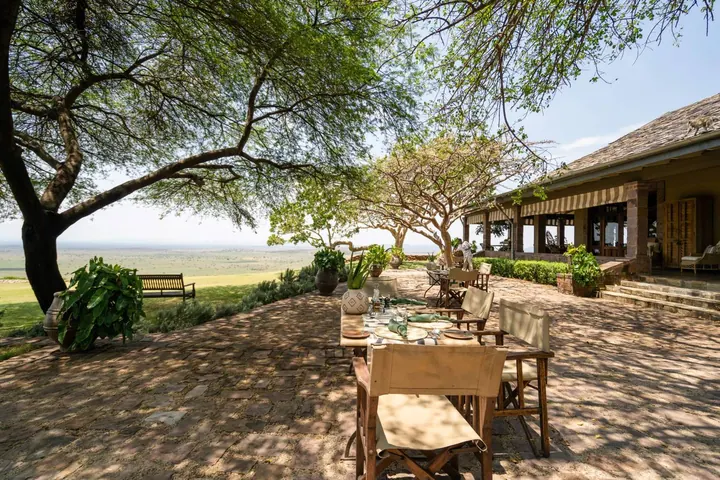
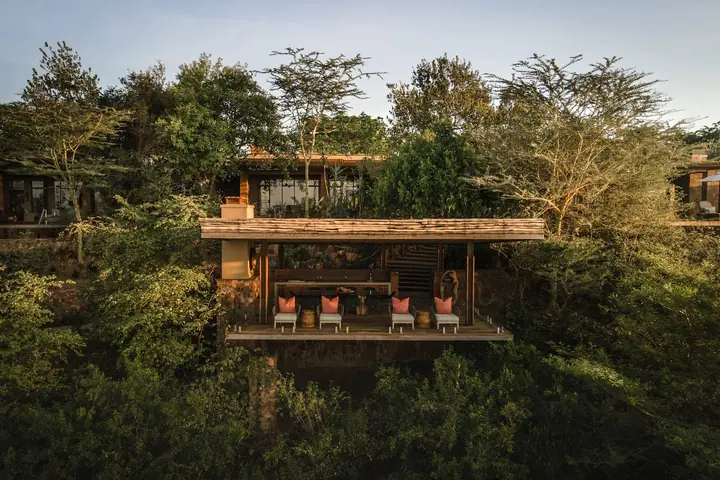
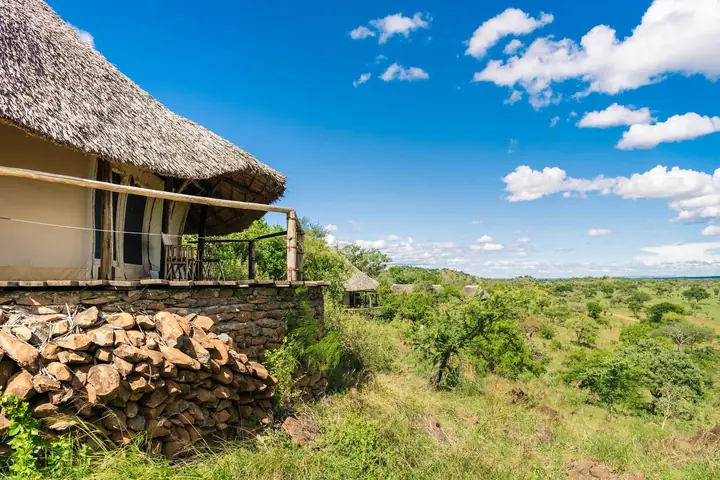
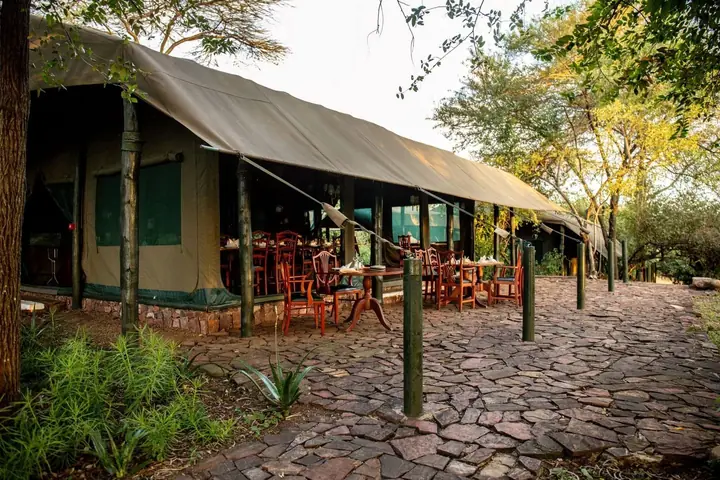
The 44 camps and lodges we recommend and use in and around the Serengeti, grouped by area. Pick the area for your month first, then the camp. The final selection flexes around your dates, where the herds are and availability. More on our Stays page.

Heart of the Serengeti

Resident big cats all year, and the herds pass through in the green season.

19 lodges and campsCentral Serengeti and Seronera, with Namiri Plains out east

Northern Serengeti

The Kogatende camps sit on the Mara River, which is where we put guests from late July to October. Lobo is a value base further south.

10 lodges and campsThe Mara River, late July to October

Southern Serengeti and Ndutu

The Ndutu plains sit just inside the Ngorongoro Conservation Area, where the herds calve early in the year.

6 lodges and campsThe calving season, January to March

Western Corridor

The herds reach the western corridor and the Grumeti River around June.

9 lodges and campsGrumeti, around June

Plan Your Visit

When to Visit the Serengeti

The Serengeti works all year, but each area has its season. June to October is the dry season, with the river crossings in the north from mid-July, and January to March brings the calving in the south. The map follows the herds month by month, and our Great Migration guide goes deeper.

This season, as of late October 2026. Most of the herds crossed back into the Serengeti in August. The Mara Triangle had filled to about 200,000 by mid-month, a storm on 17 August turned them back, and by the end of August very few were left (Mara Conservancy). Since then groups have moved back and forth with the rain, and in the third week of October some large herds returned to the Triangle (Angama Mara).

Map: Esri. Herd positions are typical, not exact.

Where the herds usually are

January

On the southern plains around Ndutu, calving

SeasonCalving season

The herds are on the Ndutu plains for the calving, and every predator follows.

  • Warm, with occasional afternoon showers
  • Peak calving on the southern plains

The herds follow the rain, so this shifts from year to year. We talk in seasons and never promise a crossing.

  • Dry season, the peak
  • Calving
  • Green season
Wildebeest plunging down the bank into the Mara River during a crossing

Dry season

June to October

Migration crossings · Best overall game viewing

The bush thins out, animals gather around shrinking water sources, and visibility is at its best. The herds push north through the Serengeti, and the Mara River crossings begin in mid-July and run through October. Skies are clear and mornings are cool. This is high season, so the best lodges book out early: six to twelve months ahead is ideal.

  • June: herds in the western corridor, with Grumeti River crossings
  • July: moving north; the Mara River crossings begin from mid-month
  • August: full crossing season in the northern Serengeti
  • September to October: peak Mara River crossings from the Tanzania side. Never guaranteed, but our most reliable months

Best for a first safari and the river crossings

A newborn wildebeest calf running on the southern Serengeti plains

Calving season

January to March

Short dry spell · Southern Serengeti · Predator action peaks

The herds gather on the southern Serengeti plains around Ndutu, and most of the calves are born within a few weeks of each other. The birthing draws every predator in the ecosystem, and the flat, open grasslands mean you can see the action unfolding from kilometers away. The landscape is green, the light is soft, and prices are lower than in the dry season.

  • January to February: peak calving on the Ndutu plains
  • March: herds begin moving north, predator action continues
  • Weather: warm, mostly dry, with the occasional afternoon shower

Best for big cats, photography and lower prices

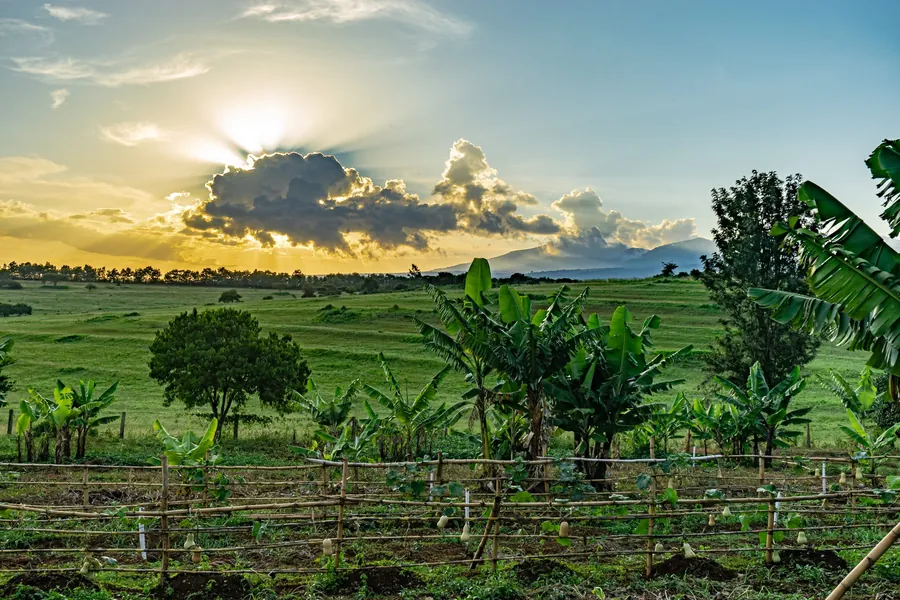
Green farmland and a dramatic sky at sunrise near Karatu in the Ngorongoro highlands

Green season

April to May & November to December

Rainy periods · Lush landscapes · Fewer visitors · Lower rates

The rains bring dramatic skies, birding at its peak and a quieter safari. November and December see short rains that rarely disrupt game drives, and many travelers call them a hidden sweet spot. April and May are the wettest months: some lodges close, roads soften and the herds spread across the central Serengeti, but rates are at their lowest and Serengeti park fees are cheapest from 15 March to 15 May. The southern circuit's camps start closing from March.

  • November to December: short rains, green plains, the herds heading south
  • April: the one month we usually steer guests away from
  • May: rain easing, the lowest rates of the year

Best for quiet parks, birding and value

Getting There

Arusha, Then the Plains

Every Serengeti trip starts in Arusha, and there are two ways on from there: by road with your guide, or by light aircraft.

International flights land at Kilimanjaro, about an hour from Arusha, where your first night is a rest night. The light aircraft to the Serengeti leave from Arusha's own small airport, so we never squeeze one in on the day you land.

By road, your guide drives you through Tarangire or Lake Manyara, up past Ngorongoro Crater and down onto the plains. From Karatu it's about five and a half to six and a half hours to the central Serengeti, so we make it a game-drive day rather than a transfer. By air, it's around 70 to 90 minutes from Arusha to Seronera, with other airstrips in the north, the west and at Ndutu. Many of our trips drive in and fly out, so you never repeat the long road.

Light aircraft take soft bags only, around 15kg including hand luggage, so pack light. Heading on? Zanzibar is a light aircraft flight away, and the Masai Mara is about half a day by air for most of the year.

There's no nonstop flight from the US to Kilimanjaro. The quickest route is Kenya Airways' nonstop from New York JFK to Nairobi, about 14 hours, then about an hour on, roughly 17 to 21 hours in all. Our Tanzania page has more on the flights.

Go Further

Pair the Serengeti With

The Serengeti is rarely a trip on its own. These are the three pairings we get asked about most.

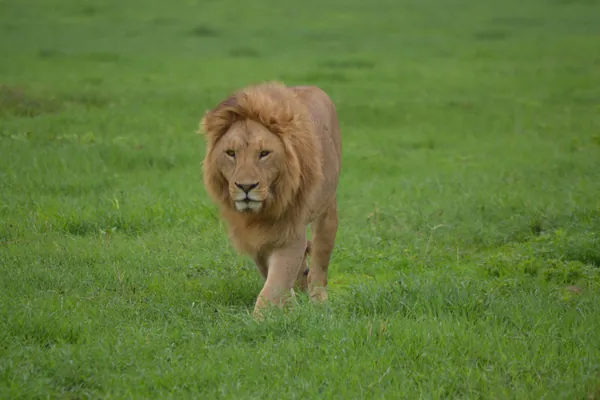
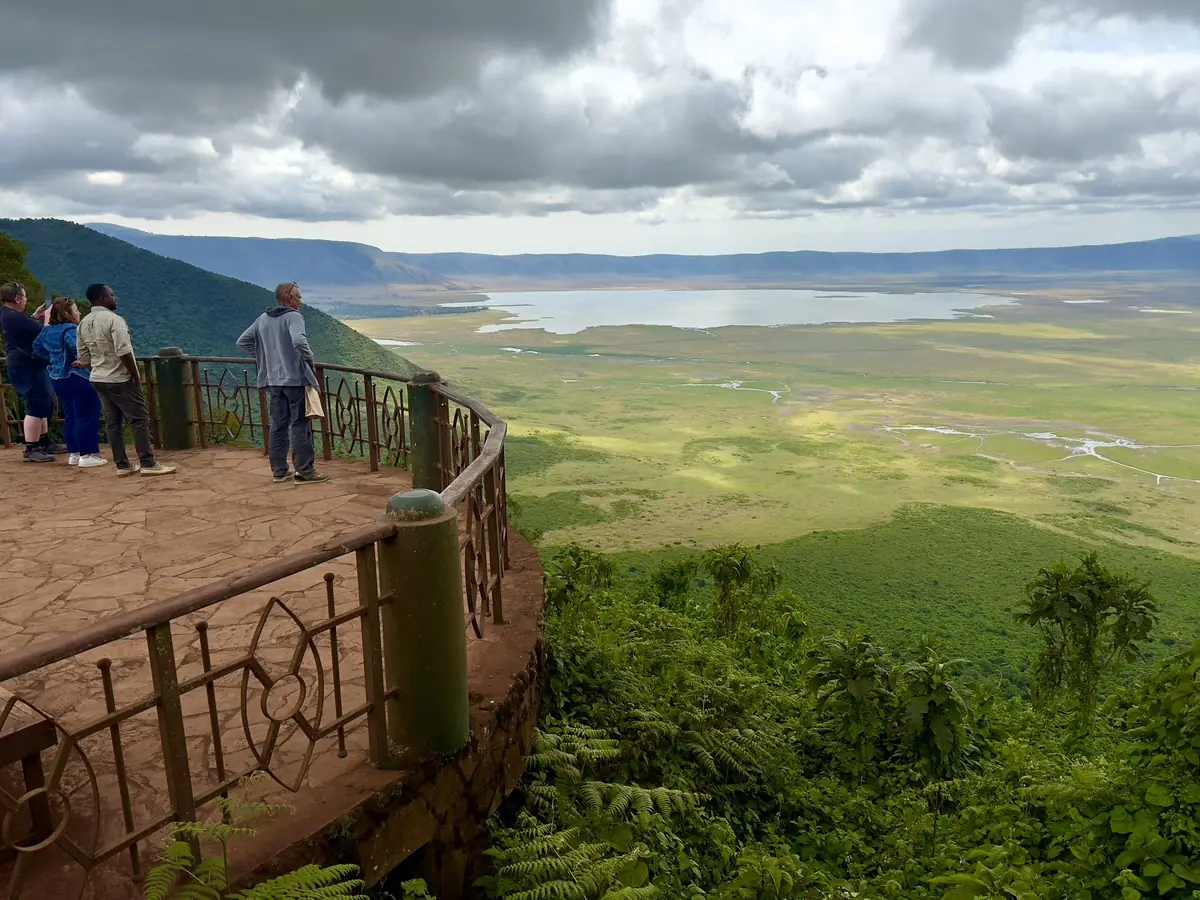
A lion walking across the floor of Ngorongoro Crater

On the way in or out

Ngorongoro Crater

The road to the Serengeti runs past the crater, so every northern circuit trip includes it. We go down onto the crater floor at first light, after a night on the rim or in Karatu, before the busiest hours.

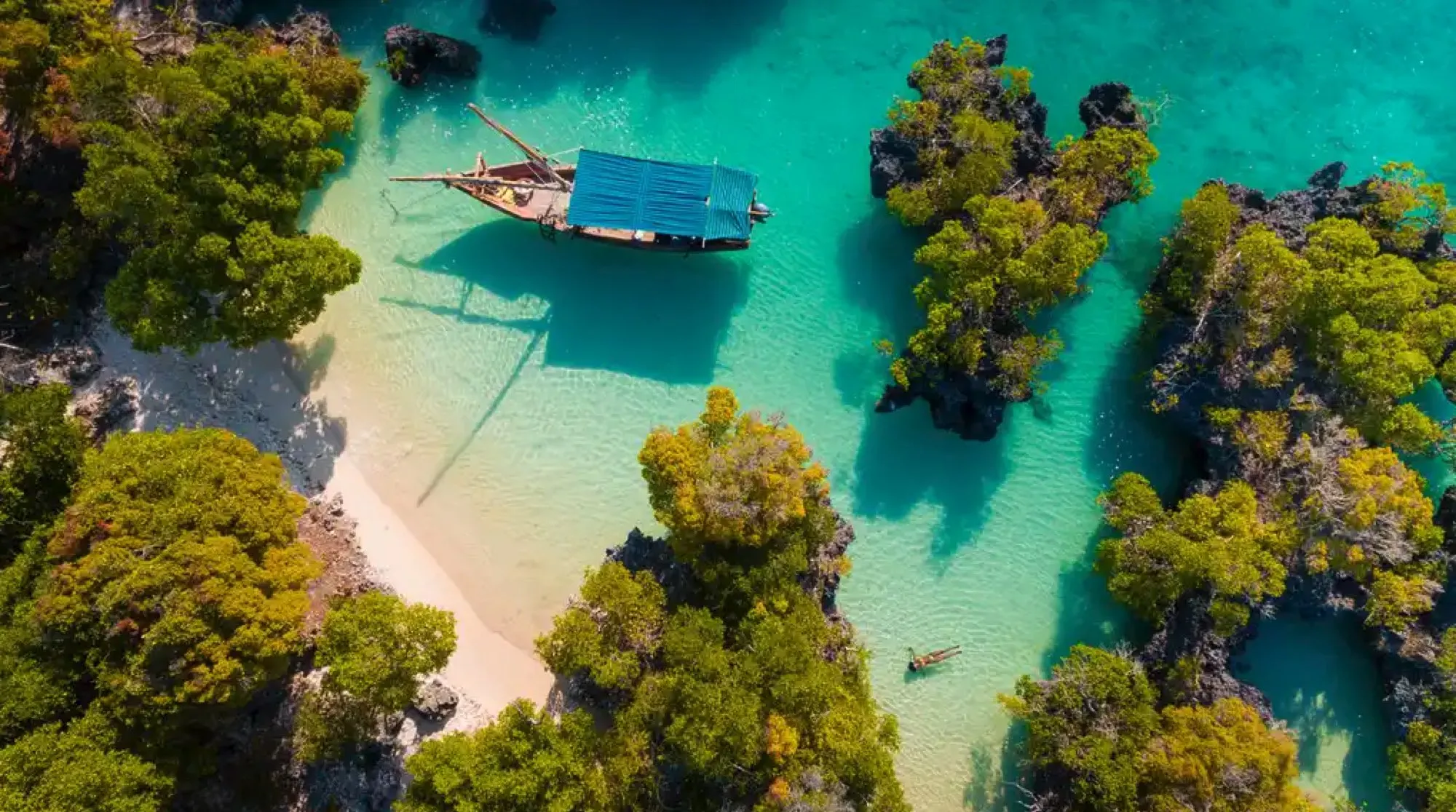
Aerial view of a dhow in a turquoise lagoon among small green islands, Zanzibar

Beach finish

Zanzibar

The classic ending: safari first, beach second. Stone Town for history, then three or four nights on the north or east coast. A typical 13-night safari and beach trip comes to $7,550 to $10,900 per person.

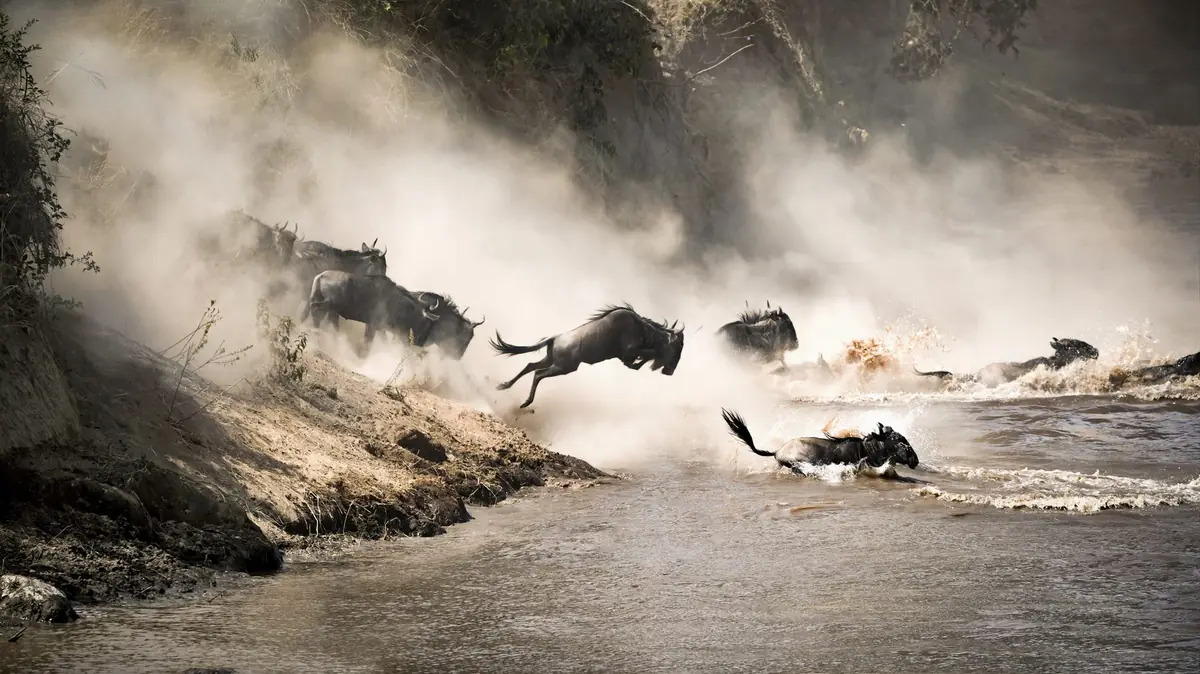
Wildebeest leaping into the Mara River during a crossing

Same ecosystem, across the border

The Masai Mara

The northern end of the same ecosystem, with private conservancies that allow walking and night drives. We link the two by air in about half a day, and our 12-night Masai Mara and Serengeti trip starts from about $9,550 per person.

The Practical Questions

FAQ

The questions we're asked most about a Serengeti safari. For visas, health and safety, see the practical notes on our Tanzania page.

Can't see your question? Ask us directly and a real person will answer.

Planning and cost

How many nights should we spend in the Serengeti?
Two nights is the least we'd suggest, three is the sweet spot, and four is generous. The first and last days are partly travel, so two nights gives you about a day and a half on the plains. If you want to see two areas of the park, or follow the herds, give it four.
How much does a Serengeti safari cost?
Our three 7-day set safaris, each with two or three nights in the Serengeti, start from $4,550, $5,950 and $8,150 per person, twin share. Across our quotes, a private safari for two costs about $590 to $1,300 per person per night, depending on the lodges, with meals, park fees, your private vehicle and guide included. July to October and the top camps cost more, and international flights are extra. See our Tanzania safari cost guide.
Serengeti or Masai Mara?
They're one ecosystem split by the border between Tanzania and Kenya. The Serengeti is far bigger, about 5,700 square miles against the Mara's 580 or so, it has the herds for most of the year, including the January to March calving, and it pairs naturally with Ngorongoro Crater. The Mara is smaller, and the private conservancies around it allow walking and night drives. Plenty of our guests do both. Our Masai Mara vs Serengeti guide compares them side by side.

When to go

When is the best time for a Serengeti safari?
It depends on what you want to see, because each area of the park has its season. January to March is the calving on the southern plains around Ndutu. June is the Western Corridor and the Grumeti River. From mid-July to October the herds are in the north around the Mara River, and September is usually the most reliable month for crossings. The central Serengeti has resident big cats all year. April is the one month we steer guests away from: it's the wettest, and some camps close. Our Great Migration guide goes month by month.
Will we see a river crossing?
Nobody can promise one. The herds reach the Mara River from about mid-July, and September is usually the most reliable month, but they cross when they're ready and the rain decides how long they stay. In 2026 an August storm sent most of them back south within weeks. Two or three nights in a camp near the river, rather than a day trip from further away, gives you the best chance, and we tell you honestly what the odds are for your dates.
Is the green season worth it?
Yes, for the right trip. November and December bring short rains that rarely get in the way, and May is green and quiet, with the lowest rates of the year. Serengeti park fees are lowest from 15 March to 15 May. April is the exception: it's the wettest month, roads soften and some camps close.

On safari

Can we do a hot air balloon safari?
Yes. A balloon lifts off in the central Serengeti at first light and drifts over the plains as the sun comes up, then lands for a bush breakfast. It's about $700 per person, added to your trip as an extra, and balloon flights set their own minimum age for children.
Can we do night drives or walking safaris in the Serengeti?
Not inside the national park: there, every drive is by day. Night drives are possible at Lake Manyara and Tarangire, so we can fit one into the same trip. If walking and night drives matter most to you, the private conservancies of the Masai Mara offer both. See our Masai Mara page.
Can kids come on a Serengeti safari?
Yes. Age rules are set camp by camp, and some camps, such as Sayari Camp and Lemala Nanyukie, have family suites. Tell us the ages and we'll shortlist the right camps. See our guide to safari with kids.

Getting there

How do we get to the Serengeti?
Fly into Kilimanjaro and spend your first night in Arusha. From there, your guide can drive you in through Tarangire or Lake Manyara and Ngorongoro Crater, or you can take a light aircraft from Arusha's small airport to the airstrip nearest your camp, around 70 to 90 minutes to the central Serengeti. Many of our trips drive in and fly out, so you never repeat the long road. There's no nonstop flight from the US. The quickest route is Kenya Airways from New York JFK to Nairobi, then about an hour on, roughly 17 to 21 hours in all.
How long is the drive to the Serengeti?
From Karatu, near Ngorongoro Crater, it's about five and a half to six and a half hours to the central Serengeti, and we make it a game-drive day rather than a straight transfer. From Arusha it's too far for one day, which is why the road trip breaks at Tarangire, Lake Manyara or the crater on the way.
Can we go on to the Masai Mara or Zanzibar?
Yes. The road border between the Serengeti and the Mara is closed to visitors, so we link the two by air, which takes about half a day for most of the year (the cross-border flights pause from April to late May). Zanzibar is a light aircraft flight away, via Arusha. Safari first, beach second. See our Zanzibar page.

Start Planning

Plan Your Serengeti Safari

Tell us your dates, who's traveling and what you'd love to see, and we'll put you in the right part of the Serengeti for your month, with a private itinerary and real prices in US dollars.
Five stars. 5.0 on Google and Tripadvisor37 five-star reviews, every one of them

Get in Touch
“Could not have imagined how it could have been better planned and delivered.”
Five stars. Gryffable, first safari, 2026, on Google
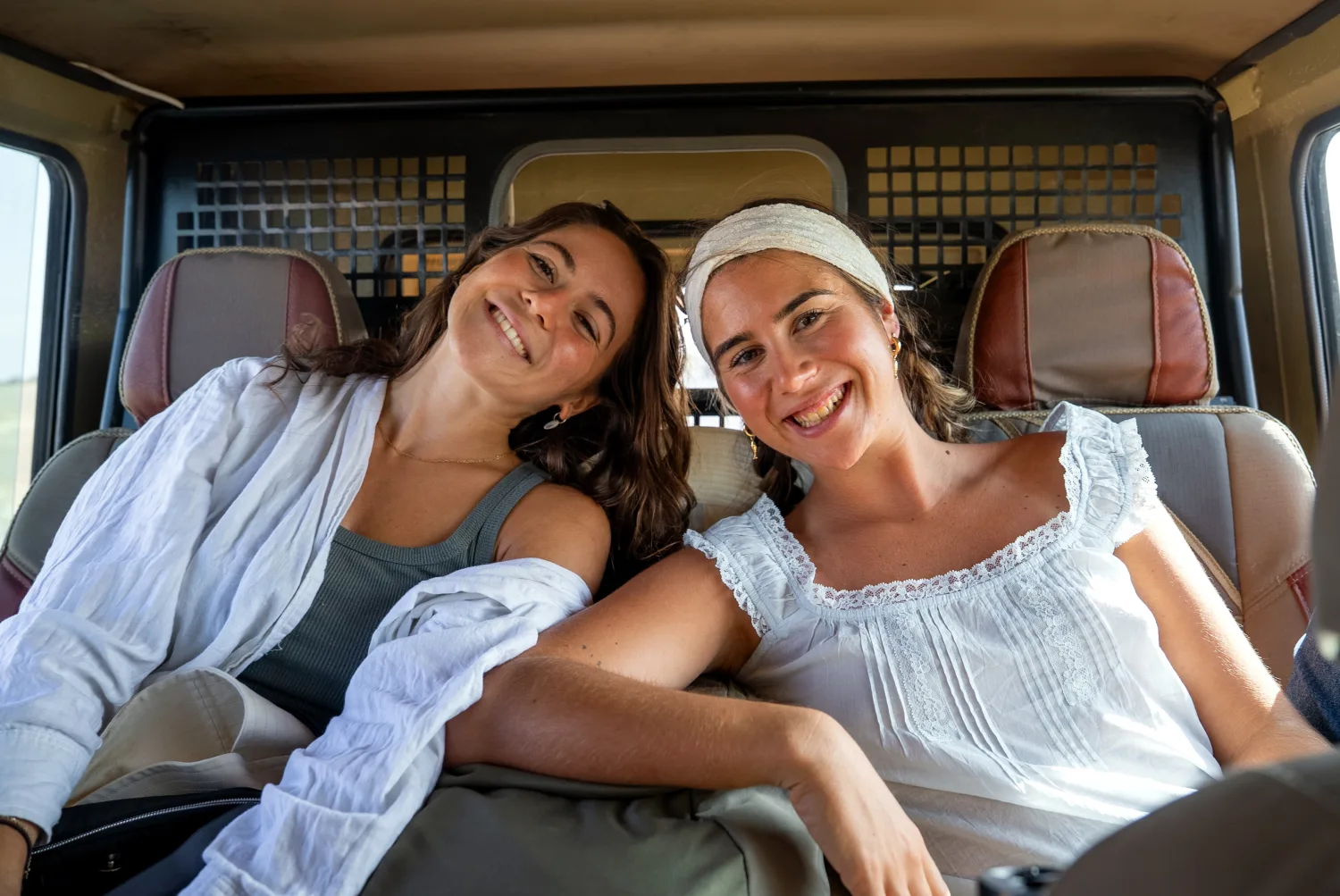
Two guests smiling in the back of a safari vehicle

Email us or book a call

Talk to a real person

Samara looks after our guests from the US. Email her or book a call at a time that suits you, or message her on WhatsApp, and she'll come back to you the same day, US time.

Safaris · inquiries & bookings
Samara Imhoof

Bookings & Client Care

Whether you're just kicking around ideas or already booked. Dates, lodges, costs, changes, payments, flights.


Email

[email protected]
Business · partnerships & trade

Jackson Potter

Founder

Lodges, agents, media, or anything commercial. This one comes straight to me.


[email protected]
Contact us

Not sure who to ask? [email protected] reaches the whole team.