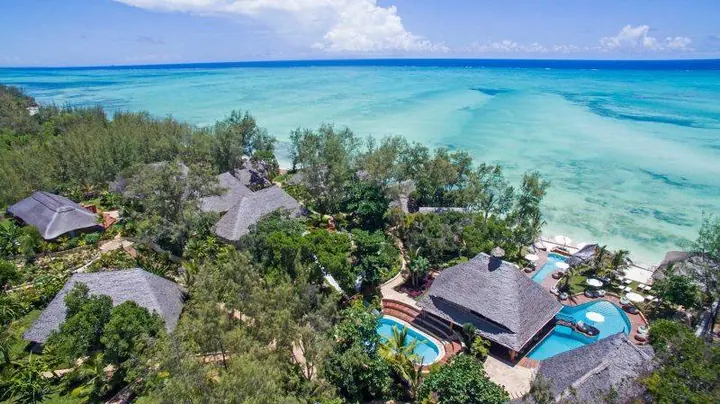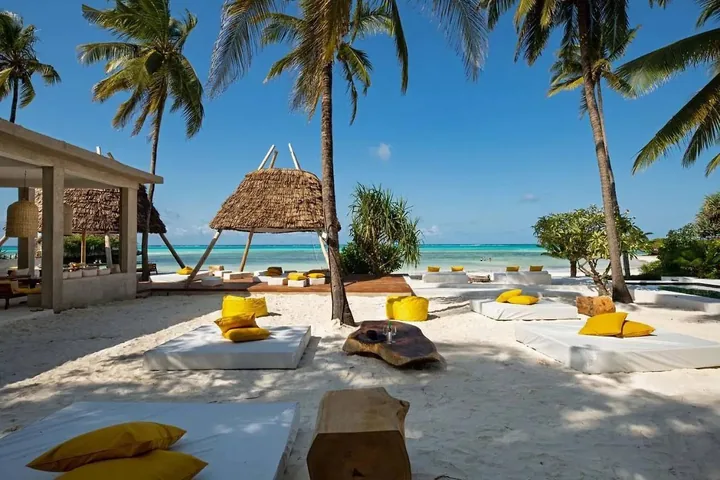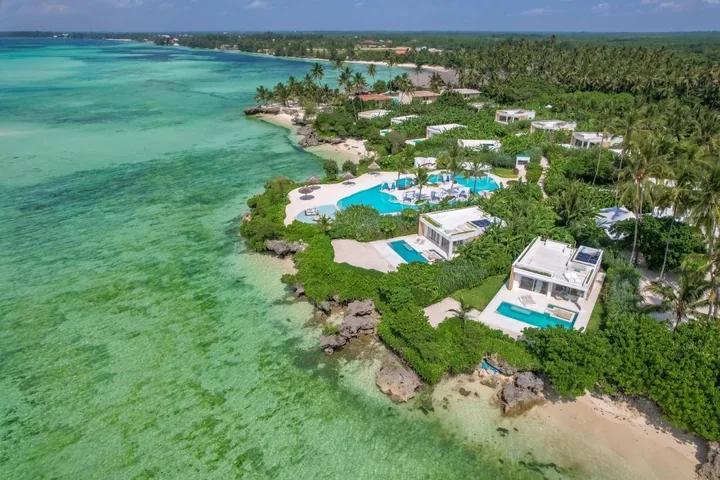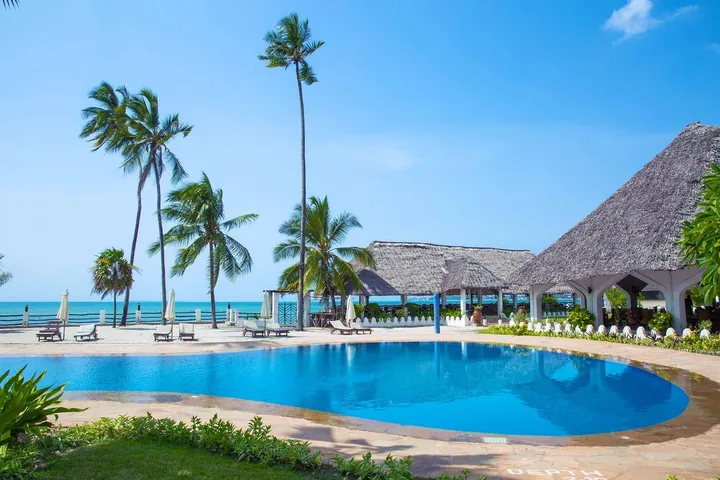



Stone Town · Beaches · Spice · Marine Life
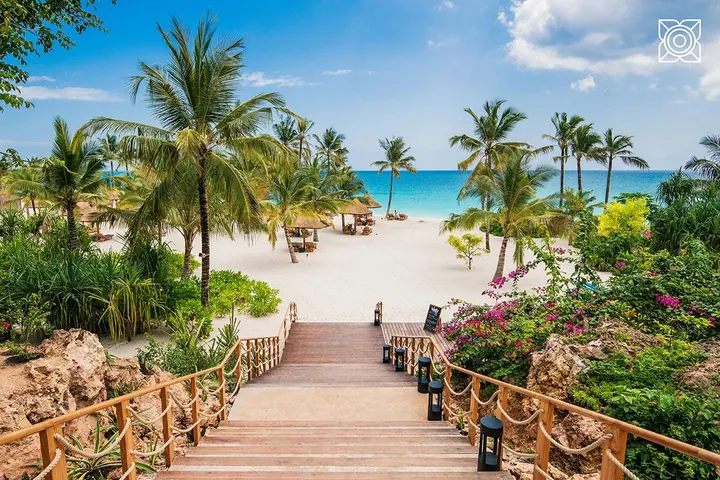
Zanzibar is where safari meets the Indian Ocean. After days of dusty game drives and early morning wake-up calls, the spice island delivers white sand, turquoise water, and a pace that lets everything settle. Most of our guests add Zanzibar as a 3–5 night extension after their Tanzania safari — a short flight from Arusha or the Serengeti, and you're stepping onto warm sand within a couple of hours.
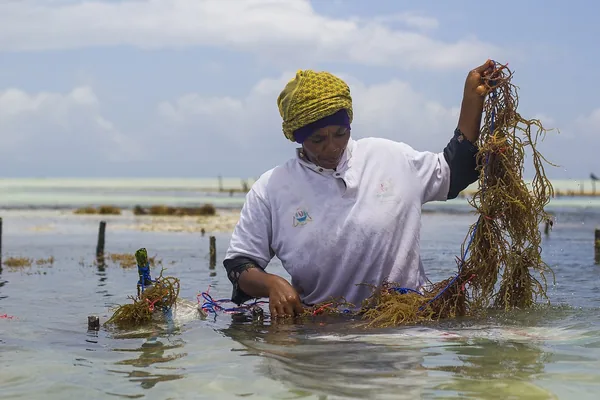
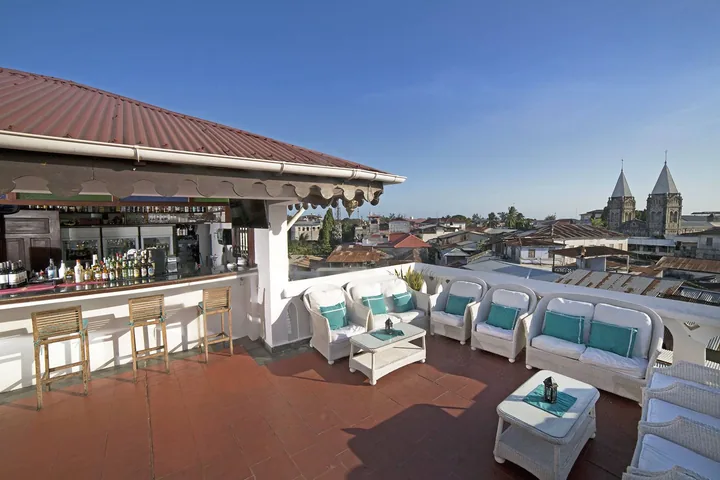
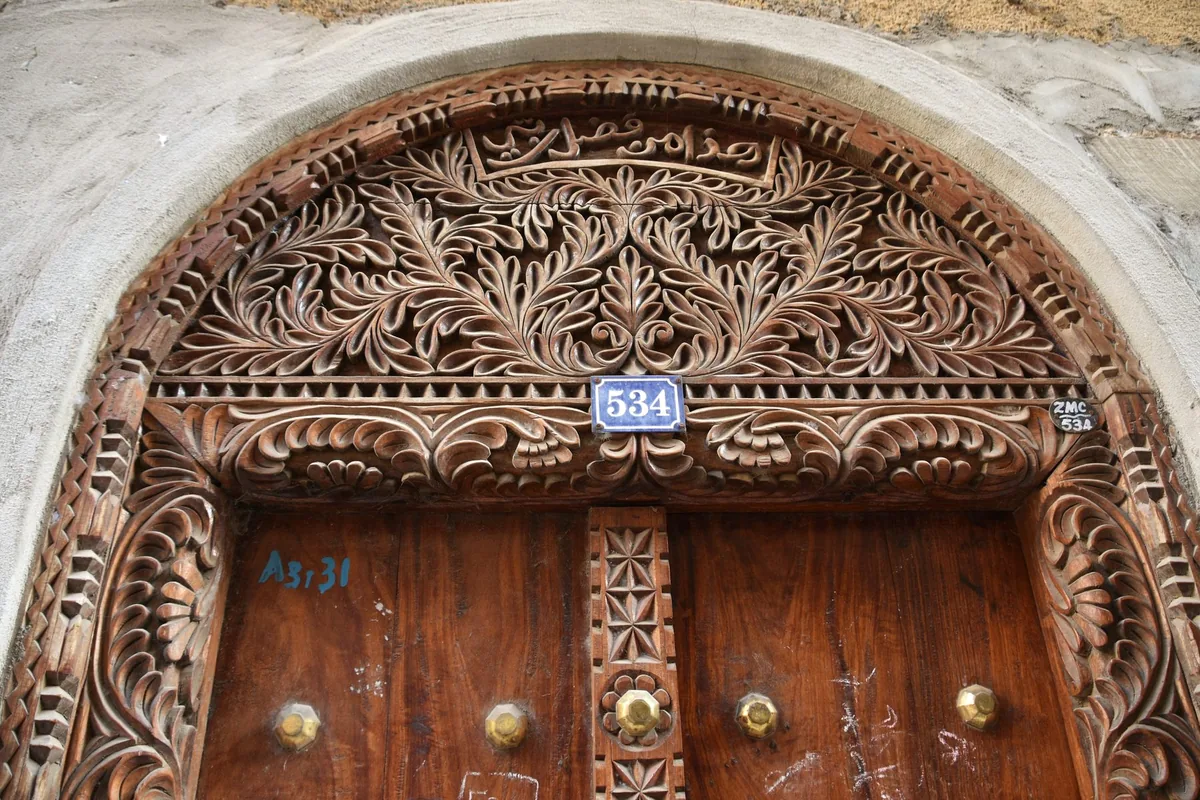
But Zanzibar is far more than a beach stop. Stone Town is a UNESCO World Heritage site with narrow alleys, carved wooden doors, rooftop restaurants overlooking the harbour, and a history shaped by Omani sultans, Portuguese traders, and the spice trade. The island's coastline shifts character every few kilometres — from the party-friendly sunset strips of Nungwi to the quiet, tide-dependent flats of Jambiani where women farm seaweed at low water. And offshore, the marine life is exceptional: Mnemba Atoll, whale sharks, dolphins, and coral gardens that rival anywhere in the Indian Ocean.
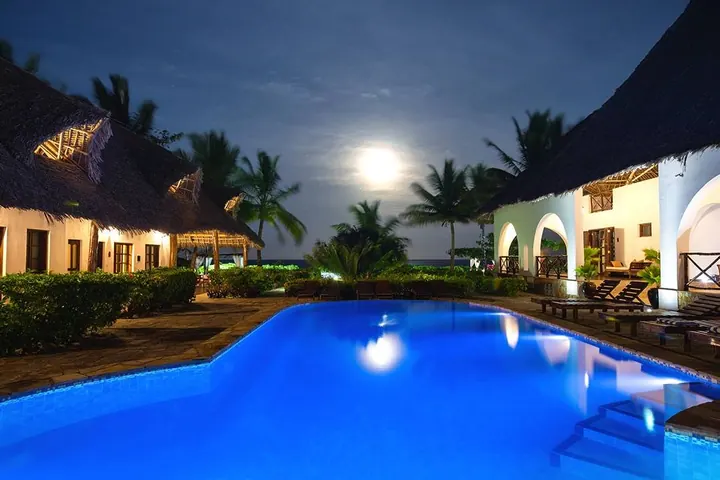
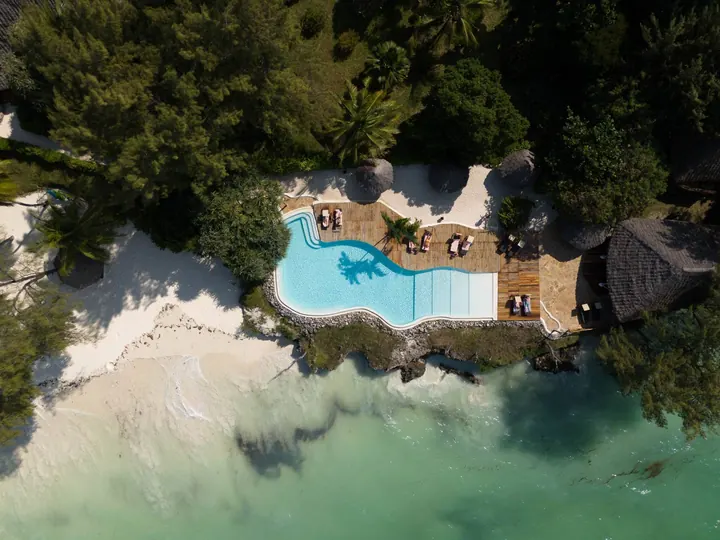
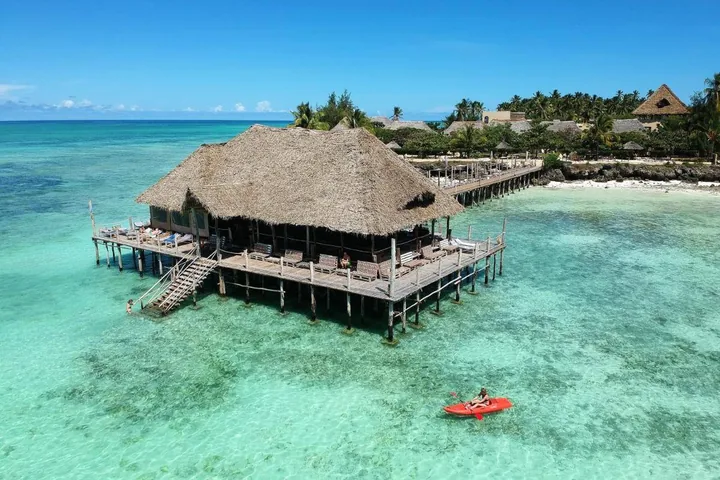
Whether you come for culture, water sports, marine encounters, or simply to lie flat on the sand and read a book, Zanzibar rewards every type of traveller. We match the right coast, the right property, and the right rhythm to how you want to finish your trip.
Tap each area to learn more
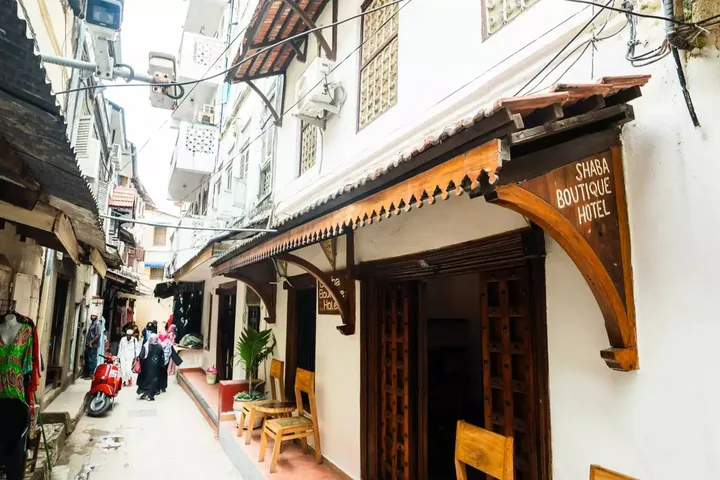
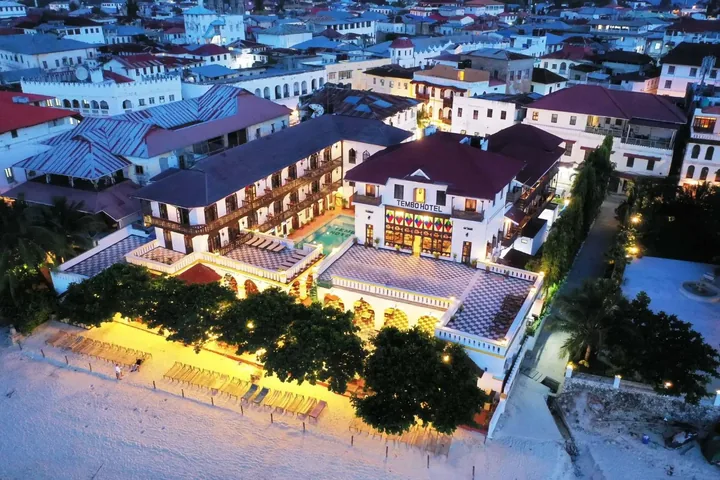
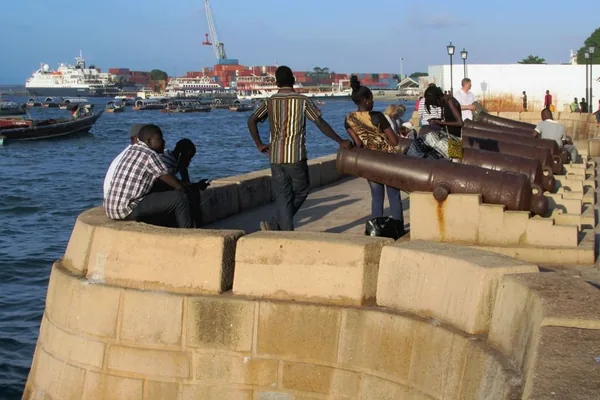
Stone Town is the cultural heart of Zanzibar — a labyrinth of narrow alleys, crumbling coral-stone buildings, and ornately carved wooden doors that tell the story of centuries of trade between Africa, Arabia, India, and Europe. It's compact enough to explore on foot, and getting slightly lost is part of the experience. The architecture shifts from former sultan palaces to old merchant houses, with rooftop restaurants and spice-scented courtyards tucked into every corner.
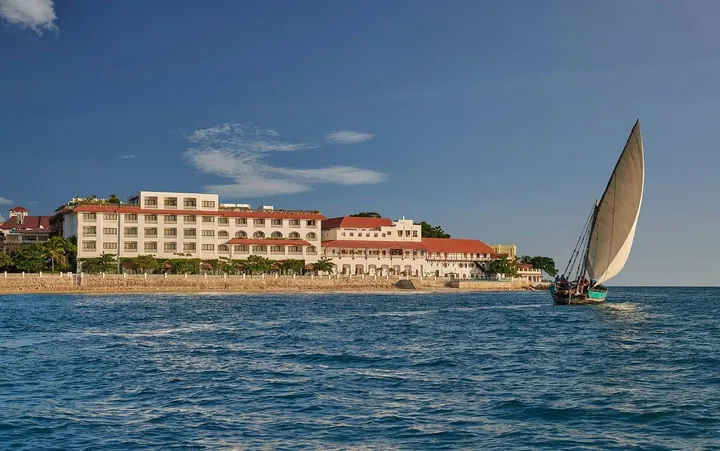
The Forodhani Gardens night food market is a must — locals and visitors crowd around grills loaded with Zanzibar pizza, octopus skewers, sugar cane juice, and fresh seafood. The Old Fort, House of Wonders, and the Anglican Cathedral (built on the site of the old slave market) are all within walking distance. For a different perspective, a sunset dhow cruise from the harbour puts the Stone Town skyline against the Indian Ocean horizon.
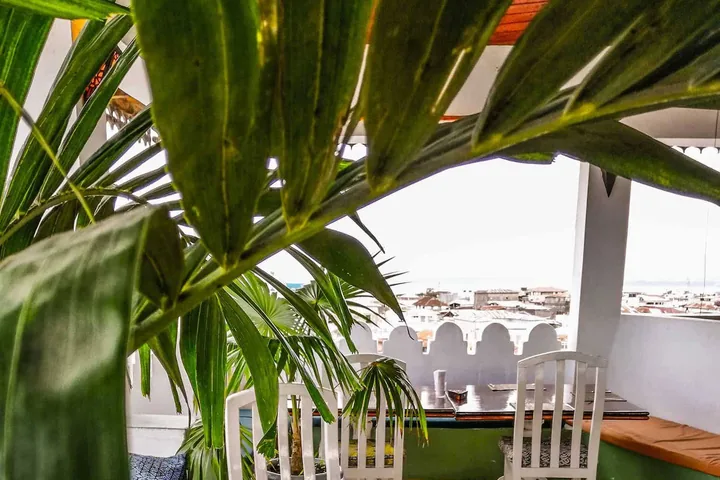
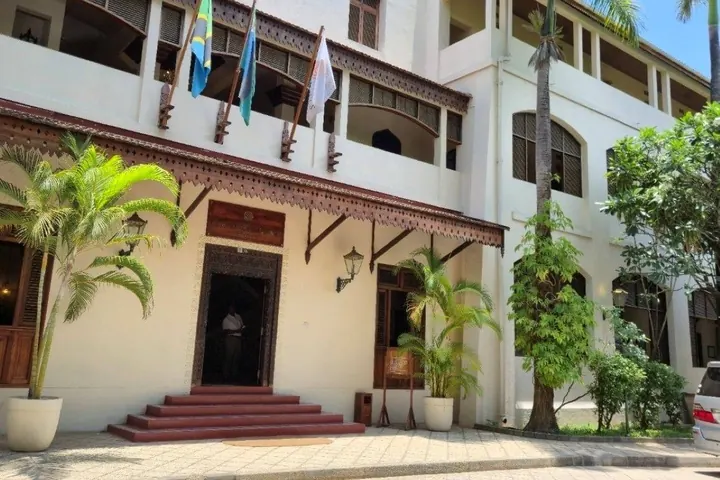
Most guests spend one or two nights in Stone Town at the start or end of their Zanzibar stay. The best properties here are boutique heritage hotels — restored merchants' houses with rooftop pools, courtyard dining, and a sense of place you won't find at a beach resort. It's a genuine cultural immersion and the perfect contrast to the beaches that follow.
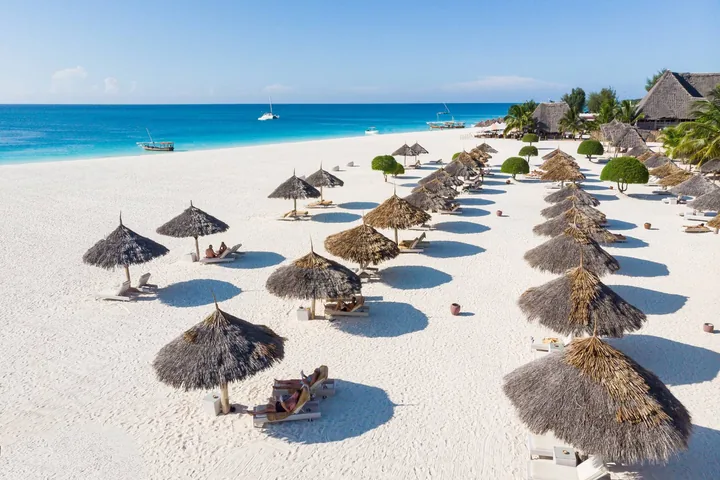
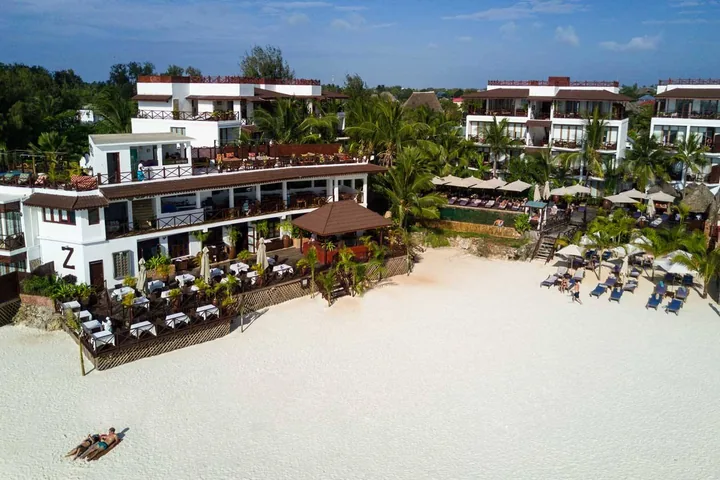
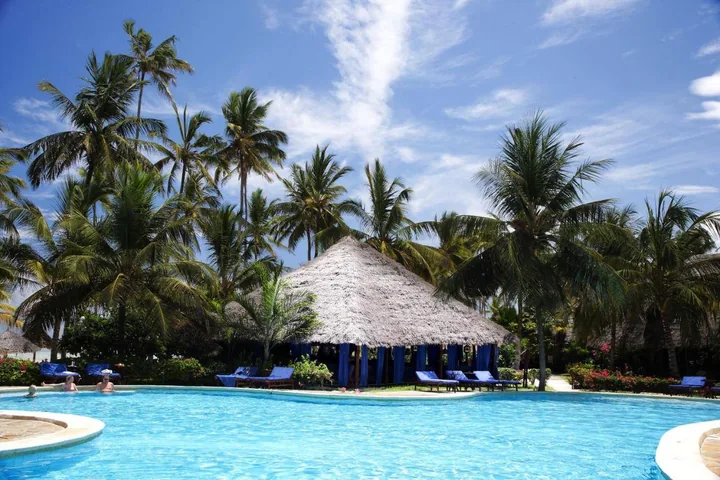
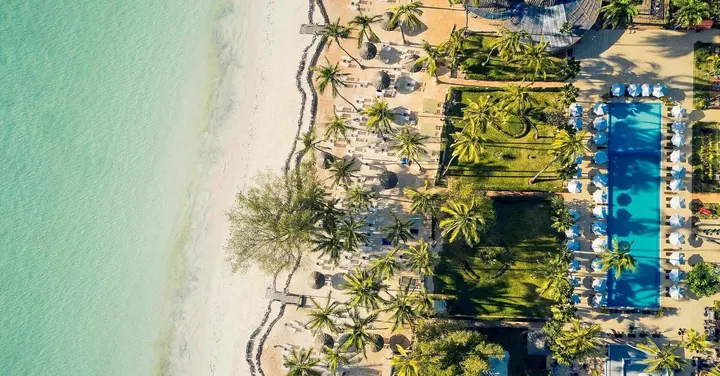
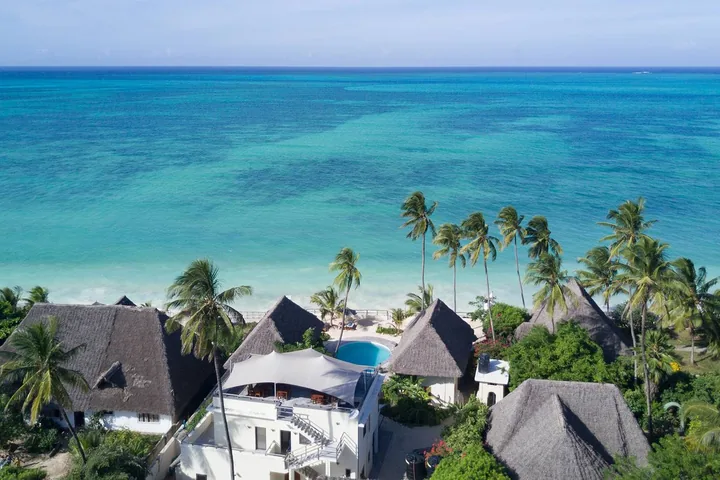
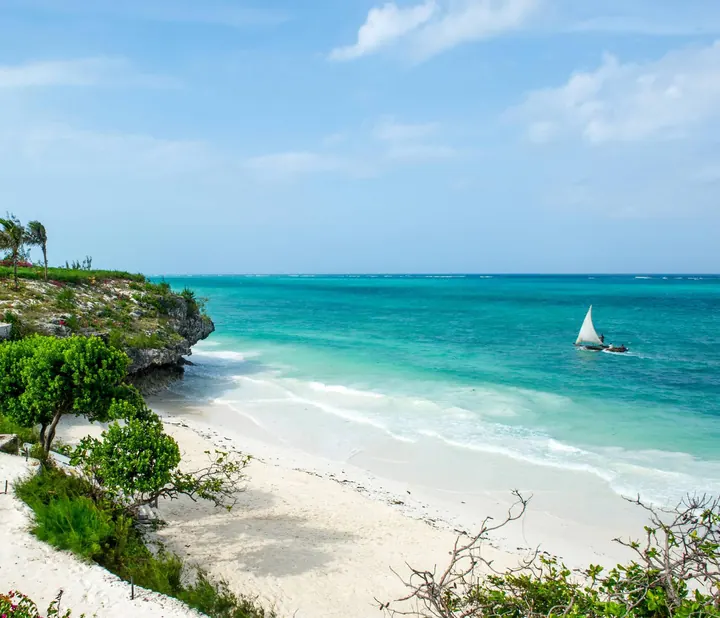
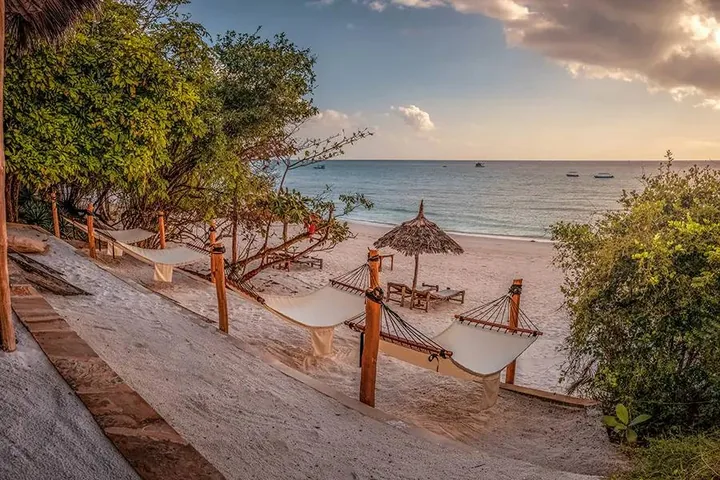
The north coast is where most first-time visitors to Zanzibar head, and for good reason. Nungwi and Kendwa sit at the northern tip of the island where the tides are gentlest — you can swim at any time of day without the water retreating hundreds of metres, which is a real consideration on Zanzibar's east coast. The sand is white, the water is warm year-round, and the sunsets from this stretch of coastline are among the best in East Africa.
Nungwi is the larger of the two and has a fishing village atmosphere alongside its resort strip. The Nungwi Mnarani Aquarium is a small sea turtle conservation project worth visiting, and the dhow-building yard on the beach gives a glimpse of traditional boat construction that's been practised here for centuries. Kendwa, just south, is quieter and more resort-focused — it's the spot for pure relaxation, beach bars, and the occasional full-moon party that draws visitors from across the island.
This coast suits couples, honeymooners, and anyone who wants guaranteed swimming conditions and a social-but-not-overwhelming beach scene. It's also the jumping-off point for half-day snorkelling trips to Mnemba Atoll and dolphin excursions.
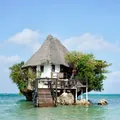
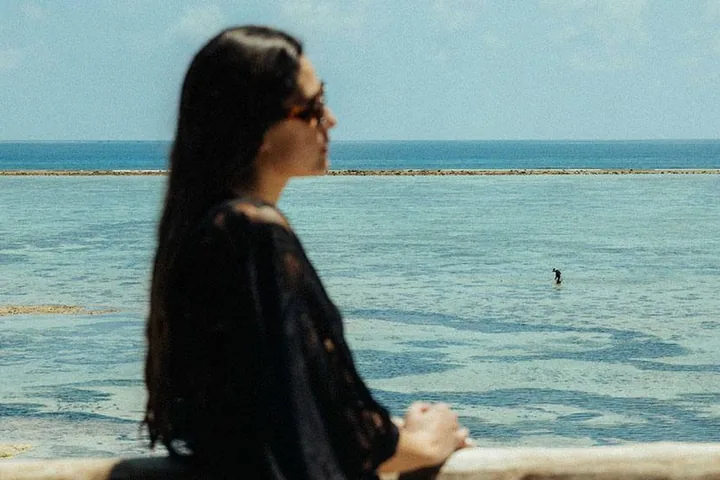
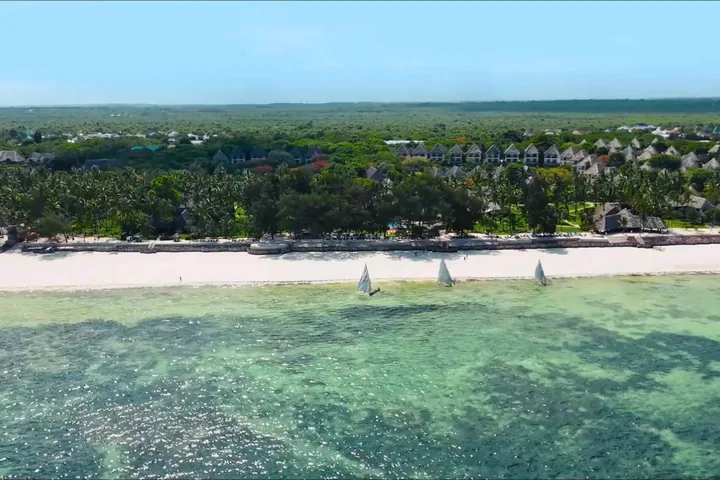
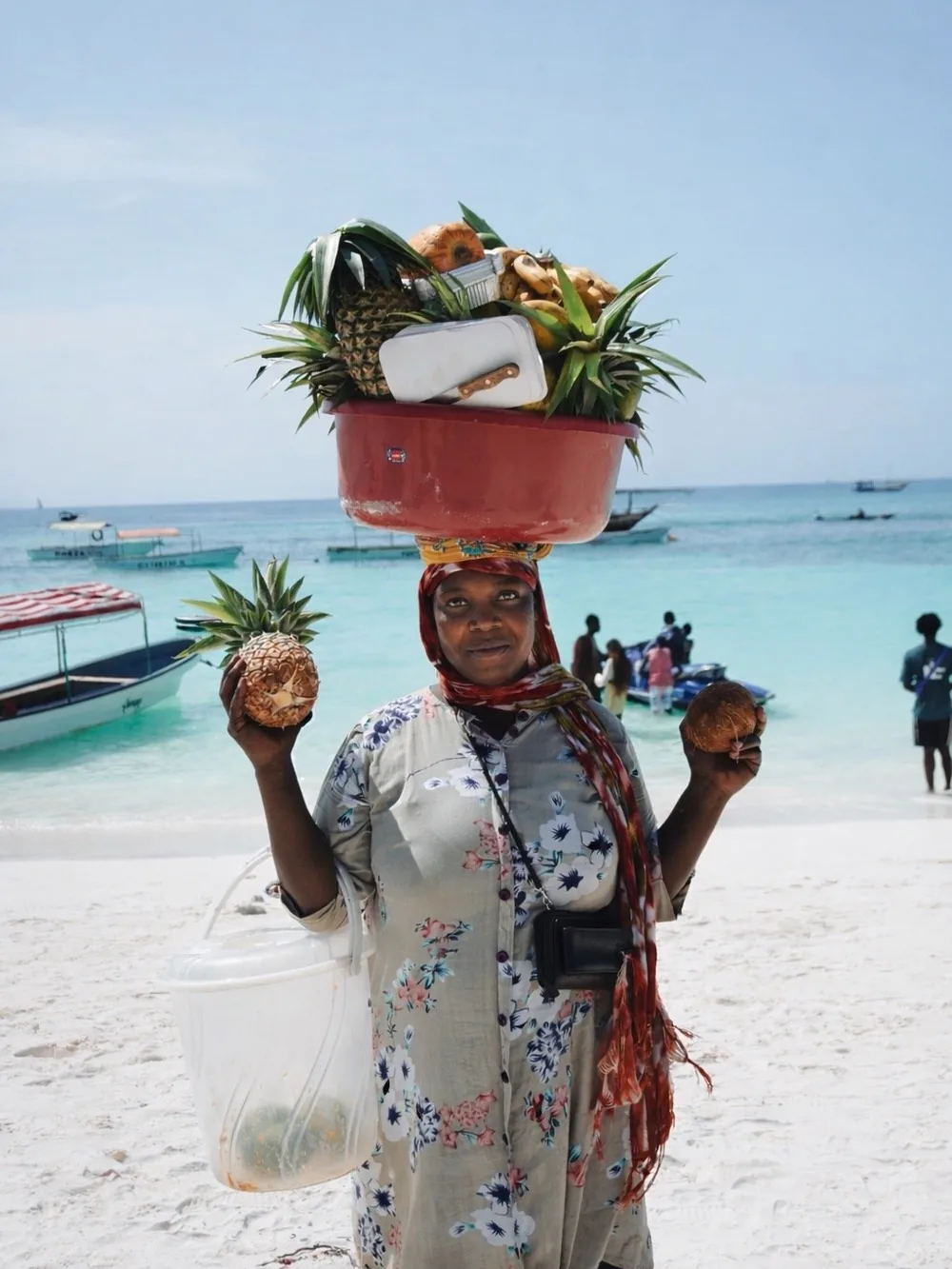
The east coast has a completely different character to the north. The tides here are dramatic — at low water, the sea pulls back to expose vast sandy flats dotted with seaweed farms and tidal pools, and women wade out in colourful kanga wraps to tend their plots. At high tide, the turquoise water floods back in and the beach transforms. It's more raw, more local, and more visually striking than anywhere else on the island.
Paje is the kitesurfing capital of East Africa. Flat, shallow water at low tide and consistent winds from June through September (and again December–February) make it one of the best spots in the world to learn or progress. Even if you don't kite, Paje has a young, active energy with beach cafés, boutique guesthouses, and restaurants that lean more boho than resort. Jambiani, further south, is quieter still — a long stretch of working fishing village where you can watch the catch come in, visit a local seaweed farm, and barely see another tourist.
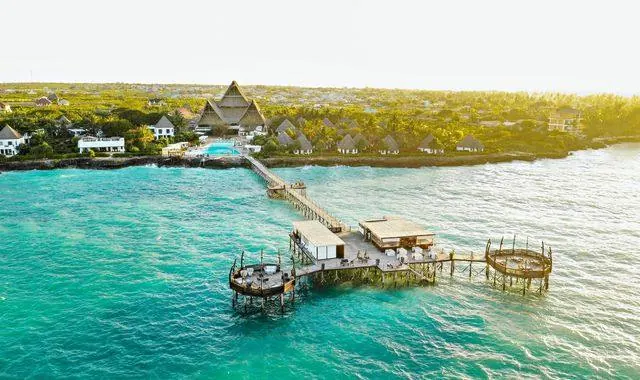
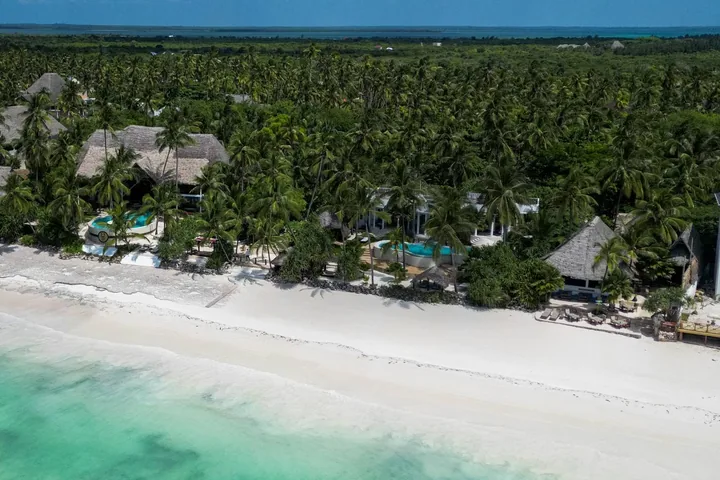
Michamvi, on the peninsula between east and south, offers something in between — a handful of upscale lodges with views over both the lagoon and the open ocean, and some of the most photogenic sandbars on Zanzibar. The east coast suits repeat visitors, independent travellers, and anyone who prefers texture and authenticity over a polished all-inclusive experience.
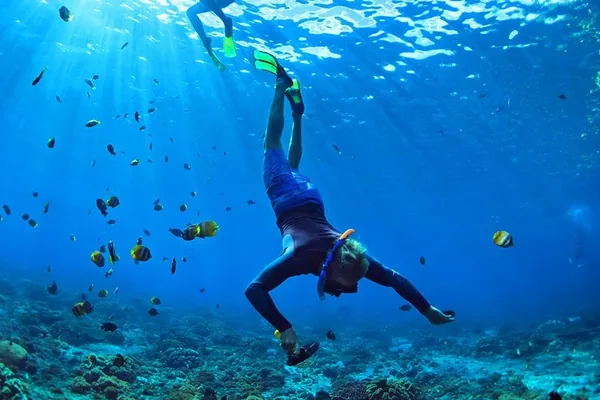
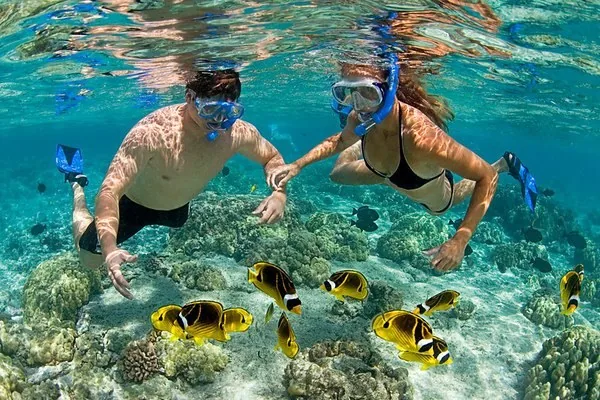
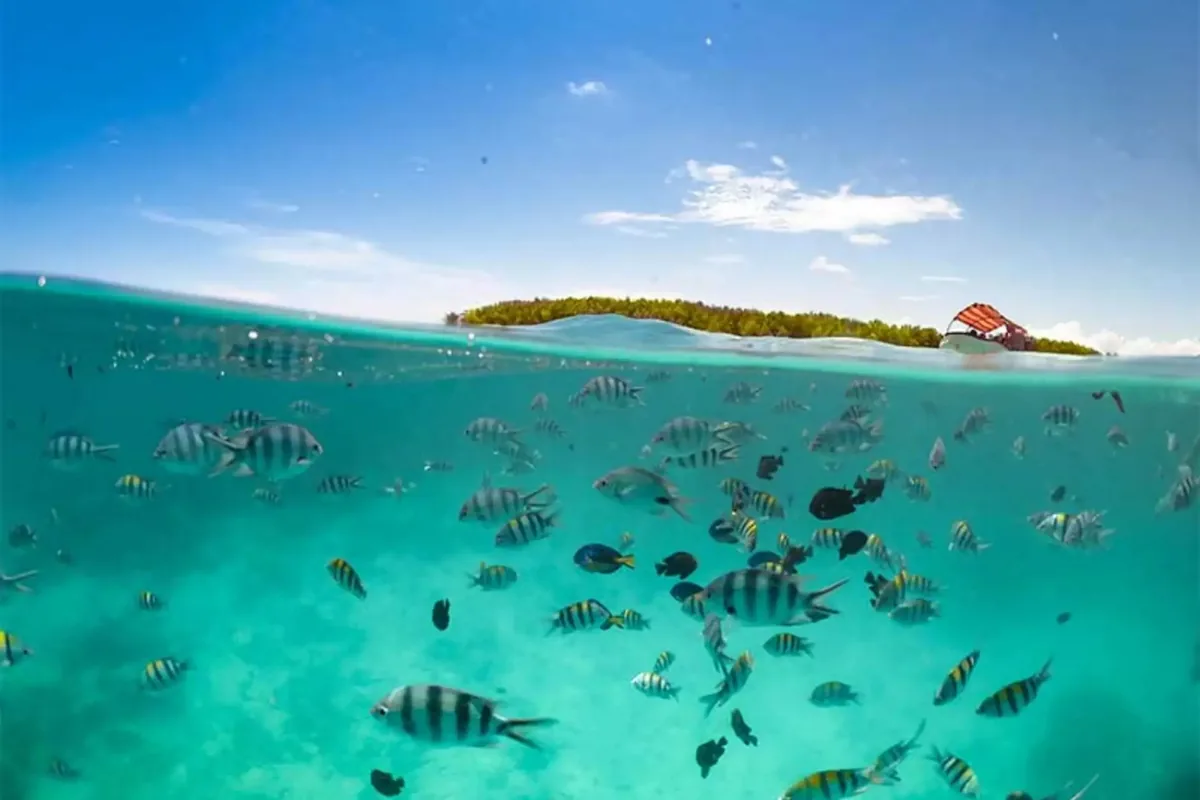
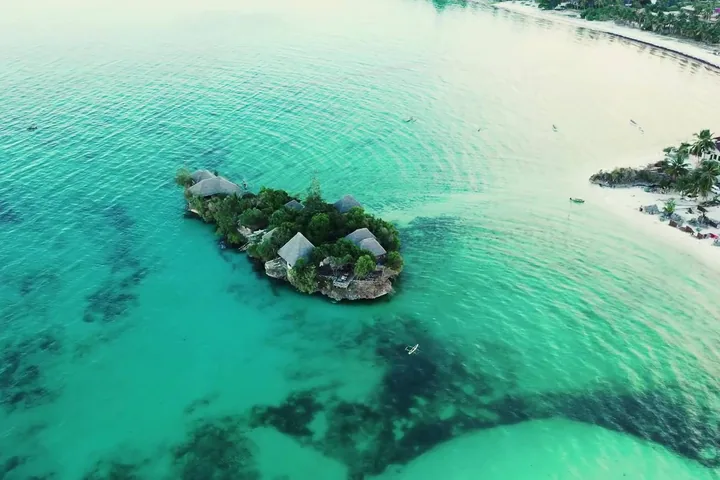
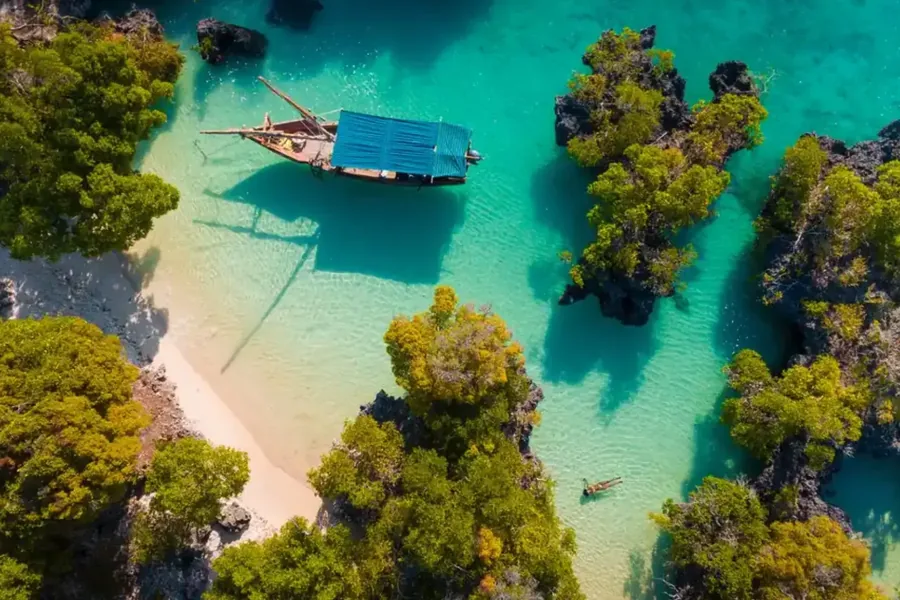
Mnemba Atoll is a small coral island surrounded by a marine conservation area about 3 kilometres off the northeast coast. The snorkelling here is some of the best in East Africa — warm, clear water with visibility often reaching 20 metres or more, and a reef teeming with tropical fish, sea turtles, moray eels, and reef sharks. It's accessible as a half-day boat trip from Nungwi, Kendwa, or Matemwe, and most operators include basic snorkel gear and a stop on a sandbank for lunch.
For divers, Mnemba offers wall dives, coral gardens, and the chance to spot bottlenose dolphins on the boat ride out. Between October and February, whale sharks pass through the waters off the north and east coast — swimming alongside a whale shark is one of those encounters that stays with you. The season is weather-dependent and sightings aren't guaranteed, but when conditions are right, Zanzibar is one of the most accessible places in the world for this experience.
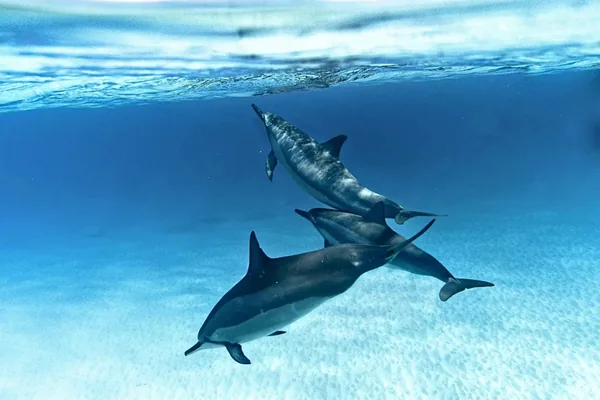
Menai Bay Conservation Area covers the southwest coast and is less visited than Mnemba but equally rewarding. Dolphin trips depart from Kizimkazi village at the southern tip — pods of bottlenose and spinner dolphins are seen year-round. The bay also offers sandbank picnics, mangrove kayaking, and a more off-the-beaten-track feel. We tend to recommend Menai Bay for guests who've been to Zanzibar before or who want to avoid the busier northern routes.
Mnemba Atoll for reef fish and turtles. PADI dive centres across the island offer everything from beginner courses to advanced wall dives. Visibility is best June–October and December–February.
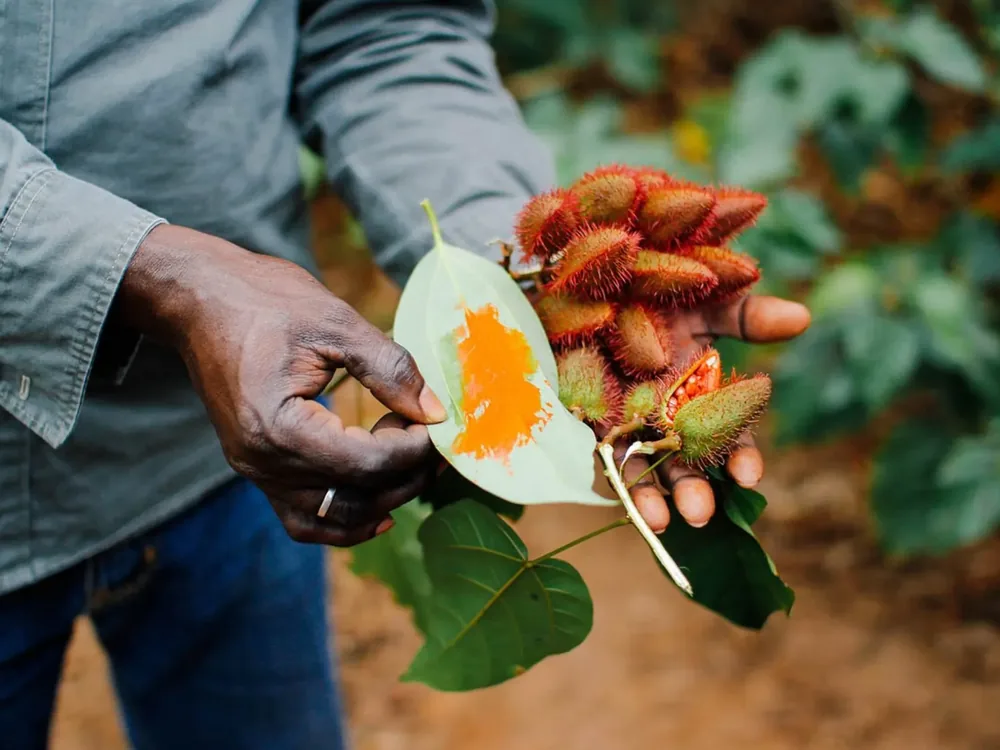
Zanzibar earned its "Spice Island" name. Walk through plantations of clove, vanilla, cinnamon, cardamom, and nutmeg. Guides demonstrate how each spice grows, and you'll taste fresh turmeric and lemongrass straight from the plant.
Paje is one of the top kitesurfing destinations in the world. Shallow lagoons at low tide make it perfect for beginners, and steady trade winds keep advanced riders happy. Schools offer gear rental and IKO-certified lessons.
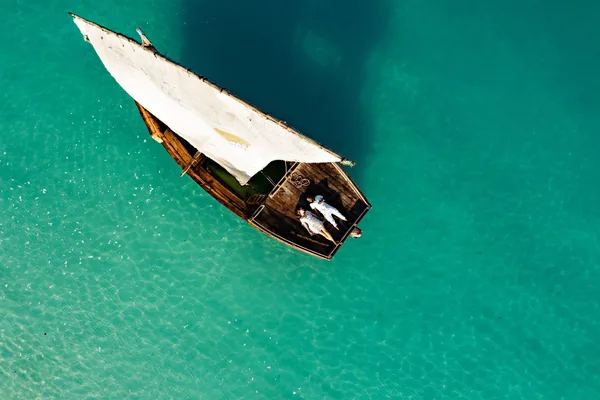
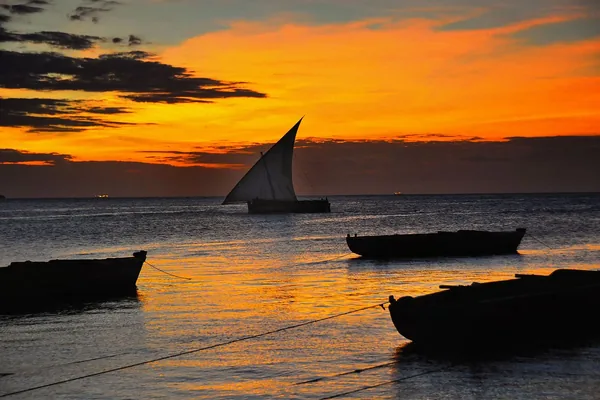
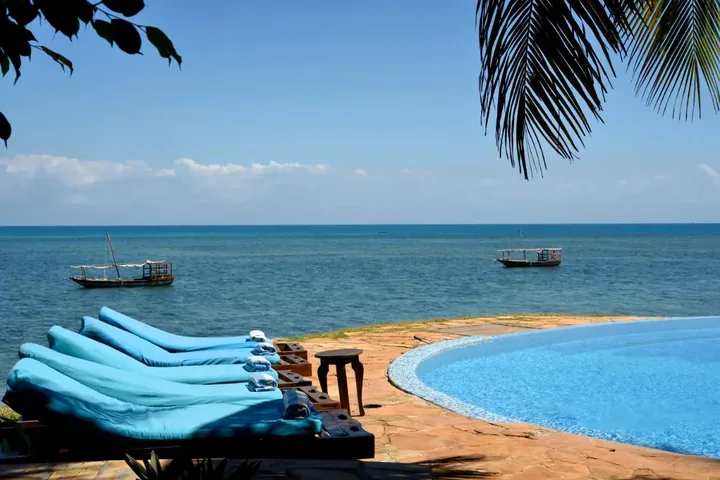
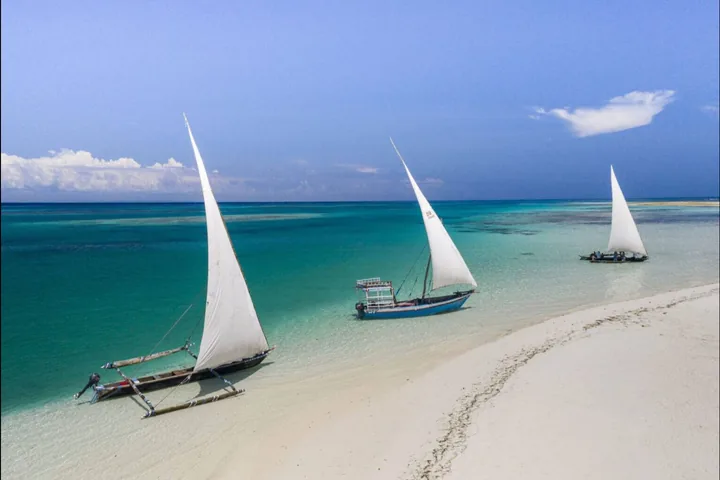
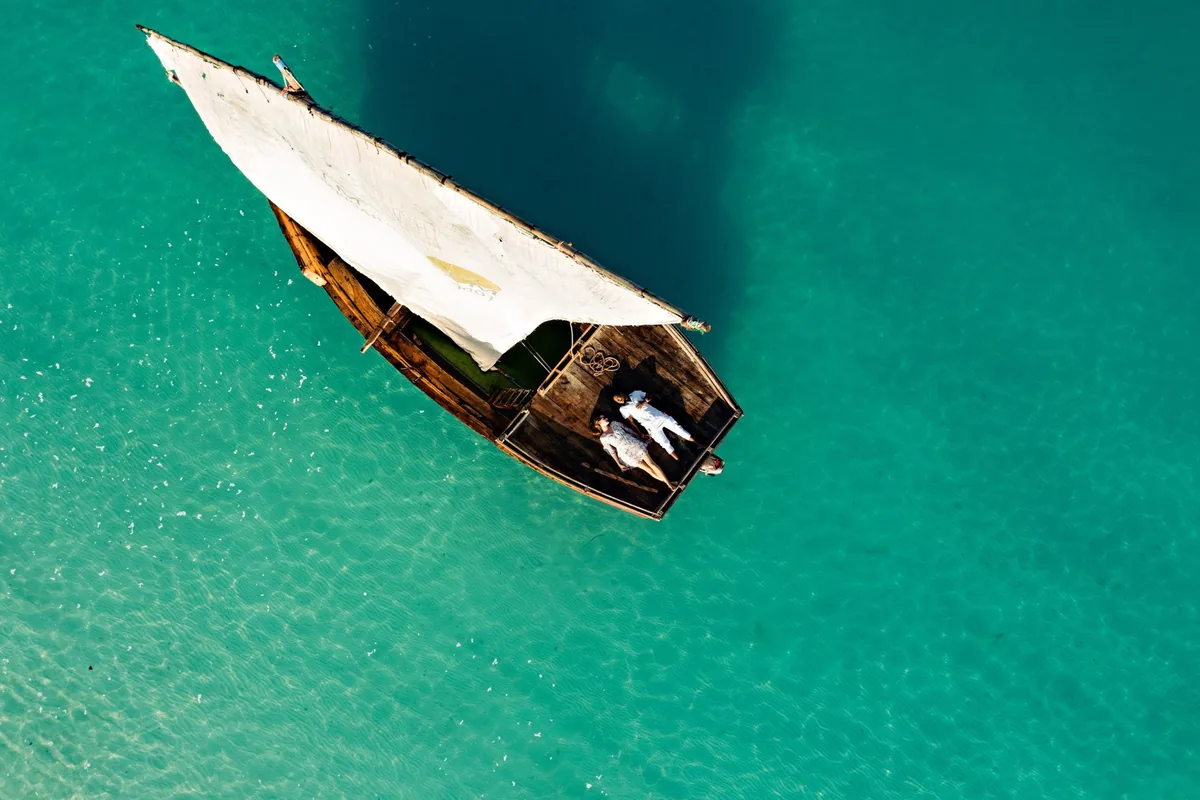
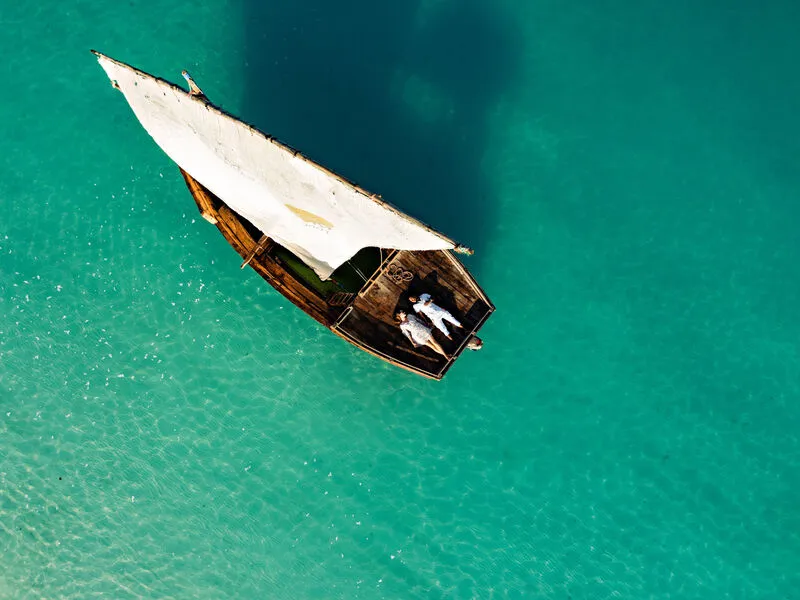
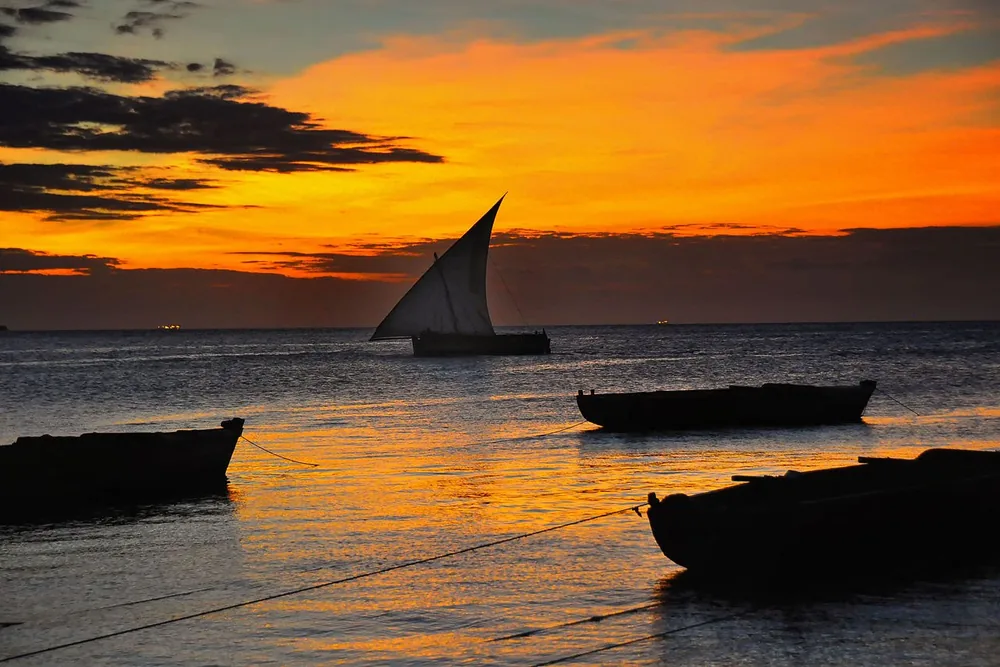
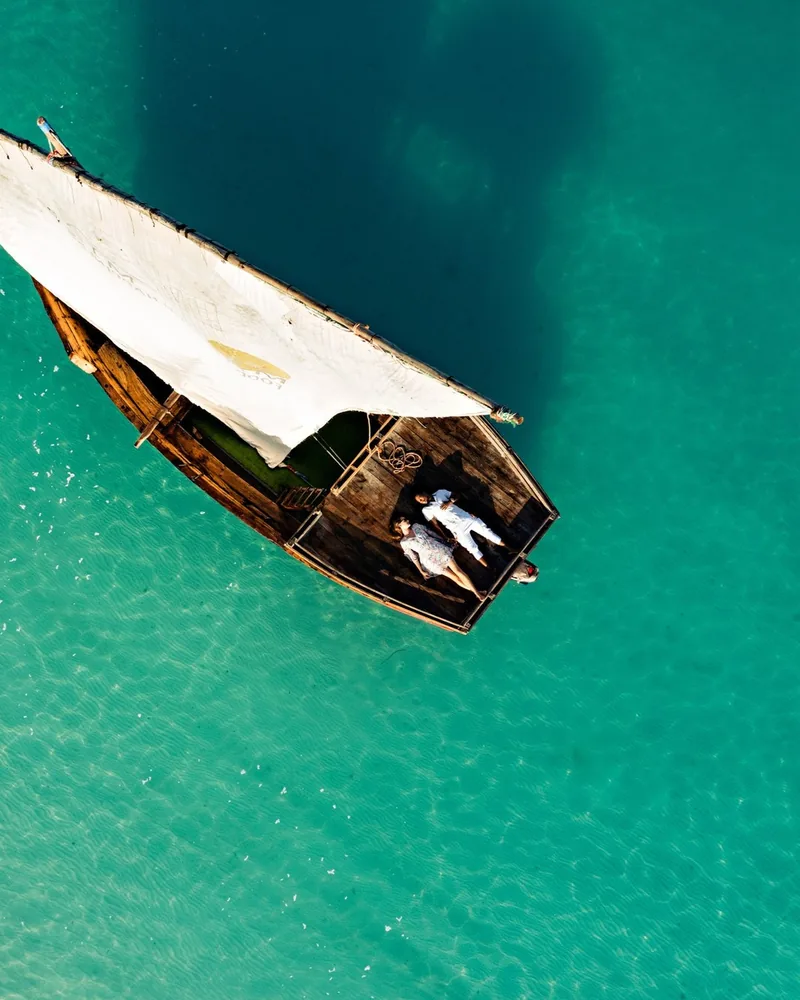
Traditional wooden dhows have sailed these waters for centuries. Sunset cruises depart from Stone Town and the north coast — some include dinner, others drop anchor at a sandbank with drinks and fresh fruit as the sky turns gold.
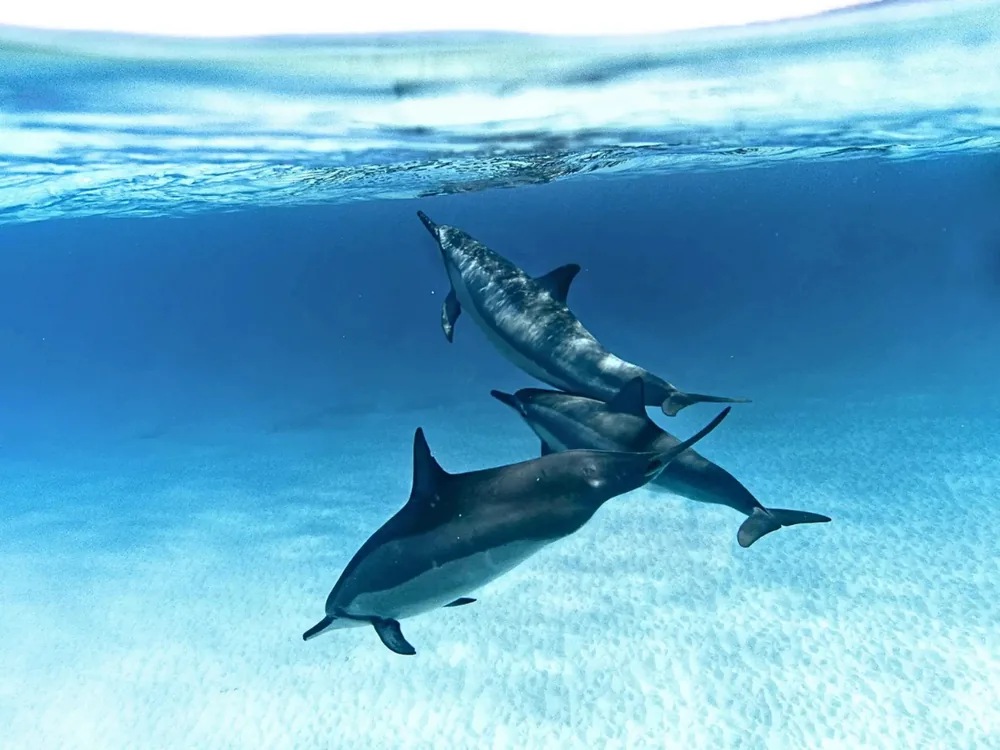
Bottlenose and spinner dolphins are resident in the waters off Kizimkazi. Early morning boat trips offer the best chances — pods of 20–50 dolphins are common. Responsible operators keep a respectful distance and let the dolphins come to you.
Guided walking tours through the narrow alleys cover the slave trade history, Omani architecture, the Old Fort, House of Wonders, and Freddie Mercury's birthplace. The Forodhani night food market is best experienced with a local who knows which stalls to hit.
June – October · Dry Season
Clear skies, calm seas, and the best underwater visibility for snorkelling and diving. This is peak season and the ideal time if you're combining with a Tanzania safari. Temperatures sit around 25–28°C with low humidity. Kitesurfing winds are consistent from June through September. Book well ahead — popular properties fill up.
December – February · Warm & Mostly Dry
Hot, sunny, and perfect for the beach. The short rains (November) are usually over by mid-December. This is whale shark season — October through February brings these gentle giants to the waters off the north and east coast. The kite winds pick up again in December. Great for a Christmas or New Year beach escape.
March – May · Long Rains
The heavy rains arrive in late March and run through May. Expect overcast skies, afternoon downpours, rough seas, and reduced visibility underwater. Many beach lodges close or offer significantly reduced rates. Stone Town is still worth visiting — fewer crowds, lush greenery — but the beach experience is compromised. We generally steer guests away from this period unless they specifically want quiet and don't mind the weather.
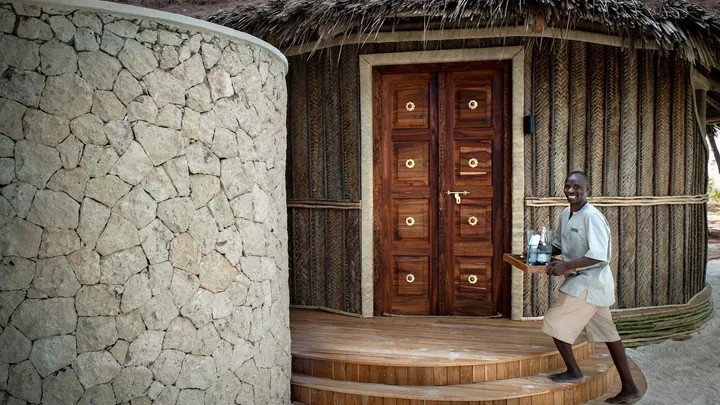
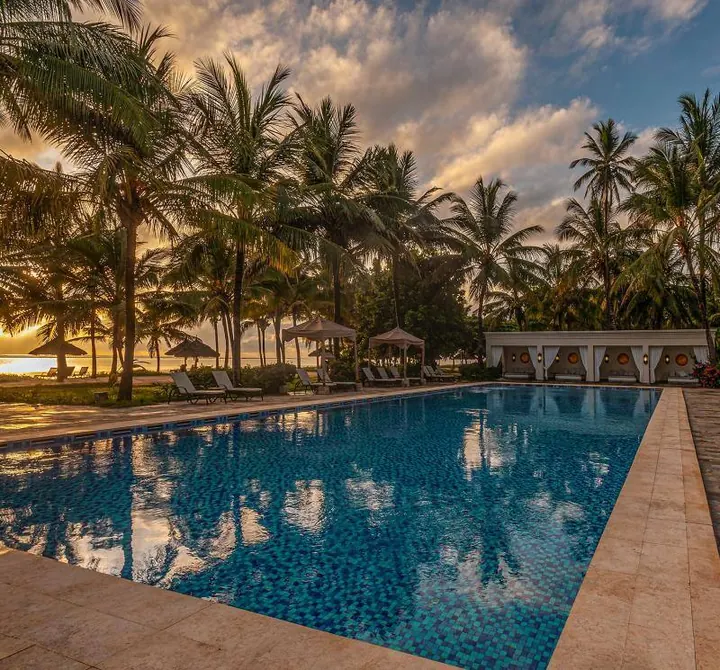
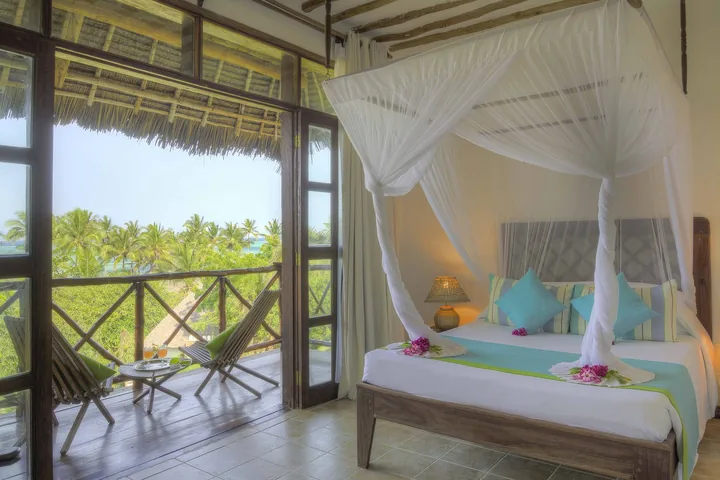
Zanzibar runs at its own pace. Morning starts with the call to prayer — the island is predominantly Muslim — and the day unfolds gently around the tides. Breakfast on a terrace overlooking the ocean, a mid-morning activity (snorkelling trip, spice tour, or kitesurfing lesson), a long lunch, and then the afternoon opens up for swimming, reading, a spa treatment, or simply doing nothing at all. Evenings bring spectacular sunsets on the west-facing coasts, fresh seafood dinners, and often a dhow cruise or night market visit.
Getting around is straightforward. Stone Town to the north coast beaches (Nungwi/Kendwa) takes about 45–60 minutes by car. The east coast (Paje/Jambiani) is a similar distance. Roads have improved significantly, though they're still narrow and shared with pedestrians, cyclists, and the occasional goat. Your hotel will arrange transfers, and for day trips, we coordinate private drivers so you're not relying on taxis.
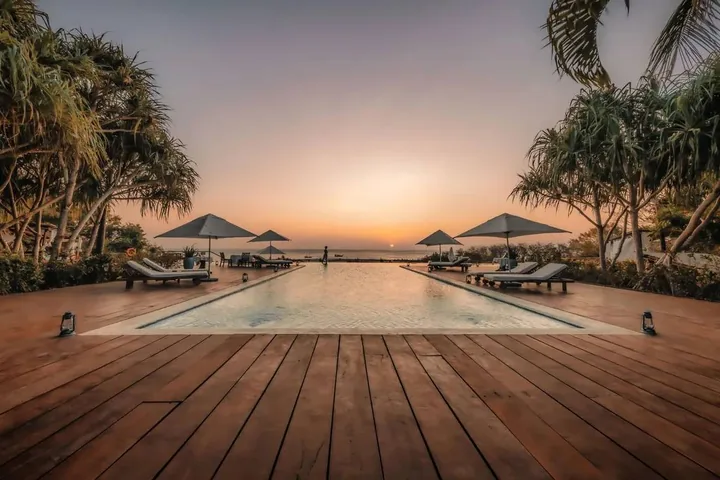
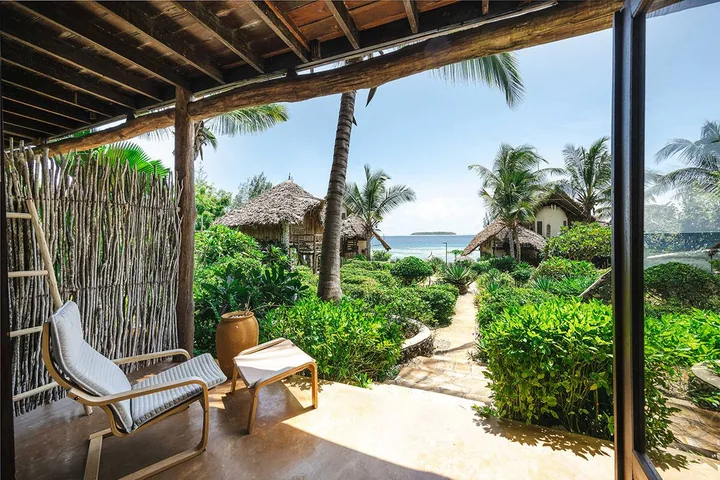
The one thing that catches people off-guard is the tidal range on the east coast. At low tide, the ocean can retreat 200 metres or more, leaving exposed sand flats that are fascinating to walk but impossible to swim in. If guaranteed swimming throughout the day matters to you, the north coast or a property with a pool is the better choice. If you don't mind timing your swims to the tide chart, the east coast's raw beauty is unmatched.
Note: Zanzibar is a conservative Muslim island. When visiting Stone Town, markets, and villages, dress modestly — cover shoulders and knees as a sign of respect. Beach resorts are more relaxed.
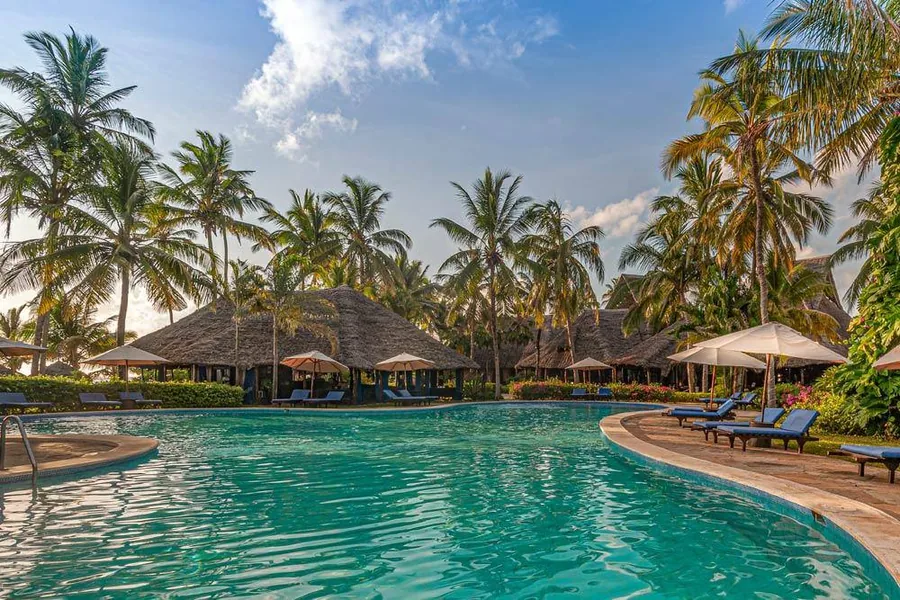
Zanzibar is excellent for families, and it's one of the most popular post-safari beach extensions for guests travelling with children. The north coast beaches are safe for swimming with gentle waves and warm, shallow water. Most resorts offer kids' clubs, family suites, and babysitting services. Stone Town's narrow alleys, food market, and spice farm tours keep older children engaged — it's history and culture delivered through taste, smell, and exploration rather than museum exhibits.
Snorkelling at Mnemba Atoll is suitable for children who are confident swimmers — most operators have life vests and guides stay close. Younger children enjoy the turtle conservation project at Nungwi, seashell collecting on the east coast flats at low tide, and sandbank picnic trips where they can splash in knee-deep turquoise water. Spice farm tours are hands-on and interactive — kids love tasting fresh coconut, climbing trees, and guessing spices blindfolded.
The main considerations for families are sun protection (the equatorial sun is strong, even on overcast days), the tidal range on the east coast which can leave younger children without swimmable water for hours, and the fact that Zanzibar's medical facilities are limited. We recommend properties with pools as a backup, and for families with very young children, the north coast is the safer bet for consistent beach access.