Volcanoes · Nyungwe · Akagera · Kigali
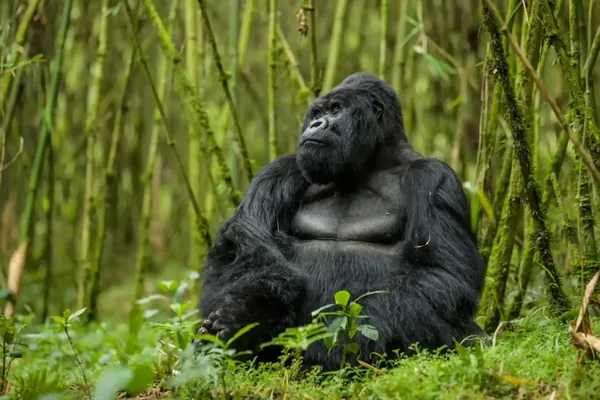
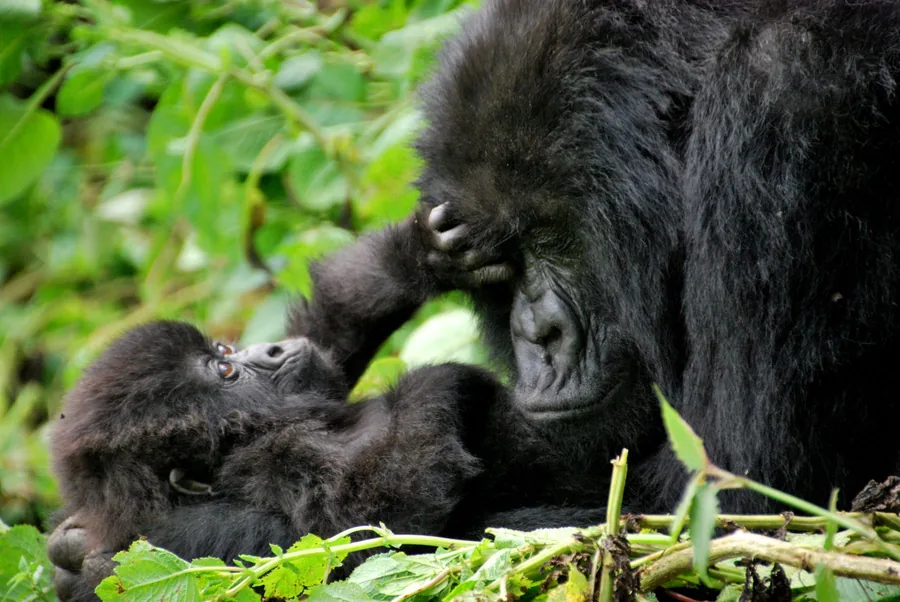
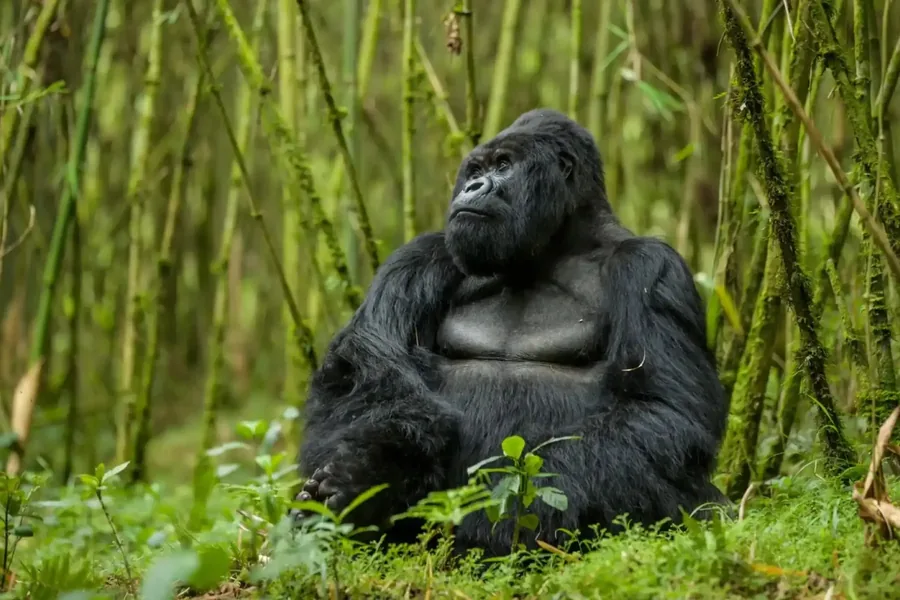
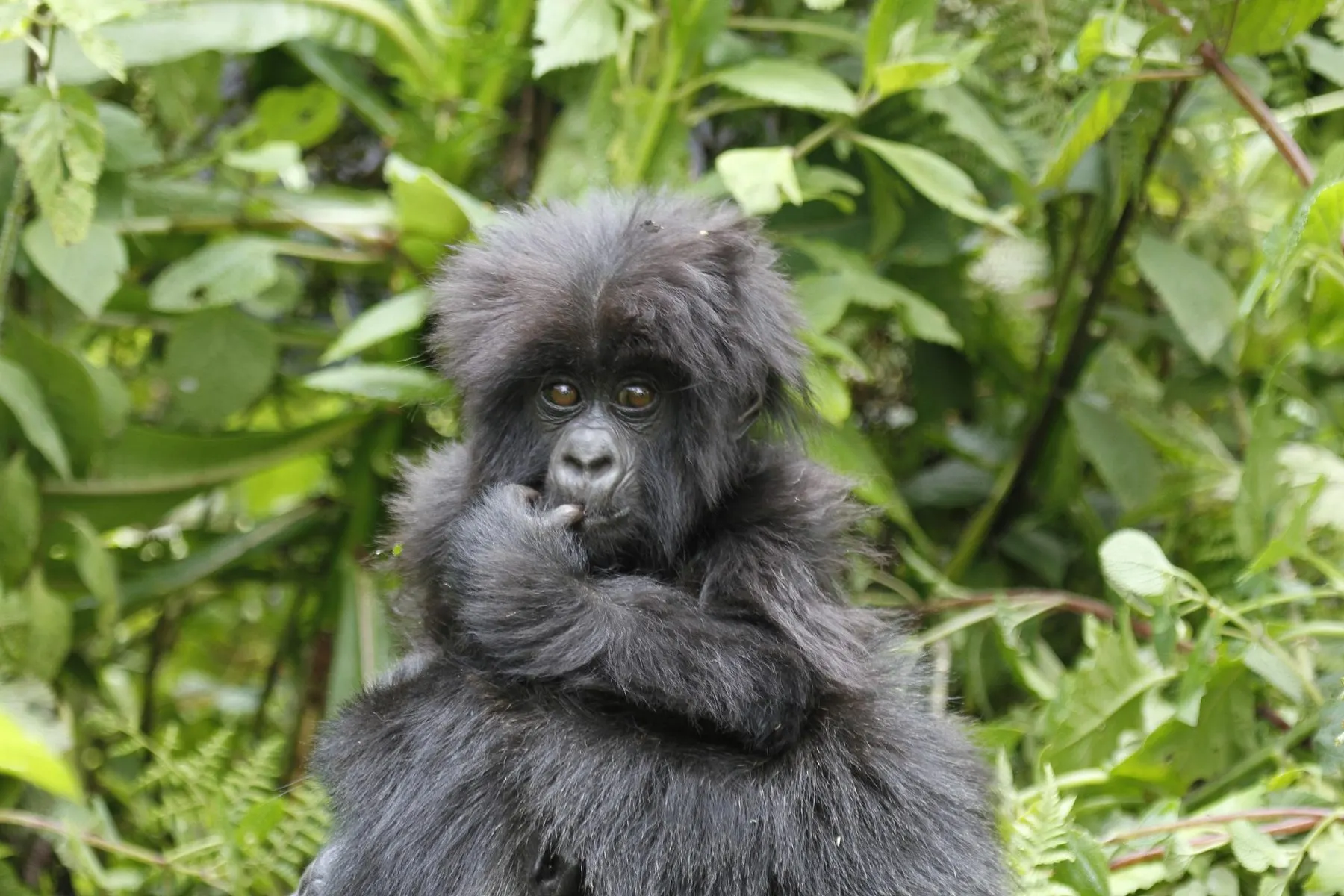
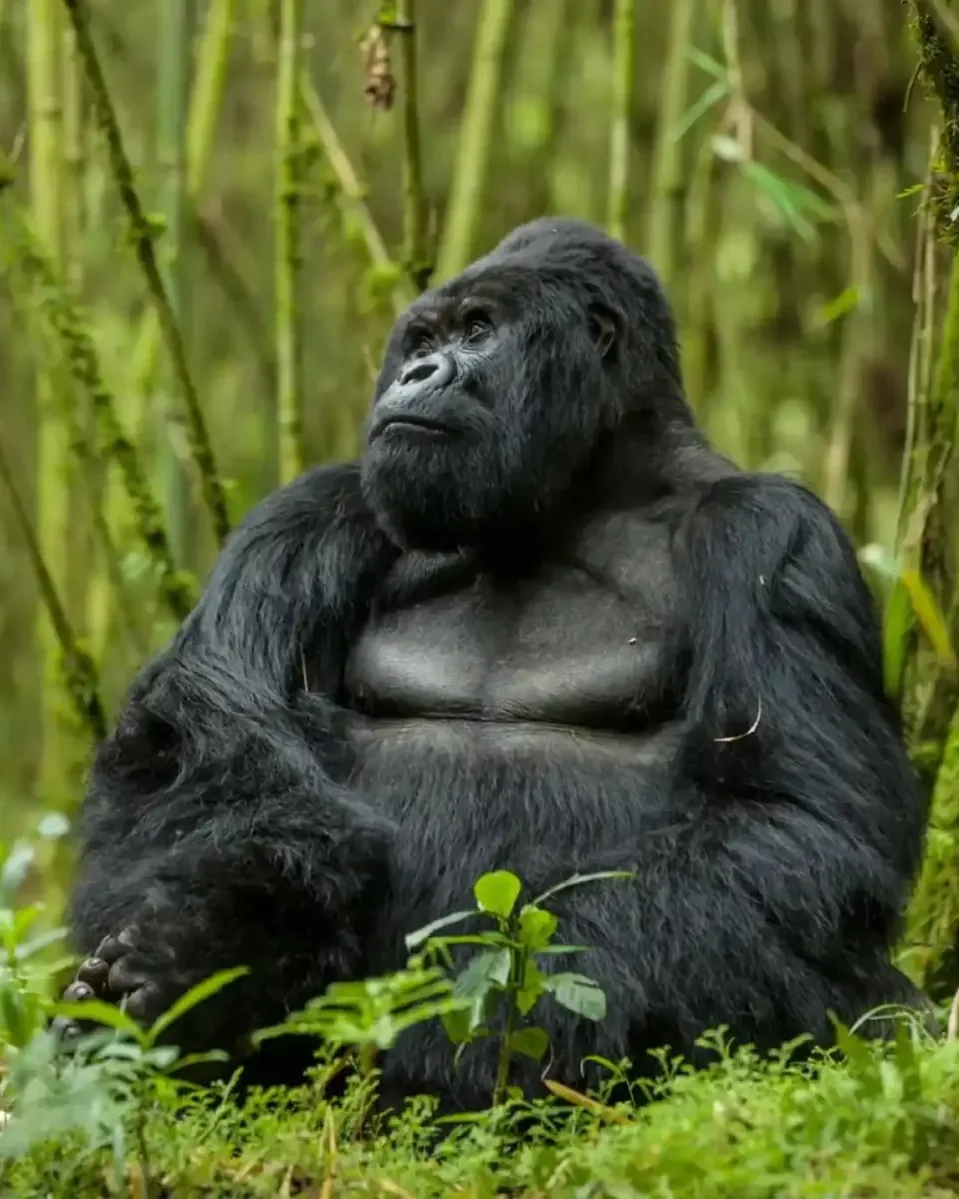
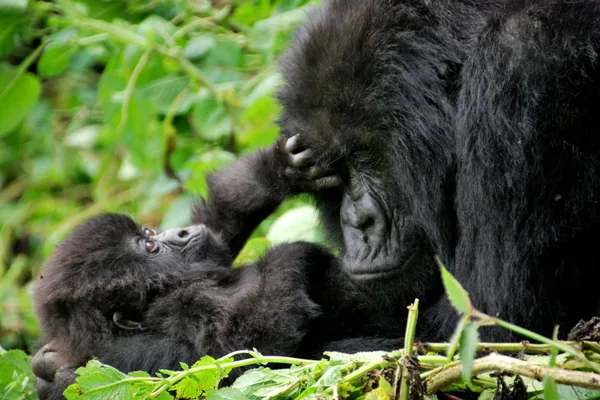
Rwanda is gorilla country. Volcanoes National Park in the north is home to roughly half the world's remaining mountain gorillas — around 600 individuals spread across habituated family groups in the bamboo and hagenia forests of the Virunga massif. A gorilla trekking permit gives you one hour with a family group. You sit two metres from a 400-pound silverback while juveniles play in the undergrowth and mothers nurse their infants. It is the most intimate wildlife encounter in Africa — nothing else comes close.
Beyond gorillas, Rwanda rewards slower exploration. Nyungwe Forest in the southwest is one of Africa's oldest montane rainforests — a dense, atmospheric canopy home to chimpanzees, L'Hoest's monkeys, and over 300 bird species. In the east, Akagera National Park has been rebuilt from near-collapse into a genuine Big Five destination, with lions and rhinos reintroduced and thriving alongside elephant, buffalo, and leopard. Between them, Kigali offers a day of reflection, good food, and a coffee culture that rivals anywhere on the continent.
Rwanda is compact, safe, and remarkably well-organised. The entire country can be covered in seven to ten days, with every major park reachable on good tarmac roads. It combines naturally with a Tanzania safari — a short flight from Kigali to Kilimanjaro connects gorillas and the Serengeti in a single trip.
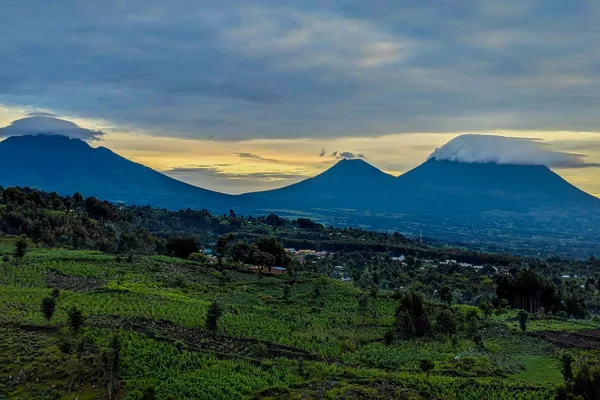
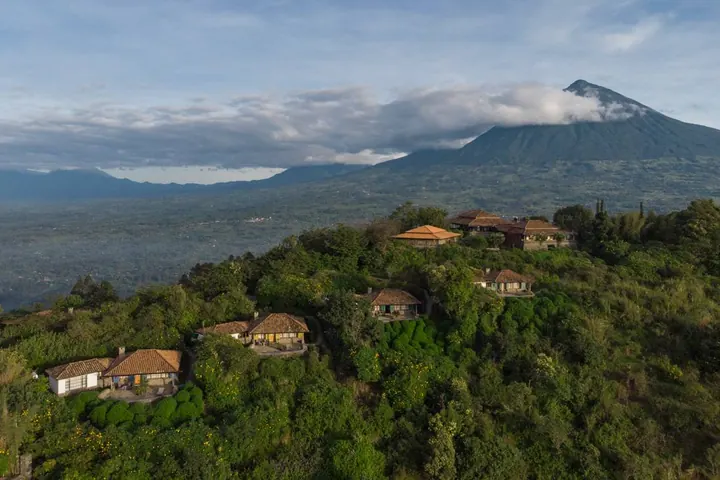
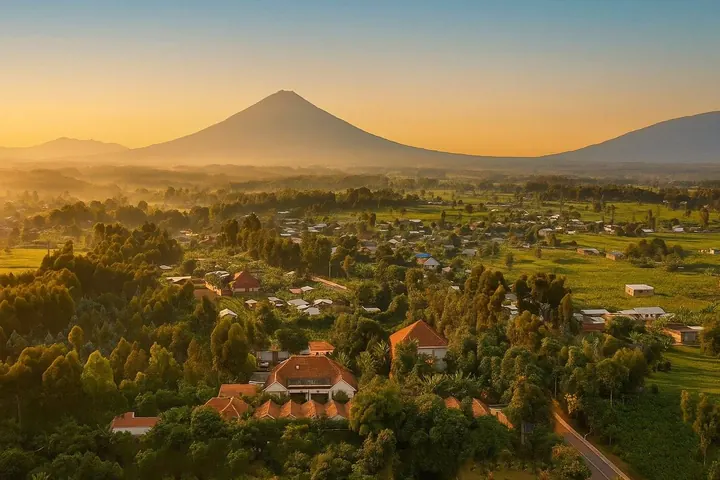
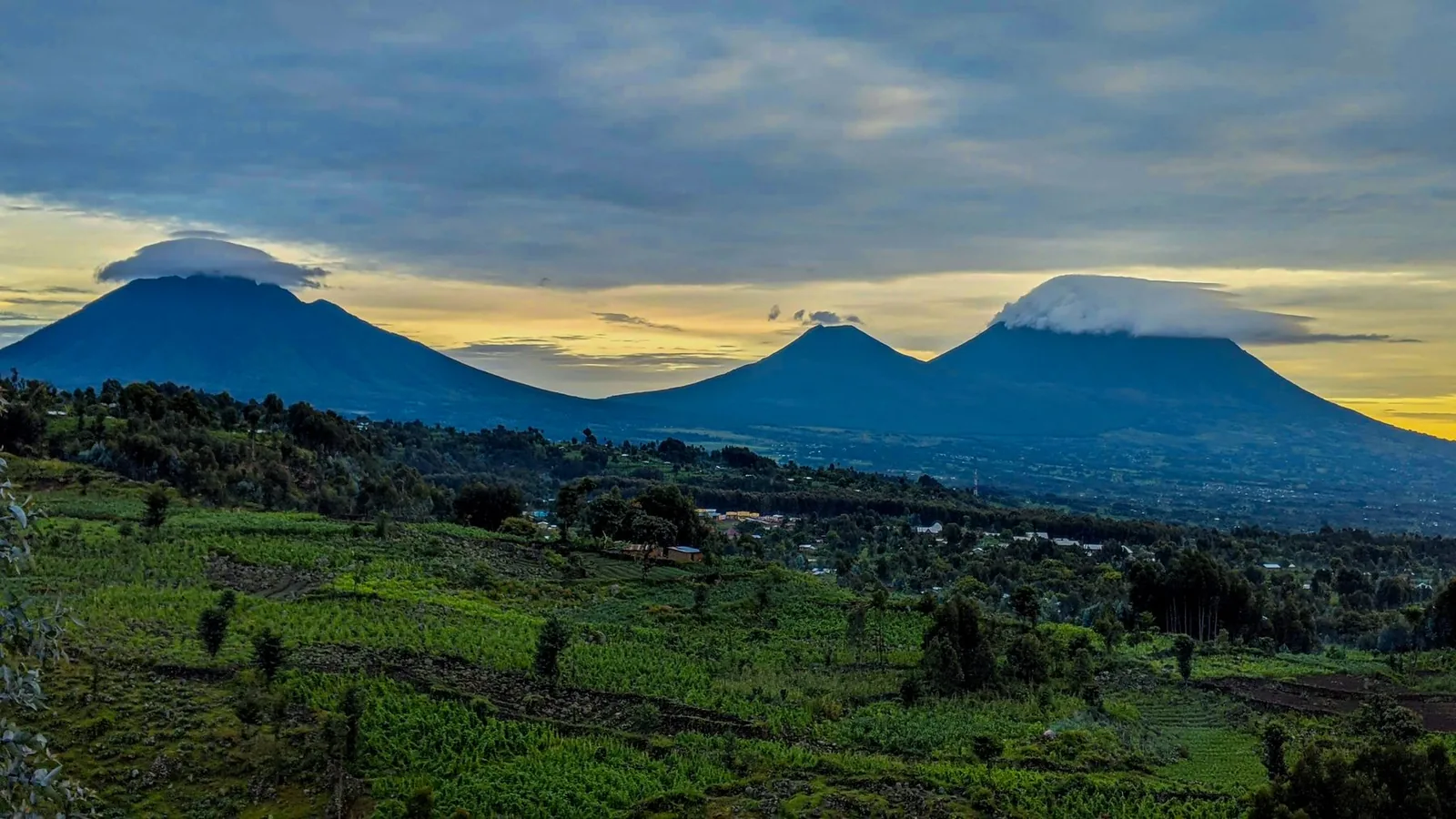
Volcanoes National Park sits along Rwanda's northern border with Uganda and the DRC, covering five of the eight Virunga volcanoes. The bamboo forests and hagenia woodland on these slopes are where Dian Fossey conducted her groundbreaking gorilla research — and where twelve habituated gorilla families now receive daily visitors. Only 96 permits are issued each day, making this one of Africa's most exclusive wildlife experiences.
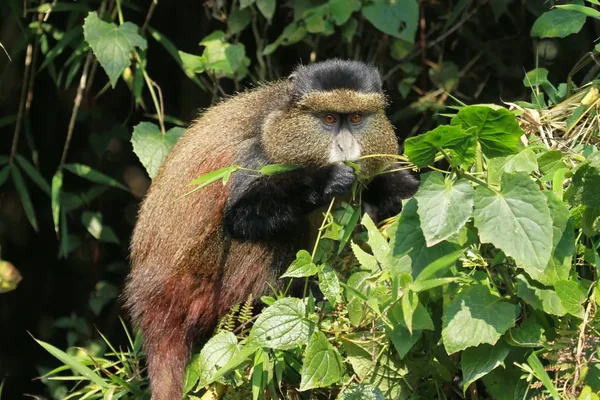
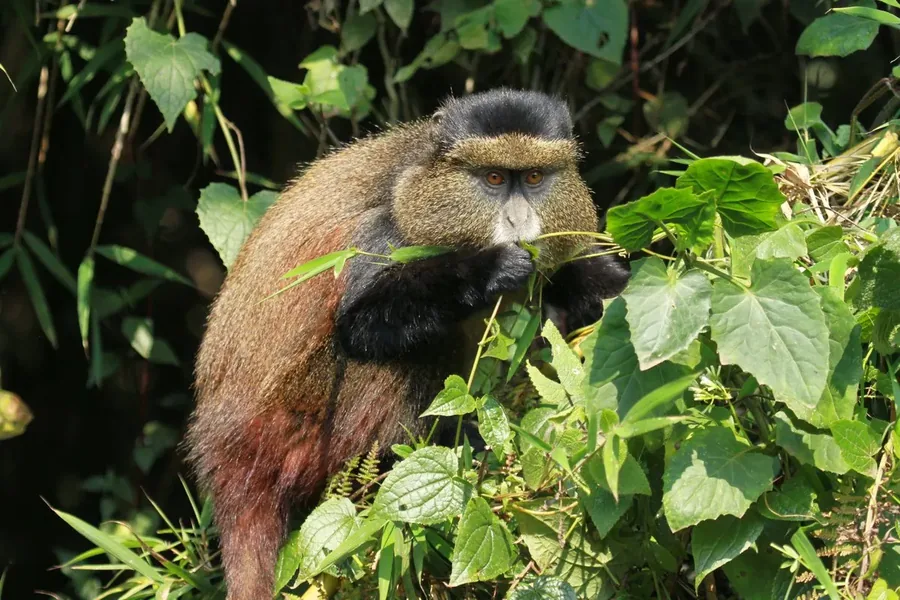
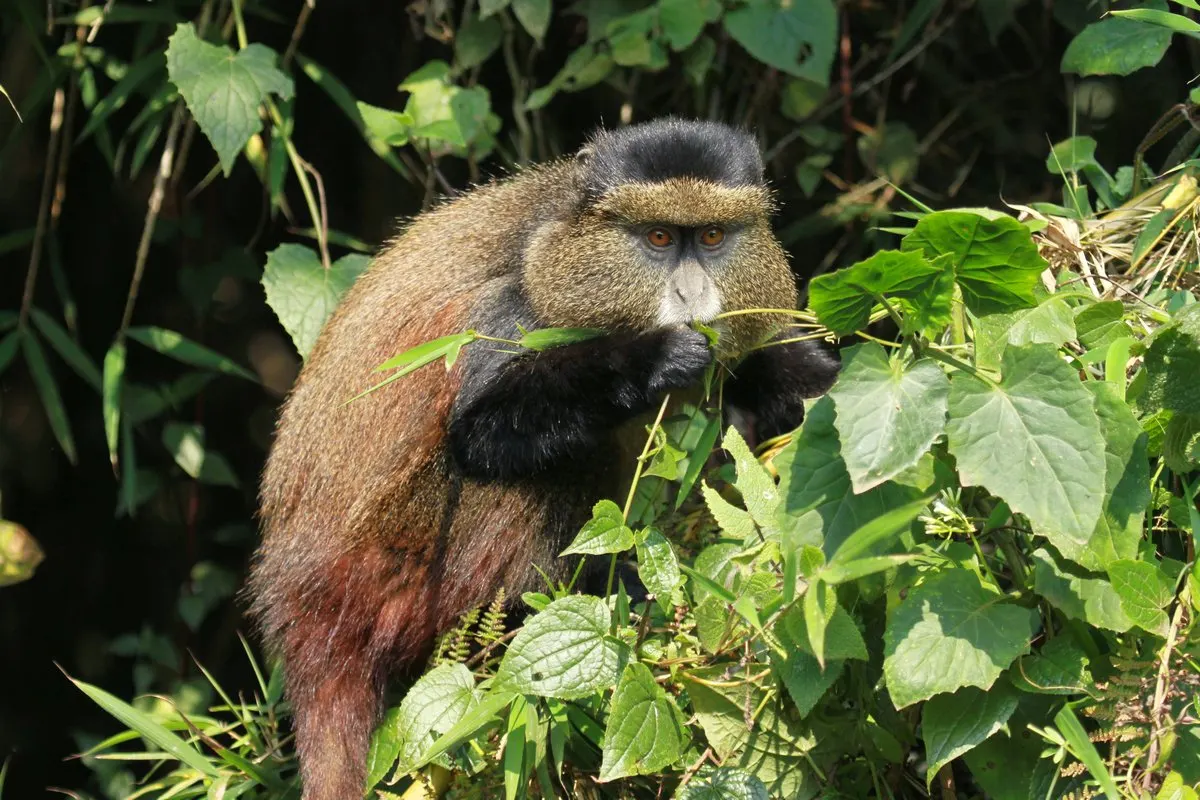
Trekking begins early morning from park headquarters in Kinigi. Groups of eight are assigned a gorilla family based on fitness level and availability. The trek itself can take anywhere from thirty minutes to four hours through steep, muddy terrain at altitude — the reward is one hour sitting with the family. Golden monkey tracking offers a lighter alternative, following playful troops of the endangered primates through the bamboo zone.
For those wanting more, the Dian Fossey tomb hike is a three-to-four-hour trek through the forest to the researcher's grave beside the remains of her Karisoke Research Centre. Volcano summits are also available — Bisoke offers a crater lake at the top on a six-to-seven-hour return hike, while Karisimbi is a serious two-day trek to 4,507 metres, the highest point in Rwanda.
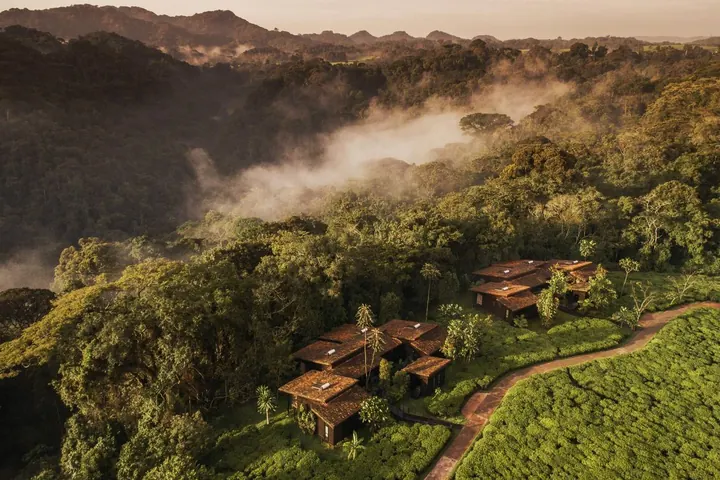
Nyungwe is one of the oldest and most biodiverse montane rainforests in Africa, covering nearly 1,000 square kilometres of Rwanda's southwest corner. The forest floor is thick with ferns, mosses, and orchids, and the canopy rises to over 50 metres in places. It feels primeval — a world away from the savannah landscapes most visitors associate with East Africa.
Chimpanzee trekking here is conducted in smaller groups than in Uganda, with habituated chimp communities found in the Cyamudongo section of the forest. The tracking can be challenging — chimps move fast and the terrain is steep — but when you catch up with a group feeding in the canopy overhead, the noise and energy is extraordinary. Nyungwe is also home to 13 primate species including troops of Rwenzori colobus monkeys numbering in the hundreds.
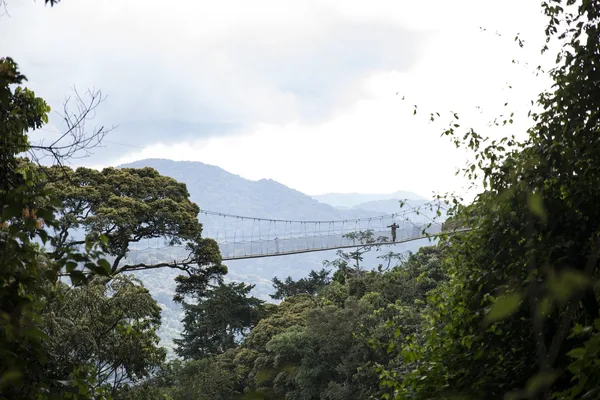
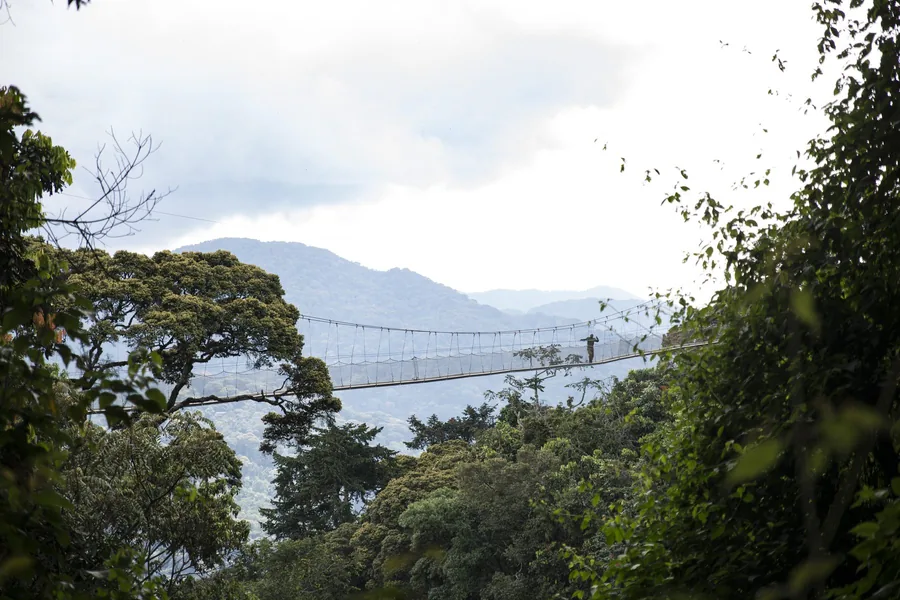
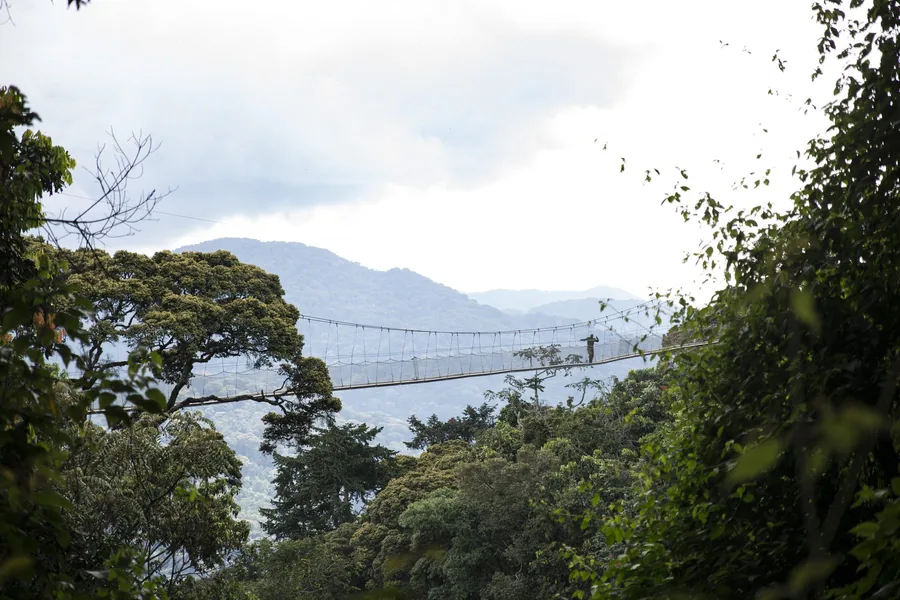
The canopy walkway is the park's signature experience — a 200-metre suspended bridge strung 60 metres above the forest floor. Walking across it gives a bird's-eye perspective on the forest ecosystem, from the epiphytes clinging to branches to the blue monkeys swinging below. Combined with excellent birding (over 310 species recorded), Nyungwe is a forest-lover's destination.
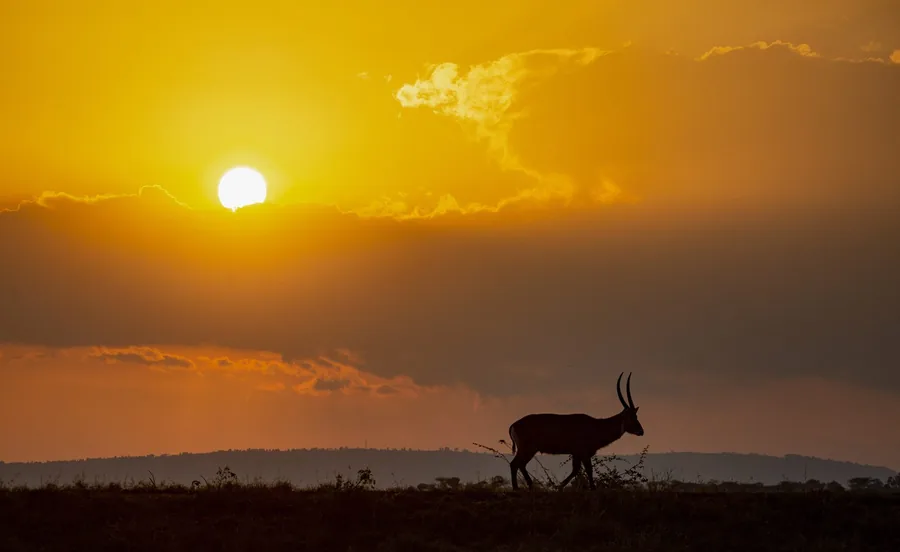
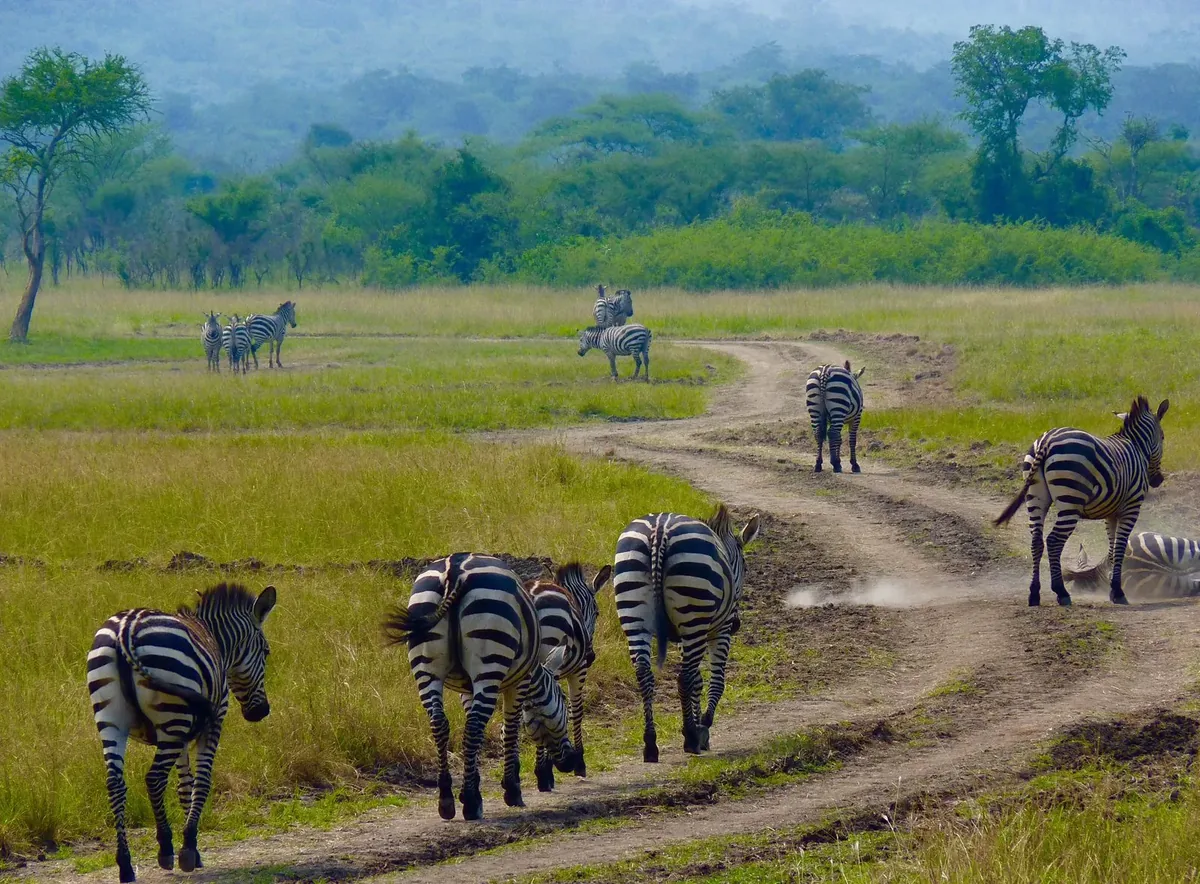
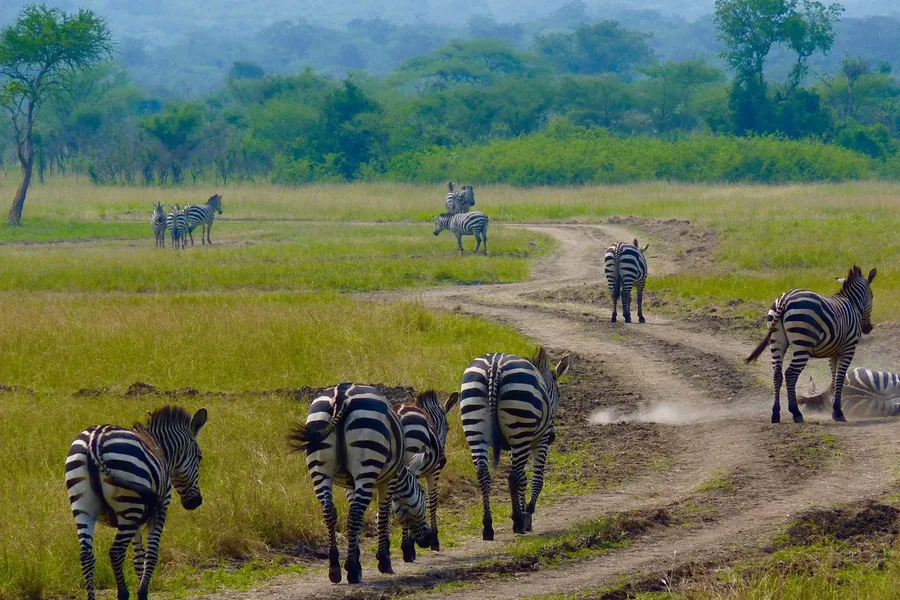
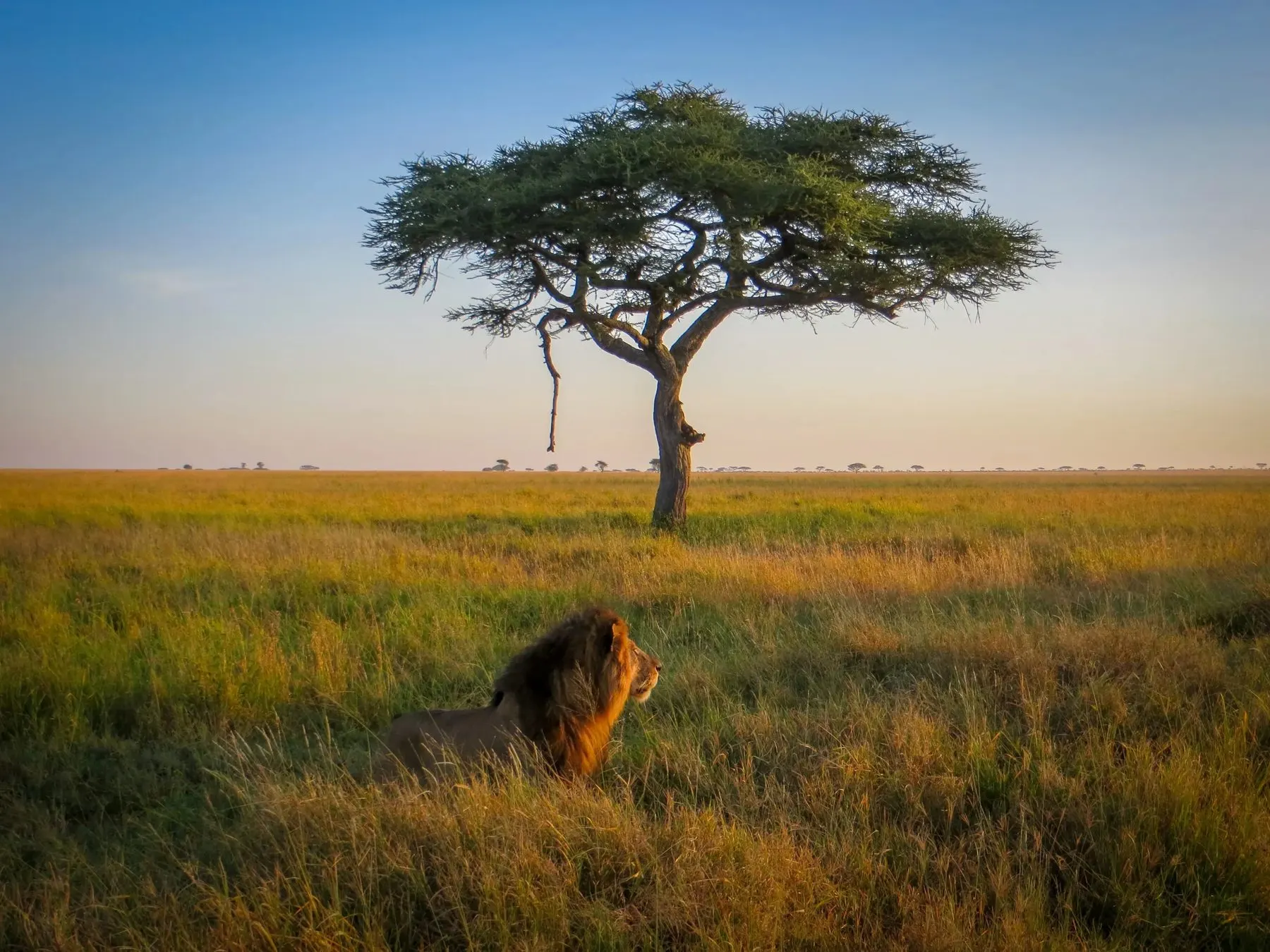
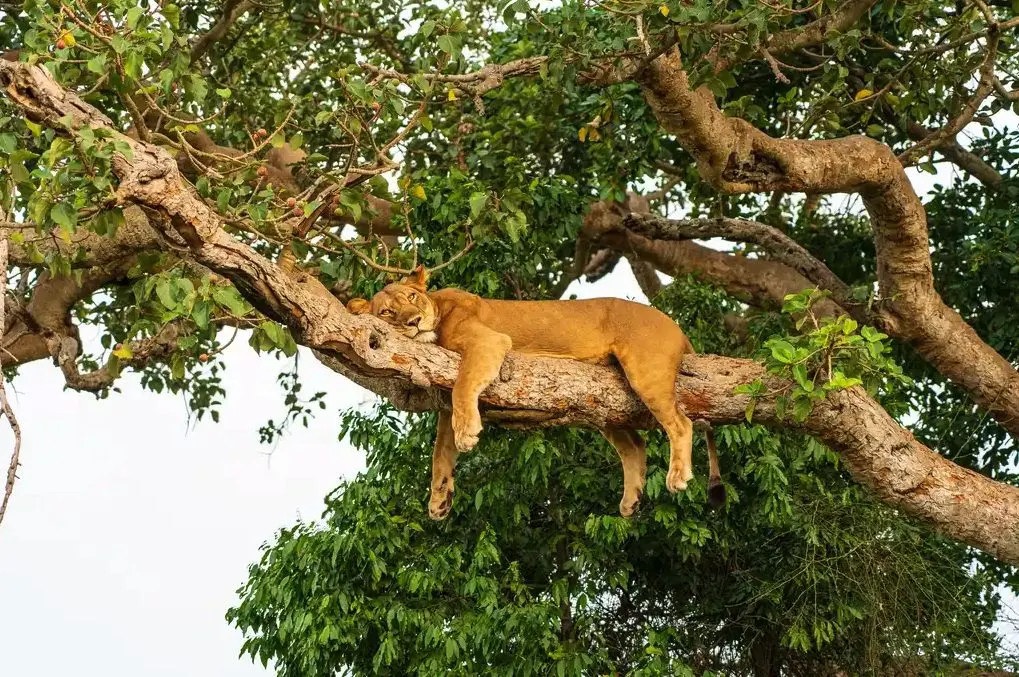
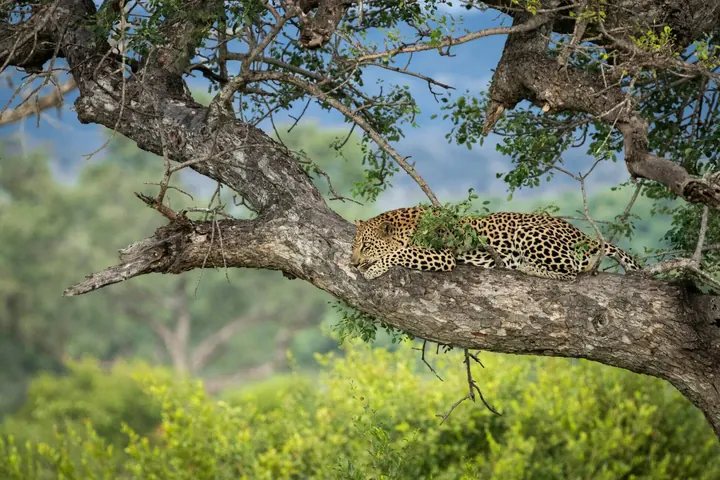
Akagera is Rwanda's savannah park, lying along the eastern border with Tanzania. It's a conservation success story — once decimated by poaching and encroachment, the park was taken over by African Parks in 2010 and has since reintroduced lions (2015) and eastern black rhinos (2017), restoring its Big Five status. The landscape is a mix of rolling hills, open plains, papyrus swamps, and the chain of lakes that give the park its distinct character.
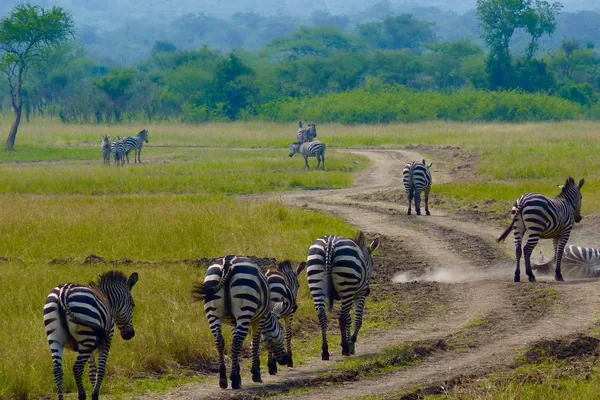
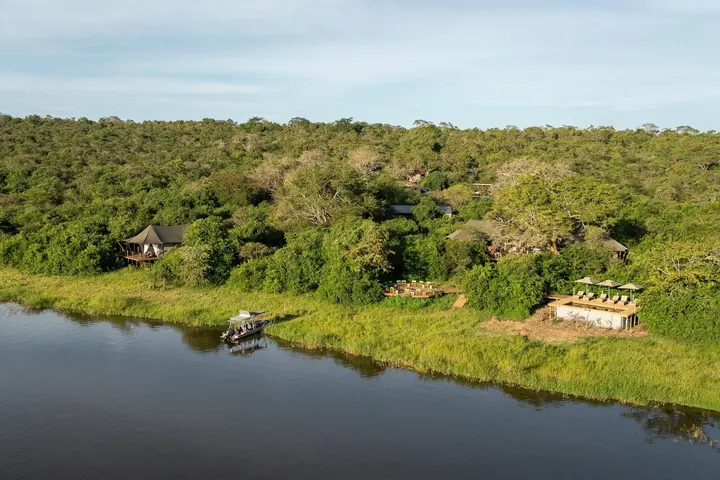
Game drives here feel different to Tanzania or Kenya — the park is quieter, less crowded, and the scenery is surprisingly varied. Elephants, buffalo, giraffe, zebra, and dozens of antelope species are regularly seen. The boat safari on Lake Ihema is a highlight, cruising past hippo pods, crocodiles, fish eagles, and waterbirds while the afternoon light turns the papyrus gold.
Akagera works well as a two-night addition to a gorilla-focused itinerary. It gives guests a genuine savannah safari experience without the long drives or flights required to reach the Serengeti or Masai Mara — and it's only two and a half hours from Kigali on good road.
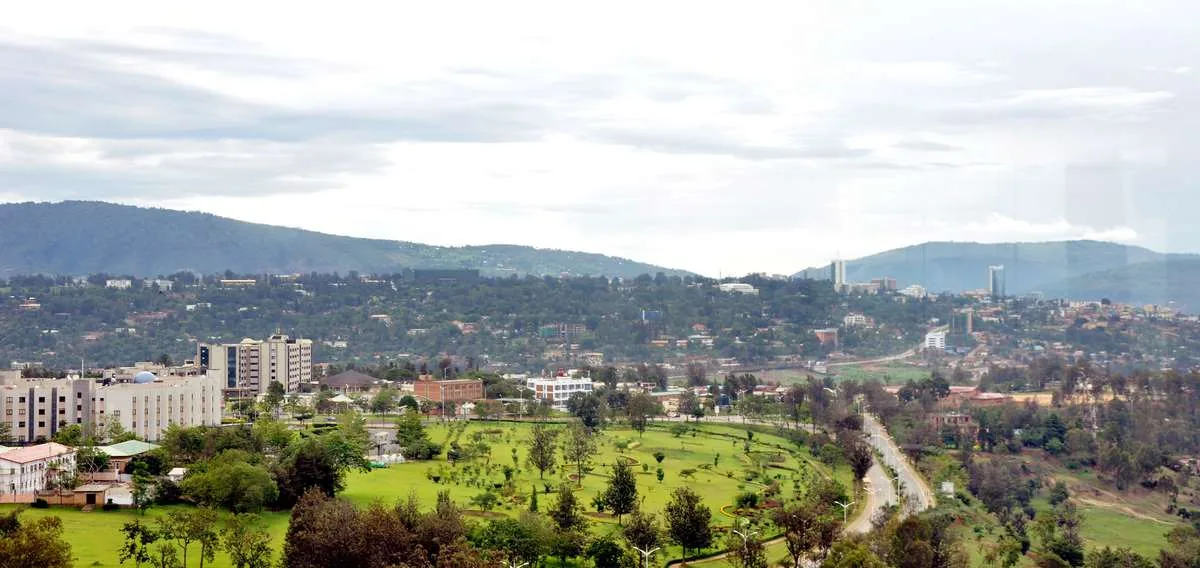
Kigali is more than a stopover. It's one of the cleanest, safest cities in Africa — a place that genuinely surprises visitors. The hillside capital sprawls across several ridges, with modern restaurants, rooftop bars, and a growing arts scene that reflect how far the country has come in the past three decades.
The Kigali Genocide Memorial is essential. Set in a garden on the outskirts of the city, it documents the 1994 genocide with honesty and care. Allow two to three hours, and expect it to stay with you. It provides context for everything else you see in Rwanda — the unity, the cleanliness, the determination to rebuild.
Beyond the memorial, Kigali rewards a full day. The Kimironko Market is vibrant and colourful — good for fabrics, crafts, and local produce. Coffee plantation tours run from several farms near the city, taking you through the full farm-to-cup process in a country that produces some of East Africa's finest single-origin beans. A night in Kigali before or after gorilla trekking is always worth building into the itinerary.
Lake Kivu sits along Rwanda's western border with the DRC, one of the African Great Lakes and one of the continent's most scenic freshwater bodies. The lake is bilharzia-free and safe for swimming — unusual for African lakes — making it a genuine relaxation stop rather than just somewhere to look at from a distance.
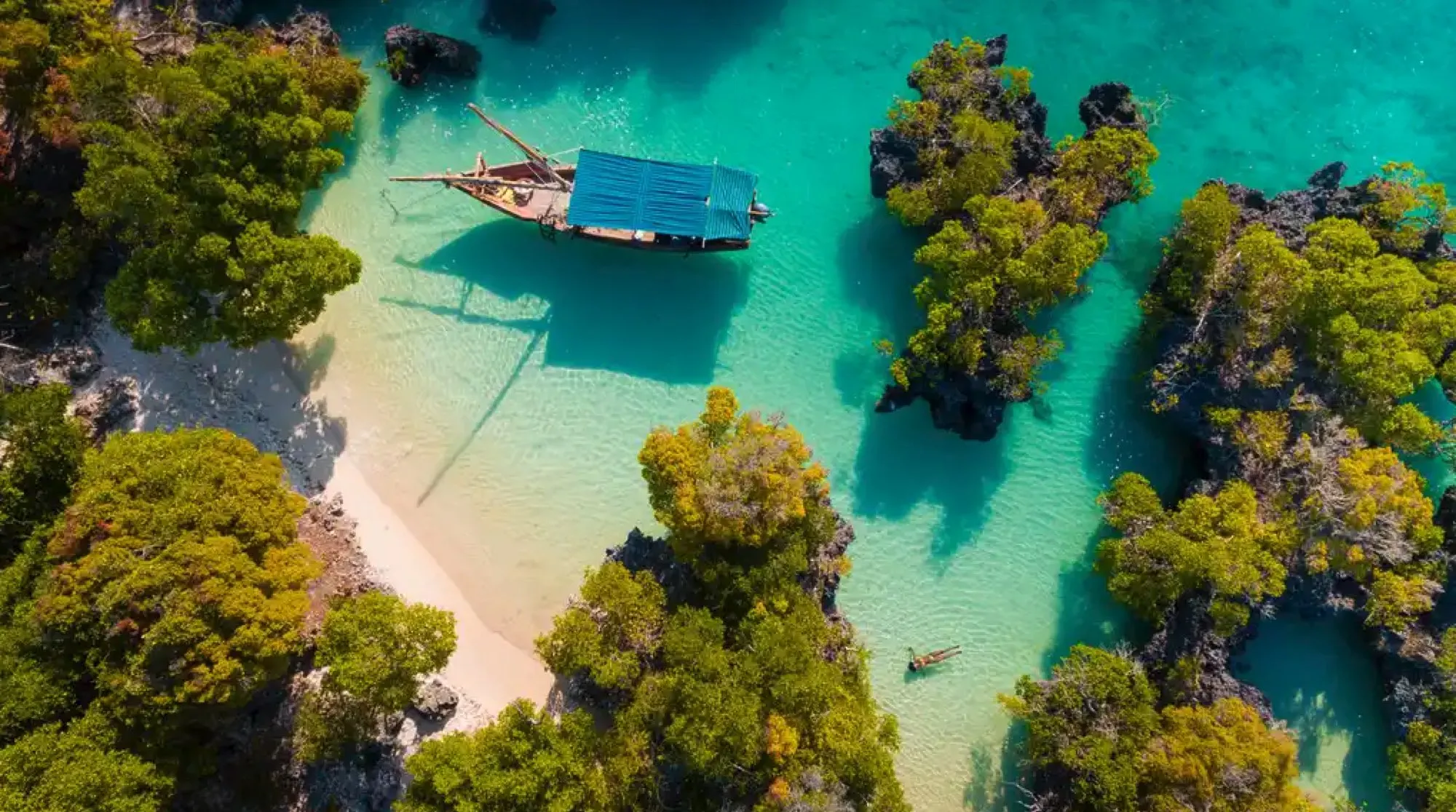
The main lakeside towns are Gisenyi (Rubavu) in the north, close to Volcanoes National Park, and Kibuye (Karongi) further south. Gisenyi has a beach-town feel with hot springs, waterfront lodges, and easy kayaking on calm water. Island-hopping by boat reveals fishing communities, Napoleon Island with its colony of fruit bats, and quiet coves for swimming.
Lake Kivu works well as a one or two-night wind-down after gorilla trekking — Gisenyi is only about three hours from Volcanoes National Park. Cycling along the lakeside roads offers some of the best views in Rwanda, with the Congolese mountains rising steeply across the water. It's a gentle, scenic counterpoint to the intensity of the forest treks.
One hour with a habituated mountain gorilla family in Volcanoes National Park. Only 96 permits issued daily. Treks range from thirty minutes to four hours depending on the family's location. Minimum age 15 — strictly enforced.
Follow endangered golden monkeys through the bamboo zone of Volcanoes National Park. Playful, photogenic primates found only in the Virunga volcanoes. Often combined with a gorilla trekking day for a full primate experience.
Track habituated chimpanzee communities through the ancient montane rainforest of Nyungwe. Smaller groups than Uganda, atmospheric forest, and the sound of chimps calling through the canopy overhead. Challenging terrain, rewarding encounters.
Walk 200 metres of suspended bridge 60 metres above the Nyungwe forest floor. A bird's-eye view of the forest ecosystem — epiphytes, blue monkeys below, and the green expanse of one of Africa's oldest rainforests stretching to the horizon.
Game drives through rolling savannah, papyrus swamps, and lakeside plains. Lions, rhinos, elephants, buffalo, and leopard. The Lake Ihema boat safari adds hippos, crocodiles, fish eagles, and a golden-hour atmosphere that's hard to match.
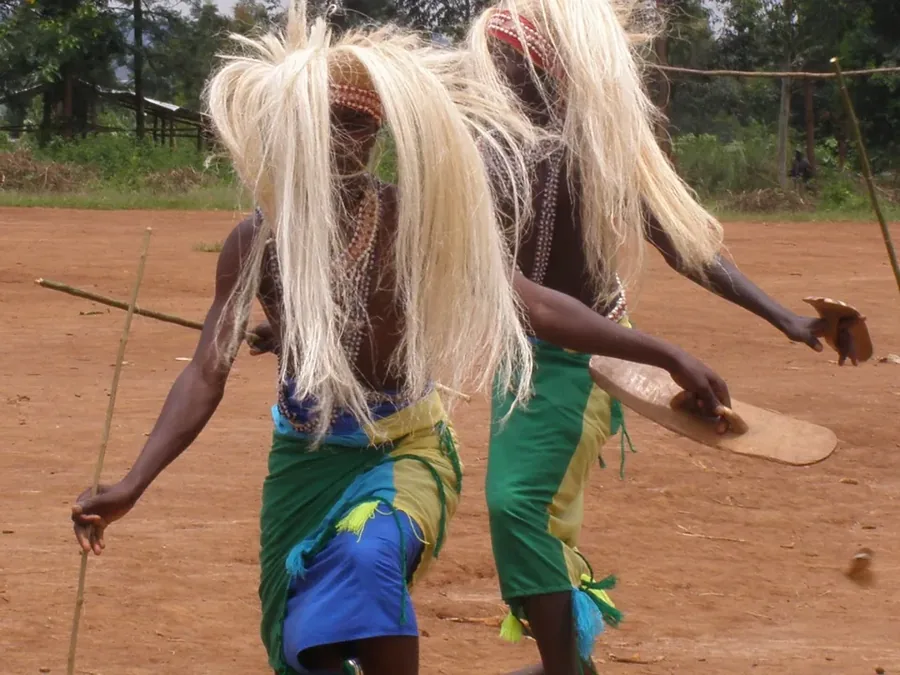
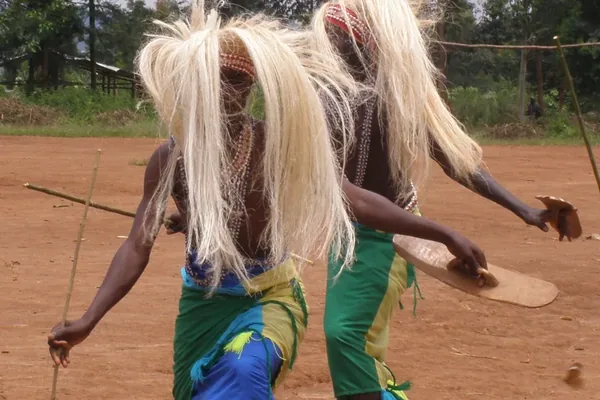
The Iby'Iwacu Cultural Village near Volcanoes NP offers traditional dance, archery, and banana beer-making with former poachers turned cultural ambassadors. Coffee plantation tours run from farms near Kigali — the full farm-to-cup journey. The Genocide Memorial provides essential historical context.
June – September · Long Dry Season
The best months for gorilla trekking. Trails are drier and more manageable, visibility in the forest is better, and conditions underfoot are less slippery. This is also peak season for Akagera game drives — animals concentrate around water sources. Book gorilla permits well ahead for these months.
December – February · Short Dry Season
Another good window for trekking with generally dry conditions and pleasant temperatures. Slightly fewer visitors than the June–September peak, which can mean a quieter experience in the parks. Nyungwe and Akagera are both excellent during this period. Good birdwatching season with migratory species present.
March – May · Long Rains
The wettest months, particularly March and April. Gorilla trekking still operates daily — the gorillas don't move — but trails are muddier and steeper, and treks tend to take longer. The upside: lower permit demand and lush, dramatic forest scenery. Come prepared with good waterproofs and gaiters.
Rwanda is often called the "Land of a Thousand Hills" and the terrain reflects it. The country is mountainous, green, and intensely cultivated — terraced hillsides drop into valleys of banana plantations, tea estates, and eucalyptus groves. Roads between parks wind through this landscape with views at every turn. It's one of the most visually striking countries in Africa, even from the window of a vehicle.
Gorilla trekking is physically demanding. You'll be walking uphill at altitude (2,500 metres and above) through thick vegetation, sometimes on steep muddy slopes with no clear trail. The park provides porters who carry bags and offer a steadying hand — they're highly recommended. Fitness helps, but people of all ages and fitness levels complete the trek. The one-hour encounter at the end makes every step worth it.
Rwanda is exceptionally safe and well-organised. Plastic bags have been banned since 2008 — the country is visibly cleaner than almost anywhere in the region. People are welcoming, English is widely spoken, and the infrastructure is modern. It feels very different from the stereotype of African travel. Kigali in particular is a revelation — cosmopolitan, efficient, and proud.
Rwanda is a safe and well-organised country for families, but there's one important restriction: children under 15 are not permitted on gorilla treks. This is strictly enforced at park headquarters — there are no exceptions, regardless of the child's size or maturity. For families with teenagers aged 15 and over, gorilla trekking is one of the most powerful shared experiences you can have.
Families with younger children can still enjoy Rwanda. Akagera National Park has no age restrictions and offers classic safari game drives with Big Five wildlife. Lake Kivu provides swimming, kayaking, and boat trips in a relaxed lakeside setting. The Iby'Iwacu Cultural Village is engaging for children of all ages, with interactive activities like archery, drumming, and banana beer-making (the non-alcoholic kind).
For families splitting the group, one option is to have adults do the gorilla trek while younger children visit the cultural village or do golden monkey tracking with a guide (no age restriction on golden monkeys). Kigali itself is easy with children — safe streets, good restaurants, and a pace of life that's manageable. The key is planning the itinerary around the age restrictions rather than being surprised by them.