Victoria Falls

Zimbabwe · Zambia · Botswana · Adventure Capital

Victoria Falls

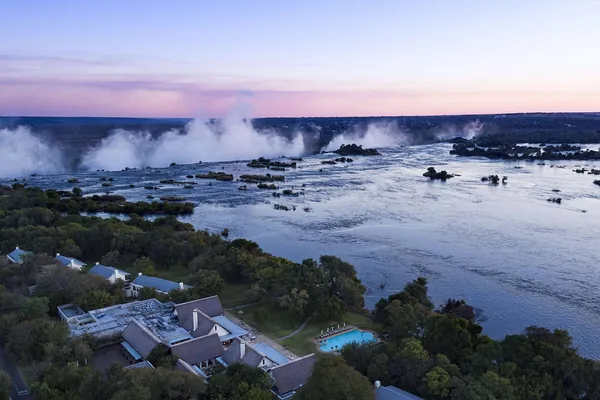
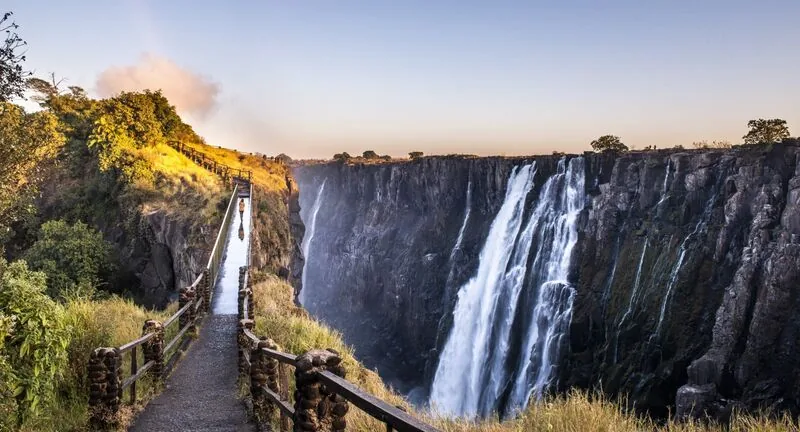
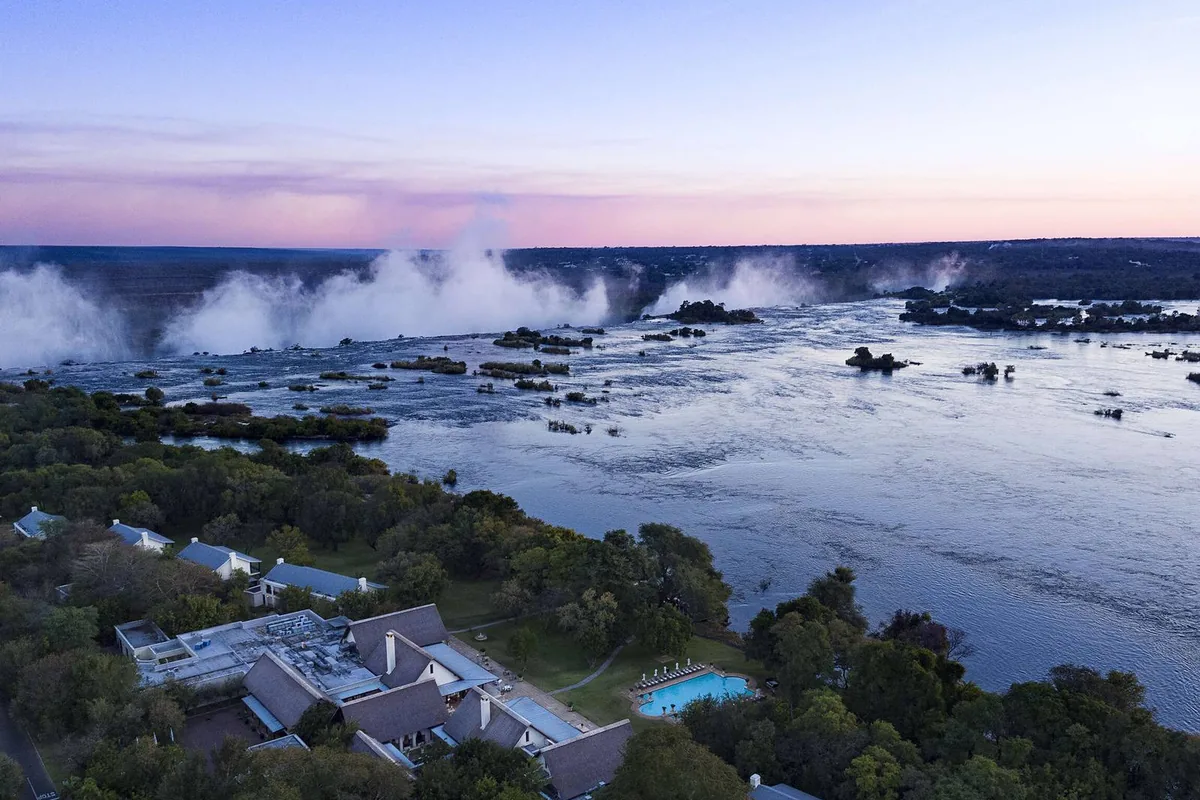
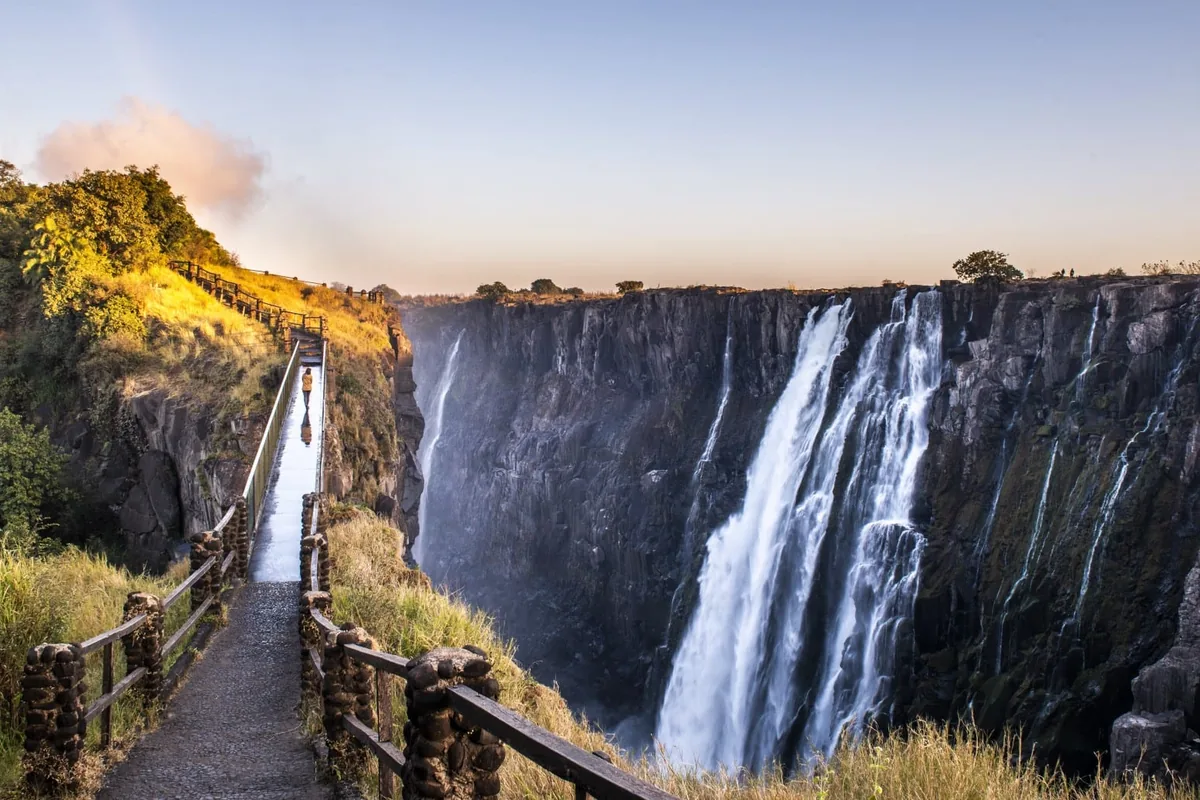
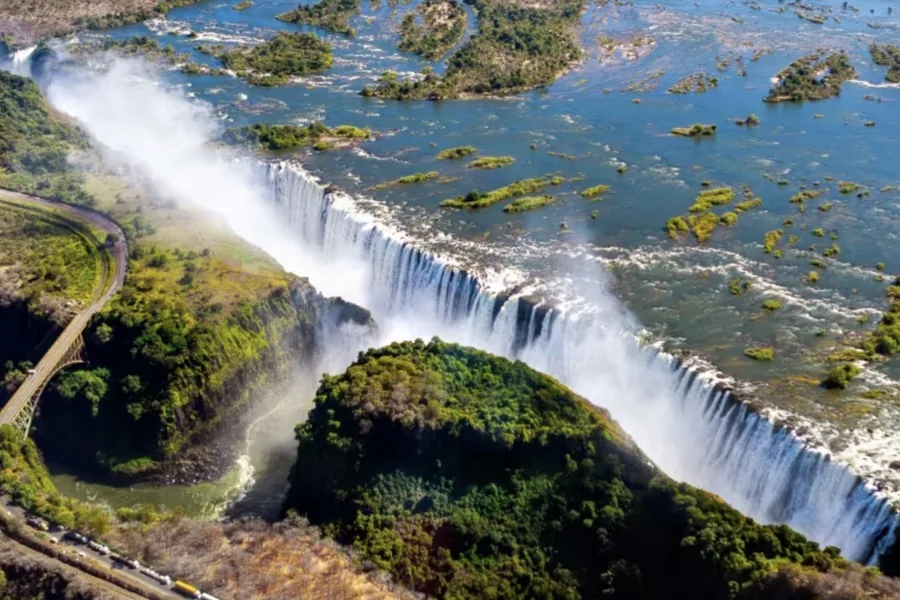
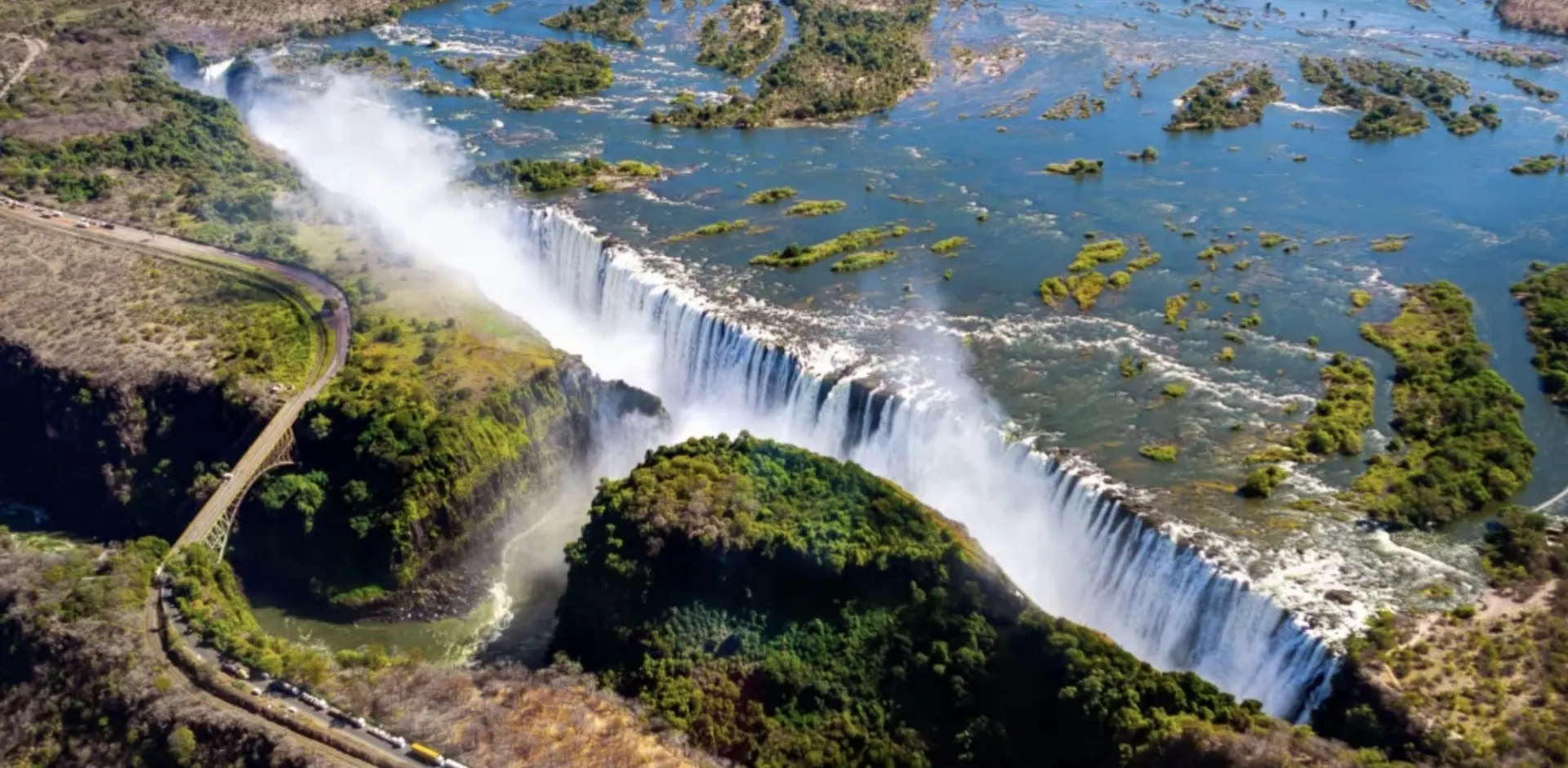
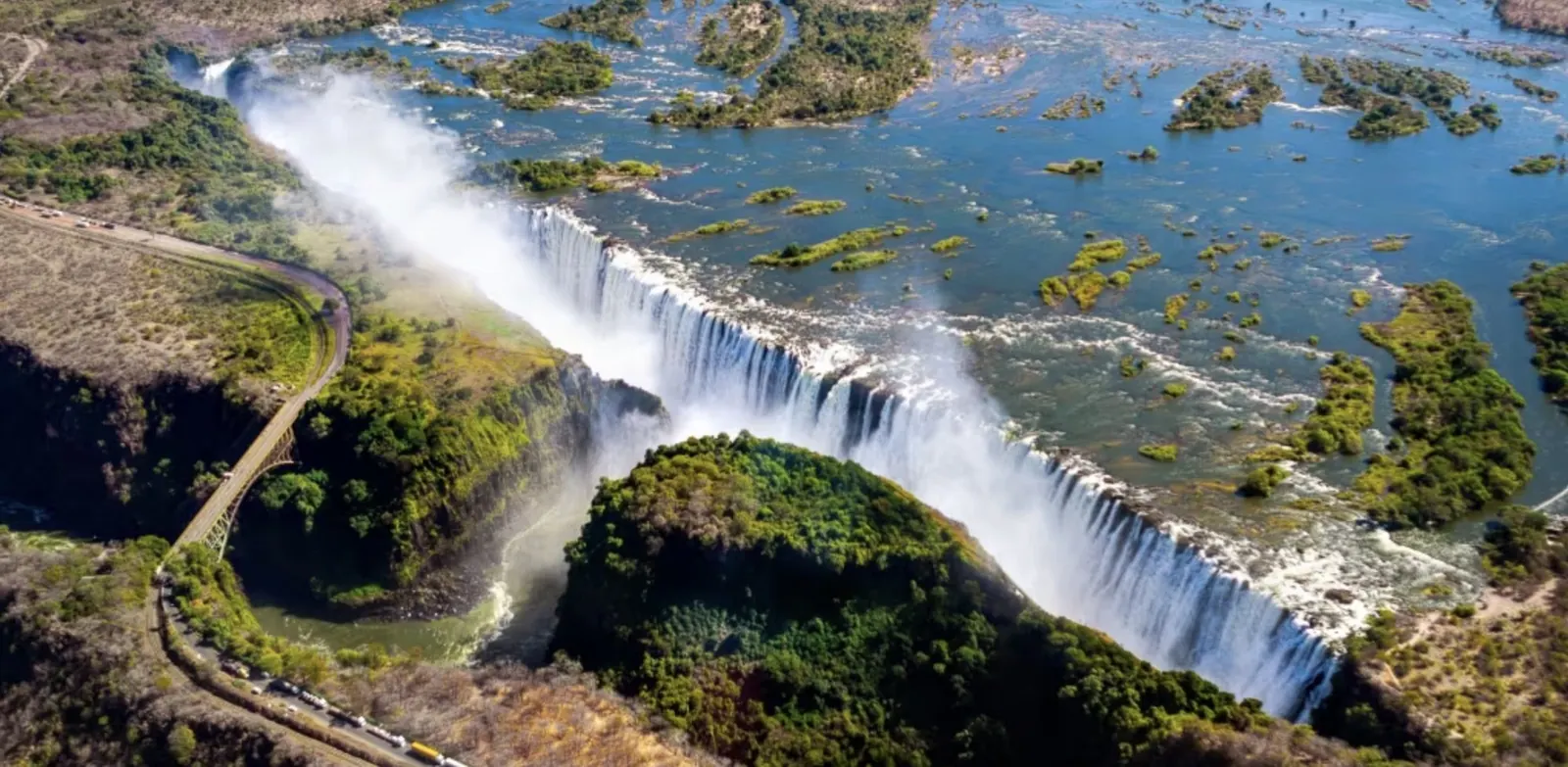
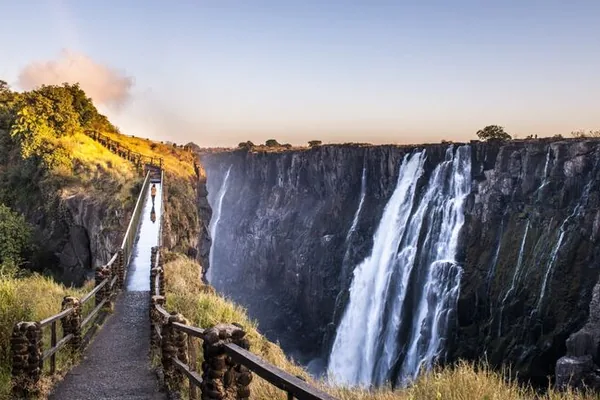
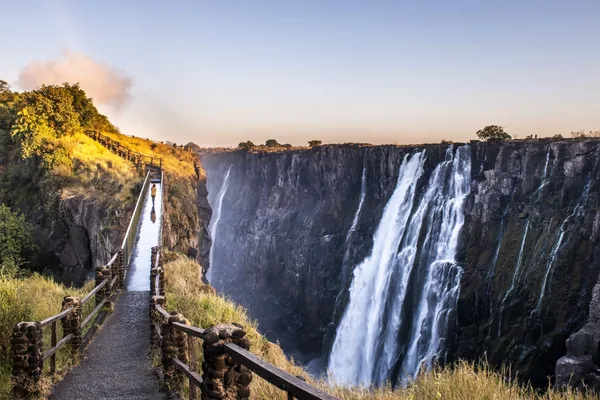
Victoria Falls is the largest curtain of falling water on earth — 1.7 kilometres wide and 108 metres high. The Kololo-Lozi people called it Mosi-oa-Tunya, 'the smoke that thunders,' and when you stand at the rim during high water season, you understand why. The spray rises hundreds of metres into the air, visible from thirty kilometres away, drenching the surrounding rainforest in a perpetual mist that sustains its own micro-ecosystem.

The falls sit on the border of Zimbabwe and Zambia, and each side offers a different perspective. Zimbabwe delivers the panoramic viewpoints — roughly 75% of the falls visible from a rainforest path that runs the length of the gorge. Zambia provides a more intimate encounter, walking right to the edge where the Zambezi drops away beneath your feet. Most visitors explore both sides, crossing with a simple day pass.

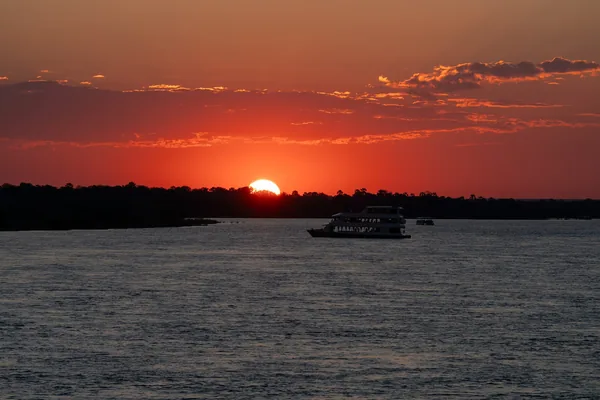
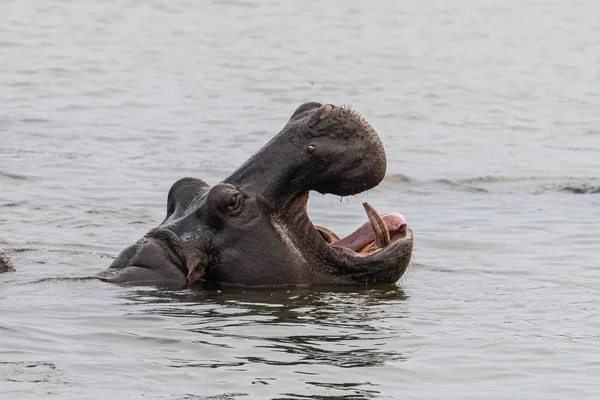
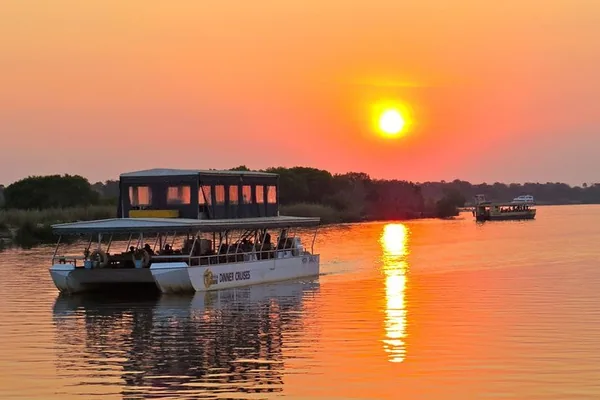
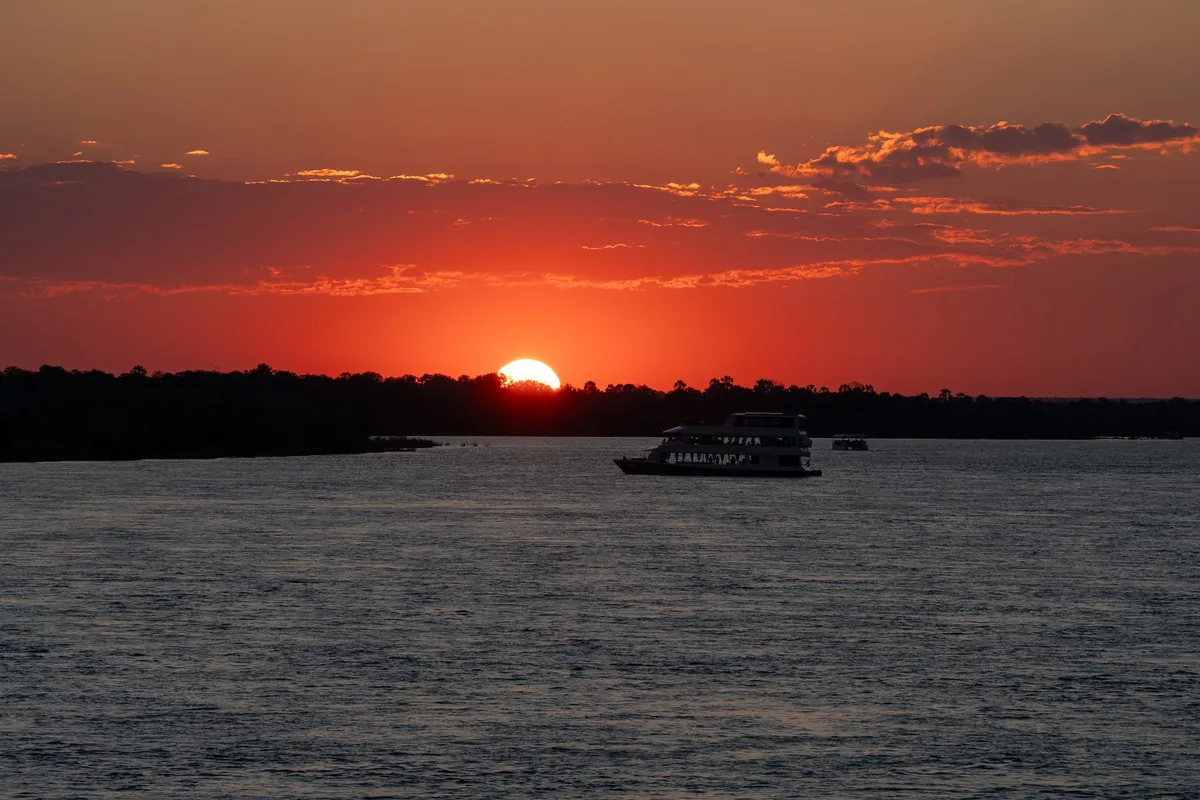
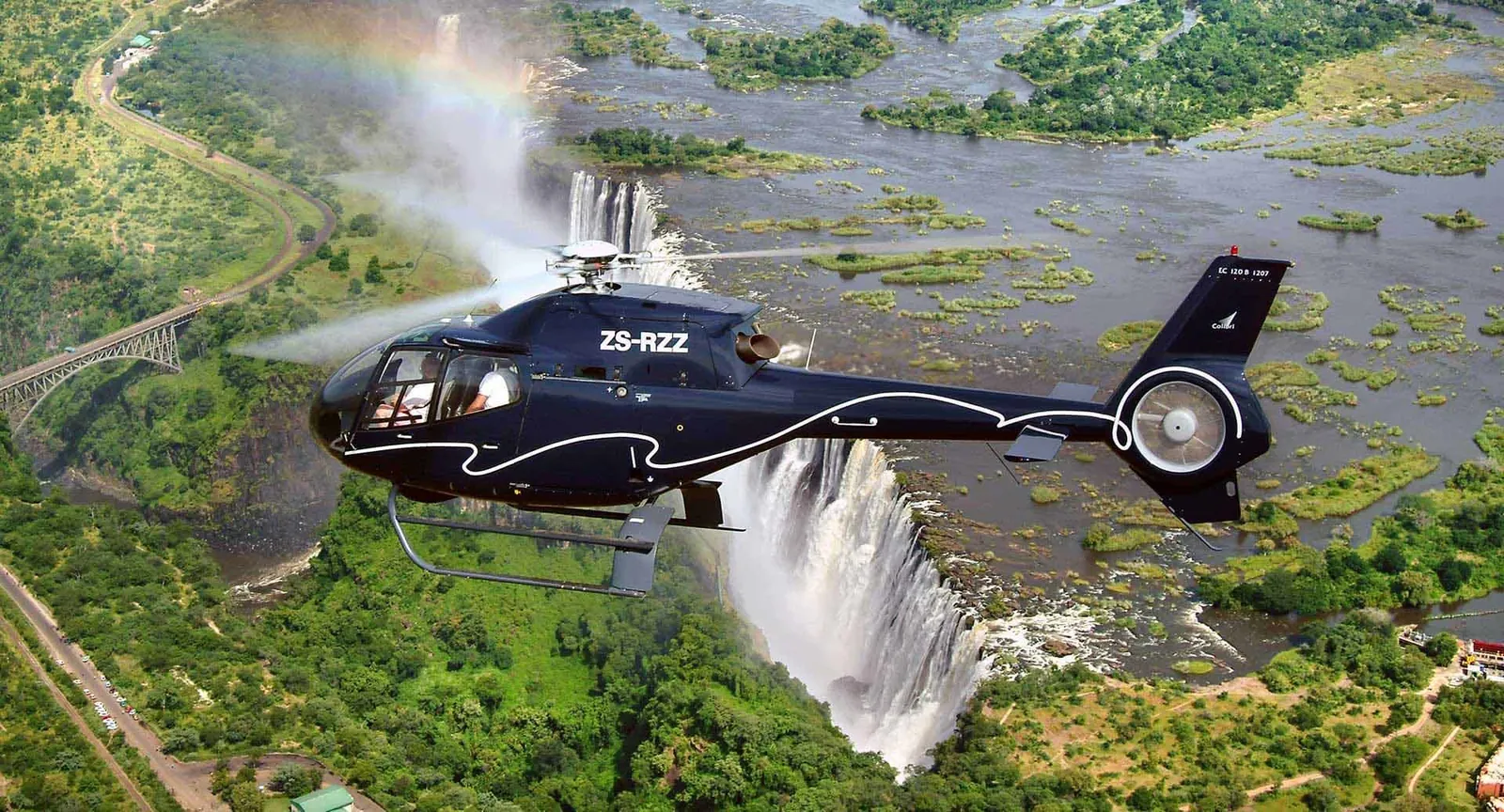
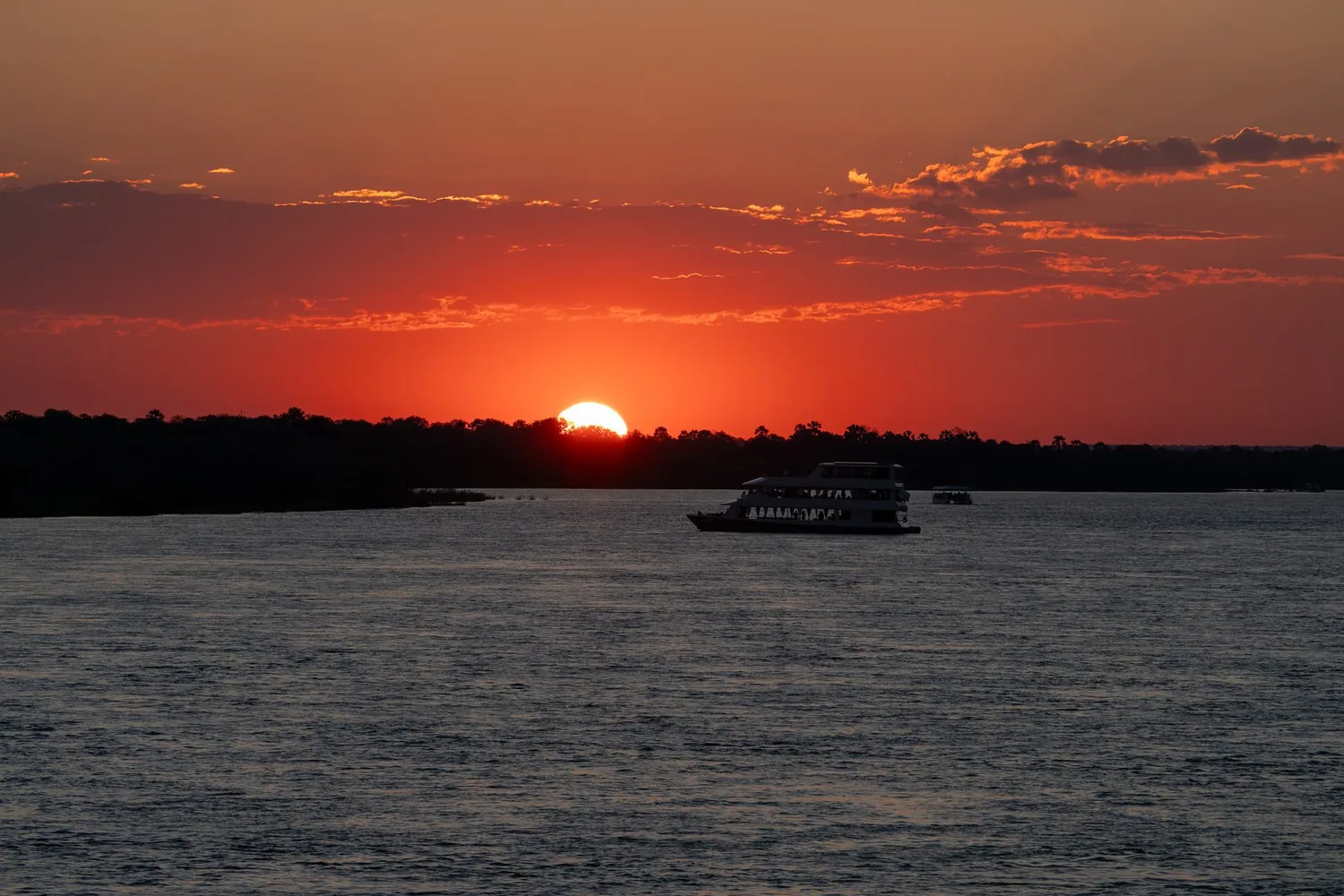
Beyond the falls, this is Africa's adventure capital. Helicopter flights reveal the full scale from above. The Zambezi offers sunset cruises with hippos and crocodiles drifting in the amber light. The gorge below delivers some of the world's best Grade 4–5 white-water rafting. Bungee jumping from the bridge, ziplines across the gorge, and open-cockpit microlight flights round out an area that packs more activities per square kilometre than anywhere else on the continent.

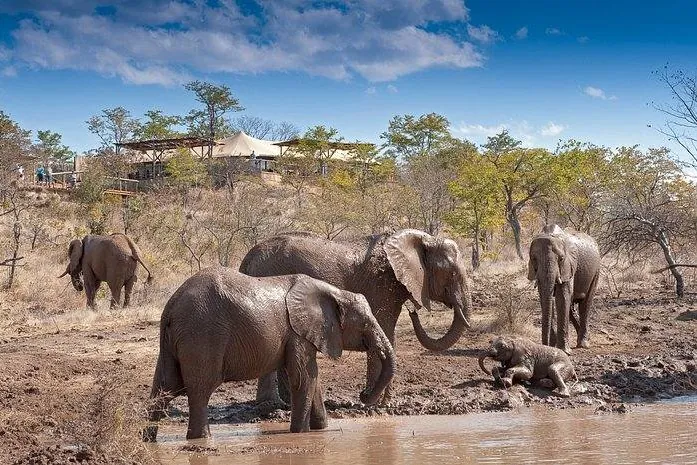
What makes Victoria Falls particularly compelling is how easily it combines with wildlife. Chobe National Park in Botswana is just 90 minutes away — morning game drives and river cruises among some of the largest elephant herds in Africa. Hwange National Park on the Zimbabwe side is equally accessible, with wild dogs, lions, and vast elephant populations. A Victoria Falls extension transforms a safari from a single-country trip into a multi-destination journey across southern Africa.
Areas to Explore

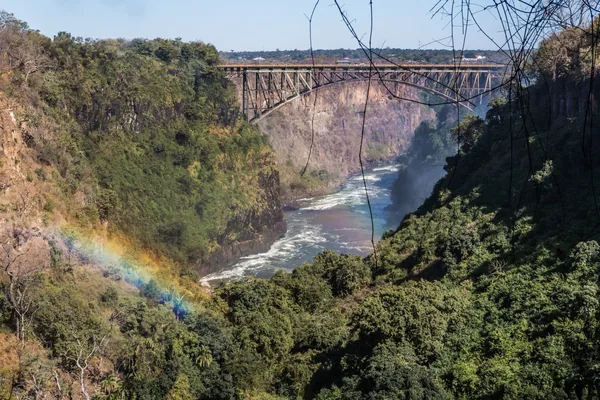
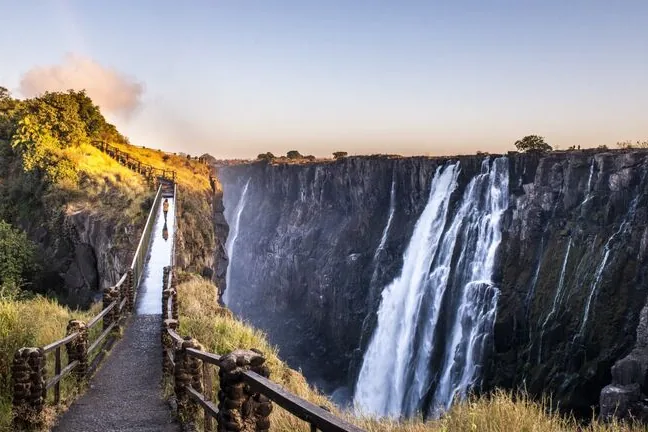
The Zimbabwe side is where most visitors begin, and for good reason. A paved rainforest path stretches the full length of the gorge opposite the falls, connecting sixteen viewpoints that reveal the cascading curtain from every angle. During moderate water months, the spray catches sunlight and throws rainbows across the chasm. During high water, you will get soaked — waterproof protection is not optional, it is essential.

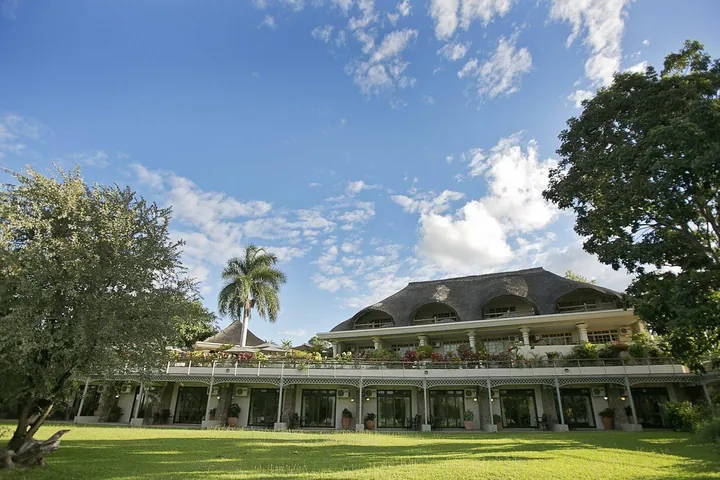
Victoria Falls town is walkable and well-established, with lodges ranging from riverside camps to luxury hotels set back from the gorge. The town serves as the base for nearly every activity in the area — helicopter flights, bungee jumping, rafting, sunset cruises, and bridge activities all depart from here. The atmosphere is energetic without feeling commercial, and evenings often end with The Boma dinner experience — a traditional feast of game meats accompanied by live drumming and dance.

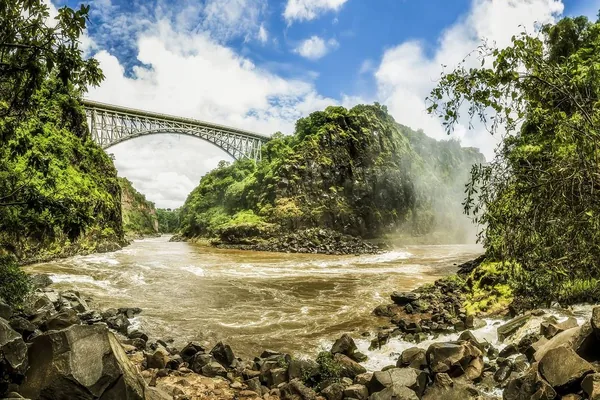
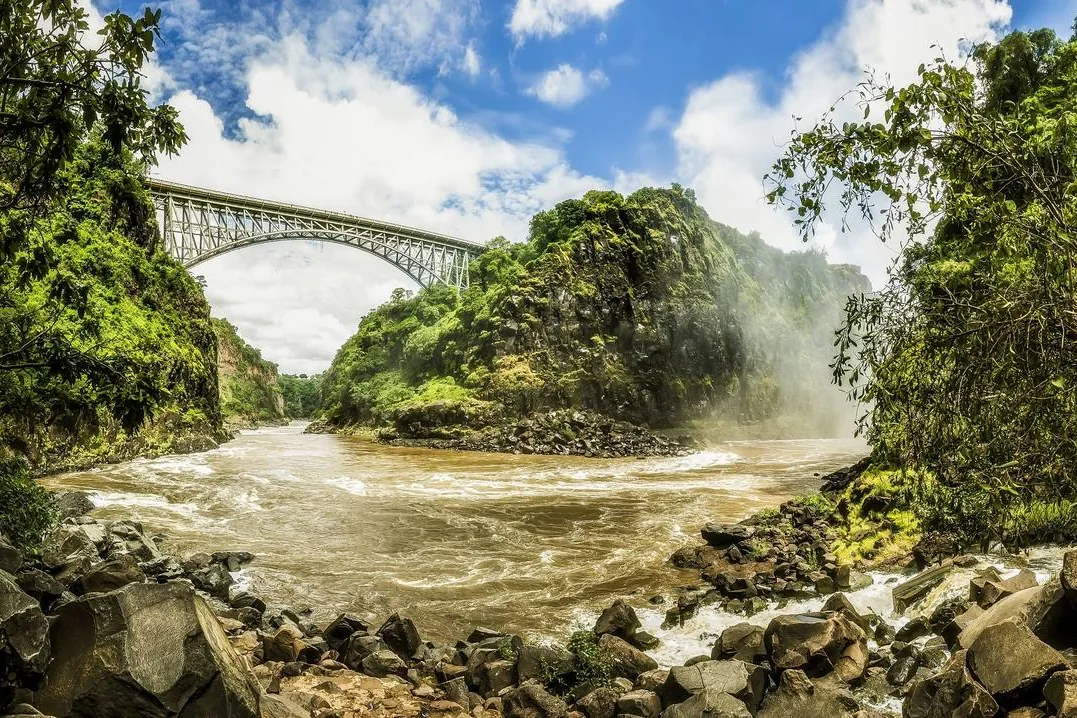
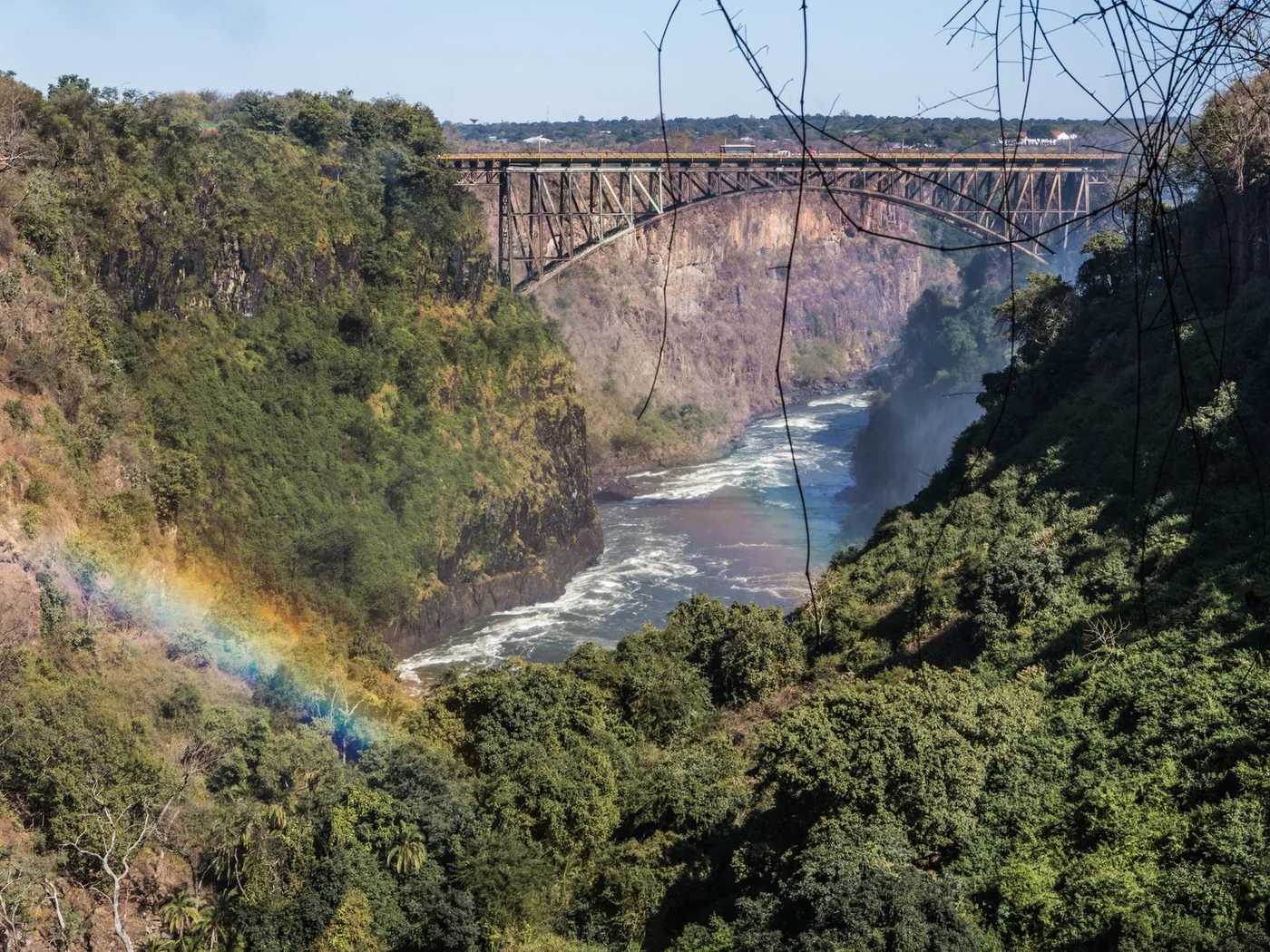
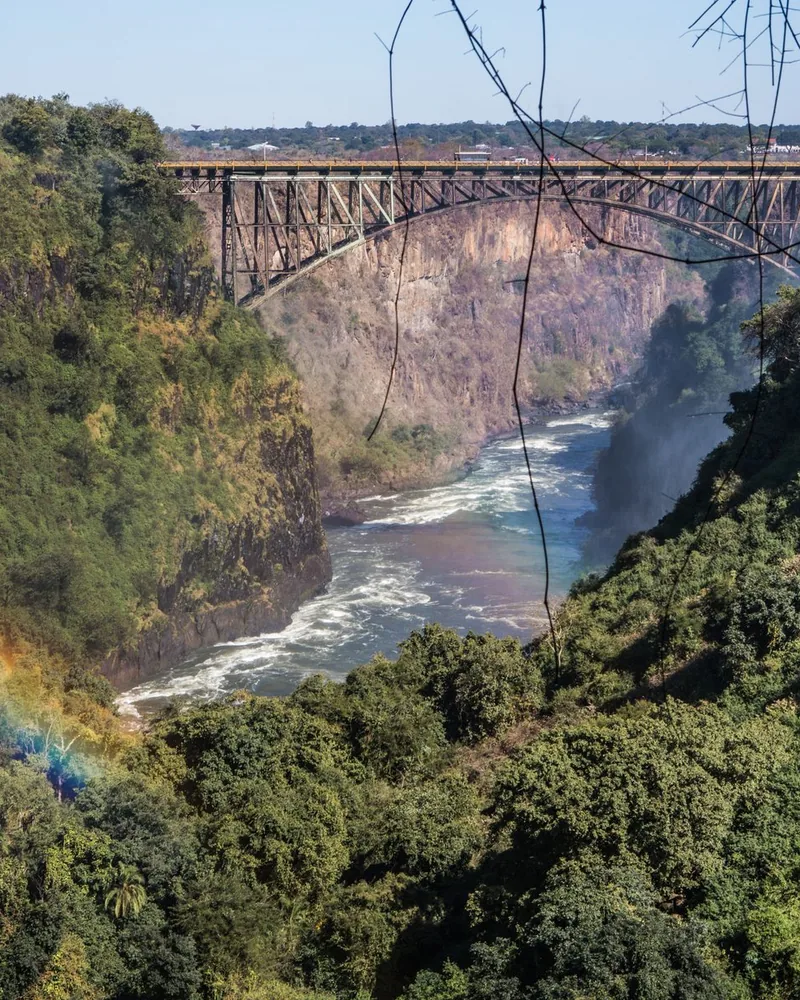
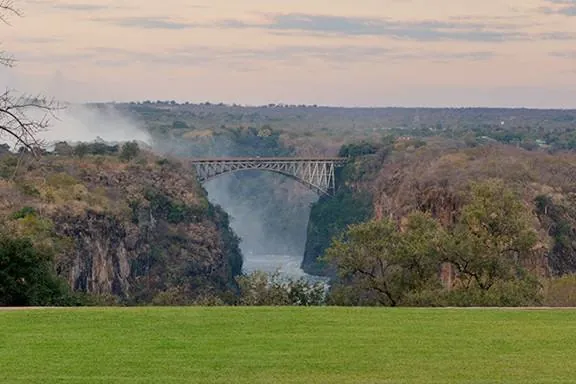
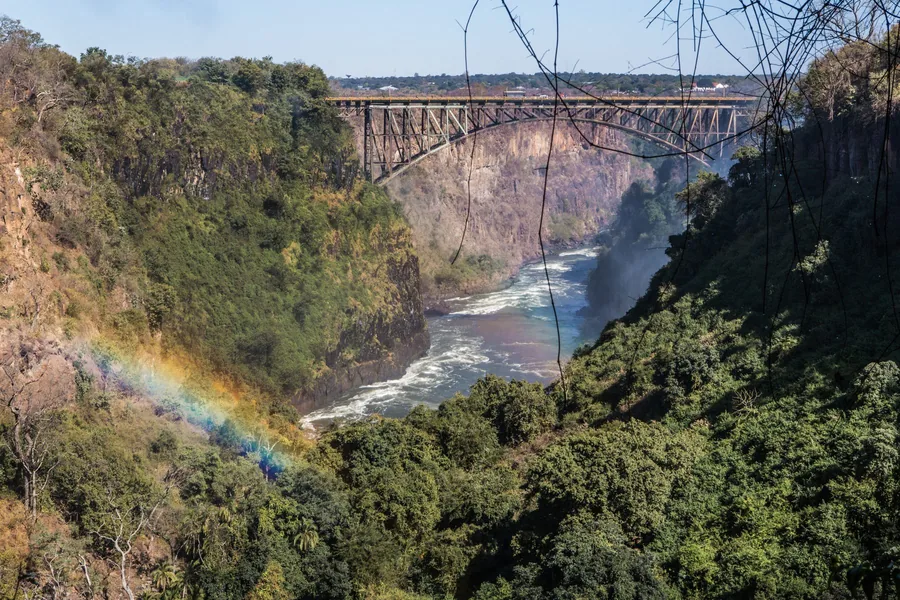
The Victoria Falls Bridge itself is worth crossing on foot even if you are not jumping off it. Built in 1905, it spans the gorge 128 metres above the Zambezi, offering vertigo-inducing views of the rapids below and the spray column rising from the falls. It also serves as the border crossing to Zambia — bring your passport and you can visit both sides in a single day.

75% of Falls Visible Rainforest Walk Adventure Hub The Boma Dinner USD Accepted

The Zambian side offers something the Zimbabwe side cannot — proximity. The Knife-Edge Bridge takes you across a narrow gorge to a platform directly opposite the Eastern Cataract, close enough that during high water the spray is blinding and the noise becomes physical. It is a visceral, full-body experience that photographs cannot capture. During lower water months, the approach path lets you walk right to the lip where the river tips over the edge.

Devil's Pool is the headline attraction on this side — a natural rock pool right at the edge of the falls where, during the low water season from September to December, you can swim to the very rim and look over the 108-metre drop. It is not reckless; guides manage the experience carefully and the pool is formed by a natural rock barrier. But the perspective is extraordinary, and the photographs of people peering over the edge have become some of the most recognisable images in African travel.

Livingstone town sits about ten kilometres from the falls and has a quieter character than its Zimbabwe counterpart. Mosi-oa-Tunya National Park, just upstream, is one of the smallest national parks in Africa but offers something rare — walking safaris to track white rhinos on foot. The park also has hippo, elephant, giraffe, and zebra along the river, making it a gentle wildlife complement to the falls experience.

Devil's Pool Knife-Edge Bridge Rhino Walking Safari Quieter Atmosphere

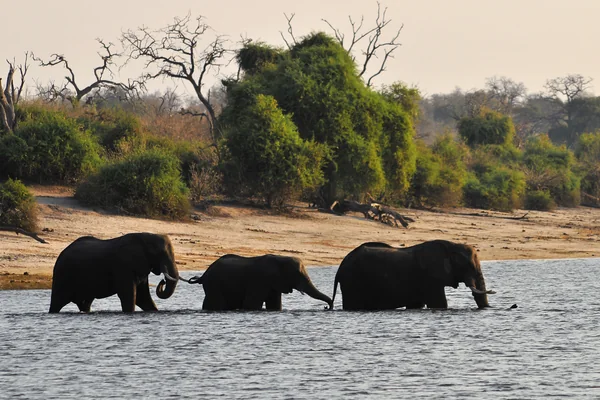
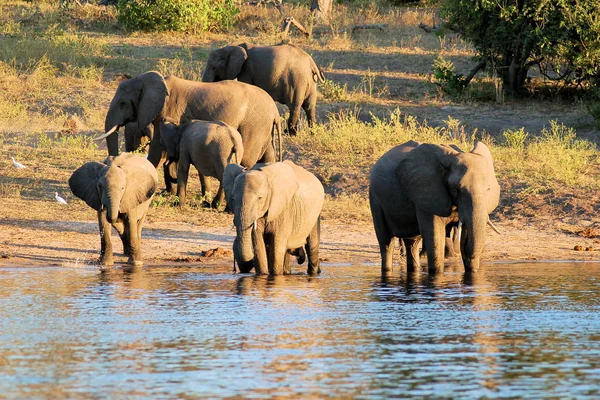
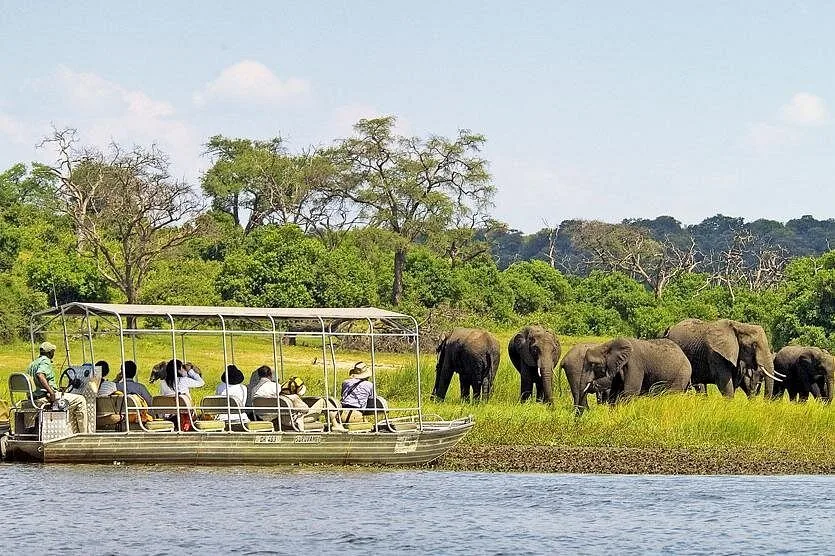
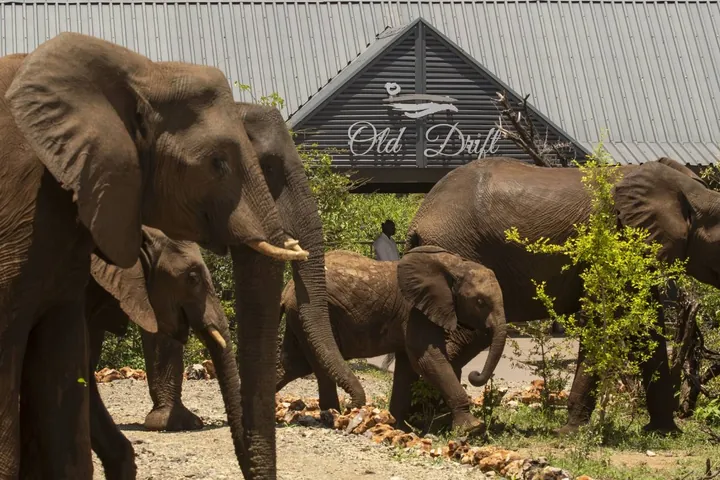
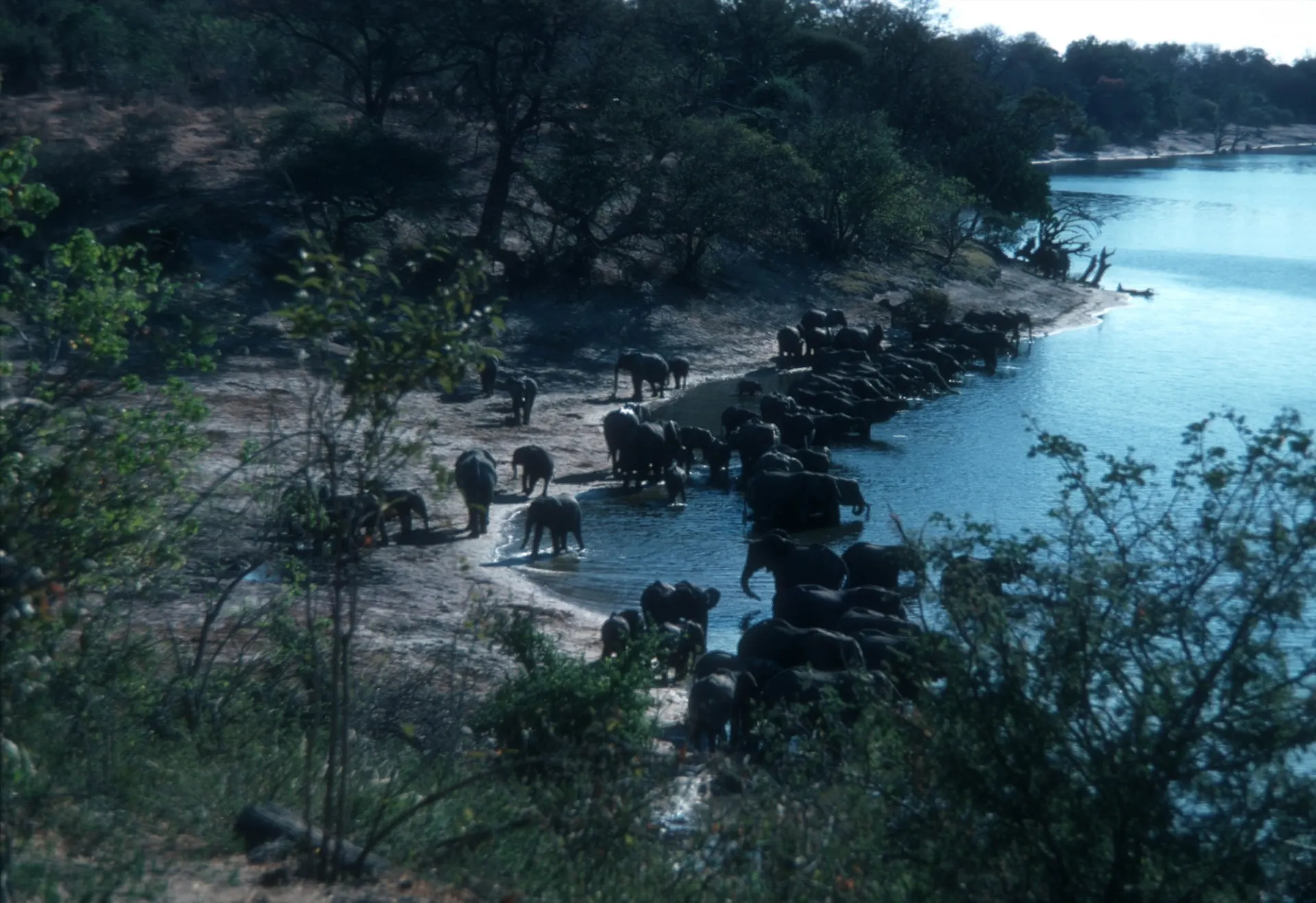
Chobe National Park in Botswana sits just 90 minutes from Victoria Falls town, making it one of the easiest wildlife additions to any falls itinerary. The park is home to one of the largest concentrations of elephants in Africa — an estimated 120,000 — and during the dry season, herds of several hundred gather along the Chobe River, crossing in long lines that stretch the width of the waterway.

A typical day trip combines a morning game drive through the bush with an afternoon boat cruise on the Chobe River. The river cruise is the highlight for many — you glide past elephants swimming, hippos surfacing, crocodiles basking, and fish eagles calling from the riverside trees. The light in the late afternoon is exceptional for photography, and the open water means unobstructed views that game drives in dense bush cannot match.

For those with more time, staying overnight in Chobe opens up the Savuti and Linyanti areas — remote corners of the park famous for lion-buffalo interactions, wild dog packs, and leopard sightings. The contrast between the thundering spectacle of Victoria Falls and the quiet intensity of a Chobe game drive makes this combination one of the most satisfying short itineraries in southern Africa.

120,000+ Elephants River Cruise Day Trip from Vic Falls Botswana

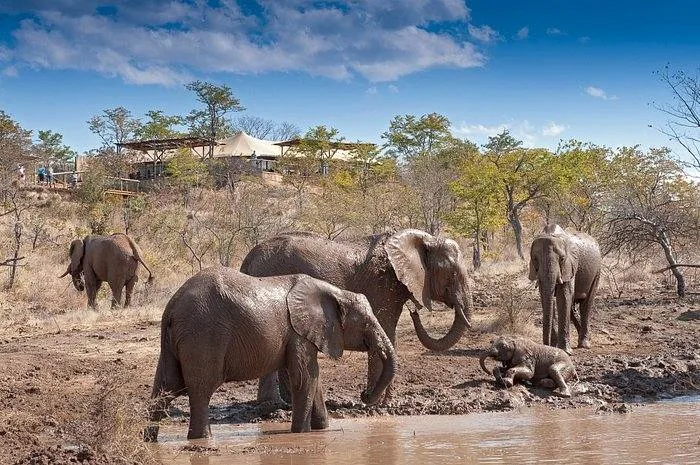
Hwange is Zimbabwe's largest national park and one of Africa's great, under-visited wildlife reserves. About two hours from Victoria Falls by road, it covers over 14,000 square kilometres of Kalahari sandveld, mopane woodland, and teak forest. The park supports over 100 mammal species and 400 bird species, with elephant populations rivalling those of Chobe next door.

What sets Hwange apart is its predator diversity. The park has one of the healthiest populations of African wild dogs on the continent — painted, pack-hunting canines that are among the most endangered large carnivores in Africa and among the most thrilling to watch in action. Lion prides patrol the open pans, leopards haunt the teak forests, and cheetahs work the grasslands. The pumped waterholes attract everything during the dry season, creating natural amphitheatres where you can sit quietly and watch the bush come to you.

Hwange works beautifully as a two or three night extension to Victoria Falls. The lodges and camps here tend to be smaller and more intimate than those around the falls, with a bush-camp atmosphere that feels closer to the classic East African safari experience. Night drives are permitted, opening up the nocturnal world of aardvarks, honey badgers, civets, and the big cats hunting under cover of darkness.

Wild Dogs Night Drives 14,000 km² 2 Hours from Vic Falls

Activities & Experiences

Helicopter Flight of Angels

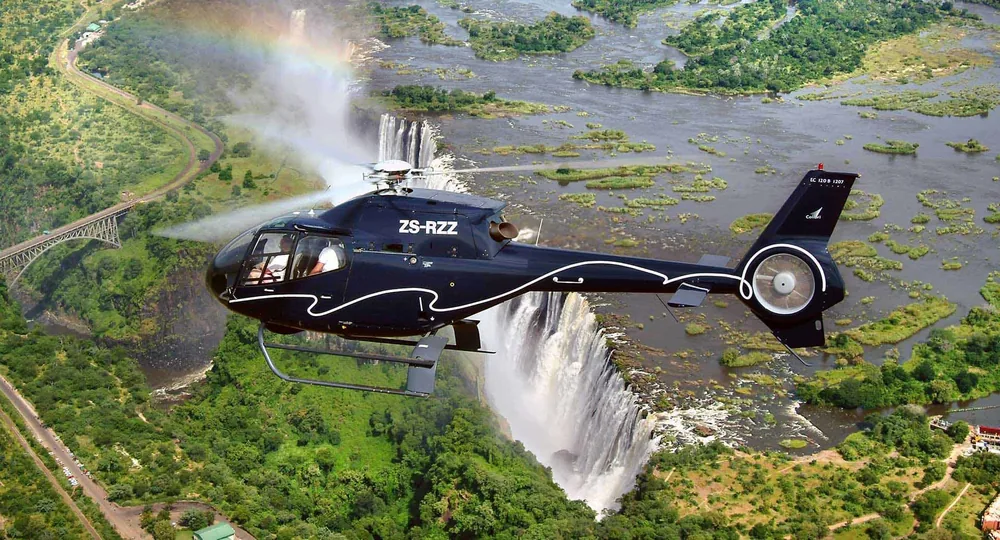
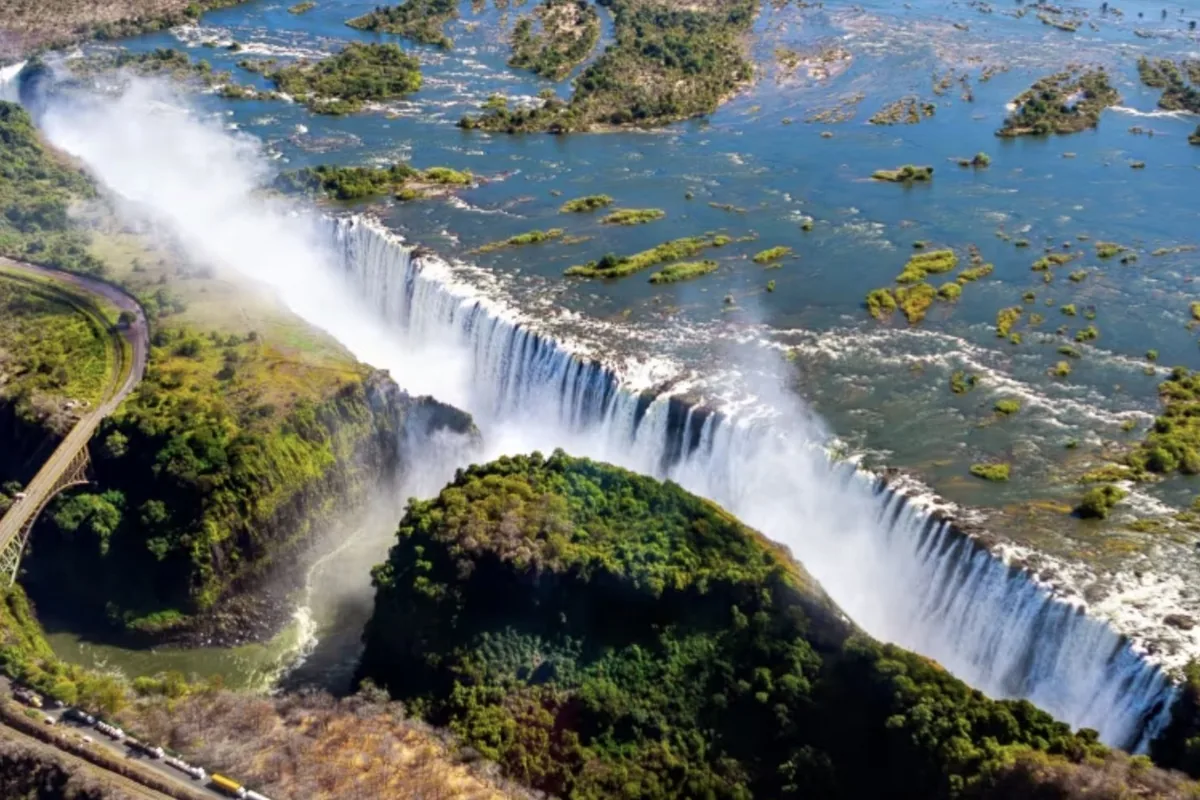
The best way to grasp the full scale of the falls. Twelve or twenty-five minute options sweeping over the gorge, the bridge, and the Zambezi upstream. During high water, the spray column rises like a thunderhead beneath you.

Zambezi Sunset Cruise

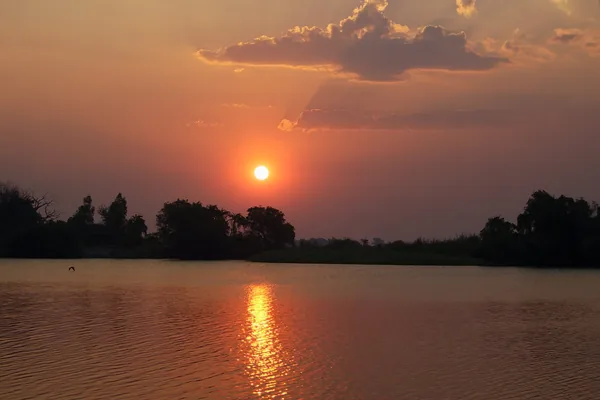
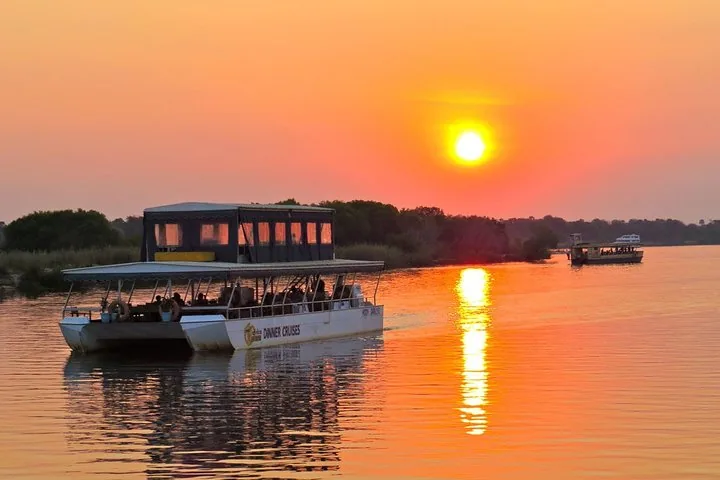
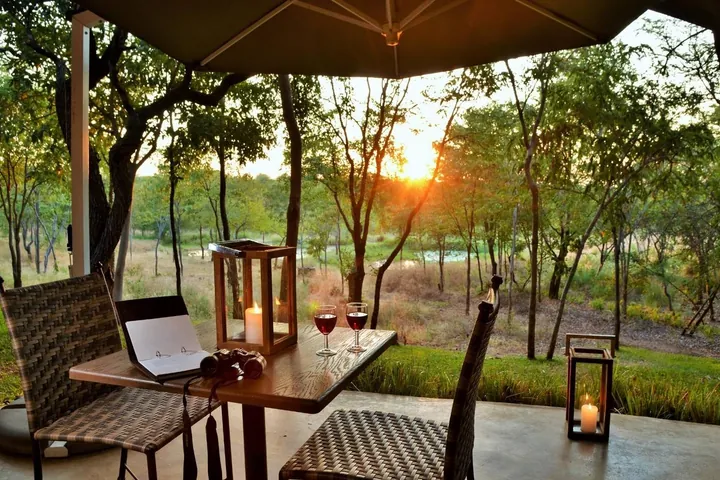
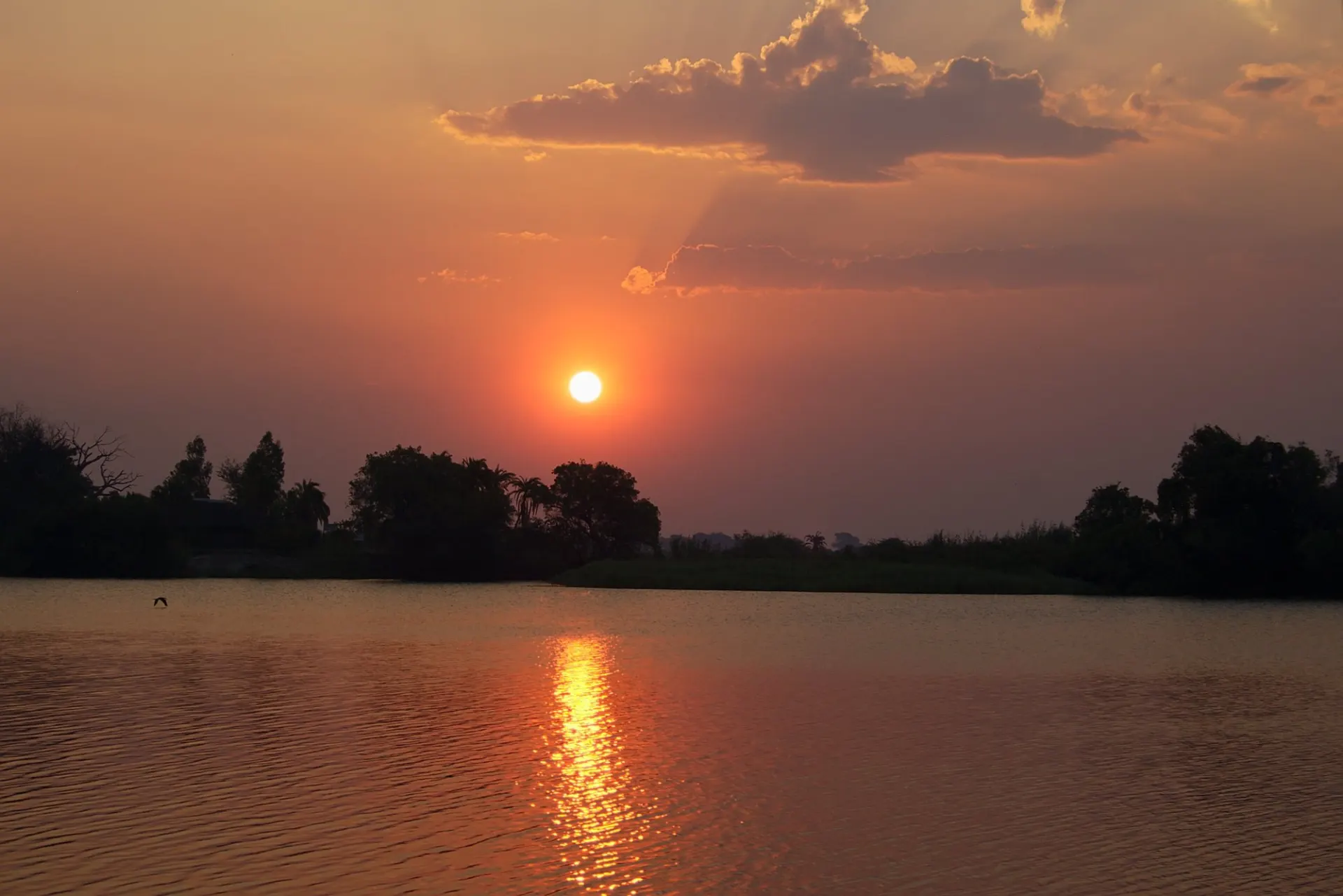
Two hours on the upper Zambezi as the sun drops behind the treeline. Hippos surface around the boat, crocodiles slide off the banks, and fish eagles call from the riverside canopy. Drinks and canapés served as the light turns gold.

White-Water Rafting

Grade 4–5 rapids through the Batoka Gorge — consistently rated among the best rafting in the world. Full-day and half-day options available. Best from August to December when water levels are lower and the rapids are at their most intense.

Devil's Pool

A natural rock pool right at the edge of the falls, accessible from the Zambian side during the low water season from September to December. Swim to the lip and peer over the 108-metre drop — guided, managed, and as dramatic as it sounds.

Bungee & Bridge Activities

A 111-metre bungee jump from the Victoria Falls Bridge — the gorge yawning below, the spray rising beside you. For those who want the view without the freefall, there is also a bridge swing, a 300-metre zipline across the gorge, and a bridge slide.

Chobe Safari Day Trip

Cross into Botswana for a morning game drive through Chobe's elephant-rich bush, followed by an afternoon river cruise on the Chobe River. Hippos, crocodiles, buffalo, and massive elephant herds along the waterfront. Back in Vic Falls by evening.

Best Time to Visit

June – August · Moderate Water · Best Overall

The sweet spot. Water flow is strong enough for a dramatic curtain but not so heavy that spray obscures the view from ground level. Clear skies, comfortable temperatures, and all activities available. Rafting begins in August. This is peak season and the period we recommend for first-time visitors who want the complete experience.

September – November · Low Water · Adventure Season

The Zambian side partially dries, revealing the rock face behind the falls — a perspective most people never see in photographs. Devil's Pool opens. Rafting conditions are at their best with the most intense rapids. The rock face and reduced spray make for dramatic, unusual photographs. Chobe wildlife viewing peaks as animals concentrate around water sources.

February – May · High Water · Maximum Drama

The full curtain. The Zambezi is at peak flow and the entire 1.7-kilometre width thunders over the edge. The spray column rises hundreds of metres, creating its own weather system. Ground-level visibility is limited — a helicopter flight is the best way to see the falls during this period. No rafting, no Devil's Pool, but the sheer power is unmatched.

December – January · Rising Water · Good Balance

The rains are beginning and water levels are climbing. A good balance between viewing and flow — the falls are filling but spray has not yet become overwhelming. Fewer visitors than peak season. Green season colours in surrounding parks make for beautiful photography. A smart shoulder-season choice.

What to Expect

Victoria Falls is a compact destination — the town, the falls, and most activity departure points are all within a short drive of each other. Unlike a bush safari where you might spend hours on rough roads between locations, here everything is accessible. You can visit the falls in the morning, take a helicopter flight before lunch, cruise the Zambezi at sunset, and still have time for dinner at The Boma. The pace is as relaxed or as packed as you choose.

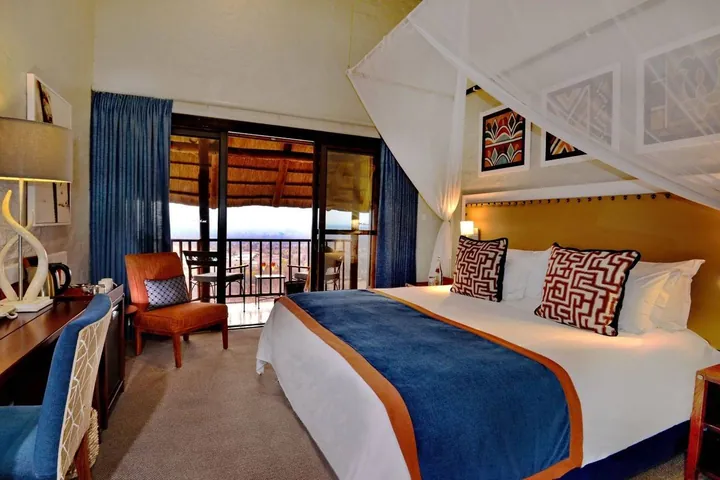
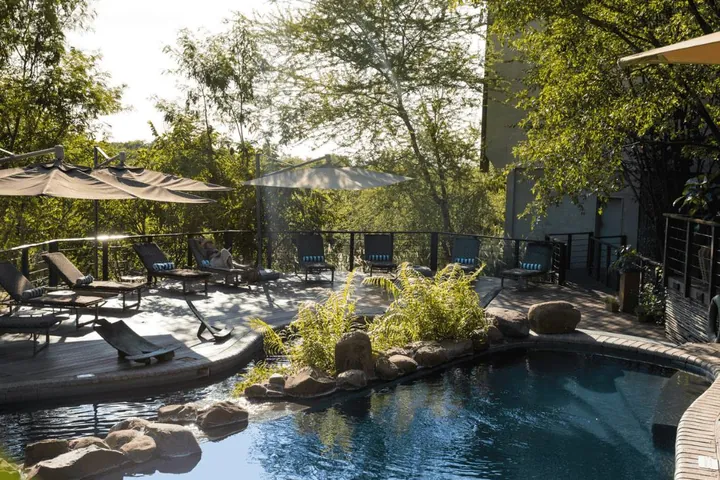
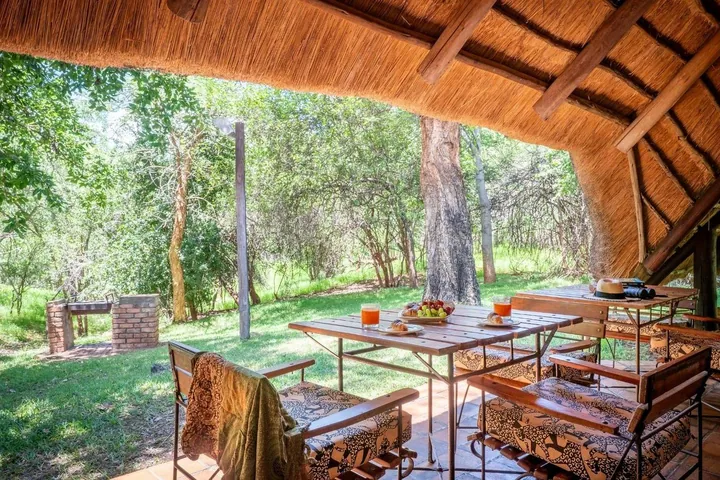
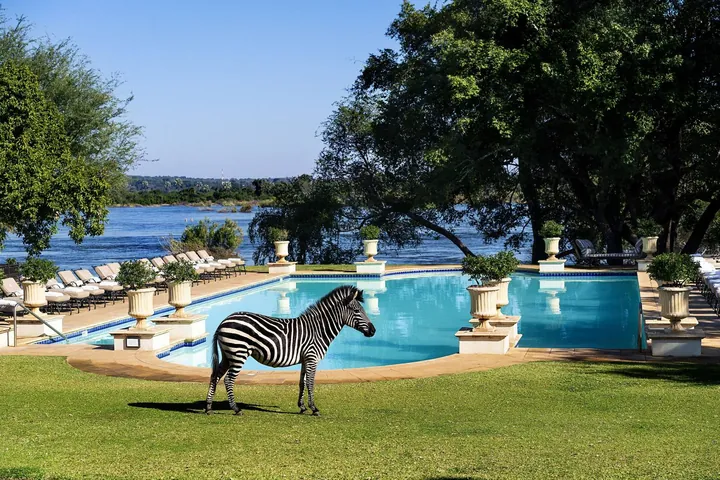
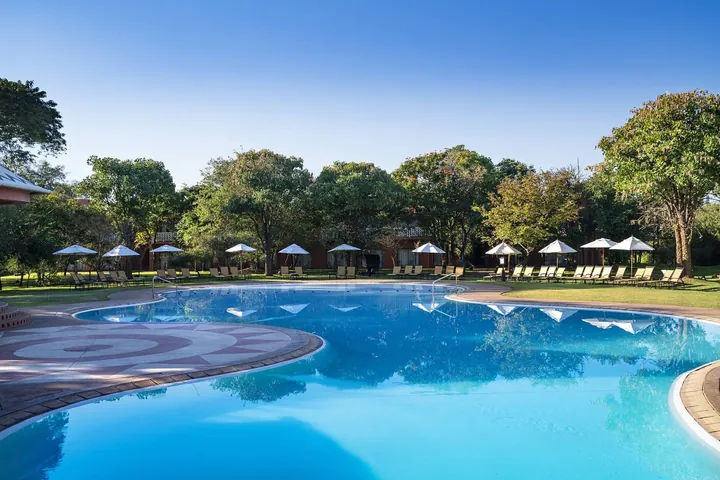
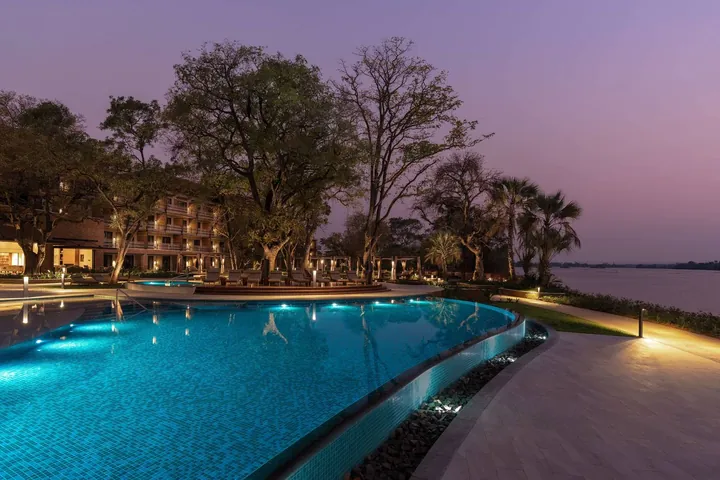
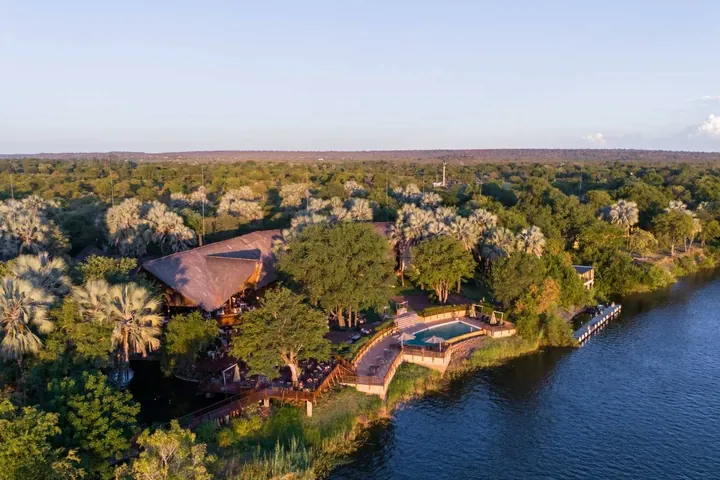
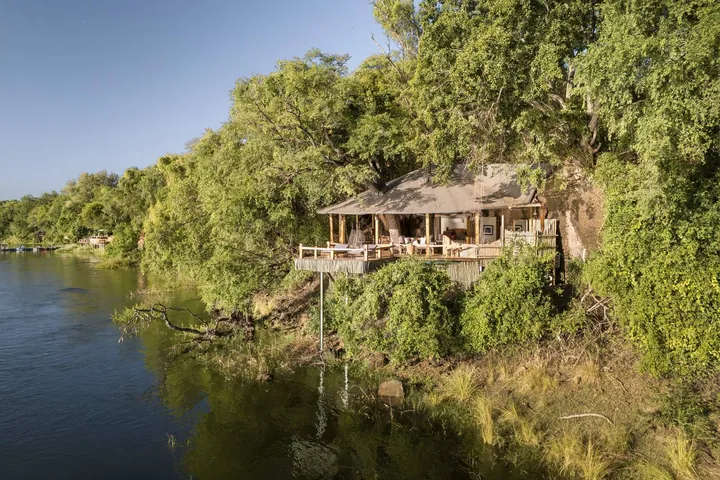
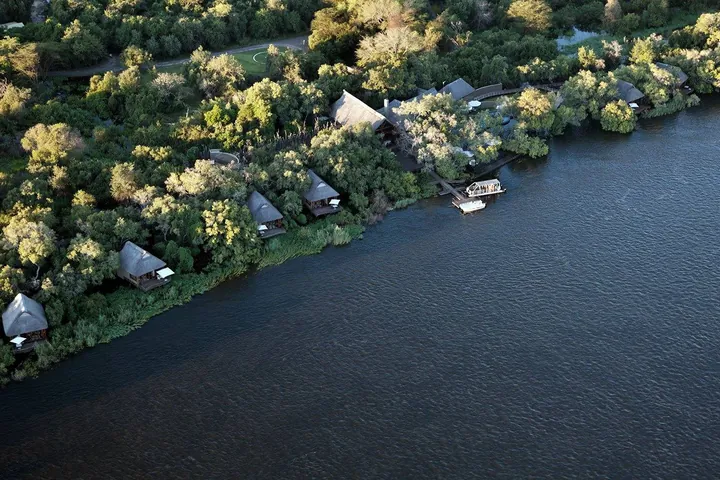
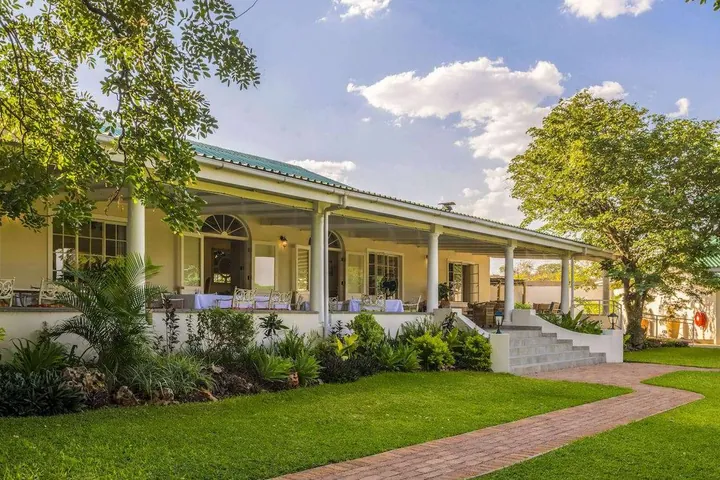
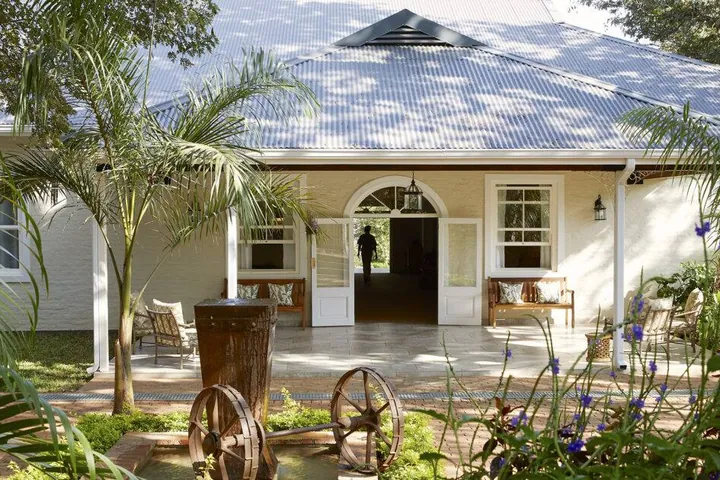
Accommodation ranges from luxury riverside lodges set in mature gardens along the Zambezi to boutique hotels in town within walking distance of the falls entrance. Both sides — Zimbabwe and Zambia — have excellent options, though most visitors base themselves on the Zimbabwe side for its easier access to the falls and wider range of activities and restaurants.
Victoria Falls is a malaria area, so prophylaxis is recommended — we will advise on the latest guidance when planning your trip. The falls themselves can drench you completely during high water season, so waterproof protection for yourself and your camera is worth considering. US dollars are widely accepted on the Zimbabwe side, and the general infrastructure is well-developed and tourist-friendly.

What to Pack

Falls & Adventure

  • Waterproof phone pouch or dry bag for camera gear
  • Light rain jacket or poncho (essential during high water)
  • Quick-dry clothing and water-friendly shoes or sandals
  • Sunscreen and sunglasses (the gorge can be surprisingly hot)
  • Passport — required for bridge crossing between Zimbabwe and Zambia

Safari & General

  • Neutral-coloured layers for game drives (Chobe/Hwange)
  • Binoculars for wildlife and birdlife along the Zambezi
  • Insect repellent with DEET (malaria area)
  • Light fleece or warm layer for early morning boat cruises
  • Camera with zoom lens for river wildlife and falls photography

Is Victoria Falls Family-Friendly?

Victoria Falls is one of the most family-friendly adventure destinations in Africa. The falls viewing paths on both sides are accessible for children of all ages, and the rainforest walk on the Zimbabwe side is an experience that delights kids — getting soaked by the spray is half the fun. The Zambezi sunset cruise is relaxed and suitable for all ages, with hippos and crocodiles providing natural entertainment that holds the attention of even the most screen-addicted teenager.
Many of the adventure activities have minimum age requirements. Bungee jumping and white-water rafting typically require participants to be at least fifteen. The bridge swing and zipline may accept younger teenagers depending on the operator. Devil's Pool has its own restrictions based on water conditions. However, the helicopter flight has no strict minimum age and is a highlight for families — children are mesmerised by the aerial perspective of the falls.

The Chobe day trip works well for families with children of any age. Game drives and river cruises are gentle, the elephant herds are captivating for young visitors, and the day trip format means no bush-camp early starts. For families combining Victoria Falls with an East African safari, this destination acts as an energising, activity-filled break between more intensive game-driving days.

Explore More Destinations