Bwindi · Queen Elizabeth · Murchison Falls · Kibale
Winston Churchill called Uganda "the Pearl of Africa," and the name still fits. This is a country shaped by deep forests, volcanic peaks, wide savannahs, and the longest river on earth — all threaded together by red-earth roads and the sound of a hundred different bird species before breakfast.
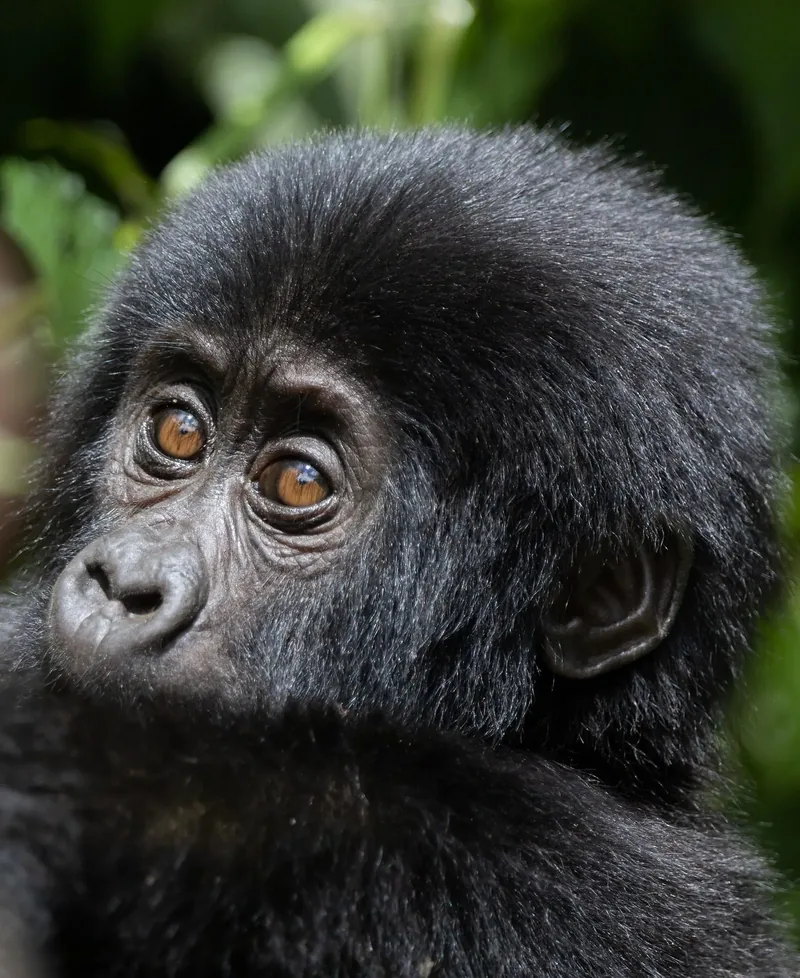
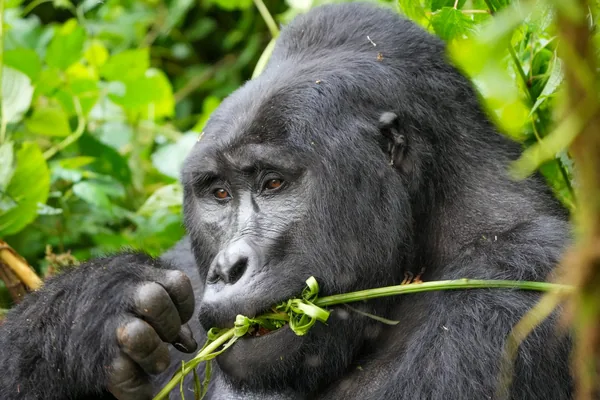
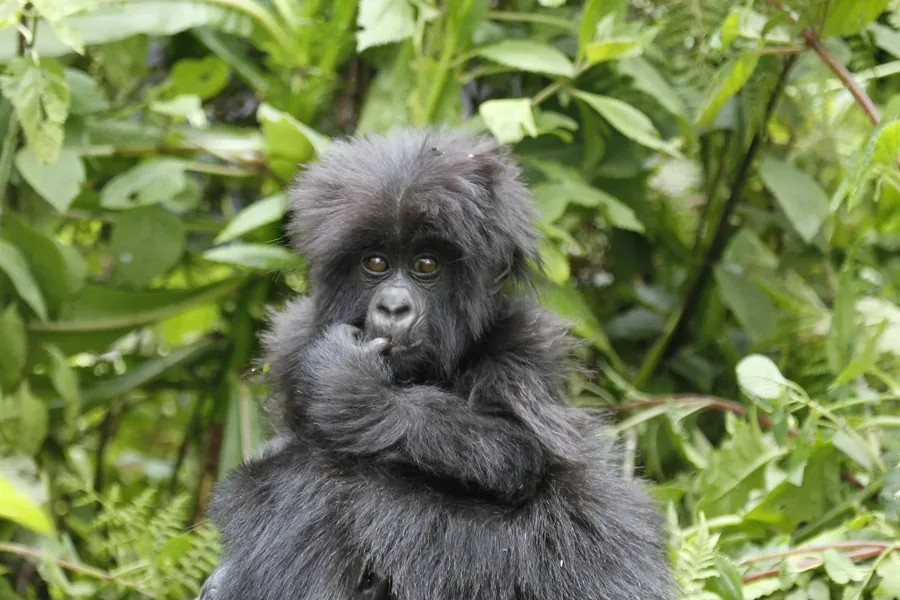
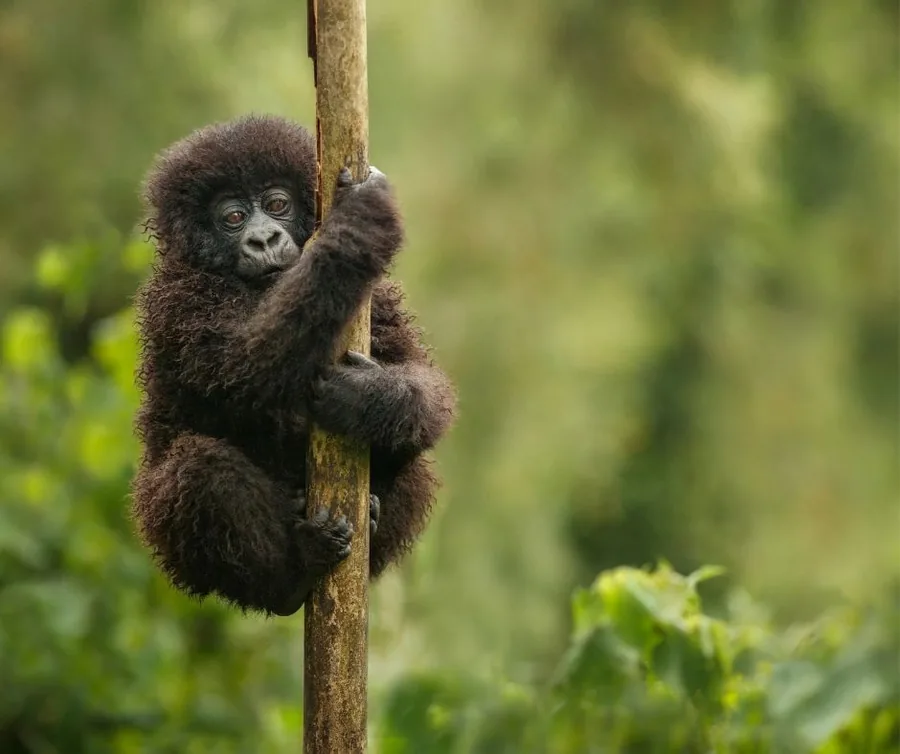
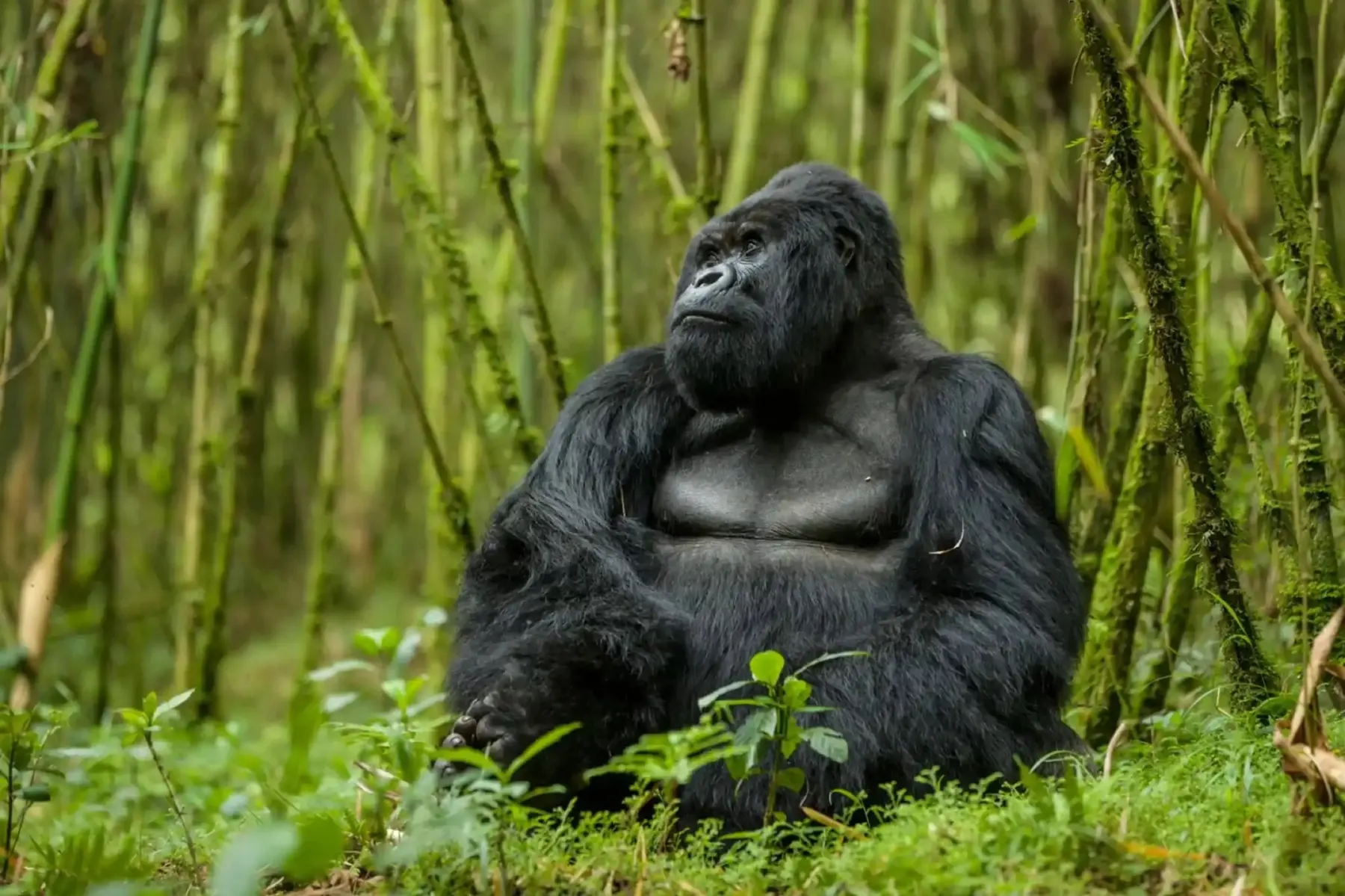
Bwindi Impenetrable National Park is home to roughly half the world's remaining mountain gorillas, and a trek through its tangled undergrowth to sit with a silverback family is one of the most profound wildlife encounters you will ever have. Uganda also offers the best-value gorilla permits in Africa — making this the more accessible option for most travellers.
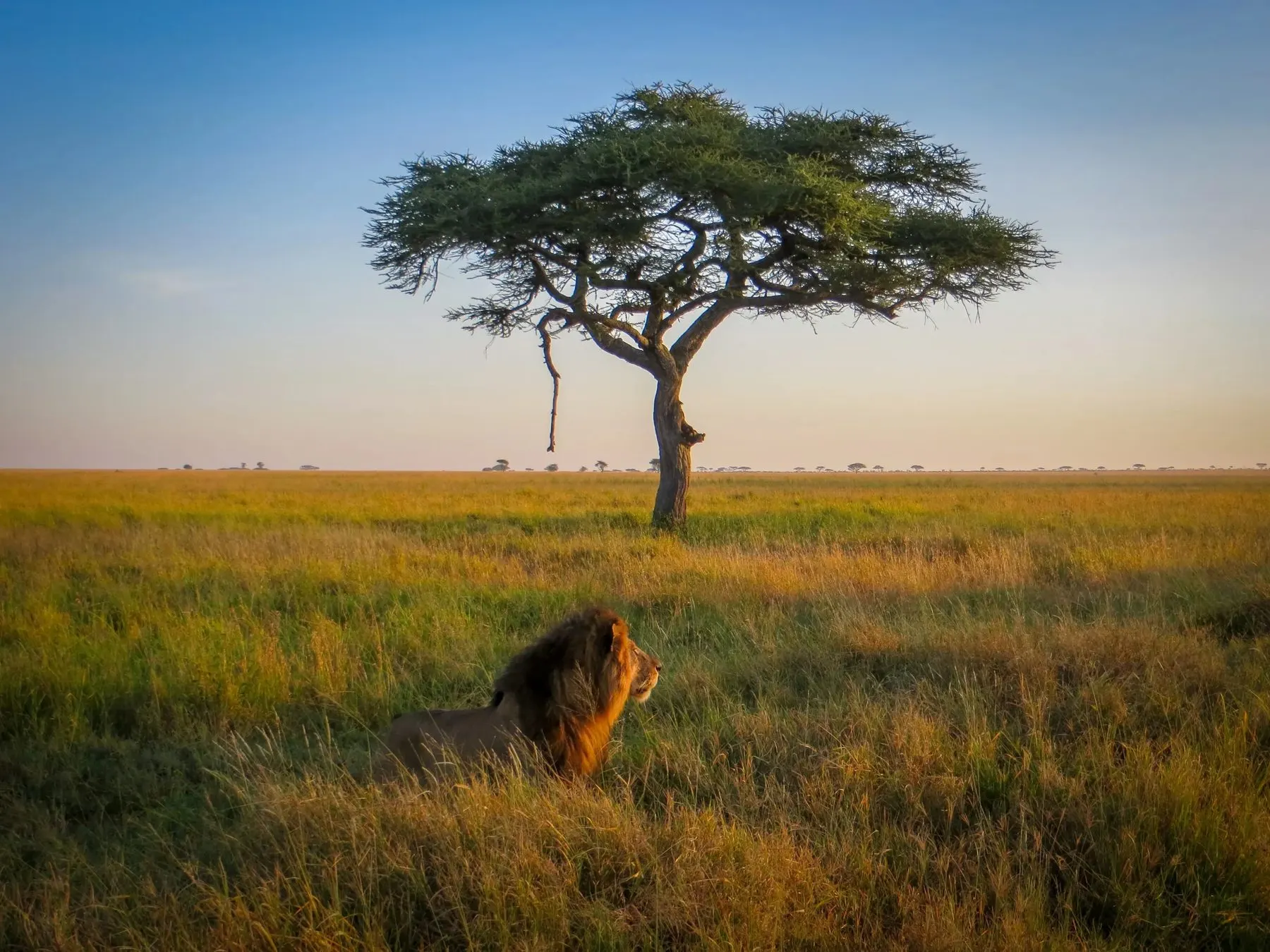
But Uganda is far more than gorillas. Kibale Forest holds the highest density of primates on the continent. Queen Elizabeth National Park delivers tree-climbing lions, boat safaris through hippo-filled channels, and open savannah game drives. Murchison Falls compresses the entire White Nile through a 7-metre gap, and the boat ride to its base — surrounded by crocodiles, elephants, and an almost impossible number of birds — is something you carry with you long after you leave.
This is wild, untamed Africa. The roads are rougher, the lodges are fewer, and the experiences are all the richer for it. Uganda rewards those willing to go deeper.
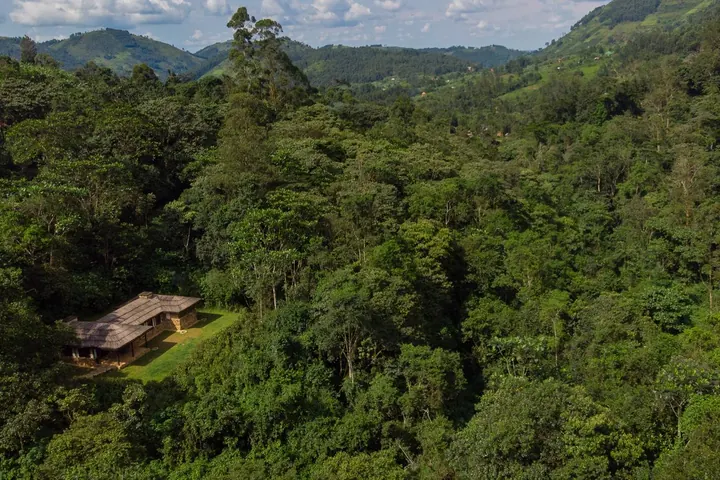
Bwindi is ancient. This is one of the oldest rainforests in Africa — over 25,000 years old — and it feels every bit of it. The canopy is so dense that sunlight barely touches the forest floor. Giant ferns arch overhead, moss hangs from every branch, and the trails disappear into walls of green that seem almost deliberately impenetrable.
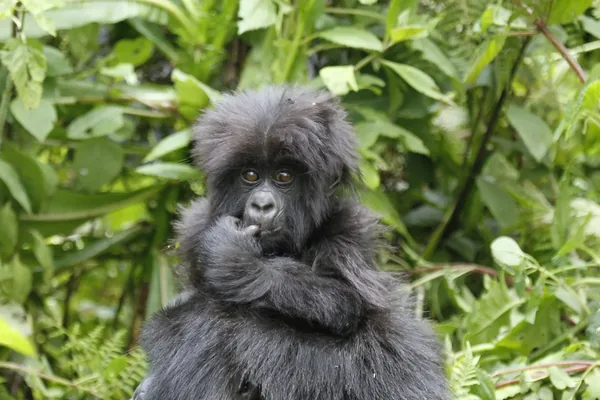
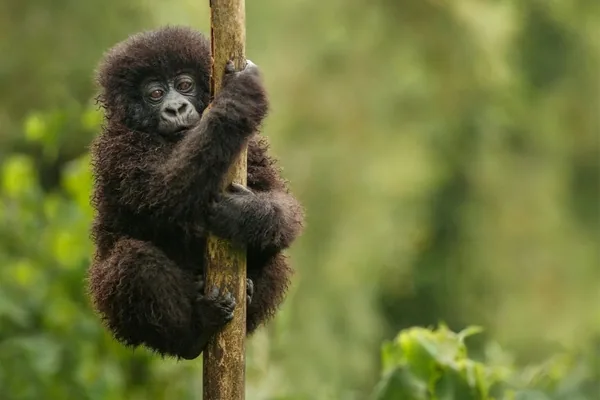
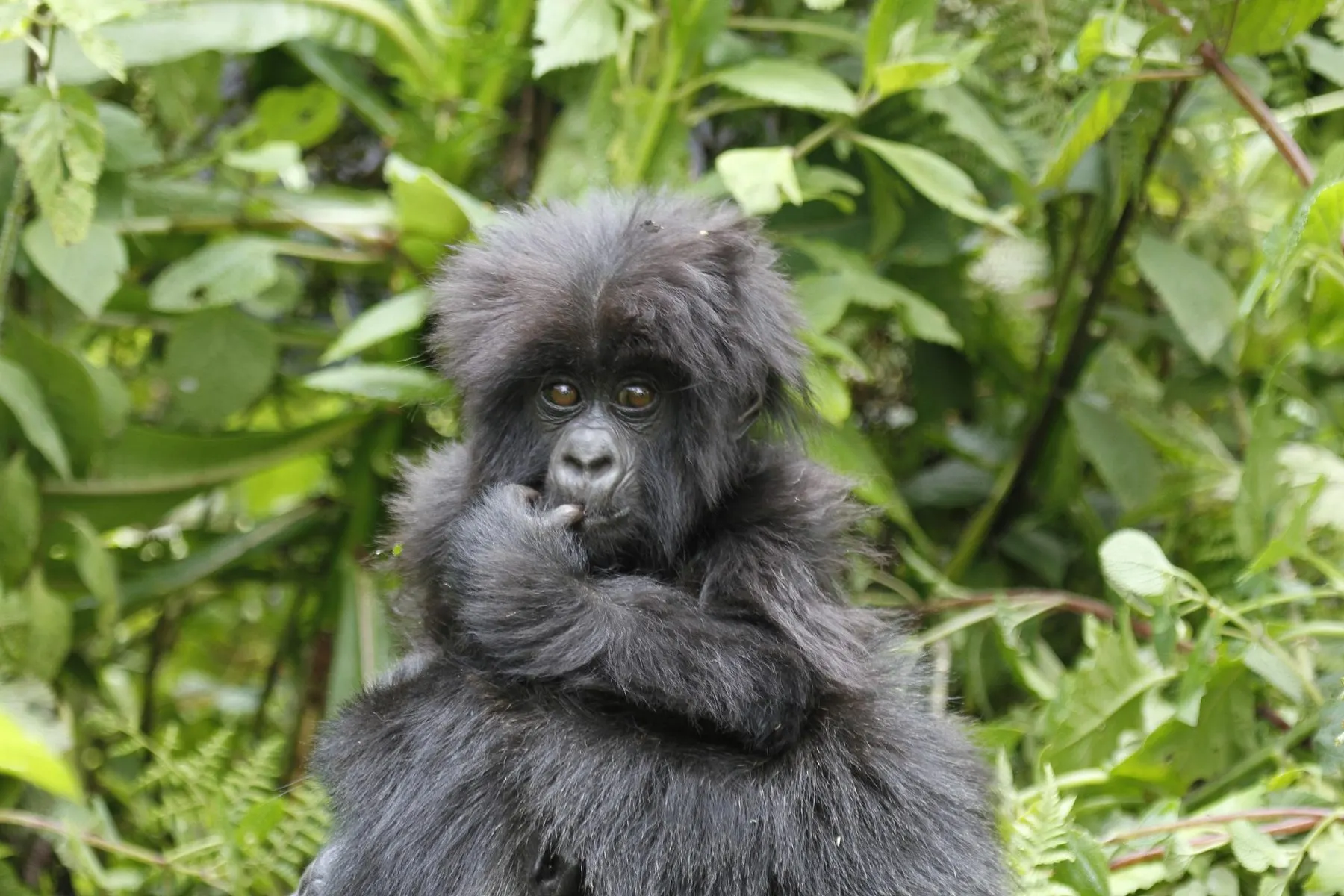
The gorilla trek itself is unlike anything else in wildlife. Your guide and trackers lead you off-trail into the undergrowth, sometimes for thirty minutes, sometimes for six hours, until you find the family. Then you sit — just eight visitors, one hour — and watch a silverback pull apart bamboo, infants wrestle in the leaves, and a mother nurse her baby while barely acknowledging your presence. The proximity is extraordinary. There is no fence, no glass, no barrier. You are simply in their home.
Bwindi has four distinct trekking sectors, each with its own character. Buhoma is the most accessible, closest to the main road and the original starting point. Ruhija sits at higher altitude with excellent birding and more challenging terrain. Rushaga in the south offers multiple gorilla families and is the only sector where gorilla habituation experiences are available — four hours instead of one, with a family still learning to accept human presence. Nkuringo is the steepest and most dramatic, with fewer tourists and a real sense of remoteness.
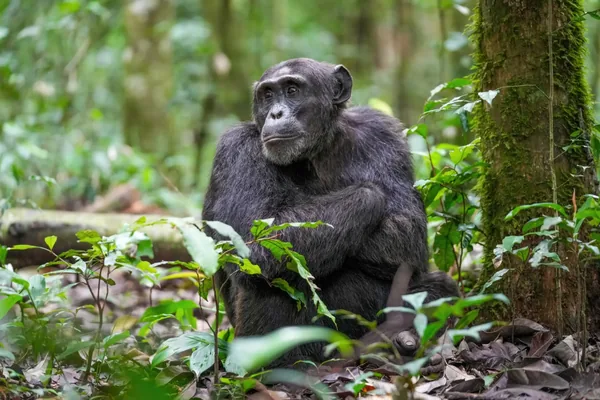
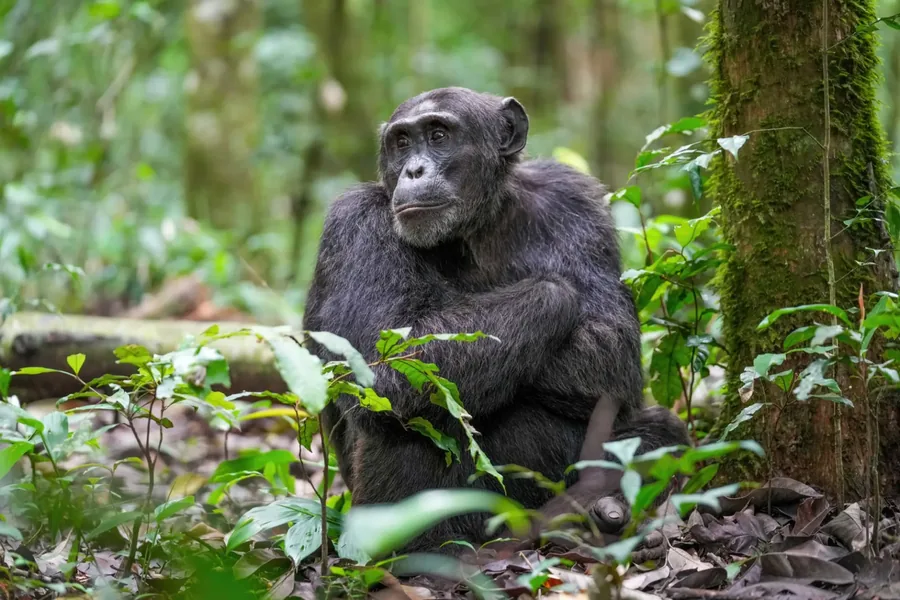
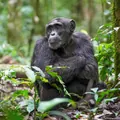
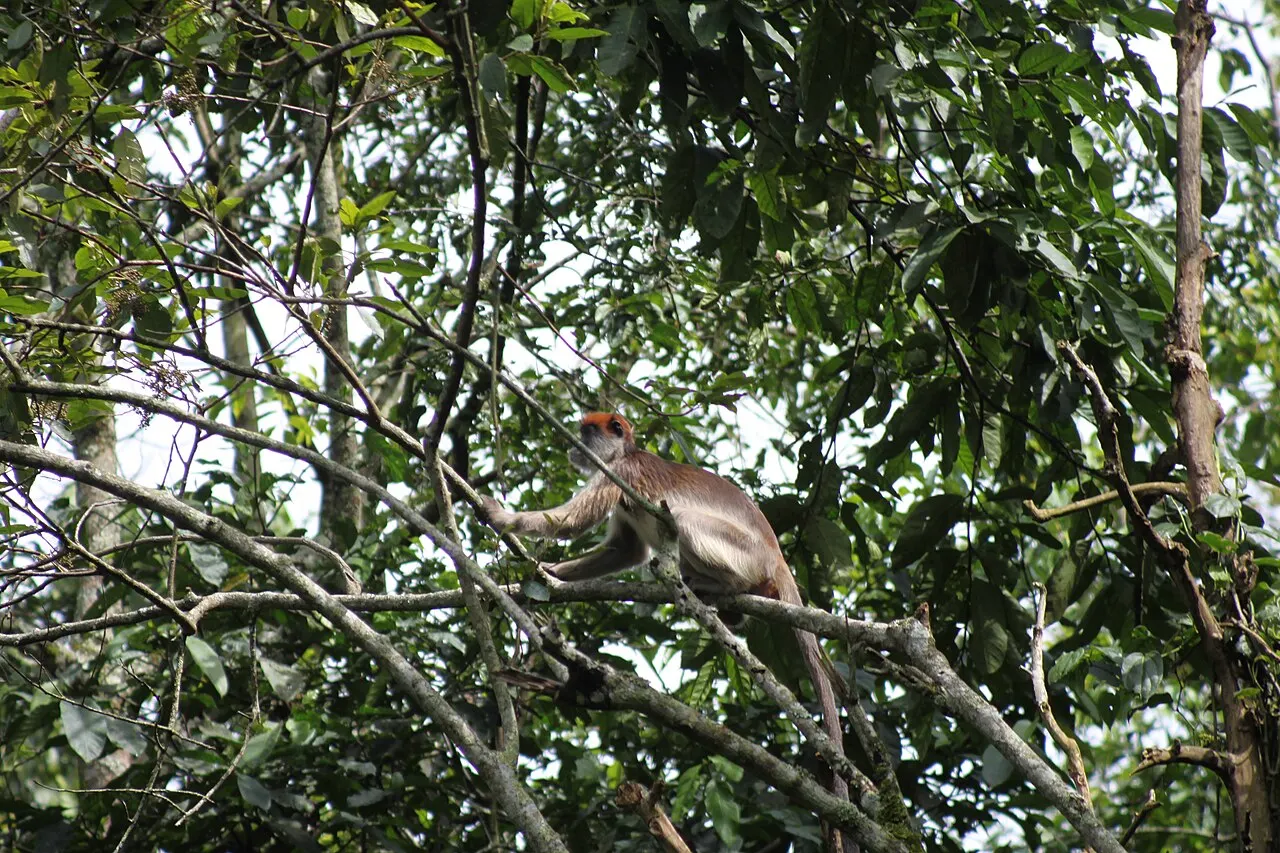
Kibale holds the highest density of primates anywhere on the African continent — thirteen species, including our closest genetic relatives. The chimpanzee trek starts early, guided by trackers who listen for distant hooting and the crack of branches high in the canopy. When you find the group, the intimacy is startling. Chimps groom each other barely a metre away, young ones swing from branch to branch above your head, and every few minutes a territorial display erupts that sends the whole forest into noise.
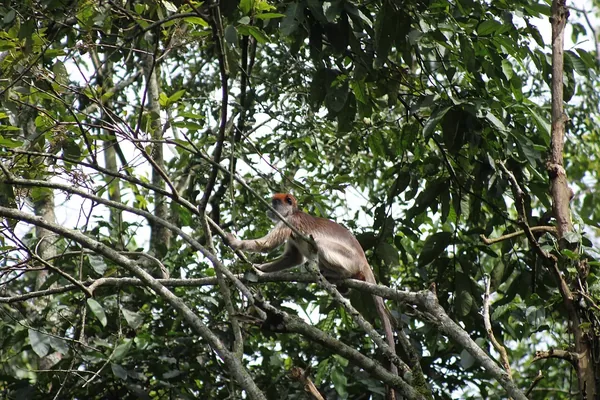
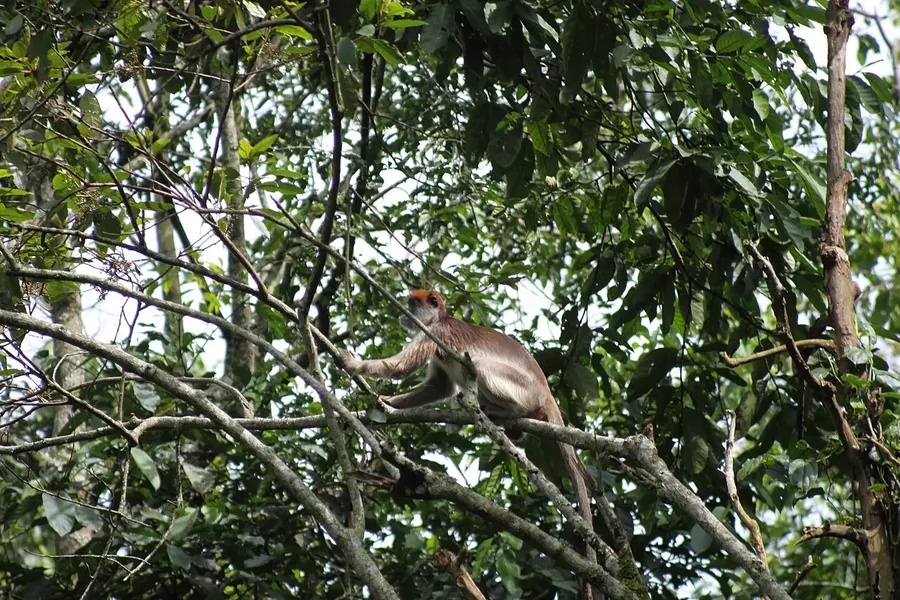
Beyond chimps, Kibale's forest trails bring encounters with red colobus monkeys, L'Hoest's monkeys, grey-cheeked mangabeys, and olive baboons. The Bigodi Wetland Sanctuary on the park's edge is a community-run boardwalk through papyrus swamp — excellent for birding and a good chance of seeing sitatunga antelope picking through the reeds.
The forest itself is a transitional zone between lowland and montane, which gives it extraordinary biodiversity. Giant mahogany and ironwood trees tower above the understorey, and the birdlife is superb — African pitta, green-breasted pitta, and the great blue turaco are all present. For those wanting a deeper experience, chimpanzee habituation is available with extended hours in the forest.
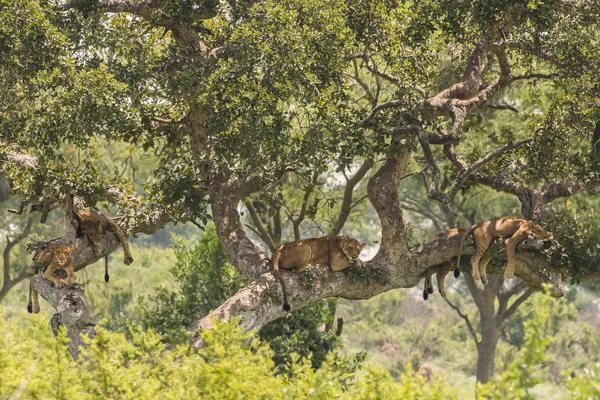
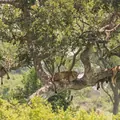
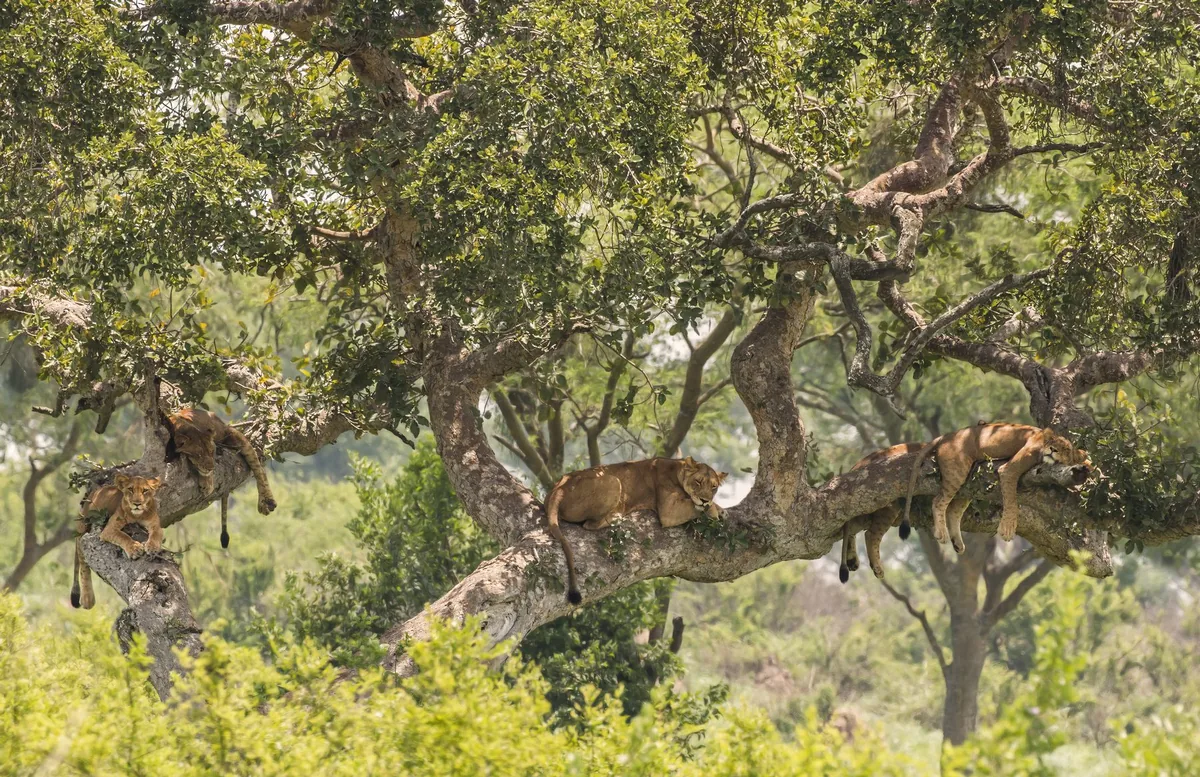
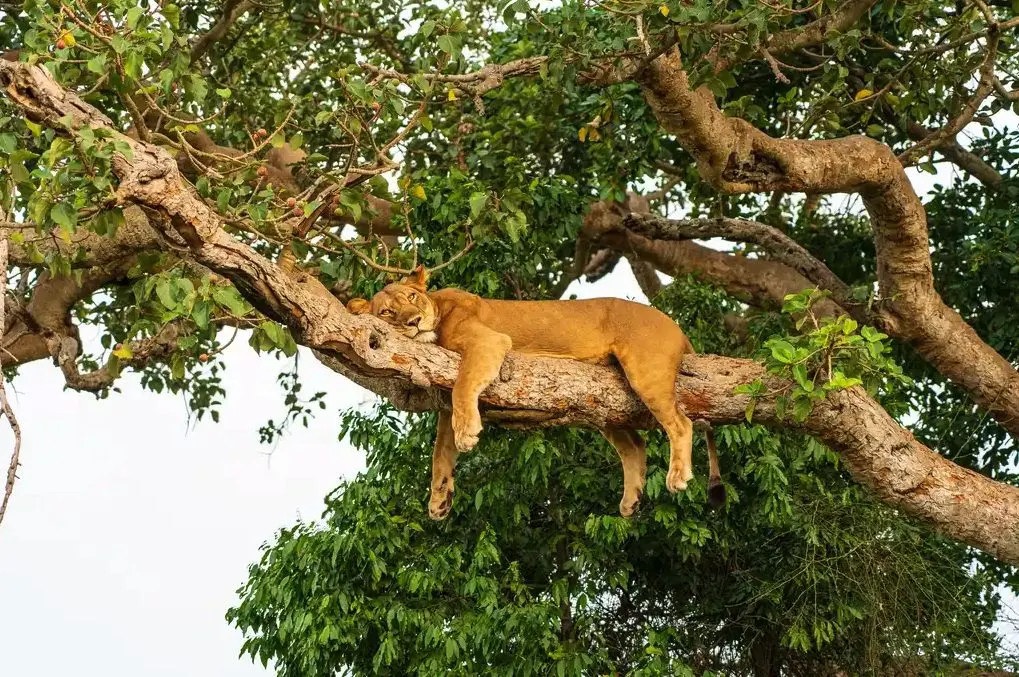
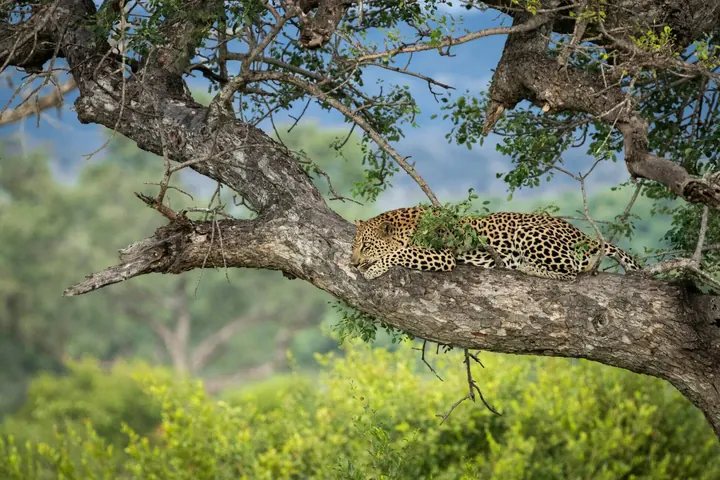
Queen Elizabeth is Uganda's most popular savannah park and the most ecologically diverse protected area in Africa. The landscape shifts from open plains and crater lakes in the north to dense forest and the Ishasha sector in the south — where lions climb into fig trees to escape the midday heat and the flies on the ground. Finding a pride draped across the branches, tails hanging loose, is one of Africa's most unusual sightings.
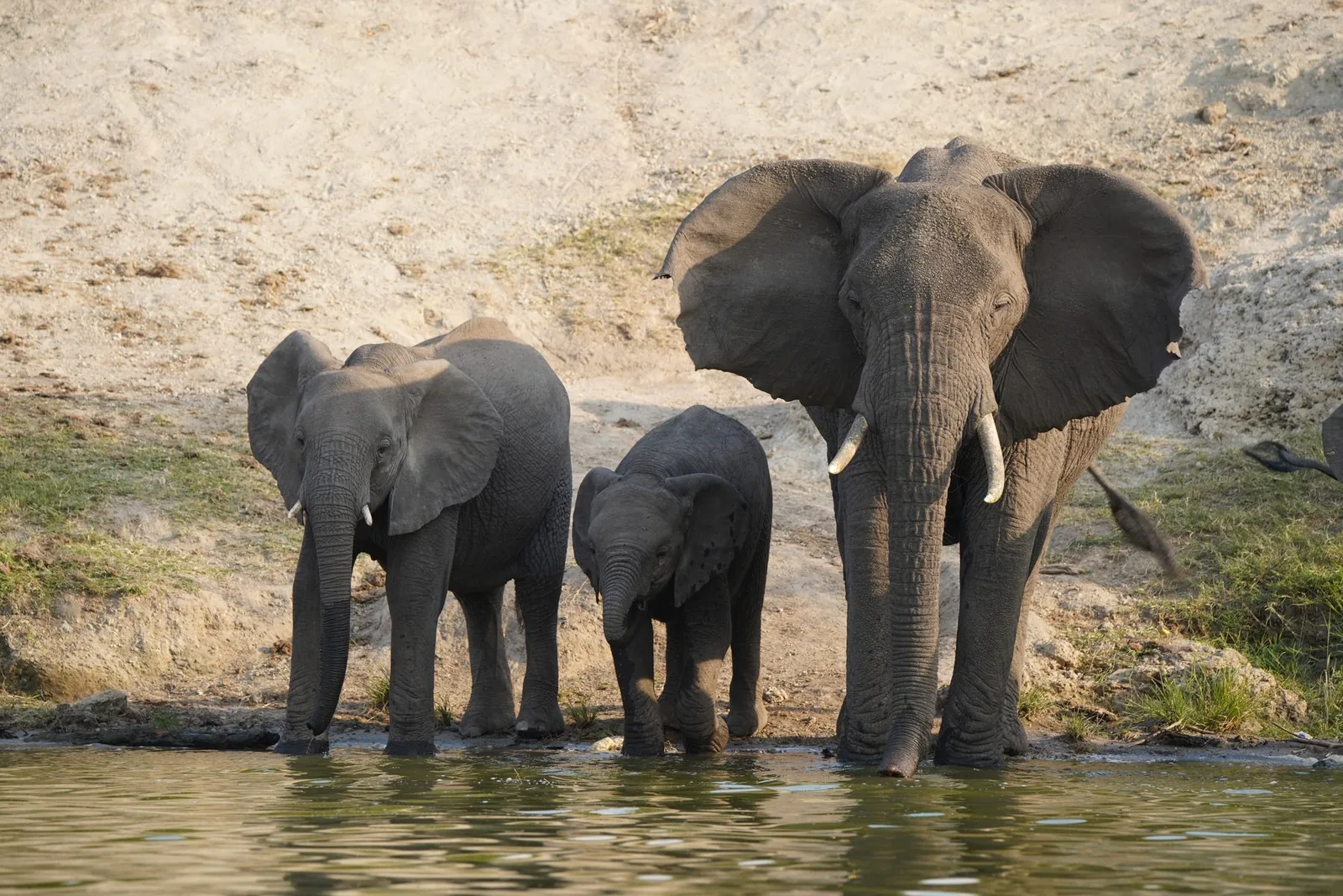
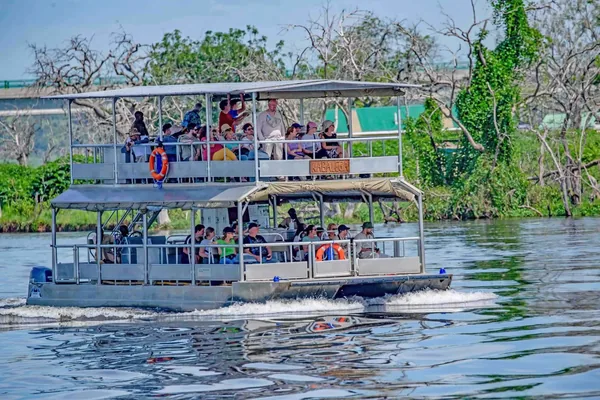
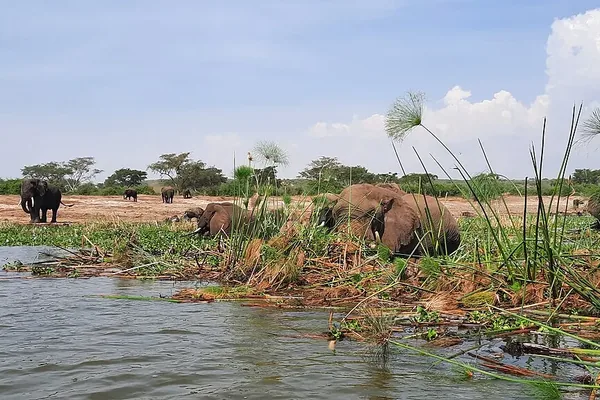
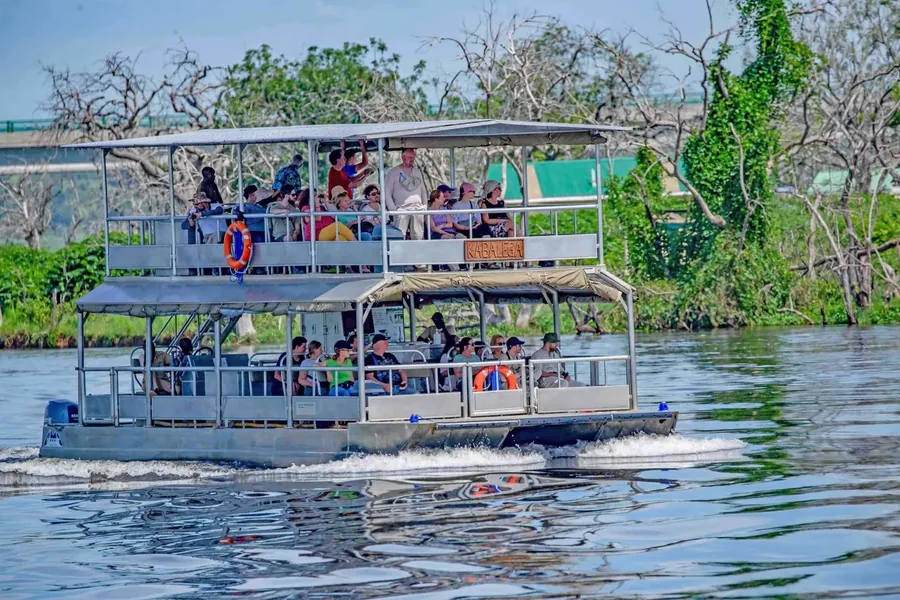
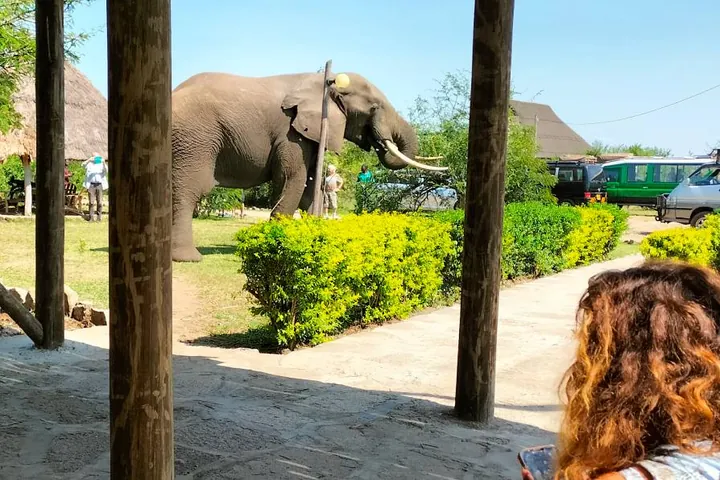
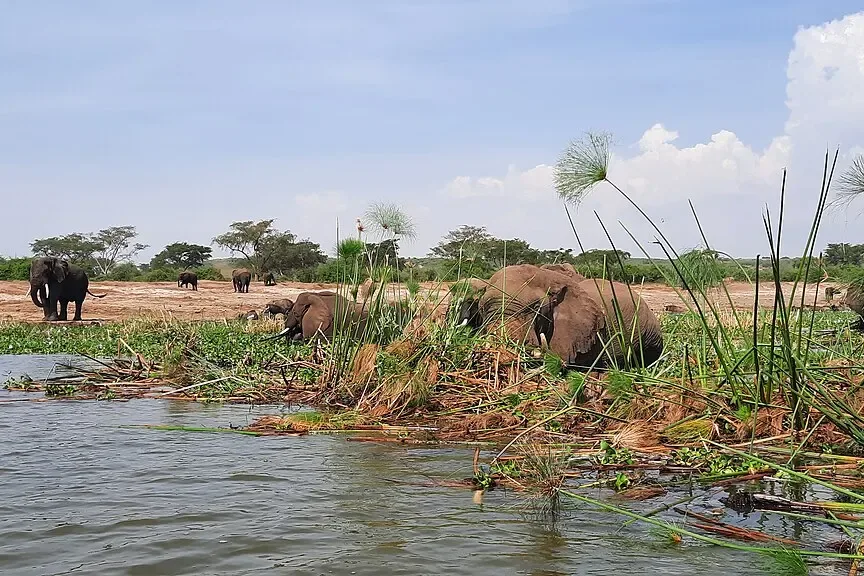
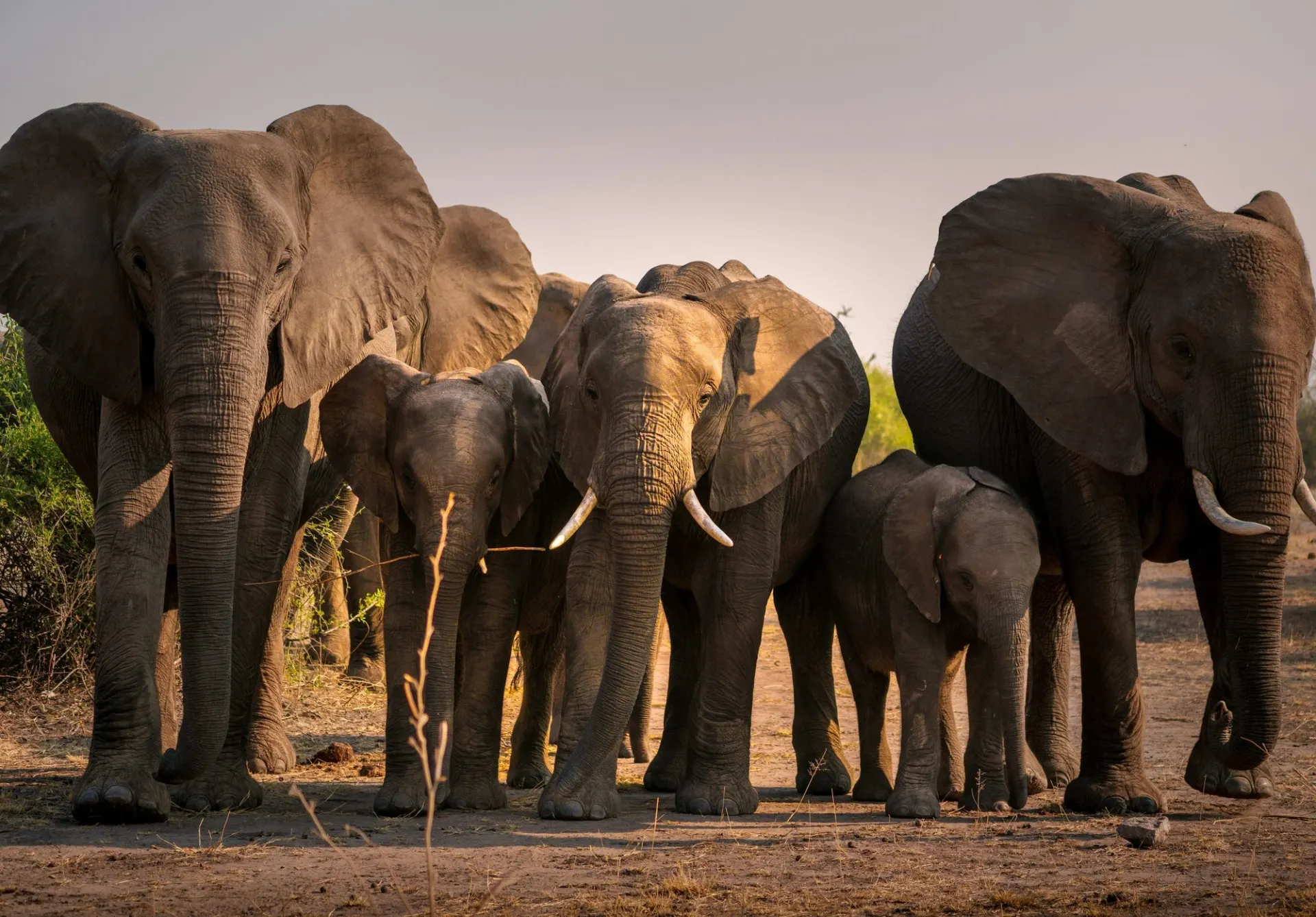
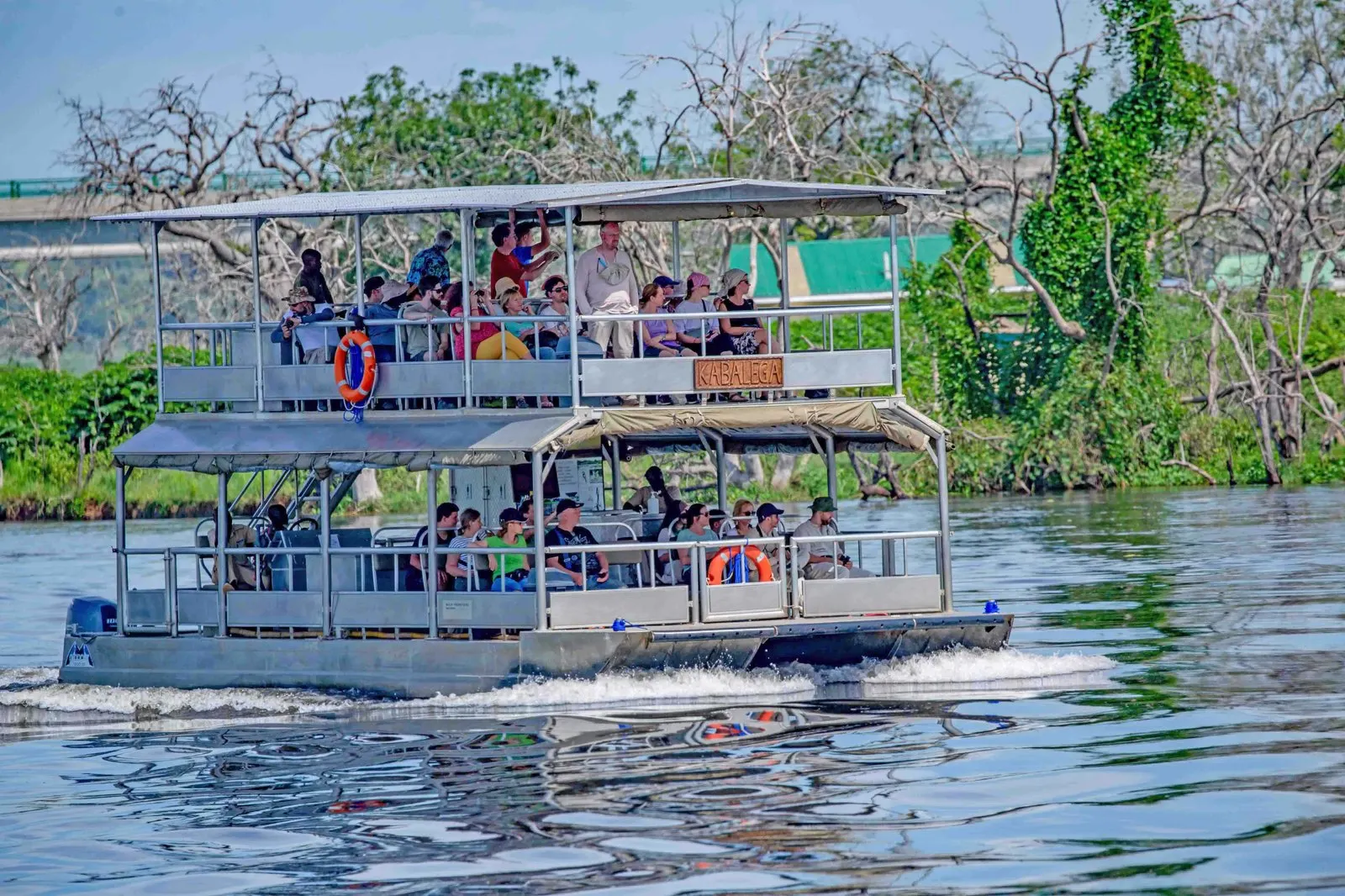
The Kazinga Channel connects Lake Edward and Lake George, and the two-hour boat safari along its banks is one of the highlights of any Uganda itinerary. Hippos surface in pods of twenty or more. Elephants wade to the water's edge. Buffalo line the banks alongside monitor lizards, and the birdlife — fish eagles, malachite kingfishers, African skimmers — is constant. It is one of the most relaxed and rewarding wildlife experiences in the country.
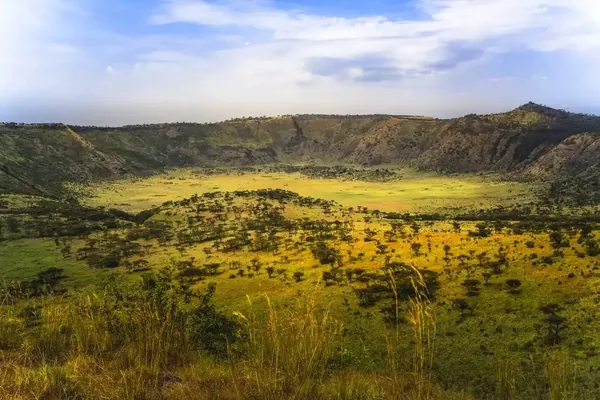
Game drives on the Kasenyi plains deliver Uganda's big four — lion, leopard, elephant, and buffalo — along with Uganda kob, giant forest hog, and hyena. The park's explosion craters, formed by ancient volcanic activity, hold salt lakes that attract flamingos in season. Queen Elizabeth sits between the Rwenzori Mountains and the Rift Valley escarpment, and on a clear evening, the backdrop is extraordinary.
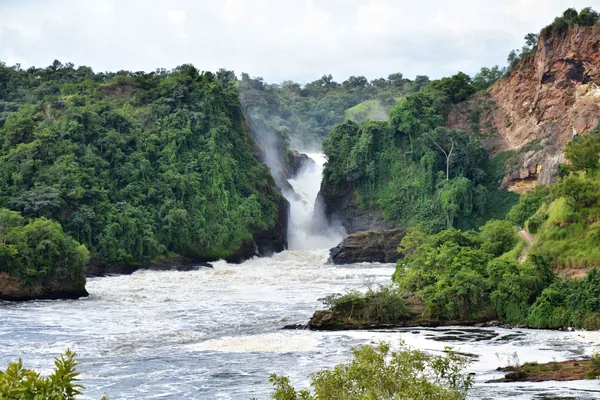
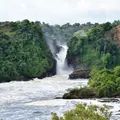
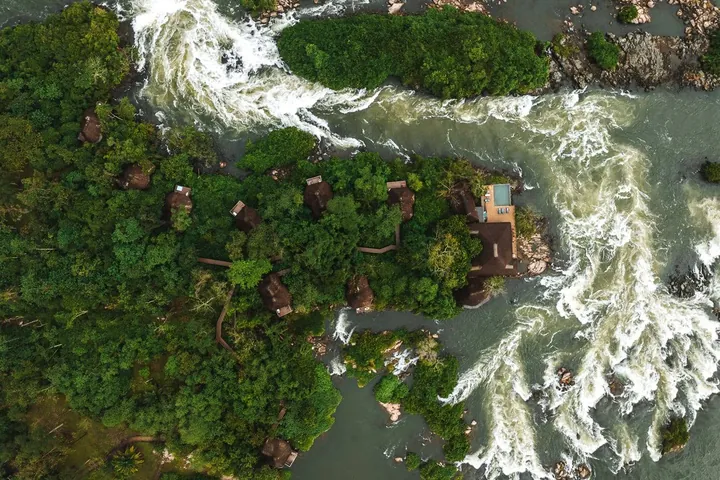
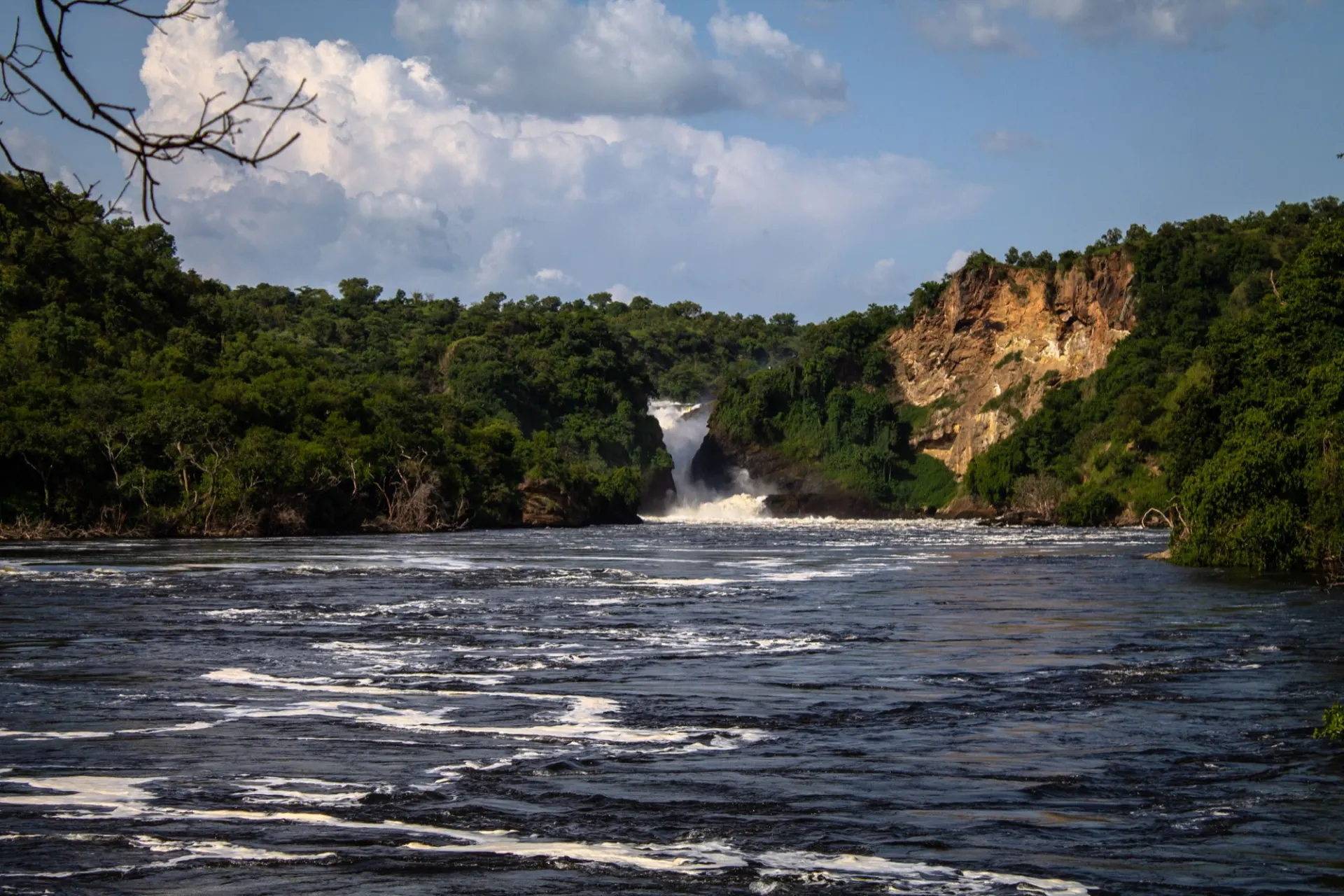
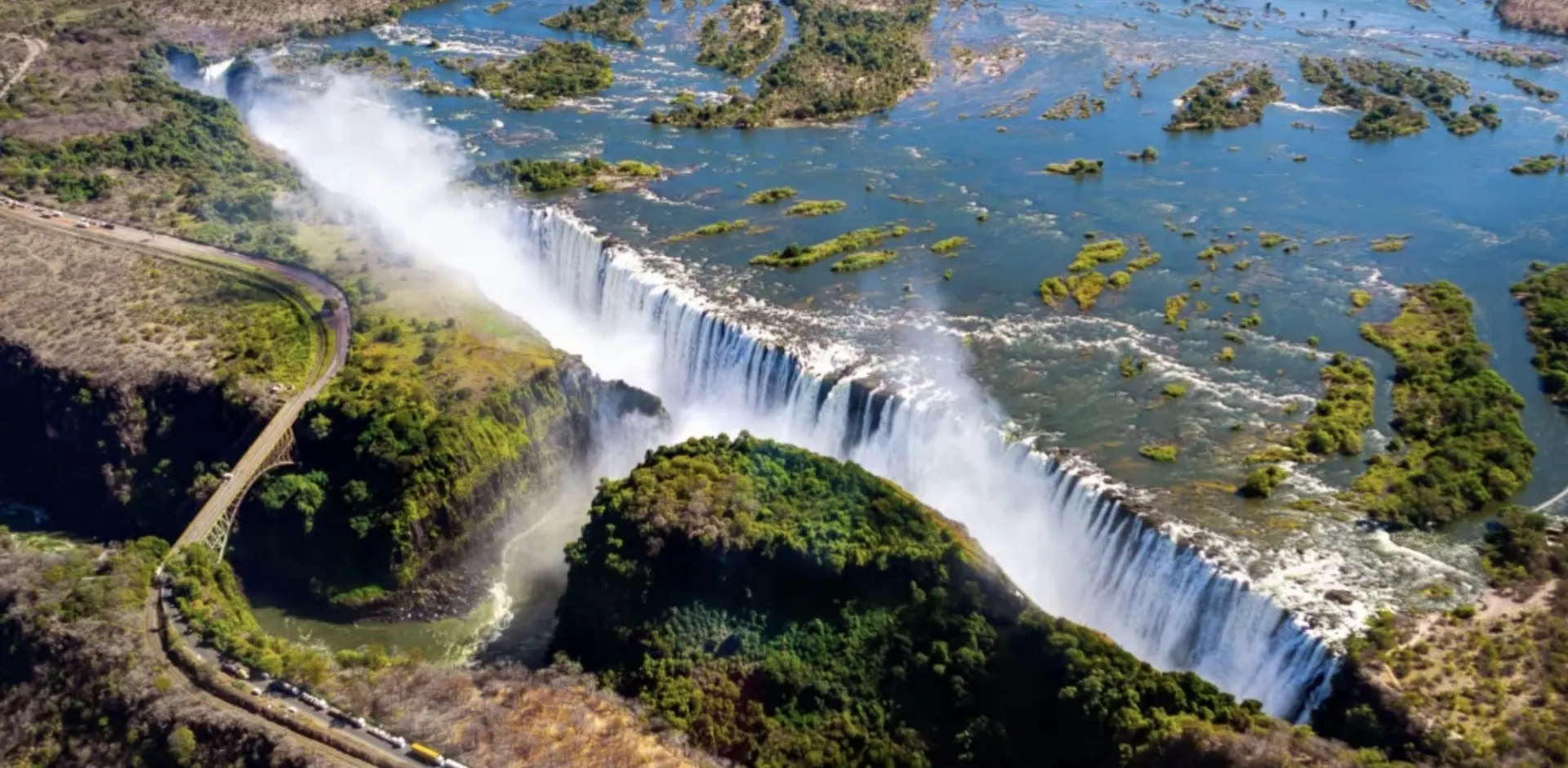
Murchison Falls is Uganda's largest national park, and at its heart is one of the most powerful natural forces on the continent. The entire White Nile — every drop of it — squeezes through a gap just seven metres wide before exploding 43 metres into the gorge below. The three-hour boat safari upstream to the base of the falls is unforgettable: Nile crocodiles bask on the banks, elephants drink at the water's edge, hippos surface alongside the boat, and the roar of the falls grows louder with every minute.
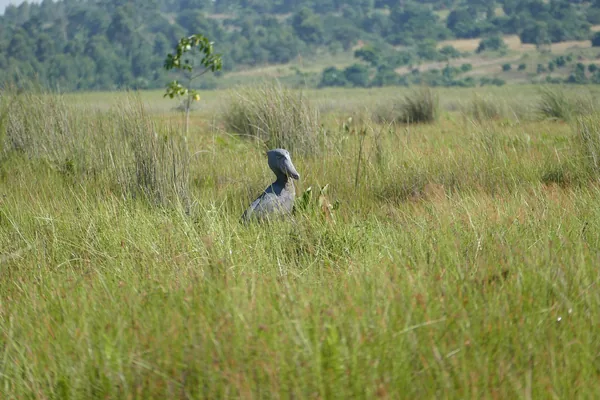
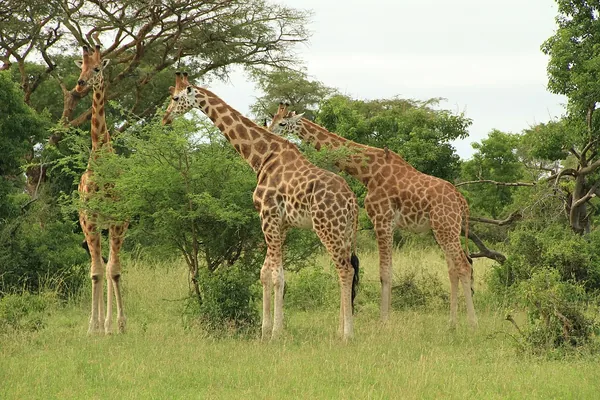
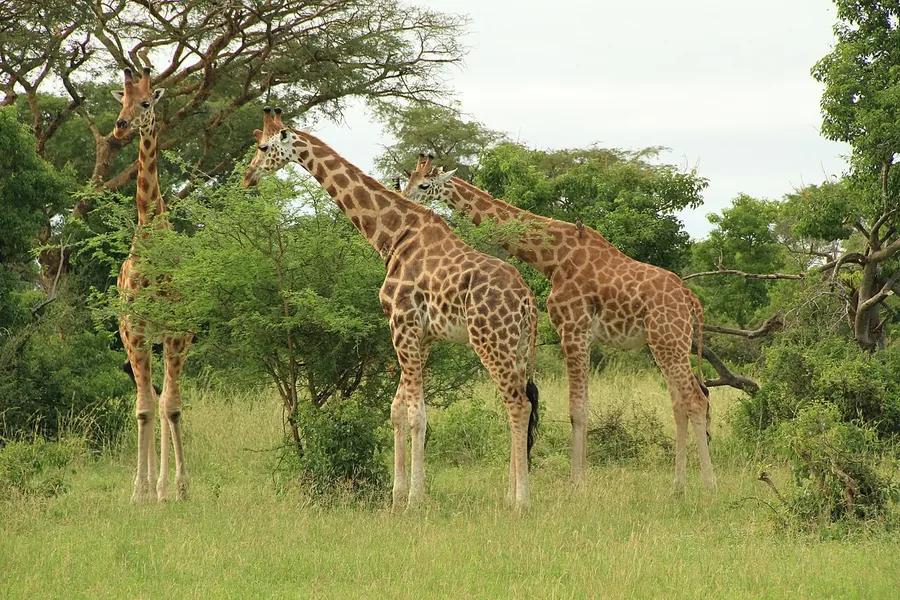
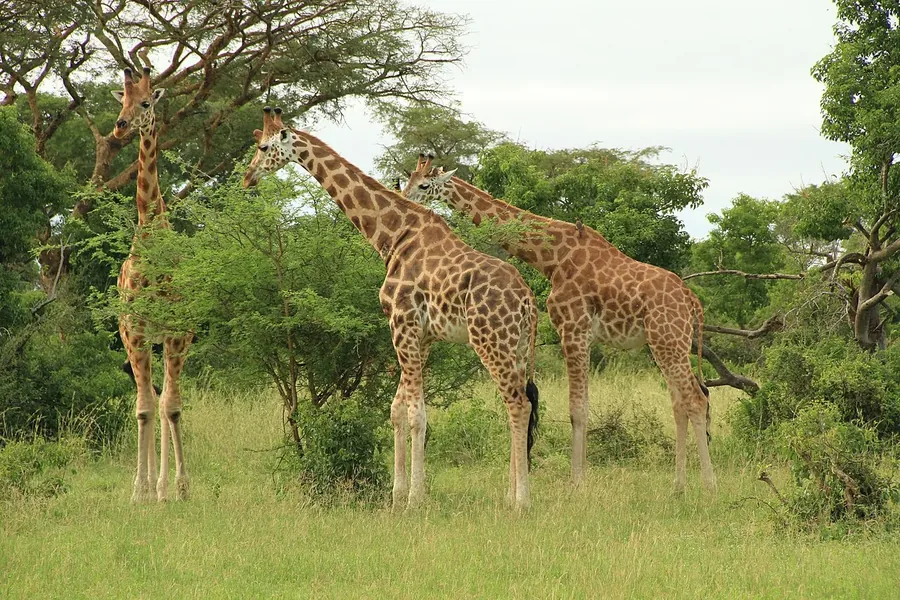
The northern bank delivers wide-open savannah game drives with giraffe, lion, hartebeest, oribi, and elephant. For birders, the delta area where the Nile enters Lake Albert is the place to look for the shoebill stork — one of Africa's most sought-after birds. Standing over a metre tall, grey and prehistoric, it stands motionless in the papyrus marshes for hours before lunging at a lungfish. Dedicated shoebill-tracking excursions go by boat into the delta with a local guide who knows exactly where they nest.
You can also hike to the top of the falls for a completely different perspective — standing at the edge where the river narrows, feeling the spray on your face, watching the water compress and then drop. The combination of the boat safari, game drives, shoebill tracking, and the falls hike makes Murchison one of Uganda's most complete parks.
Jinja sits at the point where the White Nile exits Lake Victoria — the spot where the longest river on earth begins its 6,650-kilometre journey to the Mediterranean. The town itself is relaxed and colourful, a mix of colonial-era buildings, craft markets, and riverside restaurants. But the real draw is the river.
White-water rafting on the Nile is Grade 5 — serious, exhilarating, and one of the best rafting experiences in the world. The rapids have names like Bujagali Falls, Overtime, and The Bad Place, and the stretches between them are calm enough to float on your back and watch fish eagles circle overhead. Half-day and full-day options are available, and no experience is necessary — the guides are excellent.
Beyond rafting, Jinja offers bungee jumping over the Nile, kayaking, stand-up paddleboarding, quad biking, and horseback riding along the river. It is a natural break point between Entebbe and the parks to the west, and a good option for travellers who want to balance their primate trekking with a shot of adrenaline. A boat ride to the official source of the Nile is a quieter alternative — a simple, peaceful moment at the point where the river is born.
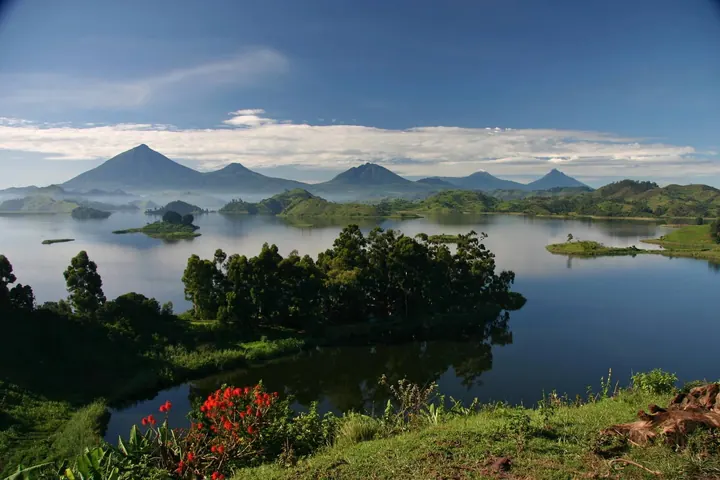
Mgahinga is Uganda's smallest national park but its setting is dramatic — three extinct volcanoes (Muhabura, Gahinga, and Sabinyo) rise from bamboo forest on the border with Rwanda and the DRC. Gorilla trekking here is typically quieter than Bwindi, with fewer trekkers and a different landscape. The terrain is volcanic — bamboo-covered slopes instead of dense rainforest — and on clear mornings the views across the Virunga volcanoes are spectacular.
Golden monkey tracking is a highlight unique to this area. These striking primates — bright orange and black — live in the bamboo zone and are playful, fast-moving, and enormously photogenic. The trek is shorter than a gorilla trek and there is no minimum age restriction, making it a strong option for families. Volcano summit hikes are available for those wanting a physical challenge — Mount Sabinyo's ridge walk crosses the borders of Uganda, Rwanda, and the DRC at its peak.
The Batwa Experience is offered near Mgahinga, a cultural half-day with the indigenous Batwa people — former forest dwellers who were relocated when the park was gazetted. They lead you through the forest showing traditional hunting techniques, medicinal plants, fire-making, and song. It is moving and well worth the time.
One hour with a mountain gorilla family in Bwindi or Mgahinga. The trek through dense rainforest can take anywhere from thirty minutes to six hours — the reward at the end is always worth it. Minimum age 15, strictly enforced.
Four hours with a gorilla family still being habituated to human presence. Only available in Bwindi's Rushaga sector. Fewer tourists, longer time, rawer experience. You join the researchers and trackers for a deeper window into gorilla behaviour.
One hour with a habituated chimpanzee community in Kibale Forest — the highest concentration of primates on the continent. Watch them groom, play, and break into spectacular displays. Minimum age 12.
A three-hour cruise upstream to the base of Murchison Falls. Crocodiles, hippos, elephants, and a wall of water at the end. The roar of the falls grows louder with every kilometre — by the time you reach the base, the spray soaks everything.
Grade 5 rapids on the White Nile at Jinja — one of the best rafting experiences in the world. No experience needed. Half-day and full-day options available, with calm stretches between rapids for floating and birdwatching. Minimum age 15.
Track the striking golden monkeys through Mgahinga's bamboo forests. These fast-moving, orange-and-black primates are playful and photogenic. A shorter, less demanding trek than gorilla trekking with no minimum age restriction.
June – September · Long Dry Season
The best overall window for Uganda. Trails in Bwindi are drier and more manageable, game drives in Queen Elizabeth and Murchison Falls deliver excellent sightings as animals concentrate around water, and the skies are clear enough for volcano views. This is peak season for gorilla trekking — permits are in highest demand.
December – February · Short Dry Season
A quieter alternative to the June–September peak. Conditions are good for trekking, game drives are productive, and there are fewer tourists in the parks. A strong option for travellers who want the same experience with more breathing room. Permits are slightly easier to secure.
March – May & October – November · Wet Seasons
The gorillas are there year-round, and trekking continues through the rain — but Bwindi's trails can become extremely muddy and slippery. The forest is at its most atmospheric, draped in mist, and the treks often feel more adventurous. Rates are typically lower and the parks are emptier. Bring serious waterproof gear and be prepared for challenging terrain.
Uganda is wild. The roads between parks are long, sometimes rough, and always interesting — passing through villages, banana plantations, tea estates, and red-earth hill country. Distances that look short on a map take time. Entebbe to Bwindi is an 8–10 hour drive by road, or about an hour by domestic charter flight. Most itineraries combine road transfers with at least one internal flight to keep the pace comfortable.
Gorilla trekking requires moderate fitness. The trek can be anywhere from thirty minutes to six hours, depending on where the family is that morning. Trails are steep, muddy, and overgrown in places — porters are available (and recommended) and walking sticks are provided. The altitude at Bwindi ranges from 1,160 to 2,607 metres, so the air is cooler than you might expect for equatorial Africa. Evenings at the lodges call for a fleece.
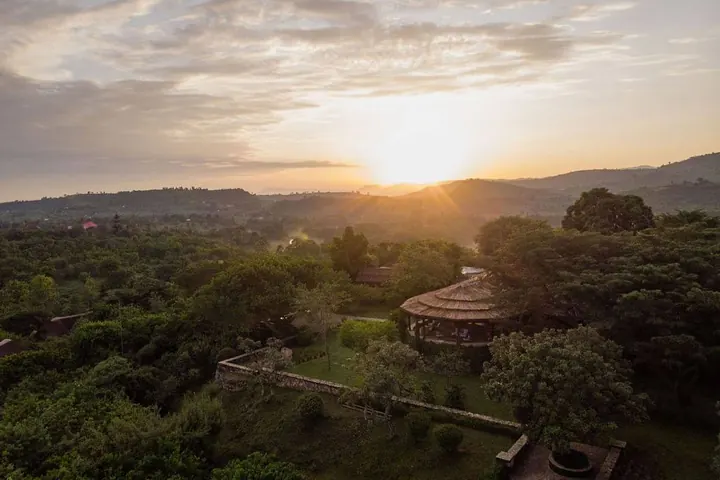
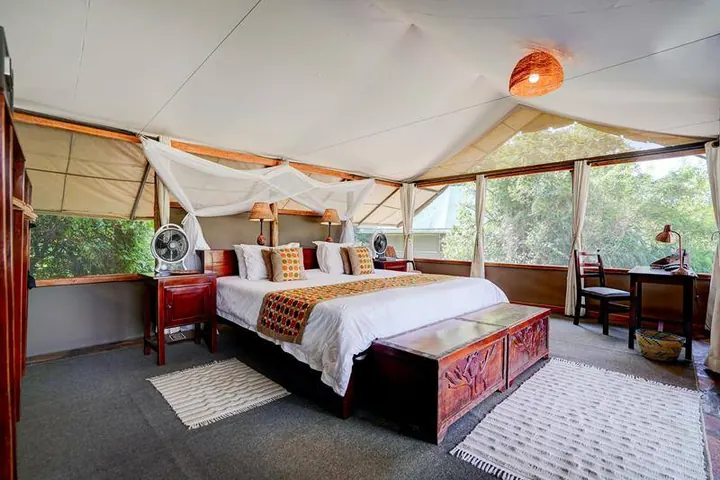
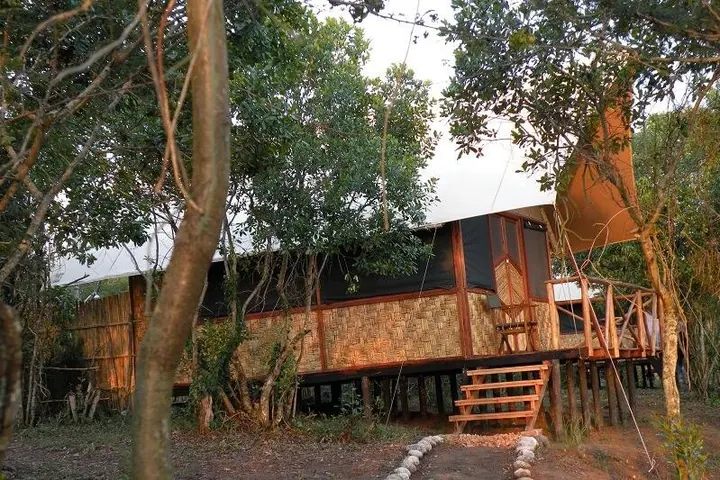
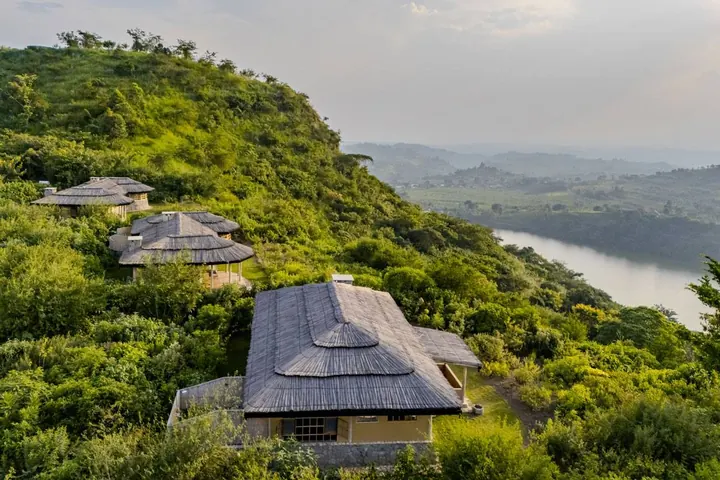
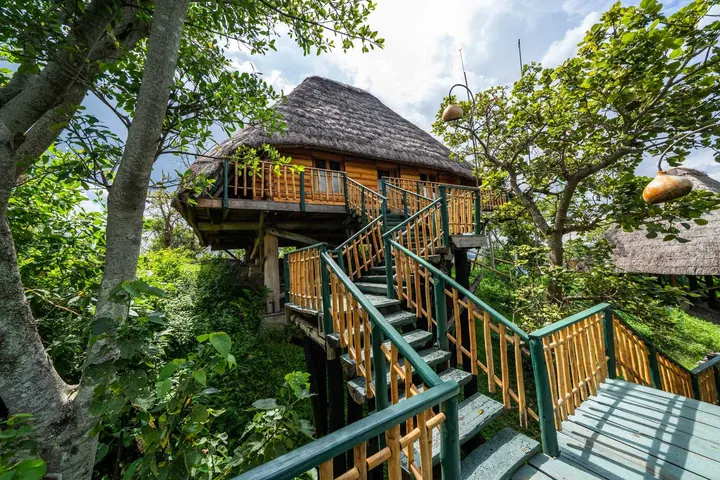
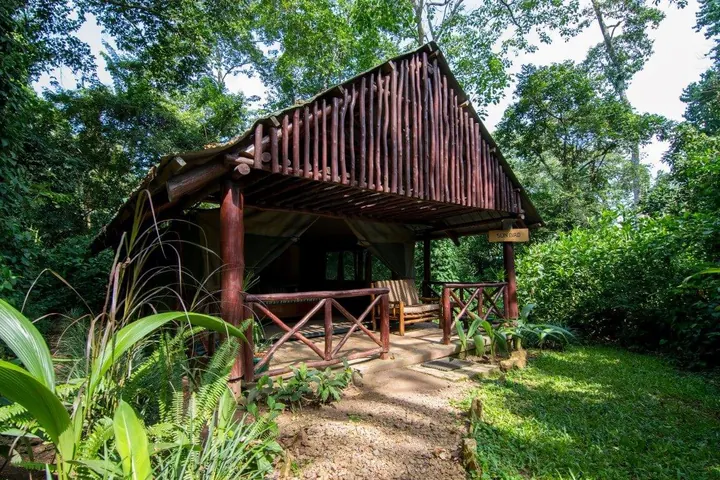
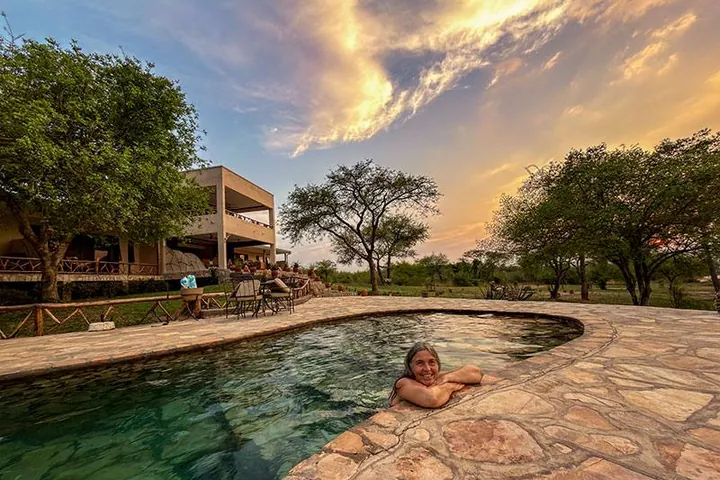
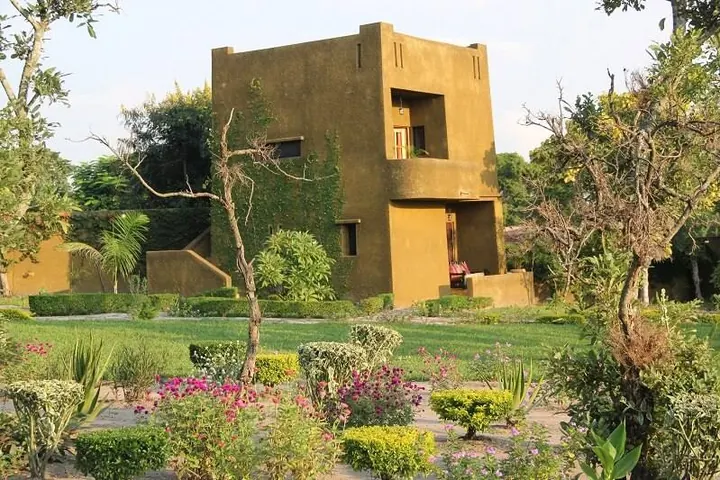
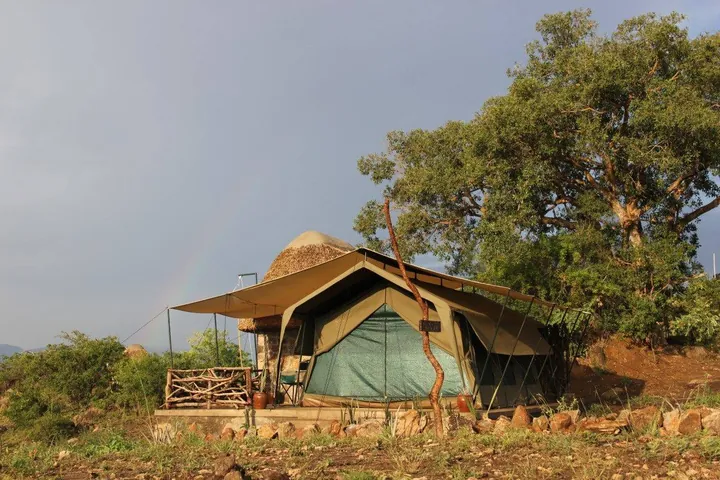
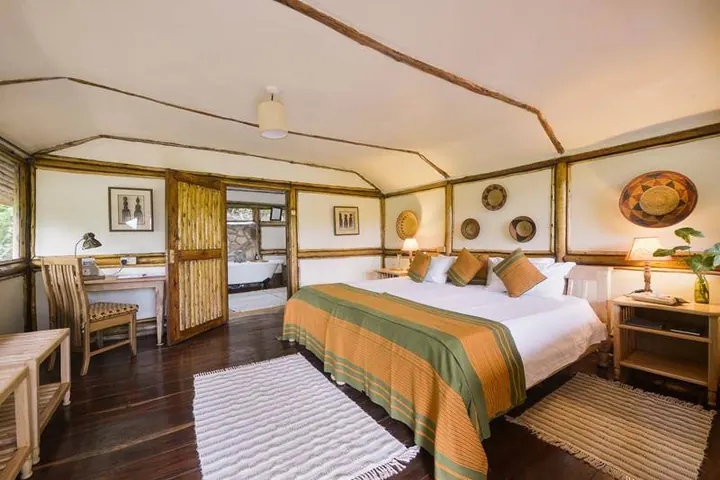
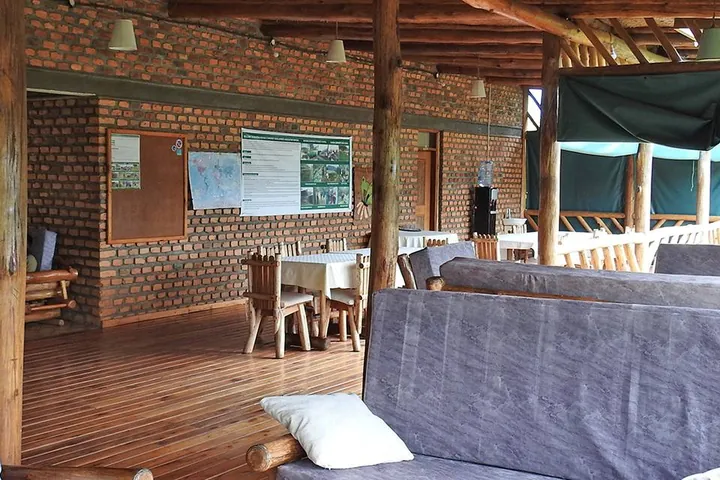
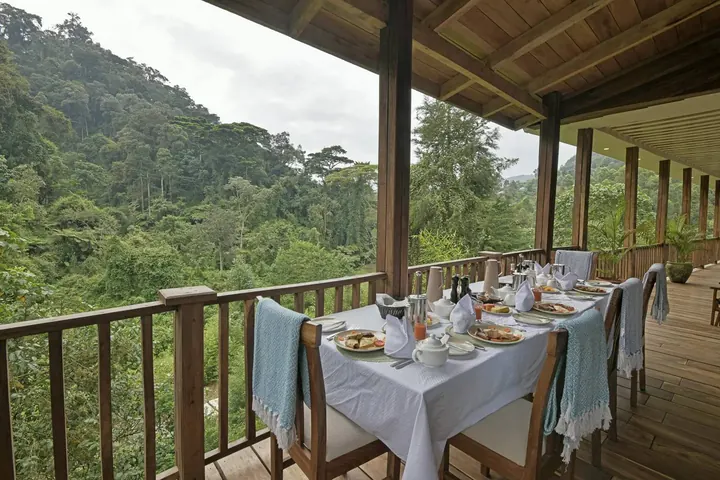
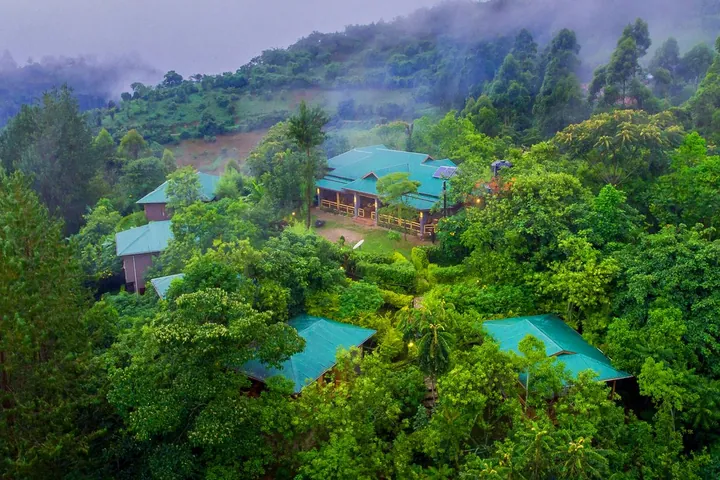
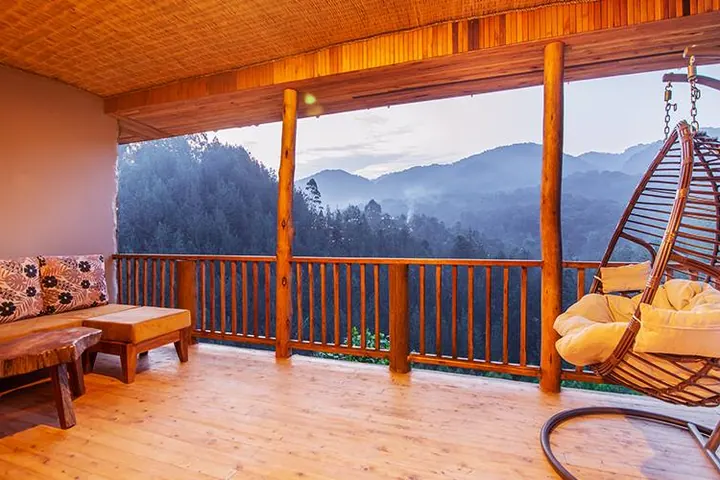
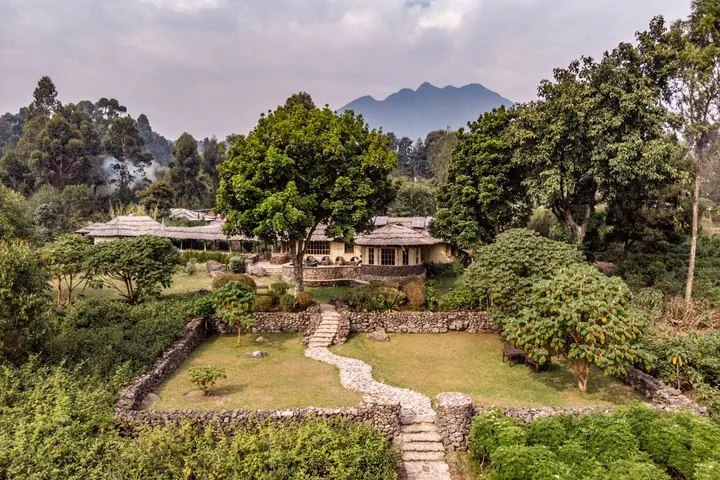
Accommodation ranges from simple forest lodges to high-end safari camps. The best properties are small, owner-run, and positioned right on the edge of the parks. Service is warm and personal — Uganda's tourism infrastructure is less developed than East Africa's more established circuits, and that intimacy is part of the appeal. You will not feel like you are on a conveyor belt. Yellow fever vaccination is required for entry.
Uganda works well for families, but the gorilla trekking minimum age of 15 is the main consideration. This is strictly enforced at the park gate — no exceptions, regardless of the child's fitness or maturity. If your children are under 15, the gorilla trek is not possible. That said, the rest of Uganda is wide open to families of all ages.
Chimpanzee trekking in Kibale has a minimum age of 12, which opens it up to older children. Golden monkey tracking in Mgahinga has no minimum age and is shorter and less physically demanding — a strong option for younger kids. Queen Elizabeth and Murchison Falls are classic savannah safari parks where children of any age can enjoy game drives, boat safaris, and open-air wildlife viewing from the vehicle.
For families with a mix of ages, a split-day approach works well. Parents trek for gorillas while younger children do a nature walk, Batwa cultural experience, or community visit with a guide. Jinja also offers family-friendly activities — the calmer kayaking sections of the Nile, the source boat ride, and the town itself. We build Uganda family itineraries around the ages of the children and make sure everyone has a full, engaging day.