Marine Park · Whale Sharks · Diving · Seclusion
Marine Park · Whale Sharks · Diving · Seclusion
Mafia Island is Tanzania's best-kept marine secret. While Zanzibar draws the crowds, Mafia sits 120 kilometres to the south — quieter, wilder, and home to one of the finest marine parks in the Indian Ocean. If you want the ocean without the tourist infrastructure, this is it.
The Mafia Island Marine Park protects over 800 species of fish, 400 species of coral, and is one of the few places in East Africa where you can reliably swim with whale sharks. These gentle giants — the largest fish in the ocean — gather in the waters off Mafia from October to February, and snorkelling alongside a 10-metre whale shark is an experience that stays with you.
Beyond whale sharks, the diving here is world-class. Healthy reef systems, sea turtles, octopus, barracuda, and the kind of underwater visibility that Zanzibar can't match. The island's mangrove channels support traditional dhow sailing, kayaking, and birdwatching — a pace of life dictated by tides rather than itineraries.
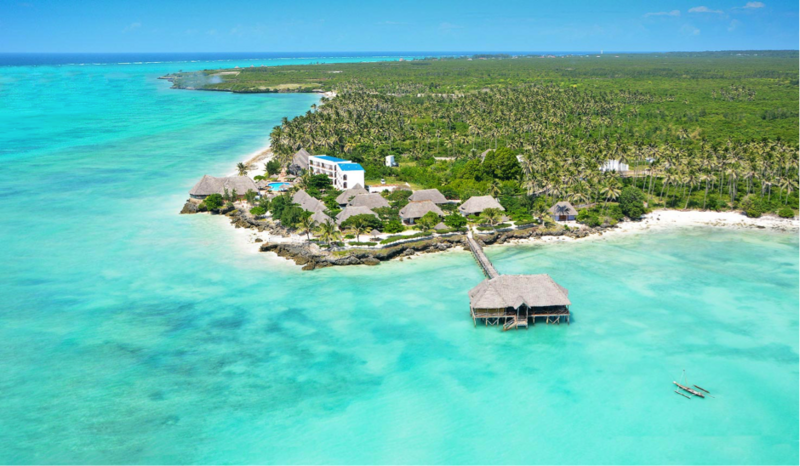
Accommodation on Mafia is limited by design — a handful of eco-lodges, no large resorts, and a community that has kept development low-key. This is barefoot luxury with a genuine connection to the local fishing culture, where your days revolve around the water and your evenings end with the sound of waves on coral sand.
Established in 1995, the Mafia Island Marine Park is the largest marine protected area in the Indian Ocean. It covers 822 square kilometres of reef, seagrass, mangrove, and open water — a living system that supports over 800 species of fish and 400 species of coral. The park stretches from Chole Bay in the north to the outer reef walls in the south, encompassing everything from shallow lagoons to deep channels where pelagic species cruise.
What makes this marine park exceptional is its health. Unlike many reef systems across the Indian Ocean, Mafia's corals survived the bleaching events of the late 1990s and have continued to thrive. Diving here, you notice the difference immediately — dense coral gardens in full colour, reef fish in numbers that remind you what a healthy ocean actually looks like. Green and hawksbill turtles feed on the seagrass beds, dolphins pass through the channels, and during the right months, whale sharks gather in the plankton-rich waters near the surface.
The park is managed in partnership with local communities, which means the fishing villages you see along the coast are part of the ecosystem rather than separate from it. Traditional fishing methods are permitted in designated zones, and the relationship between conservation and livelihood here feels genuine rather than performative. Your marine park fees go directly toward protecting this ecosystem.
Chole Bay is the calm heart of Mafia's marine world — a sheltered lagoon between Mafia Island, Chole Island, and Juani Island where the water is warm, the currents are gentle, and the snorkelling is accessible to everyone. This is where most lodges are based, and where your mornings begin with the sound of dhows heading out through the channel. The inner reefs here are shallow enough to explore from the surface, with brain corals, table corals, and clouds of tropical fish visible in water that barely reaches your chest at low tide.
Chole Island itself adds historical depth to the marine experience. The ruins of a 19th-century trading settlement sit beneath baobab trees, and a short walk through the village reveals a community that has lived in relationship with these waters for centuries. The island's bat colony — fruit bats roosting in enormous fig trees — is a surreal addition to the afternoon. Juani Island, just across the channel, holds the Kua ruins, remnants of a Shirazi trading port that date back to the 13th century, slowly being reclaimed by the forest.
For divers, the inner reefs offer excellent macro diving — nudibranchs, pipefish, octopus, and the small, strange creatures that make night dives here so rewarding. The bay is also where whale sharks are most frequently spotted during the season, drawn in by the plankton blooms that turn the water a greenish hue on the richest days. Boat rides from your lodge to the snorkelling sites are typically just 10 to 15 minutes.
Beyond the sheltered waters of Chole Bay, Mafia's outer reef system drops away into deep blue channels where the diving changes character entirely. The wall dives here are serious — vertical coral faces that plunge from 5 metres to beyond 30, decorated with sea fans, soft corals, and sponges in colours that only appear at depth. Visibility on the outer reefs regularly exceeds 25 metres during the dry season, and the water clarity is consistently better than anything you'll find off Zanzibar or the mainland coast.
These deeper sites are where the larger marine life appears. Napoleon wrasse patrol the reef edges, giant groupers hover in the overhangs, and eagle rays cruise the drop-offs with a slow grace that makes you forget to check your air gauge. During the cooler months, you may encounter schools of barracuda so dense they block out the light above, and reef sharks are a regular presence on the deeper walls. The channel between Mafia and the outer islands creates current-fed sites where pelagic species pass through, making drift dives here a highlight for experienced divers.
The offshore sites also include several coral bommies — isolated reef pinnacles rising from the sandy seabed that act as cleaning stations and gathering points for marine life. These are the sites that dive instructors on Mafia talk about most — the places where you might see a passing manta ray, a hunting sailfish, or a turtle resting on a ledge while cleaner wrasse work over its shell. Boat rides to the outer reefs take 30 to 45 minutes, and conditions are best from June through October when the southeast trade winds have settled.
The western side of Mafia Island is defined by a labyrinth of mangrove channels that weave between tidal flats, sandbanks, and small islands. This is a completely different world from the coral reefs — quieter, greener, and governed entirely by the rhythm of the tides. At high tide, you can kayak or paddle through tunnels of mangrove roots where mudskippers skip across exposed surfaces and fiddler crabs wave from the banks. The water is shallow and warm, dappled with light filtering through the canopy overhead.
The birding in these channels is exceptional. Mangrove kingfishers flash electric blue between the roots, fish eagles perch in the taller trees scanning the shallows, and during migration season, waders from across the hemisphere gather on the exposed mudflats. Herons, egrets, plovers, and terns are everywhere, and the quieter channels offer the kind of birdwatching where you drift rather than walk — letting the tide carry you past species that barely register your presence. For birders who have done the standard East African circuit, Mafia's mangroves offer something genuinely different.
The small islands scattered around Mafia's coast add another dimension. Juani Island's beaches are nesting sites for green turtles, and during nesting season (typically March through June) you can witness females coming ashore at night to lay their eggs in the sand — an ancient ritual conducted by torchlight with a guide who knows where to stand and when to stay silent. Other islands offer sandbank picnics where your lunch arrives by dhow and the only footprints on the beach are yours. These excursions fill the days between dives and remind you that Mafia's appeal extends well beyond what lies beneath the surface.
Snorkel alongside the largest fish in the ocean. Whale sharks gather off Mafia from October to February, feeding on plankton blooms near the surface. Encounters are guided, respectful, and conducted from small boats — you slip into the water and swim parallel as these gentle creatures glide past.
World-class wall dives, coral gardens, and macro sites with visibility regularly exceeding 25 metres. PADI-certified dive centres on the island cater to beginners and experienced divers alike. Night dives in Chole Bay reveal octopus, lionfish, and bioluminescent plankton that light up with every movement.
The shallow reefs around Chole Bay are perfect for snorkelling — warm, calm water with coral formations visible just below the surface. Sea turtles, parrotfish, and butterflyfish are regular companions, and the variety of marine life here rivals many dedicated snorkelling destinations worldwide. No diving certification required.
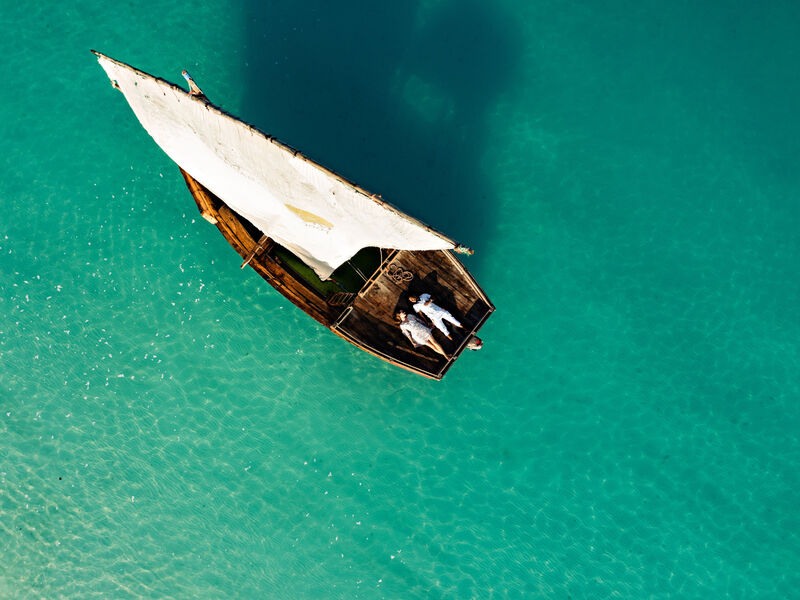
Traditional wooden dhows have sailed these waters for centuries, and a sunset dhow cruise through the mangrove channels is one of Mafia's most memorable experiences. The boats are crewed by local fishermen who read the tides and winds by instinct. Some lodges offer full-day dhow excursions to sandbanks and remote islands for a castaway-style picnic lunch.
The deep waters off Mafia's eastern coast are rich fishing grounds. Marlin, sailfish, yellowfin tuna, wahoo, and giant trevally are all present depending on the season. Fishing trips head out beyond the reef into the Mafia Channel where the continental shelf drops away and the big game species hunt. Tag-and-release is encouraged for billfish.
Green and hawksbill turtles are resident around Mafia year-round, and you will almost certainly encounter them while diving or snorkelling. During nesting season (March to June), guided nighttime excursions on Juani Island let you watch female turtles come ashore to lay eggs — a quiet, powerful experience conducted in near-darkness with expert local guides.
June – September · Best Diving Visibility
The dry season brings the clearest water — visibility on the outer reefs regularly exceeds 25 metres, and conditions are calm enough for the more exposed dive sites. The southeast trade winds have settled, the air is cooler and less humid, and the ocean is at its most inviting. No whale sharks during these months, but the reef diving is at its absolute peak.
October – February · Whale Shark Season
The warm months bring plankton blooms to Chole Bay, and with them come whale sharks — sometimes dozens at a time. This is the primary draw for many visitors, and for good reason. Water temperatures climb into the high 20s, the island feels lush after the short rains, and the combination of whale sharks, warm water, and coral reef diving makes these months the most popular. Book well in advance — Mafia's limited lodges fill up fast during whale shark season.
March – May · Heavy Rains — Not Recommended
The long rains bring rough seas, reduced visibility, and most lodges close for the season. Flights can be unreliable, the water is murky, and the diving conditions are poor. Some turtle nesting occurs during this period, but it is not worth planning a trip around. Avoid these months entirely.
Year-Round · Diving Is Always Possible
Outside of March to May, diving and snorkelling are available every month. The inner reefs of Chole Bay are sheltered enough to dive even when the outer sites are affected by wind. Turtles, reef fish, and the core marine park experience are present throughout the season. The "best" time depends on whether your priority is whale sharks (October–February) or diving visibility (June–September).
Mafia Island is remote by design. There are no large resorts, no beach bars with sound systems, and no paved roads beyond the airstrip. Accommodation is limited to a handful of eco-lodges and small boutique properties, most of which sit directly on the beach with the ocean a few steps from your room. Power may run on generators with scheduled hours, and Wi-Fi is functional but not fast. This is deliberate — the island's appeal is in what it doesn't have.
Your days will revolve around the water. Mornings typically begin with a dive or snorkelling excursion, followed by lunch at the lodge, an afternoon activity (dhow sailing, kayaking, fishing, or a second dive), and evenings spent watching the sunset from the beach. During whale shark season, the schedule shifts to maximise time in the water when conditions are right — your guide will adjust plans based on tides, weather, and whale shark sighting reports from the local fishing boats.
Mafia combines naturally with a southern Tanzania safari circuit. Fly from Dar es Salaam to Mafia in 30 minutes, or connect from Nyerere National Park (formerly Selous) or Ruaha for a bush-to-beach itinerary that avoids the northern tourist routes entirely. Three to five nights on Mafia is ideal — enough to dive, snorkel, sail, and settle into the island's unhurried rhythm without feeling like you need to rush between activities.
Mafia works well for families with older children who are comfortable in the water. The snorkelling in Chole Bay is shallow, warm, and calm — ideal for confident swimmers of any age. Whale shark swimming is typically available to children aged 8 and above (lodge policies vary), and the experience of swimming near these enormous, gentle fish is something children remember for years. Kayaking through the mangrove channels, sandbank picnics, and exploring Chole Island's ruins all work as family activities.
For families with very young children, Mafia requires more thought. The island is remote, medical facilities are basic, and many of the activities are water-based. The eco-lodges are not large resorts with kids' clubs — they are small, quiet properties where the atmosphere is relaxed and nature-focused. That said, some lodges do welcome younger children and can arrange gentler activities like beach walks, rock pool exploring, and dhow rides in the sheltered bay.
If your family includes a mix of divers and non-divers, Mafia handles this well. While certified divers head out to the reef walls, snorkellers and younger family members can explore the inner reefs with a guide, go kayaking, or visit Chole Island. The days are flexible enough that everyone finds their pace — and evenings around the lodge are shared, with the kind of stories that only come from a day spent in and around the ocean.