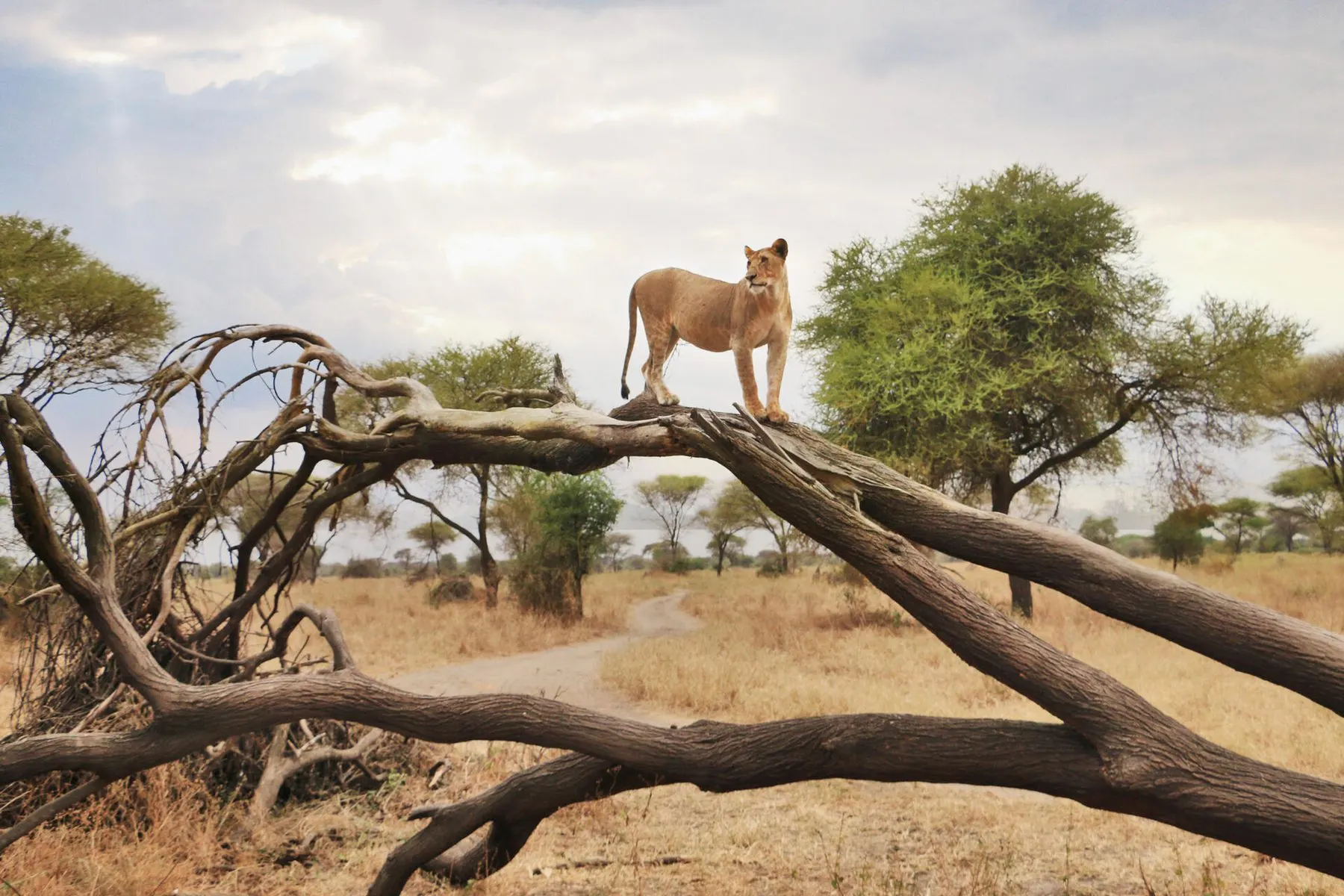
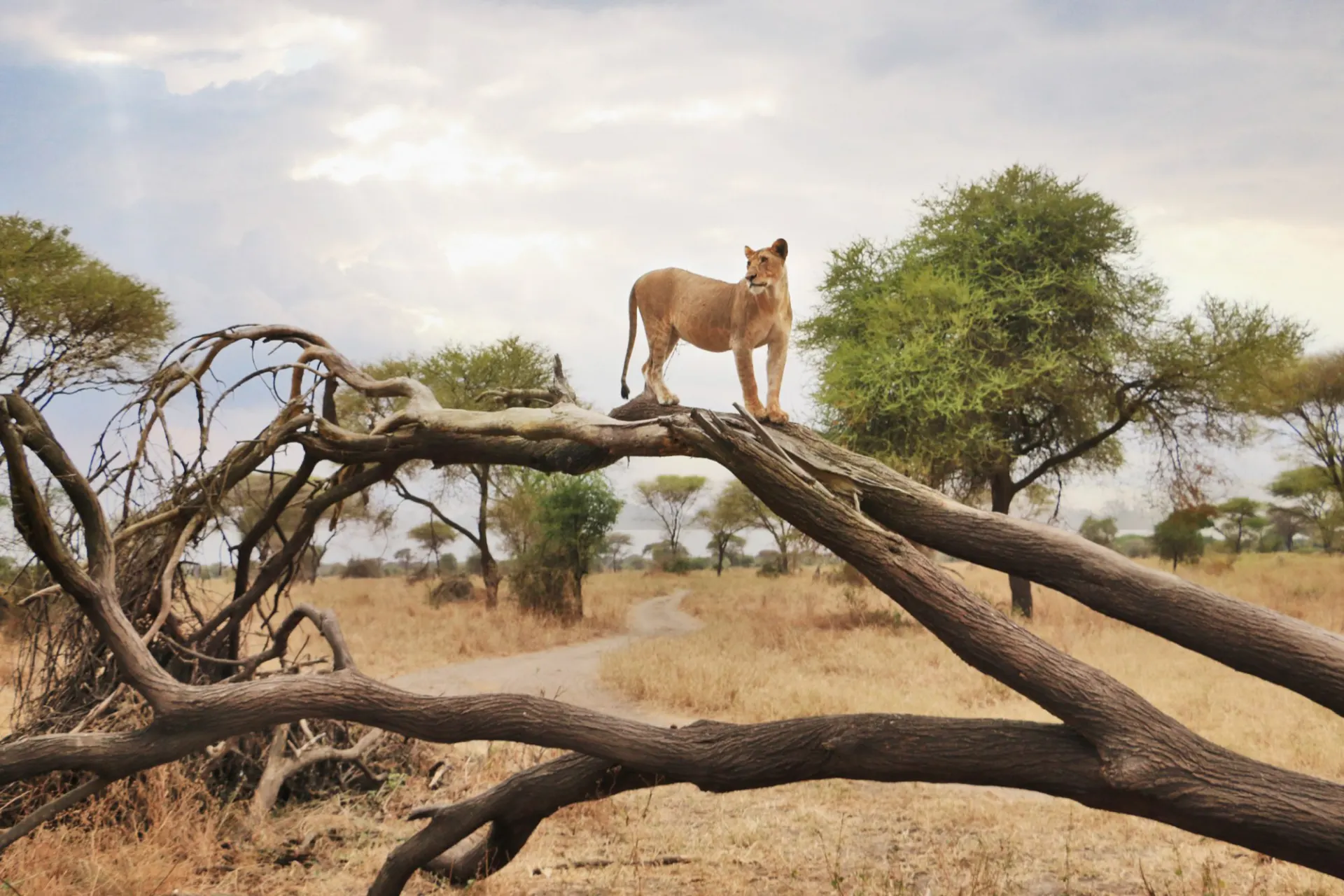
Seven nights is the shortest Tanzania safari we're genuinely happy to build. It fits the full northern circuit, Tarangire, Lake Manyara, the Ngorongoro Crater and the Serengeti, without the trap that ruins shorter trips: one-night stays chained together with long drives, where you spend more time packing and bouncing down roads than watching animals. Here's the shape we use, day by day, and the reasoning behind it. This isn't theoretical. Our own guides drive this loop every week.
The two rules that make or break this itinerary: stay at least two nights everywhere, and never bolt a big drive onto the same day as a headline experience. Almost every bad safari review you'll ever read traces back to breaking one of these.
The Route at a Glance
- Night 1: Arrive Kilimanjaro, overnight Arusha. Rest.
- Nights 2-3: Manyara escarpment base. Full game-drive days in Tarangire and Lake Manyara.
- Nights 4-5: Karatu, in the Ngorongoro highlands. Dawn descent into the crater between the two nights.
- Nights 6-7: Central Serengeti. Two nights among the big cats.
- Day 8: Morning game drive, then a light-aircraft flight back to Arusha for your flight home.
Day 1: Land, Breathe, Sleep
You land at Kilimanjaro International after 20-plus hours in the air from Australia. Our crew meets you at arrivals and it's about an hour's drive to Arusha. Then: nothing. Dinner, a real bed, sleep. We never schedule a game drive off the back of the arrival flight; the safari starts tomorrow when you can actually enjoy it.
Days 2-3: Tarangire and Lake Manyara from One Base
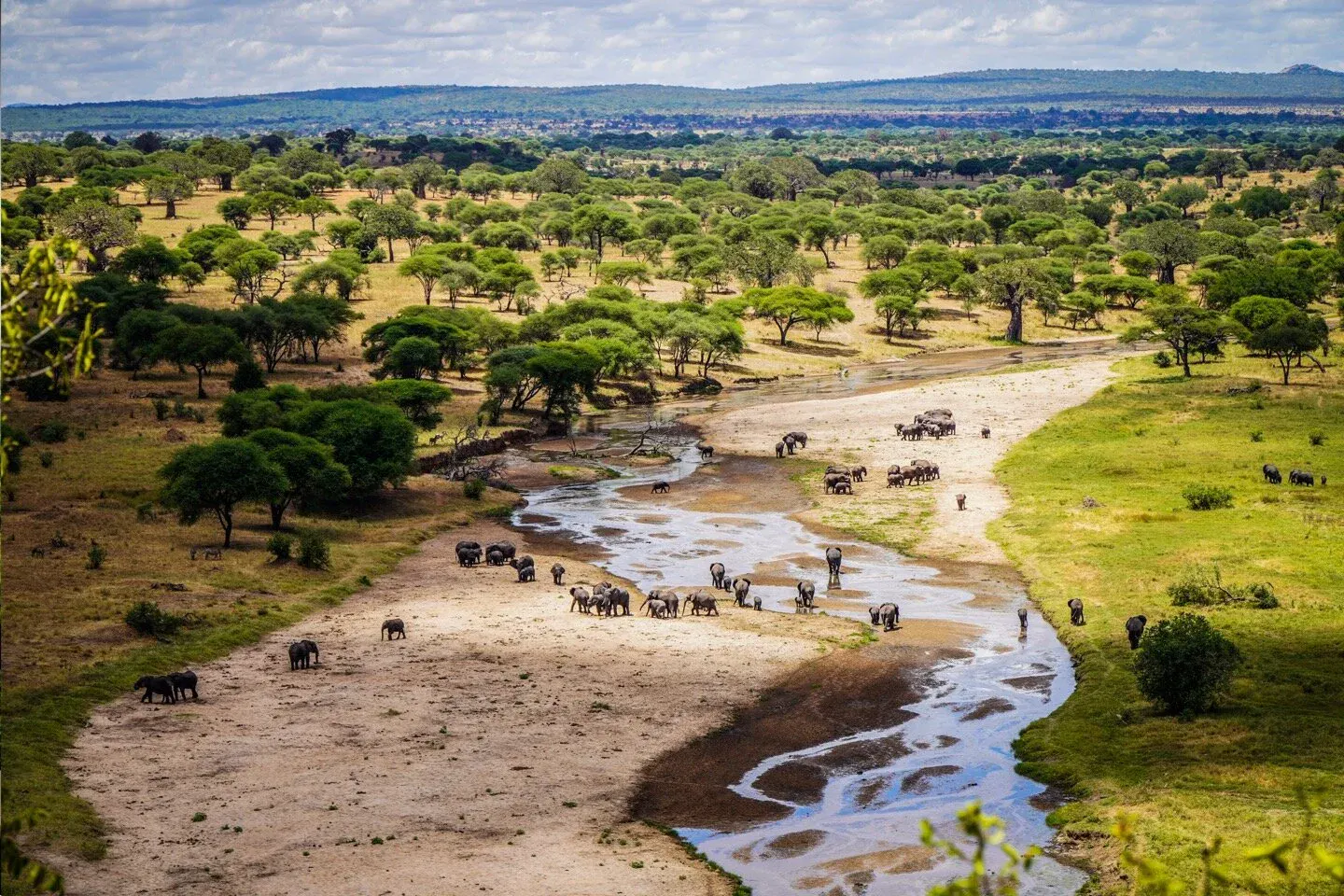
Rather than packing up every morning, you base for two nights on the Manyara escarpment and run full game-drive days from there. Tarangire is the day most guests don't see coming: ancient baobabs wider than houses and some of the largest elephant herds in Africa, hundreds strong along the river in the dry season. Lake Manyara is a different world the next day, a groundwater forest at the base of the Rift Valley wall, famous for flamingos on the soda lake and lions that climb trees.
This corridor is also where our community visits happen, including the school our foundation supports, if you'd like your trip to include an hour that has nothing to do with animals and tends to be the thing guests talk about most when they get home. Both parks also permit night game drives, one of the few places on the circuit that do, so this is where to add one.
Days 4-5: The Ngorongoro Crater, Done Properly
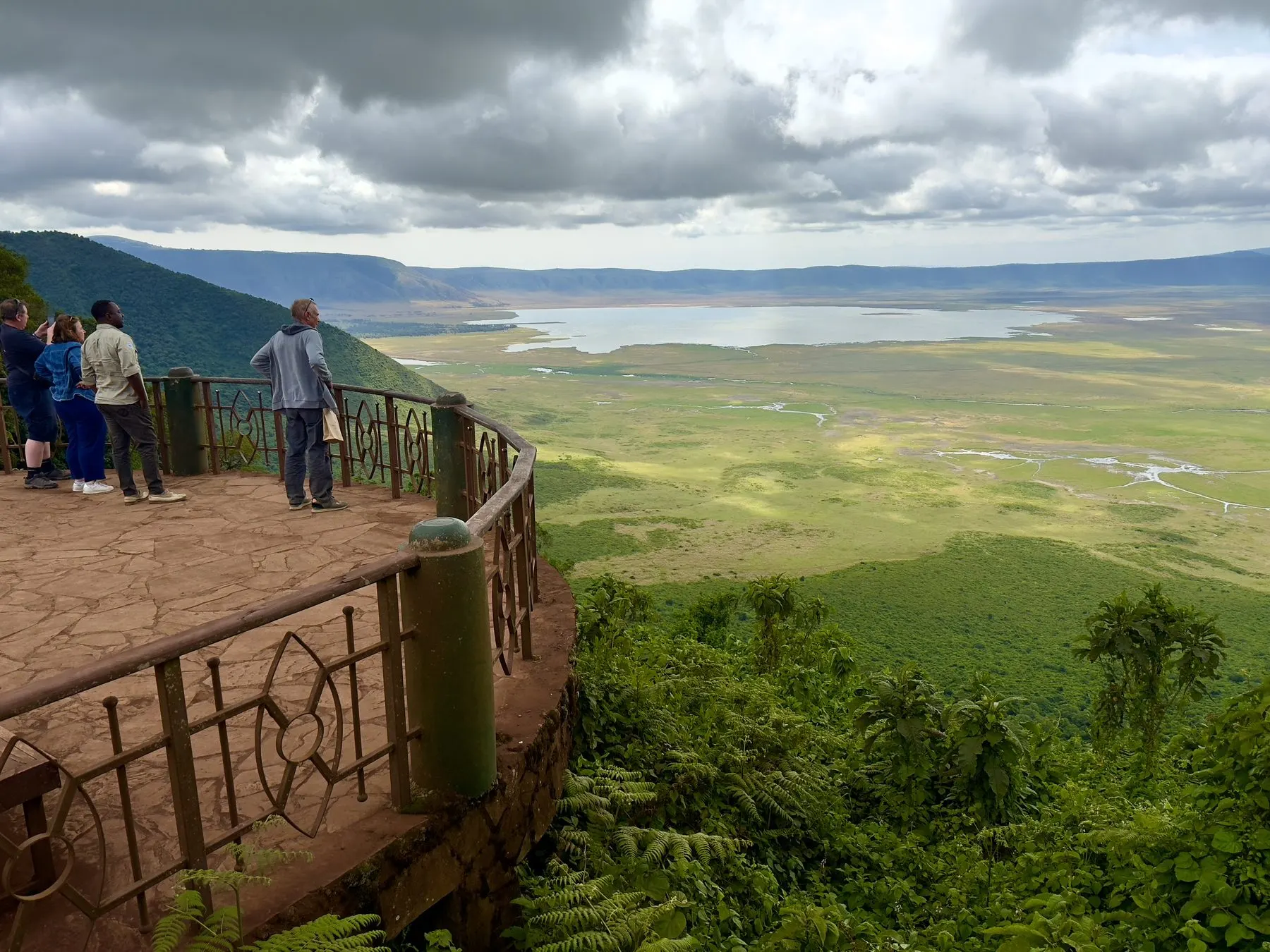
A short drive up into the coffee-farm highlands around Karatu positions you at the crater's doorstep. That positioning is the whole point: the crater is a dawn experience. You descend the crater wall at first light, before the day-trip crowds arrive from further afield, and spend five to six hours on the floor of a collapsed volcano that holds one of the densest concentrations of wildlife on earth: lions, elephants, hyenas, flamingos, and one of your best chances in Tanzania of seeing a black rhino.
You're out by early afternoon and back at your lodge with the evening free. Plenty of itineraries cram the crater and the drive to the Serengeti into one day. We don't, and it's a hill we'll die on: it turns the best morning of the trip into a race and risks arriving in the Serengeti after dark, which park rules don't allow anyway.
Days 6-7: Into the Serengeti
Day 6 is the drive west across the Ngorongoro highlands and down onto the plains, and it's a game drive in itself: the landscape opens up until the horizon disappears and the name starts making sense. Serengeti comes from the Maasai word for endless plains. You arrive in the central Serengeti with time for an evening drive.
The central Serengeti is big-cat country year-round: resident lion prides, leopards in the river-line trees, cheetahs on the open ground. Day 7 is a full day on the plains, and the one place on this circuit where a dawn hot-air balloon flight is on the table if you want to mark an anniversary or just see the plains from a basket at sunrise. In the dry season, herds funnel to the rivers; after the rains, the plains go green and the light turns everything gold.
Day 8: Fly Back, Don't Drive
After a final morning game drive, a light aircraft lifts you off a Serengeti airstrip and has you back at Arusha in about an hour, over country that took you two days to cross by road. This is the single best-value upgrade on the whole trip: it replaces a full day of driving over roads you've already seen, skips a second set of park gate fees on the way out, and buys you that last morning with the animals instead. Soft bags only on the bush flights, around 15 kilograms; we brief you properly before you pack.
When to Go, and the Two Big Variations
This exact shape works year-round outside April, the heart of the long rains. Full month-by-month detail is in our best time to visit guide, but two seasons change the structure itself:
July to October: consider reversing it
In peak season the Great Migration is in the far northern Serengeti, with the Mara River crossings from July to October. If the crossings are your headline, we flip the route: fly north on day two while you're fresh, spend your first nights near the river, then work back south through the central Serengeti and the crater. Read our migration guide before you set your heart on dates.
January to March: point it south
In calving season the action is on the southern plains, where hundreds of thousands of wildebeest are born in a few weeks and the predators know it. The same 7-night frame holds; we just swap the central-Serengeti nights for the south.
Want the Beach? Make It Ten Nights
The most popular version of this trip isn't seven nights, it's ten to twelve: the circuit above, then a direct flight to Zanzibar for three or four nights of white sand and warm water while the red dust washes off. Safari first, beach second, always. If you're flying all the way from Australia, our complete planning guide from Australia covers flights, visas and all the practical details, and our cost guide covers what a trip like this actually costs in Australian dollars.
Frequently Asked Questions
Is 7 days enough for a Tanzania safari?
Yes. Seven nights covers the full northern circuit at a humane pace with two nights everywhere. It's the minimum we're happy to build; shorter forces the one-night-stay trap.
Can you do the crater and the drive to the Serengeti in one day?
You can, and plenty of operators do. We won't: it wrecks the best morning of the trip and risks an after-dark arrival. The crater gets its own dawn; the Serengeti gets the next day.
What order should the circuit run?
Arusha, then Tarangire and Manyara from one base, crater at dawn, Serengeti last, flying back. In peak crossing season it's worth reversing, flying to the northern Serengeti first.
Drive back or fly back?
Fly. One hour instead of a full driving day, no repeated roads, and a bonus final game drive. Soft bags only, around 15kg.
When is the best time?
June to October for the classic dry season, January and February for calving season in the south. Avoid April.
Ready to Experience This?
Let us build your version
This is the frame, not the finished trip. Tell us your dates, who's coming and what you care about most, and we'll shape it around you, with our own guides on the ground from the first game drive to the last.