Two of Africa's most celebrated safari countries, two completely different experiences. Tanzania is the broad-shouldered, big-cat, big-plains classic. Botswana is the quiet specialist, water and wilderness with no crowds. If you've only got one African safari in your future, picking between them matters. This is the honest comparison from Australia.
Two Very Different Safari Models
The first thing to understand is that Botswana and Tanzania aren't really competing for the same trip. They're competing for the same Australian traveller, but they offer fundamentally different experiences. Tanzania is open savanna and big-cat country on a continental scale. Botswana is water-based safari in one of the most ecologically distinctive places on the planet, the Okavango Delta, plus the Chobe river system and the Kalahari.
If you're picking your first African safari, the question isn't which country is better. It's which kind of trip suits you better right now. The wrong question to ask is, which has more wildlife? Both have more than you can absorb in two weeks. The right question is, which experience matches what I'm actually after?
The Landscape Difference
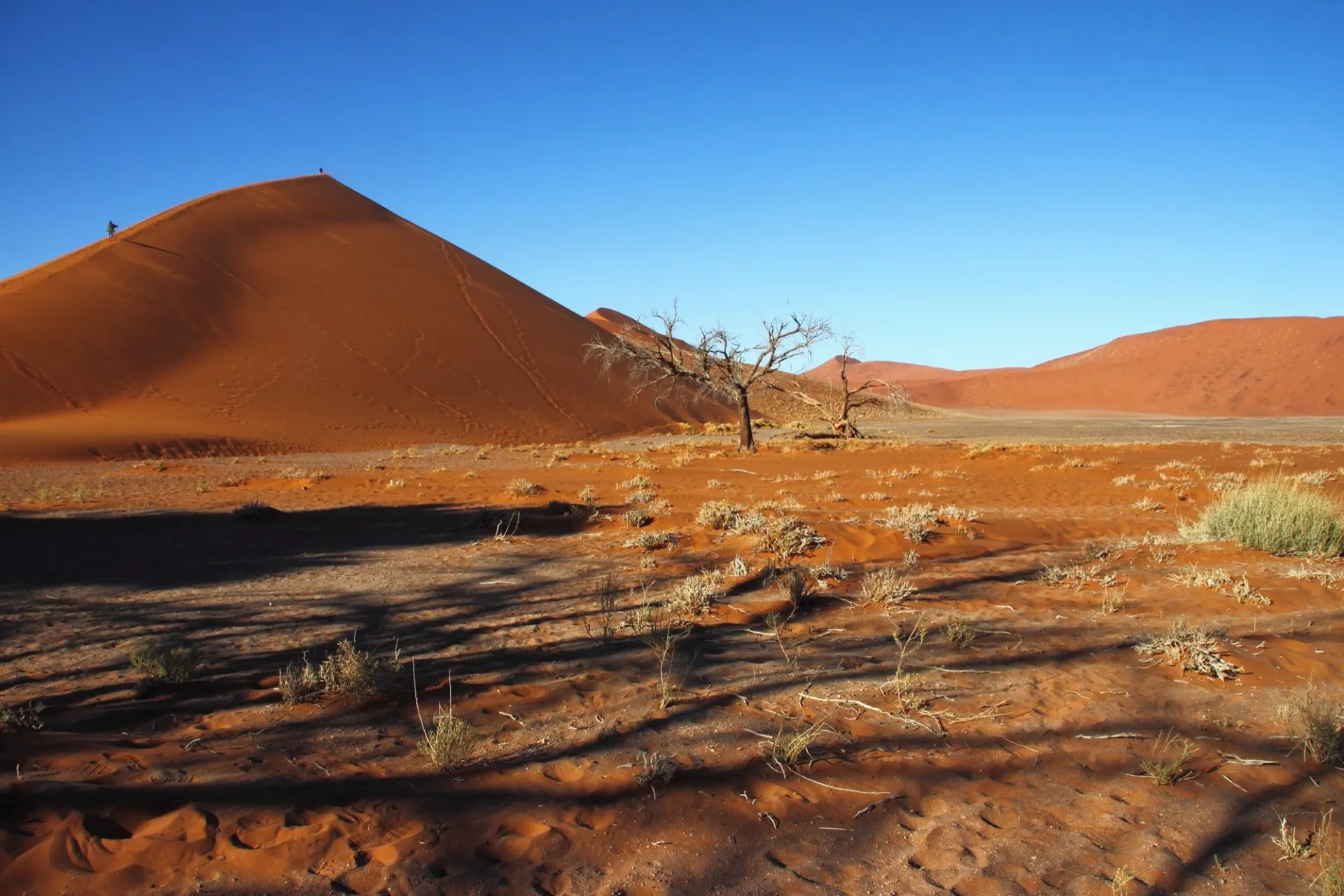
Tanzania's Northern Circuit is the postcard. Open plains stretching as far as your eyes will track, kopjes (rocky outcrops) jutting out of the grass, acacia woodland giving way to riverine forest along the Mara and Grumeti rivers. The Serengeti alone covers 14,750 square kilometres. You'll see herds, you'll see scale, you'll see big cats at distance and close up. It looks the way Africa looks in your head before you've been.
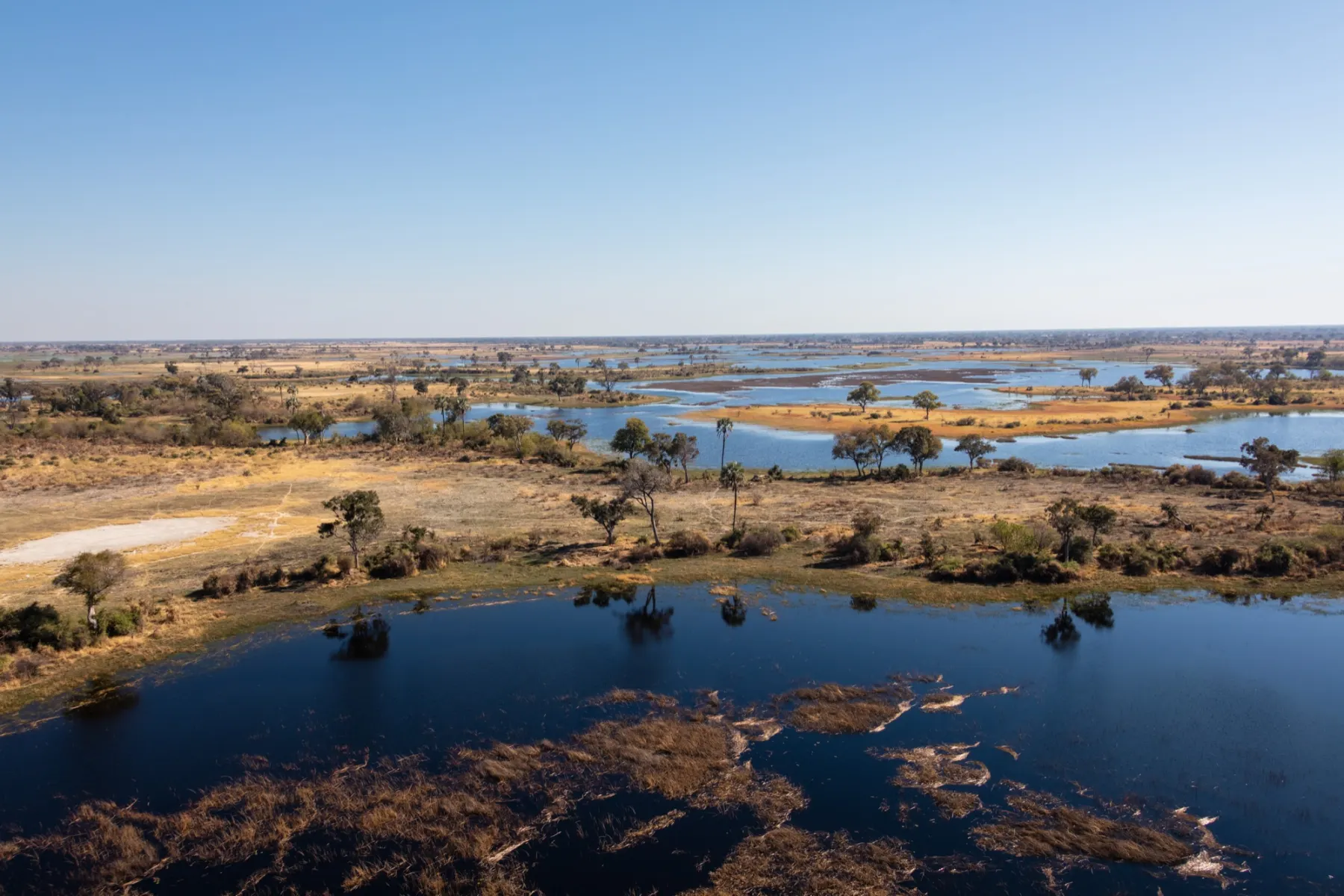
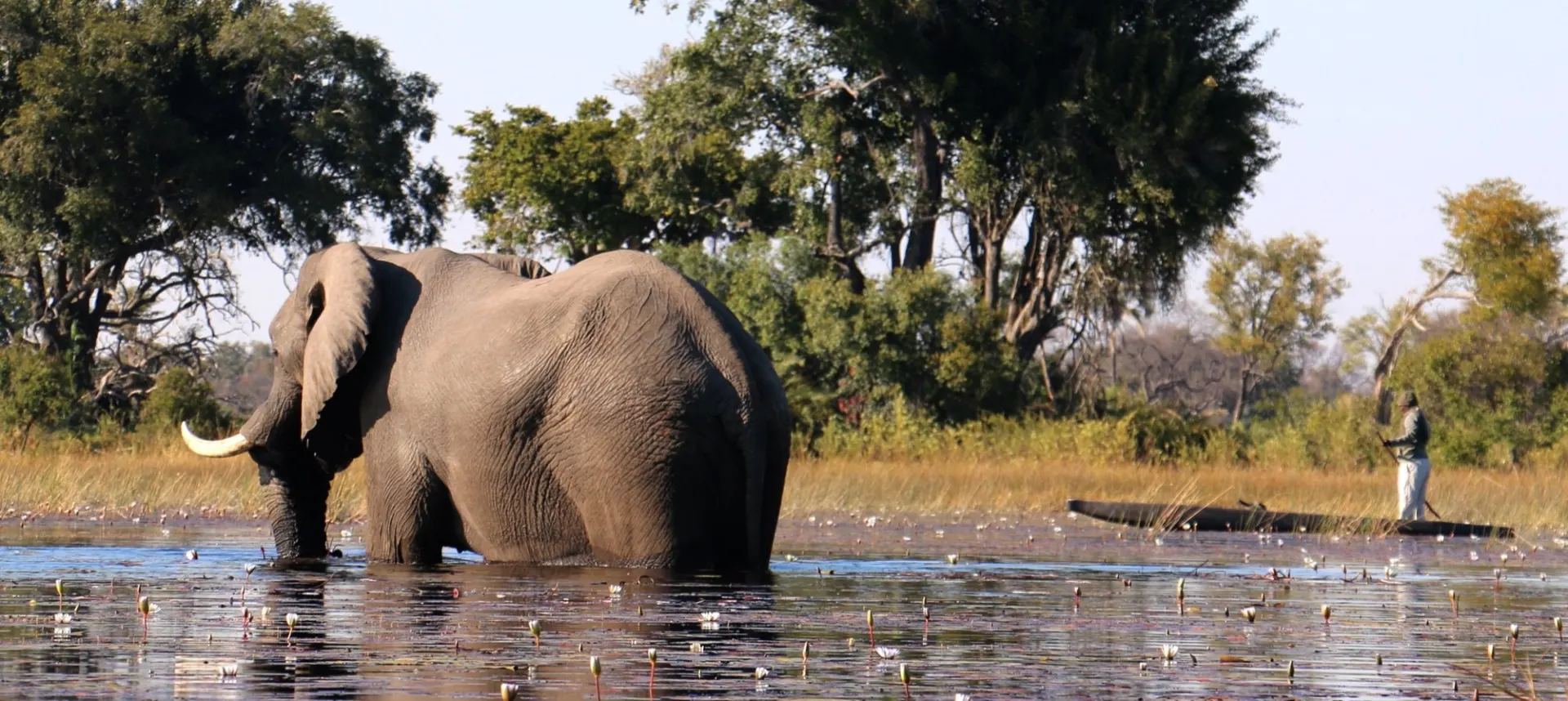
Botswana's Okavango Delta is the planet's largest inland delta, an annual flood that arrives in the dry season and turns 15,000 square kilometres of Kalahari sand into a maze of papyrus channels, islands and floodplain. Elephants wading shoulder-deep. Lechwe (water antelope) running across shallow lagoons. Wild dogs hunting through palm islands at dawn. It looks like nowhere else on Earth, because it isn't.
Tanzania shows you the scale of Africa. Botswana shows you a side of it most travellers never even picture.
Game Viewing: Density vs Drama
Both countries deliver world-class game viewing. The difference is in how you encounter it.
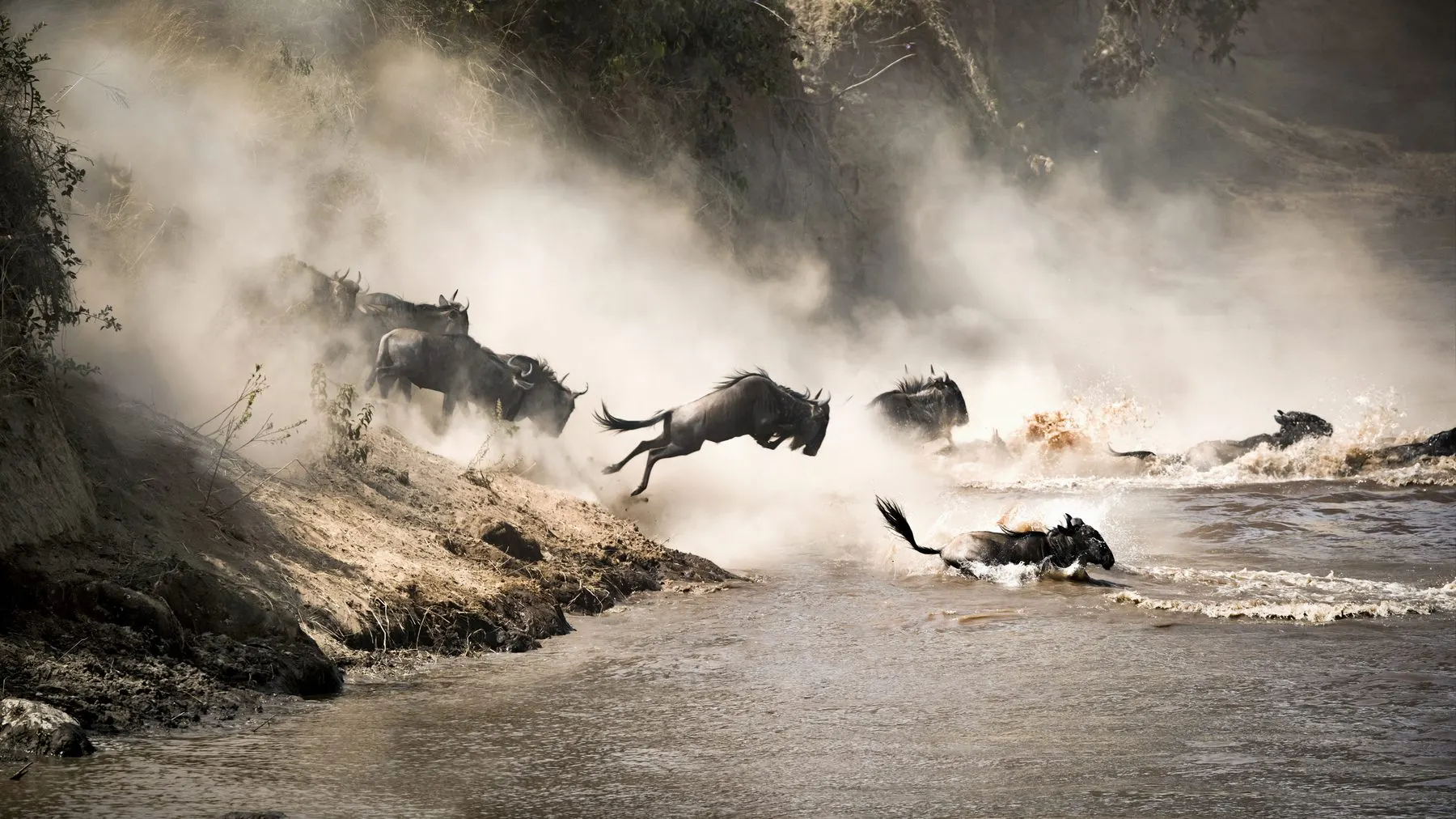
In Tanzania, particularly the Serengeti and Ngorongoro Crater, the wildlife is concentrated in numbers that are genuinely hard to comprehend until you're there. The Great Migration alone is 1.5 million wildebeest in motion. Lion sightings are a daily, not weekly, expectation. Ngorongoro Crater holds one of the densest predator populations in Africa within a 260 square kilometre caldera. The volume is the headline.
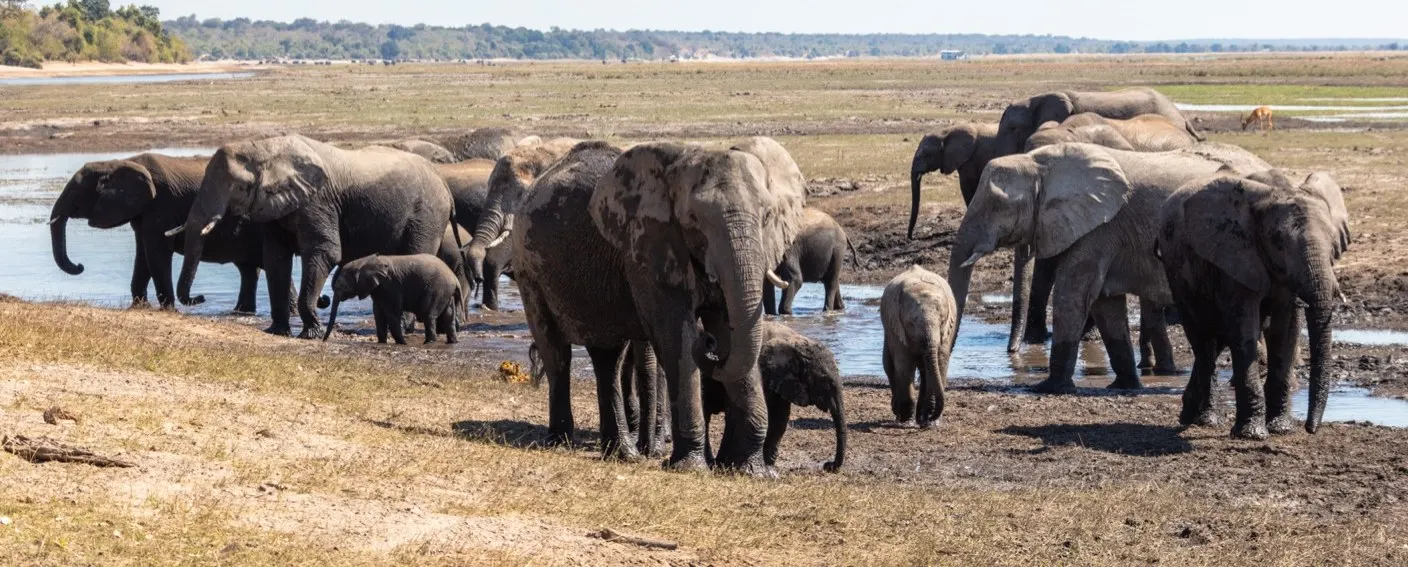
In Botswana, the wildlife is more spread out across vast concessions, and the drama comes from the encounters, not the numbers. The Delta has the largest concentration of African elephant on the continent (Chobe holds around 50,000 alone). Wild dog populations in the Linyanti and Selinda concessions are among the world's best. Lion-buffalo interactions in the Mombo concession are documented as among the most spectacular anywhere. You see less in raw count, but what you do see often unfolds over an hour, undisturbed, with no other vehicles.
Side-by-Side Comparison
| Factor | Tanzania | Botswana |
|---|---|---|
| Safari type | Land-based 4WD, savanna and plains | Water + land, Delta + Chobe + Kalahari |
| Game density | Very high, Northern Circuit + Migration | High but spread, exclusive concessions |
| Vehicle density | Higher in main parks, low in concessions | Very low, strict per-concession limits |
| Entry-tier AUD cost | From $9,500 pp / 7-10N mid-range | From $12,500 pp / 7N Delta + Chobe |
| Flights from Australia | ~22-24h via SIN or JNB, AUD $1,800-$2,800 | ~22-24h via JNB to Maun, AUD $1,900-$2,900 |
| Kid-friendly | Yes, most lodges accept from 5-8 years | Limited, Delta lodges often min age 12 |
| Weather window | Year-round, peak Jun-Oct + Jan-Feb calving | Peak Jul-Oct flood, avoid heavy rain Dec-Mar |
| Infrastructure | Deeper lodge tiers, road + fly-in options | Fly-in only for most camps, premium-focused |
| Beach combo | Zanzibar, 1h flight | No direct beach, Mozambique connects |
| Pairs with | Zanzibar, Kenya, Rwanda gorillas | Vic Falls, Chobe, Cape Town, Namibia |
The Cost Difference, Explained
This is the part most price comparison sites get wrong. They list Botswana as "more expensive" without explaining why, which makes the difference feel arbitrary. It isn't.
Botswana's tourism model is deliberately low-volume, high-yield. Camps operate on private concessions with strict bed limits and guest-to-vehicle ratios that are stricter than almost anywhere else in Africa. A typical Delta concession might be 250,000 acres holding two camps with 16 guests total. That exclusivity is the product. The minimum entry price reflects what those camps cost to operate, not what budget travellers want to pay.
Tanzania has a much broader lodge market. The Northern Circuit alone has hundreds of camps and lodges across every price tier, from budget tented camps starting around AUD $400 per person per night up to flagship private concessions at AUD $2,500+ per person per night. You can build a Tanzania trip at almost any budget level.
In AUD, the typical entry-level numbers we're quoting right now look like this:
- Tanzania Northern Circuit, mid-range, 7-10 nights: AUD $9,500 to $13,000 per person twin share
- Tanzania + Zanzibar, full 14 nights: AUD $16,500 per person twin share, our most-booked trip shape
- Botswana mid-range, 7 nights Delta + Chobe: AUD $12,500 per person twin share
- Botswana + Vic Falls, 10 nights: AUD $16,000 per person twin share
For deeper Tanzania pricing detail in AUD, our Tanzania safari cost guide walks through what drives each component and what's actually included.
Flights from Australia
Both countries are similarly inaccessible from Australia, which is to say, you're committing to a long journey either way. The good news is the routing logic is similar.
To Tanzania
Two main options. Ethiopian Airlines via Singapore + Addis Ababa is the shorter total flight time at around 22 hours, with one stop. Qantas via Johannesburg + a connection to Kilimanjaro (JRO) is around 24 hours. Economy fares run AUD $1,800 to $2,800 return depending on season.
To Botswana
Qantas or SAA from SYD, MEL or PER to Johannesburg, then Airlink onward to Maun (the Delta gateway). Around 22 to 24 hours total. Economy AUD $1,900 to $2,900 return. Joining a Botswana trip with Vic Falls or Cape Town adds minimal extra flight cost because the connecting flights are all short-haul within Southern Africa.
Kid-Friendliness: Where Tanzania Wins
If you're travelling with children, Tanzania is meaningfully easier than Botswana, and the gap widens the younger your kids are.
The Tanzania Northern Circuit can be driven by 4WD all the way from Arusha to the Serengeti. No light aircraft required, no minimum age restrictions to navigate. Most Tanzania lodges welcome children from 5 to 8 years old, and many have family rooms and kid-specific activities. The crater rim lodges and Tarangire camps in particular run kid-friendly programs.
Botswana's Delta is fly-in only, on 6 to 12-seater Cessna bush planes. Mokoro safaris in the Delta typically have a minimum age of 12 for safety reasons. Walking safaris (a Delta highlight) usually require 16+. Some camps will accept younger kids on a private vehicle basis but the practical reality is that Delta camps are designed for adult travel. Chobe is more flexible, with road access and family-friendly riverfront lodges, but the Delta itself is harder.
For a family with kids under 12, Tanzania is the more straightforward call.
The First-Safari Recommendation
If we had to pick one country for an Australian's first African safari, it'd be Tanzania, almost every time. Here's why.
The Northern Circuit delivers the safari image that's in your head: open plains, big cats, the migration herds, the iconic crater. It's accessible, it's flexible across budget tiers, it can carry families with kids, and you can finish the trip with a few nights on a Zanzibar beach without changing countries. Tanzania does the broad-shouldered classic safari better than anywhere else.
Botswana is the second safari. Once you've seen big-cat country at scale, the Delta is what makes you want to come back. The mokoro safari, the wild dog encounters, the absence of other vehicles, that's a depth-of-experience trip, not a breadth one. It hits differently when you've already got the classic safari muscle memory.
There's an exception. If you're a couple, no kids, with the budget to do Botswana at premium tier (AUD $20,000+ per person), and what you actually want is wilderness and exclusivity rather than the postcard image, do Botswana first. You won't regret it. But that's the minority case.
The Multi-Country Combo Angle
For travellers who've got 16+ nights to play with, a multi-country combo can give you the best of both safari worlds. Two combo structures work cleanly from Australia.
Tanzania + Zanzibar (the warmest first-safari shape)
10 nights Tanzania (Tarangire + Serengeti + Ngorongoro) + 4 nights Zanzibar beach. Around AUD $16,500 per person twin share, mid-range tier. One country, one ecosystem flow, one set of visas. Our most-booked trip and the one we'd recommend if you're undecided.
Botswana + Vic Falls + Chobe (the Southern Africa specialty)
3 nights Vic Falls + 3 nights Chobe + 4 nights Okavango Delta. Around AUD $16,000 per person twin share, mid-range tier. Compact regional cluster, short hops between, you'll see Africa's most famous waterfall, Africa's largest elephant population, and Africa's most distinctive wetland in one trip.
The big trip, Tanzania + Botswana
For 18 to 21 nights and a budget around AUD $25,000+ per person, you can do a Tanzania Northern Circuit, fly via Johannesburg to Maun, and add 5 to 7 nights in Botswana. It's a long trip with two complete safari experiences. We run it occasionally for second-time Africa travellers. It works, but it's not the default.
When Each Country Wins
Pick Tanzania first if: it's your first African safari, you're travelling with kids or extended family, you want a beach extension, you need flexibility across price tiers, or the classic safari image is what you've been picturing.
Pick Botswana first if: you've been on safari before, you're a couple or two couples, your budget is firmly in the premium tier, you want wilderness over volume, or the idea of mokoro safaris in the Delta is genuinely what's pulling you to Africa.
Do both if: you've got 16+ nights, you're committing to a meaningful Africa trip rather than a 7-night sampler, and you want the contrast of seeing how different the continent can be across two very different ecosystems.
What We'd Do If We Were Planning Your Trip
The right call comes out of a 20 minute conversation, not a website comparison. We've routed enough Australian clients through both countries to know which questions matter, your travel window, your group makeup, whether you've been to Africa before, what's pulling you to the continent, what budget tier you're working with, and whether a beach finish matters to you.
For most first-timers, the answer lands on Tanzania with a Zanzibar finish. For couples returning to Africa, it often lands on Botswana with Vic Falls. For families, almost always Tanzania. For the traveller who's done Kenya or South Africa already and wants something different, Botswana every time.
Use our cost estimator to ballpark what either trip would cost, or get in touch and we'll talk through which country actually fits your situation. You'll get a real proposal in AUD within 24 hours, not a brochure asking you to book a discovery call.
Continue Reading
Frequently Asked Questions
Is Botswana or Tanzania better for a first safari?
For a first-time African safari, Tanzania is usually the stronger pick. The Northern Circuit delivers consistently strong game viewing across a single country, the lodge tiers are deeper, and you can add a Zanzibar beach extension easily. Botswana is a standout but specialises in water-based safari in the Okavango Delta, which most first-time travellers haven't pictured yet. We usually recommend Tanzania first, Botswana second.
How much does a Botswana safari cost compared to Tanzania?
Botswana is meaningfully more expensive at the entry tier. A 7-night Botswana trip combining the Delta and Chobe runs around AUD $12,500 per person, against AUD $9,500 to $13,000 for a 7 to 10 night Tanzania Northern Circuit. Botswana's high-value, low-volume tourism model means there's no real budget tier, the minimum is what the lodges and concessions charge. Tanzania has more flexibility at the lower end.
Can I do both Botswana and Tanzania in one trip?
Yes, but with caveats. Both countries are large, the connecting flights aren't simple, and a true combination trip needs at least 14 to 16 nights to do justice to either. The cleaner combos are Tanzania + Zanzibar (one country, one ecosystem) or Botswana + Vic Falls + Chobe (one regional cluster). If you've got 18 to 21 nights, a Tanzania + Botswana combo via Johannesburg connections is realistic.
Which is more kid-friendly, Botswana or Tanzania?
Tanzania is significantly more kid-friendly. Most Tanzania lodges accept children from 5 to 8 years old, and the Northern Circuit can be driven by 4WD, which means kids don't have to fly on tiny aircraft to get to camps. Botswana's Delta camps often have a minimum age of 12 because of mokoro safety and walking activities, and the only way in is by 6-seater bush plane.
What's the difference between a water safari and a land safari?
Tanzania is pure land safari, you're in a 4WD on game drives across savanna, plains and woodland. The Okavango Delta in Botswana is a water-based ecosystem, you'll combine 4WD drives with mokoro (canoe) trips through papyrus channels, walking safaris on the islands, and motor-boat outings during high water. It's a fundamentally different rhythm, slower, more intimate, more sensory.
When is the best time to visit Botswana and Tanzania?
Both countries have a peak season from June to October, the dry season, when wildlife concentrates around water and visibility is best. Tanzania has a second strong window in January and February for the Serengeti calving season. Botswana's Delta peaks in July to September when the floodwaters are at their highest, paradoxically the driest local season. Avoid March to May in Botswana, that's heavy rain.