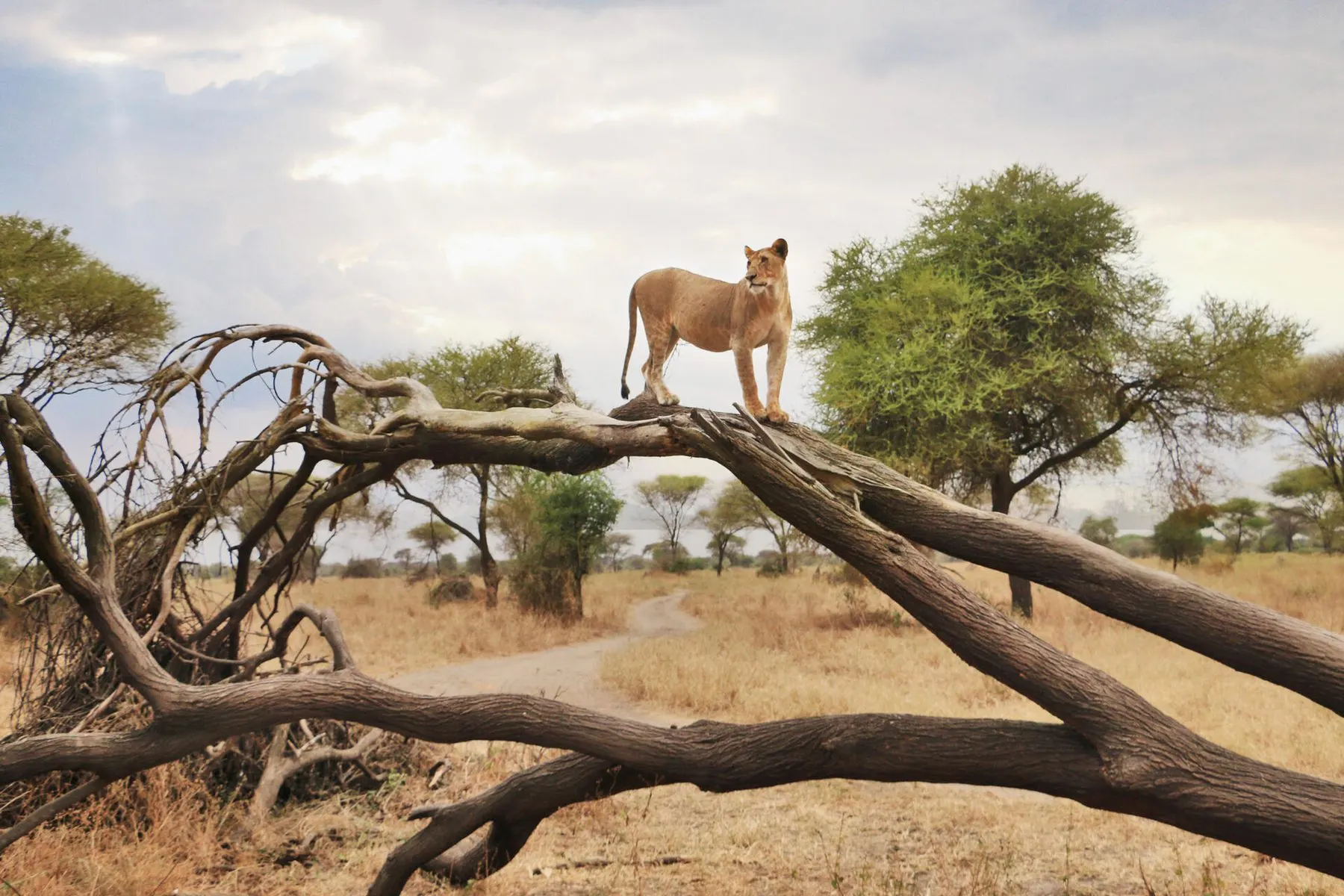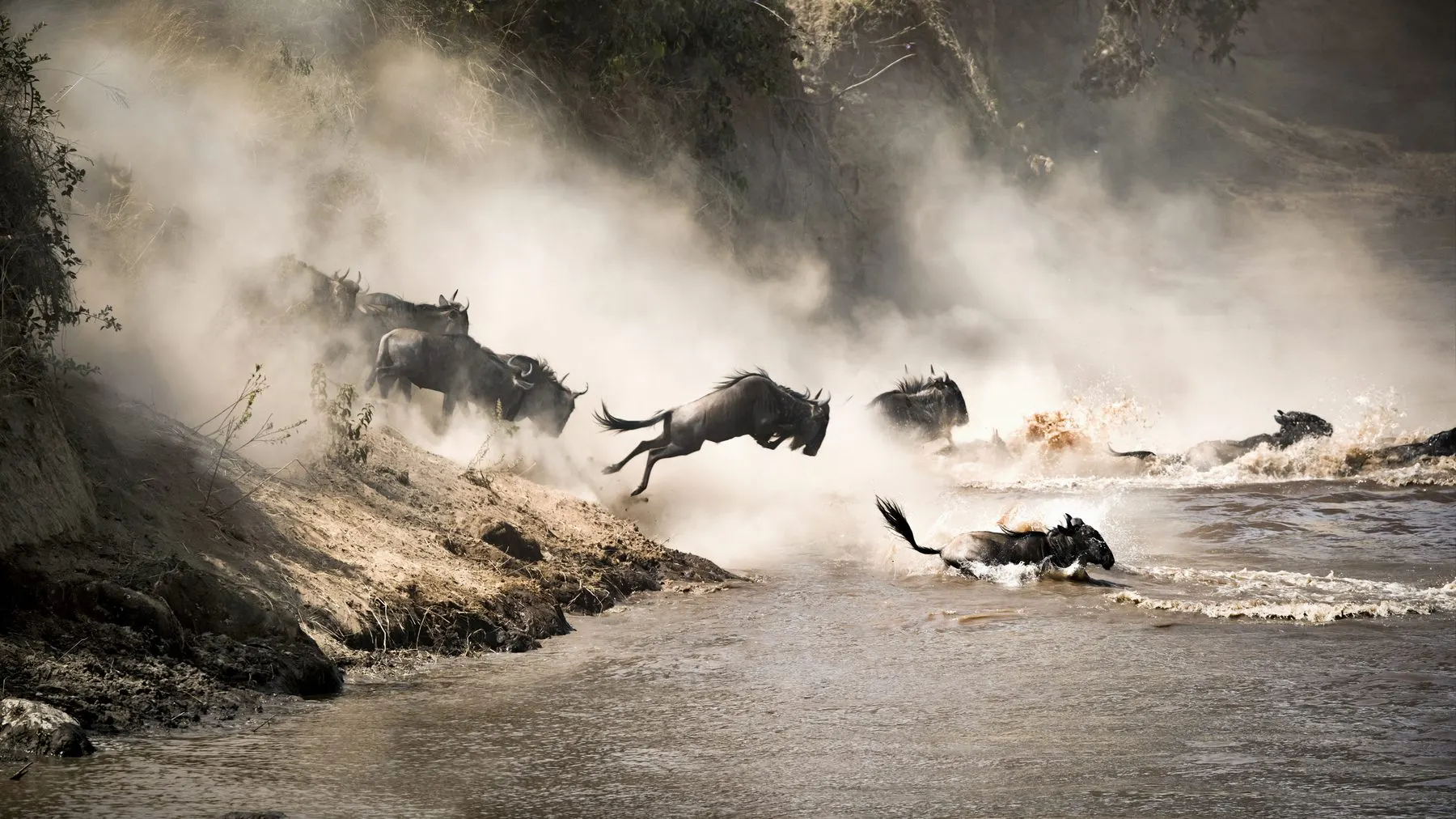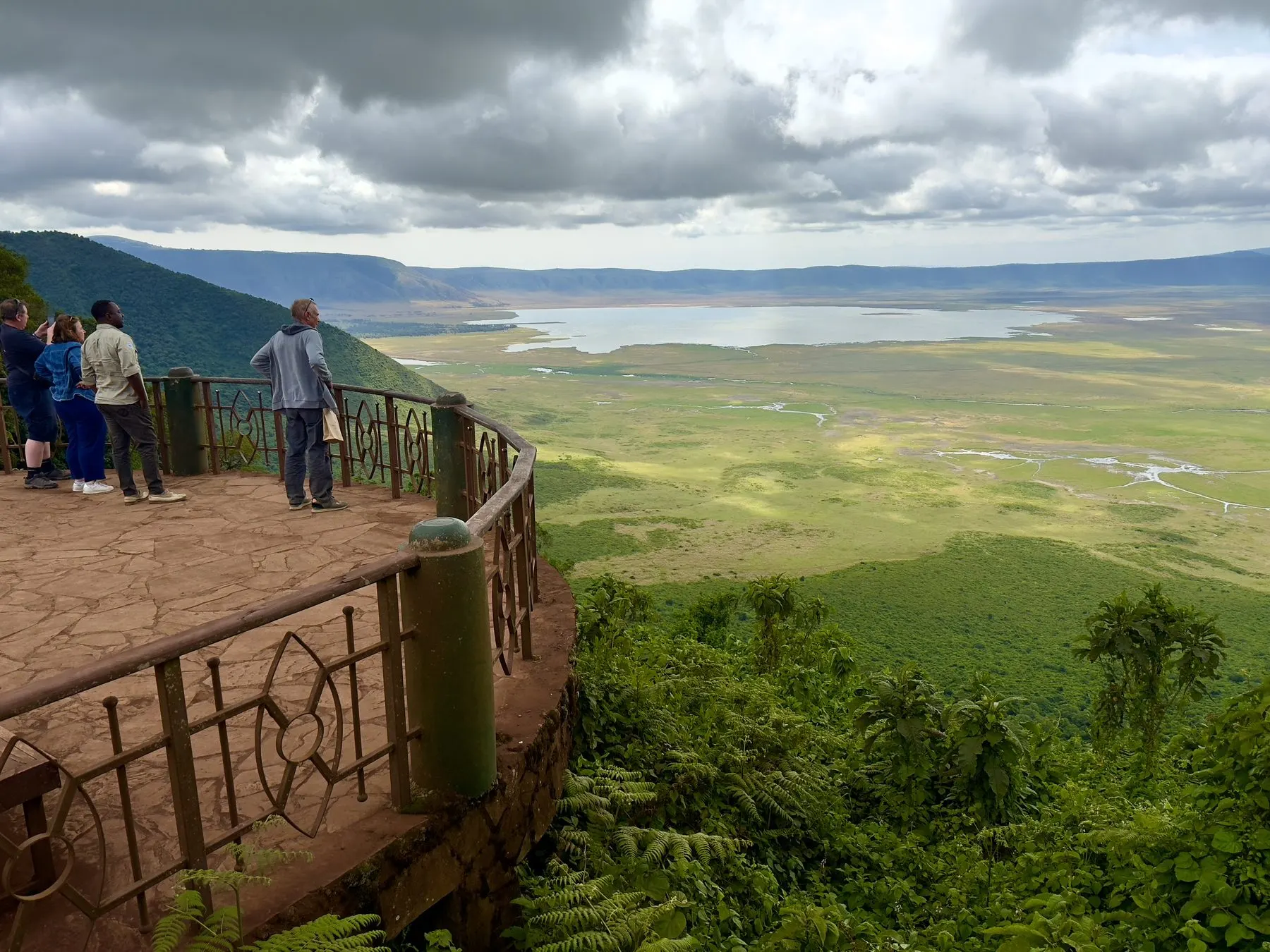
Most people plan their Tanzania safari around the Northern Circuit, the Serengeti, Ngorongoro, Tarangire. These are exceptional parks and for good reason they dominate the market. But Tanzania has two other wilderness areas that dwarf the Serengeti in size and, in many ways, in ambition: Nyerere National Park (historically known as the Selous) and Ruaha National Park. Together they form what operators call the Southern Circuit, and they attract a very different kind of traveller, one who has usually done the north, or who simply values solitude over spectacle.
The question we get asked most often is: which one? The answer depends on what draws you to a wilderness in the first place.
The Quick Answer
Choose Nyerere if you want the Rufiji River experience: boat safaris, hippo-dense channels, crocodile hunting grounds, and a more accessible fly-in route from Dar es Salaam. Choose Ruaha if maximum wildlife density and total immersion matter more, the largest elephant population in East Africa, lion prides that operate at a scale you rarely see, and wild dog sightings that put the north to shame. Combine both if you have eight days or more and want to understand Tanzania beyond its most famous postcards.
A Note on the Name Change
The Selous Game Reserve was renamed Nyerere National Park in 2019, in honour of Tanzania’s founding president Julius Nyerere. Parts of the former reserve were upgraded to national park status, meaning hunting is no longer permitted in the core photographic zone. When outfitters still say “Selous,” they almost always mean the photographic areas of Nyerere, particularly the northern lake sector along the Rufiji. The name is used interchangeably in the safari industry. For clarity here, I’ll use both.
Nyerere National Park (the Selous)
Nyerere is vast, at roughly 30,000 square kilometres of protected photographic area, it is one of the largest national parks on the continent. But most of the camps cluster in a relatively compact northern zone centred on Lake Manze, Lake Nzerakera, and the Rufiji River delta. This geography is the park’s defining feature and its primary draw.
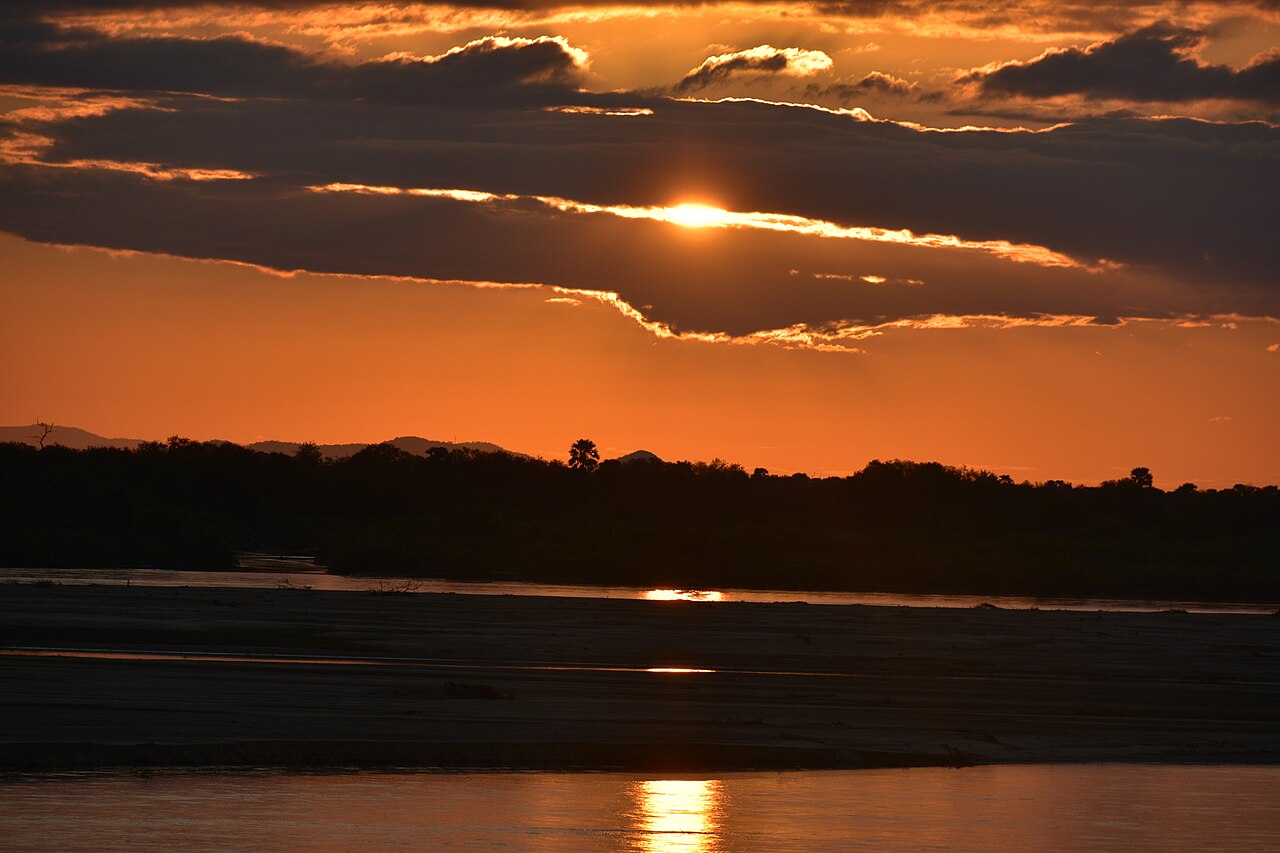
The Rufiji is one of East Africa’s great river systems. It runs wide and slow through the southern sector, creating a ribbon of life that concentrates wildlife with unusual predictability. Hippo pods number in the hundreds at some channels. Nile crocodiles, enormous, prehistoric, utterly indifferent to human presence, line every sandbank. The bird diversity along the water is extraordinary: African skimmers, goliath herons, fish eagles, and kingfishers in six species. The river makes Nyerere the only park in Tanzania where a boat safari is genuinely central to the experience, not a secondary activity.
Game drives in the northern sector produce lion, wild dog (Nyerere has one of Africa’s larger wild dog populations), elephant, and buffalo. The woodland and open flood plains around the lakes are highly productive. But it is the combination of driving and boating that sets Nyerere apart. no other park in Tanzania offers it.
Access and Logistics
Nyerere is a straightforward fly-in destination. Most guests arrive in Dar es Salaam and connect on a 45-minute light aircraft flight to one of the airstrips in the northern sector. Flights operate daily with Coastal Aviation and several other regional carriers. It is also possible to drive from Dar, around five to six hours on improving roads, but the fly-in route is significantly more practical and the time saving is substantial.
The northern photographic sector is compact enough that camps vary more in their wildlife access than their physical distance from Dar. Jongomero, Roho ya Selous, and Sand Rivers Selous each operate private concessions with meaningful exclusivity. In peak season, this matters, the northern sector does see other vehicles, unlike Ruaha.
Ruaha National Park
Ruaha is, by most measures, Tanzania’s wildest park. At over 20,000 square kilometres (and encompassing a broader ecosystem of nearly 45,000 square kilometres when adjacent reserves are included), it receives fewer than 15,000 visitors per year. For context: the Serengeti receives more than 350,000. The implications for your experience on the ground are significant.
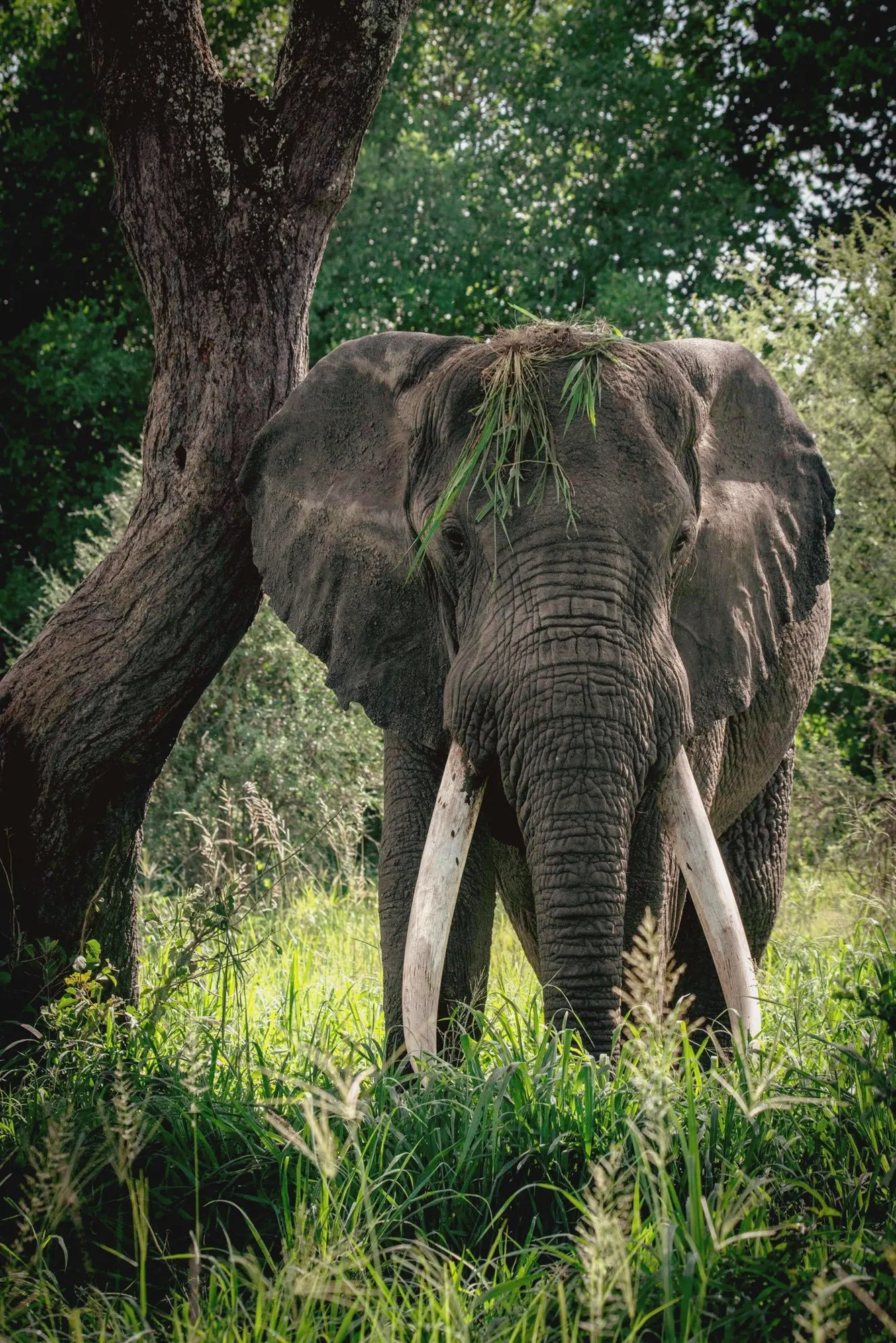
The wildlife in Ruaha is extraordinary. The elephant population, estimated at over 12,000 animals, is the largest concentration in East Africa, and these are not habituated, manicured park elephants. Ruaha elephants move in large herds through open miombo woodland and along the Great Ruaha River. Watching 80 animals come down to drink at first light, with no other vehicle in sight, is one of those experiences that recalibrates your understanding of what a safari can be.
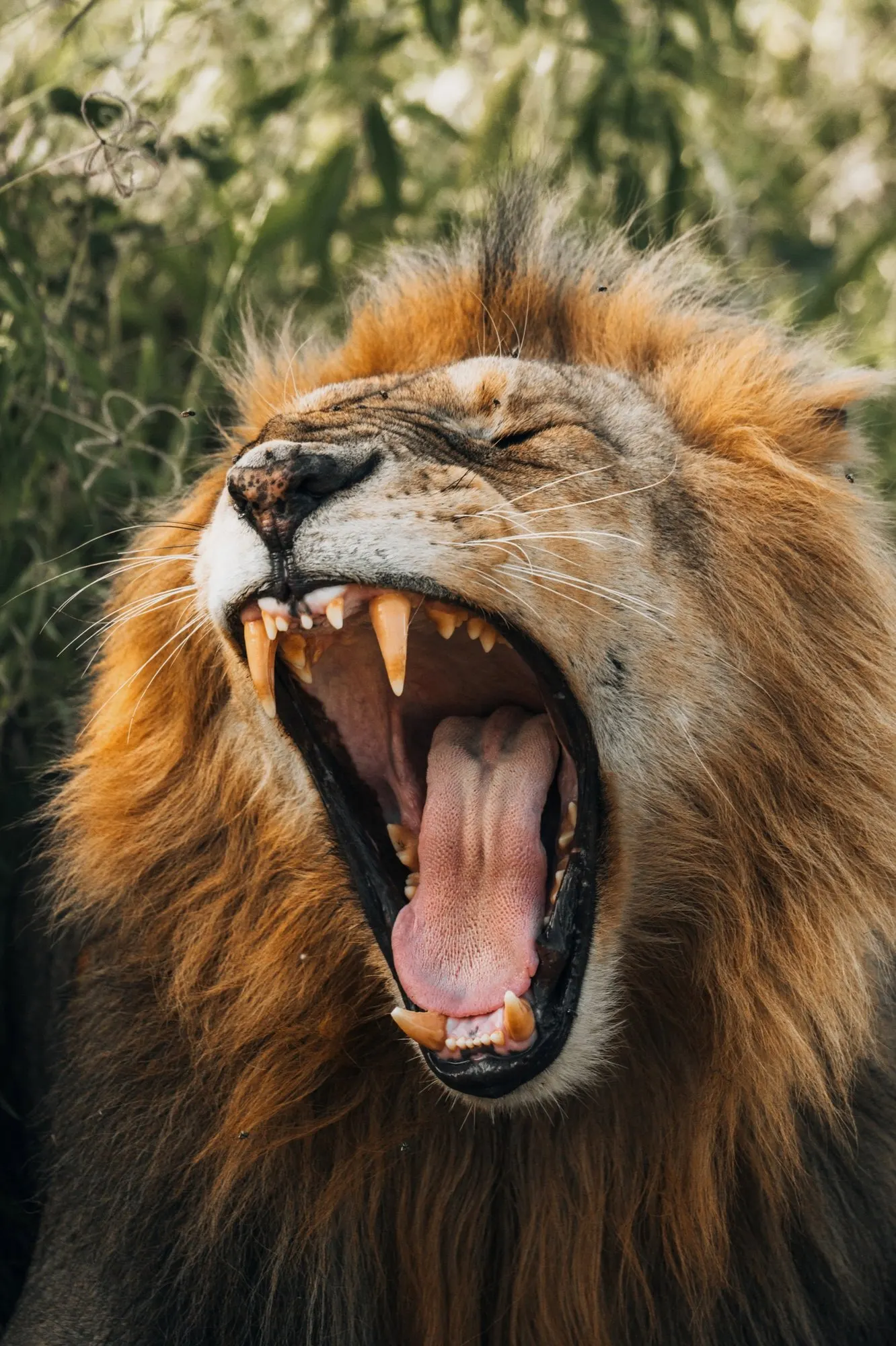
Lion prides in Ruaha are large. Prides of 20 or more animals are not uncommon. Buffalo herds number in the thousands. Leopard density is high relative to other Tanzanian parks. Wild dog packs, a genuinely threatened species, are reliably present year-round, with several resident packs in the park. Beyond these familiar species, Ruaha offers something the north cannot: healthy populations of greater kudu, roan antelope, and sable antelope, grazing animals with a visual drama that the flat-light, short-grass north rarely delivers.
Access and Logistics
Ruaha’s remoteness is part of what makes it exceptional. It is further from the coast than Nyerere and flights connect through Dar es Salaam or increasingly through Arusha on scheduled light aircraft. Flight time from Dar is approximately one hour 45 minutes; from Arusha, around two hours. The extra travel time is the only meaningful friction. Once you arrive, the isolation is total.
Camps are small and spaced widely across the park. Jongomero, Kwihala, and Jabali Ridge are among the finest. Walking safaris with armed rangers are a genuine part of the experience here in a way that feels meaningful rather than performative, the terrain, the scale, and the wildlife density make a foot traverse genuinely tense.
The Key Differences
Scale of wilderness: Both parks are enormous, but Ruaha’s low visitor numbers mean you will often go full game drives without encountering another vehicle. In Nyerere’s northern sector during peak season, you may see three or four other vehicles near the popular lakes. Neither approaches the vehicle density of the Serengeti or Ngorongoro in peak months.
Activities: Nyerere’s boat safari is its signature. Ruaha’s walking safaris and night drives (permitted in most private concessions) are its equivalent. Both parks offer game drives as the primary activity, but the secondary activity defines the experience most sharply.
Wildlife profile: Nyerere is the stronger hippo and crocodile destination, and the Rufiji birdlife is superior. Ruaha wins on elephant scale, lion pride size, wild dog reliability, and the presence of dry-country antelope species. For leopard, the two are comparable, both have strong populations.
Pricing: Both are premium destinations. Ruaha camps are generally marginally more expensive due to the additional flight distance and operational costs of supplying remote camps. Expect to budget similarly to the Serengeti’s best camps, with Ruaha running slightly higher.
Best Time to Visit Both Parks
The dry season, June through October, is the prime window for both Nyerere and Ruaha. Vegetation is low, animals concentrate around permanent water, and the roads are in their best condition. The Great Ruaha River shrinks to a series of pools during this period, which forces elephant and lion movement to become remarkably predictable. In Nyerere, the Rufiji drops and the water channels narrow, creating tighter hippo concentrations and excellent crocodile activity on the exposed banks.
November and December are underrated for Ruaha specifically. The short rains bring new grass and migrant birds, the landscape turns from dust-gold to deep green, and the wildlife remains active and visible. Prices drop and the camps are quieter. For guests who prioritise the walking safari component, the cooler temperatures of the wet season shoulder months make longer walks more comfortable.
April and May (long rains) should generally be avoided for Nyerere, the Rufiji floods and the northern sector lakes merge into a single sheet of water, making driving difficult and boat access unpredictable. Ruaha weathers the long rains better, though many camps close for maintenance in April and May. Check with your operator which camps remain open.
Planning note: Unlike the Northern Circuit, there is no single “best month” tied to a migration event in the south. The dry season is better for game viewing but the shoulder months offer genuine value and a very different aesthetic experience. We regularly book the south for September and October, the dry season peak, but also for July when prices soften slightly from the June high.
Should You Combine Them?
Yes, if you have the time. Nyerere and Ruaha are separated by roughly a 90-minute light aircraft flight, with connections running via Dar es Salaam. A combined itinerary of four nights in each gives you the full Southern Circuit experience: the river and the waterways in Nyerere, the open miombo and the elephant scale in Ruaha. The contrast between the two parks is as striking as the contrast between the Serengeti and Ngorongoro Crater, but without the crowds. Eight nights in the south is a serious safari, the kind that guests who have done the north once or twice come back for.
For guests combining the south with the north, a common routing is Arusha, Serengeti, Ngorongoro, fly to Ruaha, fly to Nyerere, Dar es Salaam. This gives the full range of Tanzania’s wildlife landscapes in a single trip of 10 to 12 days and is one of the most complete wildlife itineraries on the continent.
Frequently Asked Questions
Is the Selous the same as Nyerere?
Effectively yes, in the context of photographic safaris. The Selous Game Reserve was renamed Nyerere National Park in 2019. The photographic zones, particularly the northern sector along the Rufiji River, are now part of Nyerere National Park. Some adjacent areas still operate as game reserves where different rules may apply. When outfitters use either name, they typically mean the same cluster of camps in the northern photographic zone.
Which park has more wildlife?
Ruaha has higher absolute numbers of many species, particularly elephant, lion, and buffalo. Nyerere has a different wildlife profile dominated by its aquatic species (hippo, crocodile) and its river system birdlife. The question is less which park has more wildlife and more which kind of wildlife experience you are looking for.
Can you see the Big Five in both parks?
Lion, leopard, elephant, and buffalo are present in both. Rhino is not present in either. Tanzania’s rhino population is almost entirely within Ngorongoro Crater and a few heavily protected conservancies. If seeing all five is a priority, the south needs to be combined with a Northern Circuit stop at Ngorongoro.
Are the southern parks suitable for first-time safari visitors?
Ruaha in particular has a reputation as an expert’s park, the roads can be rough, the camps are remote, and the wildlife, while exceptional, is not as immediately dense as the Ngorongoro Crater or a Serengeti predator hotspot. First-time visitors tend to be more fulfilled by the north’s more immediate high-density game viewing. That said, the right first-timer, one who values wildness over guarantee, can have a transformative experience in both southern parks. We discuss this with every guest before building an itinerary.
Ready to Go South?
Let us build your Southern Circuit safari
The south rewards guests who plan properly, the right camps, the right order, the right season. Tell us what you’re looking for and we’ll put together the itinerary.