If you've never been on safari, the planning can feel harder than it should. There are dozens of countries, hundreds of parks, camps that range from canvas tents to private villas, and price tags that swing wildly for what looks like the same trip. Most of the advice online is written for American travellers and assumes you already know the difference between a concession and a conservancy.
This guide cuts through it. It's written for Australians planning a first safari, and it answers the questions that actually matter: where to go, how long to stay, how to get around, whether to go private or join a group, and what it costs in Australian dollars.
Which Country for a First Safari?
For a first trip, you want reliable wildlife, easy logistics, good guides, and camps that have been doing this for a long time. Two destinations stand out above the rest, and they're the ones we steer most first-timers toward.
Tanzania's Northern Circuit (our top pick)
The Northern Circuit links the Serengeti, the Ngorongoro Crater and Tarangire, and it's about as close to a sure thing as a first safari gets. The Serengeti delivers big open-plains game viewing, and the Ngorongoro Crater is a natural amphitheatre where you can often see the full Big Five in a single morning. The guiding standard is high, the camps are well established, and the route is built for visitors who've never done this before. Our full Tanzania destination guide covers the parks in detail.
Kenya's Masai Mara
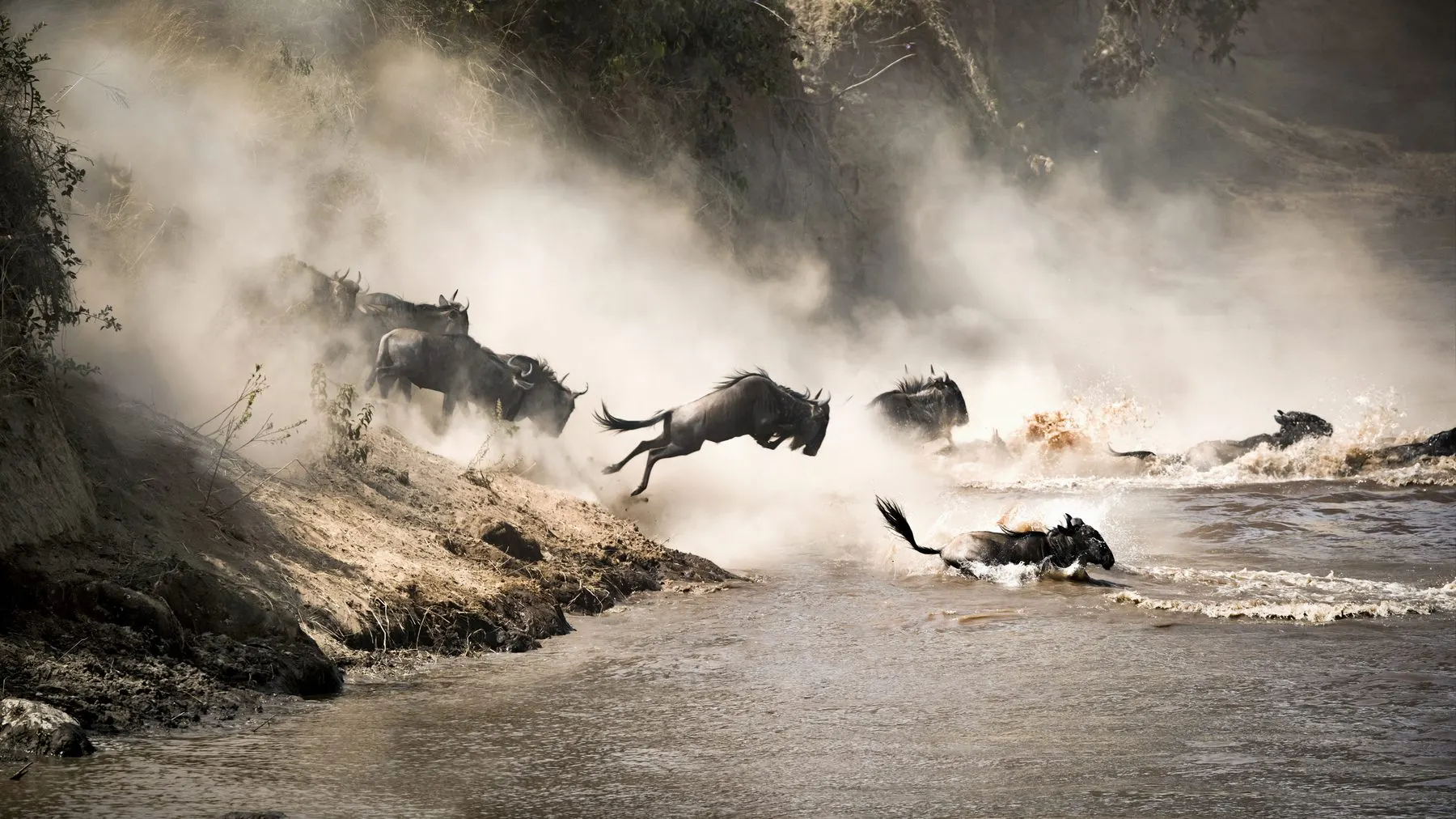
Kenya is the other classic first-timer choice. The Masai Mara has some of the highest big-cat densities in Africa, the access is simple (a short flight from Nairobi), and the conservancies around the main reserve give you a quieter, more private feel. If you want the Mara River crossings of the Great Migration, this is one of the two places to see them. We break down the choice between the two in our Masai Mara vs Serengeti comparison.
What about Botswana, South Africa, or the gorilla countries?
They're all wonderful, but they suit a slightly different brief. Botswana is premium and water-based, which is special but pricier and a bit more niche for a first trip. South Africa is easy and malaria-free in places, but the wildlife experience can feel more managed. Gorilla trekking in Rwanda or Uganda is extraordinary, though it's a specialist add-on rather than a standalone first safari. For your first time, the East African plains are the experience most people picture when they think "safari," and they deliver it consistently.
Short version: If you want the safari most people imagine, with the best odds of seeing everything on a first trip, go to Tanzania's Northern Circuit or Kenya's Masai Mara. You can't really go wrong with either.
How Many Days Do You Actually Need?
This is where first-timers most often get it wrong, usually by trying to cram too much in. After a long flight from Australia, you want enough time on the ground to settle into the rhythm of safari days, not a forced march through five parks.
- 5 to 6 days on safari: the realistic minimum. Enough for two parks, a Big Five chance, and a feel for the experience. Tight, but it works if your leave is limited
- 7 to 10 days on safari: the sweet spot. Time across two or three parks, room for a slow day, and the best odds of the wildlife you came for. This is what we recommend for most first trips
- 10 days plus: ideal if you're adding a second country, a beach extension in Zanzibar, or gorilla trekking. Generous, unhurried, and the way to do it if time allows
Remember to budget travel days on top. Australia to East Africa is roughly a full day each way, so a "10-day safari" usually means around 12 to 13 days door to door.
Fly-In or Drive Between Parks?
You don't have to choose one or the other. The best first-timer itineraries mix both, and there's a logic to when to use each.
Drive the short, scenic legs. The roads around Arusha, the run into Tarangire, and the climb up to the Ngorongoro Crater rim are part of the experience. You see the countryside, the villages, the farmland giving way to bush. Driving these legs is genuinely worthwhile.
Fly the long ones. The drive between Arusha and the Serengeti can eat two full days on rough roads. A light aircraft transfer turns that into a scenic 90-minute hop, and the view of the plains from the air is a highlight in itself. For a first trip where every day counts, flying the long sectors is money well spent.
Light aircraft safaris run on small Cessna-type planes with strict luggage limits (usually a soft bag around 20kg). It's all part of the rhythm, and we handle the schedule so your transfers line up with your game drives rather than wasting a morning.
Group Safari or Private?
For the money Australians spend getting to Africa, a private vehicle and guide is usually worth the difference. Here's the honest trade-off.
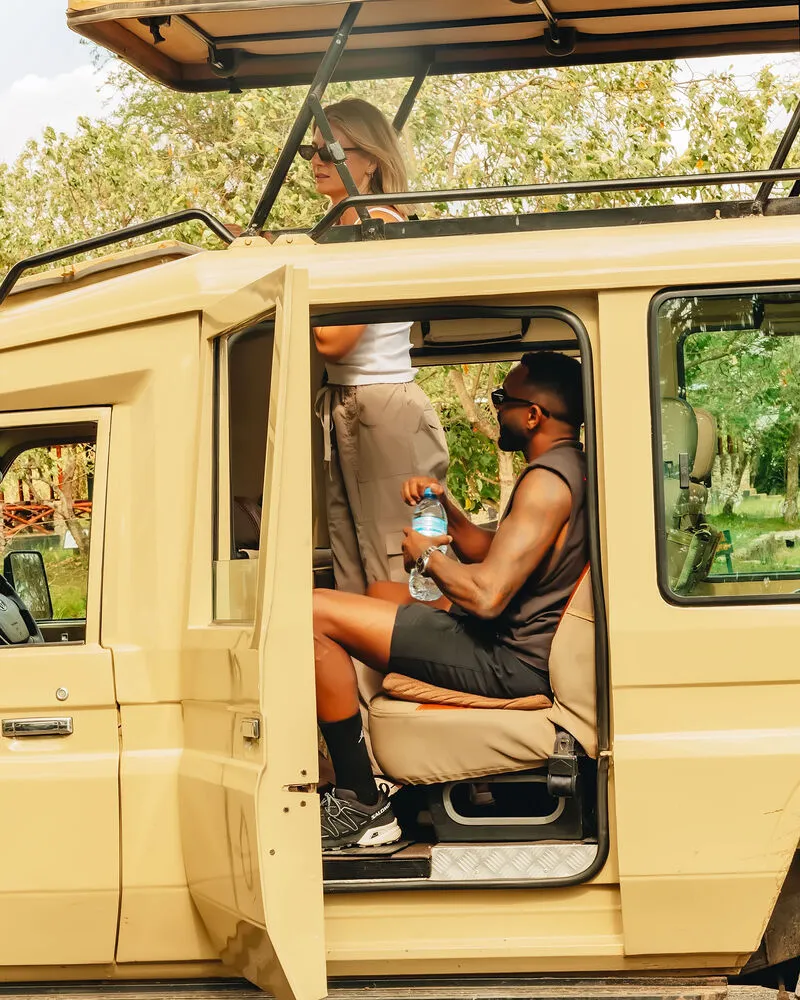
A private safari means your own 4WD and your own driver-guide. You set the pace, you stop as long as you want at a leopard in a tree, and the day bends around what you want to see. The guide is the single biggest factor in how much you understand and how much you see, and a good private guide transforms the trip.
A group safari is cheaper, and it can be social and fun. The catch is fixed departure times, a fixed itinerary, and sharing the vehicle (and the game-drive priorities) with strangers. If someone else wants to push on while you'd happily watch the lions for another half hour, the group wins.
For a once-planned, long-haul first trip, most of our clients choose private. If budget is the deciding factor, a small-group set-departure is a reasonable compromise. Either way, the guide quality matters more than almost anything else.
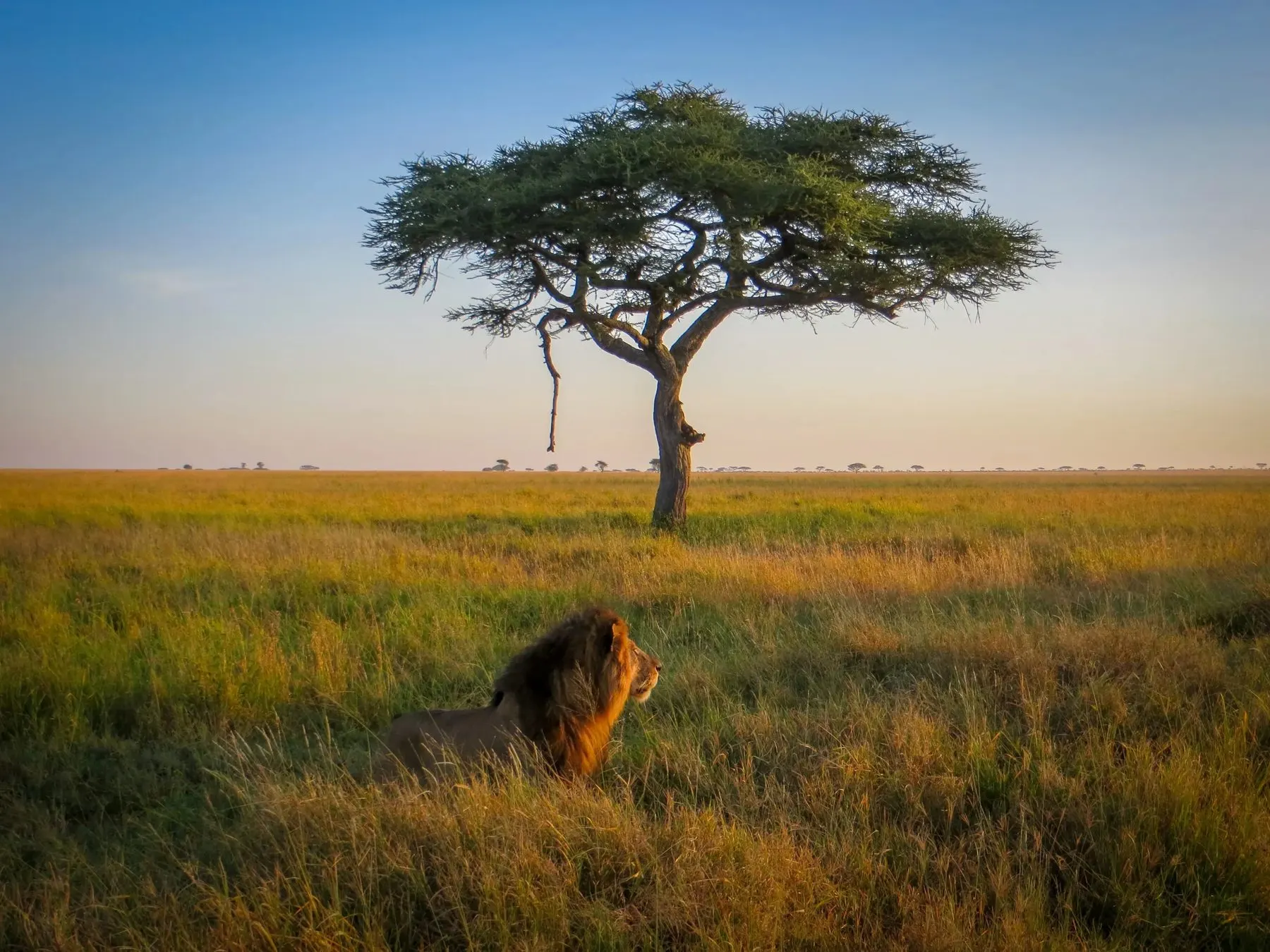
What to Expect on Safari
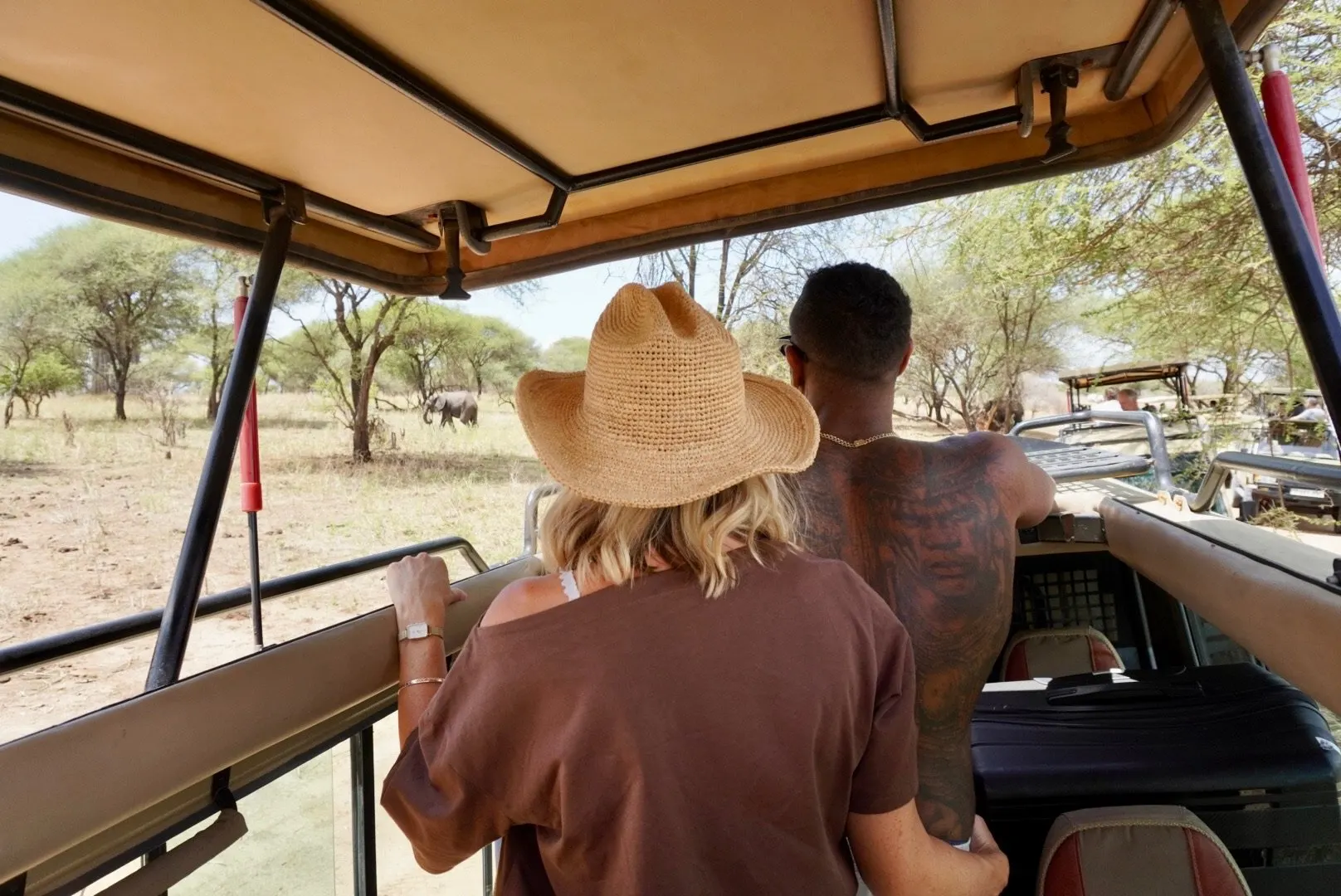
A safari day has a rhythm that surprises most first-timers. You're up before dawn for the morning game drive, because that's when the animals are most active and the light is best. Back to camp mid-morning for a proper breakfast, a rest through the heat of the day, then out again in the late afternoon as it cools. Sundowner drinks somewhere with a view, then dinner under the stars.
A few things worth knowing before you go:
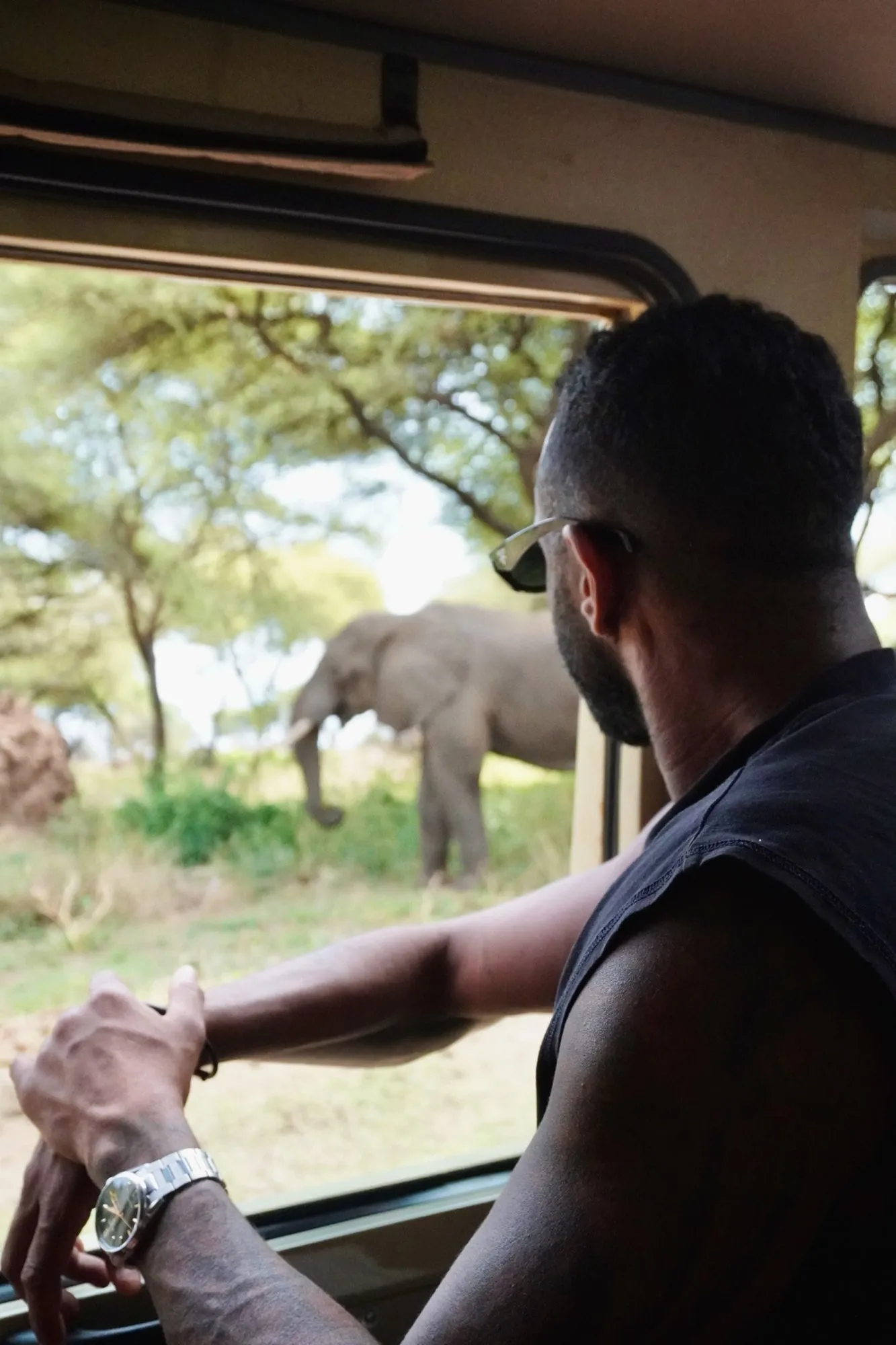
- You won't see everything every day, and that's normal. Wildlife is wild. Some drives are quiet, then you round a corner into a kill or a crossing. The patience is part of it
- Camps are more comfortable than you'd think. Even canvas tented camps have proper beds, en-suite bathrooms and hot water. This isn't roughing it
- It can be cold at dawn. The plains are high, and early morning drives are chilly even near the equator. Layers matter. Our packing list walks through exactly what to bring
- Tipping is expected. Budget around USD 15 to 25 per person per day for your guide, with tips paid in Tanzanian Shillings on the ground from a local ATM
Common First-Safari Mistakes
These are the ones we see most often, and they're easy to avoid once you know about them.
- Too many parks, too few days. Three parks in five days means more time packing and transferring than watching wildlife. Slow down
- Booking peak migration season for a generalist first trip. July to September is spectacular but it's the most expensive and busiest window. If the Mara River crossings aren't your specific goal, shoulder season is calmer, cheaper, and the game viewing is still superb
- Skipping travel insurance with evacuation cover. A helicopter evacuation from the Serengeti can run into tens of thousands of dollars. A comprehensive policy is non-negotiable
- Booking through a Western aggregator. Many first-timers book through a US or UK site that ranks well in search, then pay 20 to 40 per cent more for the same camps and guides a direct operator uses. We explain how that margin stacks up in our Tanzania safari cost guide
- Worrying too much about safety. A well-run safari in Tanzania or Kenya is very safe. We cover the real picture in Is a safari safe?
What a First Safari Costs from Australia
Costs vary with the camps you choose and the season you travel, but here's a realistic orientation. The figures below are for a 7-night Tanzania Northern Circuit, private vehicle and guide, flying the Serengeti sectors, based on two people travelling together. They don't include international flights from Australia.
| Tier | Accommodation Style | Cost Per Person (AUD) |
|---|---|---|
| Comfortable mid-range | Permanent tented camps and lodges, en-suite, strong locations | from $9,500 |
| Premium | Established luxury camps, superior locations and service | higher again |
| Luxury | Top-tier camps, private concessions, full exclusivity | premium pricing |
Two people travelling together brings the per-person cost down because the vehicle and guide are shared. Solo travellers pay more due to single supplements and the fixed cost of a private vehicle. Groups of three or four can lower the per-person figure again.
A note on numbers: Every trip is custom-quoted from scratch based on your dates, group size and camp choices, so treat the above as a starting orientation rather than a fixed price. We quote in both AUD and USD and lock in rates at booking.
For a full breakdown of what drives the price and where Australians commonly overpay, read our honest Tanzania safari cost guide.
How We Help First-Timers
Kingse Safaris is an Australian-owned, Tanzania-based operation. We design the trip, we run the ground logistics, and our guides are our own team. There's no aggregator margin between you and the camps, and you're planning with someone who's actually walked these parks rather than reading from a brochure.
For a first safari, that matters. You'll get honest advice on where to go for your dates, which camps suit you, and what's genuinely worth the spend versus what isn't. Use our cost estimator for a starting point, or get in touch and we'll build a real itinerary around your trip, with actual numbers, within 24 hours.
Frequently Asked Questions
Which country is best for a first safari?
For most first-timers, Tanzania's Northern Circuit or Kenya's Masai Mara is the strongest pick. Both deliver reliable Big Five sightings, well-run camps, simple logistics and English-speaking guides. Tanzania pairs the Serengeti with the Ngorongoro Crater, where you can often see the full Big Five in a single morning, which is hard to beat for a first trip.
How many days do you need for a first safari?
Seven to ten days on safari is the sweet spot. That gives you time across two or three parks without rushing, room for a slow day, and a realistic shot at the wildlife you came for. Anything under five days feels rushed once you factor in arrival and departure travel.
Should a first-timer fly between parks or drive?
A mix usually works best. Drive the shorter, scenic legs near Arusha so you see the countryside, then fly the long Serengeti sectors to save two full days of rough road. Light aircraft transfers are part of the experience and let you spend your time on game drives rather than in transit.
Is a private safari worth it over a group trip for a first timer?
For the money Australians spend getting to Africa, a private vehicle and guide is usually worth it. You set the pace, stop as long as you like, and the guide adapts the day to what you want to see. Group safaris are cheaper but run fixed itineraries and shared interests, so you trade flexibility for cost.
How much does a first safari cost from Australia?
A seven-night Tanzania Northern Circuit at a comfortable mid-range level starts from around AUD 9,500 per person, based on two people travelling together, before international flights. Premium and luxury camps run higher. Every trip is custom-quoted, so the right number depends on your dates, group size and camp choices.
What are the most common first-safari mistakes?
The big ones are booking too many parks in too few days, choosing peak migration season for a generalist first trip when shoulder season is calmer and cheaper, skipping travel insurance with evacuation cover, and booking through a Western aggregator that adds 20 to 40 per cent margin on top of the same camps a direct operator uses.
Plan Your First Safari
Tell us about your trip
Your dates, your group, what you want from the experience. We'll come back with a real itinerary and real costs built around your specific trip, not a generic starting price.