It's the question almost every first-time guest asks, often before they ask about cost. You're about to fly to the other side of the world to sit in an open vehicle near lions and elephants, in countries you've only seen on the news. Of course you want to know if it's safe.
Here's the honest answer, from someone who runs these trips for a living: a well-run safari is one of the safest forms of adventure travel there is. The risks are real but small, and almost all of them are managed for you. The things people worry about most, the animals, are rarely the things that matter. Let me walk through all of it, properly, with nothing glossed over.
Wildlife: Safer Than You Think
This is the fear that gets the most attention and deserves the least. Wild animals are genuinely dangerous, but they pose almost no risk to a guest who follows three simple rules.
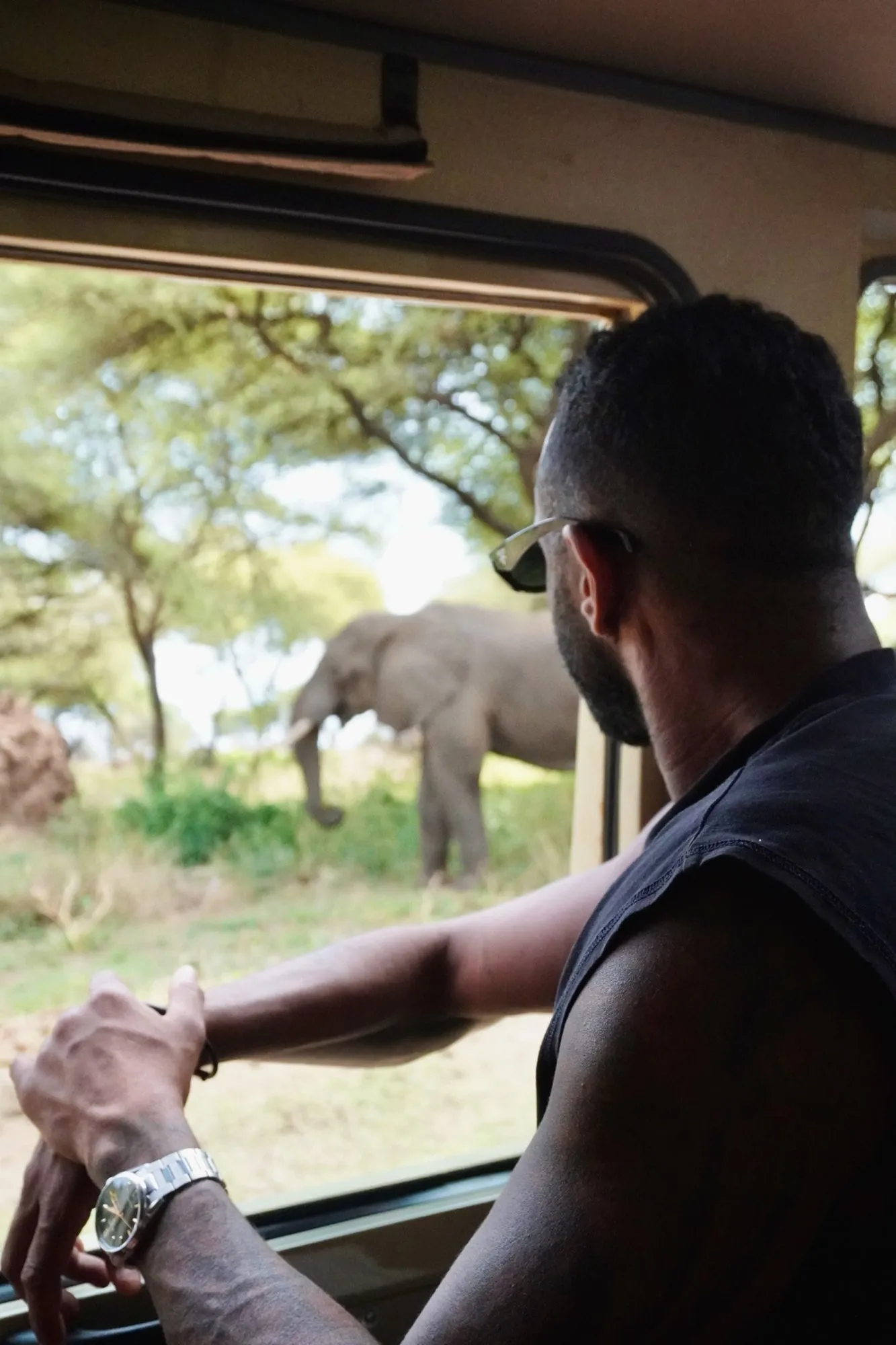
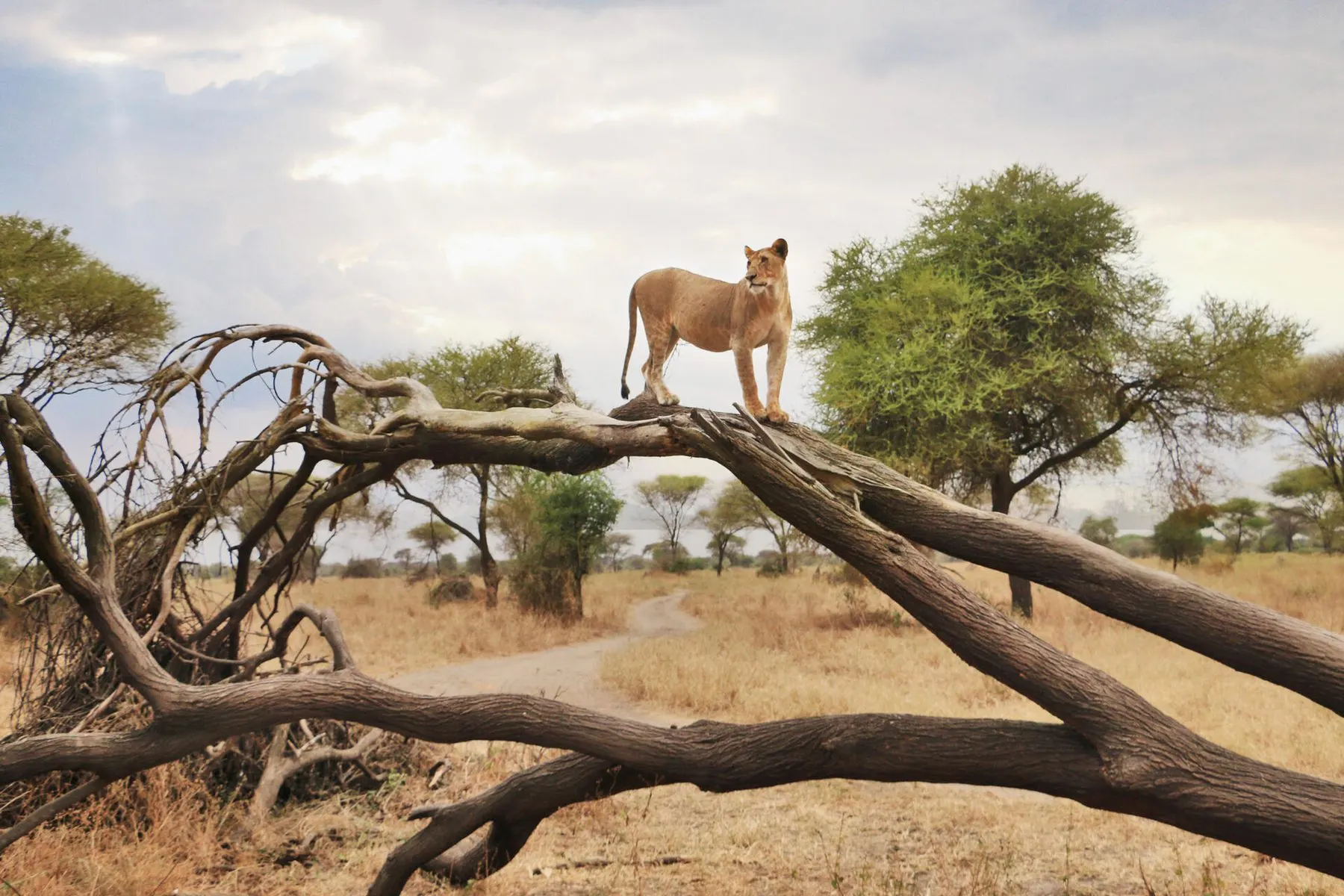
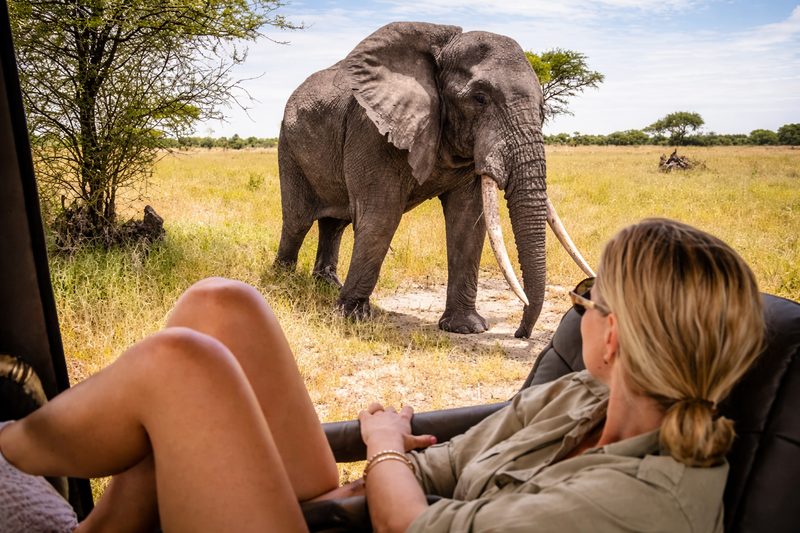
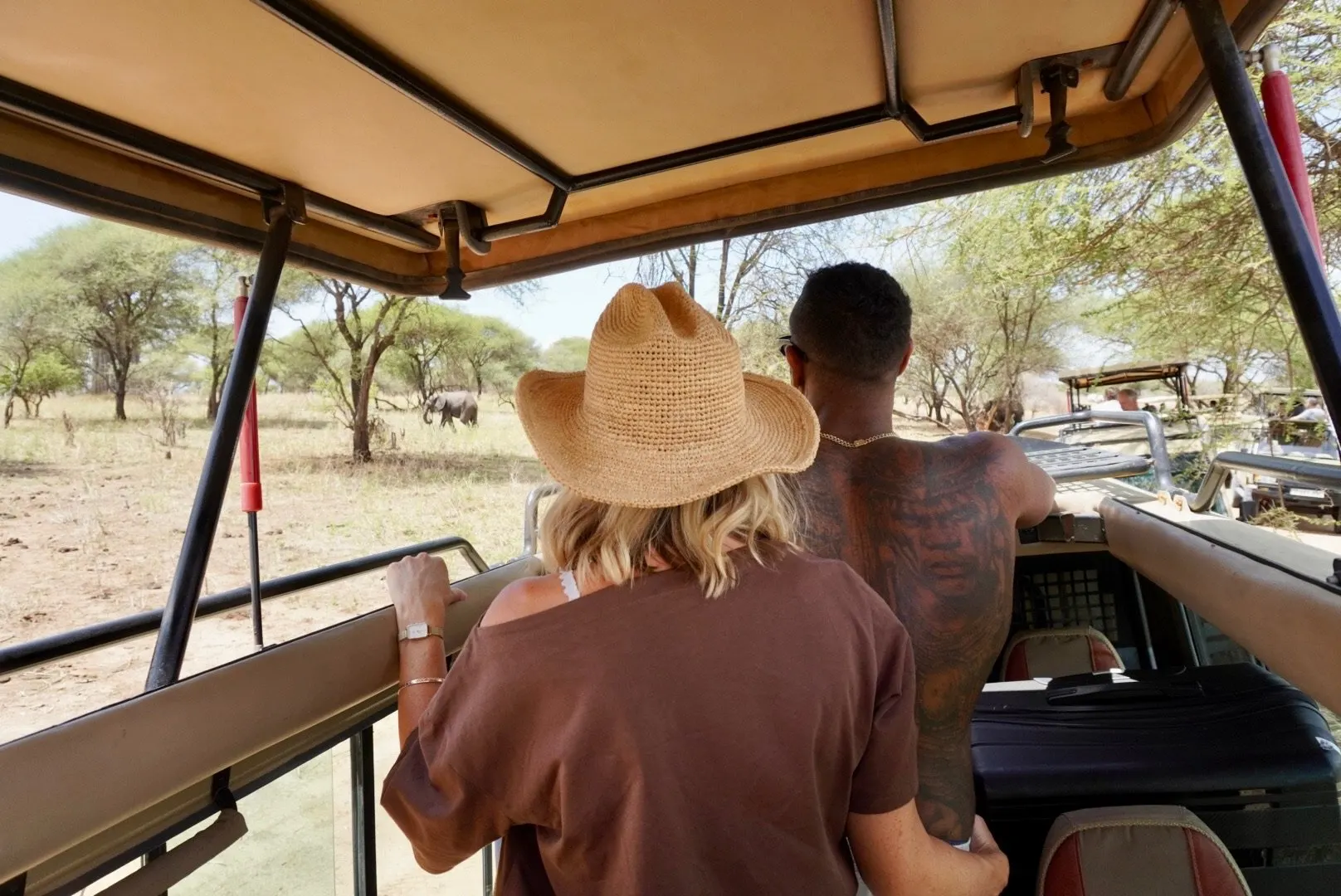
The first and most important: stay in the vehicle. From inside an open safari vehicle, the animals don't see individual people. They see the vehicle as one large object that has always been there and never bothers them, so they ignore it. Lions will walk right past, elephants will feed beside you, and none of it is dangerous as long as you stay seated and keep the human shape from breaking that outline. The moment someone stands up suddenly or steps out, that changes. So you don't.
The second rule: listen to your guide. Our guides have spent years reading animal behaviour. They know when a bull elephant is relaxed and when he's signalling to back off, and they position the vehicle accordingly. When your guide says sit down or stay quiet, it's not for show. That single relationship, you and a guide who knows what he's looking at, is the biggest safety factor on the whole trip.
The third: respect the camp rules at night. Many of the best camps sit in unfenced wilderness, which means animals can and do wander through. It sounds alarming and it's actually one of the most magical parts of the experience. The system that keeps it safe is simple: after dark, you don't walk between your tent and the main areas alone. You call, and a staff member with a torch escorts you. Decades of camps running this way, and it works.
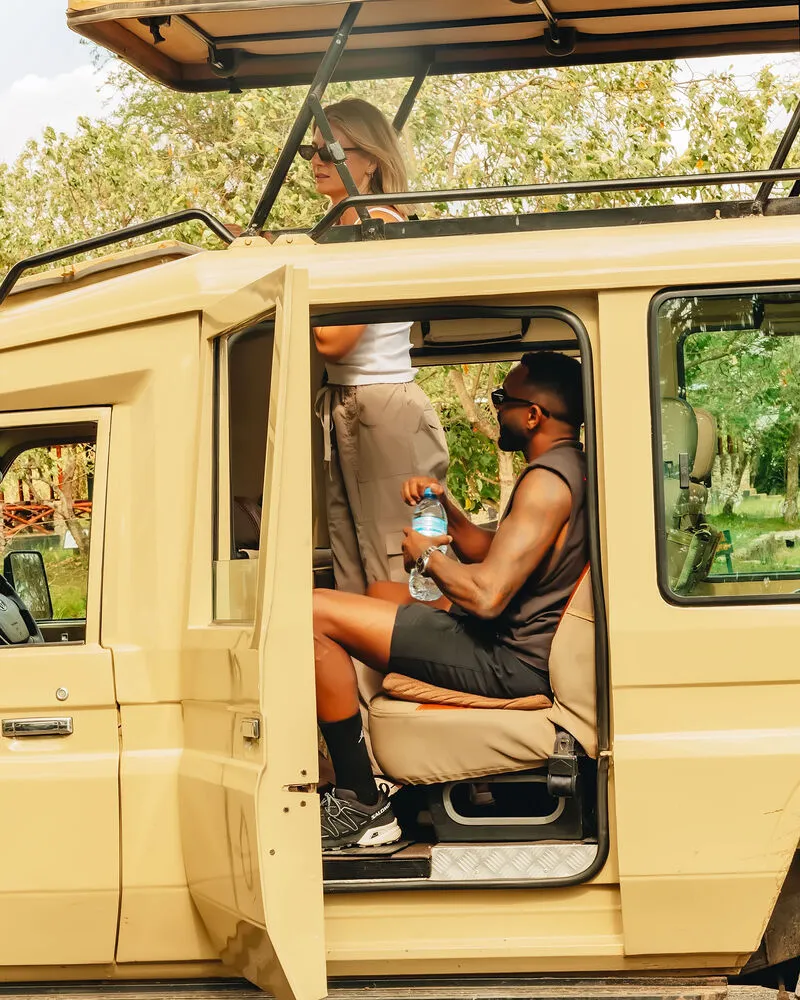
The reality check: Statistically, the most dangerous part of an African safari is the same as anywhere else in the world, the drive on the road, not the wildlife. We use experienced drivers and well-maintained vehicles for exactly that reason. The lions are the safe part.
Health: Where the Real Planning Goes
If wildlife is the overrated risk, health is the one that genuinely deserves your attention, and the good news is it's all manageable with a bit of preparation before you leave.
Malaria
Most East and Southern African safari areas carry some malaria risk, which is the single health item worth taking seriously. Higher-altitude areas like the Ngorongoro rim carry lower risk, but a typical safari moves through several zones, so take your full itinerary to a travel doctor and let them decide what you need. A telehealth appointment covers it in one call. Insect repellent at dusk and long sleeves in the evening help too.
Yellow Fever and Vaccinations
On yellow fever, we generally tell people the vaccine is worth having, as one shot lasts a lifetime, but your doctor always has the last say. Beyond that, you'll want your routine vaccinations up to date and your travel doctor may suggest others depending on your itinerary. None of it is exotic or difficult; it's a single appointment a few weeks before you fly. Take your full itinerary along, and check the official government site for each country you're entering for current entry rules.
Travel Insurance
This one's non-negotiable. Your policy must include emergency medical evacuation cover, because a helicopter evacuation from a remote park can cost tens of thousands of dollars without it. We won't take a guest who isn't properly insured. It's not red tape, it's the thing that turns a worst-case scenario into a manageable one.
Is It Politically Stable? An Honest Country-by-Country Look
This is the worry that comes from the news, and it's a fair one. Africa is a continent, not a country, and the picture varies enormously from one place to the next. Here's where we actually take people, and why.
- Tanzania: Stable, peaceful, and home to one of the world's most established safari sectors. The northern circuit has hosted travellers safely for decades
- Kenya: A mature, well-developed tourism industry. The safari regions are well away from the areas that occasionally make headlines, and conditions are continually monitored
- Rwanda: One of the safest and cleanest countries in Africa, with very low crime and an exceptionally well-organised tourism sector. Kigali routinely surprises first-time visitors with how orderly it is
- Botswana: Politically stable for decades, low population, and a high-value low-impact tourism model that keeps its wilderness pristine and well-managed
- Namibia: Stable, sparsely populated, and one of the easiest African countries for self-confident independent travel, though we still run it with our own ground team
The point that matters most: we only operate in stable regions, and we never route clients through active conflict zones. When you read about instability somewhere in Africa, it's almost always thousands of kilometres from where a safari actually happens, in a country we don't go to. We monitor conditions continually and we'll adjust or move an itinerary without hesitation if anything changes. Your safety isn't something we trade off against a booking.
Solo and Female Travellers
A surprising number of our guests travel solo, and many are solo women. Here's why a safari suits solo travel so well: you're never actually on your own. From the moment you land you're met, transferred privately, accommodated in vetted camps and lodges, and guided throughout. The structure of a safari removes nearly all the variables that make independent travel in an unfamiliar country feel risky.
You're not navigating public transport in a city you don't know or finding your own accommodation. You have a guide who knows the area, staff who know you're a single traveller and look out for you, and an operator a message away. Plenty of solo guests tell us it felt safer than travelling alone through parts of Europe.
Families and Children
Safari can be wonderful for families, with a couple of honest caveats. Most camps and operators set minimum age limits for game drives, and gorilla trekking has a firm minimum age of 15. Younger children may be restricted from certain activities or lodges, and very long days in a vehicle can be hard on small kids.
That said, plenty of camps are genuinely family-friendly, with shorter drives, family tents, and guides who are brilliant at keeping children engaged. The wildlife safety rules are the same for everyone: stay in the vehicle, listen to the guide, follow the camp rules at night. With the right itinerary built around your children's ages, a family safari is safe and often the trip the kids remember for the rest of their lives. We design these carefully rather than dropping a family into an adults-oriented itinerary.
What the Australian Government Says
If you're Australian, the sensible first stop is Smartraveller, the government's travel advisory service. We'd encourage every guest to read the current advice for whichever countries they're visiting before they travel, and to register their trip there.
Advisory levels shift over time and vary by region within a country, so we won't quote you a specific level here that might be out of date by the time you read this. The general picture is that the established safari countries are routinely visited by Australians without issue, and Smartraveller's advice typically reflects that, with sensible region-specific notes. Read the current advice for your route, take the standard precautions any traveller should, and you'll find the reality matches the reassurance.
The Simple Truth About Safari Safety
After years of running these trips, here's what it comes down to. The dangers people imagine, the lions, the elephants, the politics, are mostly not the real ones. The real risks are health-related and entirely manageable: see a travel doctor before you go, follow what they tell you, and travel properly insured. Do those three things, stay in the vehicle, listen to your guide, and a safari is about as safe as adventure travel gets.
The single biggest safety factor isn't a rule or a vaccine. It's who you go with. A good operator chooses stable regions, vets every camp, runs well-maintained vehicles, employs guides who genuinely know what they're doing, and won't put you anywhere they wouldn't put their own family. That's the difference between a trip that feels risky and one that feels, rightly, like one of the best things you'll ever do.
Travel With People Who Know
Kingse Safaris is an Australian-owned, Africa-based operation. We don't sell safaris from a brochure, we run them on the ground, which means your safety isn't an abstract policy. We choose where you go, who guides you, and where you stay, and we'll talk you through every safety question honestly before you commit a dollar.
If you've got a specific worry, about a country, about travelling solo, about taking the kids, get in touch and we'll give you a straight answer. No sales pitch, just the real picture so you can decide with confidence.
Got a Safety Question?
Ask us anything
Whether it's wildlife, health, a specific country, or travelling solo, tell us what's on your mind. We'll give you the honest picture so you can decide with confidence.