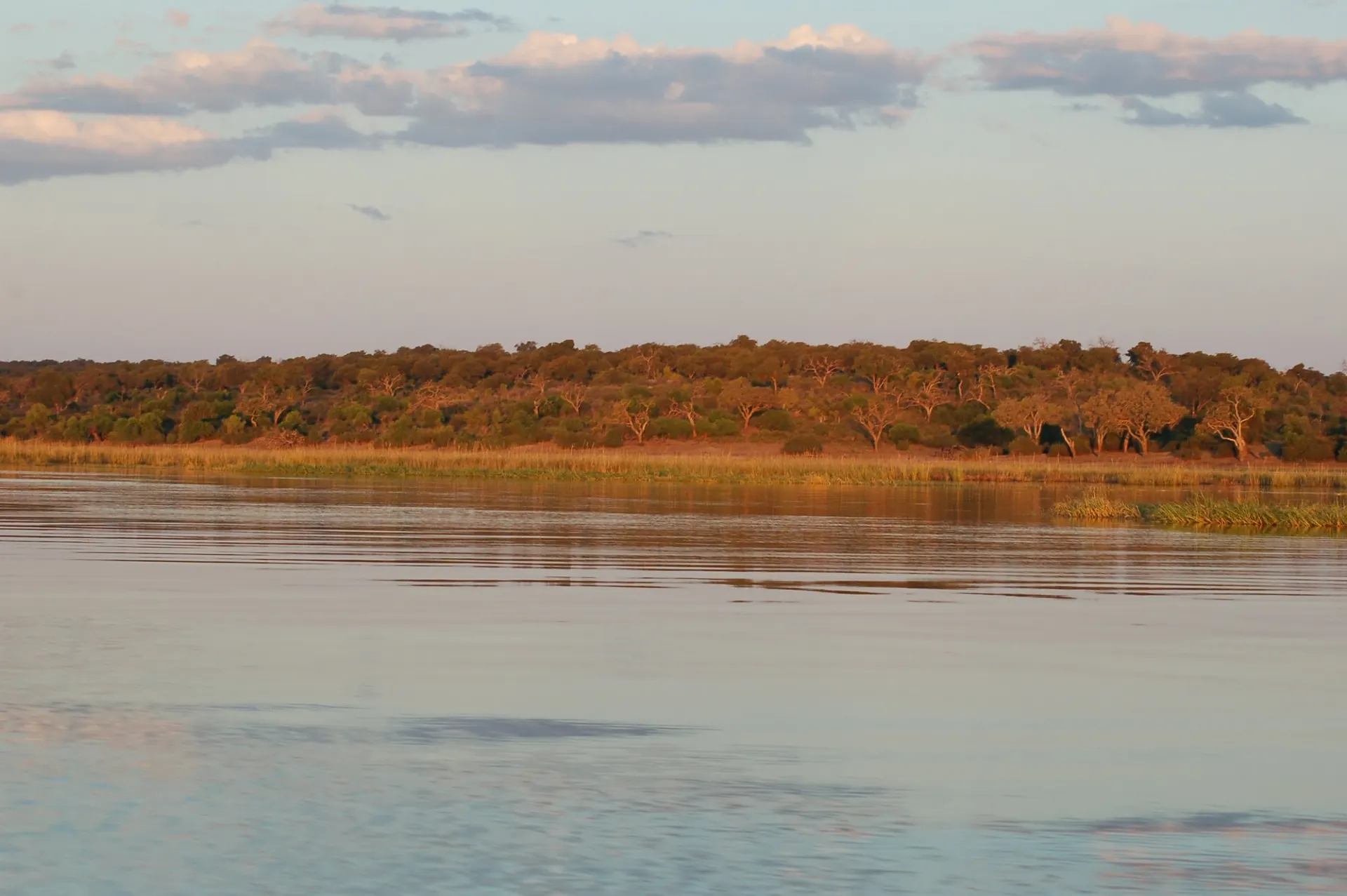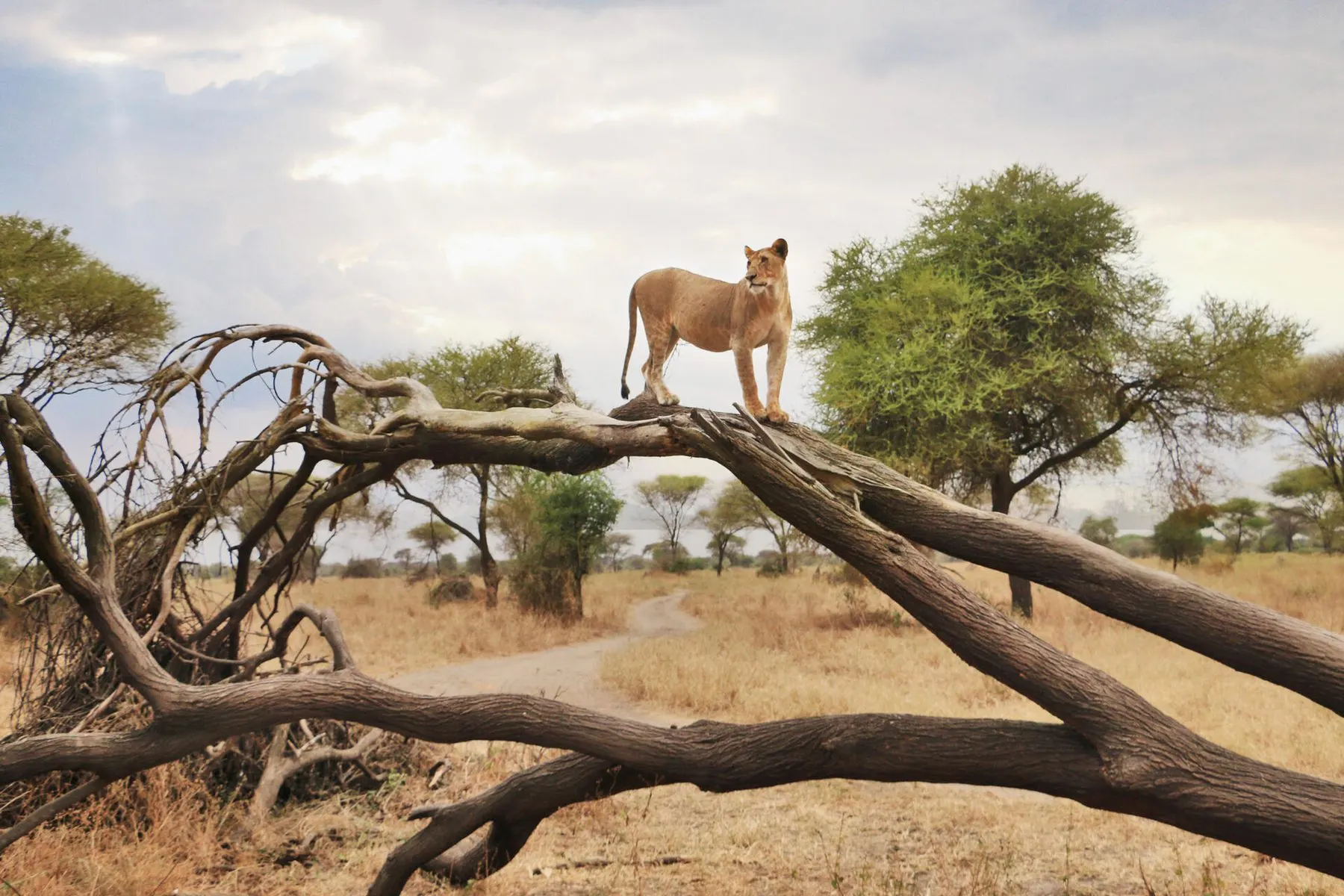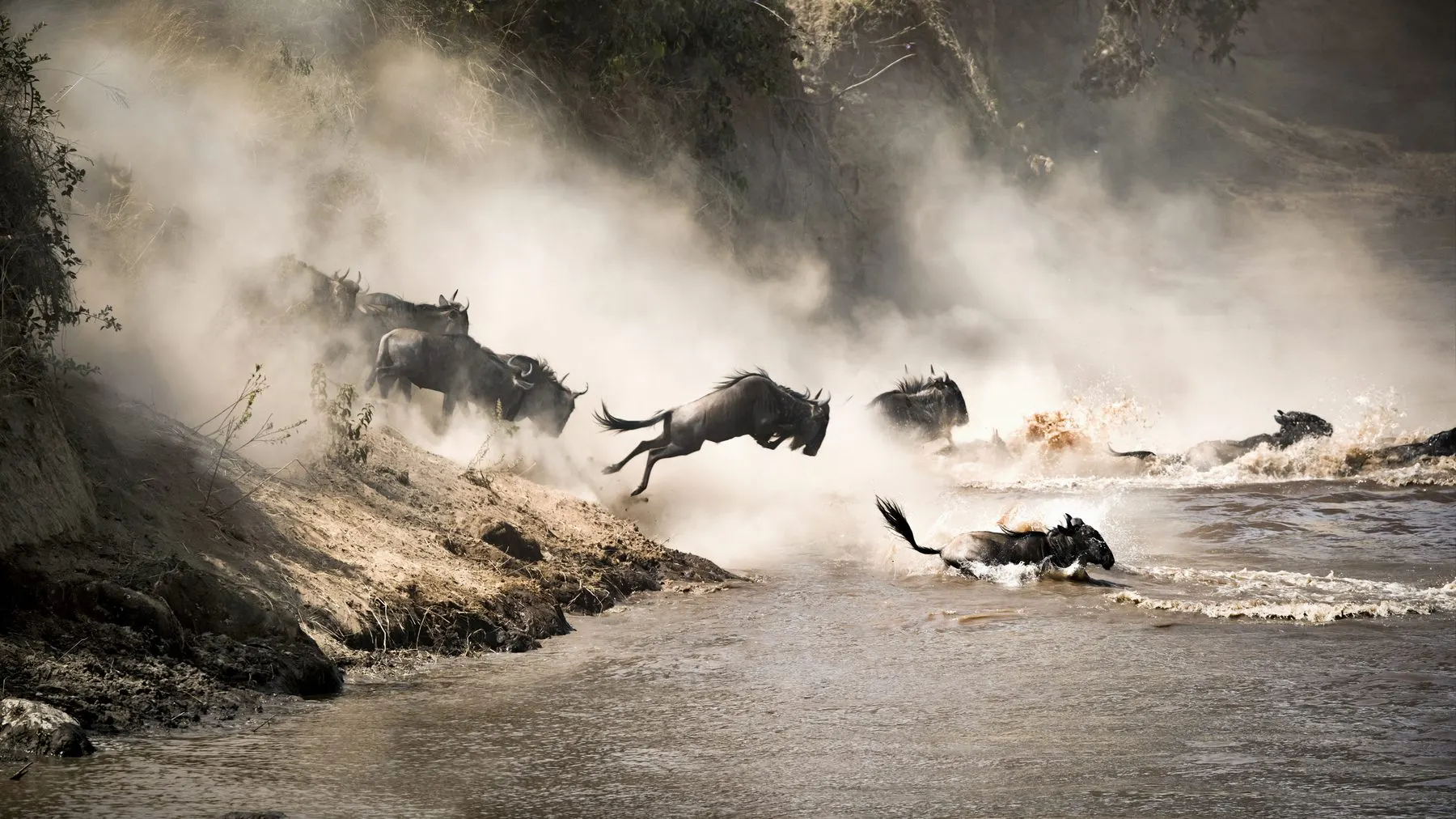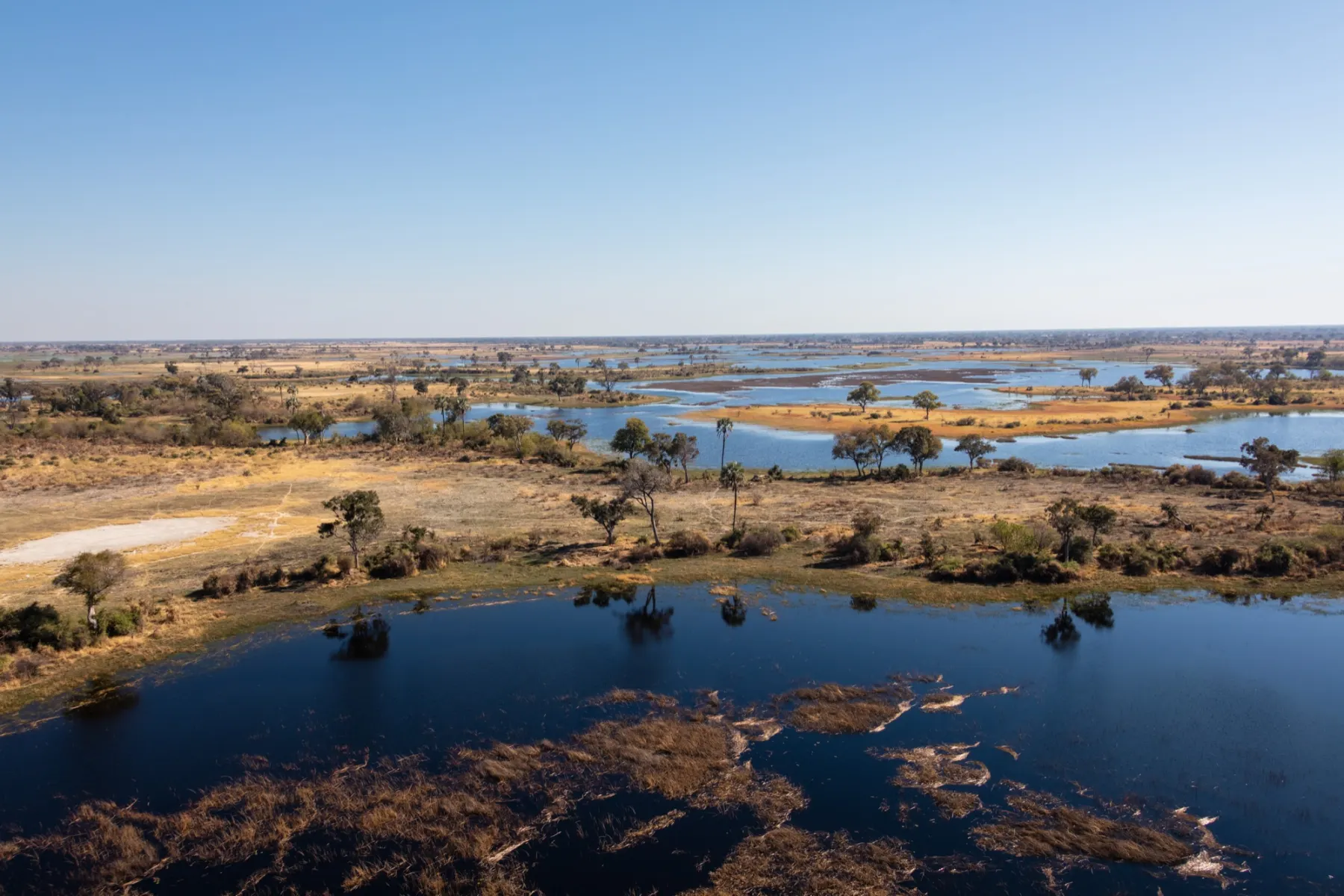
Botswana works as a safari destination every month of the year, but the experience changes completely depending on when you go. The country's signature draw, the Okavango Delta, has a flood cycle that doesn't follow the local rain at all, which throws a lot of first-time planners. Here's an honest look at each season, what you gain, what you trade, and who each window suits.
The Quick Answer
Best overall: July to August. The Okavango flood is at its peak, water-based safaris are in full swing, dry country concentrates the game, and Chobe's elephant herds are at their biggest. Best value: June and September, the shoulder months either side of peak, with most of the wildlife and noticeably lower prices. Best for newborns and birding: November to March, the green season.
The Okavango Flood: Why Botswana Is Different
Most safari countries are simple: rain comes, the bush gets green, then it dries out. Botswana has a second clock running on top of that, and it's the one that matters most for the Delta.
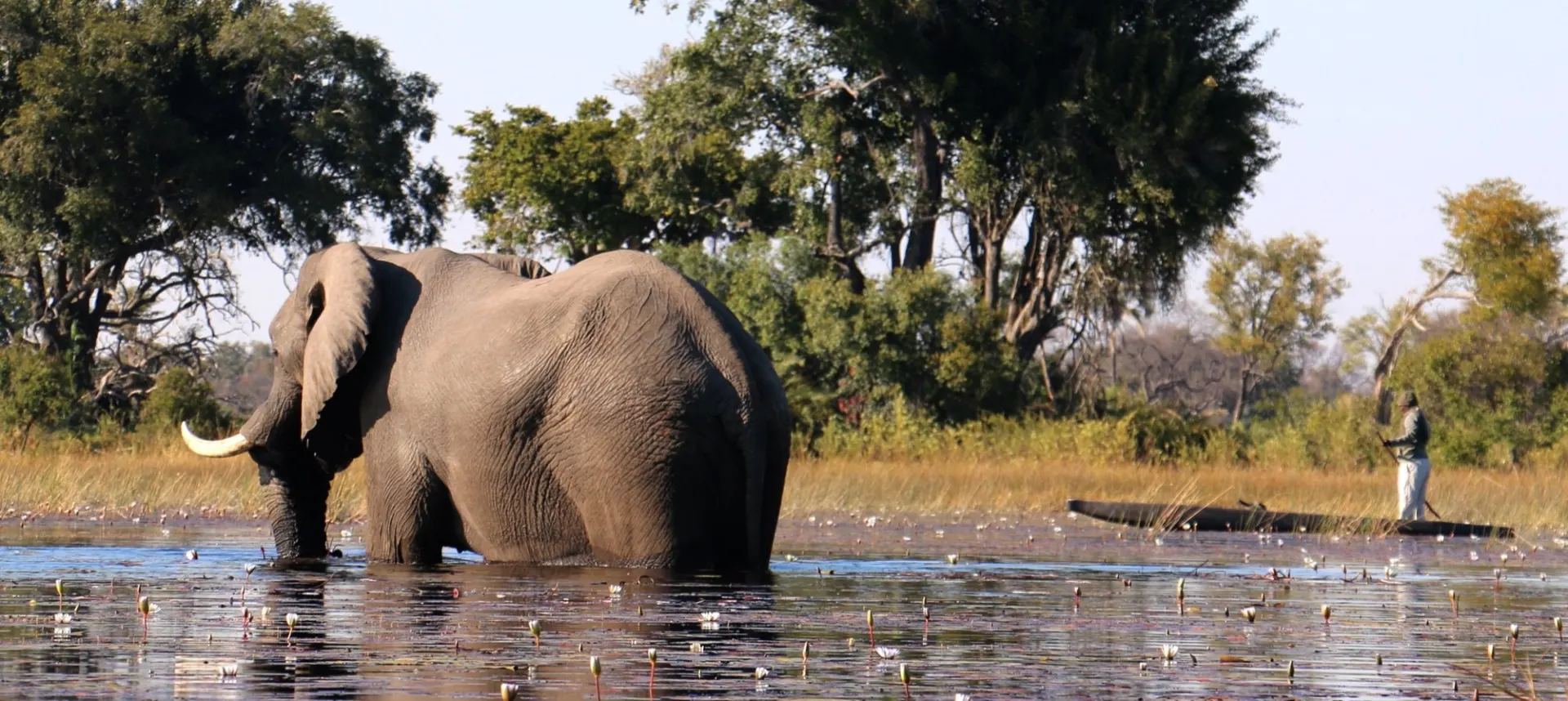
Rain falls on the Angolan highlands, hundreds of kilometres to the north, between December and March. That water then spills into the Okavango River system and takes weeks to creep south across the flat Kalahari sands. It usually starts reaching the Delta in May, builds through June, and peaks roughly July to August. So the Delta floods in the dry season, months after the local rain has already gone. That's the paradox that catches people out, and it's exactly why the dry winter months are the prime time for mokoro and boat safaris.
May to October: The Dry Season
This is Botswana's peak safari season and the reason most travellers come. As the inland pans and waterholes dry out, wildlife is pushed onto the permanent water of the Okavango channels and the Chobe and Linyanti rivers. Animals are easier to find, the vegetation thins so visibility improves, and the weather is reliable: cool mornings, warm clear days, almost no rain.
It's also the only time the full range of Delta activities lines up. The flood gives you mokoro trips and motorboat cruises through the channels, while the surrounding firmer ground keeps game drives running. You get land and water on the same trip.
The trade-offs: peak season (July to September) is the most expensive period, the best camps book out a year or more ahead, and Botswana's low-volume, high-value tourism model means there are fewer beds to begin with. A good operator locks in your camps early and times the water-based legs to the expected flood for your dates.
November to April: The Green Season
The summer rains arrive in November, usually as short, dramatic afternoon storms rather than all-day grey. The bush turns vivid green, migrant birds pour in, and the plains fill with newborns. This is Botswana's green season, and it's badly underrated.
In the Kalahari, the rains transform the Makgadikgadi and Nxai Pan region. Zebra move in for the second-largest zebra migration in Africa, calving happens through January and February, and the predators follow. Birding peaks across the whole country, with breeding plumage and huge numbers of migrants. Prices drop significantly, sometimes 30 to 40 percent below peak, and you'll often have sightings entirely to yourself.
The trade-offs are real. The Delta flood has receded, so water activities are limited or off the table in many camps. Vegetation is thick, which makes spotting harder. Afternoon storms can interrupt drives, and a few remote camps close for the wettest weeks. This window suits photographers chasing dramatic skies, birders, families travelling in school holidays, and return visitors who've already done the classic dry-season trip. It's not the first choice for a first safari.
By Region: When to Go
Okavango Delta
Best June to October, when the flood is in and you can combine mokoro, boat cruises and game drives. July and August are the peak water months. In the green season the Delta is quieter and cheaper but increasingly land-based as the flood recedes. We match each camp to the expected water levels for your dates, because a low-flood year changes which camps still offer genuine water activities.
Moremi Game Reserve
Best May to October. Moremi sits inside the eastern Delta and combines dry land with permanent water, so it holds excellent game year-round and is one of the strongest Big Cat areas in the country. Wild dog sightings are a highlight. The dry season concentrates wildlife and keeps the tracks passable.
Chobe National Park
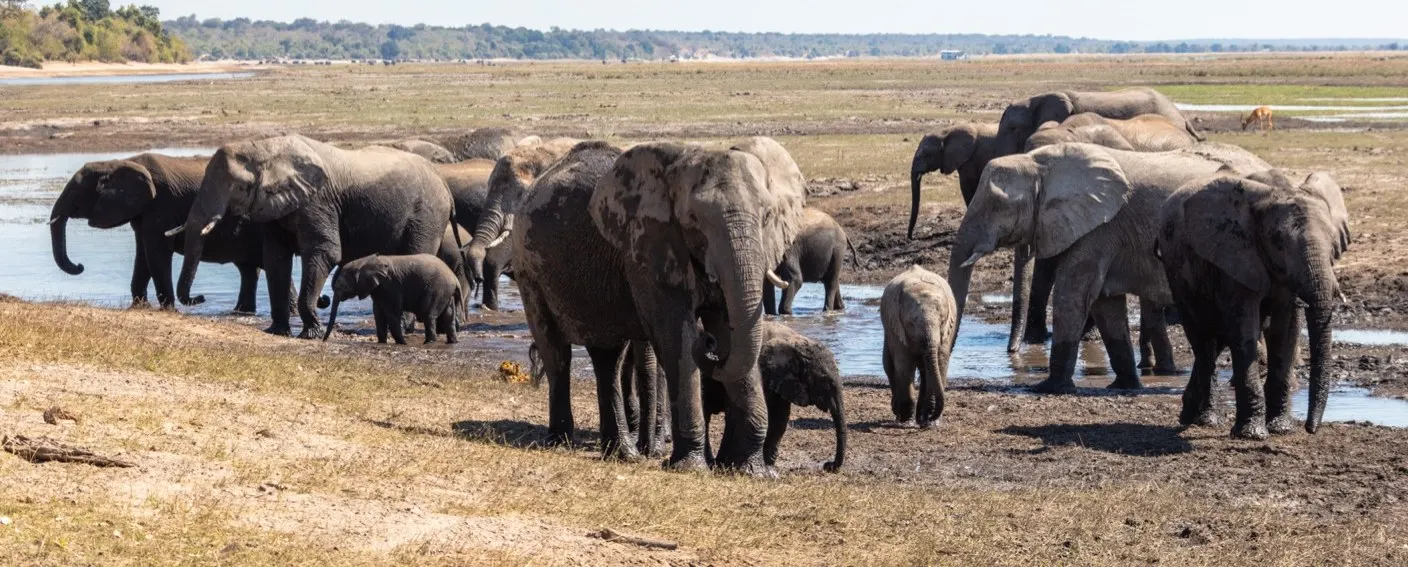
Best May to October for the famous Chobe River elephant gatherings. As the interior dries, herds of hundreds come down to drink, and the afternoon boat cruises are among the best wildlife experiences in Africa. The green season is good for birding and dramatic light, but the dry season is when Chobe is at full strength.
Kalahari, Makgadikgadi and Nxai Pan
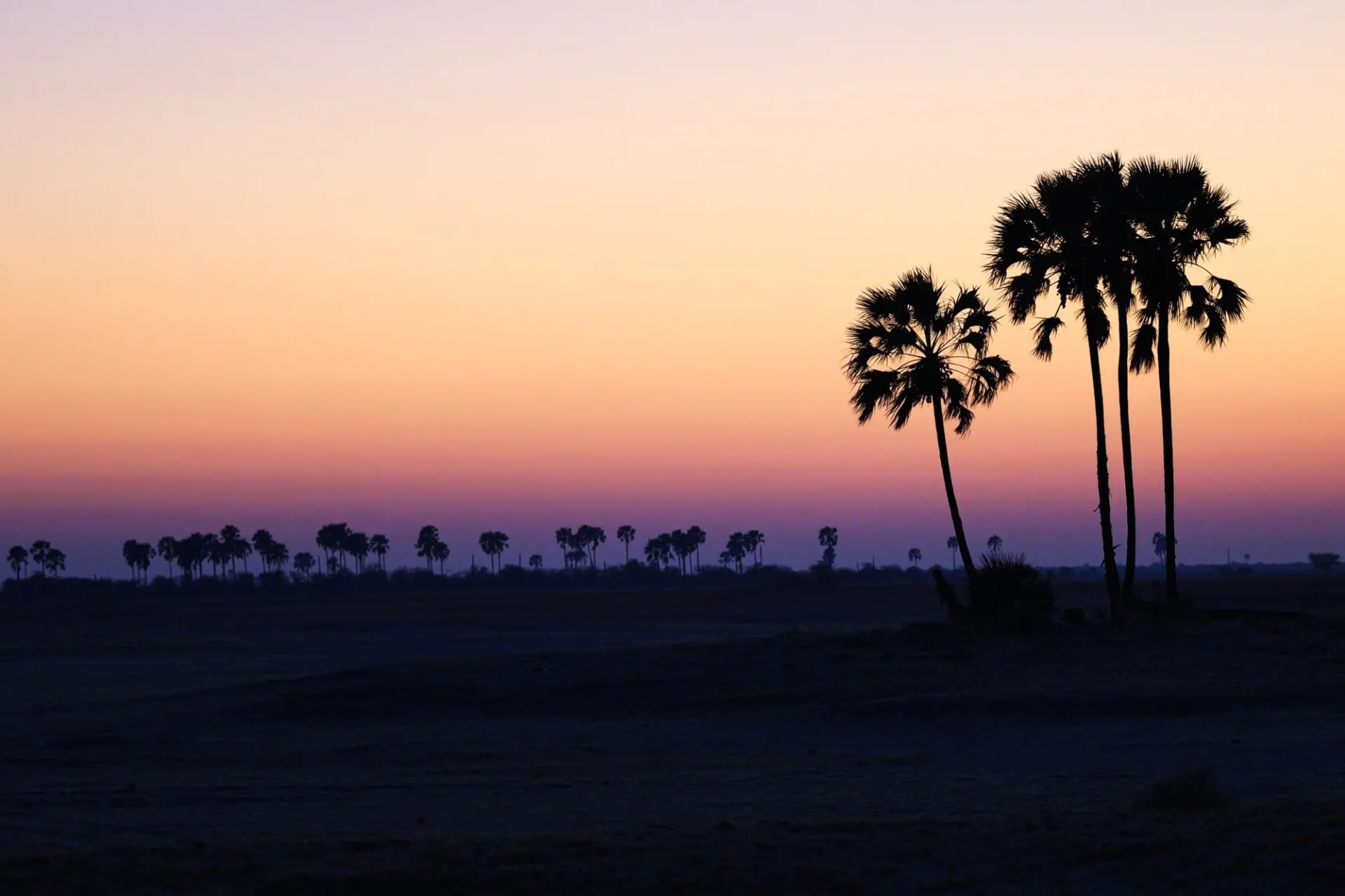
This is the one region that flips the script. The Kalahari is best in the green season, November to April, when the rains green the pans, the zebra migration arrives, and calving brings the predators. In the dry season the pans are stark and the wildlife disperses, though the desert-adapted species and the open horizons have their own appeal year-round. A short Kalahari leg pairs beautifully with a Delta trip in the shoulder months.
Practical Planning Considerations
How far in advance should I book?
Botswana runs a low-volume model with limited beds, so it books out earlier than most countries. For July to September peak season, 12 to 18 months ahead for first-choice camps. For the shoulder months (May, June, October), 9 to 12 months is sensible. For the green season, 6 months is usually fine.
What about flights?
From Australia, the cleanest routing is via Johannesburg, then a short hop to Maun (the Delta gateway) or Kasane (for Chobe). Nairobi or Addis Ababa also connect through to the region. Internal light-aircraft transfers between camps are a defining part of a Botswana trip, and we build those into your itinerary.
What should I know about the weather?
Dry-season nights, especially June and July, get genuinely cold on open game vehicles and boats, so warm layers matter. October is the hottest month before the rains break. Green-season storms are usually brief and clear quickly, but a light rain shell is worth packing.
Frequently Asked Questions
What is the best month to visit Botswana?
July to August is the single best window for most travellers. The Okavango flood is at its peak, water levels are high enough for mokoro and boat safaris, and the surrounding dry country pushes wildlife to the permanent channels. Chobe is outstanding for elephants at the same time. If you want the wildlife without the peak-season prices, June and September are excellent shoulder months.
When does the Okavango Delta flood?
The flood comes from rain that falls in the Angolan highlands between December and March, then travels south for weeks. It usually starts reaching the Okavango in May, builds through June, and peaks roughly July to August. This is the paradox of the Delta: the water arrives in the dry season, months after the local rain has gone.
Is the dry or green season better for Botswana?
The dry season (May to October) is best for classic game viewing, water-based safaris on the flooded Delta, and reliable weather. The green season (November to April) is better for newborn animals, dramatic skies, birding and lower prices. Most first-time visitors choose the dry season; repeat visitors and photographers often prefer the green season.
When is the best time to visit Chobe National Park?
May to October. As the inland pans dry out, enormous elephant herds, sometimes hundreds at a time, concentrate along the Chobe River. The afternoon boat cruises in this window are some of the best in Africa. The green season is quieter and good for birding, but the dry season is when Chobe is at its most spectacular.
When can you do a mokoro safari in the Okavango?
Mokoro (traditional dugout canoe) safaris need water in the channels, so the best months are roughly June to October when the flood is in. In a low-flood year some inner-Delta camps may have limited water earlier or later. We match each camp to the expected water levels for your dates so you get genuine water activities, not a dry channel.
Is Botswana good for a green-season safari?
Yes, if you know what you're booking. November to April brings afternoon storms, lush landscapes, migrant birds and zebra calving in the Kalahari. Prices drop and camps are quiet. The trade-off is thicker vegetation and the chance of rained-out drives. It suits photographers, birders and return visitors more than a first safari.
Ready to Experience This?
Let us plan your trip
Every safari we build is tailored to you, the right camps at the right time, guides who know exactly where the water and the game will be. Tell us your dates and try the trip estimator, and we'll take it from there.