Serondela & the Chobe Riverfront
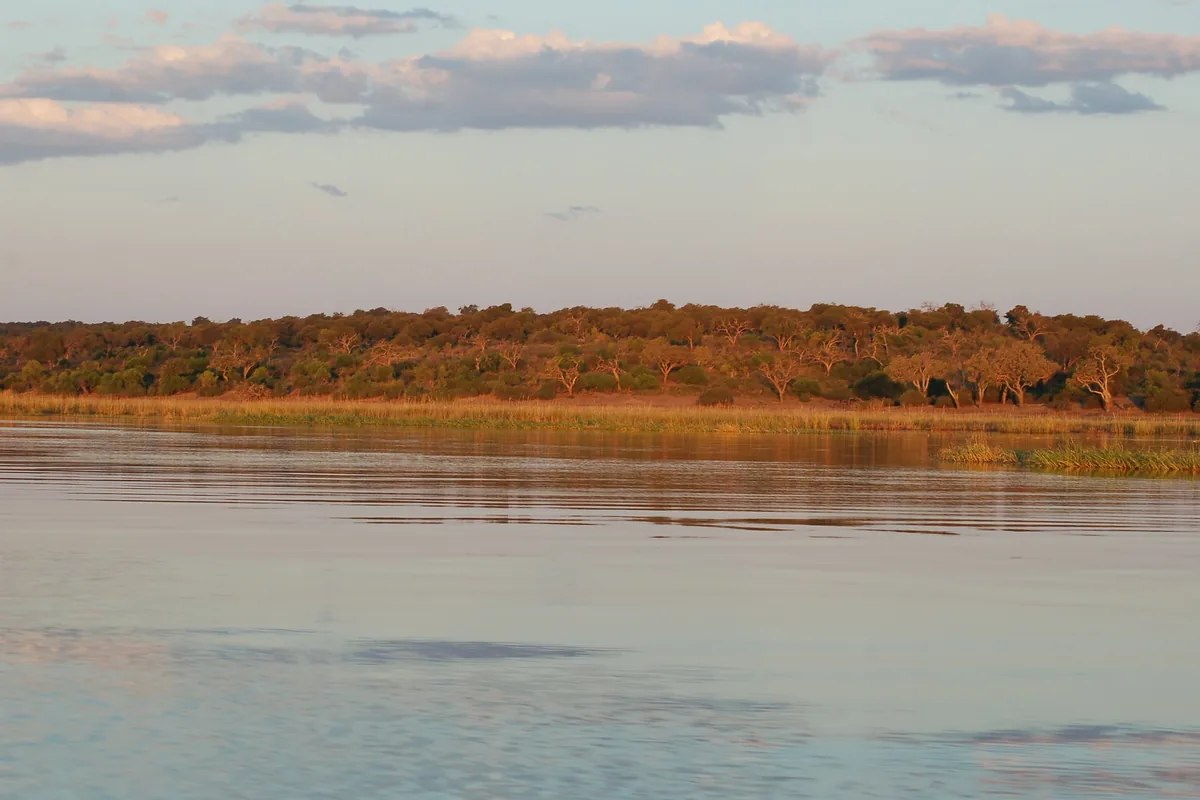
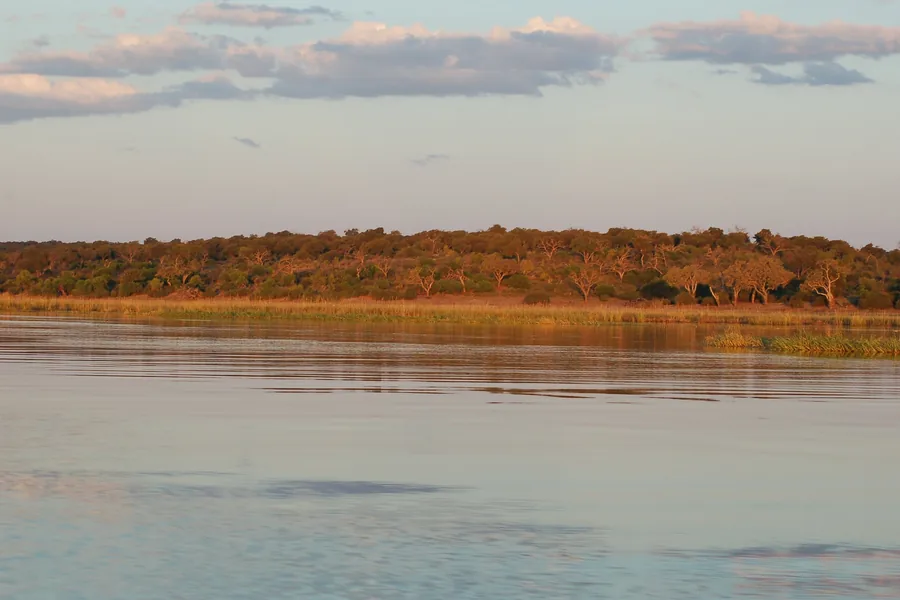
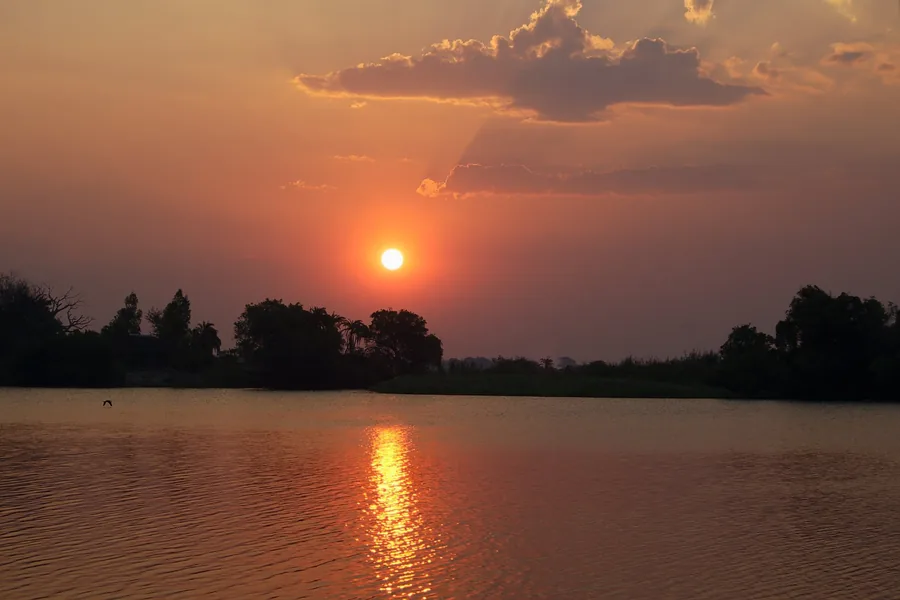
The greatest concentration of elephants on the continent, drawn to a single river, best seen from a boat at golden hour.
Botswana · Serondela · Savuti · Linyanti
~130,000 elephants · Riverfront game drives · Boat safaris
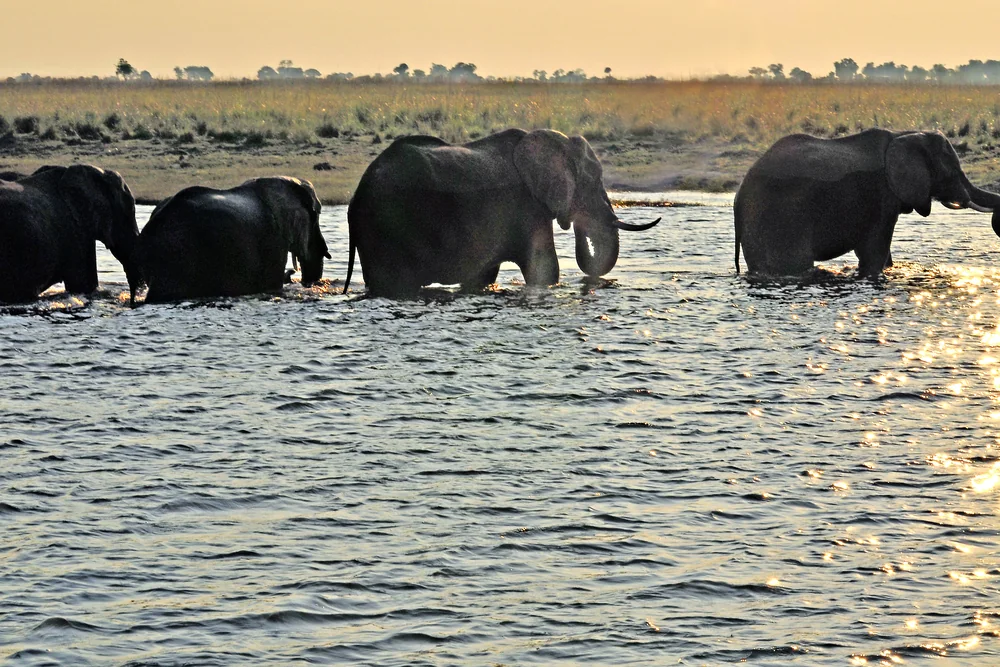
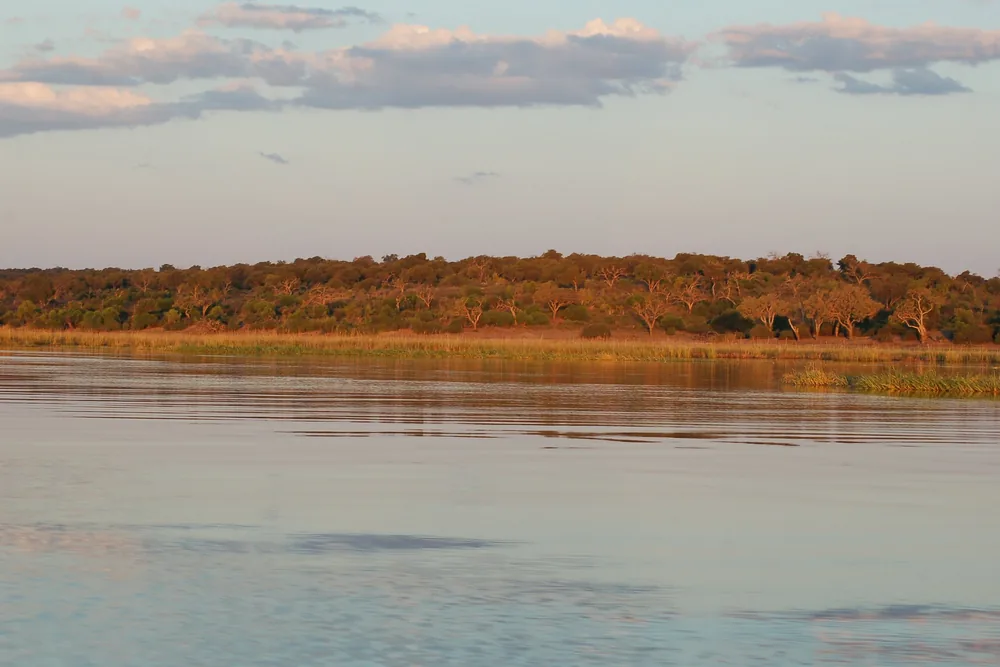
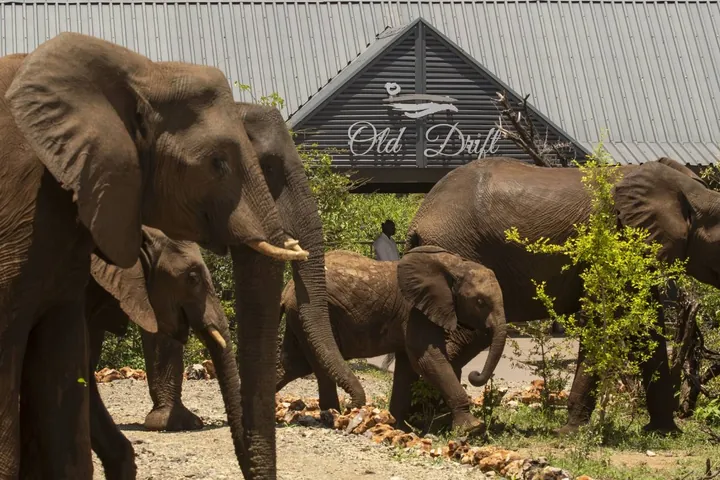
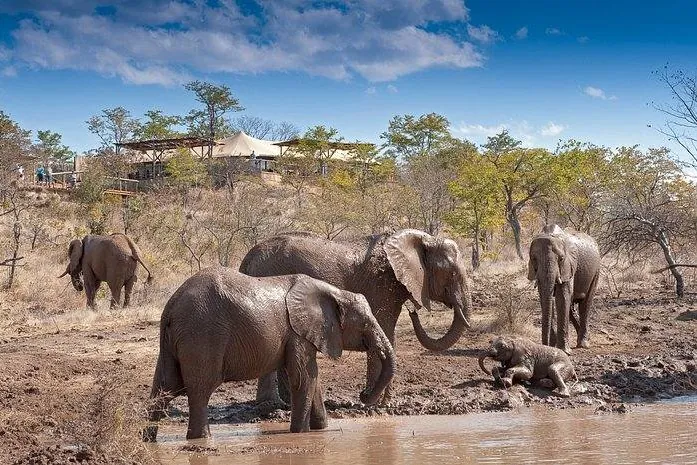
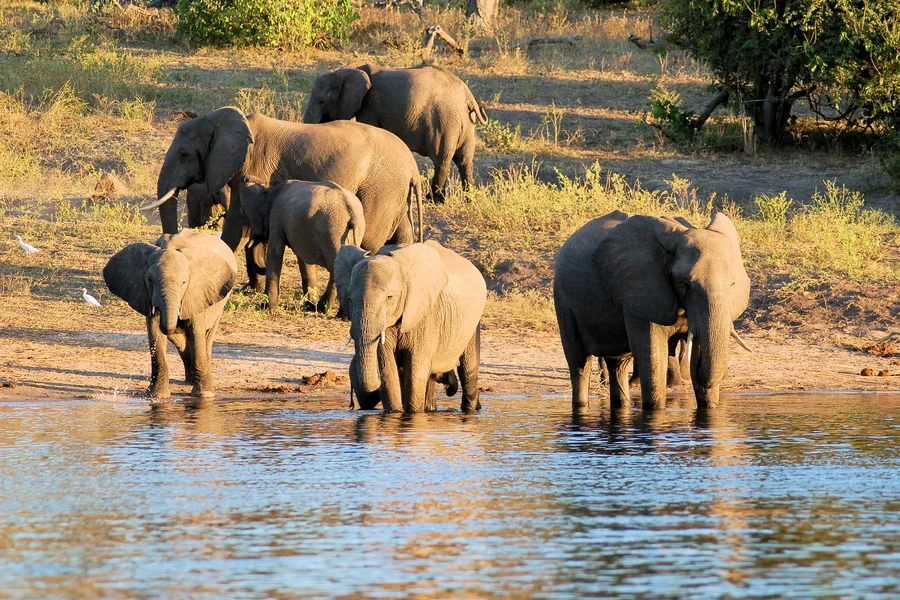
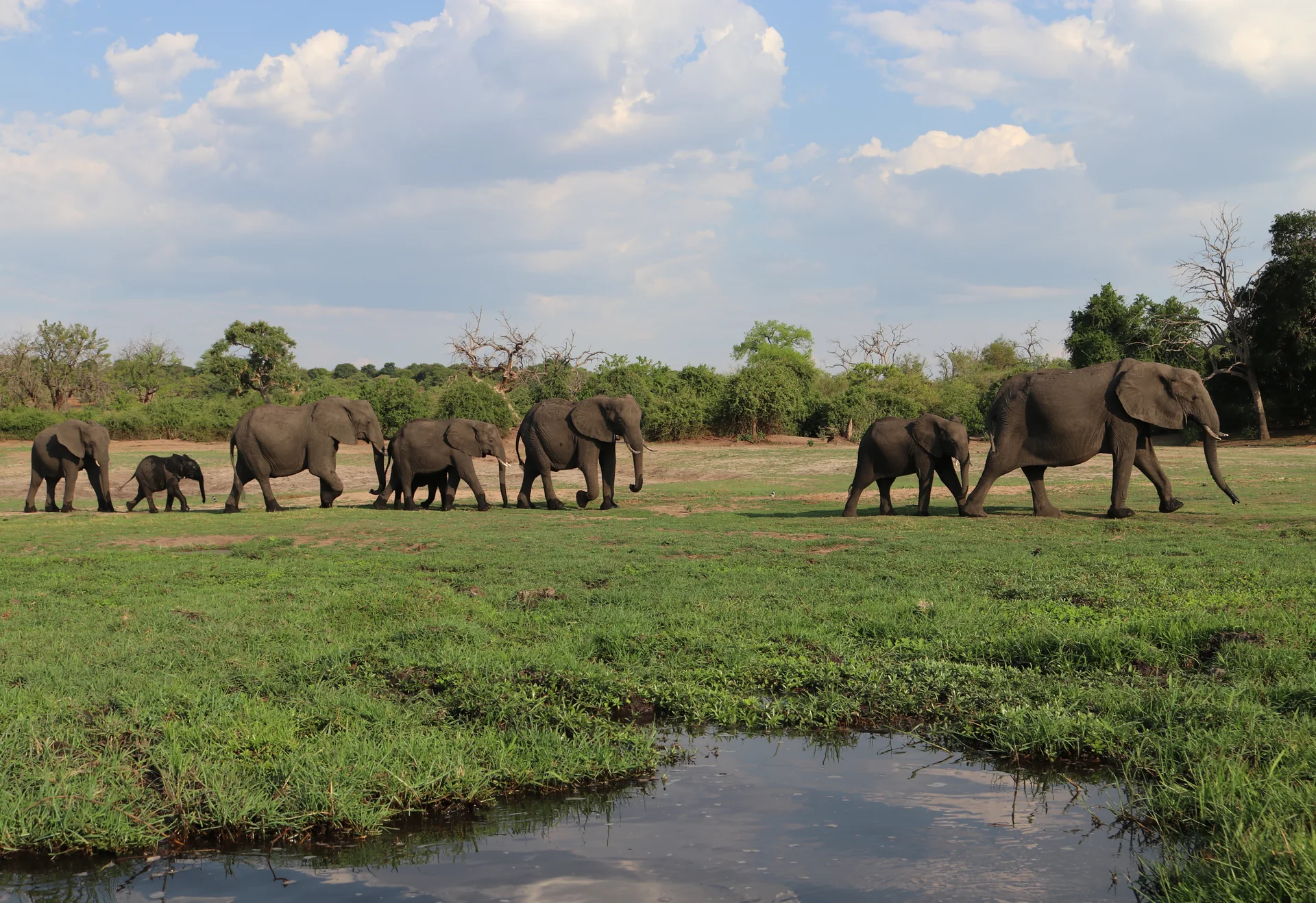
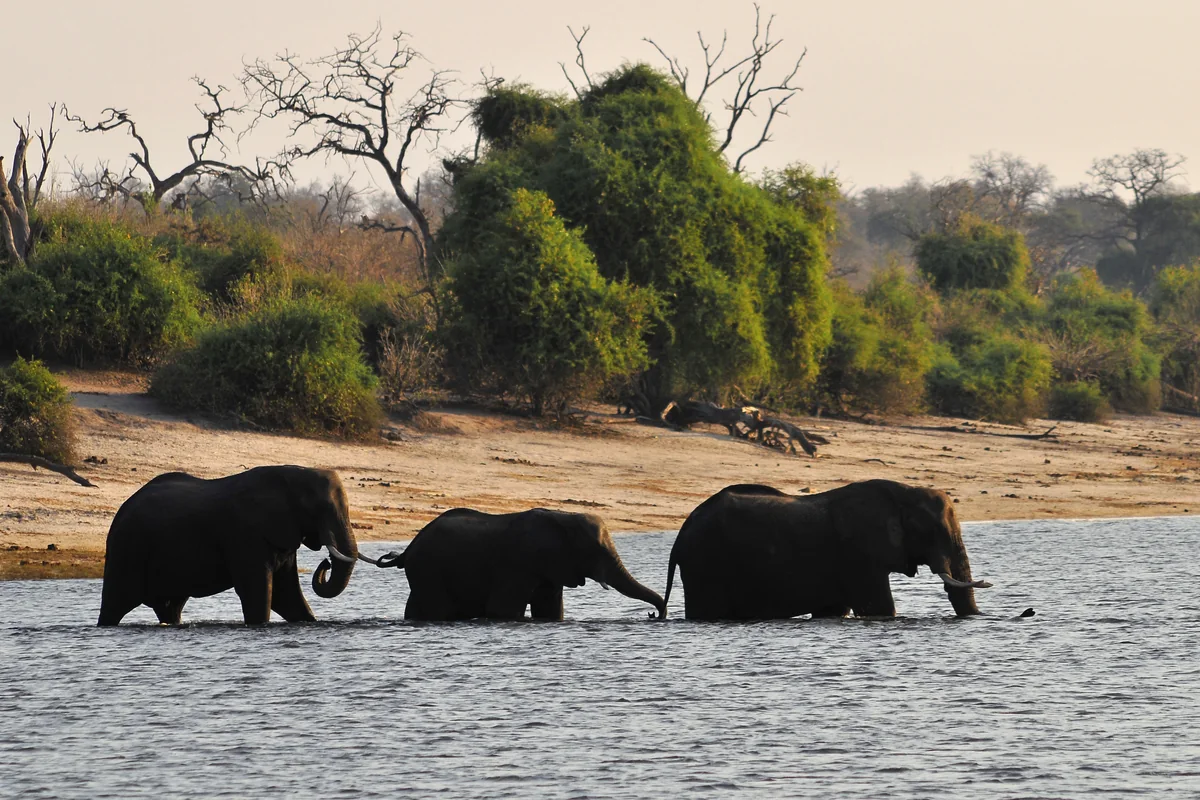
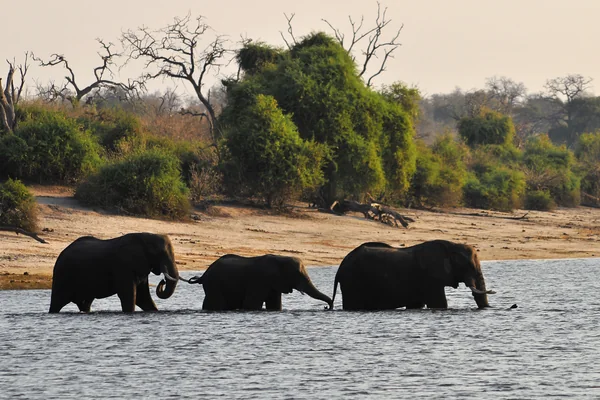
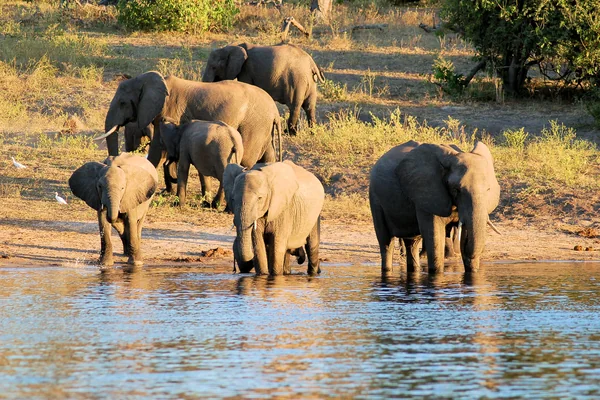
Chobe holds the largest elephant population on earth. The 11,700-square-kilometre park anchors the northern corner of Botswana, fronting the Chobe River across from the Caprivi Strip in Namibia and Kasane town. In the dry season the elephants gather along the riverfront in herds that regularly top a hundred animals at a time, and the morning and evening light along the water is genuinely unlike anywhere else in Africa.
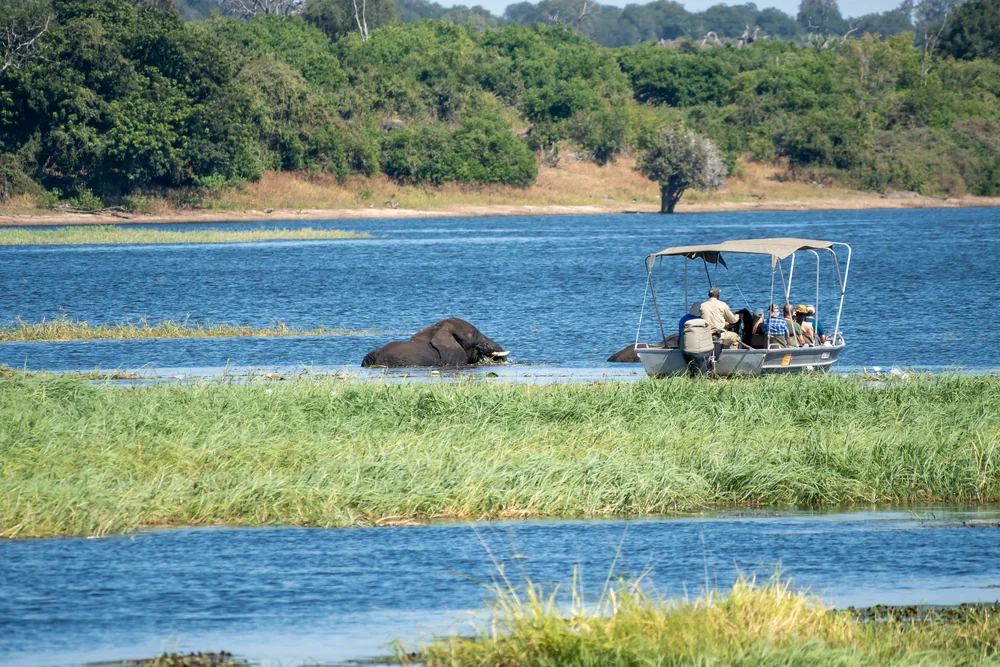
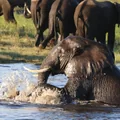
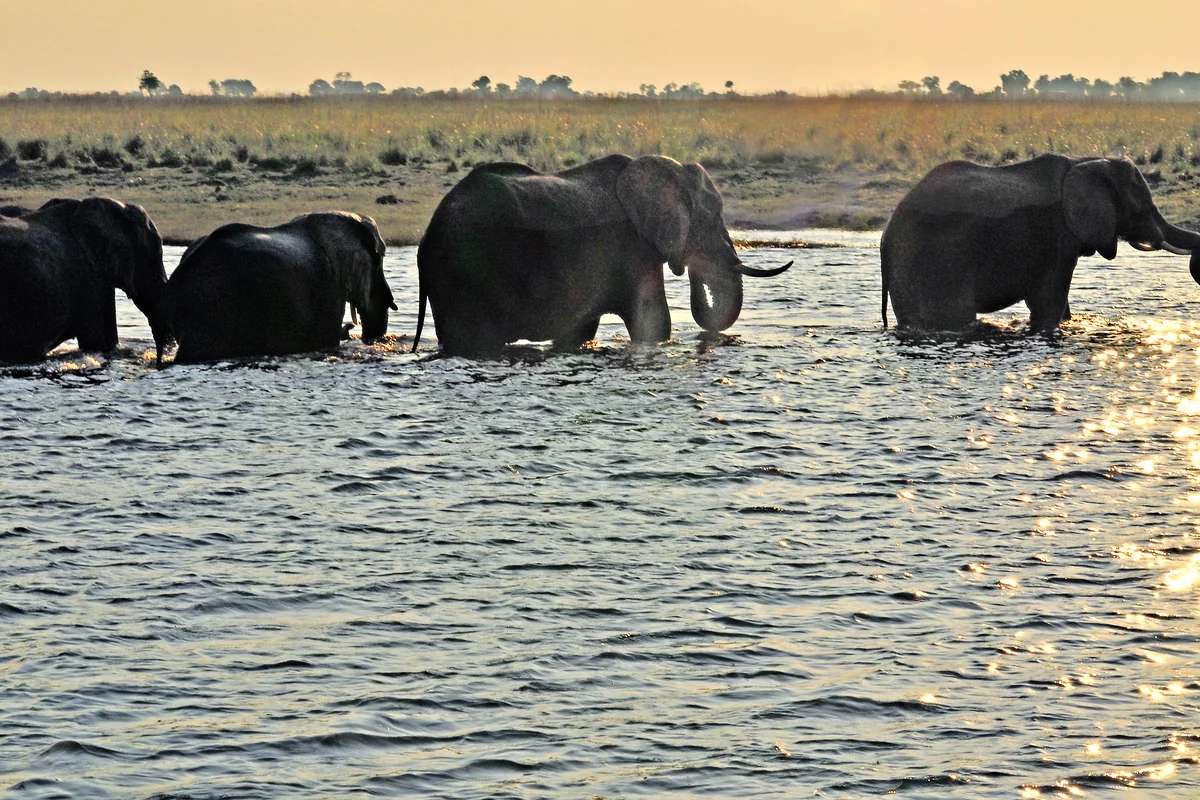
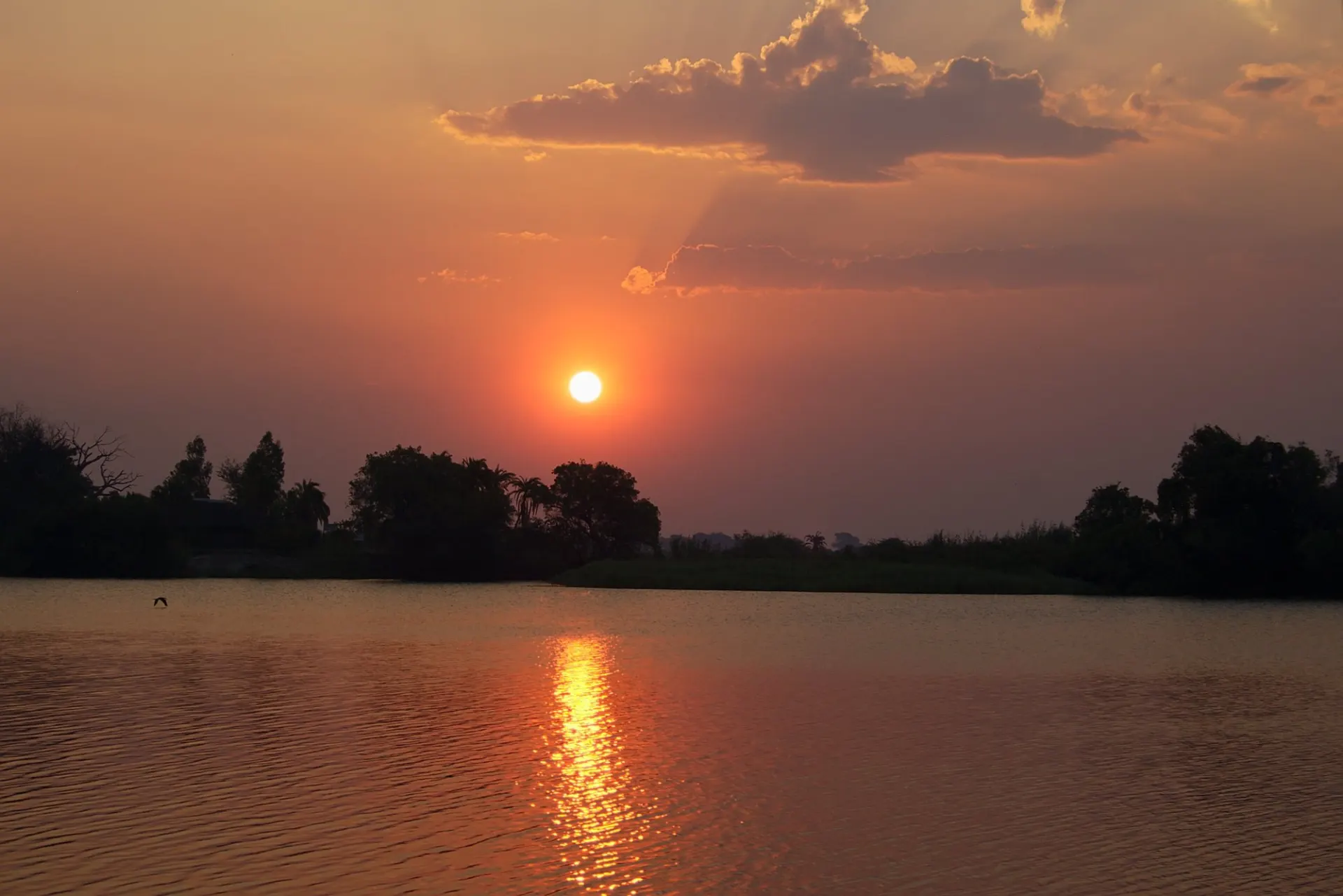
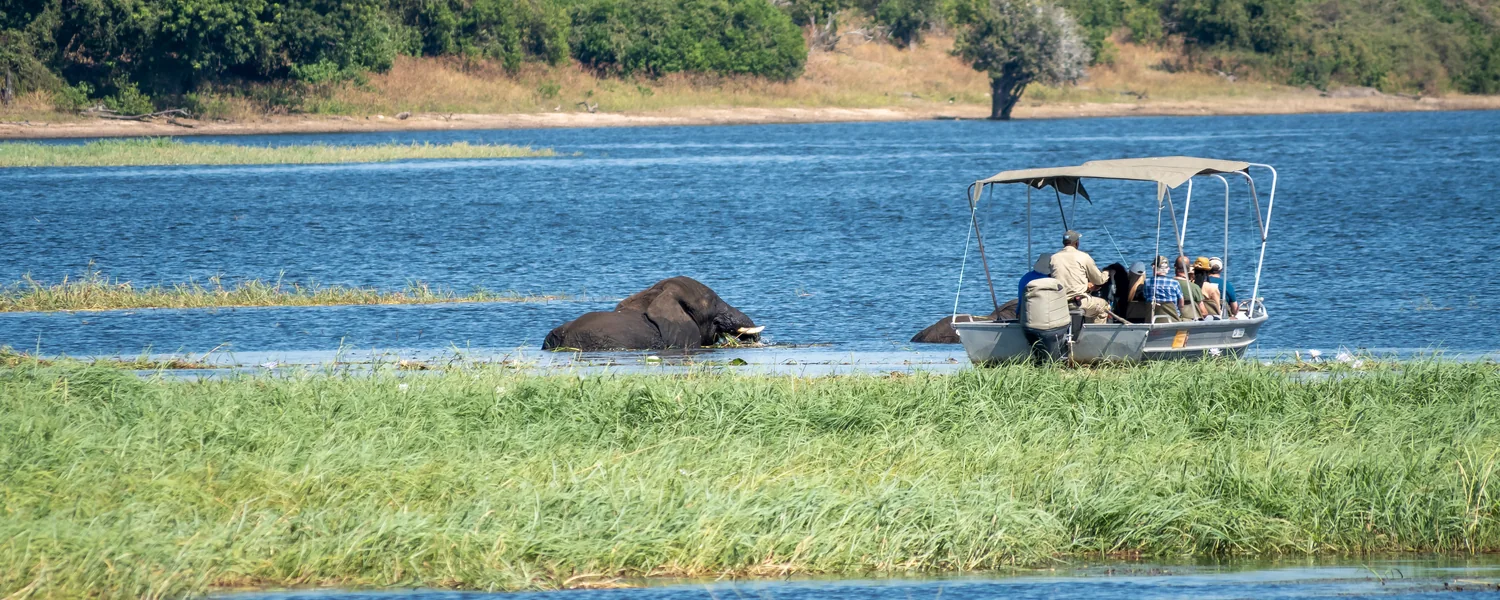
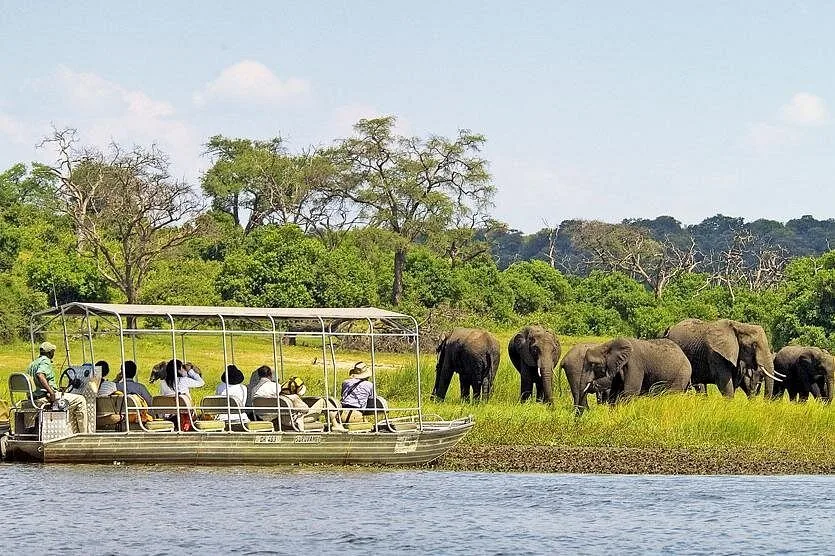
The park is unusual in that two completely different game-viewing modes run side by side. The road game drives along Serondela follow the herds along the riverbank from a 4x4, the boat safaris let you cruise the same shoreline from the water. Sitting in a flat-bottomed launch at sunset, ten metres from a bull elephant taking a long drink with the rest of the herd behind, is the single most-shared image from Chobe trips for a reason.
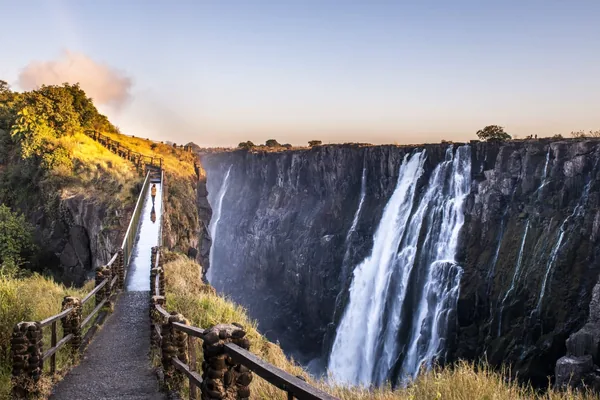
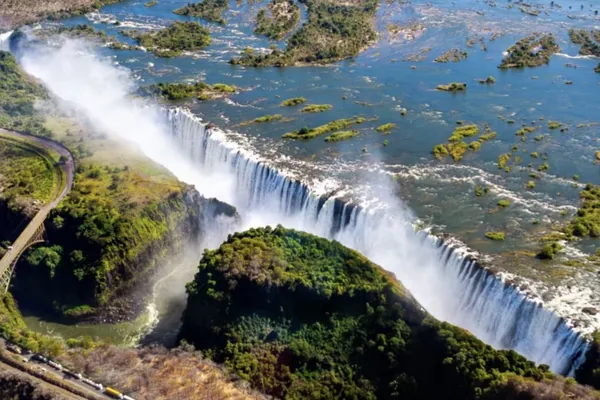
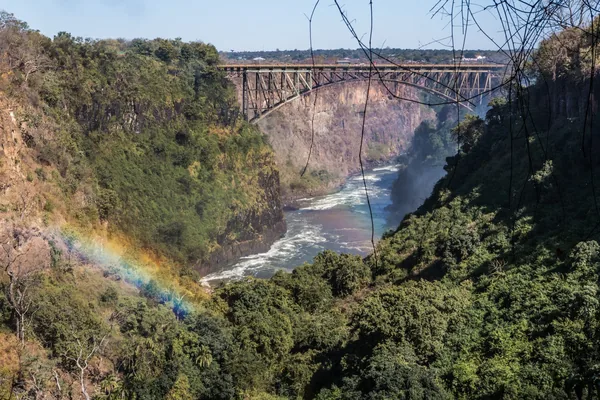
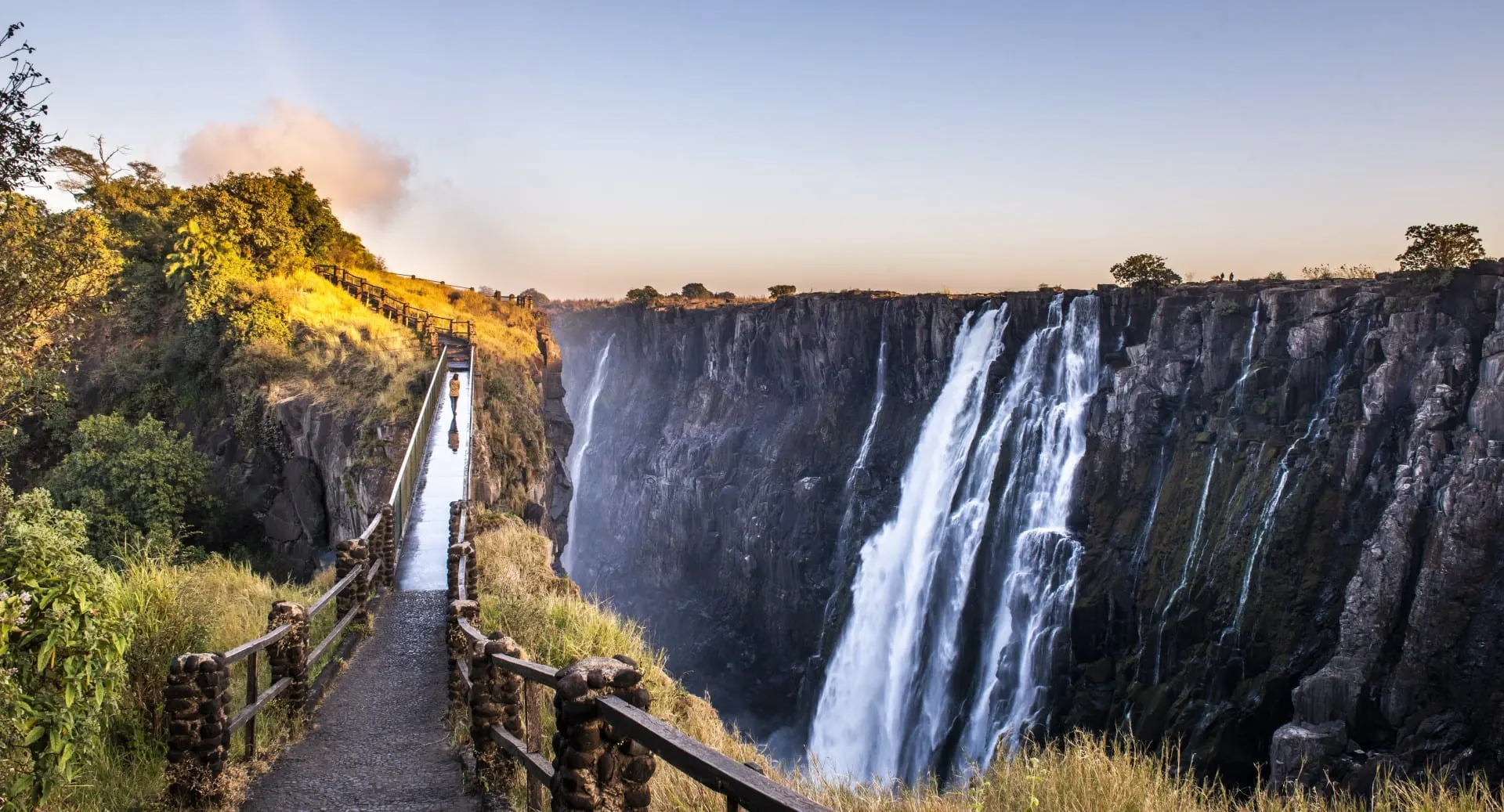
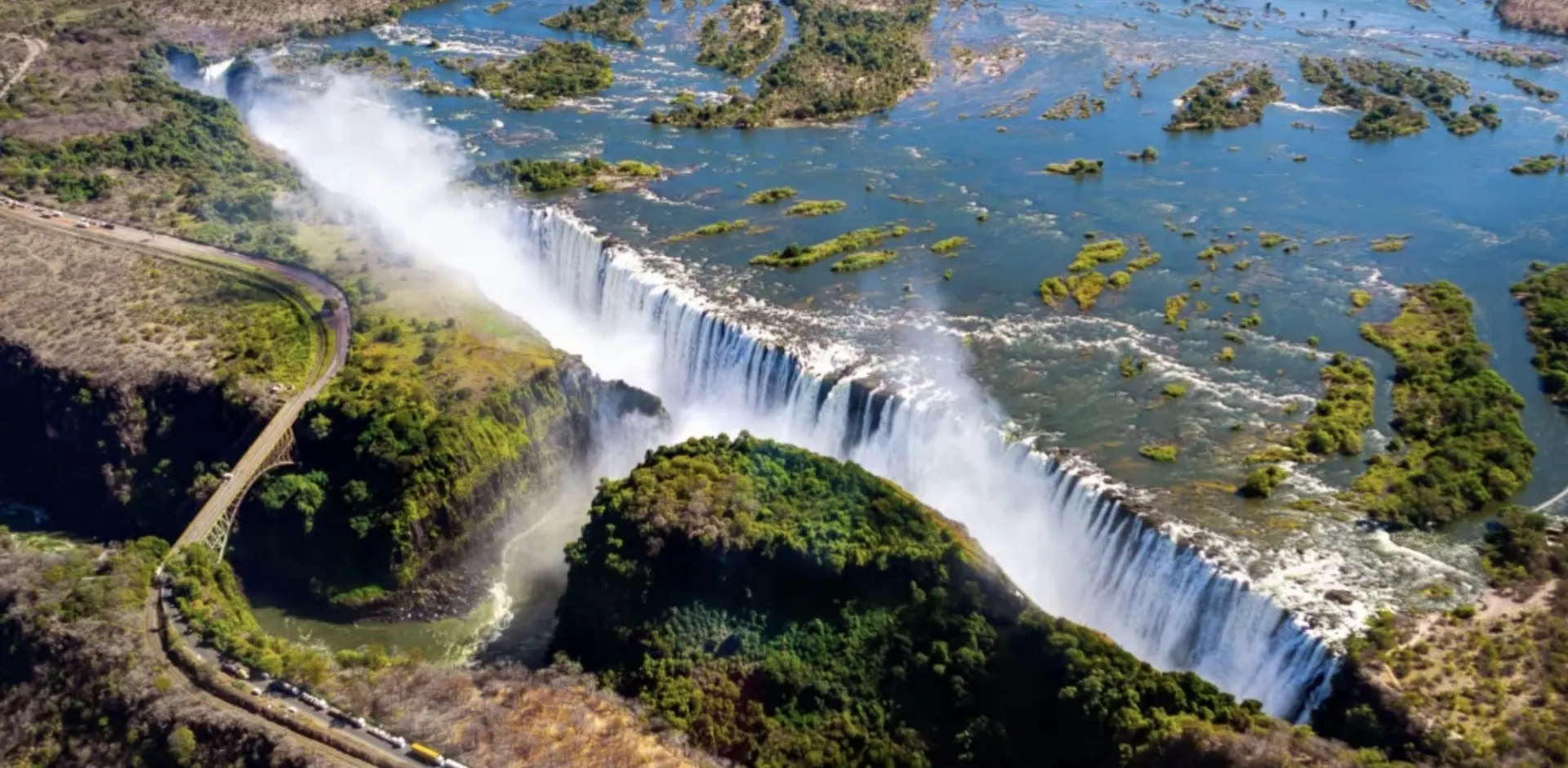
Chobe is also the gateway. The town of Kasane sits 90 minutes by road from Victoria Falls, and a Chobe day trip is one of the most-booked add-ons to a Vic Falls stay. The longer answer, and the better one if you can afford the time, is two or three nights inside the park and a Savuti or Linyanti add-on for the predator action.
Chobe, Sector by Sector
Scroll through Chobe, from the elephant-lined riverfront down to the predators of Savuti and the wild marshes of Linyanti.
Map tiles: Esri, National Geographic. Locations are indicative.
The greatest concentration of elephants on the continent, drawn to a single river, best seen from a boat at golden hour.
An ancient channel and marsh famous for big prides and dramatic predator action across open, game-rich country.
Remote riverfront and marsh on the Namibian border, low-volume wilderness known for wild dog and big elephant bulls.
The Headline Sector
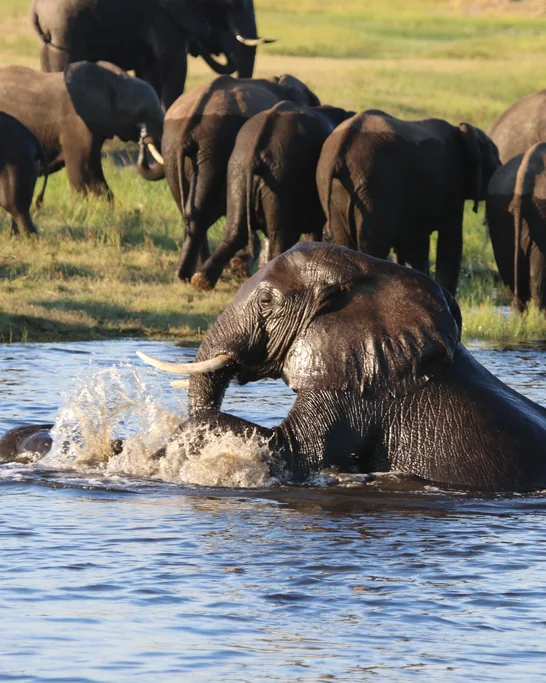
Serondela is the part of Chobe most travellers come for. The Chobe River runs along the northern boundary of the park, and the floodplains here support the densest concentration of elephant on the continent, especially in the dry months from June to October. A morning game drive along the riverfront road usually opens with breeding herds drinking, sub-adult bulls play-sparring, and a constant rotation of buffalo, sable, kudu, impala and warthog moving in and out of the water.
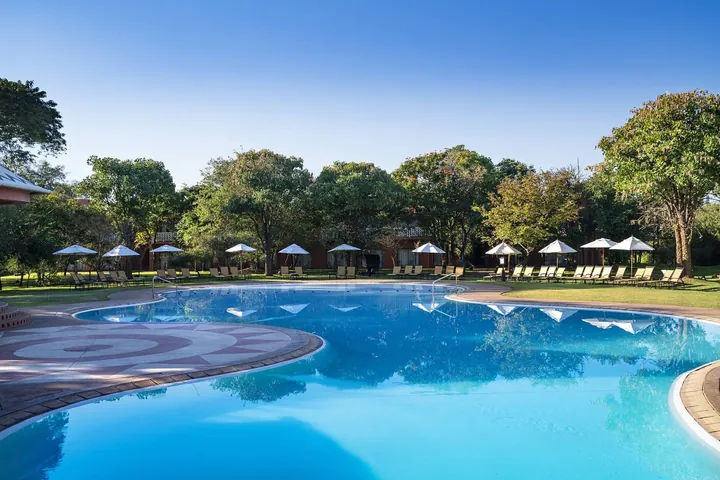
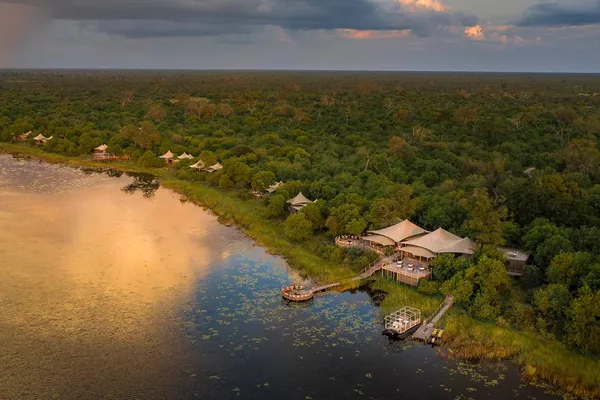
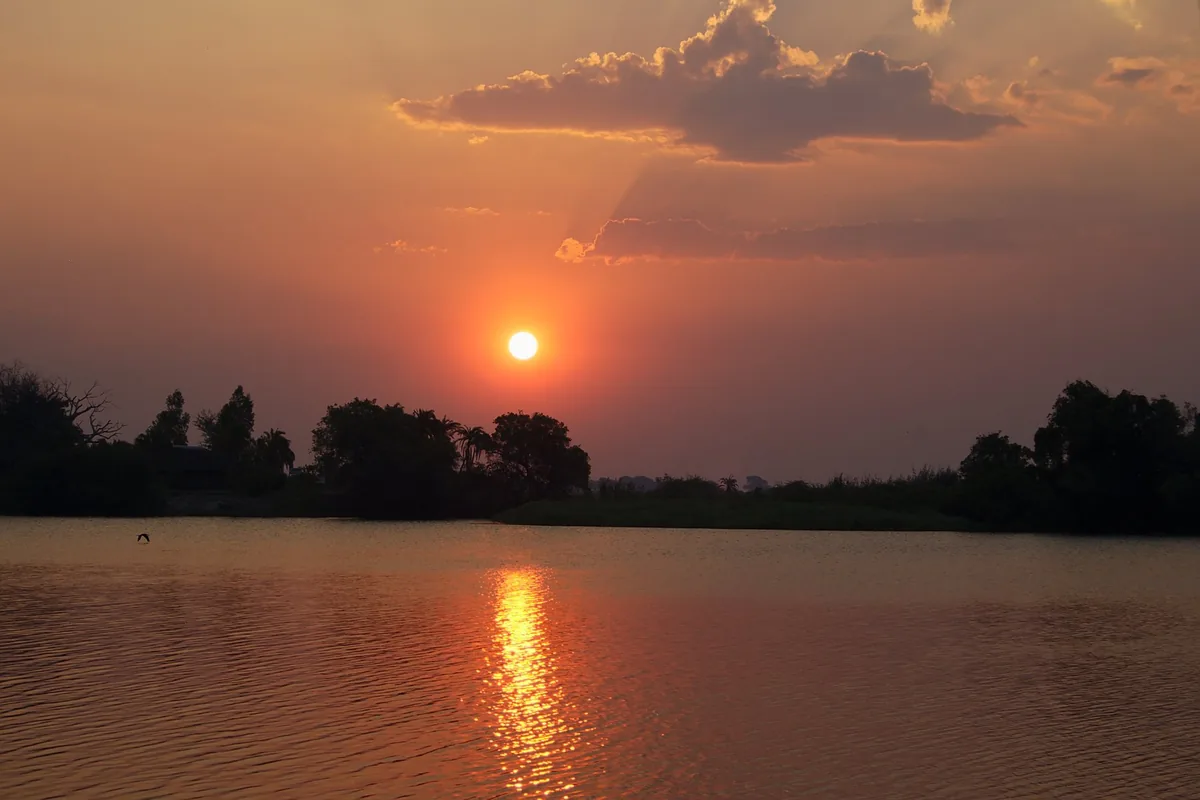
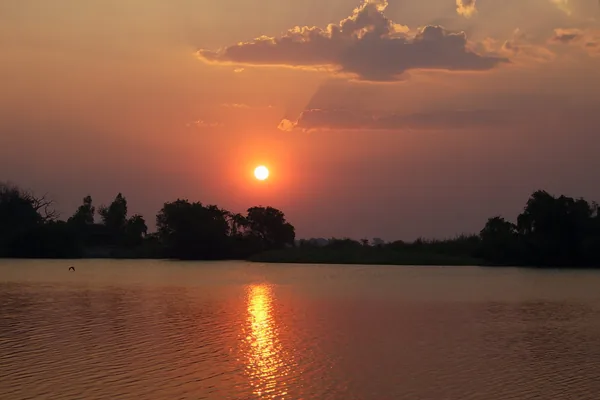
The afternoon trip is the boat safari. A small launch slips along the same shoreline from the water side, putting you eye-level with hippo pods, croc on the sandbanks, fish eagles overhead, and any elephant herd that's chosen the river for the day. The light at the last hour, gold turning pink, the spray from a trumpeting elephant, is what every Chobe brochure leads with. The brochure is right.
Self-drive day trips into Serondela from Kasane are also possible, but the rhythm is more sit-back-and-watch than active driving. The 4x4 sundowner cruise from a private operator out of Kasane is the sweet-spot for travellers based at Victoria Falls.
Predator Country
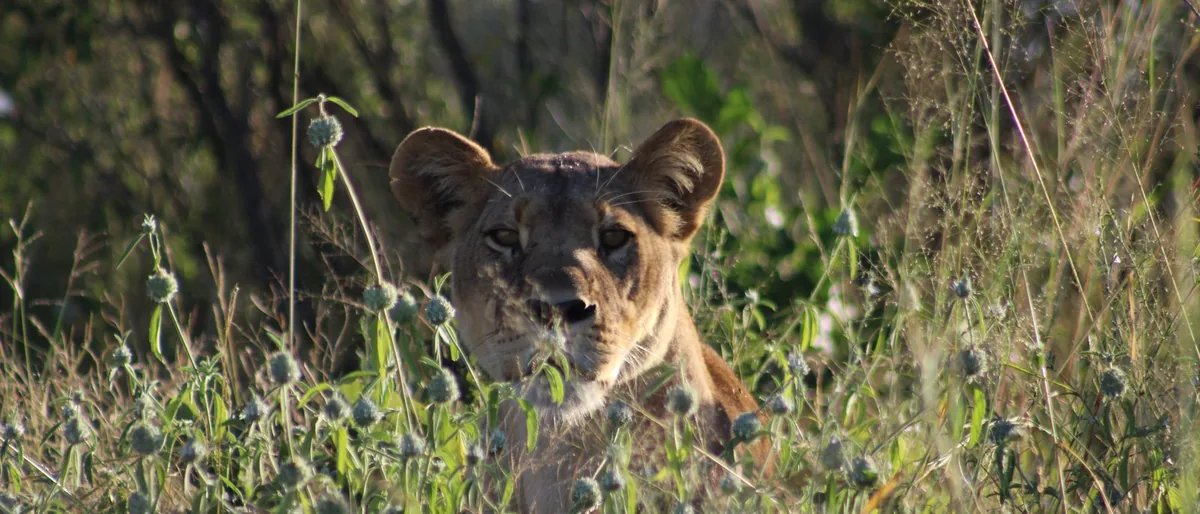
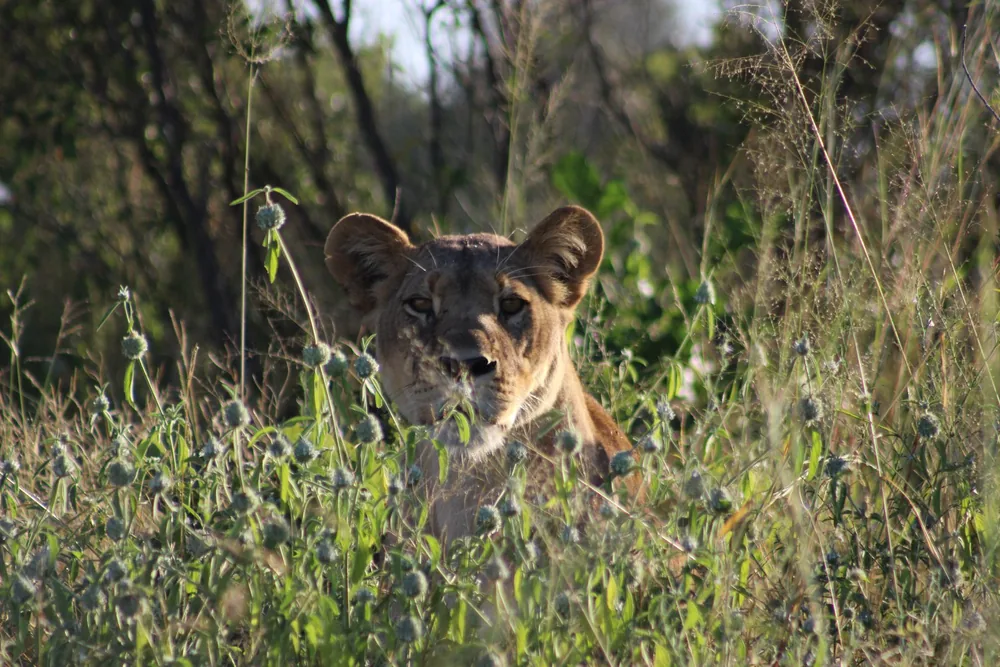
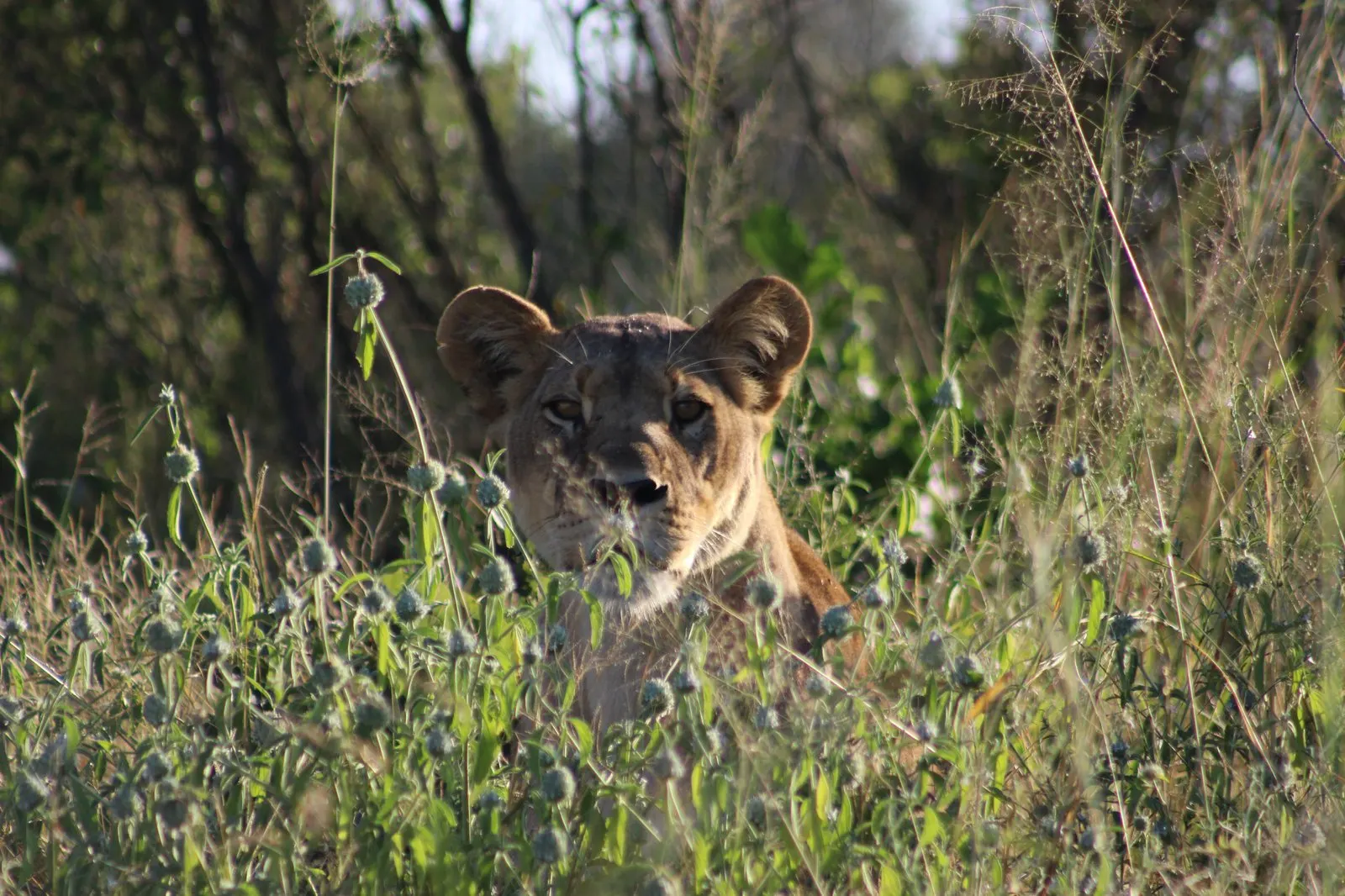
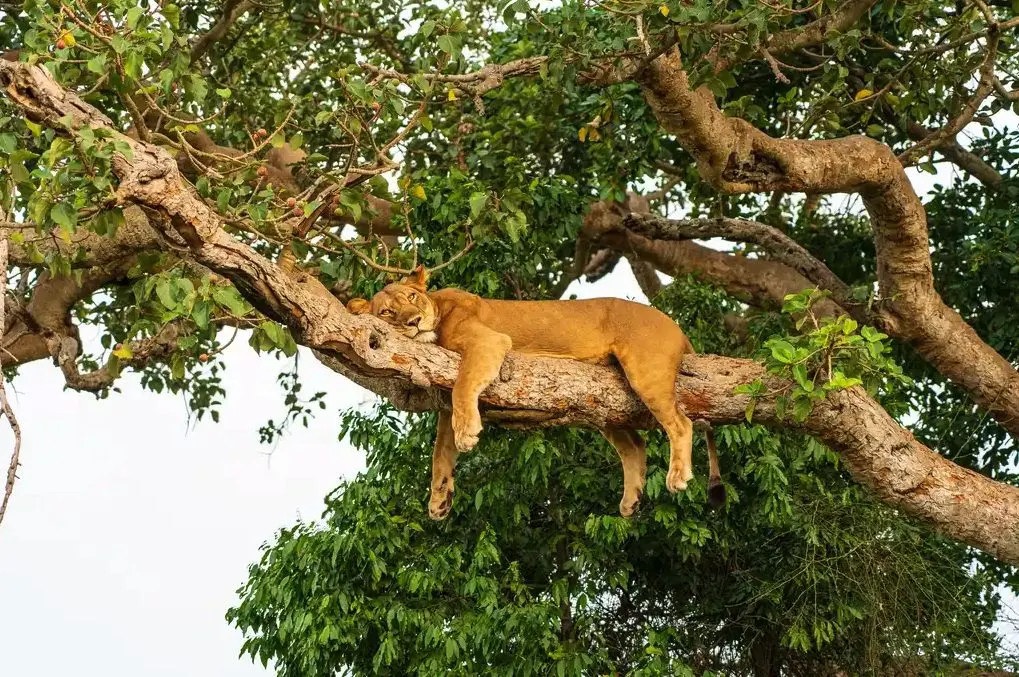
Two hours south of the riverfront, Savuti is a completely different Chobe. The Savuti Channel runs from the Linyanti Swamps in the north and flows on its own decade-long rhythm, sometimes for years on end, sometimes drying out entirely. Either way, the marsh and surrounding plains hold one of the densest predator populations in Southern Africa. The Savuti lion prides are famous for hunting elephant, the only place in Africa where they regularly do.
Game drives here are more traditional safari, dusty Land Cruisers, big horizons, no boat option. Cheetah, leopard, spotted hyena and wild dog round out the cast, and the marsh attracts the full waterbird community when the channel is flowing. The lodge cluster (Savute Safari Lodge, Savuti Camp, &Beyond Savute Under Canvas) is small, the volume of traffic is low.
Savuti pairs perfectly with two riverfront nights, two nights here turns a Chobe trip from a single-headline visit into a genuine two-act story.
Premium Private Concessions
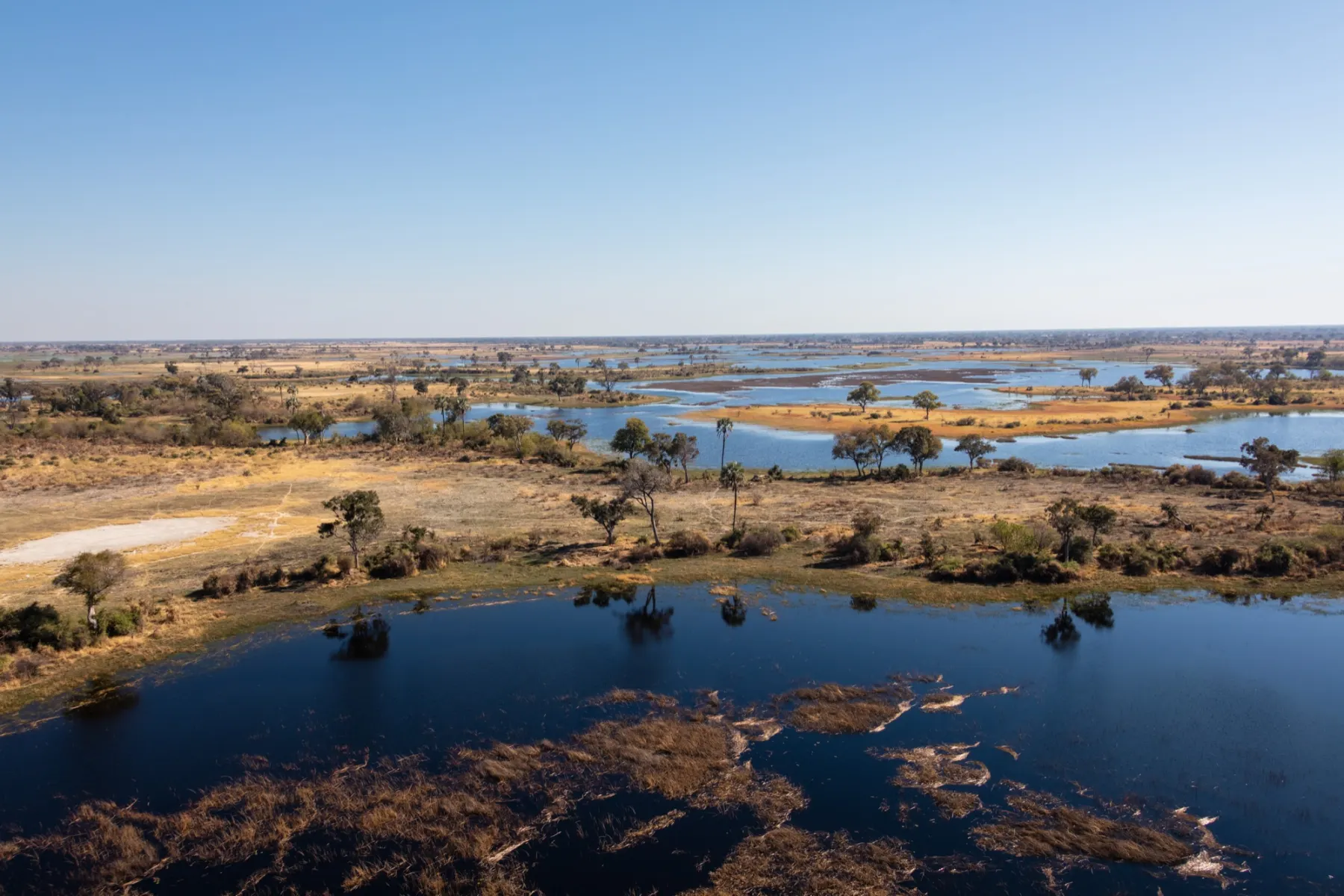
The Linyanti Swamps in Chobe's north-west corner are a watery extension of the Okavango ecosystem. The reserve here is a patchwork of private concessions (Linyanti, Selinda, Kwando, Selinda Reserve) that operate to the higher Botswana premium-tier standard, walking safaris, night drives, off-road tracking, and quotas of one vehicle per sighting. The accommodation here is genuinely all-inclusive: meals, drinks, activities, transfers between camps by light aircraft.
Wildlife here is exceptional, perhaps the best leopard viewing in northern Botswana, large lion prides, regular wild-dog dens, herds of sable and roan that are uncommon further south. The waterways themselves support hippo, croc, and a remarkable diversity of waterbirds.
Linyanti is for travellers who want the premium Botswana experience without the delta's higher water-and-air premium. It's also the natural bridge between a Chobe-riverfront trip and an Okavango Delta extension.
Three Ways To Visit
Chobe scales from a single-day add-on to a four-night anchor. Most Kingse travellers come at it via Victoria Falls, the easiest gateway for AU clients.
Cross the border at Kazungula, transfer to Kasane (~90 minutes), do a morning game drive plus afternoon boat cruise, transfer back to Vic Falls by sunset. The full Chobe-riverfront snapshot in one day. Add this to any Vic Falls 3+ night stay.
Best for: time-poor, first-time Southern Africa
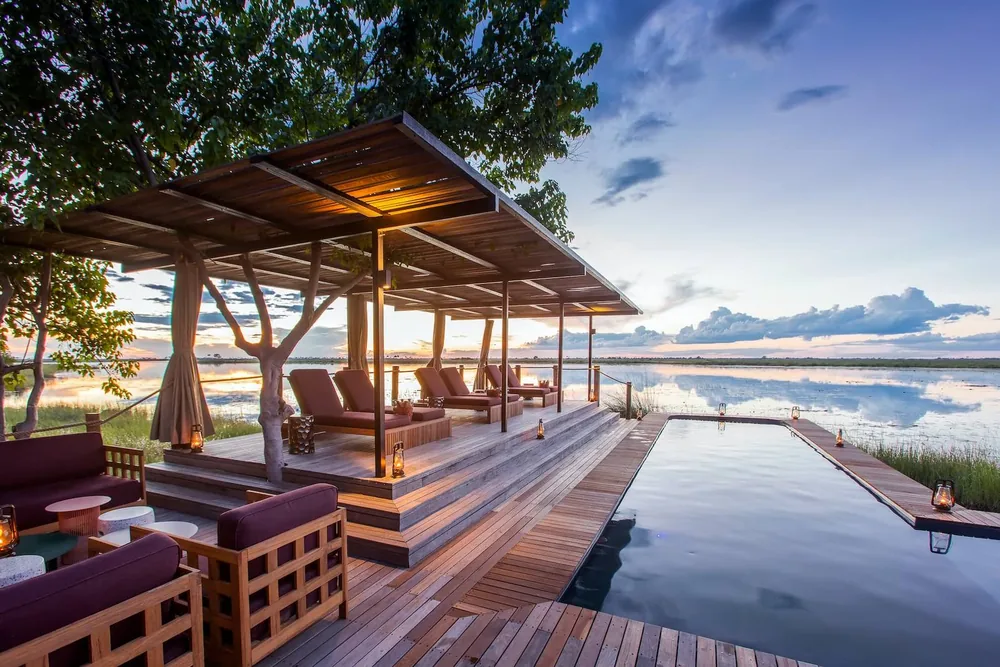
Two or three nights at a riverfront lodge or houseboat. Morning and afternoon activities every day, the rhythm settles in, the elephant herds become familiar. Best paired with two or three nights at Vic Falls for a balanced 5-6 night Southern Africa intro.
Best for: most travellers, balanced wildlife + falls
Two riverfront nights plus two or three in Savuti (predator focus) or Linyanti (premium concessions, walking, night drives). Fly between camps. The full Chobe story, easily extendable to an Okavango Delta combination.
Best for: serious wildlife, photography clients
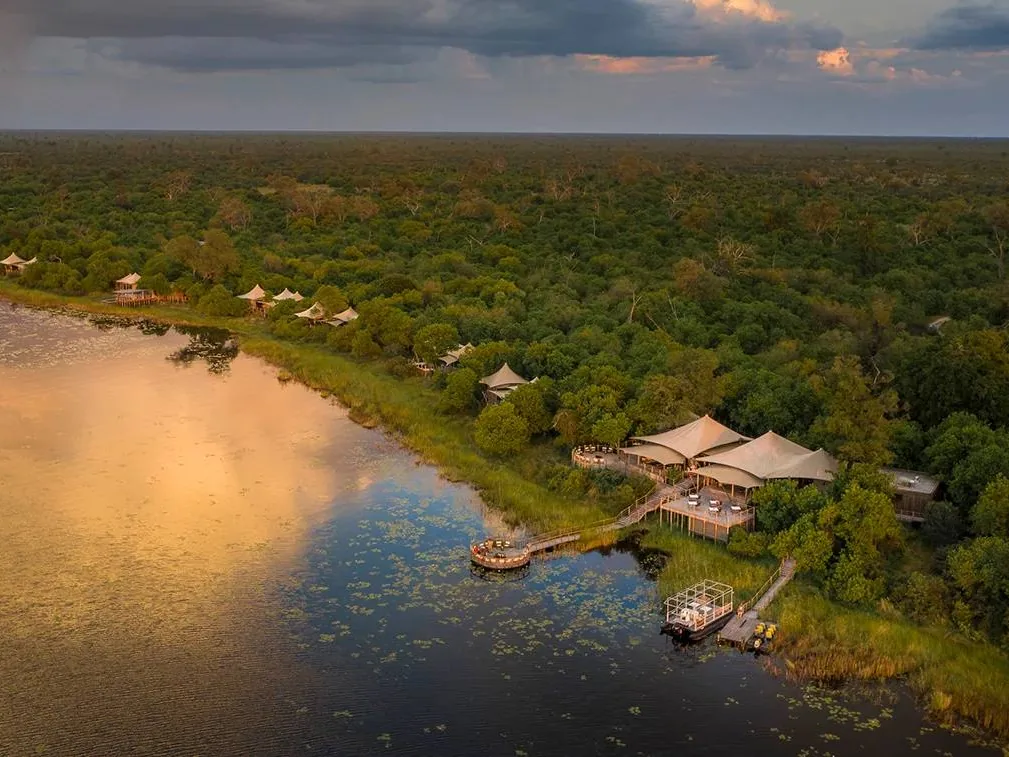
Where You Sleep
Plan Your Visit
Dry season is when the elephant herds concentrate at the river. Green season disperses the herds into the inland mopane but delivers calving and dramatic skies.
Dry · Elephant herds at the river · Cool nights
The bush dries out, inland waterholes disappear, and the elephant herds funnel onto the Chobe River. By August and September the riverfront stretches see herds of a hundred-plus animals at a time. Cool mornings (4-10°C in June and July), warm days, no rain. Predator action peaks in Savuti.
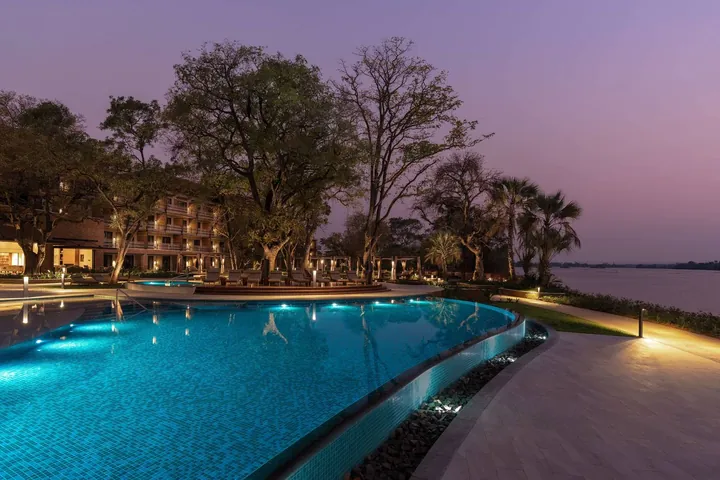
Rains · Calving · Birding · Lower rates
Rains begin late November. Herds disperse into the inland mopane woodlands, the riverfront is quieter, but predator action peaks during impala lambing in November. Migratory birds arrive. Dramatic skies and storm light. Some inland tracks become impassable January to March.
The Practical Questions
Go Deeper
Long-form guides that help you decide before you commit. Real numbers, real photos, no fluff.
Trip Planning Guide
Okavango flood timing, dry-season game, and green-season birding.
Read the guide →Trip Planning Guide
What to actually bring (and what to leave at home).
Read the guide →Trip Planning Guide
How the two compare on price, wildlife, and safari style.
Read the guide →From a day trip across the border from Victoria Falls to a full four-night Chobe-and-Savuti combination. Tell us what you'd like, we design the rest.
Get in Touch