The Serengeti is the most famous piece of wilderness on earth, and most people arrive thinking they already know it: endless plains, a million wildebeest, the river crossing they've seen on television. All of that is real. But the Serengeti is bigger and more varied than its highlight reel, nearly 15,000 square kilometres of plains, woodland and river valley, and the thing that surprises first-time visitors most is how good it is in the months when the herds are somewhere else. This is the park behind the postcard: its regions, its wildlife, and how to actually plan a few days here.
The name comes from the Maasai siringet, the place where the land runs on forever, and standing on the southern plains with nothing but grass and sky to the horizon, you understand it immediately.
The four regions, and why it matters
The single most useful thing to understand before you go is that the Serengeti isn't one place. It's vast, and it splits into four broad regions that each peak at different times. Knowing which one to base in, and when, is most of what makes a Serengeti trip good or average.
- Central (Seronera). The heart of the park, and the safest year-round bet. The Seronera river valley holds resident lion, leopard and cheetah in numbers that don't depend on the migration, so this is where we often base guests who are travelling outside the peak crossing months. Most flights land here.
- Southern (Ndutu). The short-grass plains in the south. From roughly December to March the migration herds gather here to calve, and where there are half a million vulnerable newborns, there are predators. This is prime cheetah and lion country in the green months.
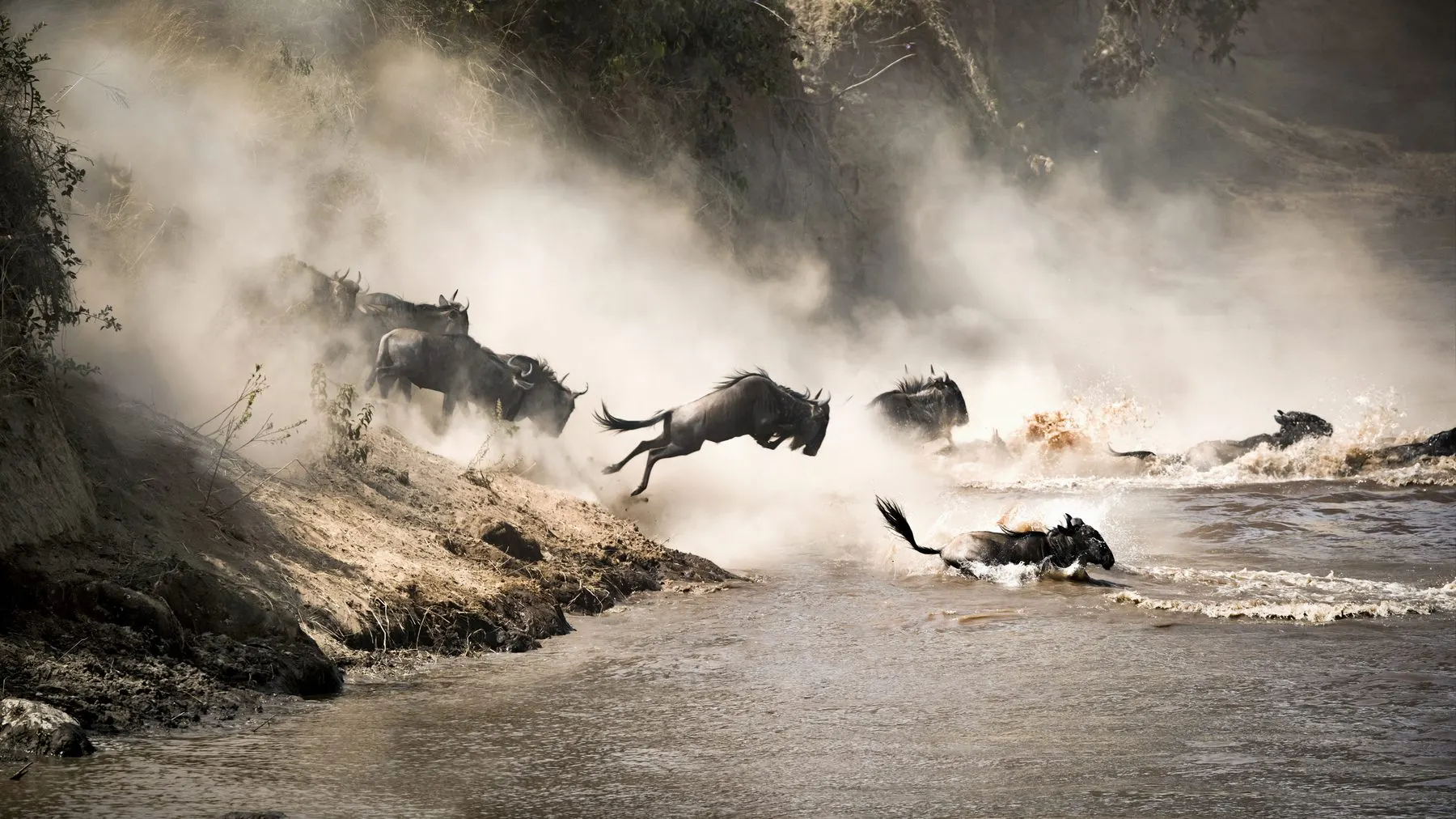
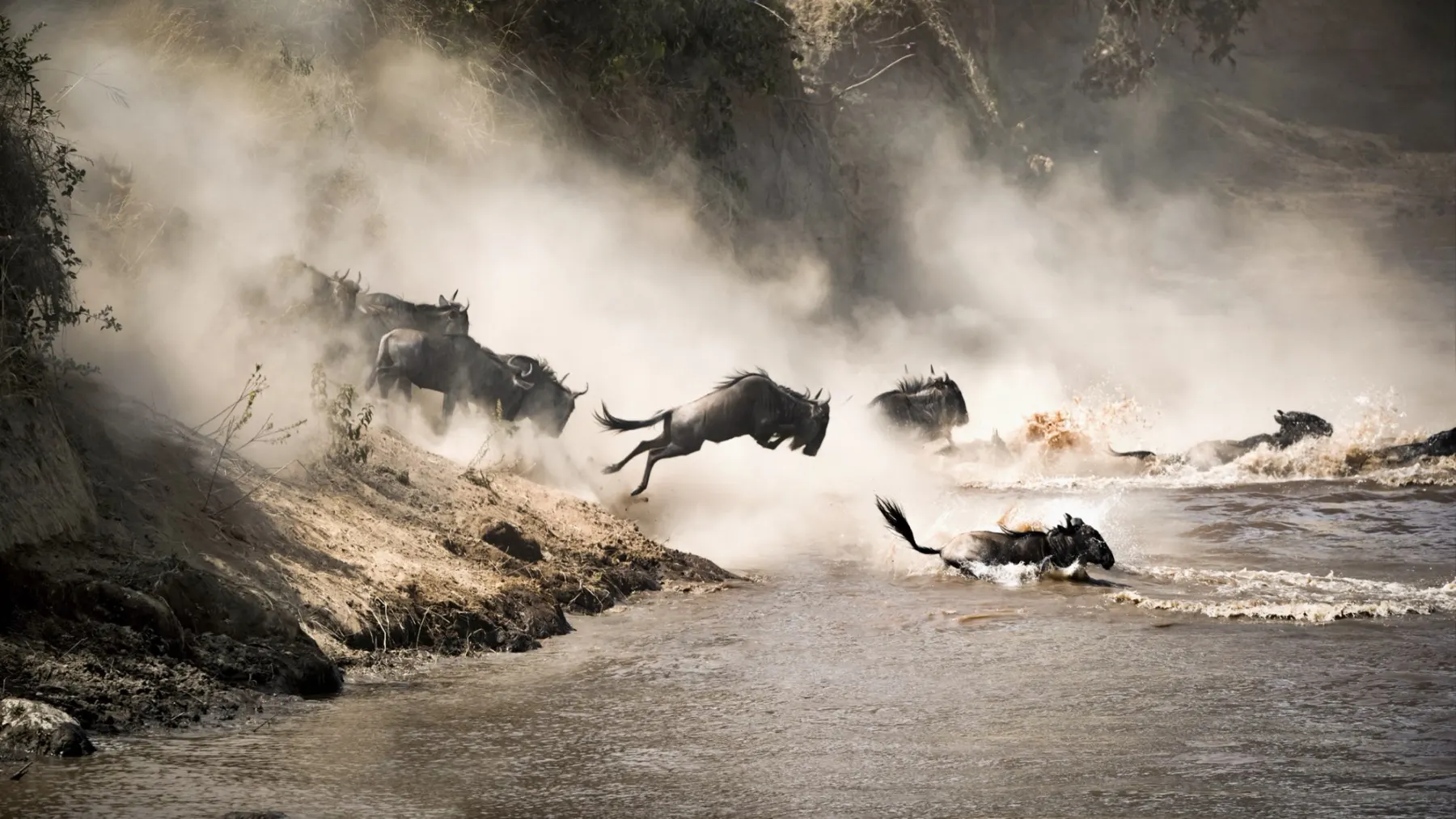
- Northern (Kogatende). Up against the Kenyan border, this is where the Mara River runs and where the famous crossings happen, roughly July to October. It's remote, lightly visited, and the place to be in the dry season.
- Western Corridor (Grumeti). A finger of land following the Grumeti River west. The herds pass through around May and June, and the Grumeti's crocodiles are the stuff of legend.
The takeaway: there's no single "Serengeti" to visit, and no single best time. It's about matching the right region to your travel dates. That's the part we plan around for you, and our Serengeti safari page shows the camps we use in each region.
The best big cats in Africa
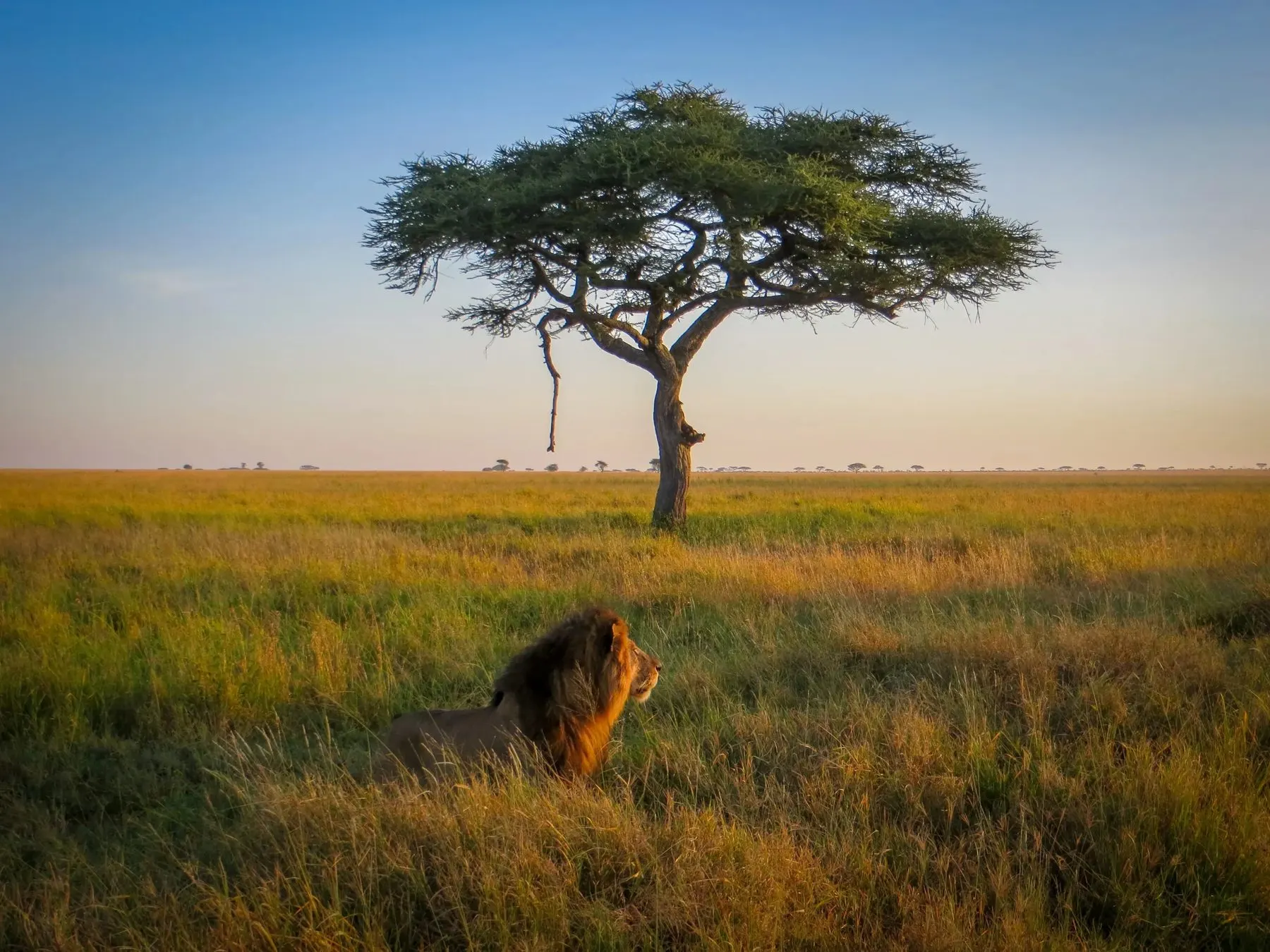
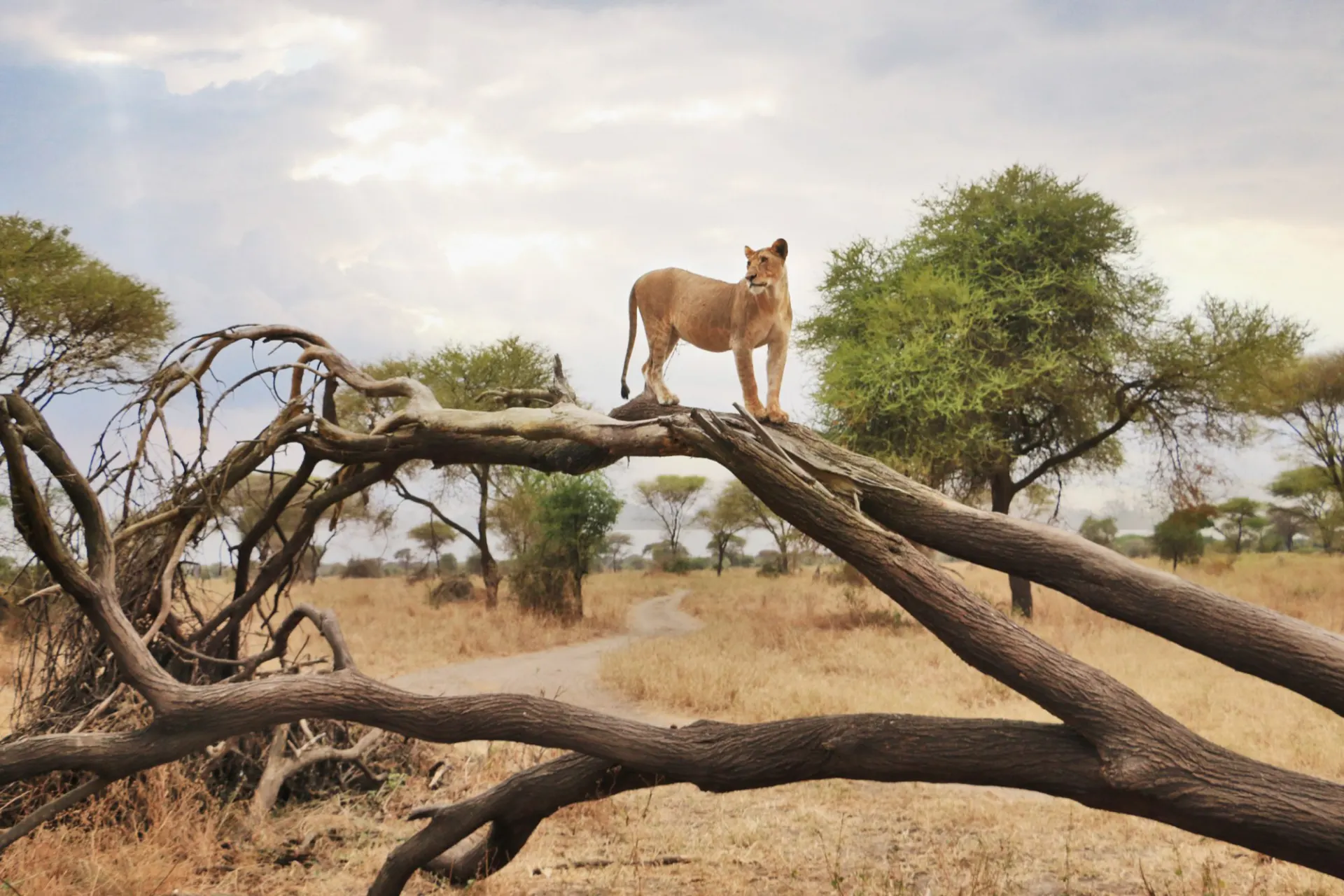
If you take one thing from this guide, make it this: you do not need to see the migration to have an extraordinary Serengeti safari. The park holds one of the largest lion populations on the continent, somewhere around three thousand of them, in prides big enough that you'll often find a dozen lions sprawled together in the shade. The open southern and central plains are some of the finest cheetah habitat anywhere, the rare flat, uncluttered ground where you can actually watch a hunt unfold. And the acacias along the Seronera river are classic leopard country, draped with cats in the late afternoon.
For a lot of our guests, the big cats end up being the memory that lasts, not the herds. Predator viewing in the Serengeti is reliable in a way that few places on earth can match, in any season.
The Great Migration, in brief
The migration is the headline, and it deserves it: close to two million wildebeest and zebra moving in a slow clockwise loop through the Serengeti and up into Kenya's Masai Mara and back, following the rains and the grass. It is the largest movement of land animals on the planet, and the river crossings, where the herds throw themselves into crocodile-filled water, are as dramatic as wildlife gets.
Because the herds are always moving, where you go depends entirely on when you travel. We've written a full month-by-month breakdown of exactly where the migration is and where to stay to catch it, so rather than repeat it here, see our Great Migration guide. And if you're weighing the Tanzanian and Kenyan sides of the crossing, our Masai Mara vs Serengeti comparison lays it out.
When to go
The short version, because the full detail lives in the migration guide:
- July to October for the Mara River crossings in the north. The most dramatic window, and the busiest.
- December to March for the calving season and superb predator action on the southern plains, with fewer crowds.
- April to May is the green low season, lush, quiet and better value, with the trade-off of some rain.
- Any month works for the resident big cats in the central Seronera region.
Tanzania sits just south of the equator, so it's warm year-round. The two rainy periods, the long rains around April to May and short rains around November, shape the seasons more than temperature does.
More than a game drive
Most of your time in the Serengeti is spent on game drives, morning and afternoon, and that's exactly as it should be. But a couple of experiences are worth building in:
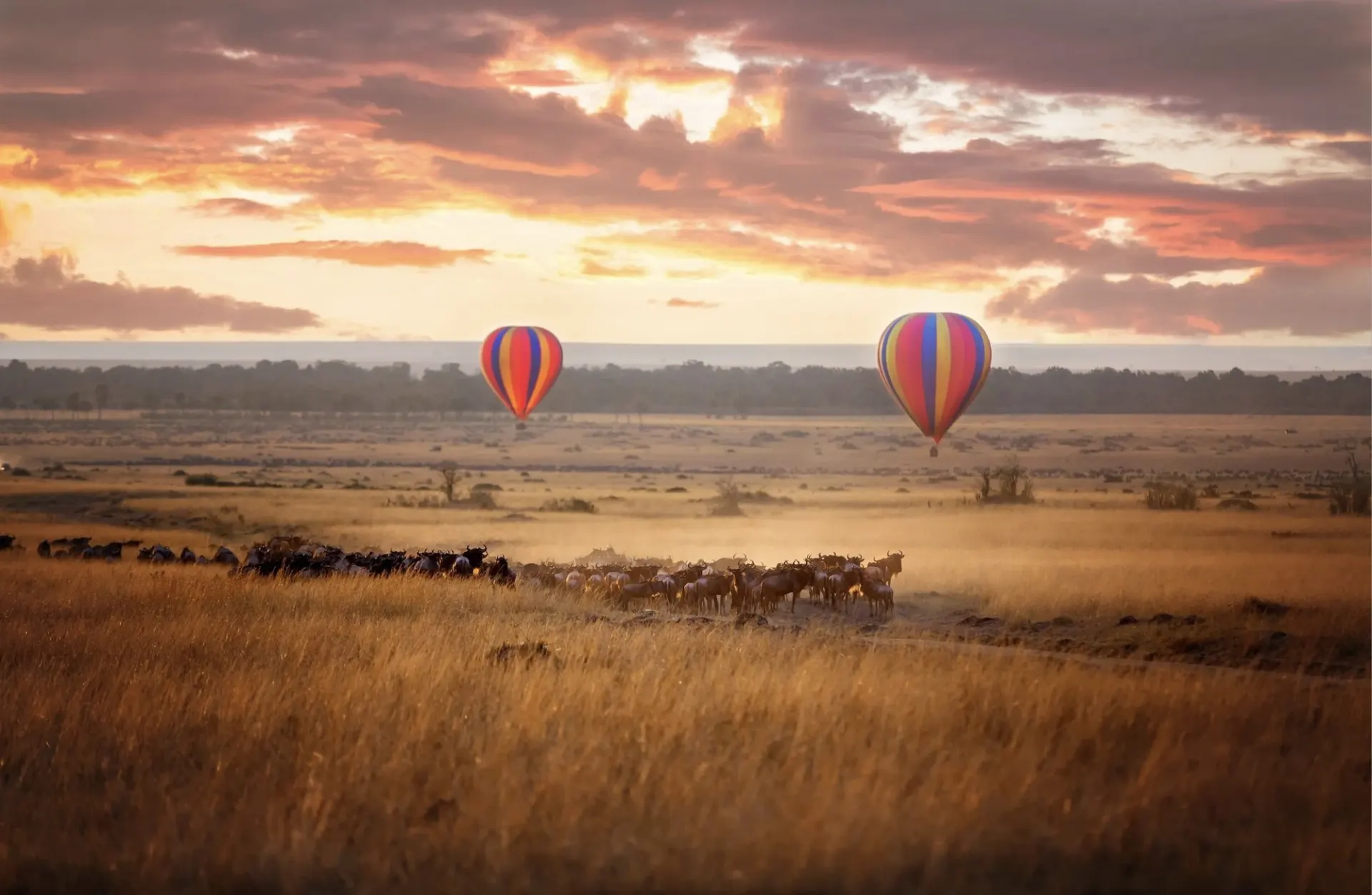
- A balloon safari. Lifting off the plains at first light and drifting silently over the herds as the sun comes up is, for many guests, the single best hour of the whole trip. It ends with a champagne breakfast in the bush. It's a splurge, and it's worth it.
- A walking safari. In some areas you can leave the vehicle and walk with an armed ranger, which changes your sense of scale entirely. Tracks, dung, birdsong, the small things you miss from a Land Cruiser.
- Maasai culture. The communities on the edge of the ecosystem are part of the story of this land, and a visit, done respectfully and on fair terms, adds a human dimension to the wildlife.
Getting there and getting around
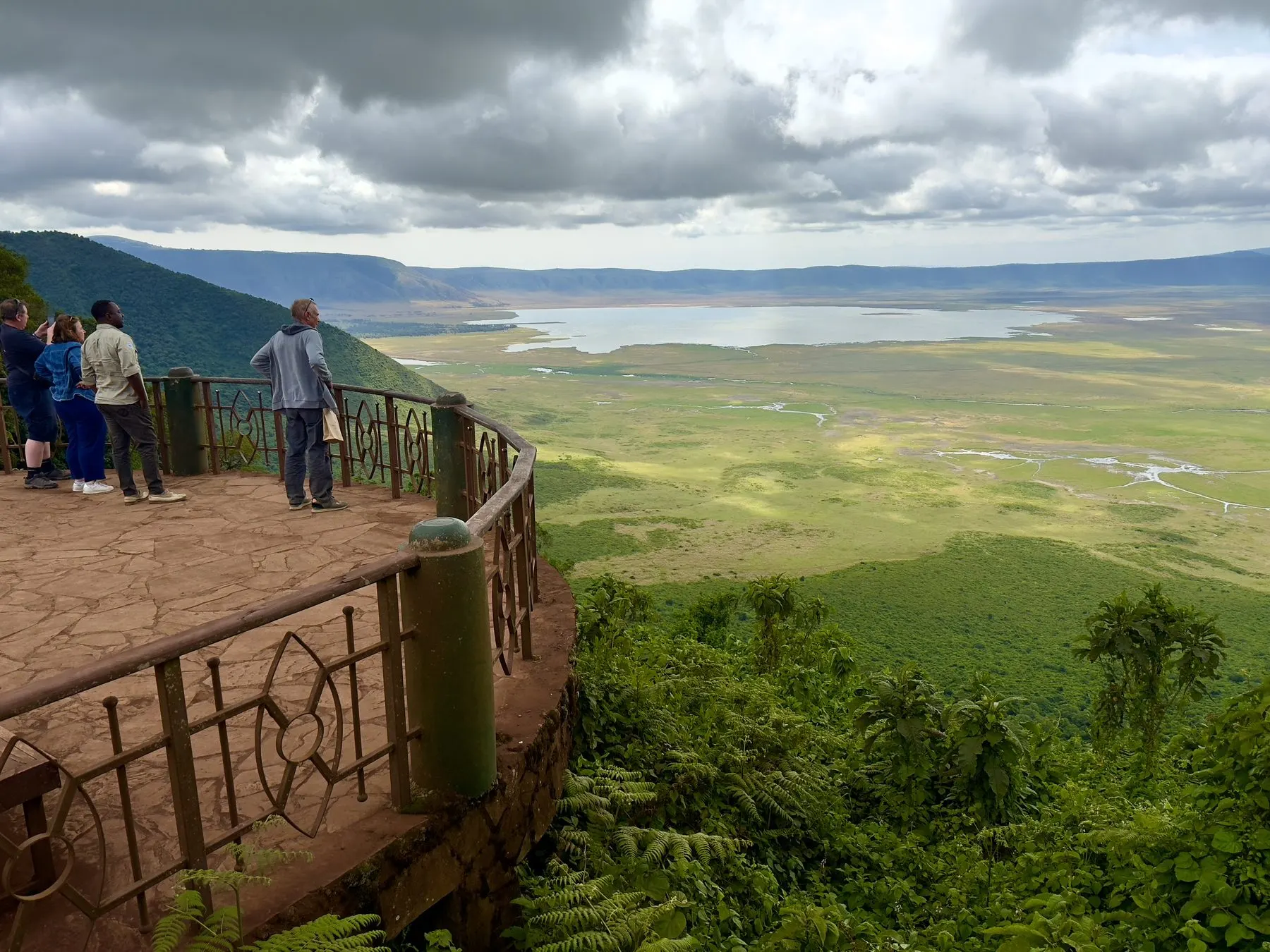
Most guests fly in. A short scheduled flight from Arusha or Kilimanjaro drops you at one of the park's airstrips, Seronera in the centre or Kogatende in the north, and you're on a game drive within the hour. The alternative is to drive in as part of a Northern Circuit road trip, descending past the Ngorongoro Crater and out onto the plains. The drive is scenic and lets you see the country change, but it's a long day, so we usually fly at least one direction. Once you're in, you explore by 4x4 with your guide, with the routes shaped around where the wildlife is that week.
Where the Serengeti fits in a trip
The Serengeti is the centrepiece of Tanzania's Northern Circuit, the classic chain of parks that also includes the Ngorongoro Crater, the elephants of Tarangire, and Lake Manyara. A typical trip strings several of these together over seven to ten days, then often finishes on the beaches of Zanzibar. For how the costs stack up, see our guide to how much a Tanzania safari costs, and for timing across the whole country, the best time to visit Tanzania.
However you shape it, the Serengeti earns its place at the heart of the trip. We build the days around the few things you most want to see, and on these plains there's a lot to want.
Frequently asked questions
What is the Serengeti best known for?
Two things: it's the stage for the Great Migration of around two million wildebeest and zebra, and it has the richest big-cat viewing in Africa, with large lion prides, high cheetah numbers and leopards in the riverine woodland. The resident wildlife makes it rewarding in any month.
When is the best time to visit the Serengeti?
It depends what you want: July to October for the northern river crossings, December to March for calving season and cheetah on the southern plains, April to May for green-season value and fewer vehicles. The central Seronera region has strong game year-round.
How many days do you need in the Serengeti?
Two nights is the least we'd suggest, and three is the sweet spot to settle into a region. Most trips spend three to four nights here as part of a wider Northern Circuit, for a total of around seven to ten days.
Do you have to see the migration to enjoy the Serengeti?
No. The migration is spectacular, but the lions, cheetah and leopard are resident year-round, and the central Seronera valley offers some of the most reliable big-cat viewing in Africa regardless of where the herds are.
How do you get to the Serengeti?
Most guests fly in on a short scheduled flight from Arusha or Kilimanjaro to an airstrip like Seronera or Kogatende. You can also drive in via the Ngorongoro Crater as part of a Northern Circuit road trip, which is scenic but a long day.
What it costs
What a Serengeti safari costs, per person
Per person, twin share, for your time on the ground: private guide and 4x4, lodges, and every park fee. International flights sit on top. Where you land depends on your lodges, the season and group size.
AUD 7,000-9,000
per person
Comfortable lodges and tented camps in good locations. The essentials done properly, with a private guide and vehicle throughout.
AUD 9,000-14,000
per person
Characterful lodges and classic camps in prime locations, timed to the migration. Where most Kingse trips land.
AUD 14,000+
per person
The marquee camps, fly-in between parks, private everything. Singita, &Beyond, Four Seasons and their peers.
Get Your Real Quote
Tell us about your trip
Your dates, your group, what you want from the experience. We'll come back with real costs built around your specific trip, not a generic starting price.
Thinking About Tanzania?
Let us plan your trip
Tell us roughly when you'd like to travel and what you most want to see, and we'll build a Serengeti trip around the right region and the right season, with the rest of the Northern Circuit to match.