Here's a number that surprises people. The Maasai Mara National Reserve, Kenya's most famous park, charges foreign visitors close to USD 200 per person per day to enter during the peak July to October migration season. That's a fee, before any accommodation, before your vehicle, before a single game drive. It's one of the steepest park fees anywhere in Africa, and it explains a lot about why Kenya safari prices land where they do.
Most cost guides you'll find online quote everything in USD for American travellers and leave your flights from Australia out entirely. This one gives you the real numbers from Australia, in Australian dollars, with the park fees that catch people out, the reserve-versus-conservancy decision that changes both your price and your experience, and an honest look at where Australians overpay.
The Four Things That Drive the Cost
A Kenya safari quote is built from the same handful of components every time. Once you know what each one costs, the wide spread you see between operators starts to make sense.
1. Accommodation
This is the biggest lever on the whole price, and Kenya gives you a genuinely wide range. A comfortable tented camp or lodge with good guiding sits around $400 to $600 AUD per person per night. The well-regarded mid-range and premium camps run roughly $600 to $1,400 AUD per person per night, and that's where most quality private trips land. At the very top, the small luxury conservancy camps push past $2,000 AUD per person per night, and they're priced that way because they cap how many guests share the land around them.
2. Park Fees and Conservancy Fees
Kenya's headline cost is the Maasai Mara fee. The reserve is managed by the county that owns it, and the foreign-visitor entry fee climbs to about USD 200 per person per day in peak season. Amboseli and Samburu are far gentler, sitting nearer USD 60 to 100 per person per day.
The interesting part is the conservancies. Instead of the reserve fee, the private conservancies that border the Mara charge a conservancy fee, often a similar figure, but it buys you a different kind of day: capped vehicle numbers, off-road driving, night drives, and walking safaris that the public reserve doesn't allow. You're paying for space, not just access.
3. Your Guide and Vehicle
A private vehicle and driver-guide is the standard for a quality Kenya safari. You're in a customised 4WD with someone who reads the bush, knows where the big cats den, and can sit with a sighting for as long as you want. The guide is the single biggest factor in how much you actually see, and it's the hardest thing to judge from a website.
Cheaper shared-vehicle safaris exist, with fixed routes and other people's interests setting the pace. For the money it takes an Australian to reach Kenya in the first place, a private vehicle is worth the gap.
4. Internal Flights
Kenya's parks are spread out, and light-aircraft hops save you long, rough drives. A flight from Nairobi's Wilson Airport into the Mara, or between the Mara and Amboseli or Samburu, runs around USD 200 to 400 per person per sector on small bush planes. Linking two or three parks usually means a couple of these flights, and they turn what would be full driving days into half-hour scenic hops over the Rift Valley.
What Does a Kenya Safari Actually Cost in AUD?
With those four pieces in mind, here is a realistic breakdown of what a private Kenya safari costs from Australia.
These figures are for a 7-night classic circuit taking in the Maasai Mara, Amboseli and Samburu, with a private vehicle and guide, a mix of quality accommodation, and light flights between parks. They do not include your international flights from Australia.
| Tier | Accommodation Style | Cost Per Person (AUD) |
|---|---|---|
| Comfortable | Tented camps and lodges, en-suite, strong locations | $7,500 to $9,500 |
| Mid-range to Premium | Established quality camps, superior locations and guiding | $9,500 to $16,000 |
| Luxury | Small private conservancy camps, full exclusivity | $16,000 to $28,000+ |
These ranges assume two people travelling together, which brings the per-person cost down. Solo travel typically adds 30 to 50% per person, between single supplements on accommodation and a private vehicle cost that doesn't halve with two. A group of three or four sharing one vehicle reduces the per-head figure noticeably, since the vehicle is split further while room rates stay per person.
Note on currency: Kenya's tourism sector prices everything in USD. These AUD figures are converted at current exchange rates and will move with the dollar. We quote every trip in Australian dollars and fix the exchange rate on your quote, so you know exactly what you're paying.
The Reserve vs Conservancy Decision
This is the choice that shapes a Kenya safari more than any other, and most overseas guides skip past it.
The Maasai Mara National Reserve is the public core. Any licensed vehicle can drive in, so when a leopard is up a tree or a crossing is building at the river, you'll often share that moment with a crowd of other cars. The wildlife density is extraordinary, but the experience can feel busy at the famous sightings, especially in peak season.
The private conservancies on the reserve's edge are community-owned land where a handful of camps operate under strict rules. They cap vehicle numbers per sighting, allow off-road driving to get you closer, and permit night drives and walking that the reserve forbids. You pay a conservancy fee rather than the reserve fee, the camps cost more, but the day is quieter and more flexible. For many travellers the conservancy experience is the whole reason to choose Kenya.
A common way to get both is to split your Mara nights: a couple inside the reserve for the sheer density and the river crossings, and a couple in an adjoining conservancy for the space and the off-road access. We build it whichever way suits how you like to travel.
When You Go Changes the Price
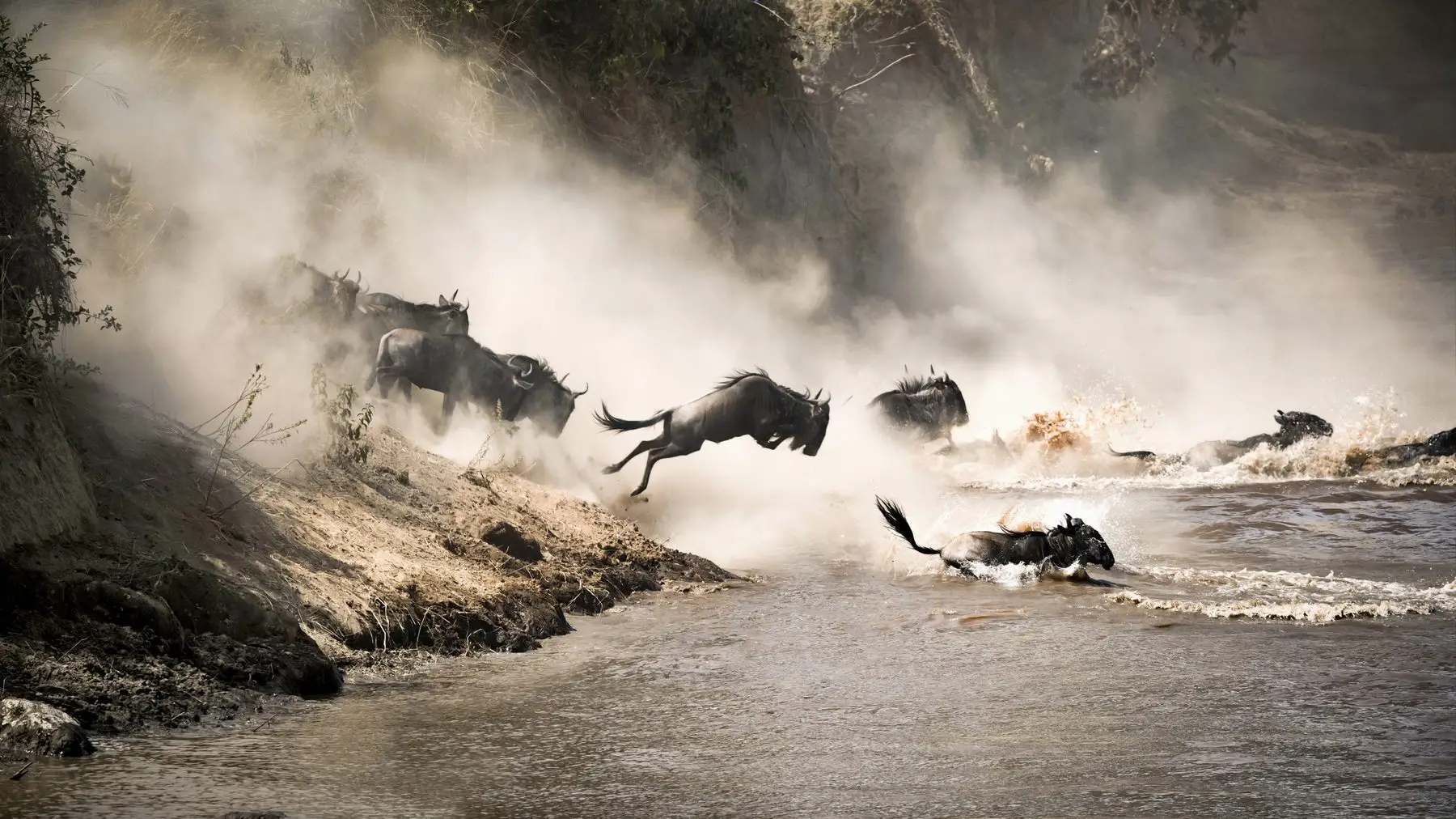
Kenya has a clear peak. The wildebeest herds pour into the Maasai Mara from around July through October, the river crossings happen, and demand goes vertical. Reserve fees sit at their highest, the best camps charge peak rates, and they book out months ahead. If a crossing is on your list, this is the window, and you pay for it.
Outside those months Kenya stays superb. The resident big cats, elephants, and plains game are there all year, the green season after the rains is lush and quiet, and the same camps cost noticeably less. If you're flexible on dates and not chasing a crossing specifically, going just outside peak is one of the easiest ways to bring the number down. For the full picture, see our guide on the best time to visit Kenya.
What's Not Included in These Figures
To give a complete picture of what a Kenya safari from Australia costs, here's what typically sits outside the safari quote itself.
- International flights from Australia. Return fares from Sydney, Melbourne or Brisbane to Nairobi (NBO) run roughly $1,900 to $2,800 AUD per person depending on timing and how early you book. We usually route via Singapore, Johannesburg or Addis Ababa, and we'll suggest the best connection for your dates. This is the single largest variable cost for Australians that never appears in a safari quote
- A coast or island extension. Many Australians add a few nights on the Kenyan coast around Diani or Lamu, or hop to Zanzibar, to wind down after the safari. Budget from around $1,200 to $4,000 AUD per person depending on the property
- Travel insurance. Non-negotiable for a safari. Make sure your policy specifically covers emergency evacuation, since a helicopter lift from a remote camp can cost tens of thousands without it. Budget around $200 to $600 AUD per person for a comprehensive policy
- Kenya eTA. Kenya uses an online electronic travel authorisation, yours to arrange before you leave home and only through the official site, etakenya.go.ke. It carries its own fee, so check the current amount there, and it's worth starting early
- Tips for guides and camp staff. Standard on safari. Budget around USD 15 to 25 per person per day for your guide, plus a similar amount for camp staff over the trip
Kenya or Tanzania?
It's the question almost every Australian asks, and the honest answer is that at the same level of comfort the two land in a similar price range. Kenya has a deeper bench of mid-range lodges, which can make the comfortable end a little cheaper, while a multi-park Tanzanian northern circuit racks up park fees quickly. At the luxury conservancy level they're close.
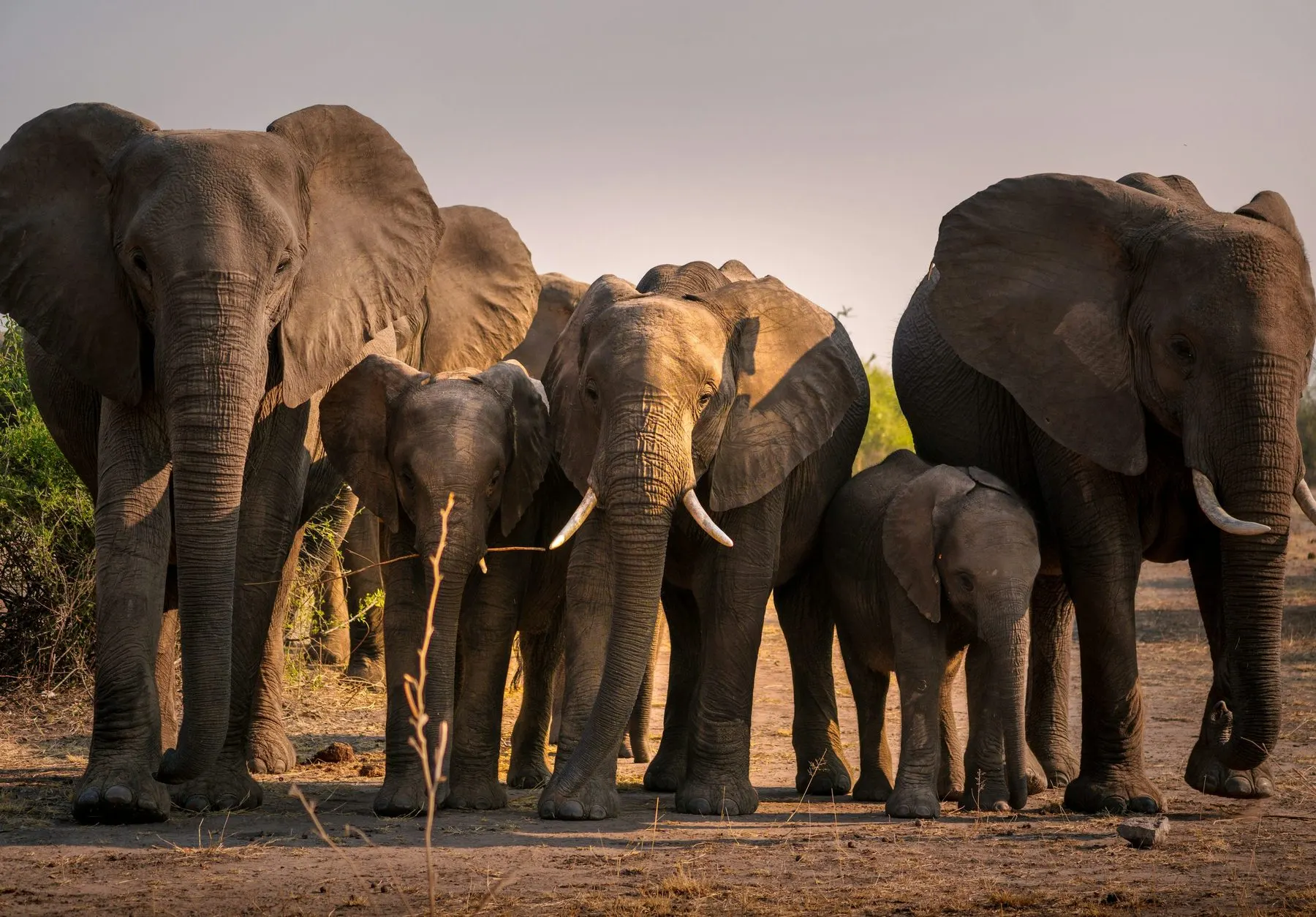
The real difference is the feel of the trip, not the dollars. Kenya's conservancy model and the elephants-under-Kilimanjaro scenes in Amboseli give it a distinct character; Tanzania's Serengeti and Ngorongoro deliver scale and density that's hard to match. We've written a full Kenya vs Tanzania comparison if you're weighing the two, and plenty of our clients simply combine them.
Why Australians Often Overpay
The most common mistake is booking a Kenya safari through a US or UK-based aggregator or travel agent. It's understandable, those sites rank well and look polished, but it almost always means paying more for the same camps and guides.
The maths is simple. Book through a Western aggregator and you're typically adding 20 to 40% in margin on top of what a direct operator charges. They quote in USD, convert to AUD at a rate that doesn't favour you, take their commission, and you land at a higher number for an identical trip.
There's a practical cost too. Aggregators are generalists who sell African safaris the way they sell cruises and ski weeks. The person assembling your itinerary may never have stood in the Mara. When you have a real question about reserve timing, conservancy choice, or guide quality, you're getting brochure answers, not experience.
What "No Middle Man" Means for Your Cost
Kingse Safaris is an Australian-owned operation with a team in Tanzania. We work directly with our camps and ground partners in Kenya rather than buying a trip from a wholesaler and marking it up. There's no aggregator margin wedged between you and the actual cost.
For Australians specifically, it also means talking to someone who works in your context. Your budget is in AUD, your departure city is Sydney, Melbourne or Brisbane, and your question about whether your August dates will catch a crossing comes from someone who tracks where the herds are, not someone reading a guide.
Getting a Real Number for Your Trip
The figures above give you a working framework, but your real cost depends on the specifics: which parks, reserve or conservancy, how many nights, how many of you, and what time of year. The same trip in August costs more than it does in March, and a conservancy-heavy itinerary prices differently to a reserve-only one.
Tell us the rough shape of what you want and we'll build a real quote around it, in AUD, with every line explained. Use our cost estimator for a starting point, or get in touch directly if you'd rather talk it through first. Either way, you'll get actual numbers within 24 hours, not a brochure asking you to book a call. You can also read more about a Kenya safari with us before you do.
Get Your Real Quote
Tell us about your trip
Your dates, your group, whether you want the reserve, a conservancy, or both, and what matters most to you. We'll come back with real costs built around your specific trip, not a generic starting price.