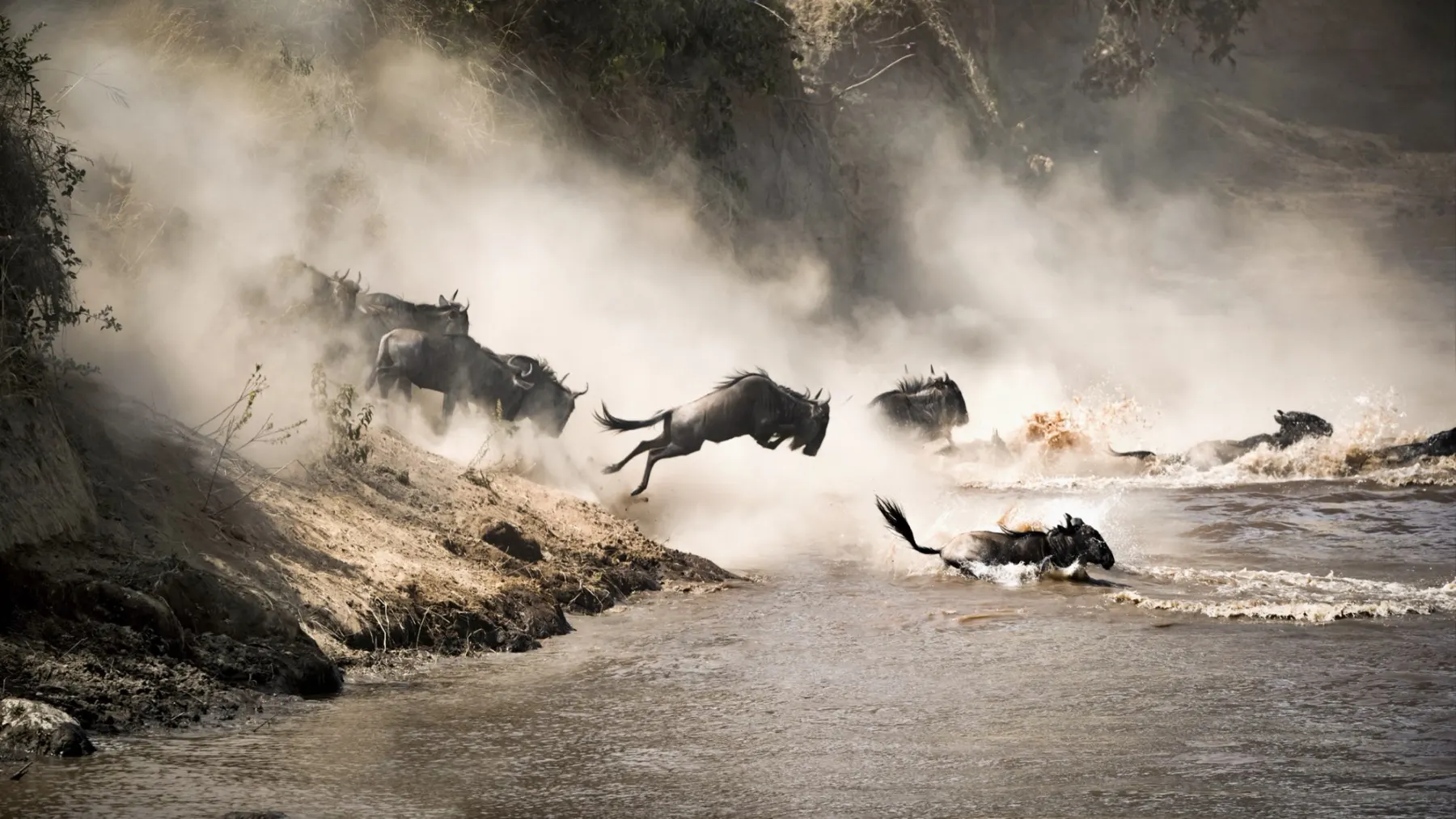
Tanzania is the home of the safari, the place the word itself conjures: the short-grass plains of the Serengeti running clean to the horizon, a crater wall holding the Big Five in a single bowl, elephant herds moving through the baobabs, and somewhere out there a million wildebeest on the march. Best of all, most of it sits on one route, the Northern Circuit, which is exactly why so many people start their safari life here.
It's the easiest of the great safari countries to put together and the most rewarding to get right. This is the overview: the parks that make the trip, how the classic loop strings them together, when to go and how the Great Migration moves through the year, roughly what it costs, and how it all finishes on the beach in Zanzibar. Each section links to a full guide if you want to go deeper.
The parks that make a Tanzania safari
1. Tarangire, the land of giants
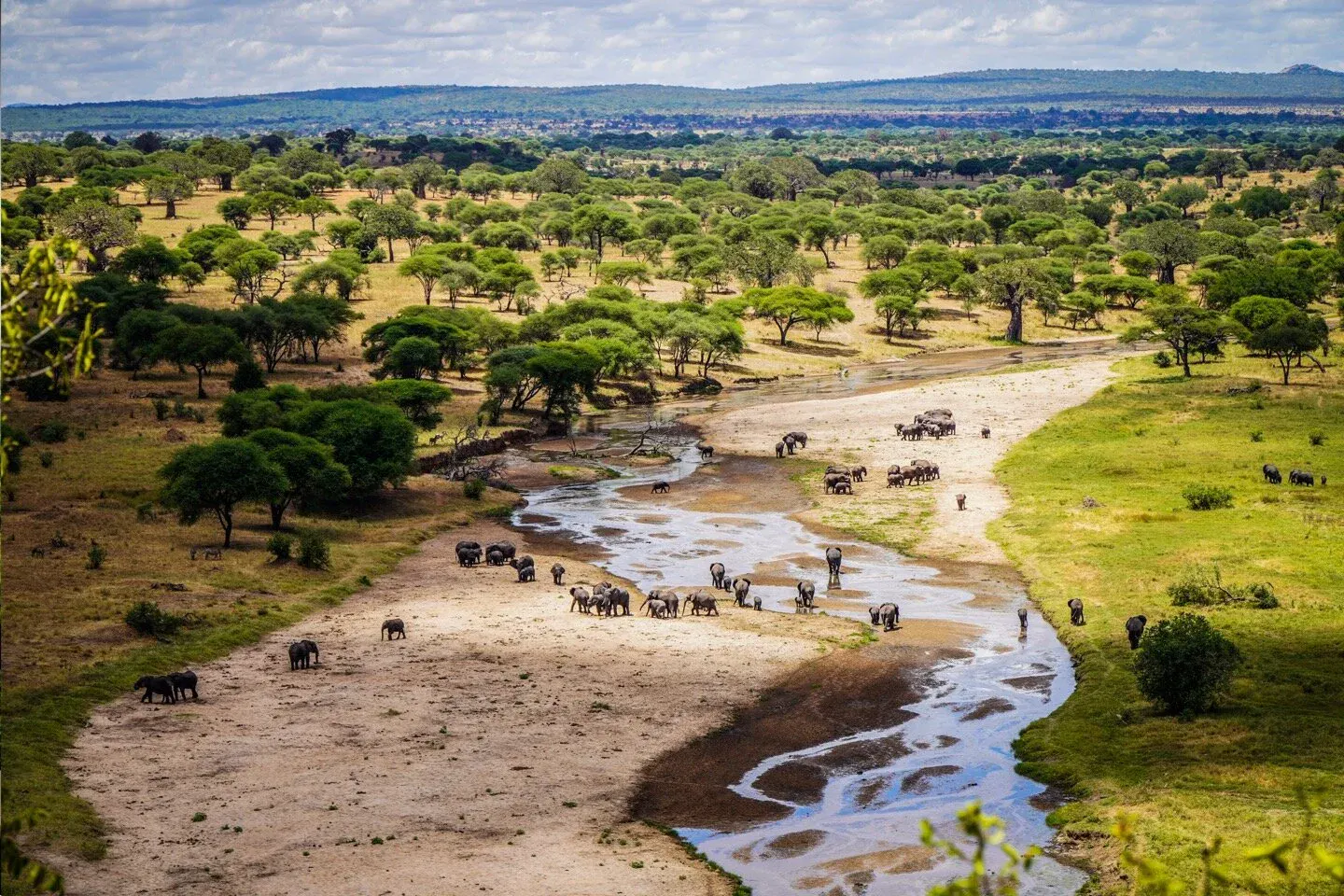
The Northern Circuit usually opens here, the closest park to Arusha and a gentle way into safari. Tarangire has the biggest elephant herds on the circuit, ancient baobabs standing over the grass like something out of a fable, and a river that pulls in the wildlife through the dry months. Most people have never heard of it, which makes it the most underrated park on the route. Full detail in our guide to Tarangire National Park.
2. The Ngorongoro Crater
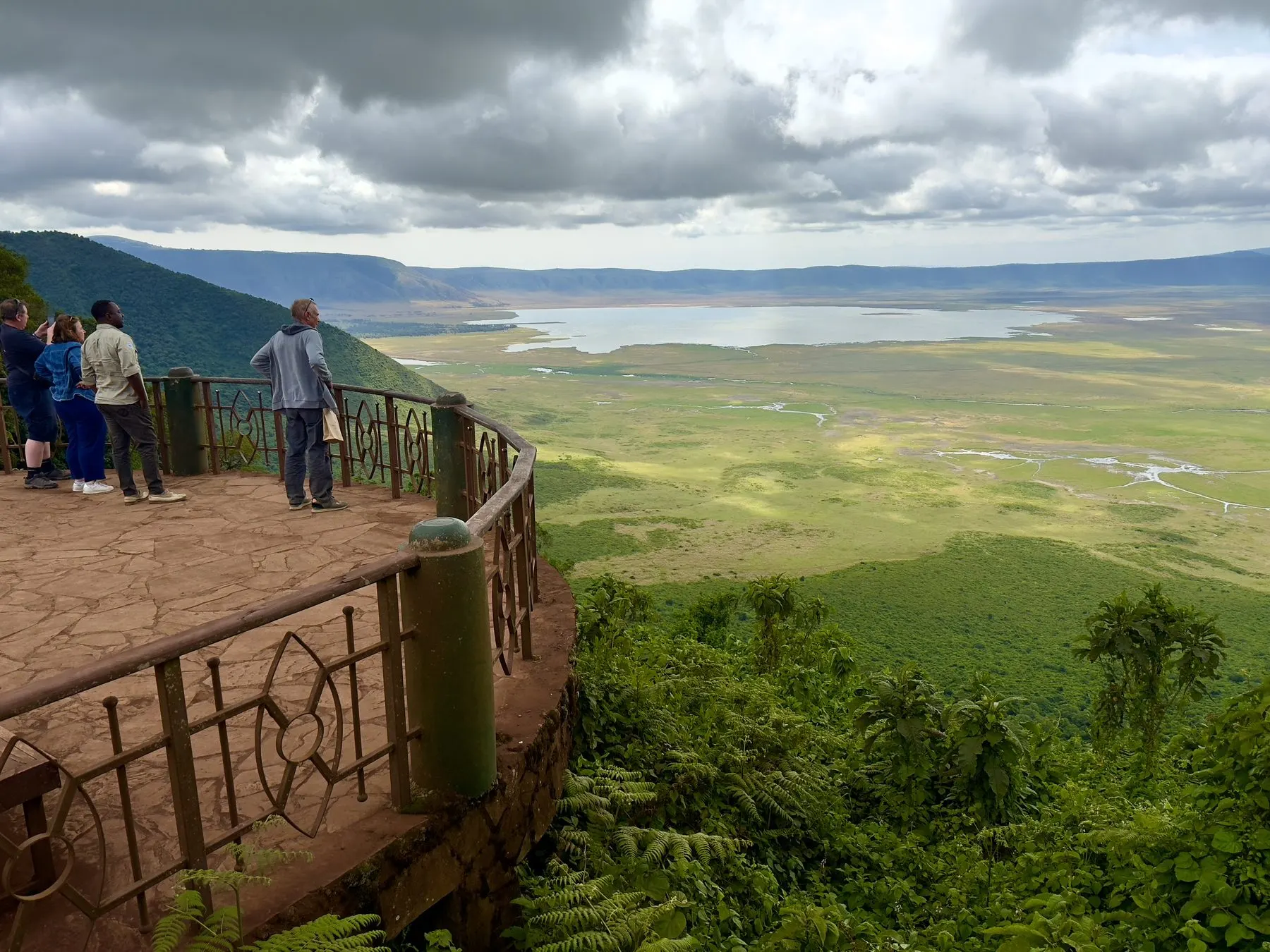
A collapsed volcano two to three million years old, its floor a hundred square miles of grassland, lake and forest ringed by a wall some six hundred metres high. Almost everything lives down there, lion, elephant, buffalo, and one of the best chances anywhere of finding a black rhino, so it's possible to see the Big Five in a single morning. We base up in Karatu on the rim, with Lake Manyara an easy half-day stop nearby, and drop down for a full day on the crater floor. It's all in our guide to the Ngorongoro Crater.
3. The Serengeti
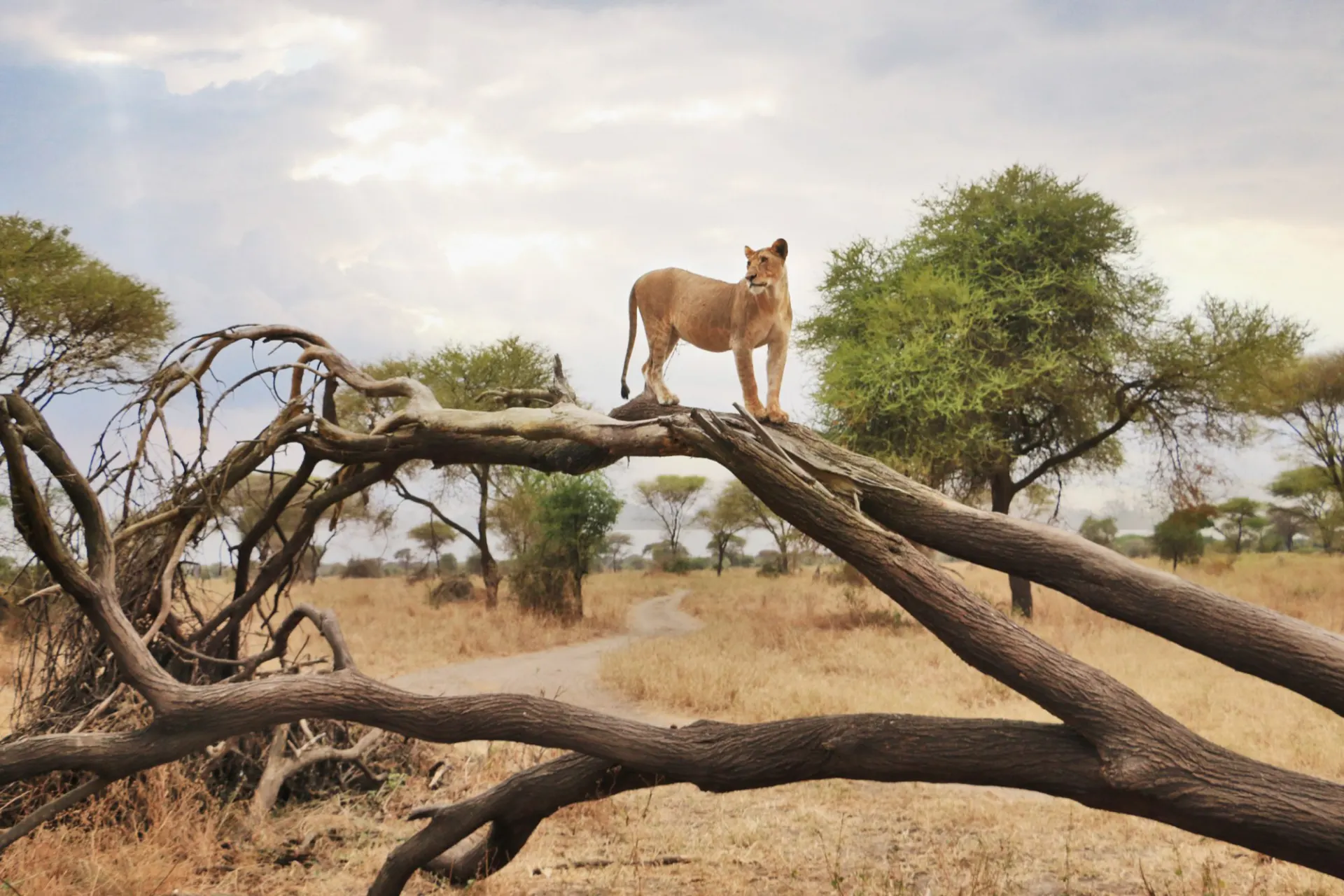
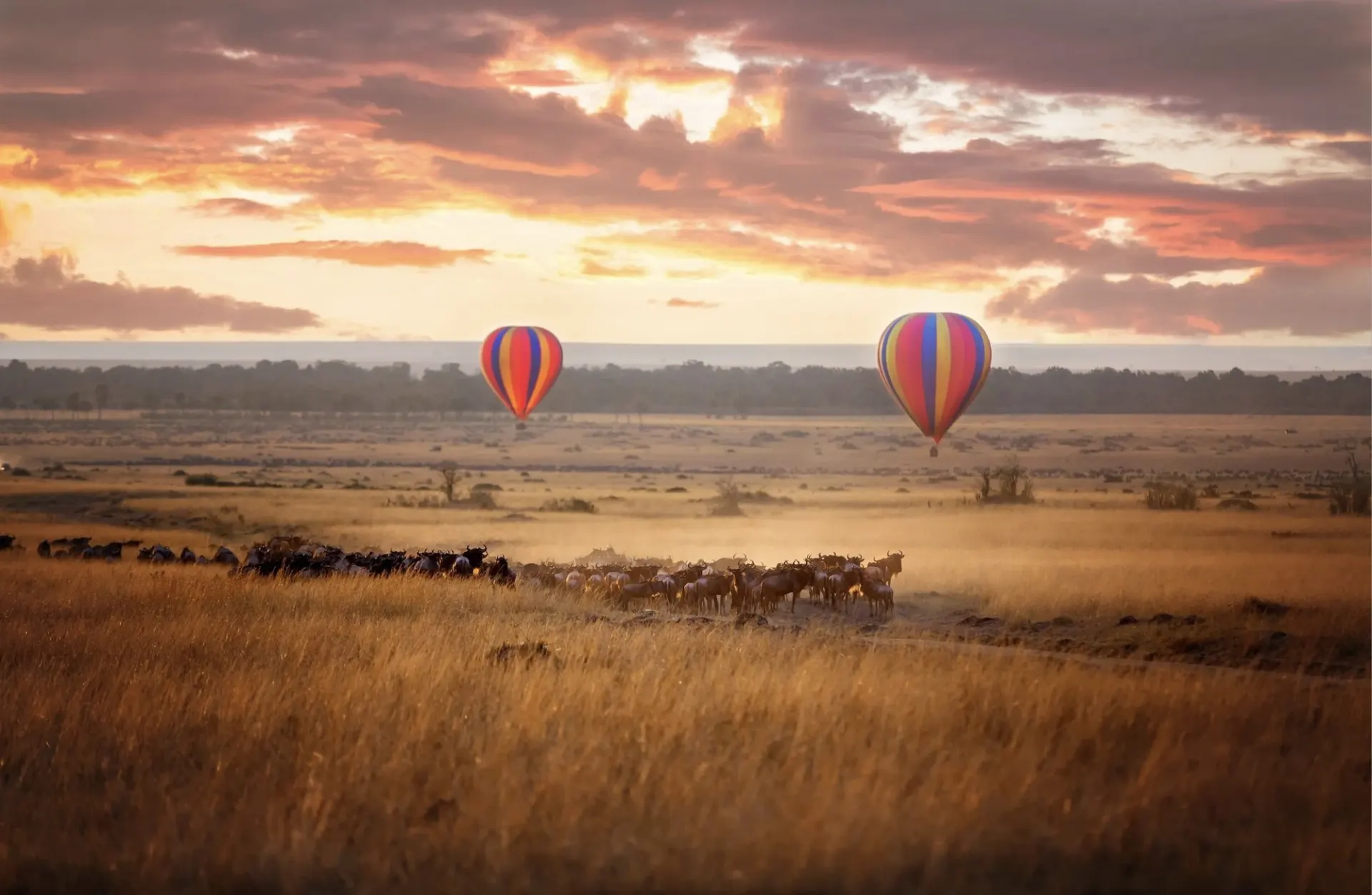
The headline, and rightly so. Fourteen thousand square kilometres of plains, the best big-cat viewing in Africa, and the stage for the Great Migration as the herds pass through on their endless loop. Mornings here can start with a hot-air balloon drifting over the plains at Seronera as the sun comes up. Most trips spend two to four nights, building up to the Serengeti as the climax of the route. It's in our guide to the Serengeti National Park.
The short version: Tarangire for the elephants, the Ngorongoro Crater for the Big Five in a single bowl, and the Serengeti for the plains, the cats and the migration. Three parks, one road out of Arusha, building to a crescendo.
The classic loop, and how it fits together
Most Tanzania trips run as a loop out of Arusha, the safari town below Mount Meru that almost everyone flies into. The shape of it, and the order, is deliberate. You build up to the Serengeti rather than leading with it:
- Arusha to Tarangire, an easy first drive to ease into safari among the elephants and the baobabs.
- Tarangire up to Karatu, on the rim of the highlands, with Lake Manyara an option for a half-day stop on the way.
- Down into the Ngorongoro Crater for a full day on the floor, then back up to the rim by evening.
- On through the conservation area into the Serengeti, the natural route, and the moment the plains and the big cats open up in front of you.
- Out from the Serengeti, usually flying back to Arusha from one of the airstrips rather than driving the whole way, to save a long day on the road.
You don't have to do all of it. A short trip can fly straight into the Serengeti and skip the drive. A family with young kids might trade a long transfer for a bush flight. We keep every driving day under about five hours, and we build the loop around the few things you most want to see, not a fixed circuit.
How long do you need?
- 4 to 5 days: a short Northern Circuit, the Ngorongoro Crater and a couple of nights in the Serengeti, usually flying one leg to make the most of the time.
- 6 to 9 days: the full classic loop, Tarangire, the crater and three nights in the Serengeti. This is the sweet spot for a first trip.
- 12 days or more: room to slow right down, add nights in the Serengeti to chase the migration, or finish on the beach in Zanzibar.
When to go, and where the migration is
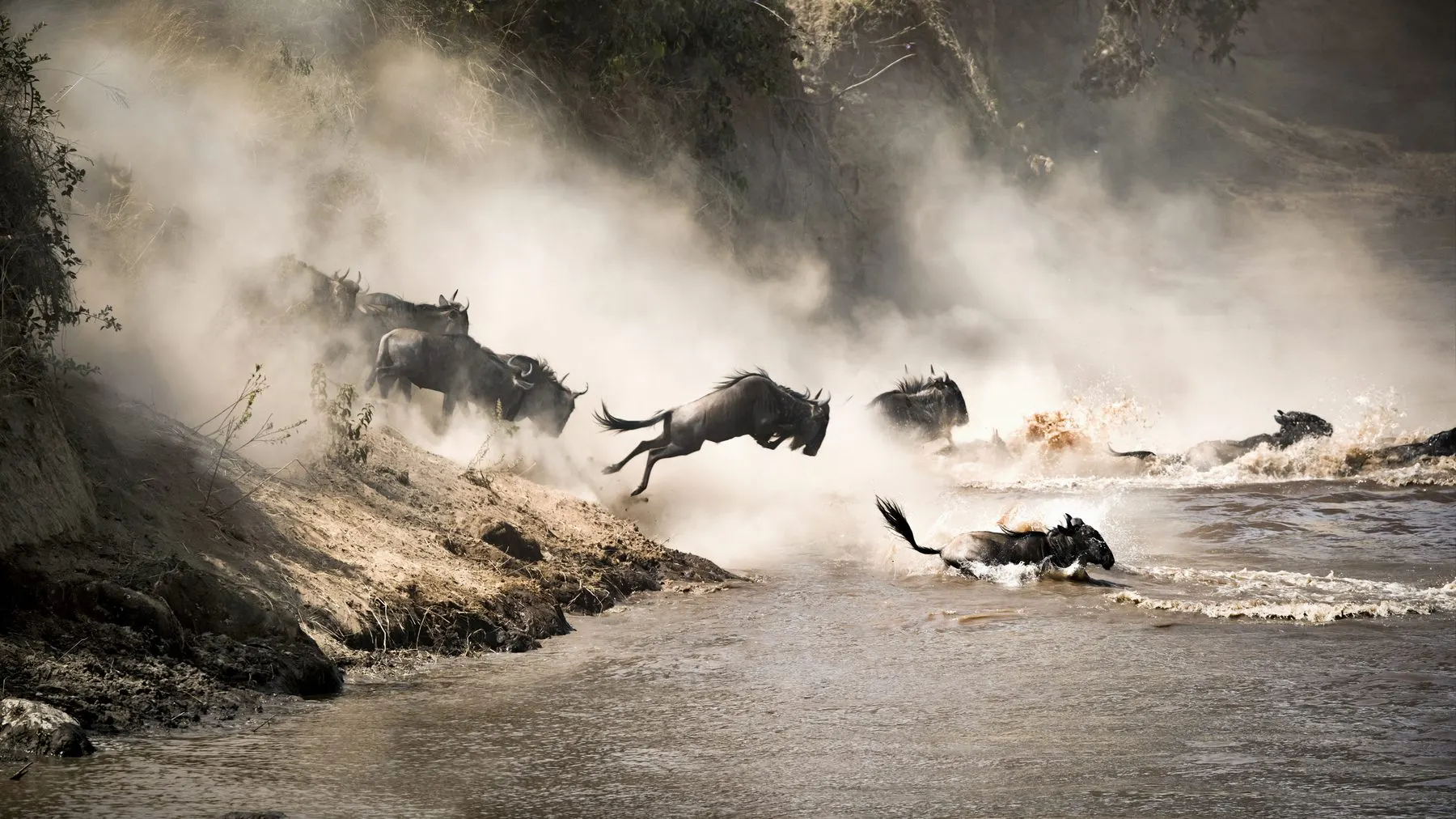
Tanzania is a year-round safari. The dry season, roughly June to October, is the classic game-viewing window: thinner bush, animals drawn to the water, and the big Mara River crossings up north. The green season, November to May, is lush and far quieter, with lower prices and the calving herds down south. Here is roughly where the Great Migration is through the year, though the herds follow the rain, not the calendar, so treat the months as a guide rather than a promise.
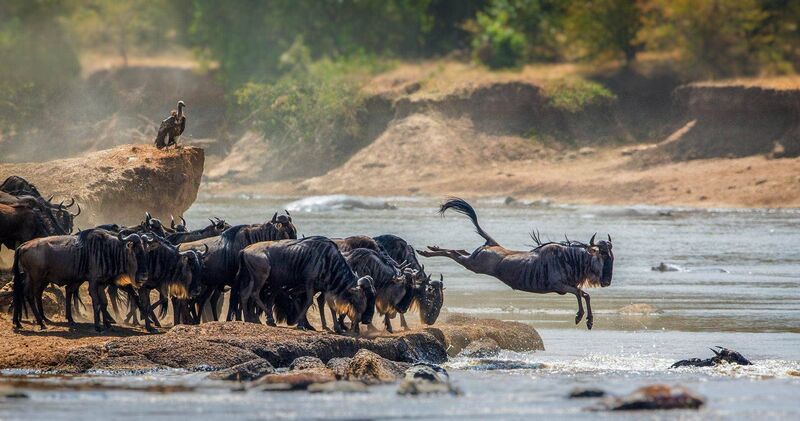
One thing worth saying plainly: the Northern Circuit is a superb trip in any month. The migration is one chapter of it, not the whole story, and the resident lion, elephant and the crater don't go anywhere with the seasons. If the herds are the reason you're going, we'll position you in the right part of the Serengeti for your dates. We go into all of it in our month-by-month migration field guide and our guide to the best time to visit Tanzania.
What does it cost?
A private, guided Tanzania safari isn't cheap, and it isn't meant to be, but it's more affordable than most people expect once you book direct rather than through an aggregator. For the Northern Circuit itself, most of our guests land somewhere around 7,500 to 11,000 Australian dollars per person, with international flights on top. The biggest levers are the standard of camp, the government park fees, and how much you fly rather than drive. We quote in Australian dollars and lock the rate in at booking, so there are no currency surprises. The full breakdown, in real numbers, is in our guide to what a Tanzania safari actually costs.
Adding Zanzibar
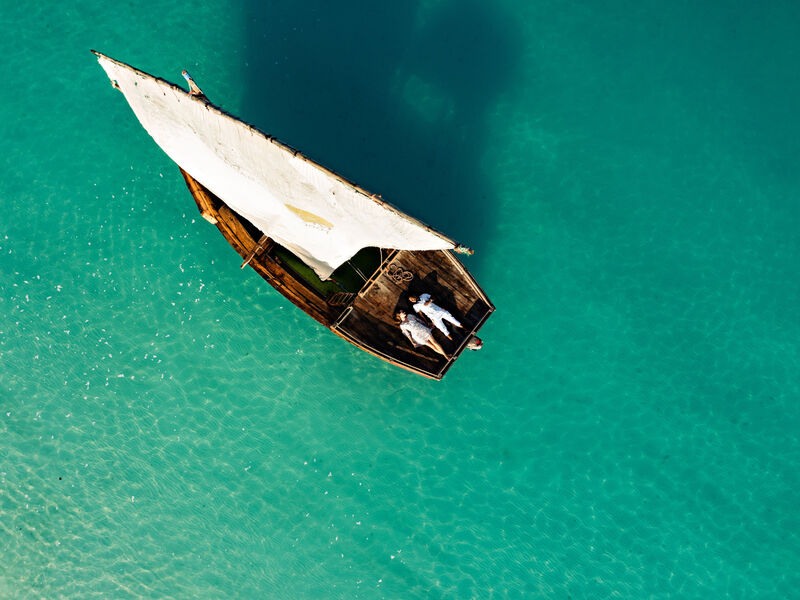
Safari first, then the beach. Almost always. After a week of dust and early starts, three or four nights on the Indian Ocean is the perfect way to wind down, and Zanzibar is an easy flight of about an hour from the safari airstrips or from Kilimanjaro, so there's no long haul to get there. Spice farms, the old coral-stone lanes of Stone Town, dhows on turquoise water, and some of the best snorkelling in the region. There's more on the islands on our Zanzibar page.
More than the wildlife
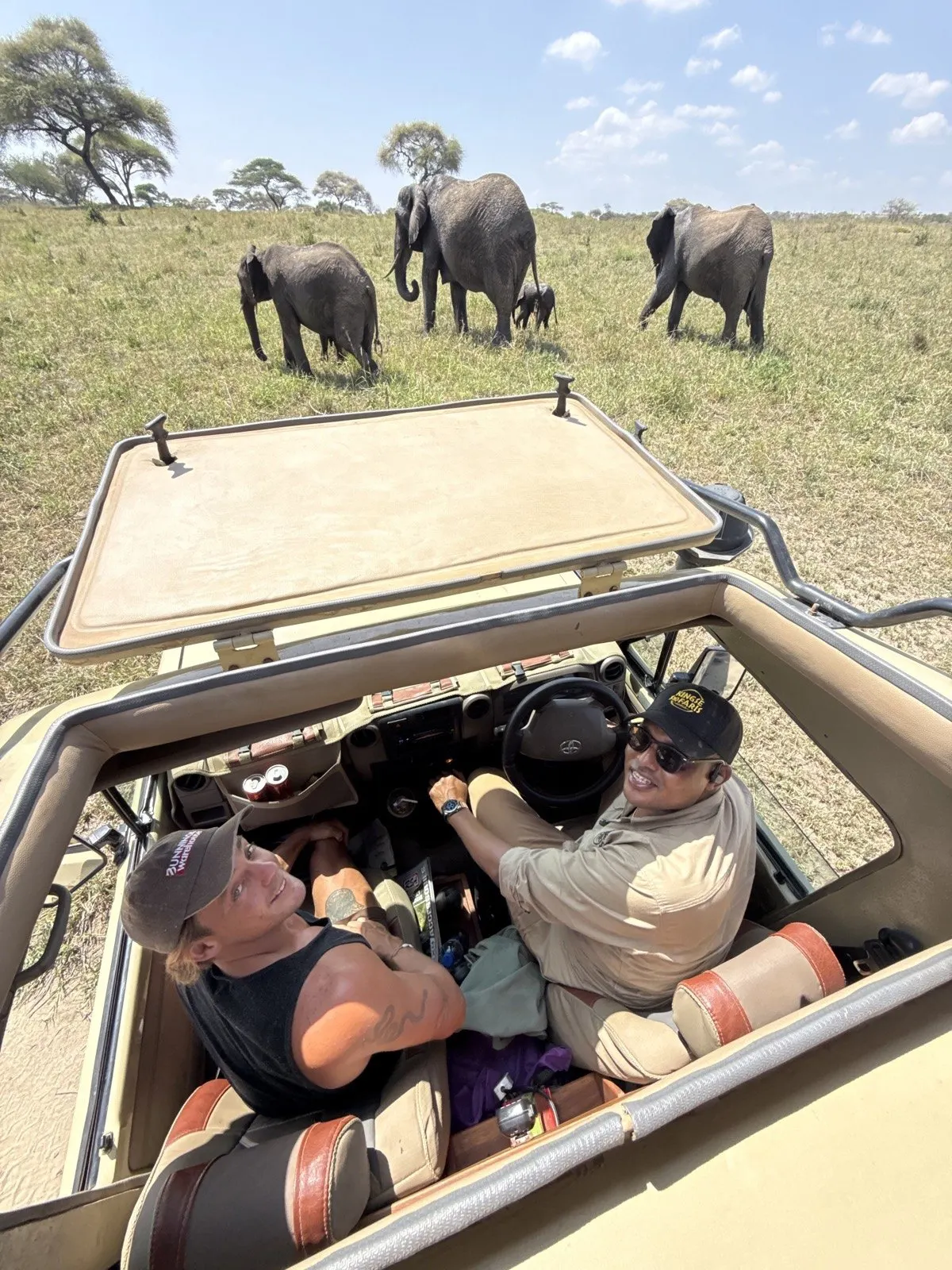
There's a stretch of the route, up on the highlands around Karatu between the crater and the Serengeti, where a Kingse trip does something most safaris don't. Pete, one of our senior guides, is from Karatu, and we build in a morning at the community school that's home to the Nanyaro Foundation, our first community project. No third parties, no middle men, just the people who designed your trip and the ones on the ground who make it run. It's often the part guests remember most.
Frequently asked questions
How many days do you need for a Tanzania safari?
Six to nine days covers the Northern Circuit comfortably: Tarangire, a full day in the Ngorongoro Crater and two or three nights in the Serengeti. A short trip of four to five days can still take in the crater and the Serengeti by flying a leg. Add Zanzibar and you're looking at a fortnight.
What is the best time to go on a Tanzania safari?
Year-round. The dry season, June to October, is the classic window and lines up with the Mara crossings, which peak in August and September. The green season, November to May, is lush and quieter, with calving down south in January and February. The herds follow the rain, not the calendar.
How much does a Tanzania safari cost?
For a private, guided Northern Circuit trip, most of our guests land around 7,500 to 11,000 Australian dollars per person for the safari itself, with international flights on top. The standard of camp, the park fees and how much you fly are the biggest levers.
Can you combine a Tanzania safari with Zanzibar?
Yes, and most do. Safari first, then the beach. Zanzibar is a short, roughly one-hour flight from the safari airstrips, so the islands make an easy wind-down. Three or four nights is the sweet spot.
Go deeper on Tanzania
Serengeti National Park: A Complete Guide
The Ngorongoro Crater: A Complete Guide
Tarangire National Park: A Complete Guide
The Great Migration: A Month-by-Month Field Guide
How Much Does a Tanzania Safari Cost?

The Nanyaro Foundation: the School in Karatu
Thinking About Tanzania?
Let us plan your trip
Tell us roughly when you'd like to travel and what you most want to see, and we'll build a Tanzania trip that fits, the elephants of Tarangire, the crater, the Serengeti plains, and the beach to finish.